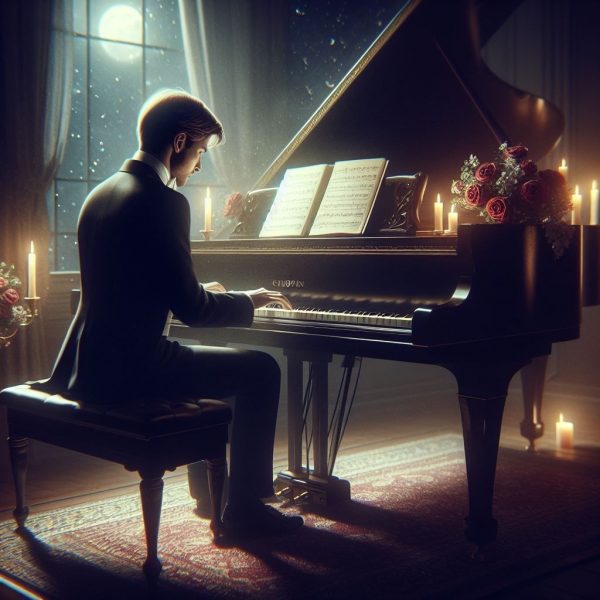
In youth we are open for a wide range of influences. Heroines in children’s literature, picture book or cartoons look back on a long history as successful influencers. Creation, transmission and criticism of stereotypes are all part of the scientific reflection on heroines and heros. Nowadays, influencers have taken over picture books through the use of more compelling videos.
In the 1950s,1960s and 1970s picture books or cartoons dominated the influences before mass media like television became more absorbing, addictive and powerful influencers. Children’s books are passed on from one generation to next generation. The French-speaking world (and beyond BBC reference) has witnessed the success of the illustrated booklets of the young “Caroline” (Hachette) and “Martine” (Casterman) exploring the world. Parents passed on their collection to children and had their own parents read the stories to their grand children.
Well, that’s how intergenerational transmission of cultural heritage has worked for a long time. It describes the basic social mechanism. Nevertheless, new forms of influencing emerged with new technologies. Successful illustrated narratives like “Caroline” and “Martine“ were adapted as television series as well. In France you could chose your side of either explorations with Caroline and her group of animals or the adventures of Martine.
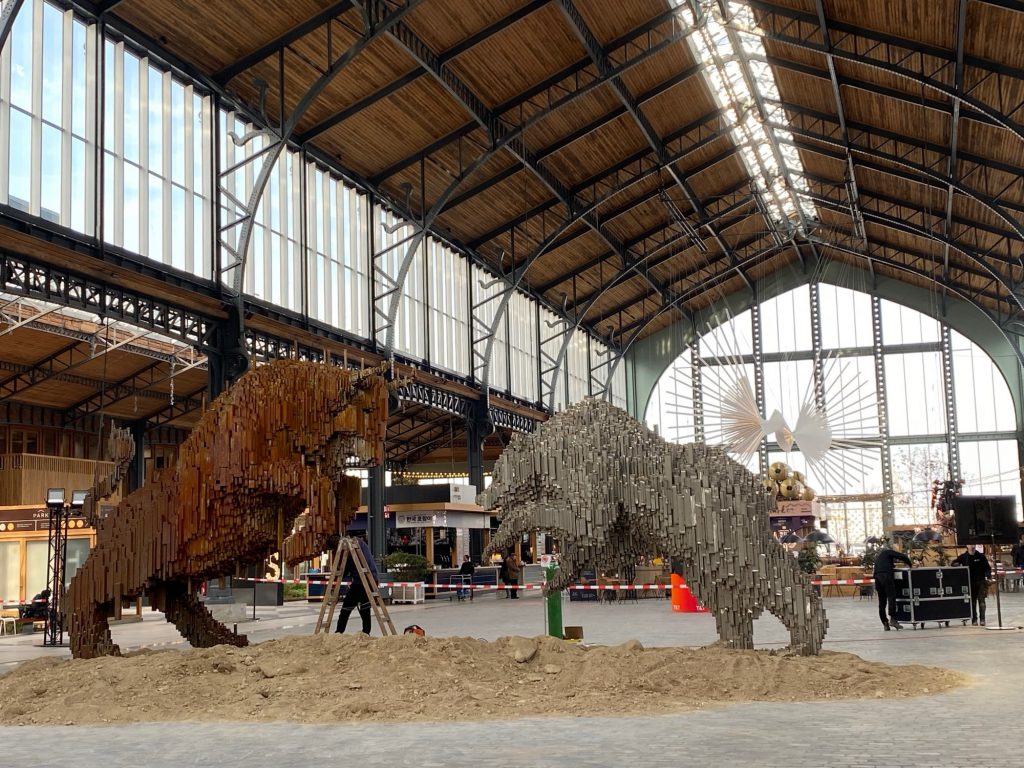
Ideally it would be an occasion for the families and friends to discuss pros and cons of each character and, thereby, become aware of what is a stereotype, at least at a later stage of the life course. Gender stereotypes have evolved and to observe 2 boys colouring Martine images in public (Brussels book fair 2024, image below) was a positive surprise. It almost felt like a real world experience of the AI-enabled Barbie explorations. 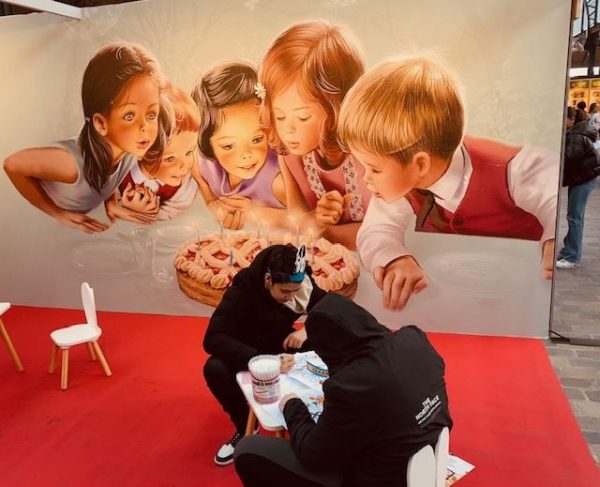
Wage Minimum
A wage at a minimum level is frequently lower than the minimum wage. Most EU countries have a legal minimum wage that should protect against poverty risks at low levels of wages. Over decades it has not yet been possible to raise all low wages to this level. Le Monde (Béatrice Madeline et Aline Leclerc) has published on April 3rd a comprehensive analysis of sectors and people concerned with this difficulty to make a decent living while earning the minimum wage. In France (La désmicardisation), as in many other countries, it is difficult to earn just a bit more as the minimum wage because both employers and employees may lose social benefits if they just earn some hundred € more than the legal minimum wage. For all those persons who do receive only a wage even below the minimum wage getting stuck in a poverty trap is very likely. The number of working hours is then often is the only option to make ends meet your needs. Put bluntly, you work additional hours and/or take a second job to complement the lack of earning a wage at the minimum level. Public procurement that makes the application of the minimum wage compulsory and controls this application effectively benefits society as a whole. Lots of infrastructure projects, urban and rural development receive public support. The conditionality to pay the minimum wage + X should be a „conditio sine qua non“. The millions of workers at the lower end of the wage distribution have a power at the ballot box, which continues to be underestimated in many European countries. The EP elections on June 9th will probably alert us about the lack of faith in a bettering of living and working conditions of those persons coping with wage minima.
Fertility Growth
The first association of fertility and growth is likely the growing of fertility rates in a country or region. Only macro economists associate the growth or decline of fertility with the macroeconomic consequences of more or less economic growth. Countries with higher fertility rates in most cases have higher growth rates as parents spend more on food, clothes, mobility and education. Accommodations are changed, adapted and refurbished. Estimates of increased consumption per child by economists range from 500.000 to almost 1 million in the highest developed countries. Children are a country’s wealth, but they also cost a fortune in monetary terms. Good news for the economy if families keep spending independent of economic cycles. More children keeps dedicated shops running or even a whole sector of the economy. In recessions the downward pressure in this sector becomes an additional challenge not only for the families but with ripples-on effects for the whole economy and society. If you see shops closing which has sold furniture for children for the last 15 years then the realization of an economic downturn becomes also more real. Sometimes the parallels in the news of declining fertility and increases in pensions do not square well with the fitness for the future or the future orientation of a society. Democratic voting rights that give families more weight in elections could change this. It is not yet on the political agenda.

Fertility BPS-SPB
Fertility is another example of the co-determination of the biological, psychological and societal spheres of life. The latest available data for Germany and Sweden in 2023 show a remarkable decline of 10% in the seasonally adjusted Total Fertility Rate (TFR) in both countries (Bujard, Andersson 2024). The TFR was at 1.3 in Germany and 1.5 in Sweden. This means both countries are well below their population replacement rate. In both countries the populations will shrink further. There are no easy answers to the question: why?
The co-determination of the biological, psychological and societal spheres of life seems to be combined driving force. The biological clocks are ticking for women who delayed birth. Maybe pollution of drinking water or PFAS, nanoparticles of plastics disturb fertility. Psychological reasons such as increased anxieties due to the Covid-19 pandemic, lock downs or closed schools have left parents without adequate support for 2 years. Isolation or loneliness could have delayed partnerships and fertility as a consequence. The social environment has also provided additional uncertainty as the cost of living has risen and affordable housing for families is scarce in both countries.
We have probably underestimated the effects of the “Zeitenwende” on people’s mind sets. Sweden has suddenly sought to join NATO to achieve a broader military safety net for its people. In Germany the experience of damages due to war or as a consequence of Russian occupied territory is very present in people’s mind. The war of Russia in Ukraine may have increased uncertainties, anxieties beyond the immediate effects of higher living costs, interest rates or prices for energy. At best fertility might only be delayed for some years, but the consequences of shrinking populations need to be taken seriously. Making societies more welcoming for children and their parents is part of the solution. 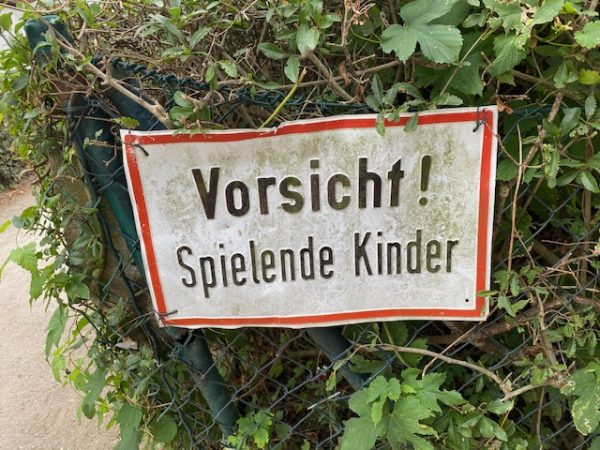
Sleeping BPS-SPB
Sleeping is a good example of the co-determination of the biological, psychological and societal spheres of life. The environment with the daily cycles of light and dark as well as the social norms of work and rest determine the circadian cycles of hormones. Shift work or otherwise disrupted sleep patterns depend on social norms like regulation of noise or light in cities. Healthy sleep patterns, therefore, depend to a large amount on regulation and implementation of those social norms. Birthday parties are tolerated, but much less the irregular partying in shared housing with lots of neighbours. Reducing social contacts during Covid-19 led to the changes in sleep patterns as well.
The psychological determinants of sleep go well beyond the world of dreams as theorized by Freud. Nowadays, we investigate all sorts of behavioural patterns that have an impact on sleeping like “bedtime technology use” of smartphones or the ability to switch off thinking of problems. Sleeping is a particular functional state of our mind. A lot of sorting of daily impressions into memory occurs during the different phases while sleeping. Persistent disrupted or impeded sleep is recognized as torture in severe cases. Stress at work or working overtime is also a major cause of sleep disorders.
The biological indicators used to investigate sleep have revealed a lot of links of sleep and the hormones of melatonin as well as cortisol. Testing has become more accessible and provides good indicators of how the biological clocks tick within our bodies.
However, we are only at the beginning of the analysis of more complex interactions of the multiple forms of interaction of the bio->psycho->social (BPS) as well as the social->psycho->bio (SPB) co-determination of sleeping. Scientific research is faced with a steep challenge as the direction of causality is not uniform except in very controlled experimental settings. Maybe the arts have coined and popularized a useful term in this respect. “I am in a New York state of mind”.
(Image: extrait of Magritte. La clairvoyance, 1936 and The cultural context of aging, Jay Sokolovsky) 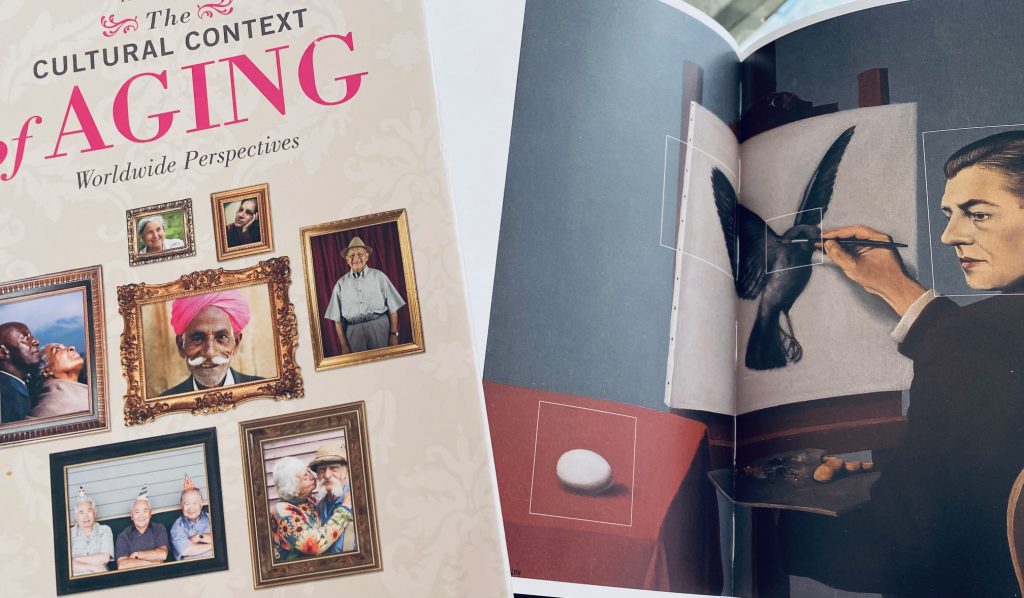
Sleep biology
Biological processes work hard during our sleep. Our immune system in particular benefits a great deal from undisturbed sleep. This is the simplest summary of the study by Kabrita et al. (2024).
We can study the temporal expression pattern of major histocompatibility complex MHC class I for example in mice. 2 groups of sleep-restricted versus normal mice reveal the biological impact of sleep restriction. In comparison to the control group sleep restriction in mice produced a bimodal pattern of Splenocytes with higher protein levels during the resting period. Such an increased protein expression during resting periods indicates a “preparedness for a potential infection”. Sleep recovery, even if short compared to the longer sleep restriction, allows to return to the baseline of protein levels. The good message is that at least mice seem to recover rather quickly from sleep deprivation with their immune response system.
The biology of repeated phases of longer sleep deprivation could inform us on the implications of sleep deprivation on aging processes. The biological responses in single event sleep deprivation seem to show a fast recovery pattern. Probably it is worth studying the same recovery process of groups of young versus aged mice.
Anecdotal evidence from myself indicates that recovery after sleep deprivation in older humans is no longer as fast as at younger ages. Behavioural responses might be less sleep deprivation (less fun) or longer recovery periods (stay in bed longer). The behavioural response of humans appears to be an obvious one. Instead of either or, we tend to go for both at the same time.
(AI Image: BING +Dall-E. one group of mice is partying in a club at night. Another group of mice is sleeping tight in another room. Cartoon-like images. 2024-3-18) 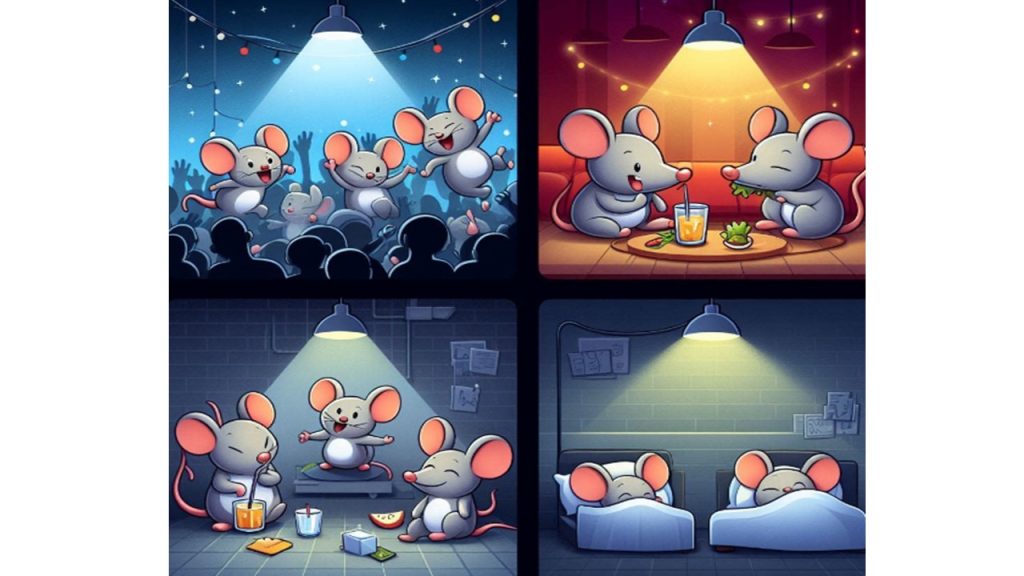
Family Music Days
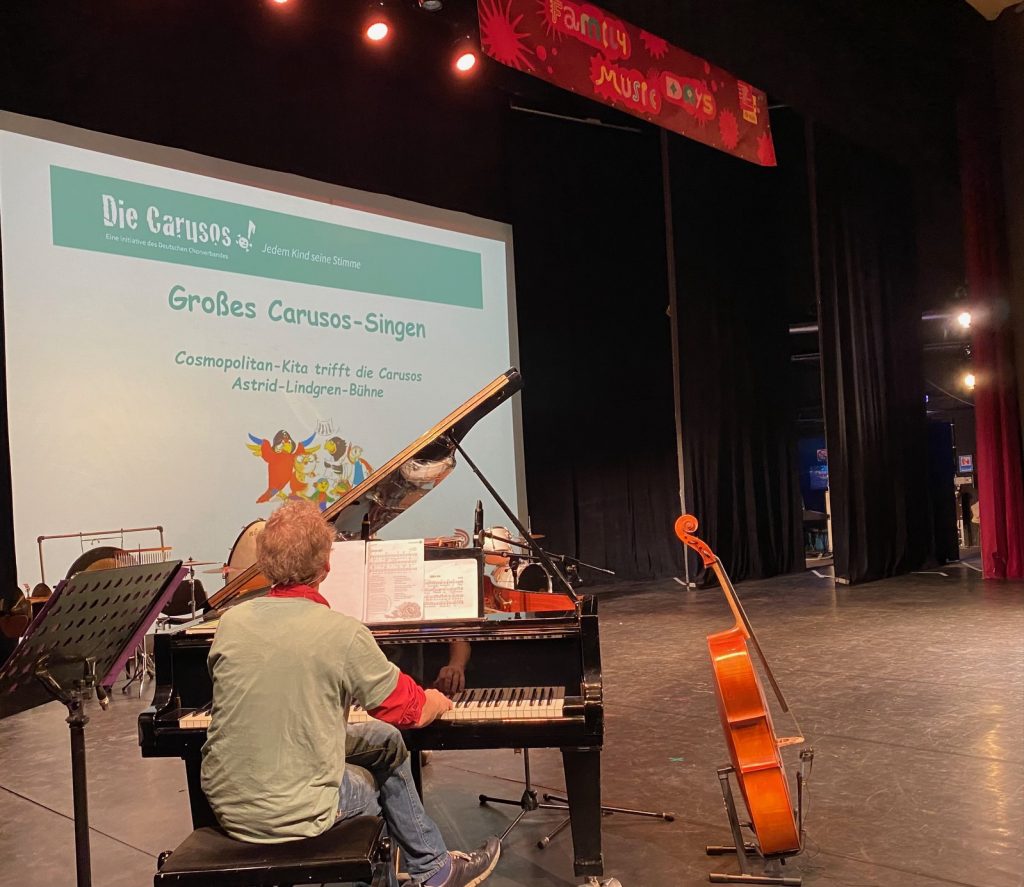
Kids are queens, kings and princesses as well as princes at the family music days in Berlin at the FEZ. Kids can enjoy the full spectrum of musical experiences from just listening to playing themselves, if they feel like it or dare to risk a sound. Just making noise is okay, too. Building your very own version of a musical instrument is a great learning experience for the young. To make music it doesn’t always have to be an expensive instrument. Your own imagination assisted by persons with patience and passion creates marvelous sound experiences. Initiating kids to the endless worlds of sound is having lasting effects on them. Great to see a concert hall full of young enthusiasts. Learning is so much fun, if taught in accessible and inclusive ways. Professional instructors joined by many volunteers make the world go round for kids. Wish you we here. Let’s spread the message.
Biographies
The biographies of painters, composers or artists in general can be reconstructed by use of their major works. The biography of René Magritte by Eric Rinckhout (2017) has chosen this way of a retrospective in images and explanatory texts. The biography is built around 50 major images starting with the first one by Magritte at the age of 28. “Les réveries du promeneur” (see below) deal with the confrontation of Magritte with death, suicide and the difficulty to find rational answers to all those questions of why this happens and what becomes of people who experience such a tragedy.
His own childhood was affected by such an event concerning his own mother who suffered from depression. Coping with the evolution of psychic illness over years and the absence of a supportive father have posed a steep challenge for the young person. Creation of art became a coping strategy as well as a relief for those who manage to eventually cross the bridge into their own life leaving behind the bad experiences. J.J. Rousseau was an influence on Magritte as well.
Finding your own destiny and your own style is a process. This process evolves over years. The chronological sequence of 50 images allows to follow the path taken. Thereby, it becomes possible to open up the personal learning and working trajectory of the artist. In retrospective perspective it seems often logical that one style or period of painting follows on from another one. However, in the forward living of the creative life many choices are heavily contingent on other circumstances. Influences of friends, exhibitions, reading, cinema, private or financial situations may determine the creative choices simultaneously or one at a time.
The chronological path of images writes a biography of a special kind. It allows to think in sequences just like in a sequence analysis as sociological methodology. Description, reconstruction, analysis, causality remain a challenge in our attempts to learn and understand more about biographies or the construction and reconstruction of life courses. 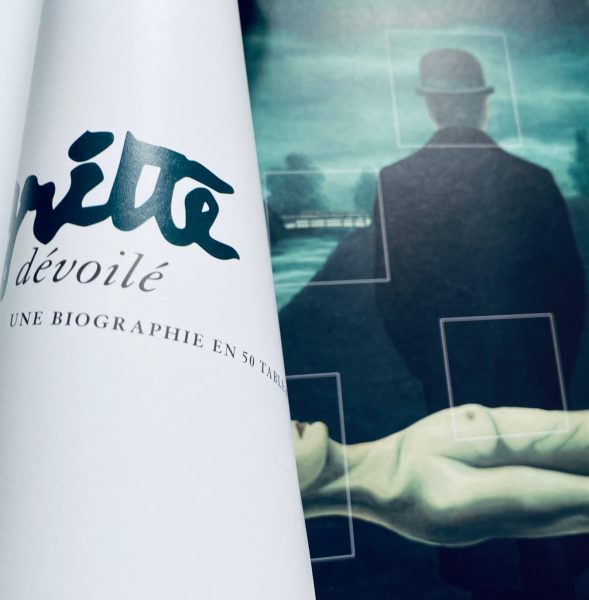
Schachnovelle
Die Schachnovelle von Stefan Zweig gehört seit langem zu den Klassikern der deutschsprachigen Literatur. Zuletzt hat Jean-Philippe Toussaint in seinem autobiografischen Roman « L’échiquier » dieses Werk nochmals gewürdigt. Die psychische Belastung der fortgeschritten Schachspielenden macht spannende Lektüre. Bei Stefan Zweig ermöglicht das kognitive Training mittels Schachspielen die Bewahrung vor dem drohenden Wahnsinn durch Isolationsfolter. Gedankliche Fokussierung auf das Schachspiel und Spielen gegen sich selbst im Gedankenexperiment werden Rettung und Flucht in virtuelle Welten. Dennoch hinterlässt die Intensität der Erfahrung Spuren. Absorption ins Game, heute als Gaming meist verharmlost, lässt sich in vielen anderen Lebenssituationen wiederfinden. Es kann zur Sucht werden und Personen komplett absorbieren. Alleine Rauskommen oder vom Trip runter kommen ist schwer. Glück haben diejenigen, die professionelle Hilfe suchen und bekommen können.
Nocturnes
Contrary to some people’s belief “Nocturnes” is not only the denomination of the late opening of splendid shopping centres selling French fashion, but the name of music pieces. The origin of the Nocturnes as innovative form of composing is attributed to Irish born and bred John Field. The Polish born Frédérik Chopin developed the art form to perfection and he is the person who is also remembered for master pieces of this type of short romantic music pieces.
Mozart has left a famous piece entitled “Eine kleine Nachtmusik” and previous lesser known attempts of this kind were named Notturni, popular “Serenade” or “Pastoral”. All these Nocturnes shared the basic emotion, which we might call nowadays some kind of love-songs (Piggott, 1973, p.115). “Bel canto”, the tradition of emotional recitation of songs or arias, Paganini’s virtuous violine play were predecessors of the Nocturnes. 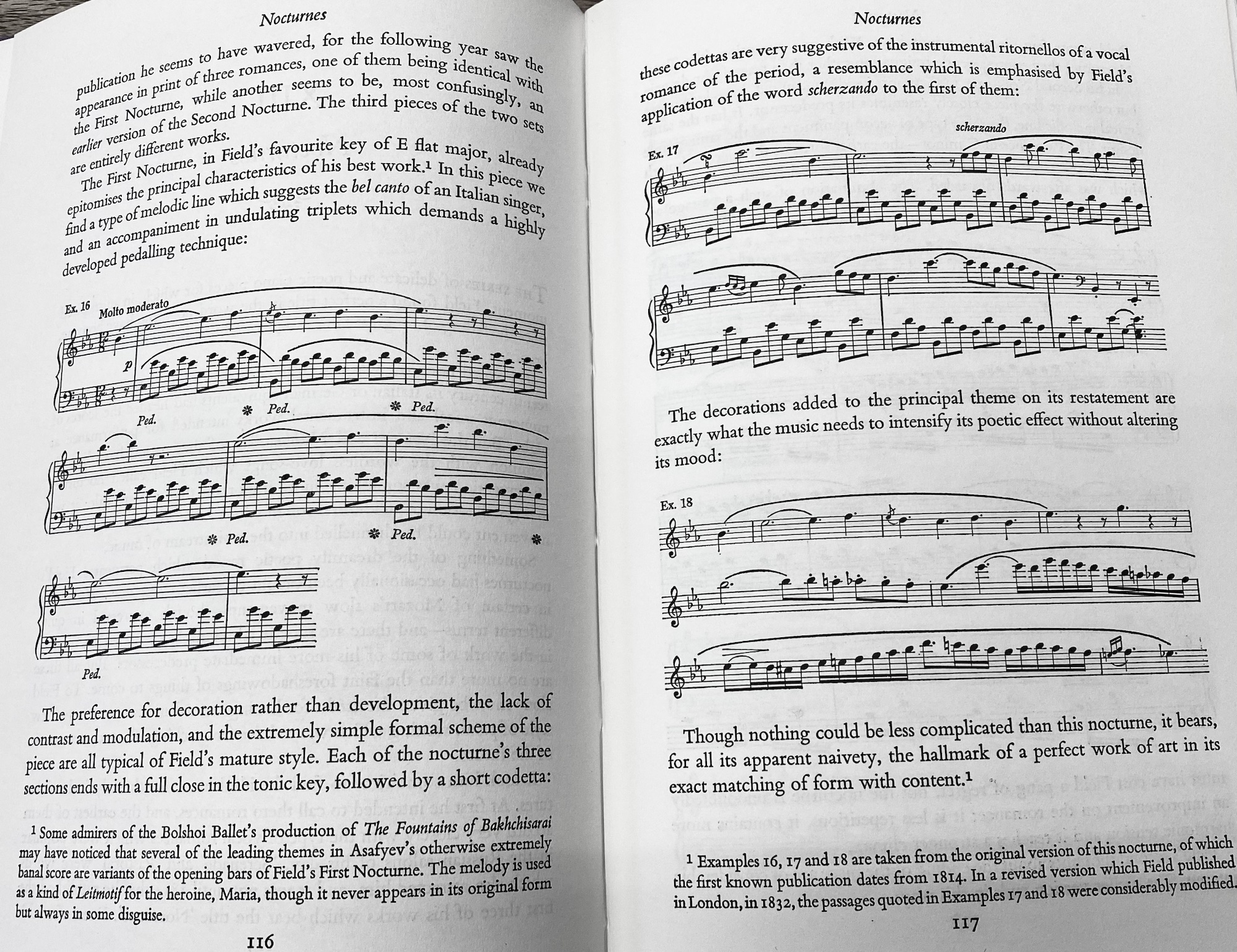
John Field published the first 3 pieces named “Nocturne” in 1814 and continued to produce new Nocturnes and revising former ones. These somehow more easy-going melodies or phrases often written in E or A flat major are technically less demanding for piano players than the later ones composed by Chopin, but their “charme” lies especially in their simplicity. Reducing complexity of sound rather than the virtuous effect seeking of a tune could attract large audiences. After the rebellion in France in 1830 and the foundation of independence of Belgium in the same year, so-called high culture had to address a lot widely differing emotions.
Maybe, in 2024 we are less surprised to rediscover the value of straightforward emotional tunes when even so-called high fashion shows in Paris return to more simplicity.(Image: KI Dall-E, Composer plays on grand piano Nocturnes by Chopin with romantic flair, photorealistic style on 2024-3-5).