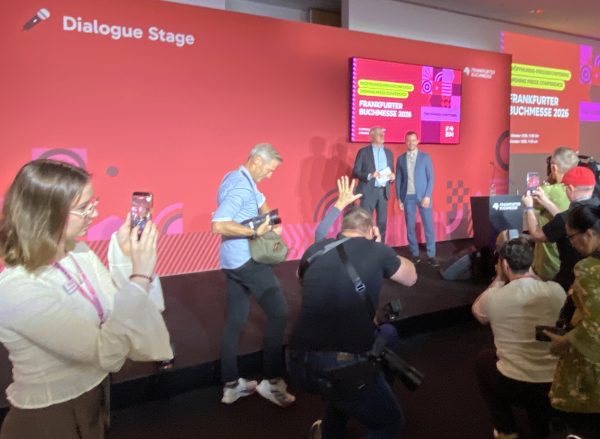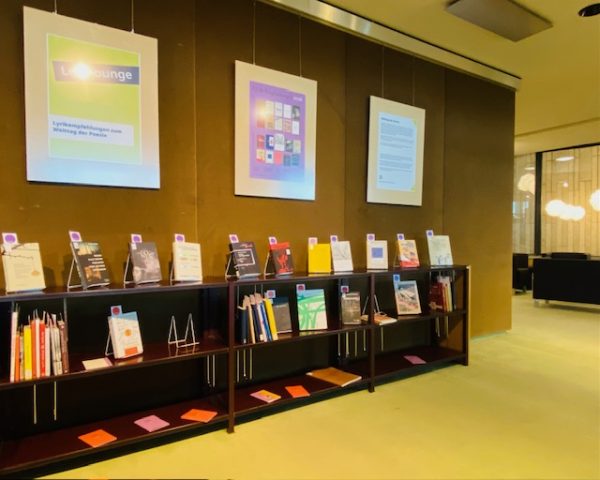

The Frankfurt book fair opens its books and doors on 2026-10-7. The thousands of authors, publishers, translaters and agents are quite concerned about the amount of infringements that AI has brought to the industry. The market is under increasing pressure to secure intellectual property rights and copyright protections. A flood of AI-produced books shall ruin margins out of which authors are paid as well. The spreading of ideas in form of books across borders is threatened. Sebastian Guggolz from the German book trade association claimed even a double theft, first the books, then the ideas by AI. In order to counteract this, the Frankfurt book fair is continuously expanding is function as a platform of exchange of ideas (Juergen Boos) and face-to-face meetings of all involved in writing, editing, producing, trading, teaching and discussing books in the broadest sense. This discourse about books is the real human added value which AI is lacking so far. In this sense of talking about books, books become a kind of merchandising product of an event or a form of take-home-message to participants. A great and promising forward looking agenda for us rather than the retro-captive approach of AI.