Desertification

Since 2018 we have evidence of the progression of desertification into some Member States of the European Union. The mediterranean countries are concerned as well as regions of Bulgaria and Romania near the Black Sea. There are multiple sources of desertification. The 3 main reasons of desertification are soil erosion, loss of soil fertility and loss of natural and desirable vegetation besides wind or water erosion and salinization. We also know that man-made climate change is at the root of the past and recent problems. The statistical indicators of land degradation are collected by the European Joint Research Centre and these data show a dismal picture of land degradation in general and desertification as part of this process. A study by Ilea et al. published in Nature 2024 projects an intensification of extreme weather in the coming years. Higher temperatures will most likely enhance desertification and more frequent flooding will contribute to more soil erosion as well. It is a rather strange process that we know we are creating severe problems for some regions which endanger the roots of their existence and yet we do not act upon those undeniable facts (United Nations SDGs list). The amount and dynamics of land deterioration put the global South under severe pressure, but also the wealthy parts of the Mediterranean basin will be affected. It about time to acknowledge that we are all part of the global changes and challenges. (Image palm tree in Paris, Jardin du Luxembourg, 2024)

Competence Gardening

Primary Schools in Berlin have the possibility to participate in the “Gartenarbeitsschule”, the school with learning goal of gardening. It is an interesting option to go out into the real world and deal with nature, sustainability, consumption, climate and many other topics. Voltaire could complement the curriculum in philosophy with his biographical links to gardening. The access to the fields is easy next to one of the central train stations and a larger urban reforestation project as just one example of the 15 overall in Berlin in 2024. (Südkreuz, Südgelände). Hands-on experience of gardening can address multiple forms of problem-solving competencies. Beyond the use of AI, a major advantage is the possibility to train collaborative problem-solving. Beyond the multifactorial approach in determining what to plant, the organization of the implementation and individual contributions towards the realization, all these elements are learning goals. The scope of learning qualifies gardening for learning well beyond primary school as well. It is a nice example of lifelong and lifewide learning even a hundred years after their wider applications in Berlin.

Gardening School, Berlin 2024

Silent Pandemic

There is a pandemic that is silently spreading across countries and continents. It only indirectly related to the Covid-19 pandemic. The medical journal “The Lancet Respiratory Health” (2024) has an editorial about the inequities of asthma as they develop over the life course. The development of asthma has pre-natal, genetic, environmental, life-style and socio-economic co-determinants. The study of respiratory disease, therefore, is a multi-factorial issue, which needs to disentangle the specific influences. Smoking as well as obesity have an impact on asthma, instantaneously or with delayed time effects of sometimes many years. Hence, it is important to take the whole life course into account, if we want to address the rising disease burden of asthma. Air pollution and heating-up of the planet are important drivers of the silent asthma pandemic across the globe. The social distribution of people working in “asthma- prone” work environments and/or living in highly polluted urban, suburban or rural areas near high frequency traffic is another latent factor causing huge costs to persons and society as a whole. Health inequity is growing over the life course. This is not easy to tackle as policy target as the onset of the disease has no single trigger, but rather a combination of influences that contribute in varying amounts to the evolution of respiratory diseases. (Image air pollution https://aqicn.org/map/germany/de/)

Spring has Sprung

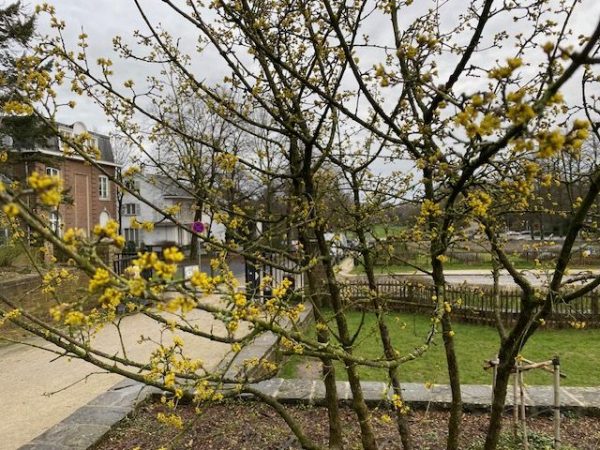
In Europe it is expected that spring follows winter. The closer you move to the equator the more you find days equally long in winter and summer. In Northern Europe we have marked differences in terms of light between winter and summer. In January and February 2024 we had a very mild winter. As of 15th of February we had 15° C in Brussels and the first few blossoms showing up. Climate change is undeniable and the call for action to intervene urgently become louder and louder. Why is it so difficult to take action? Well, there are many vested interests and countries that hope to benefit from climate change. In simple economic theory this is not a problem as long as those who gain from climate change would compensate those who lose from it. However, if the total sum of losses is so much bigger than the sum a few will gain, the global balance sheet will deteriorate rapidly.
Monitoring climate change and the shifts in national and global wealth are part of the scientific endeavour. Rising inequalities on a national as well as global scale will create numerous new challenges which are difficult to forecast due to complex feedback and reinforcement loops. It would be wise to apply the precaution principle in this respect as well, but this seems to be hardly understood, let alone, to be followed.
Sometimes it needs a cold winter, unusual flooding or a bad harvest to acknowledge to value and apply the precautionary principle in the following years. Only, this time it might be fundamentally different, because climate change is irreversible for generations to come. Early blossoms in winter as precursor of spring are nice, but we have mixed feelings considering the impact on irreversible climate change. (Image Brussels 2024-2-15)

West Europe

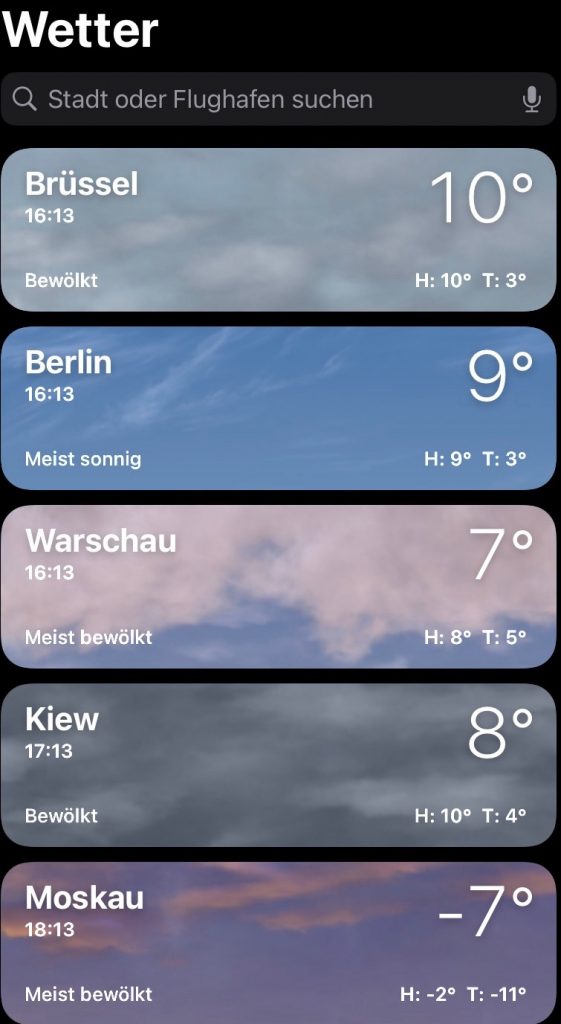
There has been a shift of political borders in Eastern Europe. Russia has been trying to shift its border further to the West by brutal force attacking Ukraine. Political defence and military action have managed to preserve western values in Ukraine. On the 13th of February 2024 the meteorological data confirm a clear belonging of Ukraine to the western climatic conditions. Temperatures in Kiev are very similar to the western hemisphere and very different from the cold in Moscow. This is just a little detail or coincidence but it bears a nice resemblance to the political weather currently in Europe. It is by all means much colder in Moscow than in western Europe. The time and the climate are a changing.

Chrysanthemum

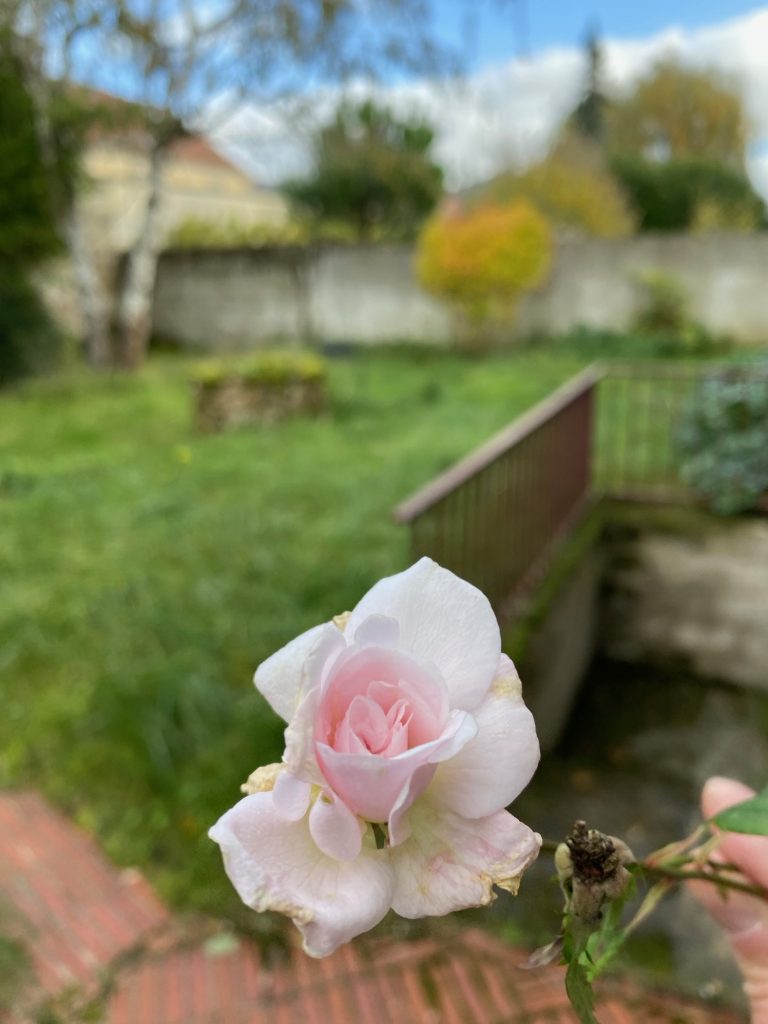
We all know Chrysanthemum as the flowers of the autumn season. For Christians the Chrysanthemum is popular to decorate the graveyards around all saints day or reformation day. But also in the commemoration of armistice day of the Great War 14-18 flowers to remember that last a little bit are widely spread throughout Europe. But climate change and a prolonged summer season threatens these traditions. It is not uncommon to spot even a few roses here and there. It may well be the one and only “last rose” in other places.

Maybe we have to reconsider our concepts of seasons and planting cycles. Less use of tap water, but rain water recovery instead will help us get through droughts and a prolonged summer. Let’s see what changes we shall live through in autumn and winter. Chrysanthemum in winter, Chrysanthemum for Christmas is strange idea. Maybe that is what we should expect from now on.

11.11.2023 Ile de France

Over tourism

There are a few very popular places that many people want to see or experience by themselves. In the Moselle valley Bernkastel-Kues is such a place. The small mediaeval market place with tiny houses, built with massive wooden structures attract a lot of visitors. Arriving by car or bus has created a mess around the place. Arrival by ship is even worse. Masses of people make a short stop and pour into the small city. Many places that become popular through Instagram, tik-tok or vimeo or youtube videos have a similar fate. Over tourism is no fun for locals. Some business interests thrive selling gadgets made in China to more and more Chinese tourist groups. This is probably the worst- case scenario.
Watching the ships pass by is somehow the better option. Watching the rowing sportspersons is even more interesting. Reflecting on sustainable development is a by-product. Tourism of the masses is part of the problem, Rowing couples part of the solution.

Ozone

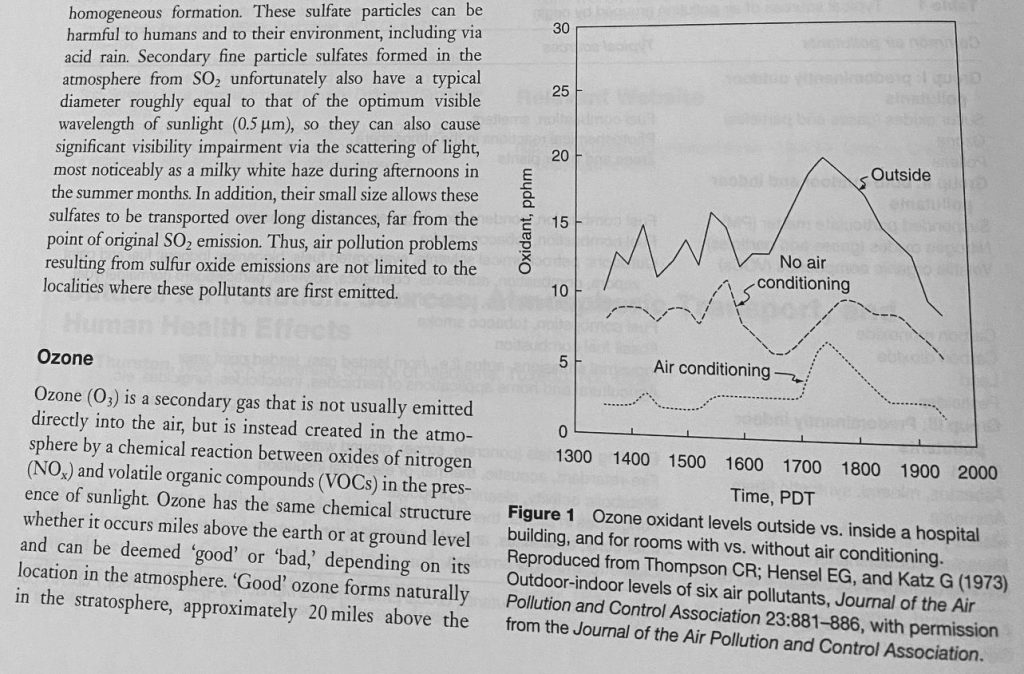
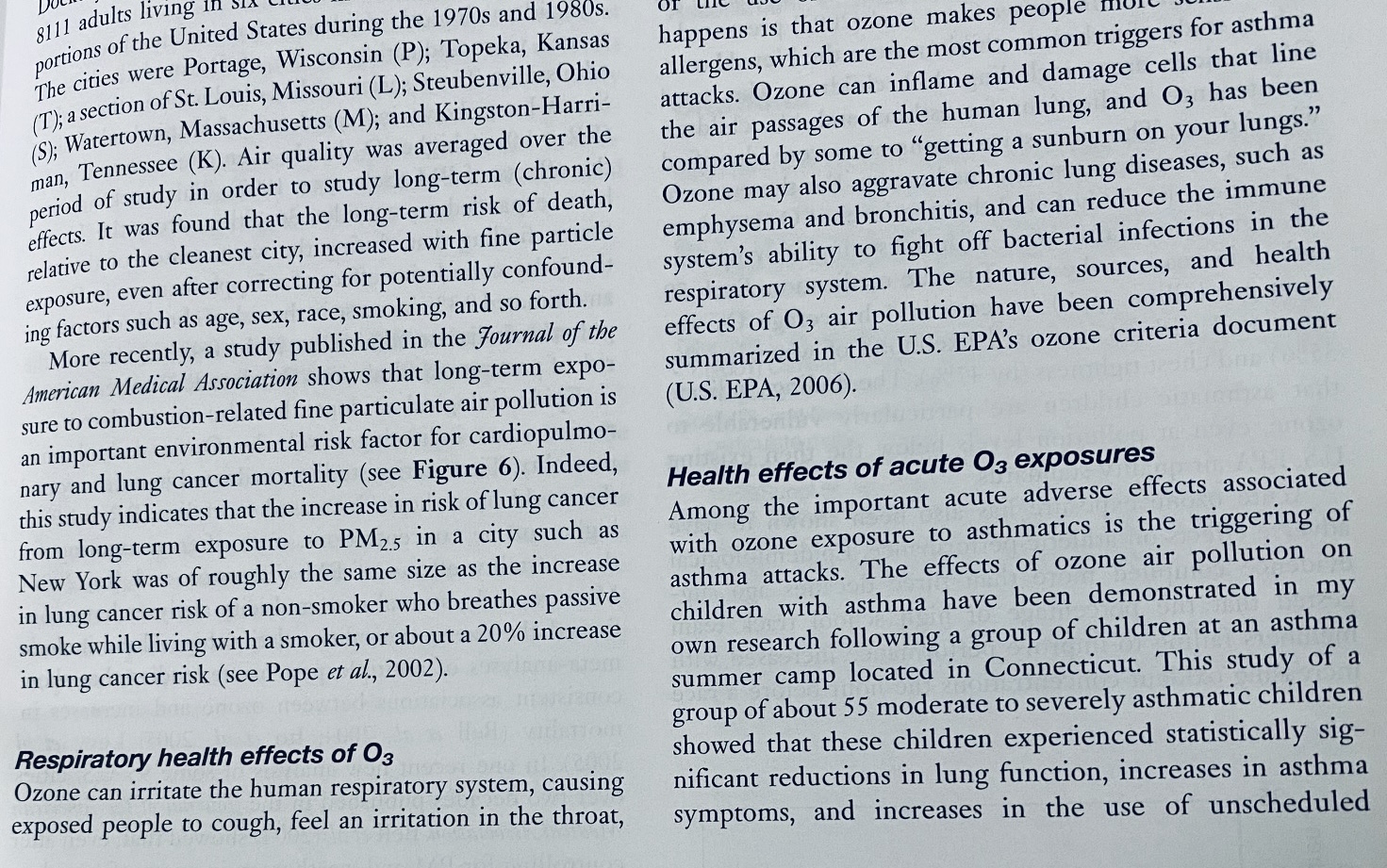
Ozone (O3) has a rather mixed reputation. High up in the stratosphere it protects us from too much radiation from the sun, but down on earth in our respiratory environment it causes and amplifies respiratory difficulties. Hence, it is very important to differentiate the 2 different layers and differential effects of concentrations of ozone in the air. A forthcoming study in the Lancet Regional Health Europe (Nov. 2023) by Tianyu Zhao et al. demonstrates the long-term, negative effect of higher concentrations of Ozone on lung function. The prospective cohort study followed individuals in multiple states and locations over 20 years and corrects estimated effects for other environmental effects (fine particles PM 2.5 pollution) and green environment. Faster decline in spirometric lung function is highly likely to be caused by higher ambient ozone concentrations. The study is based on 3000+ observations from 17 centres in 8 countries in Europe. Older persons in the range from 35 to 55 had a steeper decline in ozone-related decline in lung functions.
This is rather bad news for older persons living in inner cities where both ozone concentrations, mainly in summer, heat and micro-particles cumulate. Similarly, areas with frequent so-called inversion micro-climate, (a layer of cold air on top of SMOG blocks the renewal of air for extended periods) face particular health risks. Professions that work long durations outside in the sun or the exercise of sports during high ozone day-time run higher risks for a deterioration of their lung functions in the long-run. The medical evidence is there now, also for Europe, what had been shown already for the US before.
It is time to adapt our lifestyle to these health risks. High effort physical work outside should start as early as possible in the morning hours or even before sun rise. Staying indoors is highly recommendable for older persons and persons with reduced lung functions (asthma risks) during such periods of high ozone concentrations. Like it or not, even wearing a mask outside, when it is sunny and hot would be preferential, but is rather inconvenient. We need to shift airing living rooms or offices without climatization to early morning hours rather than ambient temperatures in the afternoon, when ozone peaks are prevalent.
These effects and remedies have been known for some time, but the evidence is much more compelling now (Zhao et al. 2023). Climate change in form of global and local warming, particularly in inner cities, will only exacerbate these effects in the coming years. Prevention measures need to be considered in public health measures as well as urban planning. We can do it, if we want to. Start now to benefit from the effects a decade later or for the benefit of younger generations. (Image: Int. Encycl. of public health, p.702).

Geologie

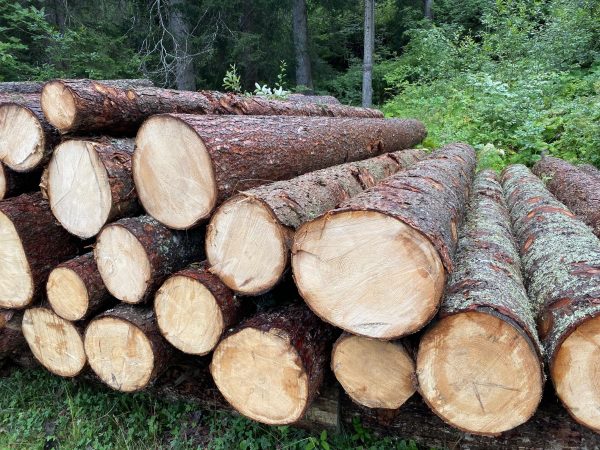
Mehr GeologInnen braucht das Land. In der Schweiz beunruhigen derzeit zunehmende geologische Risiken. Der Klimawandel lässt Permafrost in den Höhen schmelzen, der jahrhundertelang Gestein zusammenhielt Gleichzeitig sinkt die Schweiz, nicht die Aktienkurse, selbst die Credit Suisse ist bereits untergegangen, aber rein geologisch, nüchtern betrachtet (NZZ, 2023 „Die Schweiz sinkt“). Das verlangt nun doch einige gründliche wissenschaftliche Untersuchungen. GeologInnen messen bereits mit unzähligen Messstationen die Bewegungen der Erdkrusten. In der Schweiz lässt sich sicherlich mit dem zunehmenden Abschmelzen der Gletscher und der Veränderung der (mehr) Regenfälle statt Schneefälle in den frühen Wintermonaten eine neue Gefahrensituation aufzeigen, nicht nur für den Tourismus. Die üblichen Reflexe: mehr Investieren in Schutz und neue Versicherungen wird alleine nicht mehr helfen. Biodiversität auf den unteren Skipisten ist eh Fehlanzeige, aber die Baumgrenze steigt. Das könnte genutzt werden, statt die vielfach kranken Fichten, die wegen ihrer kurzen Wurzeln kaum ein Gewitter überstehen (Ruinaulta vom 4.8.2023 S.6 und S.16-18). Diese Gewitter werden durch den Klimawandel wahrscheinlich häufiger werden. Noch mehr Versicherungen werden die Welt nicht retten können. Wir werden umdenken müssen auch wenn Verhaltensänderungen sehr schwerfallen.
Das Abbrechen von Bergspitzen, wie am Kantersteg (BE) oder der Bergsturz am Piz Cengalo 2017 in Graubünden, ereignen sich dann eher in den wärmeren Sommertagen. Die GeologInnen werden viele Arbeitsstellen haben (nicht nur im Geopark Sardona UNESCO Welterbe) und gehören zu den Berufen mit höherer Nachfrage durch den Klimawandel.

Wessen Wetter

Wessen Wetter ist es denn? Mitten in einem Gewitter deklamieren Leute heute noch, “Um Gottes Willen“! Selbst in 2023 vereinen sich Leute und beten für Regen. Dabei wissen wir längst, wie der Regen entsteht, Feuchtigkeit in Wolken über weite Strecken zieht und schlußendlich als Regen über uns kommt. Dafür haben wir Dächer vorgesehen, mehr oder  weniger solide und dicht. Regenwasser sammeln, sickern lassen, Rückhaltebecken erweitern; das sind alles Vorkehrungen gegen größer werdende Unwetter des menschengemachten Klimawandels. Beten sowie Meditieren kann dem Einzelnen helfen, sich zu fokusieren und Kräfte zu sammeln. Gemeinschaftserlebnisse stärken Resilienz.
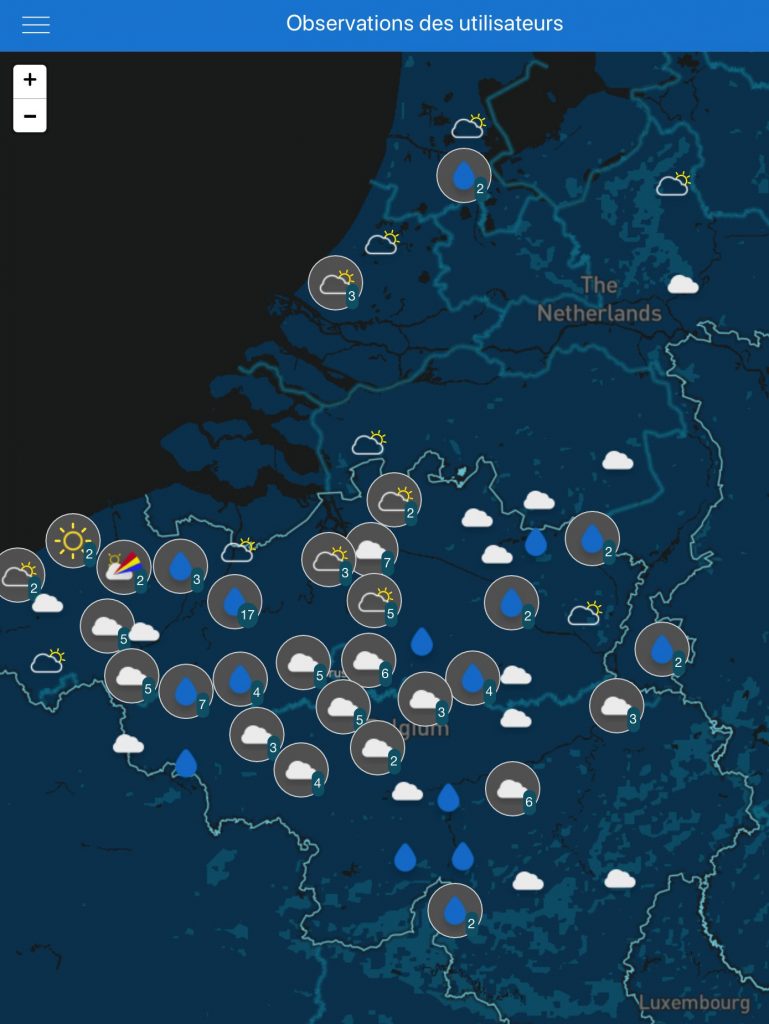
Wetter ist in der Tat eine tägliche Art von Gemeinschaftserlebnis, oft lokal begrenzt, aber meist regionenspezifisch und manchmal ein landes- oder gar europaweites Phänomen. Neben den staatlichen Meteorologischen Instituten gibt es bereits immer mehr “citizen science” Projekte zum Wetter. Das belgische Beispiel (s.u.) zeigt eine Vernetzung von Bürgerinnen, die Spaß und Interesse am Wetter und am Teilen sowie Partizipieren haben, kann das Messstationsnetzwerk der staatlichen Wetterdienste erweitern und eine alternative Vorhersagemöglichkeit bieten. PollenAPPs nutzen ebenfalls die Leidensstärke von allergischen Personen, um ihre Pollenbelastung spezifischer zu erfassen und Prognosen zu verbessern.
Ciitzen Science ist ebenso ein wechselseitiger Lernprozess, der das Wissen und Methoden einzelner Wissenschaffenden quasi basisdemokratische “bottom up” Wissenschaft gegenüberstellt. Stärken und Schwächen der jeweiligen Vorgehensweisen müssen untersucht werden, besonders mit Blick auf “fake news” oder “fake data”. Nicht nur erschreckend viele Forschende in der Wissenschaft produzieren “fake data and science” (Sabel et al. 2023) für fragwürdige Reputation und Karrieren. Bürgerinnen, die Daten sammeln und eigene Analysen, Vermutungen oder Hypothesen vornehmen, können Wissenschaft erweitern, andere ermuntern und wertvolle, viele, kleine Beiträge leisten.
Schwarmintelligenz beim Wetter praktizieren bereits die Schwalben. Das könnten wir vielleicht von diesen lernen. Bei Vervier in Belgien sowie an der Ahr in Rheinland-Pfalz sind mehr als 100 Menschen gestorben, wegen unpräziser Vorhersagen und Verzögerungen bei der Übermittlung der akuten Gefahrensituation.
Citizen Science kann Leben schützen, genauso wie es andere dringend nötige Freiwilligendienste bereits bewiesen haben. Das sind mal ganz andere vielfältige, bunte Wetteraussichten.