
Heat Mortality

Heat waves can be deadly for humans, animals and vegetation. According to the cumulative estimates by the RKI (Robert Koch Institute) in Germany up until 2026-7-26 there were 11.900 deaths within the confidence interval between 10.700 to 13.100 of the estimates. About 6.000 of the people who died due to the heat waves were aged 85+. 1.140 were attributed to persons younger than 65. Chronological age appears to be a significant factor as frequently chronic diseases accumulate in older individuals as well as poly-pharmacy. Hydration levels and deficiencies are associated with the increased mortality, but we have few or no precise measures of hydration readily available for people before it becomes an emergency (cognitive impairments). We know a lot about precision medicine. However, precision hydration for people remains rather arbitrary. 

On graveyard inscriptions

Climate Anxiety

The events of several wildfires and a too hot summer in 2026 have raised the level of anxiety related to climate change for many people. From the field of economics we know that the fear of an economic recession can be as bad for the economy as a statistical economic downturn. The anxiety about climate related bad events can trigger or worsen symptoms of depression. The research by Zacher and Kühner (2026) shows that psychological evidence supports this hypothesis. The 1 year follow-up clarified, that the opposite direction of causality is not supported by the data analysis. A pre-existing depression is not worsening due to climate change. The consequence of these results is that the total number of persons with depression is likely to increase with an additional source of depression, for example after experiencing a wildfire. Oceans are warming and the number of injuries on beaches due to poisoning from algae or medusaes (jellyfish) become more frequent as well. Lots of sources for increasing climate related anxieties. In the economic costs of global warming and climate change we frame this as second round effects of climate change.

young curious boy touching jellyfish on beach

Fountain of youth

The fountain of youth is such an old dream of humans that we are no longer surprised to witness perpetual reincarnations of the same theme again and again. The painting by Cranach the elder (1646) “Fountain of youth” (image below, Gemäldegalerie Berlin) sets the scene for what has become a billion dollar business nowadays. Whereas the old dream was about rejuvenation and cure from disabling diseases, we have become a bit more moderate in ambition to be happy about a halt to aging. Promises are reiterated and made in building on an army of influencers who push many remedies that lack rigorous scientific tests. Two studies published open access in “The Lancet Healthy Longevity” (Witham, McDonald 2026 and Duremdes Nava et al. 2026) provide evidence that in case of obesity and diabetes there are no easy or quick fixes available yet. Healthy longevity still relies mainly on lifestyle (changes), more exercise and careful nutrition rather than additional medication. Medium and long-term consequences of inactivity and unhealthy diets are to easily disregarded or their value discounted. How much are you willing to pay for an additional year of healthy living at age 30 or 70? Simple economics, but quite a successful business model as well.

Healing in museum

The topic of healing has a long tradition in museums. For example, in the Paintings Gallery (Gemäldegalerie) in Berlin “The healing of Tobit” (1630) by a follower of Caravaggio depicts the healing of eyesight with the aid of angel Raphael (extract of image below). The Bode museum also in Berlin in the vicinity of the Charité hospital proposed workshops to test or experience the healing through meditation techniques in the museum sitting on cushions while focusing on a statue for a while. Guided mindfulness workshops or own meditation sessions could be held during the visit. Museums can work as healing places to calm anxiety or release from stress.

Cool Cooling

The human body has a pretty cool cooling mechanism to protect our functions. This ranges from the brain to our toes. Even we are usually not to keen on sweat, it still is our best way to achieve cooling for our bodies. Physical, for some also mental exercise can heat us up quite a bit. Water on our skin allows to extract most of the heat from our bodies due to the evaporation effect. This is our natural survival mechanism during heat waves or exhaustive exercise. Not all people sweat easily nor similarly in all areas of their bodies, but externally applied water for evaporation reasons does the same trick. Fever reduction through a humid cloth is another well known example of a proven “medical” cooling device. In architecture or home cooling we might exploit the evaporation cooling mechanism to create ambient temperatures in our home, office or home office. Multiple layers of humid structures or a special dice shape can create vast cooling surfaces even in tiny spaces (Stavric 2026). Cool cooling solutions can assist us in many ways without negative impact on global warming.

Medication adherence

In the broad range of medico-pharmaceutical science the topic of medication adherence is an uncomfortable issue. In the ideal scenario people would adhere 100% to the prescription. In the real world of not-optimal behavior and circumstances, people deviate substantially from what is best for or even good for them. Even in the tax-based health system of Denmark with relatively easy access to medication, a long-term study revealed the difficulties encountered to adhere to essential medications for persons with Type 2 diabetes. Nielsen et al. (2026) analyzed a cohort of 80.000 persons who newly acquired Type 2 diabetes of which about 25% showed a low adherence to medication plans with hazard rate of 1,27 to suffer a cardiovascular event. High adherence persons did not suffer such an event in the following 220 days over the 10 years of observation. A sedentary lifestyle or obesity increase the risk of type 2 diabetes and beyond medical treatments additional behavioral challenges like medication adherence make it clear, we do not live in the best scenario to fight type 2 diabetes.

Stinging issues

Sometimes a topic can make it into the headlines only if it is a stinging issue. The fact that certain mosquitoes travel and survive further north due to global warming is indeed such a stinging issue. As the living conditions for mosquitoes depend on warm weather conditions particularly during (tropical) nights as well as water availability for breeding purposes, the spread of mosquitoes can already be observed studying the spread of dengue fever, malaria and chikungunya in some southern European and American countries. Climate change, especially the warming parts of it,  shall bring home a number of stinging issues and consequences to people who didn’t seem to know or care about the spread of spread of infectious diseases.  

Green land in summer between Priesterweg and Südkreuz Berlin 2026

Preventable Asthma Burden

The global burden of disease data, analyses and projections allow us to identify more clearly the parameters to influence and prevent rising global burdens of disease. Among the so-called non-communicable (i. e. not infectious) diseases Asthma plays an important role.  Heat waves (wild fires) and air pollution (road transport, heating emissions) are major contributors to the burden of disease. In addition to the health related suffering of a population, the economic losses for groups of countries have been estimated by a recent study (Chen et al. 2026).  For the UK another study showed that 2/3 of asthma attributed deaths were preventable. This raises our awareness to the fact that adequate health care systems and the distribution as well application of asthma medications can help a great deal to lower also the economic impacts due to uncontrolled asthma. The labour-induced costs (lost years of production) are likely to be higher in the low-income countries, whereas capital-induced costs (in form of opportunity costs of health expenditure) accrue more in the higher- income countries. With the successive heat waves in 2026 and continued global warming, the estimated global burden of asthma is most likely a lower bound estimate of the economic impact. A focus on asthma prevention becomes a pressing concern today to prepare for the future.

Road injuries

Road injuries are a serious matter. The lives lost and people suffering from lasting injuries continue to be a major health hazard on a global scale despite significant reductions over the last 3 decades, mainly in wealthier countries . The Global Burden of Disease study (Ng et al. 2026) shows that between the ages of 10-39 fatal road injuries are the main cause of death for young men. The study has no data to speak to causal effects, but the basic statistics show a clear pattern according to gender. Several factors need further exploration:
1. Men are known to have a much larger share of the total amount of road traffic in most countries, which leads to a higher risk exposure.
2. Men seem to take higher risks when driving, which puts them at higher overall risks as well.
3. Responsibilities for road incidents are not investigated, which leaves other causes or contributions to road injuries (like alcohol or drug abuse) unaccounted. (Source: Ng et al 2026. Global, regional, and national burden of road injuries 1990–2023, p.7)

Cardiac arrest detection

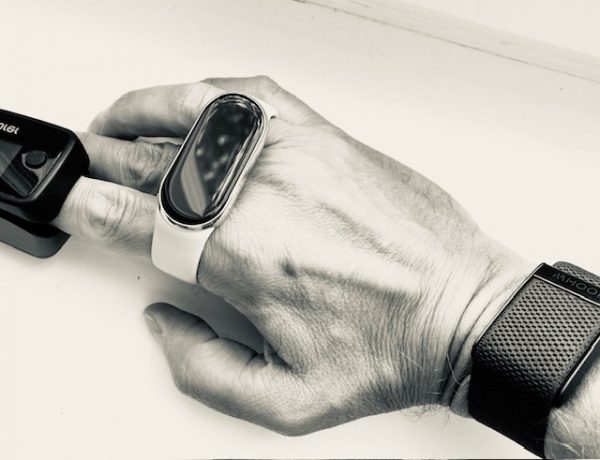
The number 1 cause of death is cardiac arrest in the modern world. Hence, the interest in the detection of cardiac arrest could save many lives. For assistance to arrive and intervene in time an alert needs to be issued as soon as possible. With early detection by nearby persons and skilled intervention the survival chances are about 50% of cases. The “silent” at home cardiac arrest is an important health and survival issue. The availability of wrist bands and watches which can issue alerts in combination with smartphones has risen considerably in recent years. Therefore, the improvement of reliable algorithms which interpret these data can realistically save lives as the delays can potentially be shortened for professional helpers to arrive. The study by Edgar et al. (2026) tested such a device and were able to show the very low number of false alarms issued by this device (about 1 out of 40). Extrapolated to millions of cases the challenge to a health care system is steep. However, we have to deal with such socio-economic issues of digital devices in medicine in the coming years more often.