Marc Aurel AI

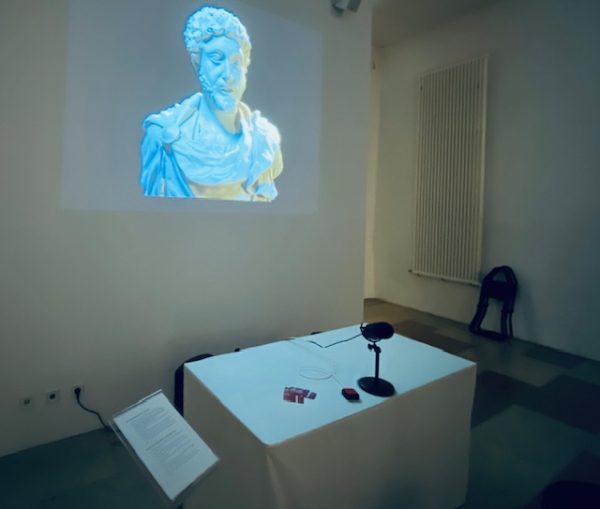
In the 21st century it is possible to chat with Marcus Aurelius. Part of the exhibition at the Simeonstift is a chatbot you may freely consult and questions with or about Marc Aurel. Based on your questions the animated screen image of Marc Aurel will reply based on his own writings like the Meditations and (probably) other secondary literature on Marc Aurel. Questions about feminism or slavery are answered based on the original texts. Some of these answers  appeared rather modern like the basic equality of all including women or slaves. The Meditations are an idealistic vision of mankind in the stoic tradition. In practice such ideals have proven very ambitious for the many and growing temptations in the day-to-day lives of ordinary people including their political, religious, business and military leaders. The AI is confronted with the issue to give answers to ethical questions which refer to the time of the author, but not all can apply to today’s ethical standards and basic human rights. Reading the original source, therefore, remains the preferred choice. 
Marc Aurel Philosopher

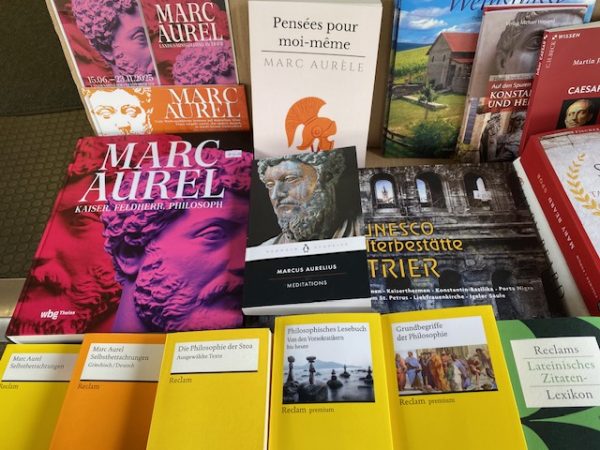
2025-9 marks an additional landmark in the achievements of the late Marc Aurel. In the Roman built city of Trier, 3 museums offer exhibitions on the life, ideas and imperial governance style of Marc Aurel. Libraries and bookshops around the city portray a wealth of books and studies by and about Marc Aurel as well in many languages (image below 2025-9). The stoic author and practitioner has served as an example of a leadership style which became for many subsequent leaders a hard-to-achieve precedent. The writing style of Marc Aurel in short paragraphs and aphorisms proved highly accessible, although his readership swell only after a Latin translation of his Greek original appeared in the 16th century. The title “Meditations” in English, “Pensées pou moi-même” in French or “Selbstbetrachtungen” in German demonstrate the difficulty to get to grips with the author’s intention and objectives in writing down these reflections on life, ethics, humanity and good governance. Through the use of Greek rather than Latin he puts himself in the line of Greek philosophers rather than the succession of Roman emperors. As the numbers of bad leaders still outnumber the good governance style advocated by Marc Aurel, these exhibitions in the Simeonstift, the Landesmuseum and the Stadtbibliothek are a perfect opportunity to demonstrate that good governance is something that can be studied and learned even in the distant Roman history.  

Vacation Waves

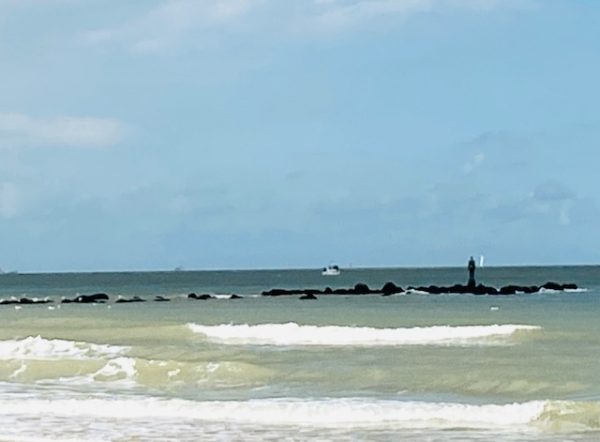
One of the most popular choices for a vacation is in connection with waves. There seems to be something mystical or romantic related to waves, which touches many people irrespective of their background and across continents. This goes much beyond what we know about waves from physics or maths and this is already a fascinating scientific story in itself. Sailing adepts will be able to tell marvellous tales about waves, too. Coming back from a vacation near the sea or a lake, you surely may add another story to the already rich inventory of waves in art or literature. The imagery about waves started early as well, ever since sailors started to conquer the world.

500 years Motherhood

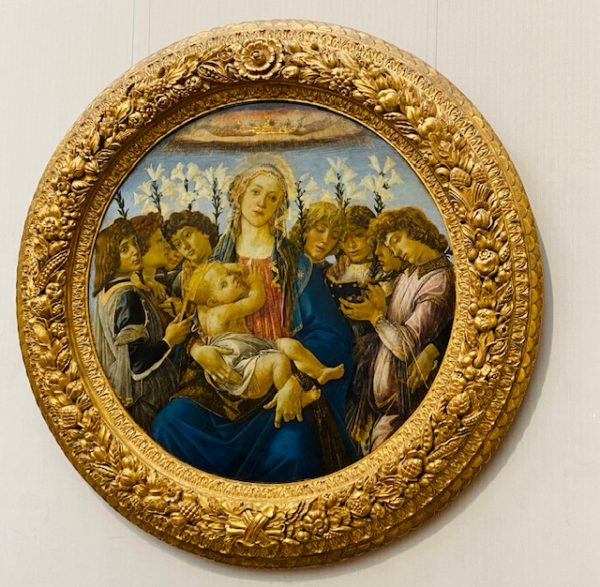
The history of art is full of depictions of motherhood. The catholic church has largely contributed to this phenomenon. Sandro Boticelli created in 1478 his painting of Maria and the child surrounded by singing angels. As Maria is said to know about the tragic fate of her child, her facial expression is rather sad or apprehensive than full of joy. The public acclaim has lasted already for more than 500 years. The women and people who sympathize with this depiction seem to share some of the worries about the future of both mother and child. Apparently, this has not changed over the course of the centuries. In the 21st century such concerns still have a co-determination effect on women to lead to lower fertility rates in most parts of the world. Fertility depictions in art history might serve as early indicator of behavioral changes. Some take centuries to play out. Technological,  medical devices or social policies can amplify such seminal trends. (Image: Sandro Boticelli and disciples , 1478, Gemäldegalerie Berlin)

Raffael Madonna

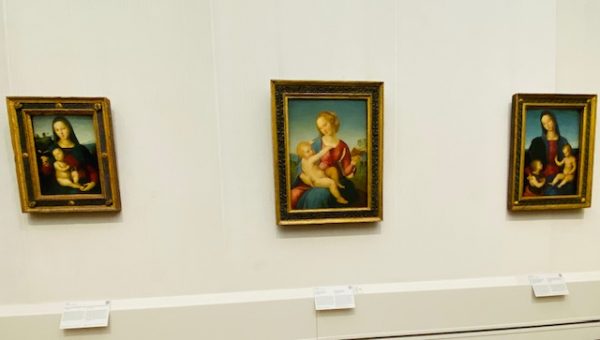
„Mary and the child“ has been the success painting of Raffael around the years of 1500. 3 variants on this topic are presented at the Gemäldegalerie Berlin. Each pose varies only slightly, but each tells a very different story. The Madonna changes the regard from beyond the child, on the child, then to another child. An interesting sequence as such, which puts the relationship with the child also in perspective. The child develops over the sequence from the fast learner into the person with „power grip“ to the one that is spreading benevolence. The different stages of the life course are somehow taking place within a short period of the child. (Image: Raffael, Mary with Child, Gemäldegalerie Berlin)

Gentileschi Gentileschi

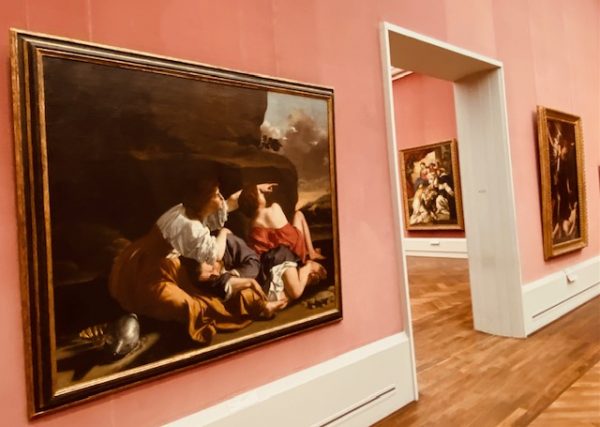
There are 2 Gentileschis that entered the history of art. Orazio the father and his daughter Artemisia. Orazio painted many scenarios based on the bible. The incestuous relationship between Lot and his daughters is difficult one to portray and to do justice to the moral concerns involved. Artemisia, similarly, did not shun away from difficult stories of the bible and added a personal twist to these stories in putting her face into the biblical depiction. The cruelty of the stories become more explicit this way and maybe also her deviant position to the biblical narrative. (Image: Orazio Gentileschi‘ (1622/23) „Lot with his daughters“ Gemäldegalerie Berlin)

Caravaggio Gentileschi

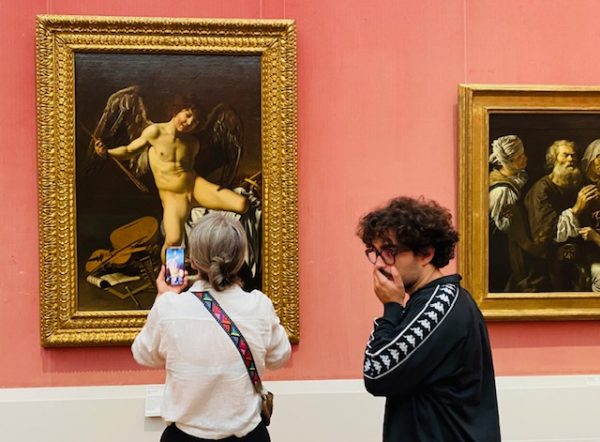
The „Gemäldegalerie“ in Berlin features in the permanent exhibition the famous Caravaggio painting of „Cupid as Victor“ (1601) in the same room with  Orazio Gentileschi‘ (1622/23) „Lot with his daughters“. The paintings show the same technique of painting with the stunning effects of light and shade. Gentileschi‘s own daughter became equally successful as painter applying the same technique and maybe even more recognized as her father. Berlin and Paris jointly allow to trace interesting new perspectives on the history of art from a gender perspective. The male domination in art of the 16th and 17th century was pervasive, but Artemisia Gentileschi a formidable exception. (Image: Caravaggio „Cupid as Victor“, 1601, Gemäldegalerie Berlin)

Claudel & Hoetger

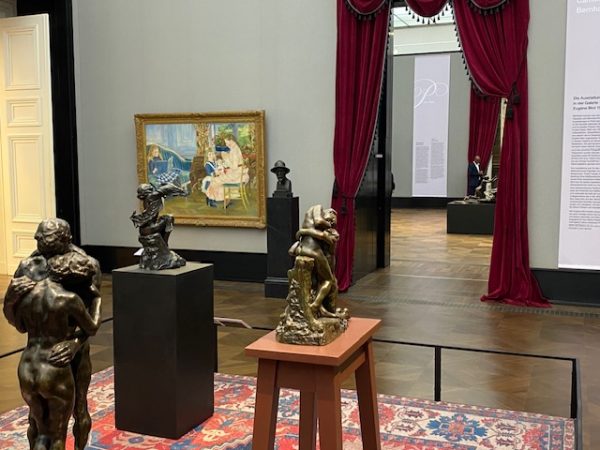
It is well known that artists joined other artists and groups to get inspired. The entangled relationship between Camille Claudel and Auguste Rodin has become a special example of the tricky relationship between learning and co-creation or inspiration. The role of galerists in building a reputation for artists is less well understood. The “Alte Nationalgalerie“ in Berlin opens up this black box a bit through juxtaposition of Camille Claudel, Bernhard Hoetger as disciples of Auguste Rodin. The influences are rather obvious, yet each disciple developed her/his unique style. The emancipation was not without frictions. The galerist Eugène Blot organized a joint exposition of both disciples in 1905 in Paris, which is partly reproduced in Berlin 2025. Great work by the curators of the exhibition Yvette Deseyve and Sintje Guericke who managed to bring together unique sculptures from 3+ museums and a great explanation of the links between the artists as well as the proximity of ateliers. (Image: view of showroom in Alte Nationalgalerie Berlin, Claudel & Hoetger 2025)

Jewish Heritage

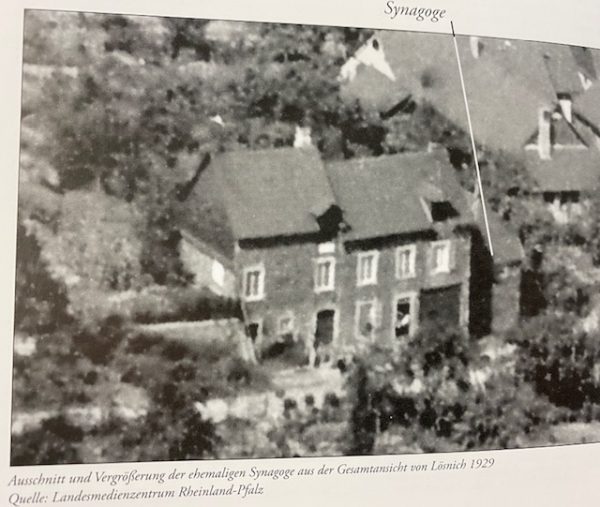
In the Germany of the 21st century, we have to dig deeper into history to understand the Jewish heritage due to the horrific terror of the Nazi-regime and it’s millions of supporters. The traces can be found in some historic photographs even in the countryside. Marie-Louise Conen and Hilde Weirich (2010) have thoroughly studied such documents for the Moselle village of Lösnich. The little annex to a house served as a Synagogue (image below). The village has a history of Jewish settlements which extended to neighboring villages as well. Interestingly, the heritage of Napoleon’s occupation of the Rhine and Moselle regions brought equally for all men (not yet women) and the separation of the state and religion making Jewish life, property acquisition more easy. The tolerance of the 19th century was then reversed by Nazi Germany again. History is present in many places, where we do not seem to expect it nowadays. 

Napoleon legacy

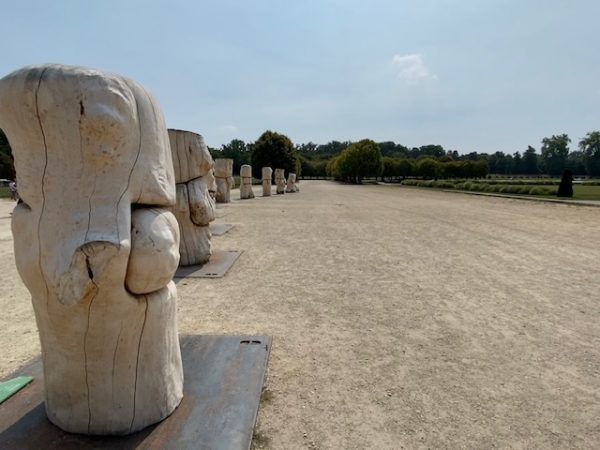
It is huge historical project to try to summarize the legacy of Napoleon Bonaparte. AI is by design less hesitant to come up with any length of a summary statement some with good references on which the statement is based. In combination with a visit at Fontainebleau and a first hand impression of the environment of the autocratic ruler, the remainders like the introduction of a Civil Code to guide also administrations to lawful conduct, we still see influences of this legal innovation in many other countries across the globe. The recognition of Jews as equal citizens and to allow equal access to property and many professions have been influential across Europe mostly in occupied territories. Military service for Jews in Napoleon’s army was another consequence, which spread into the Prussian army and the 1st world war. It is in the 21st century that we see shifts towards more authoritarian governance styles spreading again, we did not want to see this happen until Russia‘s war in Ukraine. (Image: La Chair de la forêt, Frénésie des Géants by  Wang Keping Fontainebleau 2025-8)