

We are all keen to have as many APPs as possible on our Smartphones. Instead of collecting post stamps some of us collect APPs on our mobile devices as well as desktop computers. As with almost all so-called for free software, the APPs are not for free, we just pay with our personal information used for some usually not disclosed other purposes. On webpages we are used to at least confirm that we agree to the use. Alternatively, we should have the option to decline the use of transmitting personal information, user analytics or tracking. The organisation “Netzpolitik.org” has published a short overview article on the results of the research by Konrad Kollnig published in Internet Policy Review. The main message is: even 5 years after the adoption of the GDPR (General Data Protection Regulation) little has changed for the tracking and data collection in the world of APPs. Both Apple store IOS and Google Play Android are concerned.
In contrast to webpages APPs a vast majority of APPs, which we perhaps thought would provide tracking-free access to services, does in fact use “secretly” the tracking. Additionally, many APPs transmit personal information and credit card details even without encryption. A so-called middle man attack would “listen” to the transmission and potentially abuse the accessed information. The proof of the abuse of your financial details will be on the side of the consumer, completely ignorant of the potential threat from all sorts of APPs. This market is evolving with rapid speed and what used to be at the top in 2022 is no longer at the top in 2023.
Based on an online query for France on 2023-11-28 via www.appfigures.com the data reveal interesting market insights. Gaming is making a new push on the APP-market again. TIKTOK still remains fairly high up in the ranking. Conversion from free download to paid versions seems to work in several instances as well. It needs to be checked whether the paid versions do use less tracking and provide better overall security. A frugal use or regular checking whether you really need all those APPs you have currently installed on your device should reduce your very own cybersecurity risk. It seems like “Less can be more” – fewer APPS, more security – is also valid in this respect. 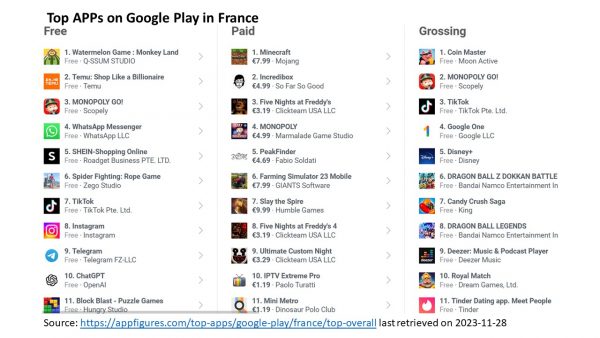
Smart watch
Das Handgelenk hat noch viel Platz für elektronische Geräte. Vom preiswerten Schrittzähler bis zur smart watch und intelligenten Armreifen oder sogar Ringen gibt es dort viel Potential für Innovation. Jenseits der Schritte werden mittels vielfältiger Sensoren eine Fülle von Daten erfasst. Datenschützer erschaudern geradezu. Das Potential für medizinische und soziologische Auswertungen dieser Daten ist immens. Vergleichbar mit einer elektronischen Waage, die Knochenmasse, Wasser und Muskeln erfasst erlauben die smarten Uhren noch mit Ungenauigkeiten, aber stetig besser werdend, kardiologische Werte und Schlafrhythmus zu erfassen. 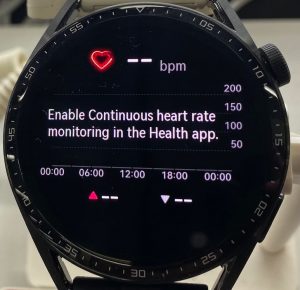
Mit Daten von tausenden bald Millionen Datenlieferanten lassen sich wichtige Studien zur Früherkennung von Gesundheitsrisiken durchführen. Plötzlicher Herzstillstand ist eines der immer noch wenig aufgeklärten Phänomene. Die Studie im LANCET digital health hat solche Daten ausgewertet und kommt zu der Schlussfolgerung, dass dyspnoea für Frauen und Männer der größten Risikofaktoren darstellt. Für Frauen wird Entwarnung gegeben für Diaphoresis, exzessives Schwitzen, aber nicht für Männer. Letztere sollten Schmerzen in der Brust ebenfalls ernst nehmen. Daten sammeln kann durchaus Leben retten. 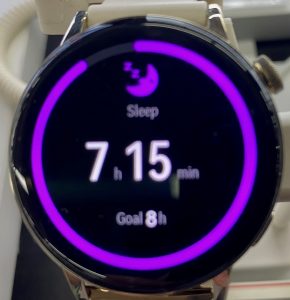
Dennoch droht dem Gesundheitswesen eventuell eine Welle an falsch positiven Selbsteinweisungen in der Notaufnahme der Krankenhäuser. Darauf sind wir noch wenig vorbereitet, inklusive der möglichen rechtlichen und finanziellen Konsequenzen. “Big brothers are smart watching you”. Müssen Ärzte die smarte Evidenz berücksichtigen, etwa so wie eine Patientenverfügung? Was wenn plötzlich der Notarzt unaufgefordert an der Tür klingelt? Wer hat meine Uhr gehackt, … , singt das Paulchen Panther jetzt.