Paris Room with a view

The home of Victor Hugo in Paris offers a splendid view of the Place des Vosges. The image taken from the 1st floor of the building and his living room allows to see a bit like what Hugo saw every day for some time. A small park, probably a lively street with arcades full of shops and people. Lots of inspiration and observation which may come from actual life. The actual time of writing, however, needs also retreat from the busy daily surroundings to focus one’s mind. All this hasn’t changed since Hugo lived in Paris at this address. Writer in residence programs of today allow authors to focus on their work beyond daily tasks. Cultural advances heavily rely on such programs nowadays to be able to have at least temporarily “A room with a view”. 
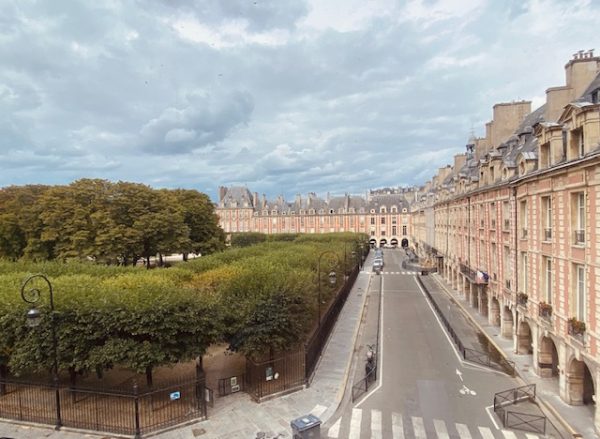
Hugo home Paris room view through window

Gardening culture

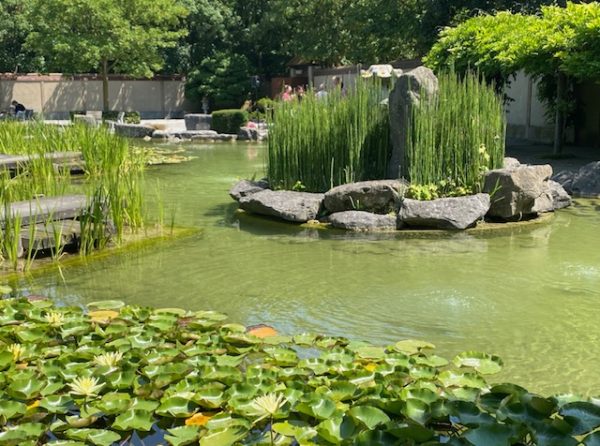
There is a specific set of skills attached to gardening culture. You do not have to travel continents to experience the pleasure of gardening from more than just your own culture. Beyond the tradition of the French garden “à la Le Nôtre”, the English garden including the short precisely trimmed lawn and blooming arrangements, the Japanese gardens have a wholistic approach, which pay attention to broader human experiences of nature. A garden is a kind of sanctuary. It resembles more an internal journey rather than a showing off to others. Walls serve to enhance privacy to be able to open-up again later to others rather than a symbol of distinction and exclusion from the less privileged. Small places suffice to give room to a Bonsai experience. The very busy seaside resorts and port of Ostend on the Belgian coast has reserved a small spot for inner peace in its Japanese garden. (Image: Japanese garden “Shin Kai Tei” in Ostend created by Takahashi Sawano) 

Set and Match

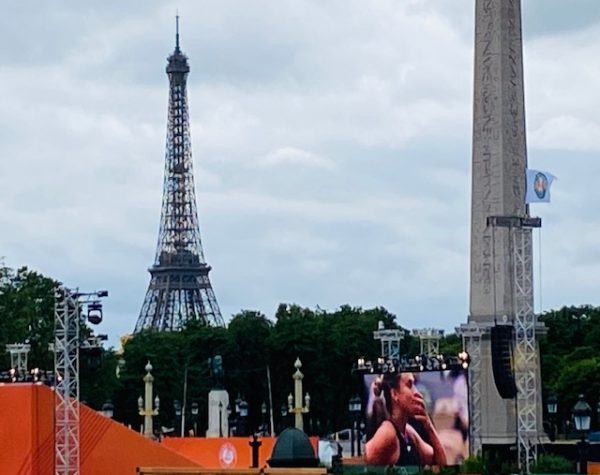
The organizers of big tennis tournaments like at Roland Garros in Paris have to reach ever bigger audiences to be able to cash out the prize money for the top players and their expenses. Besides the number of spectators on site, the prime income comes from television rights and sponsorships through advertising. Gambling on set and match is also a rising annex market, just like tourism linked to the event. For such purposes Paris offers screenings, similar to the Olympic Games 2024, in the centre of Paris. The park “Les Tuileries” offered to follow the tennis matches on big screens against the background of the Eiffel Tower (image below). Of course, the “rue de Rivoli” nearby offers additional pleasures or take home goodies for spectators, which add to the overall budget spent by an average tourist in Paris. For people interested in a walk in “Les Tuileries” and the plants ( Acanthus), trees (Linden) and flowers (roses) have to choose the other parts of the park. Big cities have the chance to offer a bit to everyone within relatively short walks. 

No mow May

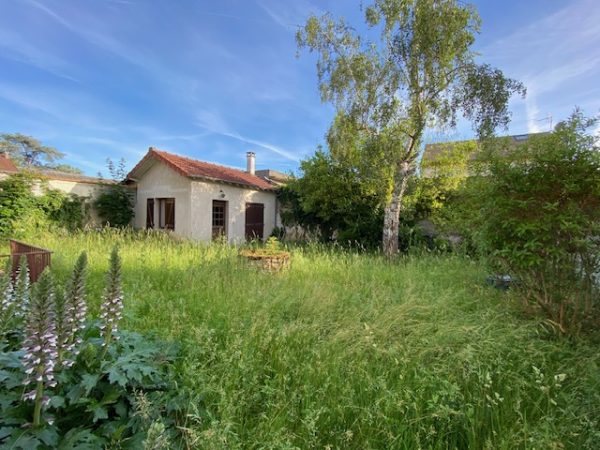
For the sake of biodiversity we have learned how important it is to allow our gardens to grow during the month of May. Lots of insects shall benefit from the larger diversity of our greens. Equally, it is the perfect time to “collect” “pollen” from lots of neighbors’ gardens and fields, which will eventually show up in another garden. It is a bit similar to sharing flowers and plants in your local environment.
We just have to be careful about invasive species that have been quite successful to “surf” on the “No mow May” gardening wave.
In May 2026 the effects of global warming have been particularly felt in France. “Meteo France” has reported the very warm French month of May in 2026. Similarly, for most parts of Germany, particularly in the South West, the average temperatures were well above the 2° target already (Deutscher Wetterdienst).
With quite some rain before, the climate throughout May 2026 has favored rapid growth and advances in the blooming of the whole vegetation. You might have seen gardens in your neighborhood that looked very different from previous years for those who tried a “No mow May” in 2026.

Agentic AI Gardening

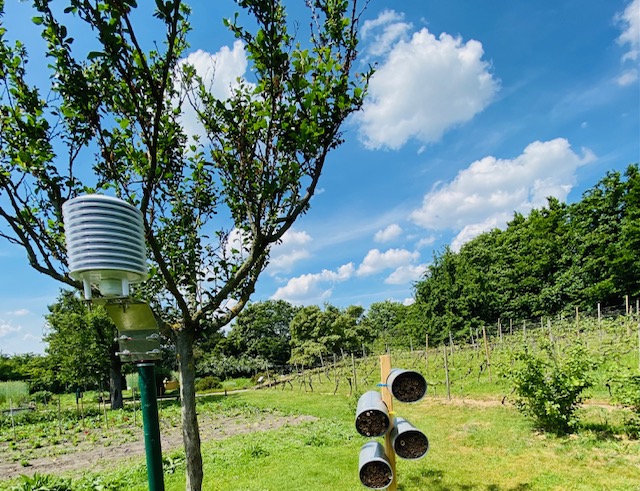
The use of AI is probably most popular for professional purposes as efficiency and economic productivity are major concerns in these fields of applications. Another whole lot of applications is rapidly developing as well, which is Agentic AI in hobbies like gardening. The use of IT in gardening has previously been reserved to landscape designers and maybe urban to rural planners. Cheap access to AI on a test basis or within your browser has widened access to computer and AI assistance for gardening purposes. Colorful designs and selection of species to enrich biodiversity are widely available now. The next step is, of course, agentic use of AI. If we have a sufficient number of sensors installed (and use weather forecast data as well), the data from the garden can easily be analyzed by AI and the mower or water pump can get going to do the job for us. This is not rocket science but only sensors, data and a couple of “if …, then” commands. The kind of pleasure will have changed accordingly shifting from the watering of plants to the satisfaction of successful programming. No value judgement here. The latter option has, however, a considerable business potential of almost industrial or agro-economic scale. 

Gardening Evolution

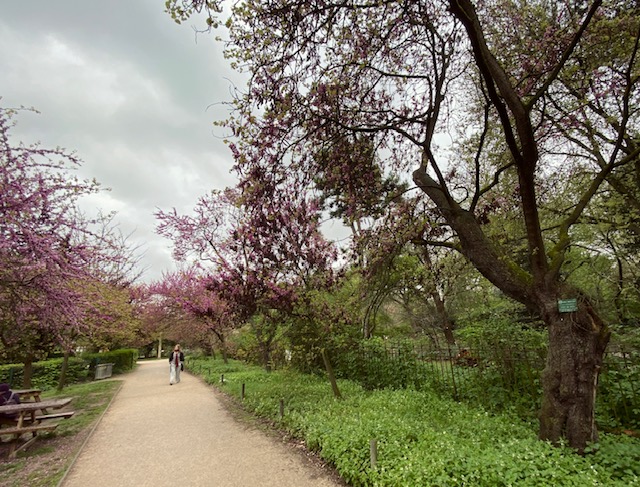
Researchers continue to study the impact of gardening on biodiversity and survival of insects. The study published by Tscharntke, Batáry and Vidal (2026) points our attention to the importance of areas in our gardens that are allowed to grow without mowing for several years. In many traditional gardening projects even in the 21st century, we observe a cut of grass-shoots in fairly regular time intervals, once a months for example. An English style lawn will be cut very short even more often than this. If we want to allow for an evolution of gardening and regaining biodiversity, we shall have to reserve substantial areas of a garden to allow grass-shoots to grow over several years (!). Such an evolution might be perceived in 2026 a bit like a revolution in gardening. Untidy spots are a response to “the need for unmown long-term refuges, protecting intact grass shoots for persistent insect populations” (Tscharntke et al. , 2026). The tree “Cercis siliquastrum” (Judas-tree) in the “Jardin des Plantes” in Paris dates back to 1785 and shows the impressive strength of nature to outlast changing gardening fashions even in a hotspot of gardening culture, history and evolution. Grass-shoots below might be allowed to last a couple of years as well.

Fontainebleau walks

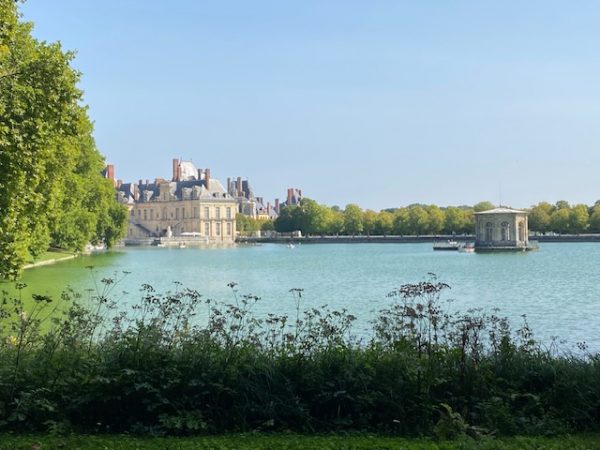
In the Fontainebleau gardens it is easy to reach your daily walking goals of 7000 a 10000 steps/day. Upon entry into the park you walk around the small lake. Towards the far end of the lake you’ll discover a long waterway which takes you beyond your usual walking distance due to the calm and great surroundings. The forests around the Fontainebleau gardens are another great walking or hiking exercise. You might find companions all along the trails. Just take enough water and food with you as there are no shops around, just you and nature. A bit of advance planning is necessary to make it a great experience. 

Fontainebleau garden

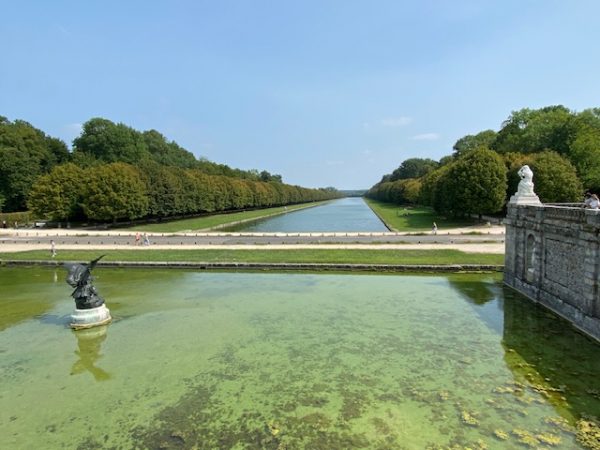
The garden of Fontainebleau is huge. The design by “Le Notre” is splendid in its combination of trees, greens and water reserves. Beyond walking in the park you may enjoy a horse ride ora  tour in a carriage, some even today. Boating is an additional amenity rarely available at other castles. In the Belvedere in the middle of the water basin romantic or secretive diplomatic conversations might take place. Politics and diplomacy have always needed special locations to prepare decisions. This is a historical constant. 

Water fountain

The design of water fountains is a bit of technology and a lot of art work. The provision of water for larger basins in castles was pioneered by garden architect Le Notre in France as early as the 17th century. He took ideas from Italian designers to integrate them in his French squared designs and surprising perspectives. Vaux le Vicomte is a splendid example and a source of inspiration for many even centuries later. Listening and watching the water fall from level to level downwards calms the spirit. Worth exploring yourself.

Desertification

Since 2018 we have evidence of the progression of desertification into some Member States of the European Union. The mediterranean countries are concerned as well as regions of Bulgaria and Romania near the Black Sea. There are multiple sources of desertification. The 3 main reasons of desertification are soil erosion, loss of soil fertility and loss of natural and desirable vegetation besides wind or water erosion and salinization. We also know that man-made climate change is at the root of the past and recent problems. The statistical indicators of land degradation are collected by the European Joint Research Centre and these data show a dismal picture of land degradation in general and desertification as part of this process. A study by Ilea et al. published in Nature 2024 projects an intensification of extreme weather in the coming years. Higher temperatures will most likely enhance desertification and more frequent flooding will contribute to more soil erosion as well. It is a rather strange process that we know we are creating severe problems for some regions which endanger the roots of their existence and yet we do not act upon those undeniable facts (United Nations SDGs list). The amount and dynamics of land deterioration put the global South under severe pressure, but also the wealthy parts of the Mediterranean basin will be affected. It about time to acknowledge that we are all part of the global changes and challenges. (Image palm tree in Paris, Jardin du Luxembourg, 2024)