Gone sailing

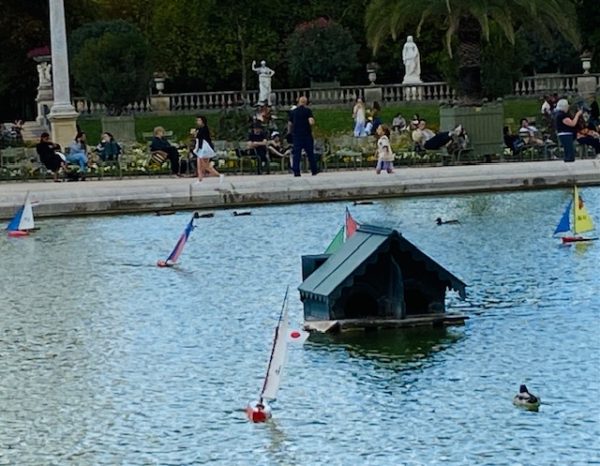
There are numerous ways to spend a nice vacation and take off your mind from daily routines. Sailing is certainly one of those leisure activities which ask for full concentration. Steady winds are more the exception than the rule and the skipper is asked to adapt rapidly to changing wind directions and other conditions. Waves and other sailing boats may of course ask you additionally to adapt your course to unforeseen circumstances. All this is a great training to keep on track even in stormy weather conditions around you. Team work helps to set sails as well as in manoeuvers to enter into ports. The Paris Jardin de Luxembourg (image below) allows training of parts of these competencies from an early age on and into old age as well. The physics of power and capsizing are part and parcel of sailing as well just as much as rules for crossing course, of course. 

Rotational energy

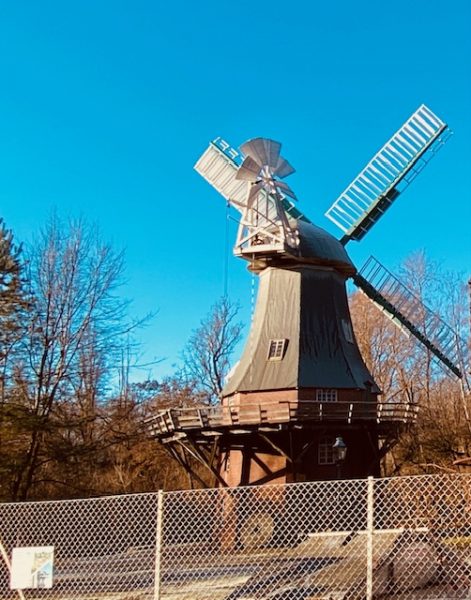
We all know rotational energy from our bicycles. lighting used to come from a small rotational energy source attached to a wheel (dynamo light) which produced sufficient electricity to lighten a front and back light. The use of rotational energy, however, is much older than the application on the bicycles, which have been largely replaced by batteries and LED-lights. The first so-called Post-mills stem from Normandy as well as the Rhine riversides around 1200. It took about 800 years to make a splendid comeback as energy source in the age of the „All electric society“ of the 21st century in the making. The „Deutsche Museum of Technology“ in Berlin has great examples of such rotational energy sources on display in the museum‘s park. You can walk a path through the past and future of rotational energy sources.

Home Wind energy noninvasive

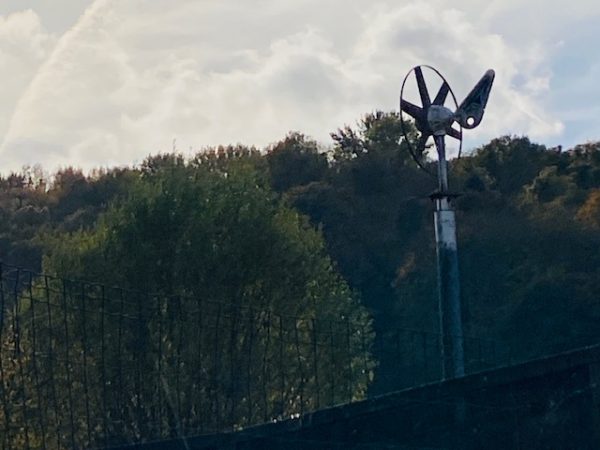
The abundance of wind energy in some regions has made the use of this source of energy more popular. During long winter nights the harvest of wind energy is a wonderful source of free energy. Regulations and oversize wind turbines have tarnished the image of wind energy in some regions. However, even in France and not only in this small village of Asterix and Obelix who resist the Roman empire, that we can find tiny wind turbines providing small amounts of energy. For all those households that have a battery they can use this power whenever they may need it. Suddenly, we are looking forward to the stormy autumn season.  

Sunny Trade

Some countries or regions struggle with trade deficits or trade surpluses, which cause worries to their partners. Eurostat publishes regularly the latest trade figures for the EU with external partners. The EU as a whole has a trade surplus in September in 2024 of € 12 billion. From January to September in 2024 the surplus accrues to 140 billion already. Overall, this is a rather sunny picture of EU trade. As we import raw materials and fossil energy mainly, the rest of the world is largely appreciating what we do with the imports, at least in an economic sense, environmental concerns tend to be neglected in such considerations.
The import statistics and figures do not capture the contribution of the sun to our energy balance sheets. We import energy from the sun almost on a daily basis and our trade statistics to not capture this, despite their huge impact on production and the fossil energy trade imbalance we report each month. Imported energy, the largest negative position in our sunny trade balance, in the EU amounts to € 20 billion per month. Harvesting more wind and solar energy as well as geothermal sources and energy storage require huge investments, but millions of Europeans are willing to contribute to this effort. With rising protectionism we should act now to avoid years of structural trade deficits in the coming years. There should already be more sun in the still sunny trade balance. To keep it that way more sunny trade will do the trick.
(Image from Eurostat, 2024-11-18, Euro area trade balance by product group in billions of €, original states in %, retrieved 2024-11-29)