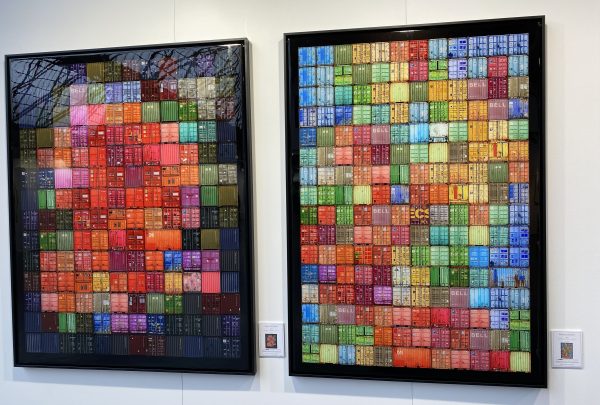
Architecture is all around us. However, we rarely consider the build environment as “conditioning” feature of our life. Architecture is contributing extensively to our perception of “social space” (Bourdieu). Inner cities, suburbs or spacious residential areas have diverse impacts on our perception of, for example, security, modernity, health or sanitary sensations. The corona-crisis has made it clear to most people that a healthy environment is a very essential part of our perception of comfort. Here the psycho-social perception of living and/or working space enters into the co-creation of housing people. Technology is a big driver of change in housing, urban spaces and rural imagination. In order to avoid corona infections a new culture of working from home for the masses become a health-driven imperative. Payment without contact, home delivery of meals, food, books, medicine have changed the living style of many people. Too little movement for our bodies has caused another silent pandemic of obesity. Enough reasons to rethink architecture from a sociological perspective on it. This probably starts with speaking of architecture as architectures. By this we mean to think of architecture from its social origins, functions, impacts and perceptions. Great historical examples of architects have implicitly or explicitly formulated a social theory of architecture or space as the basis of their “concrete” realisations. The sociology of professions of architects and the many construction-related professions needs empirical foundation beyond the cliché of socialisation as artist versus technician. Still recent forms of participatory democracy as part of urban and rural planning as well as realisations. Participatory individual or community housing are likely to stay with us. People want to get involved in co-creating their living and working space as their social environment. Architecture as social process and specific layer of the network society will be the new mantra. It has always been there, implicitly. Up to us to strengthen the social discourse on architecture. 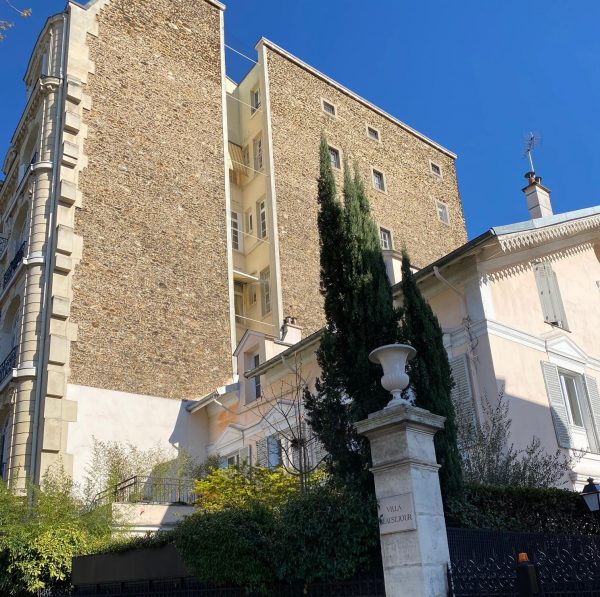
Schaukel
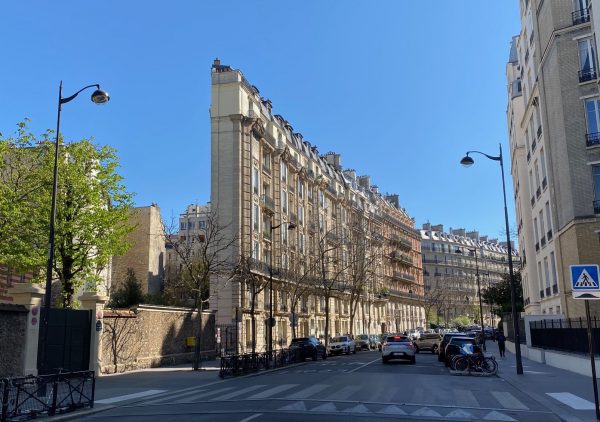
Sagt die Lehrperson zur Schulklasse: Stellen wir uns alle jetzt mal alle eine Schaukel vor. Wie sieht die Schaukel denn so aus? Was gibt da so drumherum? Könntet Ihr nun bitte versuchen, die Schaukel auf ein Blatt Papier zu malen? Jeder hat seinen Bleistift und einige Buntstifte dabei. Einfach mal versuchen, es gibt keine Noten dafür. Es soll Spaß machen und wer möchte kann sein Bild anschließend den anderen zeigen. Schön, sofort wird es ganz laut in der Klasse und alle legen los. Naja, fast alle, das stille Mädchen aus einer der hinteren Bänke stockt und wirkt unruhig. Sie ist erst seit einigen Monaten in der Klasse und spricht noch nicht wirklich wie die anderen die Ortssprache. Da liegt wohl an der langen Reise, die die nicht mehr ganz so Kleine hinter sich hat. Die meisten Jungen und Mädchen erklären zugleich recht lautstark welche Schaukel sie malen werden. Die vom Garten hinterm Haus, vom Spielplatz nebenan oder sogar die Schaukel unterm Baumhaus im angrenzenden Waldstück. Bei den meisten Kindern steht rasch die Schaukel nicht mehr im Mittelpunkt der Kurzgeschichten, sondern die Freunde oder Kinder mit denen sie gemeinsam schaukeln. Nur unser stilles Mädchen erinnert sich mehr an ihren Reiseweg, bis sie dort in dieser schönen bunten Schule angekommen war. Das waren viele Stationen, von denen sie gar nicht erzählen möchte oder gar ein Bild malen möchte. Die meisten Erinnerungen war so, dass sie diese lieber für sich behalten wollte. Zu weit weg waren sie von den aufgeregten Erzählungen und fantastischen Geschichten der anderen MitschülerInnen. Doch dann hatte sie doch ein Bild vor Augen. Ein Spielplatz in einer großen Stadt, Berlin genannt, ist ihr in Erinnerung geblieben. Als sie diese Schaukel grob, ohne Farbe nur mit Bleistift auf das Blatt skizzierte, keiferte der Banknachbar schon: So sieht doch keine Schaukel aus! Die Neue kann noch nicht mal eine Schaukel malen. Das stille Mädchen blieb weiter still, wusste sie doch genau, dass ihre Schaukel eine Überraschungsschaukel war. In der großen fremden Stadt war ihr diese Schaukel aufgefallen, denn sie war fast so schön, wie die Schaukel an dem starken Ast des Baumes, im Garten ihrer Großeltern. Dadurch verknüpften sich ihre vielschichtigen Erinnerungen zu einem Bild.
Repair 2
Ever since the visit to the exhibition “Care, Repair, Heal” at the Martin Gropiusbau in Berlin the image of flying protheses rests with me. Repairing the human body is feasible in many fantastic ways. The inner wounds, however, are less visible and sometimes hurting even more. In recognition of the thousands of victims again in the Russian war on Ukraine’s territory and the atrocities causes by mines to injure humans, we have to assist in caring, repairing and healing. This has not changed since the Great War or the Nazi-induced mass murder and mutilations. Humanity is unable to bann such landmines despite international conventions trying to achieve this.
The strong image produced by the protheses as clouds in the sky (Kadar Attia) remind us of the lasting effects of war. Images we had associated with the mutilated soldiers and civilians of the 2nd world war, many still around us in the 60s or 70s, are coming back to Europe. Writing about the 20th century, Aurélien Bellanger described in words a similar traumatising vision of flying protheses in his story of the lonely poet and philosopher. We cannot repair history, but we can work towards reducing useless additional suffering. It is part of the absurdities of our world that technology has created masterpieces to assist us and reduce suffering, but at the same time technology is applied to create the worst suffering as well. Rather than thinking of this relationship as 2 sides of the same coin, I prefer to hope for dialectic evolution towards a better synthesis solution using enforceable international law. Yes, I still have a dream! … 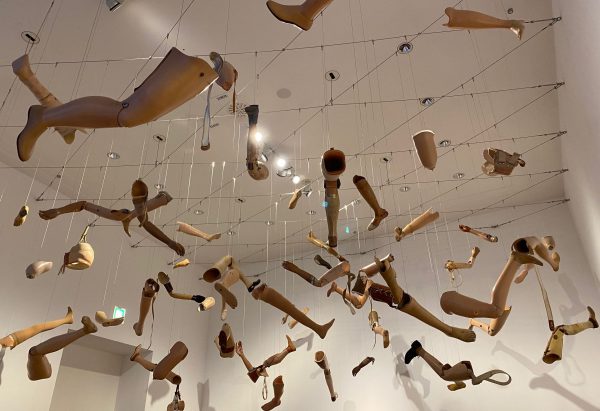
20th Century
The 20th century has told us many lessons. History does not repeat itself, but it appears that new variants of old themes keep coming back. Slowly passing the century like a movie in decades instead of episodes, we witness socio-emotional tides. The first decade, the 00s intensify the beginning of urban planning and social revolutions. The 10s show the arousal and subsequent extinction of masses of people in trenches. The 20s were described as the Carefree Twenties. In the 30s we observed the rising tides of fascist organisations followed shortly afterwards by the disastrous 40s. After the Shoah and the World War the 50s were fabulous viewed from the U.S. and Western Europe. The 60s propagated sex, drugs and rock n’ roll spreading across continents. The wild 70s became almost inescapable through the continued rise of mass media. The 80s were depicted as the colourful 80s as the 2 previous decades had set the scene for psychedelic colours. The 1990s have been coined as the gay 90s by some. Coming out as a gay person became easier and Western societies more sensitive and open to diversity. The back cover of the recent publication by Aurélien Bellanger “Le vingtième siècle” (The 20th century) speaks of the book as “roman polyphonique virtuose”. I look back on the 20th century as “polyphone” in many respects. It would be an illusion to believe we can only keep the nice sounding harmonies without the tensions or dissonances. 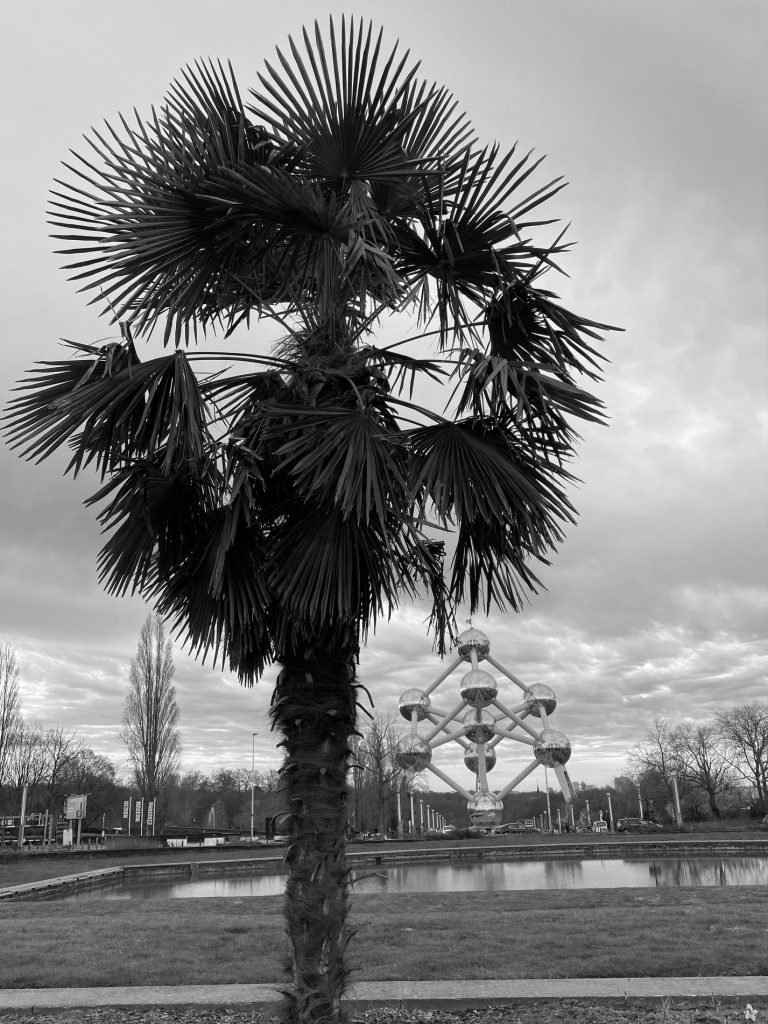
Caillebotte
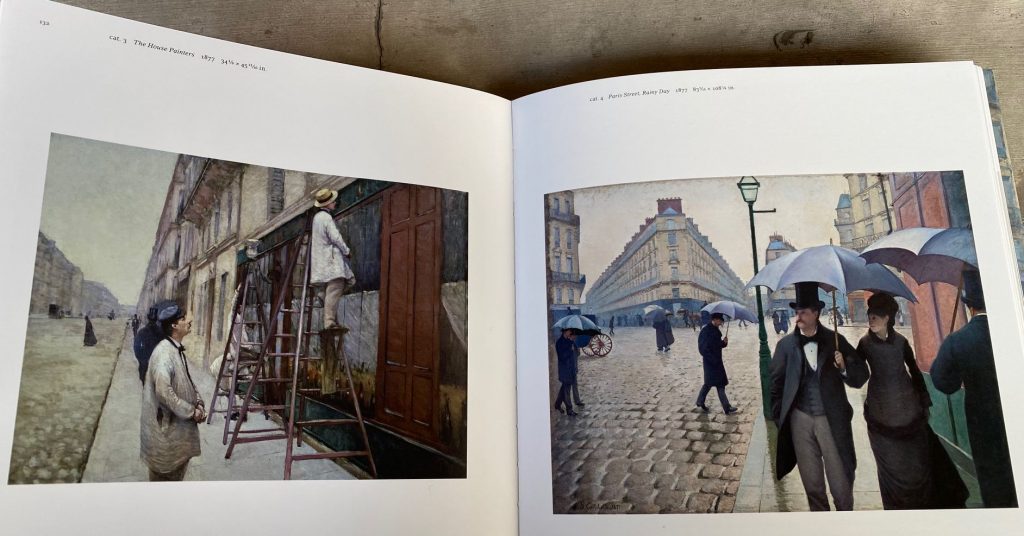
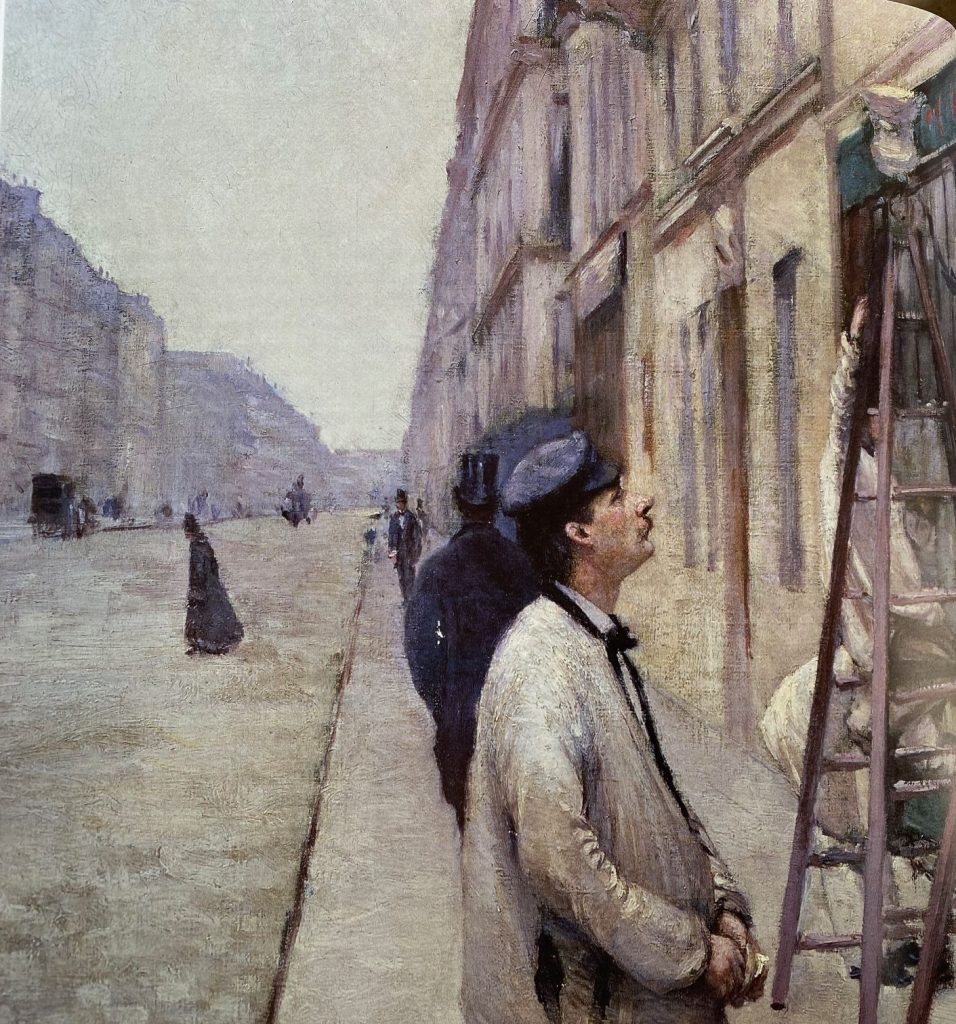
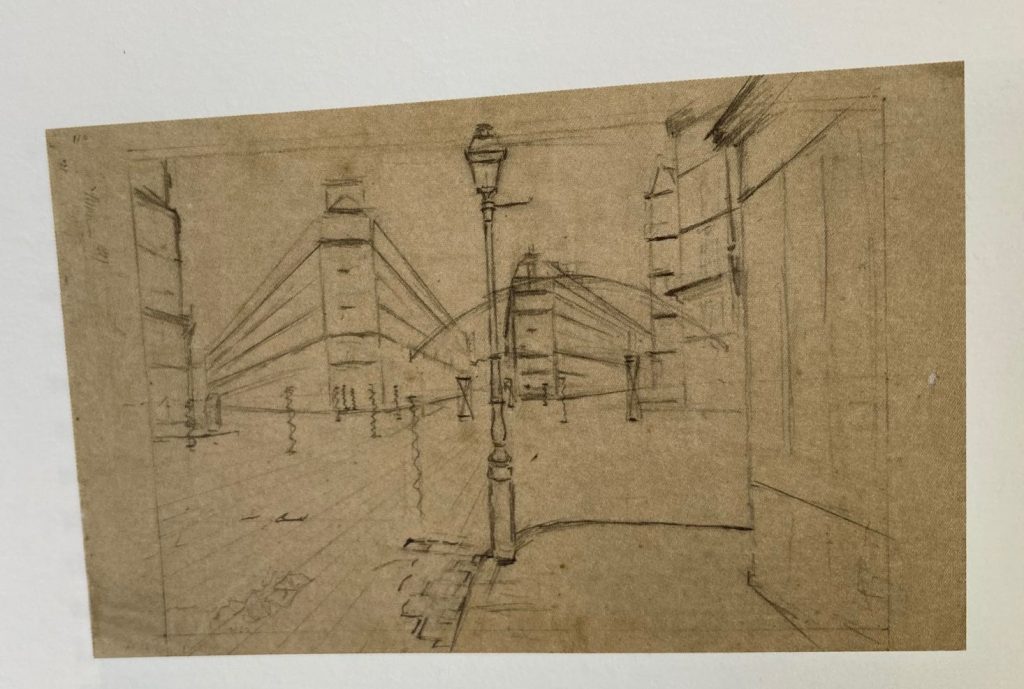
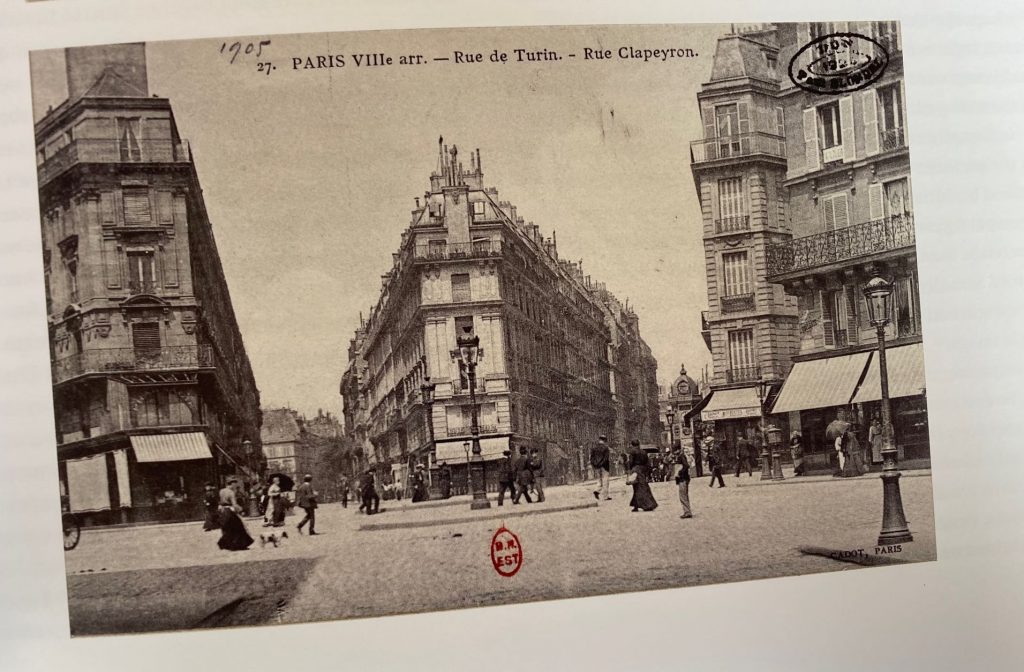
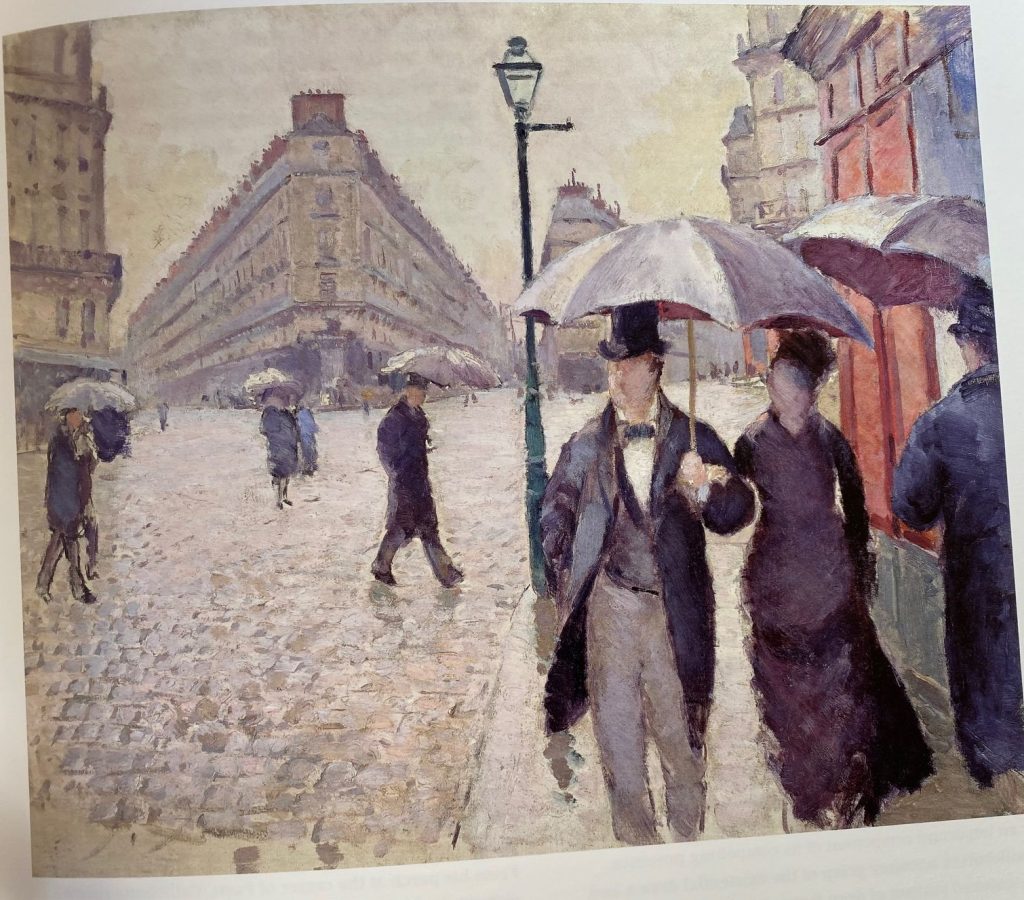
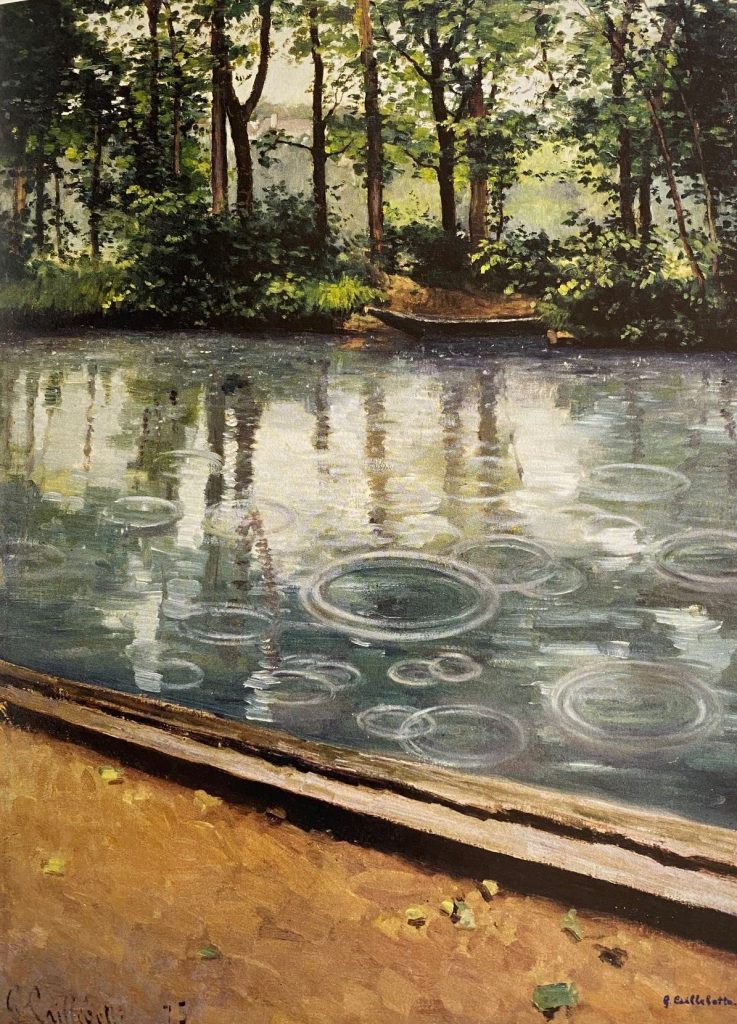
Gustave Caillebotte has done it again. Son of a great beneficiary of war efforts himself. He started with support from his father’s fortune on a painting career. Soon after his father’s death, he joined the group of “alternative artists”, later called the impressionists in France. On the 1.2.2023 the Musée d’Orsay acquired a key painting of Caillebotte for 43 Million € with the help of a donation by LVMH. Where does the hype come from? A catalogue of the exhibition of the painter “Gustave Caillebotte, The painter’s eye” from the National Gallery of Art in Washington from 2015 established Caillebotte again as a key person of the impressionist movement. Rich in diversity of motifs, the painter and supporter of the impressionists (Philantropist) has foreseen the challenge photography could bring to painting. The painter’s eye is well explained by Michael Marrinan (pp.22) in the catalogue. In fact, the spatial depth of the views of the streets of Paris is a precursor to many photographers and movies of several decades later. Caillebotte’s images of Paris depict well the mixed feelings about a daunting city size and the isolation of people captured in their own little inner circles with little communication despite or because of the noisy surroundings. Misty atmospheres allow to focus on impressions. Almost meditative walking in the city is his modern topic. Reflecting on painting as profession versus painting as artist is somehow an impressionist’s sociology of professions. Gustave Caillebotte did not have to paint for money and he was aware of social class differences as son of a factory owner. It did not spoil his artistic view with social facts, but rather tried to reveal the intrinsic beauty not only of landscapes, but ordinary working people. Other impressionists painted beautiful ballerinas, Caillebotte painted workers and sometimes more challenging parts of Paris in his early years. With climate change near Caillebotte’s home in full swing, we shall “adore” the rainy days in Paris even more. And in the countryside, too. The painter’s eye reveals a visionary view of the modern and post-modern world. 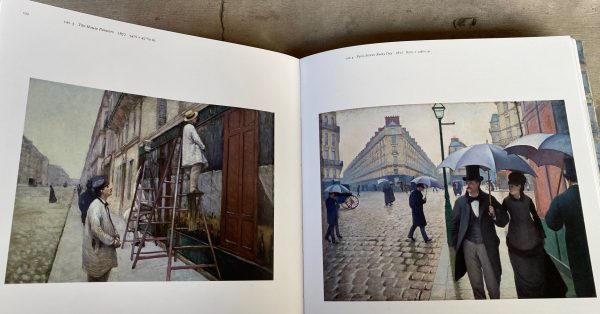
Flotow Stradella
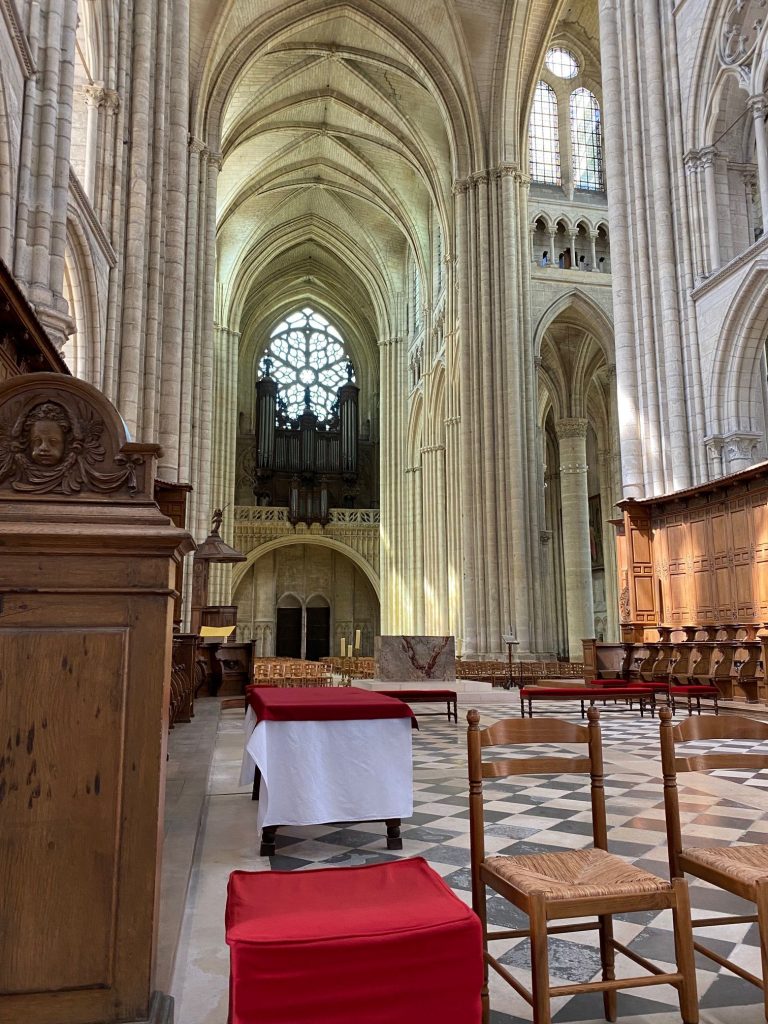
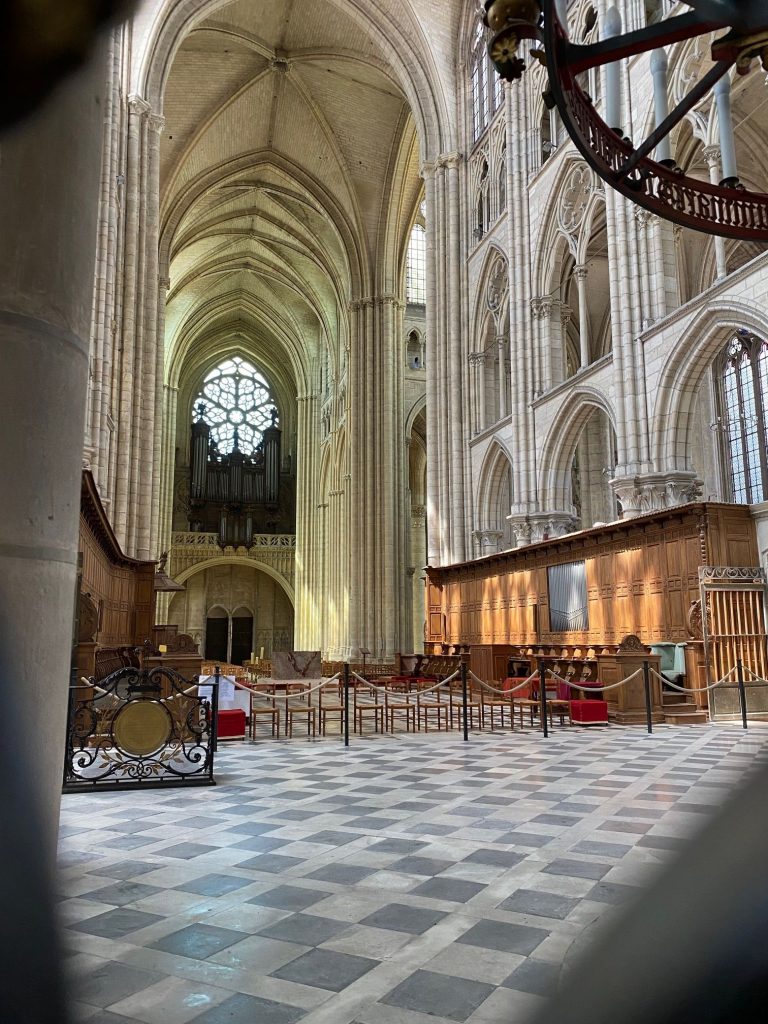
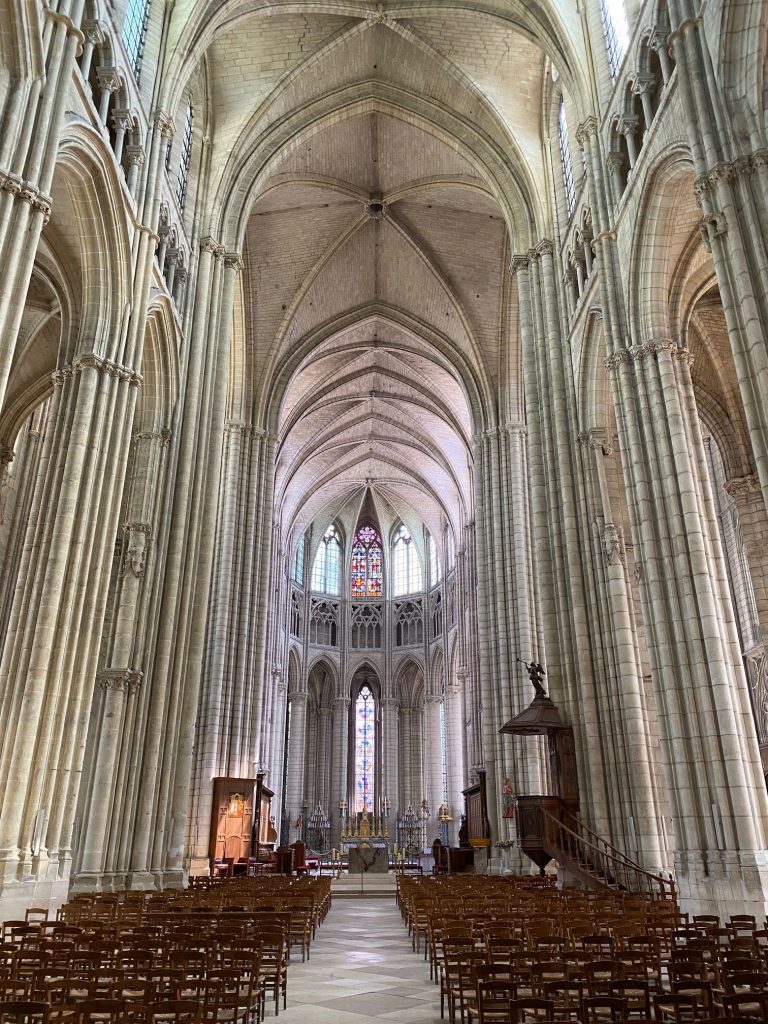
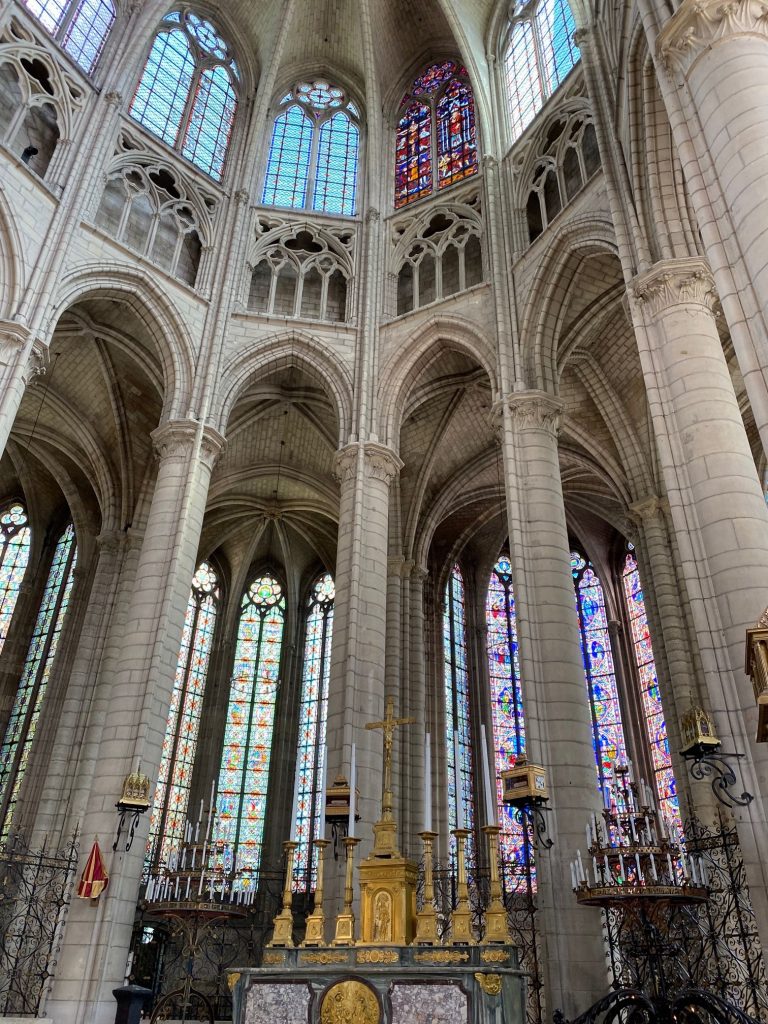
Die Oper Stradella von Flotow wurde in 2006 eingehend besprochen. Sarah Hibbert hat ein immer wieder aktuelles Thema: Wie sollten vorherige Stilepochen in der Aufführungspraxis und der Komposition behandelt werden? Die Legende über den Sänger Stradella, der einem Fürsten die Braut ausgespannt hat und deswegen ermordet werden sollte, bietet einen interessanten (sex and crime) Plot. Wegen der Gesangskunst des Verführers, wollten die bestellten .Auftragsmörder den bezaubernden Sänger nicht töten. Tatort ist der Auftritt der Sängers in einer Kathedrale. Fritz von Flotow und Louis Niedermeyer haben beide fast zeitgleich eine Version des Librettos vertont. Es stellt sich nun die Frage, wie denn am besten der historische Stoff aus dem 17-ten Jahrhundert darzubieten ist. Beide Komponisten komponierten im Stil der romantischen Oper des 19-ten Jahrhunderts. Flotow wählt eine stärker historisierende Variante der mittelalterlichen Musik der Stradella-themen in seiner Oper. Die Klangfarben der mittelalterlichen Kirchenmusik passen aber nur schwerlich zu den Erwartungen des zeitgenössischen (1830er) Opernpublikums. Daraus resultiert,en eine spannende kompositorische Aufgabe und entsprechende Herausforderung für die Aufführung des Werks. Darüber hinaus müssen noch Unterschiede zwischen der ersten mehr populären Form der Oper für Paris (Vaudeville) und der später in Hamburg uraufgeführten Version der Flotowschen Stradella Fassung beachtet werden. Historisierung mit Anlehnungen an Gesänge von Palestrina sind nicht der Geschmack eines jeden im Publikum und der Kritiker. Grund genug, in die Opern mal wieder reinzuhören. Den Tenor, die Arie “Jungfrau Maria” singend, hätte ich wahrscheinlich auch nicht als Auftragsmörder töten können. Rolando Villazón ist darin recht überzeugend.
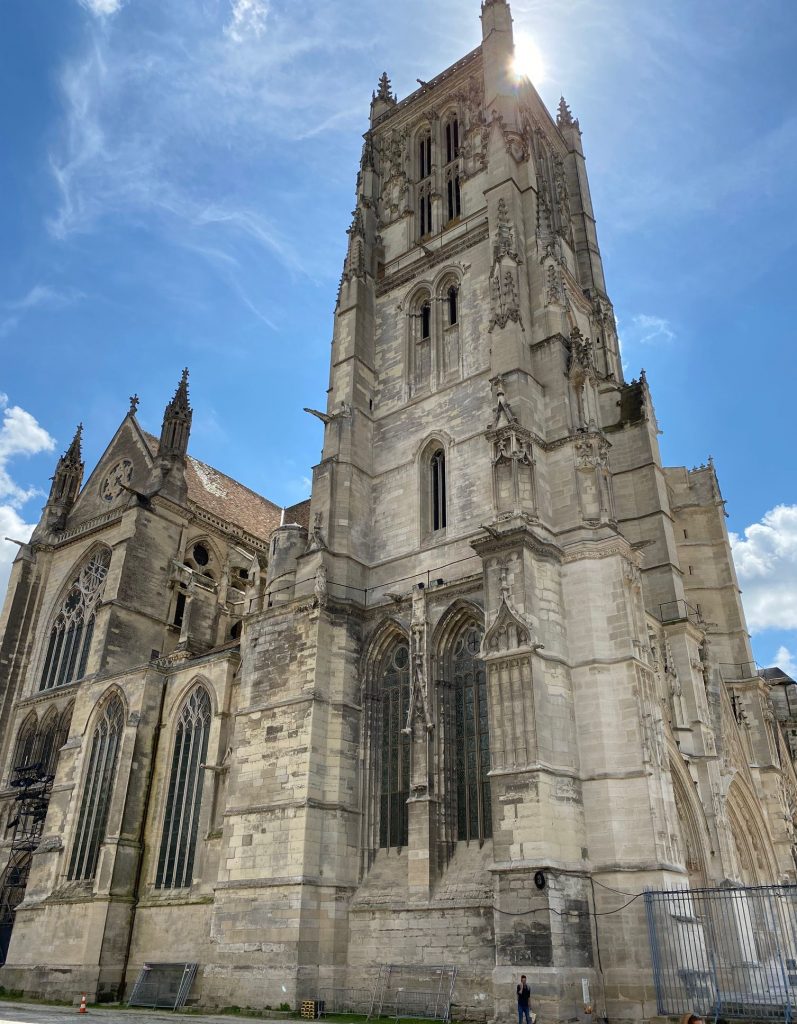
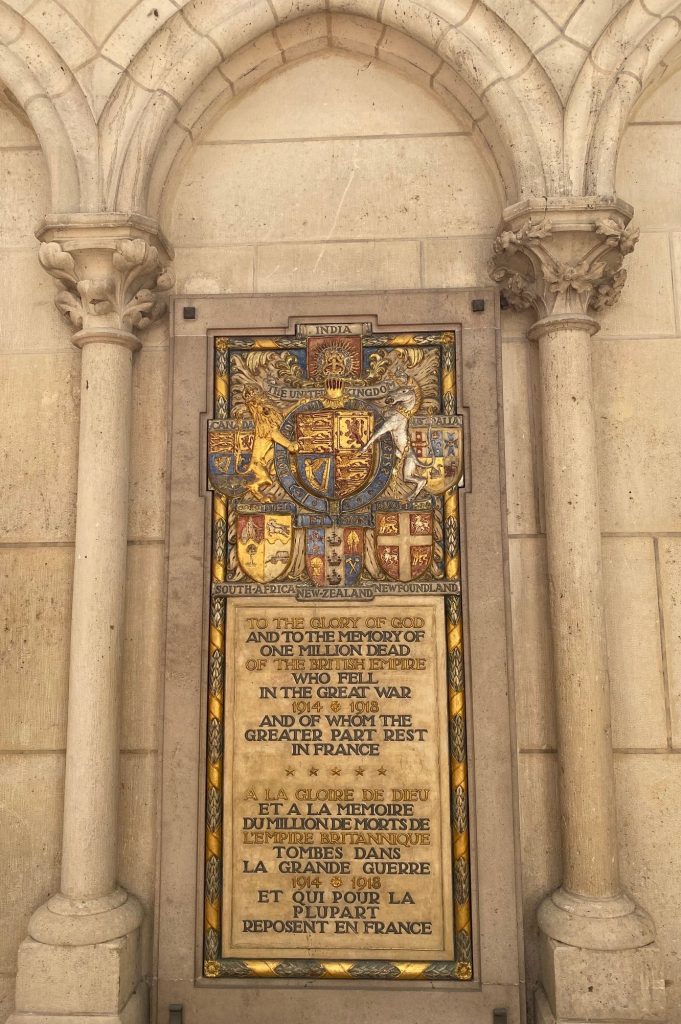
Quelle: Hibbert, S. 2006. Murder in the Cathedral. Stradella, Musical Power and Performing the Past in 1830s Paris. Music & Letters Vol 87 Nr. 4. doi:10.1093/ml/gcl081 (Photos, KS Kathedrale in Meaux, F).
20s
In retrospect from the 1930s and in prospect from the 1910s, the 1920s may well be described as “The tumultuous Twenties”. Several other summary notions are attributed to the 1920s. “Les années folles” in the French speaking world, “The Jazz years” within the U.S. or the “Wild 20s” in Germany coined the decade after the disillusion of the 1st world war. The economic and cultural revival after the period of atrocities has seen thriving city centres and comparatively little economic hardship until the Wall Street crashed on October 24th in 1929 the so-called “Black Thursday”. The party was suddenly over and a lengthy economic crisis spread globally. It was within this free spirit of the 1920s that the Fascist counter movements of the 30s started to take roots.
The 20s saw the skyscrapers soar and the credit-financed speculation was at its highest. Pierre Boudon (1991, pp. 137) characterises the architecture of the 1930s as “l’inversion des signes”. The Bauhaus of the 1920s was later forced into emigration. The film of F. Lang “Metropolis” (1927) prolonged the constructivist lines of the 1920s to a haunting vision of big cities with its daunting acceleration of economic and cultural experiences.
Walter Benjamin later referred to the method of technical reproduction as one of the major foundations for the mass movements and mass culture, which turned the relatively prosperous early and mid 20s into the disastrous 30s. Indeed, many scholars combine the 20s and 30s into one historical period as the rise and decline between the 2 world wars of the 20th century.
Certainly in terms of economic development many countries witnessed a steep rise in prosperity in the 20s followed by deep recession in the 30s. What went up in spectacular terms in the 20s, economic development, democratic participation, came down in the next decade due the rise of Fascist movements.
100 years later in the 2020s we still struggle with many of the same issues. Poverty and “Existenzminimum” were topics of the 2nd International congress of modern architecture in 1929 in Frankfurt. This reflects the lasting need to address “social issues” throughout decades, if not whole centuries of mankind. 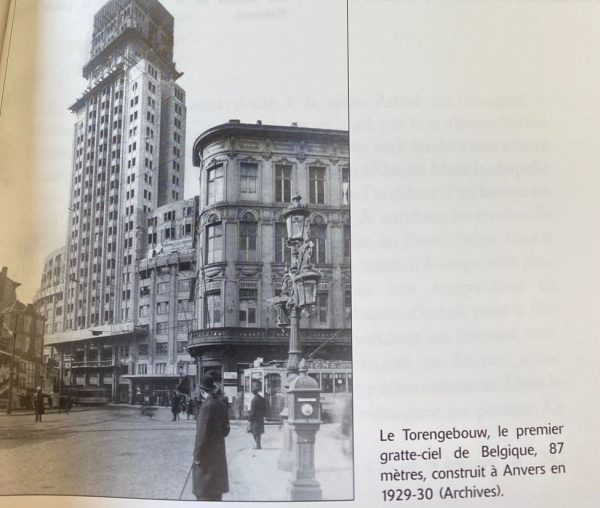
White
White is white, we may say, just like in the song of the mid 1980s “Live is life”. Raimund Girke focused his paintings around the notion of white. White is pure energy he writes on his webpage summarising somehow his activity between 1986 and 1999 before he turned 70 years old. The energy of white can be experienced at the gallery and arts centre of Alex Vervoordt near Antwerp. Set in abundant white and otherwise empty space the paintings of white reflect Girke’s idea that white is rest and movement. The developmental process of white in the work of Raimund Girke reflects for me a conceptual proximity to the artists’ group of “zero”. Light and shadows are parts of the same coin. White is the sum of all colours, not only in the physical definition of it. Hence, white can serve as reflection of space and transposition of movement.
The experience in the gallery of Vervoordt allows to come to grips with our own perception of white. It needs a huge white space around the paintings to get into the mood of, maybe, purity. It is by putting colours together that white comes into existence in the spectators view. In seeing white, we see many additions of other colours. That creates the impression of energy. Up to you to test it, maybe, virtually live. 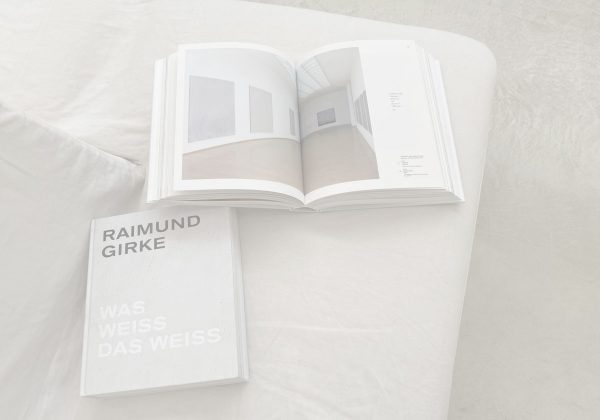
Alkoholismus
Alkohol ist eine Droge, da Alkohol abhängig machen kann. Die Bewusstseinsveränderungen können beachtliche bis extreme Ausmaße erreichen. Das wissen wir alle und zwar seit Jahrhunderten. Mäßigung bei Rauschmitteln ist nötig, aber schwer erlernbar. Etwas Genuss ist gesellschaftlich nicht nur toleriert, sondern gewollt zur Förderung der Geselligkeit. Zu viel Genuss beeinträchtigt meistens andere und wird dann zu einer schwierigen Problematik. Ärztinnen, Psychologinnen und andere Heilberufe stehen oft hilflos, wie auch das nahe familiäre Umfeld, vor dieser Situation. Selbst neuere Studien weisen darauf hin, dass die Versorgung dieser Patienten (UK), bestenfalls in der Hälfte der Fälle als gut einzustufen ist. Die Studie zu Großbritannien beschreibt gleichfalls die Krankheitsgeschichte und -versorgung als „eskalierende Tragödie“. Für die meisten anderen Länder liegen keine wirklich guten Daten vor, die weder einen Handlungsbedarf noch auf einen gesellschaftlichen Gestaltungswillen hindeuten würden.
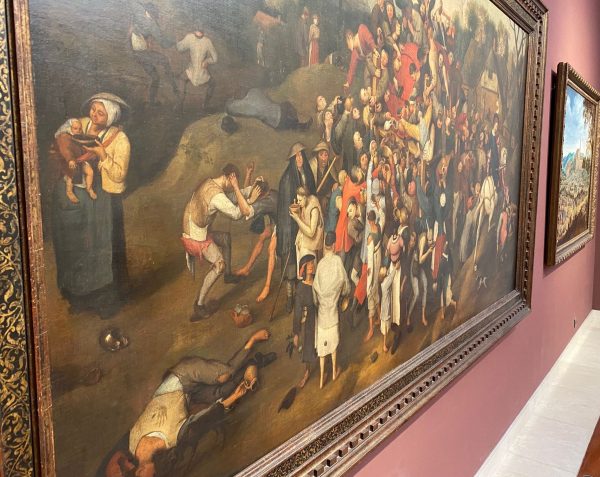
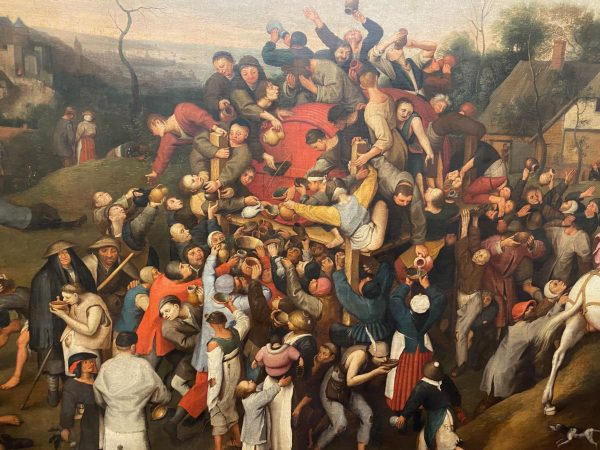
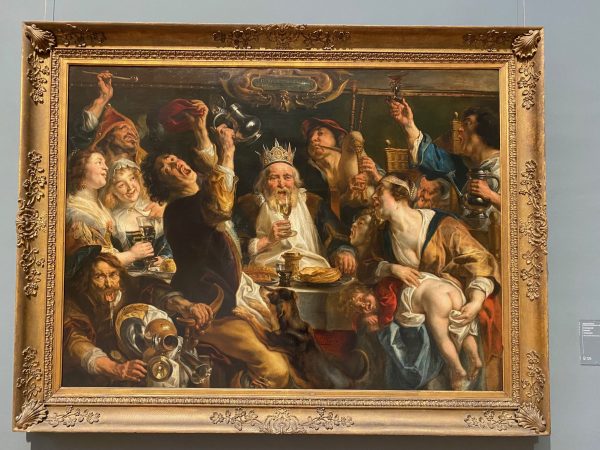
Die Radiosendung zum Thema „Umgang mit Alkoholkranken“ und die Initiative von Sänger Max Mutzke, „Kindern suchtkranker Eltern eine Stimme geben“ beschreibt eindrücklich die generationsübergreifende Bedeutung von Alkoholkrankheit. Alkohol ist eben nicht nur das Problem der betroffenen Person. Ein ganzes Umfeld ist betroffen. Das Problem wächst sich meistens aus zu einer Problematik für das weitere familiäre Umfeld, Freundeskreise und ArbeitskollegInnen. Es ist erstaunlich, dass wir seit Jahrhunderten keinen anderen Umgang mit alkoholbasierten Rauschmitteln gefunden haben, als alles erlaubt oder alles verboten, außer der Altersbegrenzung für Kinder und beim Autofahren. Der Maler Bruegel sah das wohl ähnlich. Den St. Martinswein kann sich heute jeder im Laden um die Ecke selbst kaufen. Mäßigung im Umgang mit Drogen ist nach wie vor ein schwieriger Lernprozess, für Einzelne (Jordaens – Der König drinkt!), wie für die Gesellschaft. ( fast betrunkenes Video Alko VLC Bruegel MRBA Bruxelles.jpg zur Bildexploration).

90s
Summary terms for the 1990s range from the “global 90s”, the “roaring (again) nineties”, the “fabulous 90s” to the “gay 90s”. After the fall of the Berlin Wall, a new era of reaping the economic benefits of more peaceful times had started. Re-unification or unification of Germany could have unsettled the balance of power on the continent. However, a firm integration into the European project and the withering away of the Cold War on a more global scale allowed economic growth in many countries and even continents. Joseph E. Stiglitz claimed it was the world’s most prosperous decade even. The overly popular view that unrestricted market principles will allow for rapid growth reached huge crowds before the new limits to growth (which were the old ones) and rising imbalances (in trade and among different firm sizes) became clear later on. The outlook of “America in the global ‘90s”, written in 1989 is overly optimistic. Nevertheless, it describes fairly well the almost euphoric view at the beginning of the nineties. “World economic growth will strengthen in the 1990s. Democracy and free markets are on the upswing. U.S. will retain its lead in technology and world trade. Openness to foreign capital, goods, immigrants is key. Budget and trade deficits will continue downward. America is a strong nation getting stronger.” (Kiplinger and Kiplinger, 1989 p.1)
Ten years make a decade, but the retrospective analysis might not make for such a rosy overall image. In other fields of study, many saw the real societal changes in the 90s in the liberation of views on gender. Gay movements and queer studies are on the rise throughout these years. The realisation of “Genders” beyond the male – female, binary vision captures more global attention as well. “Education reform in the ‘90s” (Finn et al. 1992) start to focus more on “higher-order learning skills, expanded methods of student assessment” (Joseph Murphy 1992 p.13) in addition to interdisciplinarity, core curriculum, original source materials and teacher choice. Diversification is high on the agenda, despite slow progress in social matters and high unemployment in many countries at the beginning of the 90s. Capture the peace dividend wherever it seems possible. Rapid globalization was the panacea of the decade; before the iron curtain would come down again 22 years later. The photographic art by Didier Engels (Affordable Art Fair Brussels 2023) reflects the bright and colourful side of globalisation as much as the overload. The 90s made us believe mainly in the bright side of it.