Cinema D

In terms of statistics cinemas are almost back to the pre Covid levels of spectators. The sector is worth in Germany close to 1 billion € in 2023. The price level has risen as well but many cinemas have upgraded their cinema experience as well in terms of comfort, audio and visual quality. Traditional houses provide chairs that compare well with home comfort and for a little more you can put up your feet as well after a long workday. Drinks and food may be served directly at your seats so the time to relax is guaranteed. However, this depends a lot on what type of movie you have chosen. The movie industry has adapted to modern technology and comfort. The turnover of a movie theatre is supported a lot by the consumption of beverages on site and they make huge efforts to prolong the visit beyond the screening of the movie. The competition for the time and money of the consumer is intense. The quality of the whole experience will determine the survival of the cinema. It is worth much more than a second best solution for rainy days or the cold season.

Fertility Growth

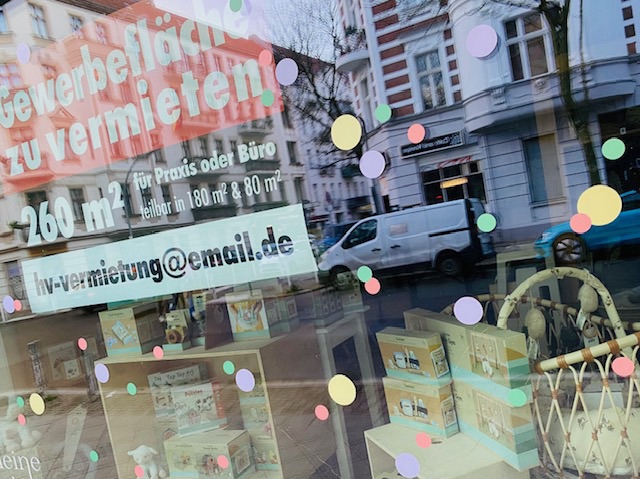
The first association of fertility and growth is likely the growing of fertility rates in a country or region. Only macro economists associate the growth or decline of fertility with the macroeconomic consequences of more or less economic growth. Countries with higher fertility rates in most cases have higher growth rates as parents spend more on food, clothes, mobility and education. Accommodations are changed, adapted and refurbished. Estimates of increased consumption per child by economists range from 500.000 to almost 1 million in the highest developed countries. Children are a country’s wealth, but they also cost a fortune in monetary terms. Good news for the economy if families keep spending independent of economic cycles. More children keeps dedicated shops running or even a whole sector of the economy. In recessions the downward pressure in this sector becomes an additional challenge not only for the families but with ripples-on effects for the whole economy and society. If you see shops closing which has sold furniture for children for the last 15 years then the realization of an economic downturn becomes also more real. Sometimes the parallels in the news of declining fertility and increases in pensions do not square well with the fitness for the future or the future orientation of a society. Democratic voting rights that give families more weight in elections could change this. It is not yet on the political agenda.

Mehr vom Meer

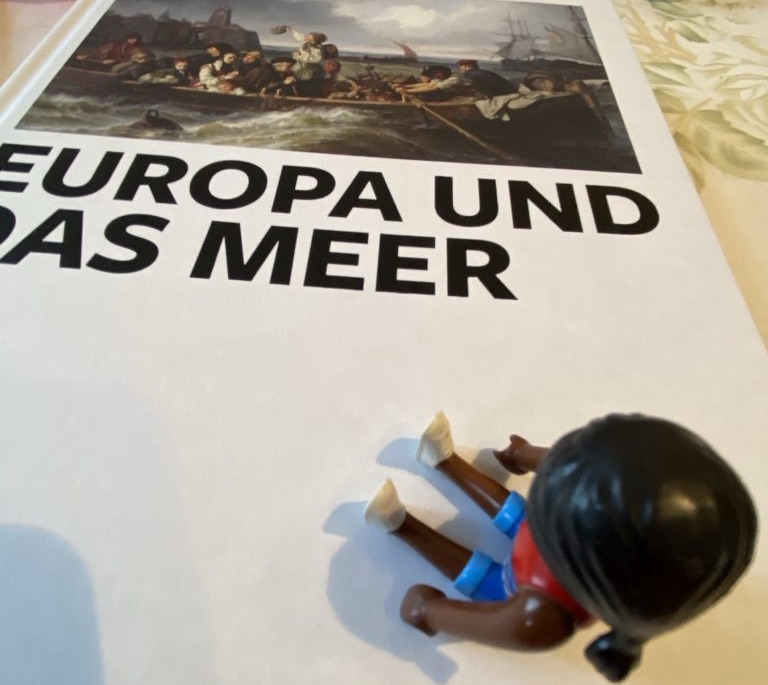
Wir sollten uns mehr um das Meer kümmern. Länder ohne Küsten finden meistens wenig Gründe, warum sie sich um das Meer bemühen sollten. Es ist doch so weit weg. Weit gefehlt. Erderwärmung erhöht die Meerestemperaturen und das wiederum beeinflusst massgeblich die Regenfälle im Inneren der Kontinente. Wir sitzen buchstäblich alle zusammen in einem Boot. Historisch betrachtet war das Meer mindestens seit der Antike Teil des machtpolitischen Kalküls der Beherrschung der Welt und der sie Bewohnenden. Wirtschaftliche Interessen waren ebenfalls Bestandteil der Erkundung und Eroberung des Meeresraums. Die Hansestädte in Europa bieten dazu noch heute gute Beispiele. Nach dem Sklavenhandel sind heute die Überseekabel und Rohstoffe des Meeres die begehrten Schätze des Meeres. Der Artenreichtum der Tiefsee wird erst seit kurzer Zeit intensiver erforscht. Externalisieren von Kosten des Umweltschutzes zu Lasten unserer Meere hat noch wenig Berücksichtigung in Wirtschaft und Gesellschaft gefunden. Tourismus- und Migrationsströme zum Meer, auf dem Meer und über das Meer stellen uns vor große Herausforderungen. Wir werden sicherlich mehr über das Meer reden müssen, und das ist keine Mär. Image aus „Europa und das Meer“ (DHM).

Energy Storage

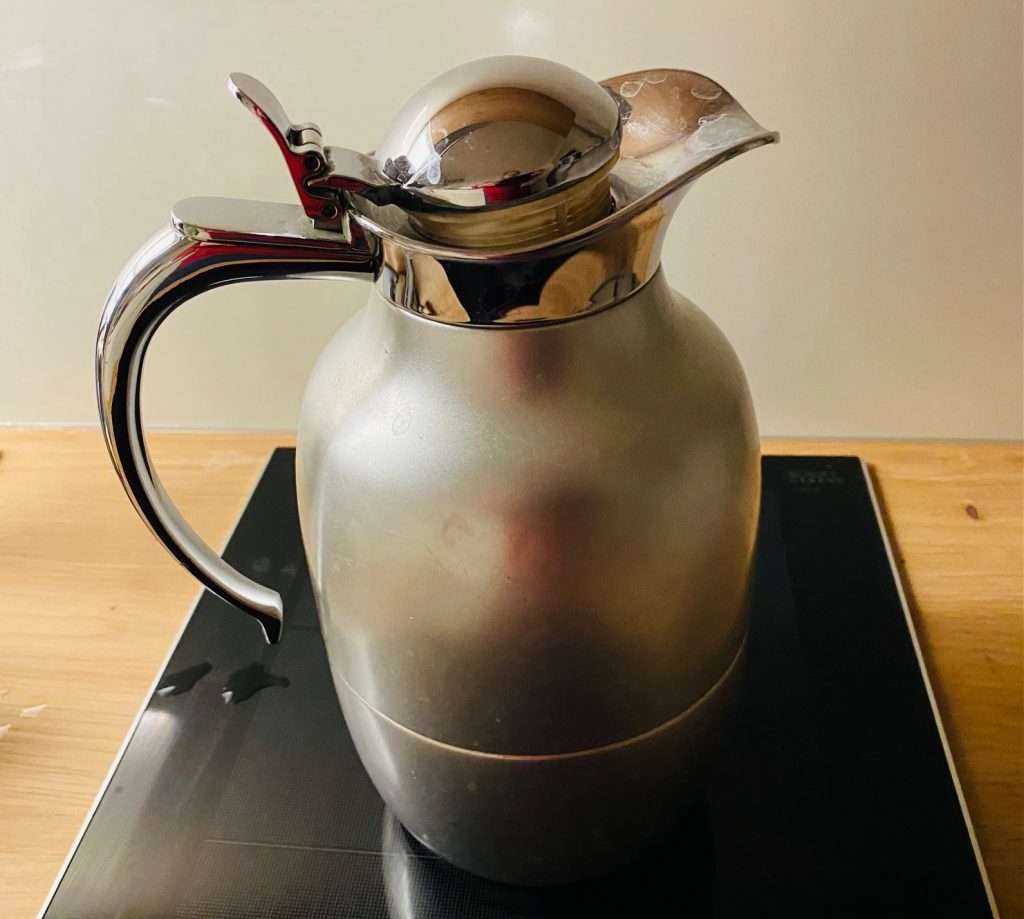
On a sunny and windy day, even in winter or spring, renewable energy is abundant. If demand is stable prices will drop. Prices will rise again as demand for energy picks up. Hence, this is an obvious case for trading opportunities. All you need is … energy storage. All so-called prosumers, short for producers and simultaneously consumers have a lot to gain if they are able to store energy when it’s abundant and cheap. Sell it when it is expensive or use it yourself if needed. Just keep an eye on the costs of energy storage. A stylish insulated carafe is a well known example of storing hot water for astonishingly long time. Insulation is key to store transformed electric energy here. Other options use kinetic energy like pumping water to a higher level and then generate electricity again when the water returns to the lower level. Of course, batteries are a simple way for energy storage as well. Costs seem to come down rapidly and less environmentally hazardous materials leave the laboratory almost every month. It is about time to consider this seriously. More and more cities have understood that energy storage can generate cash for them (Example Feuchtwangen) and appears to be a worthwhile investment for a local power generating community. For the time being my favorite energy storage is the insulated carafe. It is often the beginning of energizing conversations.

Old school energy storage

AI Collusion

In most applications of AI there is one system of AI, for example a specialized service, that performs in isolation from other services. More powerful systems, however, allow for the combination of AI services. This may be useful in case of integrating services focusing on specialized sensors to gain a more complete impression of the performance of a system. As soon as two and more AI systems become integrated the risk of unwanted or illegal collusion may occur.
Collusion is defined in the realm of economic theory as the secret, undocumented, often illegal, restriction of competition originating from at least two otherwise rival competitors. In the realm of AI collusion has been defined by Motwani et al. (2024) as “teams of communicating generative AI agents solve joint tasks”. The cooperation of agents as well as the sharing of of previously exclusive information increase the risks of violation of rights of privacy or security. The AI related risks consist also in the dilution of responsibility. It becomes more difficult to identify the origin of fraudulent use of data like personal information or contacts. Just imagine using Alexa and Siri talking to each other to develop another integrated service as a simplified example.
The use of steganography techniques, i.e. the secret embedding of code into an AI system or image distribution, can protect authorship as well as open doors for fraudulent applications. The collusion of AI systems will blur legal borders and create multiple new issues to resolve in the construction and implementation of AI agents. New issues of trust in technologies will arise if no common standards and regulations will be defined. We seem to be just at the entry of the new brave world or 1984 in 2024.
(Image: KI MS-Copilot: Three smartphones in form of different robots stand upright on a desk in a circle. Each displays text on a computer image.)

Opportunity Costs

Skiing in winter is a pleasure that has become more elitist. The downhill skiing has always been an expensive sport, but affordable school holidays gave the sport a more accessible touch. The cheaper version of long distance skiing or skating on larger trails involves much more endurance. The report of the French Cour des Comptes in 2024 questions the sense of the huge investment that is still devoted to save the pleasure of the few. I
nstead of investment to the benefit of relatively few persons, these funds could put the money into a more sustainable, socially and ecological productive purpose. Installations could be used all year round rather than in the few weeks at best months with snow. It is remarkable that the court has highlighted this kind of opportunity costs of such installations. Instead of investing in soon to be obsolete infrastructure at lower altitudes like water reservoirs and water canons, this money could already start the eventually necessary transition process. Each € spent is not only lost for the transition, but might create additional environmental liabilities and damage.
From economists it is to be expected that they mention competition in their arguments. Not all stations of skiing will survive. Put more dramatically, in the process of closing skiing at lower and middle level altitude, competition intensifies between stations and of who can survive. Public funds should not be misused in this endeavour. Lobbying is strong and political incumbents tend to favour the merit and legacy of digging for the white gold. Changes of mind sets, investment narratives and decisions are tough. From much downhill skiing we might soon remember only the downward slope before the healthy aspects of climbing a slope takes the upper hand.

Cancer Inequality

Inequality is a hugely important topic for societies. Inequality has many different dimensions and differential longitudinal patterns. New data in this field of social research are helpful to inform on possible ways to prevent increasing inequality. At the same time, it is important to reflect on factors that may reduce inequality in and between societies. Inequality in health is both an outcome of inequality experienced during previous stages of the life course as well as a factor in causing inequality in the evolution of the life course later on. Disentangling the factors is a difficult research issue.
A first descriptive pattern across Europe allows to get a snapshot impression of the status quo as a first indication of what health inequality looks like. Cancer is a major cause of mortality across Europe and by 2045 it is estimated to be the leading cause of mortality.
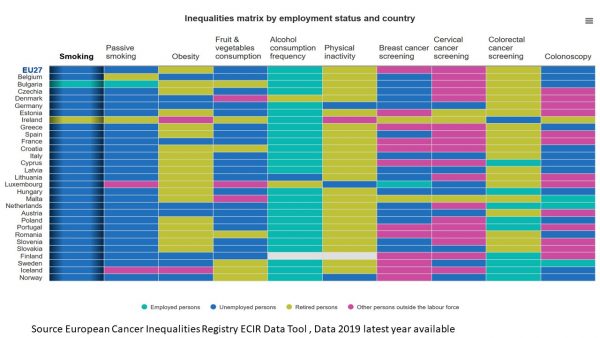
Without precisely analyzing the causal factors the overview across European countries allows to give a first impression on fields that need more policy attention and more in depth studies. The European Cancer Inequalities Registry and the ECIR Data Tool is based on data from 2019  (Link). The overview matrix by employment status reveals the highest prevalence of smoking among the unemployed (followed by the employed, not shown in figure) and the frequency of alcohol consumption is highest among the employed. Low physical activity is mostly prevalent among the retired.  This has consequences for cancer and gives hints to how an intensified prevention may work.
The OECD report (Link) based on these data and additional country case studies and policy data base reiterates the known prevention recommendations: Reduce smoking, alcohol consumption, air pollution as well as more physical activity. The dimensions of inequality are gender, age, employment status and most of years spent in education. The curing of cancer also suffers from inequities as to the amount of and access to screening of cancer. Cost coverage and shortages in medical personnel add to multiple sources of inequality in treatment of cancer within countries by regions and between nation states. The Lancet Public Health editorial contributes to the spread of the awareness among scientists and the medical profession.
(Image: ECIR data tool download 2024-2-22)

Gas Reduction

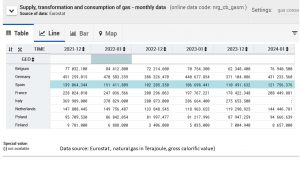
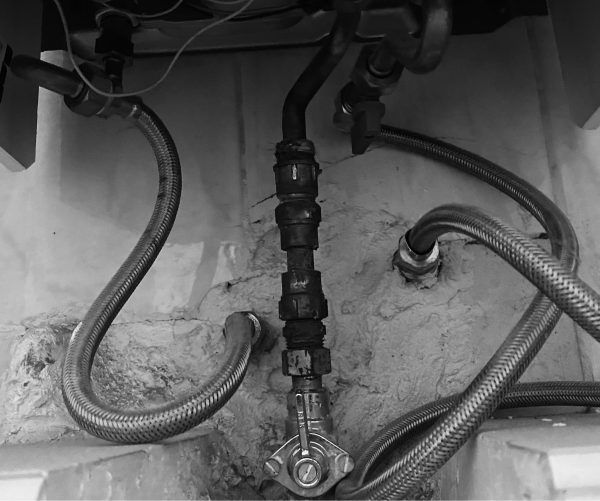
Gas consumption in the EU has been reduced by about 20% since the beginning of Russia’s war on Ukraine. This is a considerable accomplishment and has been sustained for 2 years now. The major element in this has been the reduction of gas consumption in industry, but also households have successfully managed to reduce heating of rooms and water with gas.
Diversification of provision with sizable increases in the provision by the U.S.A is another element in the beginning of a trajectory of gas reduction in Europe. Germany as a major consumer of this type of energy supply is also making strides in shifting consumption. This is my short summary of the report by IEEFA.org in 2024-1. All electric devices like heat pumps could speed up the gas reduction further according to the policy recommendation by IEEFA in 2024-2 reducing costs of living and CO2 emissions further.
Data from Eurostat allow to compare monthly data across Member States. The overall trend is a market decrease with differential patterns of refilling supply capacities. Big countries in the EU made and continue to make a real difference compared to previous years (see table below). The comparison of December and January figures across years reflect the months with high sensitivity of the public for heat and cold. Further reductions of gas consumption is feasible due to the mild winter months of 23/24 which allow to reduce heating costs for many households and offices. Good news for the planet and hopefully a move in the right direction to shift away from heating with gas.
Processed food

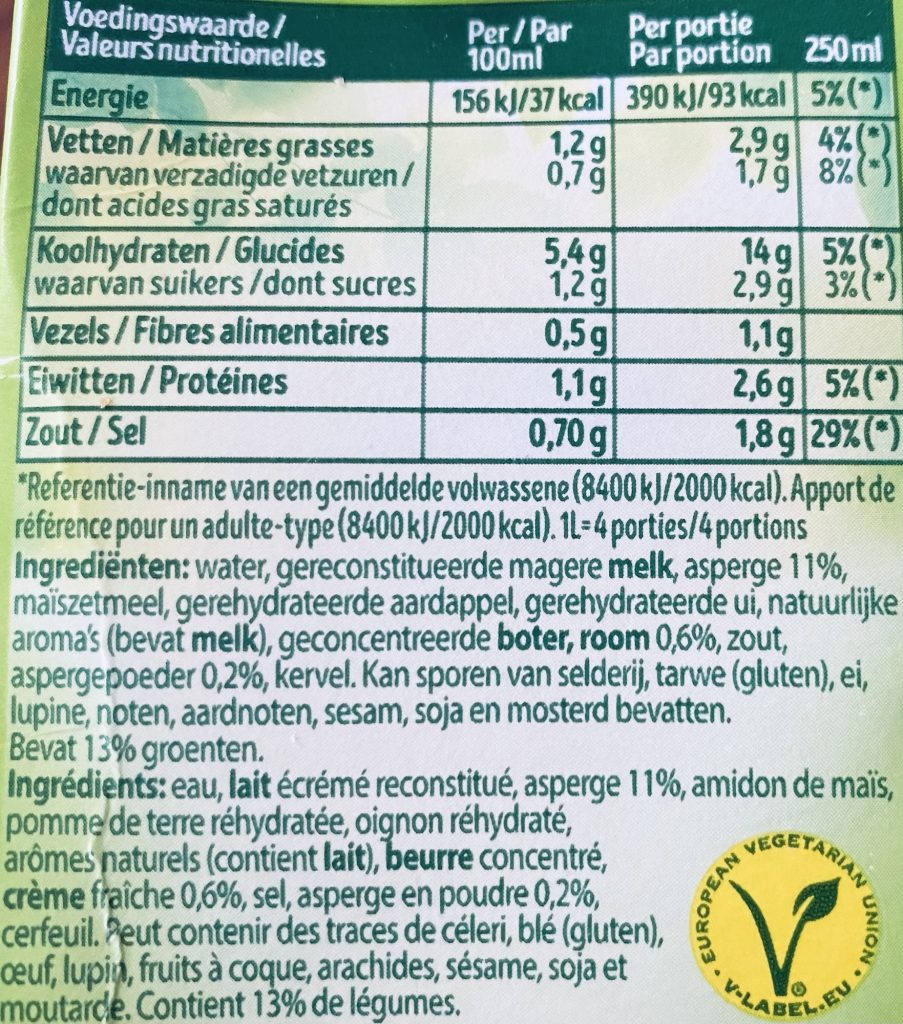
We eat a lot of pre-processed food. Our busy work schedules allow us to take only short breaks for meals in order to get more work done while in office or at work in general. The intensification of work has reached the next level and we move from pre-processed food to ultra-processed foods (UPFs). In medical journals and nutrition recommendations the warnings to not eat too much ultra-processed foods are abundant. The signs of obesity in societies reach higher levels from year to year. Especially younger people seem to be at higher risks to consume a lot of ultra-processed foods. Freisling et al. highlight the “risk of multimorbidity of cancer and cardiometabolic diseases” due to UPFs. The discussion between scientists is a lot on which UPFs are most harmful (beyond animal origin or and artificially sweetened beverages) and/or whether it is the combination of UPFs that additionally increases the danger of UPFs. Preventing the “too much of each” is probably the safest recommendation. Being able to read the nutrition information on the labels is already a difficult task. Just making the information abundant and very small print discourages most efforts to compare across products. Learning about basic human needs like food has never been more difficult. Combined with “shrinkflation” we have a hard time to make informed choices of what to buy and eat. There are many hurdles to overcome for a healthy meal.

Wage indexation

Currently inflation increases rapidly in many countries. Yes, Argentine. The Euro-zone and EEA have mastered the peak of inflation due to shifting away from Russian dependency and cheap prices for energy and dealt with carry-on effects related to high energy inputs. The annual rate of inflation calculated for January 2024 has returned in the Euro-area to 2.8 % close to the European Central Bank target of 2% (compare figure below).  Inflation puts wages under pressure, because household with little savings have a very hard time to cope with sudden price increases. For society as a whole, inflation raises many questions of differential impact of inflation on different parts of society. Savings become devalued, but debt might become easier to be repaid in so-called real terms.
Wage earners suffer in terms of lower purchasing power unless in subsequent wage negotiations pay rises can be achieved. This then depends of negotiation power of groups or sectors of the economy. Trade unions have to enter into tough negotiations and conflicts to even regain the same status quo previously achieved in wage negotiations. A series of conflicts and economic readjustments by more or less powerful sectors or representation comes into play.
All this is happening in a year of a series of national and regional elections as well as the European Parliament election in June. Political turbulance and the rise of extremists might be a result of a lack of taking into account the needs of lower wage groups who are likely to feel the full blast of the high inflation previously still today. Wage indexation as in Belgium, which fixes wages to the rise in inflation previously takes out most of the explosive power of a sudden rise in inflation at the risk of an upward wage-price spiral. The recent inflation figures for Belgium, however, show that this is not the case. An overshooting has been followed by an undershooting of the Euro-zone inflation. The political disturbance and risk of redistribution to more powerful groups in society can be limited through general wage indexation or indexation of for example just minimum wages.
The Russian caused spike in inflation has been successfully mastered in the EU. The political economy of redistribution through inflation will remain an important element unless wage indexation is used in more countries to escape populists’ and extremists’ voices. (Image Eurostat data and ESTATEC app)