
Paris Trees

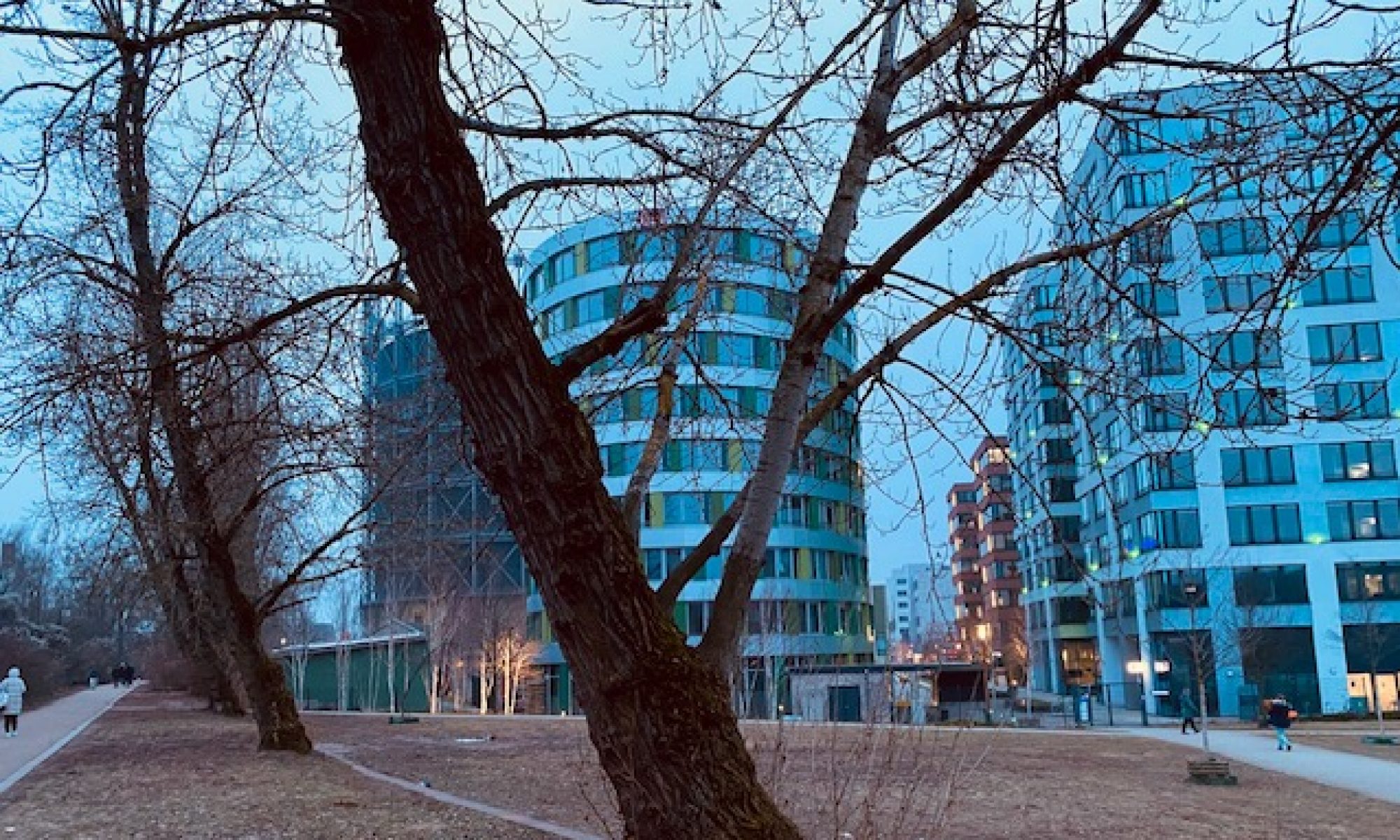
Preparing metropolitan cities like Paris for the heating up of the globe due to climate change is a huge task. As early as 2020 Paris started an ambitious greening program. 170.000 new trees by 2026 in a densely populated city is a steep challenge. With 114.000 trees planted by 2024 as the Olympic athletes and spectators gathered in Paris the city is right on track. The 2 parks “bois de Boulogne et bois de Vincennes” have jointly 25.000 new or renewed trees. The cemeteries, for example “Père Lachaise” has received new cooling trees as well. Most trees, however, were planted along the notoriously hot and overcrowded “périphérique” with 50.000. Only with the use of a Colbert-like planning exercise and rigorous implementation against even some initial resistance, it is possible to achieve this result and the ultimate objective. Visitors of the Olympic Games already experienced the differences during the summer of 2024. Detailed planning by means of a “Bilan par arrondissement” facilitates monitoring of progress. Publishing the information is part of the communication strategy to keep citizens informed and engaged in this silent transformation for the benefit of inhabitants and visitors. (Image City of Paris webpage 2024)

Burden of Disease

For the planning of health and care systems it is important to measure the so-called burden of disease within societies or related to specific diseases or social groups. A large-scale analysis of several longitudinal data bases of the populations 50 years of age and older shows that we have underestimated the burden of disease to societies of psychiatric disorders, like depression, in most societies.
A meta-study and overview of previous studies showed already that depression (age 60+) is more common in lower-income countries (between 25 and 33% of 60+population age group). High income countries, studied by Wang et al. 2024 in The Lancet Healthy Longevity, have rates of depression well below these levels, but a link to socioeconomic status, inactivity and loneliness is still evidenced. A five-year follow-up of persons aged 50+ years shows that the probability to develop a depression (hazard rate) is twice as high for persons with low socioeconomic status, who were socially
inactive and lonely than for socially active, high socioeconomic status and did not feel lonely at the beginning of measurement. The conclusion of the research highlights the need to develop and implement integrated and simultaneous initiatives to addressed the growing burden of disease related to depression in older persons. (Image, Jules Desbois, “Misery” 1887-89, Musée Rodin, Paris)

Stress Ageing

The relationship between stress and aging is a complex one. Stress is known to accelerate aging and aging caused different reactions to stress. In short causality does not run only in one direction. Additionally new research published in Nature Medicine 2024 demonstrates that different genetic preconditions determine different response patterns to stress and subsequent brain aging. From anecdotal experience we are well aware of different persons coping very differently with stressful situations. Mastering of various coping mechanisms may attenuate the stress experience but the impact on preserving our brain remains an open question. Various other forms of lifestyle conditions like drugs and smoking cause specific forms of brain damage as well. 2 separate forms of dementia can be identified from brain MRI-images as well. The brain is no longer the black box of missing information about what is going on in humans. Put to the right purposes this is good news. (Image: break dance shooting Paris St Denis 2024)

Alzheimer Research

Alzheimer disease has reached unprecedented levels in line with population aging. The study by Martino-Adami et al. 2024 has raised the hope that more people can receive an early diagnosis of Alzheimer and potentially start treatments. The study used plasma biomarkers rather than much more expensive and rare MRI scans for diagnosis. The rather exceptional results allow even to test for severity of Alzheimer according to established evaluation measures. Additionally, the probability of an Alzheimer trajectory on a time scale is feasible. The authors suggest that the data and statistical methods applied allow to identify Alzheimer before the outbreak of impairments. The data sample stems from “patients of advanced age visiting primary care”. This remains a limitation for generalizations, but the hope that other studies test the same approach with samples from younger populations will spur additional investments into such research. The list of institutions and foundations that contributed to make this study possible is really long. Thanks go to all involved, researchers, donors as well as the reviewers and editors of the journal. (Image Paris Metro Help Column 2024)

Paris Experiment

The Olympic Games 2024 were prepared years ago. Already the application procedures to prepare “un dossier” has to bring in lots of ideas and imagination what is desirable and feasible. Paris opted for a celebration of sustainability in a city proud of its medieval heritage and the Haussmann tradition of radical transformations of a city with large boulevards and representative buildings. From the “Arc de Triomphe” the major axes of communication between “arrondissements” become visible. 100 years ago the city had already been transformed according to this master plan. At that time sanitation of a city meant different things than today. The invasion of inner cities by Diesel-driven cars made life unhealthy again. Now, the Olympics gave reasons to restrict cars and lorries passing the inner city and the great boulevards. More tourists need more space and shall keep a much better memory of how pleasant Paris was during the Olympic Games. This could be a game changer for urban development in general. The proportion of pedestrians versus cars has to be shifted in favor of the walking population for many reasons. Tourists will flock to the city, if the overall and shopping experiences are great. Back to the future sounds crazy, but it has an interesting flavor to it for urban renewal and residents as well. (Image Paris 2024-8, b/w color filter applied, enlarge to see vasque)

Olympic Virus

We tend to believe or want to believe that the horrible SARS Covid-19 crisis is completely behind us. However, science signals that we need to stay alert with respect to the mutations of the virus. International events like the Paris 2024 Olympics bring together athletes and spectators from all continents and some of them still seem to carry the virus with or without symptoms. A report in the LANCET Respiratory Health mentioned that dozens of athletes were tested positive for the virus and a largely unaccounted number of spectators had carried the virus FLiRT variants. As tracking is difficult with more or less absent testing strategies the tests rely on waste water analyses and reports from health care institutions. The Olympic Games are over but the virus still lives on and variants keep popping up. Games during the summer months should be much saver than winter games as the time spent outside is much longer. Traveling in crowded transport, however, remains a potential health hazard. Huge crowds at Olympics are inevitable. After all, birds of the same feather flock together.

Green Olympics

Paris 2024 has won a medal for the Green Olympics. Sustainable building of Olympic sites is a crucial element in this struggle for saving resources. Just as important is the CO2 footprint of the transport within the city if you cannot prevent thousands of people from flying to the venues. Public transport in Paris used the occasion to improve its services considerably. The restrictions to cars driving around in the inner city also for security reasons made the Olympic experience for Paris a healthy walking experience for all. The view from the “Arc de Triomphe” during the Olympics in Paris is even more pleasant and relaxed as the noisy and polluting traffic is reduced to minimal levels. You were able to grasp the feeling what inner cities could be like if people were the overriding concern of cities rather than circulation of automotive vehicles. Redressing this balance in favor of people living, working and visiting is overdue and we all know this. The city of Paris used the occasion to demonstrate that another way or compromise is possible. This is also a way to write history and create unforgettable moments. Paris discusses already what to keep from the Olympics for longer. Maybe the vasque, maybe the cleaning crews. New Metro lines, of course. Why not the different traffic and mobility patterns? It’s well worth a lasting Green Olympic medal.

Olympic Prevention

In the streets near the Stade de France at Seine Saint Denis the team of street workers addressed spectators with little presents. Each of these little items served the purpose to remind people of the prevention of disease or later consequences of the Olympic atmospheres in PARIS 2024. Sex, booze and drugs, but also noise were the topics of the prevention patrol around popular venues. Great way to bring home a message for visitors and the local population as well. Health and Olympic Games is a huge topic with many facets to it. Not only athletes are concerned, but also spectators. The team agreed to pose for media coverage as this is their reason of existence. Reaching big crowds is essential especially if big sugar is among the big sponsors of the games. It is another kind of competition with rather unequal starting conditions. You might loose some fights against yourself, but trying to overcome alcohol addiction or sugar overdose is worth a repeated game. Prevention is key.

Olympic Celebrating

Paris 2024 gives lots of reasons to celebrate athletes and teams. France has already achieved a large number of medals and shops in Paris start to decorate their windows with their emotional expressions of various forms. Merchandising seems to work well and some shops add a personal touch to special heroes. Walking the marvelous streets of Paris from one monument to the next is a pleasure as the streets are surprisingly empty and many are closed for cars and lorries. Hence, walking in Paris is a rather healthy exercise at this special moment in time. It is a great way to welcome all nations to Paris and allow a rather stressless visit of the city and its tourist attractions. Riding bicycles and buses becomes a pleasure too as roads are rather empty and circulating around the city is much easier than at any time before and probably after as well. Thanks for the great experience and the welcoming atmosphere.

Olympic UNESCO

The headquarters of UNESCO are in Paris. Therefore, it is no surprise that UNESCO joins the Olympic drive to bring home the message of the importance of sports for international understanding and the spreading of the message to advance human rights. The exhibition in summer 2024 honors the role of sport to overcome stereotypes and advances inclusiveness through joint practice of sports. Respect of ethnic and cultural diversity is a fundamental principle of sports and especially during the Olympic Games. The benefits of sports go beyond the physical competition between athletes. Team spirit is another necessary condition to excel in sports. The message of the Olympics goes beyond the tough competition and raises issues of solidarity within and between teams. The large number of countries that participate demonstrates that we all live on one planet and we have to take care of it. Many of the policies in the fields of education, science and culture can be easily explained through reference to sports. The exhibition “Fit for Life” at the headquarters manages to get this simple message across. Rather than endless documentation the exhibition makes a choice of the most relevant and accessible topics in each of the domains of competence of UNESCO. (Image UNESCO 2024, Paris)