Most people, including many sociologists, believe preparation for a marathon is a rather lonely exercise. During hot summers you get up early and run alone across the streets in your neighbourhood or in a green area. Even on weekends you tend to put on your running gear at least once to chip in a few extra miles or once or twice before the marathon a longer distance test run of 20, 25 or 30 kilometers. Just for the sake of testing to withstand more pain, like in the real event. Running guides in form of books, apps reach “cult status”. In sociology we teach students about the social trends of individualisation ever since the book by Putnam “Bowling alone”, which depicted the new kind of lonesome person going alone to the bowling hall for exercise, as social life seems to evolve towards “individualised” leisure time and social life. Social capital seems to get lost on the way.
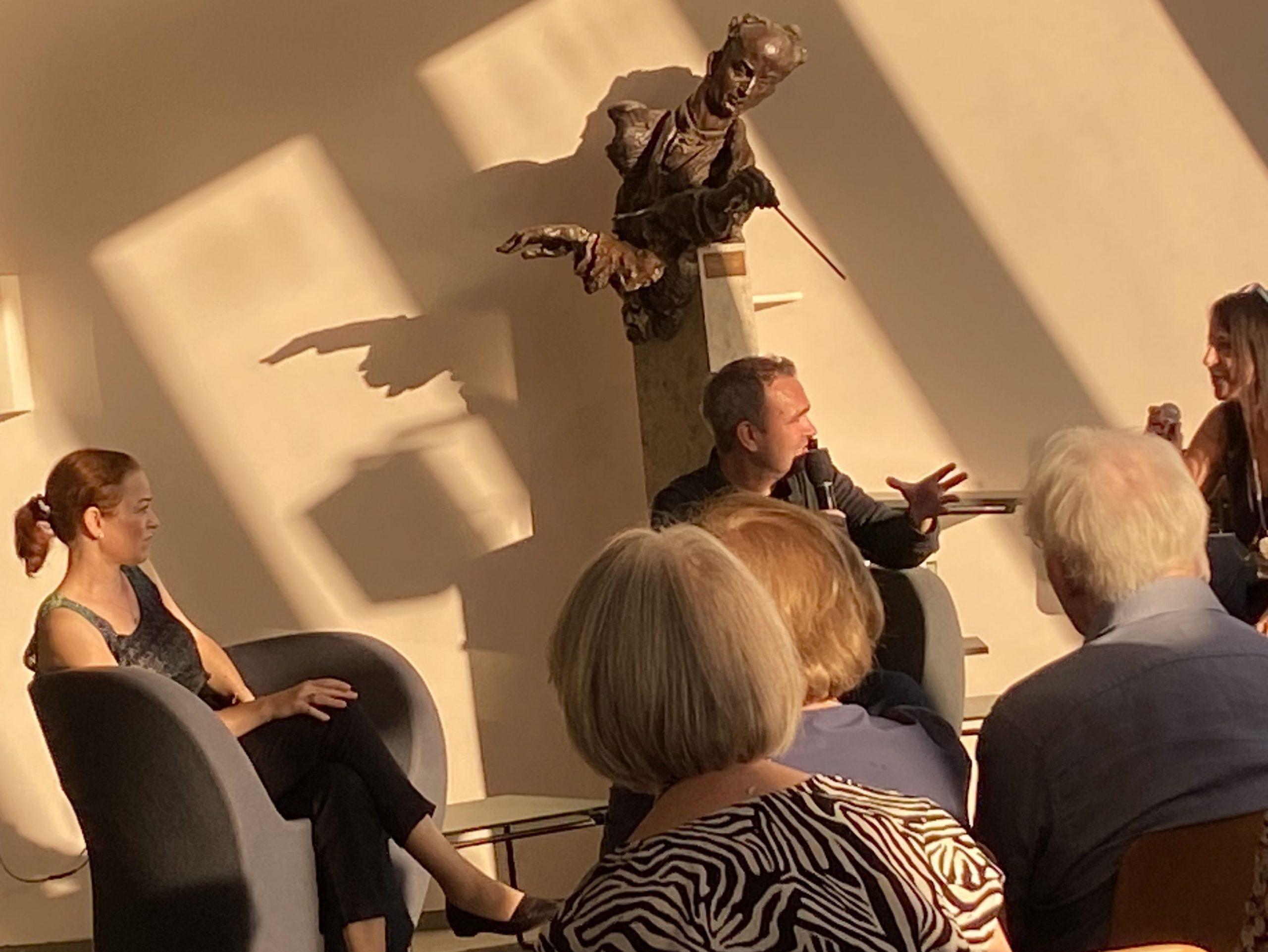
“The New York Times International” published an article and photo by Lauren Jackson on September, 27 (2023) page 17 in the sports section, which states the not so new phenomenon of “run clubs” (see extract on image below). These clubs bring runners from all walks of life together on a regular basis to train jointly and add a social function to the club as well. Just like previous sport clubs or socialising bowling groups did before, they meet and greet as well as party and celebrate together. Even travelling thousands of miles to distant events occurs in groups. Berlin seems to be a very attractive location for such clubs to go to. For some the sport stays in front of the activities, but for quite a few the social and party-like atmosphere is just as important. Even a local Berlin newspaper portrayed an older runner who stops in-between to have a small glass of alcohol-free beer on a terrace 2 steps from the official track with friends and family. Most people take their time record rather seriously, but the event is to enjoy community and celebration. Lauren Jackson even equates this to some forms of religious practice. I’s rather call this the other side of the same coin. Lone practice and meditation like running prepares a person to enjoy community (again). Extremes in both directions are part of the bell-shaped probability distribution of runners across the lonely-crowded spectrum of running experiences. The Marathon 42km 195m certainly has some historical even mystical connotation. While watching the finishing line at 42 km, just after the hypothetical run from Marathon to Athens in ancient Greece, you see many worn out persons, but also the many happy faces. After the run you meet your peers to exchange on stories and anecdotes around the track. Success and failure, just as in other team sports become a topic of conversation and shared experiences. These are community building events as wheel chairs and hand-driven bikes are part of the Berlin event as well as the in-line skaters the day before. In Berlin you get a feeling that running world records (women 2023, men 2022) can go hand in hand with the running fun for many. From “bowling alone” to “running together”. Sounds good to me. 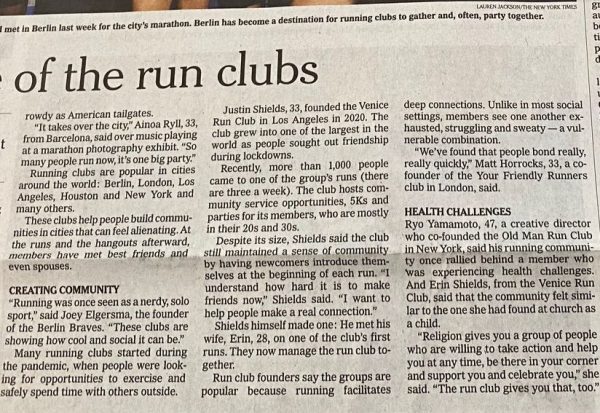
Marathon Berlin2023
Berlin celebrates its 49th Marathon in September 2023. The first Berlin Marathon in 1974 had less than 300 participants. To separate this from Olympic games, these runs were coined “Volks-marathon” at the time. 5 events had already taken place in New York when these annual events started to catch on in Berlin. In 2023 there are close to 50.000 participants mostly drawn from a lottery of about 500.000 entries. So, you can call yourself one of the lucky few, if you manage to get a place. The event is a drain, but it creates a fantastic hype not only for the runners. The many cheers and bands along the running track transform the inner city into a huge party zone. The Berlin marathon is known around the world for its fast track. In 2023 Berlin is proud to be the city where both the women and men’s world record are held currently at the same time. This is quite an achievement.
Personally, I enjoy more the courage, stamina and will power all the participants gear up to. Months, if not years of preparation find their climax in getting to the starting line in the “Tiergarten”, just where you had (have) the “Love Parades” some weeks before. The finishing line is 300 meters away, once you have passed the “Bandenburger Tor”. From a public health perspective, we applaud the encouragement such events give to all those that have an active life style and to some to get started on such a trajectory. The media coverage is enormous and with all sponsorships, equipment, hotels, meals and travelling involved such events have become big business, too. No such event and going to health limits is without risk. This is, of course, also the case in Berlin. The emotions run high for almost all, except for a few, who go too far beyond their limits.
The medical assessments of exhaustive endurance sports are an ongoing research issue. A recent literature review reveals that there are quite substantial numbers of previous smokers or persons with previously unhealthy life styles participating in popular marathons. Running, probably, has been part of overcoming bad habits of the past. It is therefore, not surprising to find that some of the participants are at a risk of wanting to run too much or too fast for their current state of health. The hypnotising effect of music and stimulation from being part of a huge crowd, contribute to the effect to go beyond limits. Cardiovascular events or brain lesions are, therefore, part of the ex-post risks of participants who have had specific medical check-ups. Know your limits, train them wisely, but respect that limits exist. This seems to be a reasonable summary based on sports medical research. Berlin 42km finishing line2023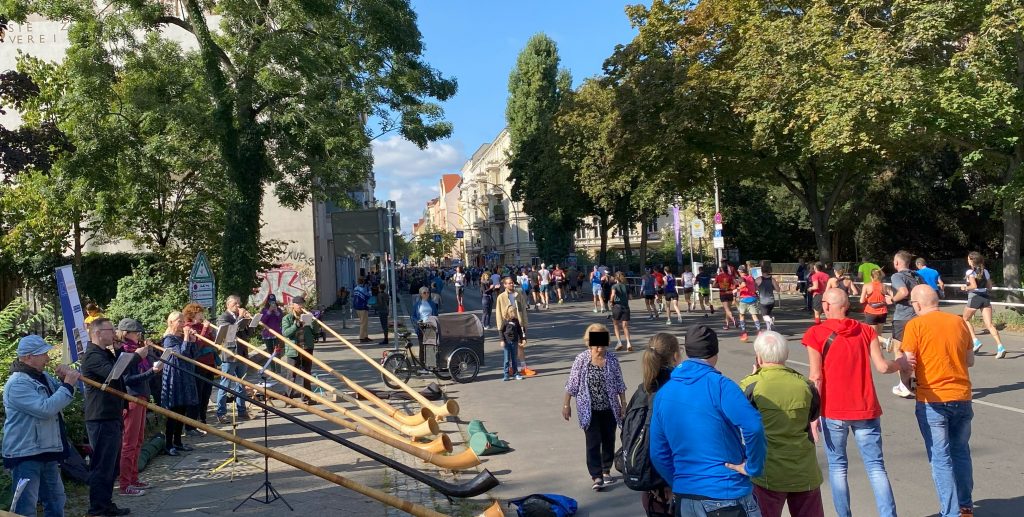
Overwork
In a country where most people subscribe to the “protestant work ethic” it is not easy to raise the issue of overwork. Yet, overwork needs to be become an issue of concern. In combination with overwork comes too little rest. Particularly the lack of rest and sleep is likely to cause serious medium and/or long-term effects. Burn-out is only one of the more obvious and drastic experience of exhaustion. The lifestyle of overwork has direct causal links to malnutrition and cardio-vascular risk factors. Once triggered these processes are even harder to control. The run on meditation exercises is only reiterating the huge difficulties to find a balance or antidote to overwork.
The Pew Research Center in Washington has published results from a survey in 2023 that shows that only about half of American people take the full vacation they are entitled to. The evidence of pervasive overwork in the U.S., not limited to the higher executive branches of employees, is hugely unhealthy. Physical and mental health is endangered and the cost to individuals and society are immense. Who cares? Well, we should care. (1) Documentation and monitoring this trend are the first elements of a strategy to counter these effects. Keep spreading the message that overwork is not without serious risks and mostly is followed by huge costs, someone will have to pay. (2) Start to analyse why we glorify overwork and keep doing so for centuries. The strive for higher pay, more money, higher profits, wealth or social prestige is a powerful driving force, of course. Legal measures or taxation to curb extra benefits of overtime have apparently had only marginal effects as they are circumvented, if people are too much focused on the immediate earnings effects. (3) Examine the question, why we glorify overwork? The Harvard Business Review published an article on this on 28th of August (just after the vacation period) to blame the culture of “workaholic” behaviour. In short, if your self-concept is defined exclusively through work, you will be doomed for overwork and its consequences. The next shot of overwork satisfies the urge for self-esteem and most likely also recognition from peers, colleagues and supervisors. This is an unbelievably heavy drug and addiction terribly hard to resist. (4) Who keeps pushing the agenda of overwork? We know for sure that it is not your children. If you have none, you will be at a higher risk to overwork and to push the overwork agenda compared to others, just because compared to families your time budget leaves more reserve capacity for time to rest. Employers set powerful incentives to reward any form of overtime and thereby overwork not only in pecuniary form, but also more rapid career advancement. Strongest and most addictive is your very own behaviour not to respect limits to working time. (5) Remedies to overwork are only partly in your own command. Of course, getting more sleep, doing more exercise, walk instead of drive to work are all fine. However, we need to address the danger of addiction, especially when we do not want to admit our dependency on overwork for self-esteem and recognition by others. Getting together with like-minded persons, for example, in trade unions, will make it easier to get collective solutions to isolated overwork. Higher wages should allow you to get more rest as you earn the same absolute amount with less input of hours. The danger of working even more, because the incentive to put in an extra hour of work has risen at the same time. Be aware of this “duality of higher pay”. Societies have lots of reasons to redistribute work. Between women and men, young and old as well as the “overworked” and “underworked”. 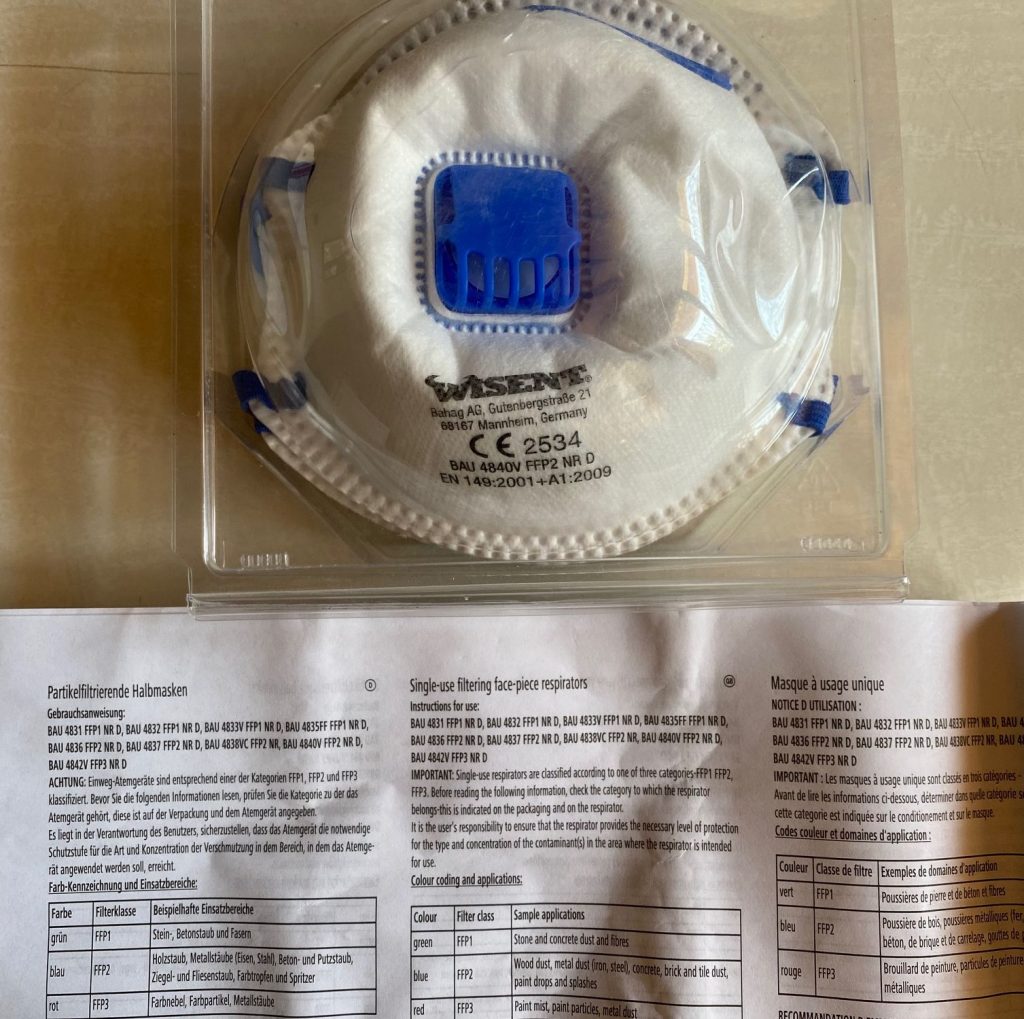
Luftschloss
Im K21 der Kunstsammlung Nordrhein-Westfalen ist ein Luftschloss eingebaut worden. Es ist das einzige mir bekannte Luftschloss, das für alle Besuchenden begehbar und fühlbar ist. In wahrhaft luftiger Höhe von 25+ Metern über der Eingangshalle der Kunsthalle K21 und zentral unter der gläsernen Dachkuppel platziert, lässt sich mal so richtig abhängen. Nahezu schwebend kann die weiträumige Installation von Tomás Saraceno erklommen werden. Die Schritte und wippenden Bewegungen der anderen BesucherInnen lassen sich unvermittelt ebenfalls erspüren. Du bist nicht allein, im originären Sinne des Wortes. Die buchstäbliche Vernetzung mit allen anderen Personen werden durch Schwingungen des Netzes zu anderen Kletternden oder Chillenden übertragen. Eine unmittelbar erlebbare Erfahrung der Verbundenheit mit unbekannten, anderen Menschen stellt sich ein. Die Verbundenheit innerhalb einer Gesellschaft wird eindringlich verdeutlicht. Die Angst, durch die Höhe verursacht, weicht rasch der freudigen Erfahrung der Schwebung und der kindlichen Erfahrung der Suspension. Nahezu freischwebend in der Luft, im Orbit erlebt jede/r sein eigenes Luftschloss inmitten von transparenten Kugeln, die wie Planeten wirken. Gleichsam real, aber dennoch imaginär durchwandern wir die Installation immer im Bewusstsein, dass andere um uns sind, die unsere Schritte, Möglichkeiten und Haltungen mit beeinflussen. Vom Luftschloss träumen oder im Luftschloss träumen, beides ist dort machbar.
CO2 freundlich lässt sich die Erfahrung in der APP Aerocene fortsetzen. Der für unser Wetter so bedeutsame Jetstream wird zur imaginären Flugerfahrung genutzt und mit recht aktuellen Daten gespeist. Die Verbindung zu „Earth and Space Sciences“ ermöglicht die Einbettung der sozialen Erfahrung in einen noch weiteren Kontext.
Die eigenen 4 Wände sind die Grenze. Das galt schon früher nicht. Weit darüber hinaus lassen sich neue Möglichkeiten erschließen, die nicht umweltbelastend sind. Selbst die Reichstagskuppel in Berlin sehe ich plötzlich mit ganz anderen Augen. Mehr als Möglichkeitsraum, statt der traurigen Vergangenheit und der zerstrittenen Gegenwart. Was wäre die Kunst, wenn sie nicht zum Träumen anregen würde. 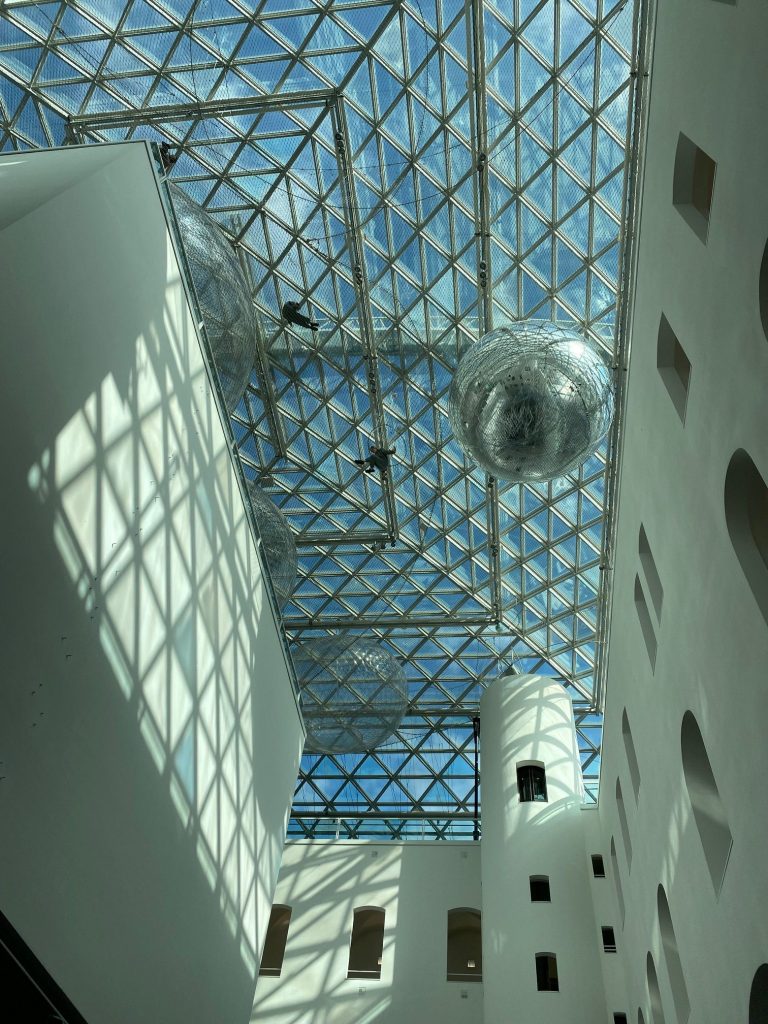
Generationswechsel
In den öffentlichen Bibliotheken ist ein Generationswechsel der Besuchenden überfällig. Traditionell finden sich 4 unterschiedliche Gruppen von Personen in den öffentlichen Bibliotheken wieder. Da sind (1) die bildungsaffinen Rentenempfangenden, (2) die Eltern mit Kleinkind(ern), (3) Wärme- oder Kühle suchende Menschen der Umgebung und (4) die Schul-, Hochschul- oder Examensvorbereitenden. Soziologisch betrachtet ist das ein interessantes Aufeinandertreffen von gesellschaftlichen Randgruppen.
Die „Neue Zentralbibliothek im KAP1“ (Düsseldorf) hat aus diesen meist unverbunden nebeneinander operierenden Gruppen eine kommunikative Gemeinschaft produziert. Aktion und Interaktion ist nun angesagt. Der Flyer betont richtungsweisend: „Menschen, Bücher, Räume“. Fortan soll der Mensch und seine Lernfähigkeit im Vordergrund stehen, nicht mehr nur die Bücher. Dazu braucht es meistens anders oder umgestaltete Räume. Lernen war immer schon interaktiv und nur in Teilen allein im stillen Kämmerlein. Dazu braucht es Labs als Lernräume und nicht nur die Stille der „Page-turner“. Lernboxen, Lernstudio, Musikstudio sowie eine „Kreativschmiede“. Dort wird heute gepodcasted, 3D gedruckt und es werden social-media Kanäle entworfen und betrieben, immer schön generationsübergreifend. Voneinander Lernen ist das Motto nicht mehr nur nebeneinander und im Wettbewerb um die beste Bewertung. Kollaboration und gesellschaftlicher Zusammenhalt brauchen neue Räume, dem KAP1 in der Düsseldorfer Zentralbibliothek ist dabei schon viel gelungen. Die zentrale innenstädtische Lage ganz nah am Hauptbahnhof ist ein zusätzliches Asset. Ansonsten hätte ich mich wohl nicht auf der Durchreise dorthin verlaufen. Ein Random-Walk in Bahnhofsnähe, verursacht durch verpasste Verbindungen der Bahn, hat zu einer unerwarteten, bereichernden Zwischenpause geführt. Der Ausblick aus dem Café auf das übliche innerstädtische Verkehrschaos konnte umgeben von Alt und Jung richtig genossen werden. 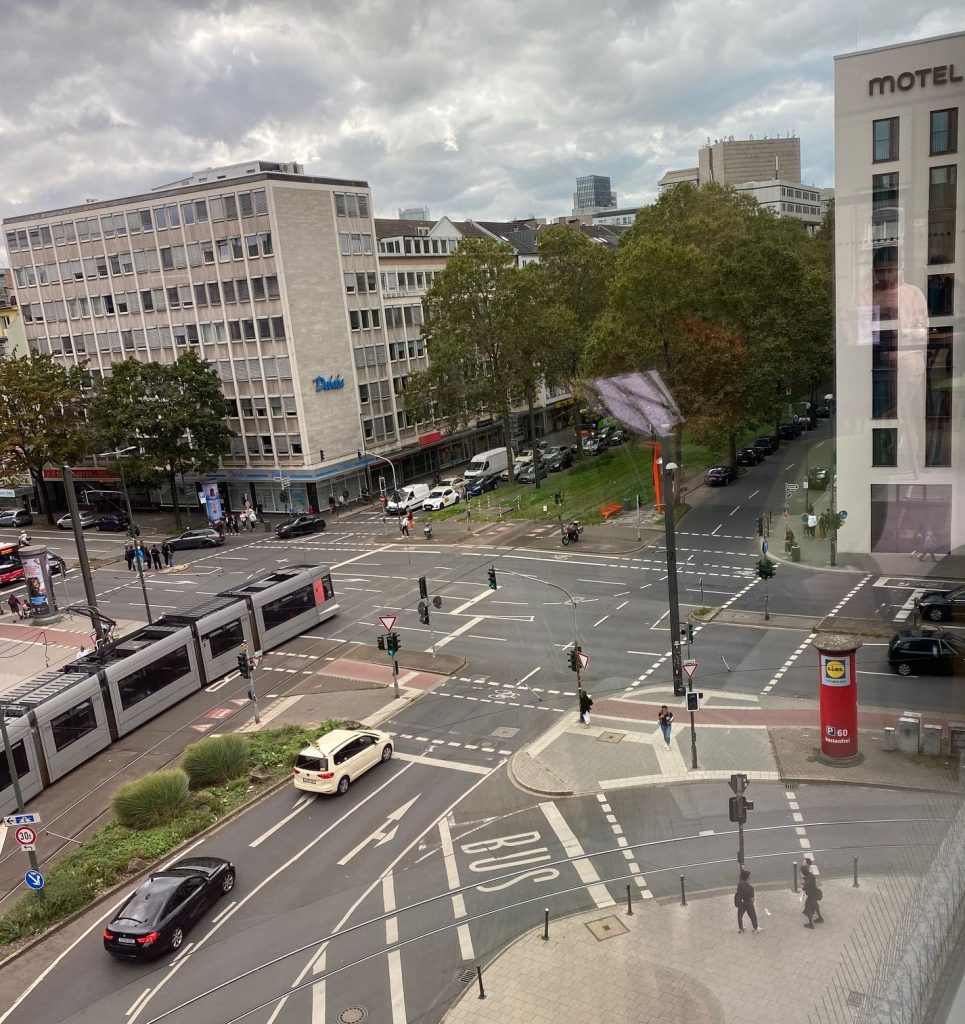
Selfie 3D
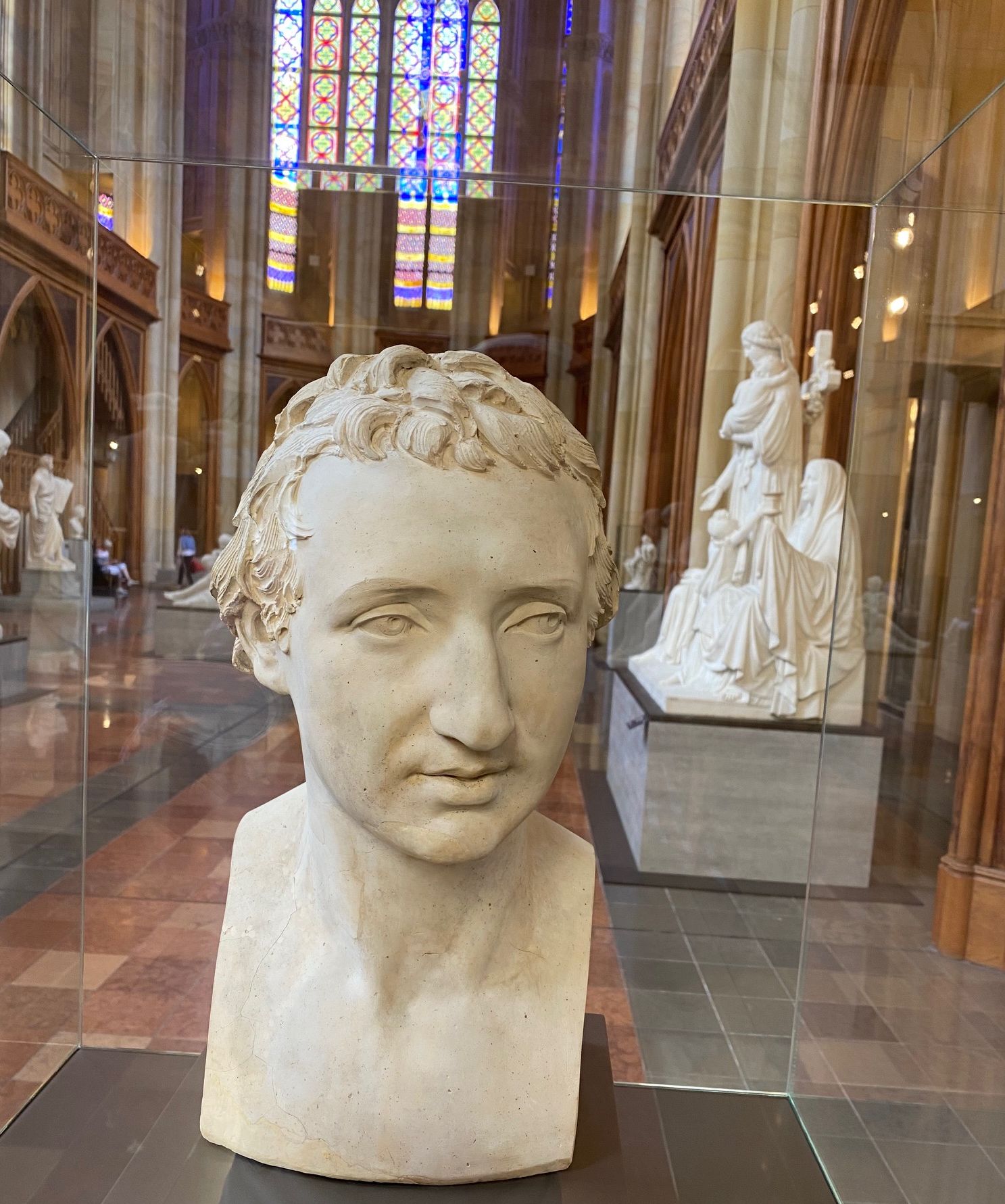
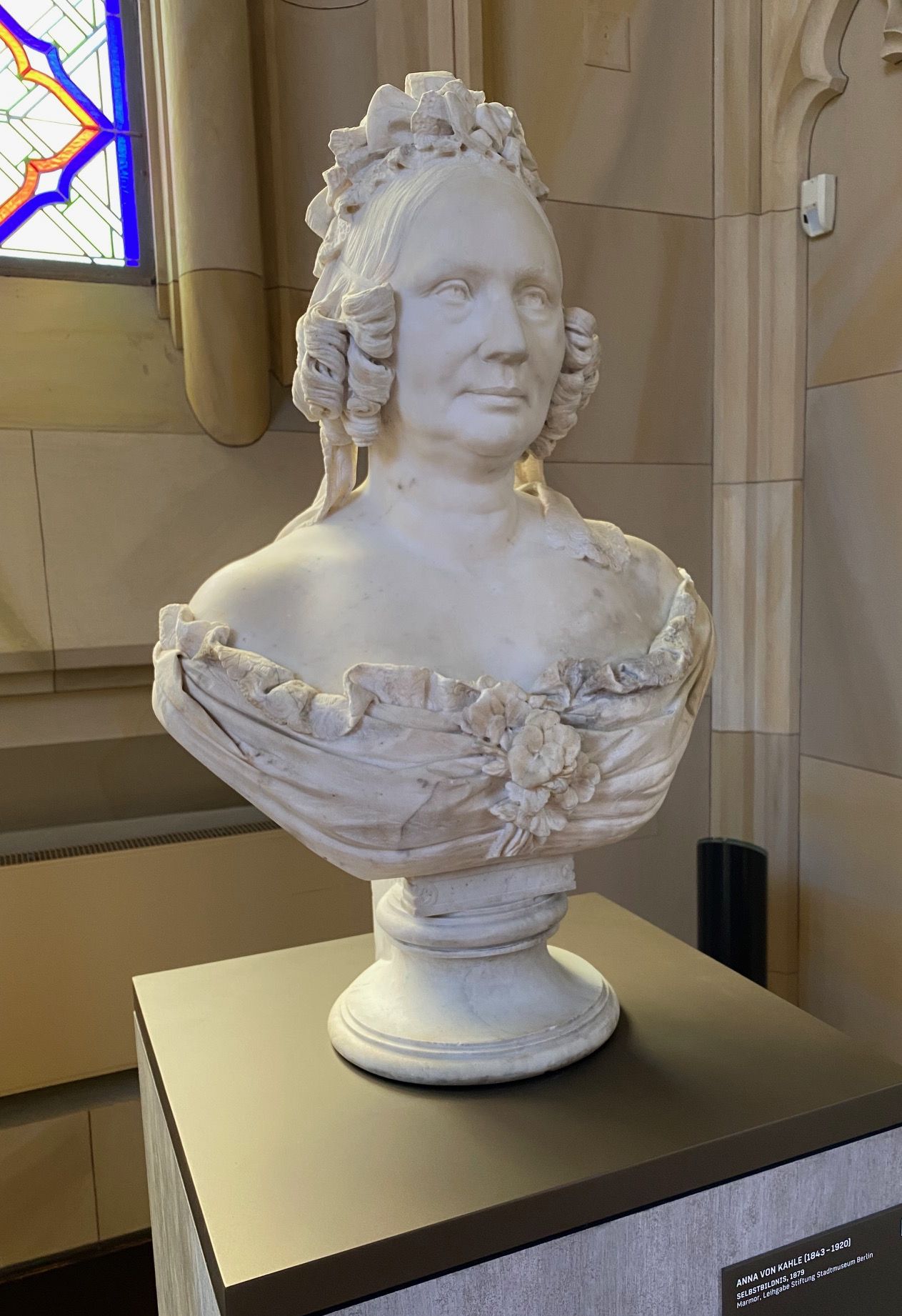
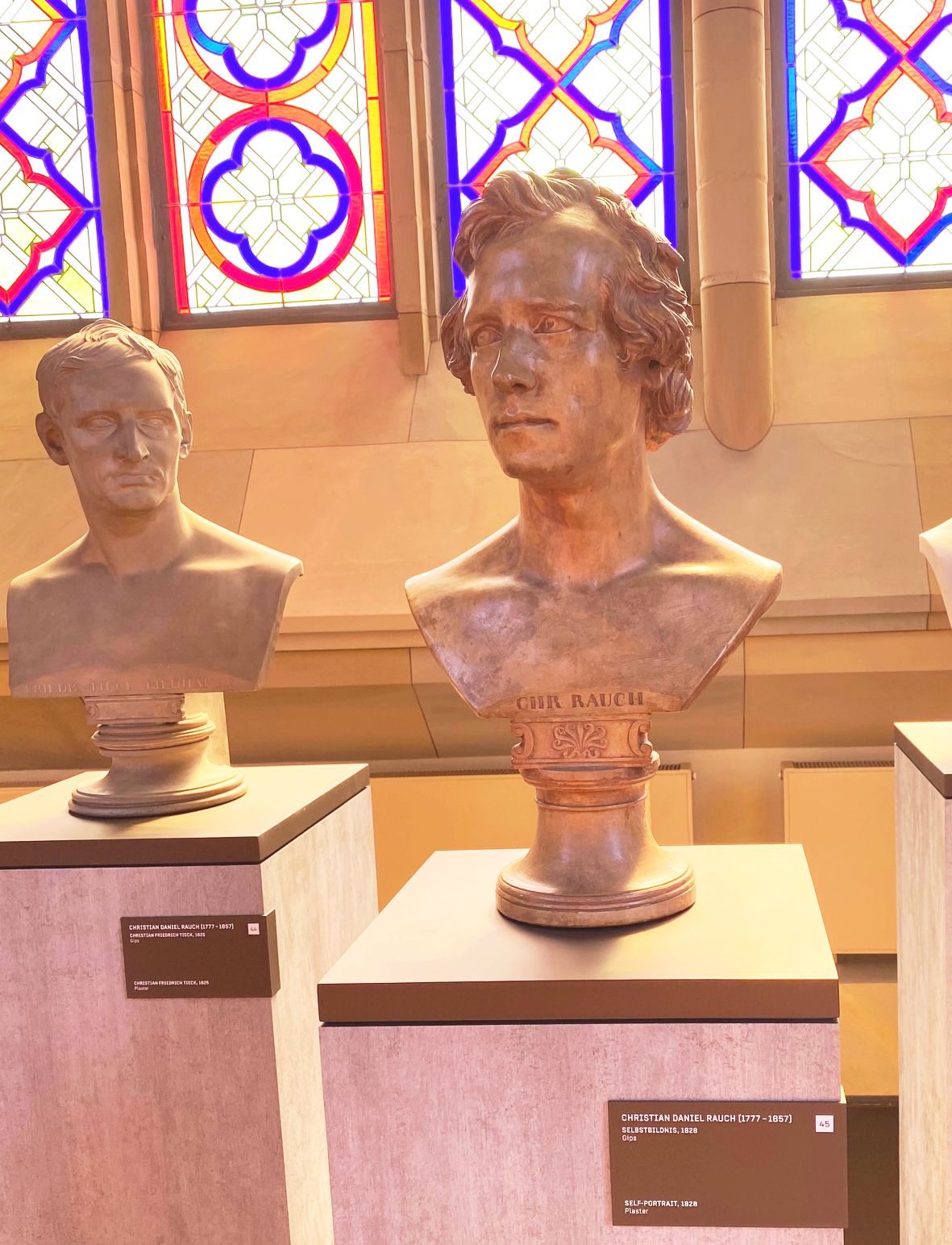
Wir meinen gerne die heutigen Gewohnheiten, wie die ständigen Selbstbildnisse seien eine Erscheinung des 21. Jahrhunderts. Weit gefehlt. Wer es sich früher schon leisten konnte, hat sich malen lassen. Photographen haben später diesen Markt übernommen. Aber eben auch Kunstschaffende haben seit langer Zeit ihr Selbstbildnis gezeichnet, gemalt und in Stein oder Gips geformt. Selfies sind daher eher die Demokratisierung der Möglichkeiten, sich selbst zu inszenieren. Eben sich so zu portraitieren, wie sie oder er sich selbst sieht, sehen möchte oder gesehen werden möchte. Es ist daher weniger ein narzisstischer Charakterzug die Antriebsfeder, sondern für die meisten Menschen steht ein Teilen, eine Form der Interaktion mit anderen im Vordergrund. Die portraitierte Person ist da, auch wenn sie gerade nicht da ist.
Diese Intention haben Herrschende jahrtausendelang genutzt und sich Mausoleen und Pyramiden errichten lassen. Gut, dass diese Praxis weit in den Hintergrund getreten ist. Heute regeln wir bereits unseren digitalen Nachlass in Ergänzung zu unserer analogen Hinterlassenschaft. Für viele werden dabei, ganze Sammlungen von vielfältigen Selbstbildnissen zu verwalten sein. Die 3D-Ausdrucke unserer Gesichtscanns samt mehr oder weniger noch vorhandener Haarpracht kommen dann in eine eigens vorbereitete Vitrine. Selbstverständlich gehören die MRTs und sonstige Scanns von ZahnärztInnen auch in die Sammlung. 3D ist schon ein guter Anfang auf der Interaktionsreise mittels Selbstbildnis. 4D Realisationen, wie Yoko Ono mit ihrem Cut Piece 1967 kamen dann später. (Photos from Friedrichwerderschen Museumskirche, Berlin 2023 Austellung Ideal und Form, li: Schadow Selbstbildnis, mi: von Kahle, re: Rauch).
Participative Art
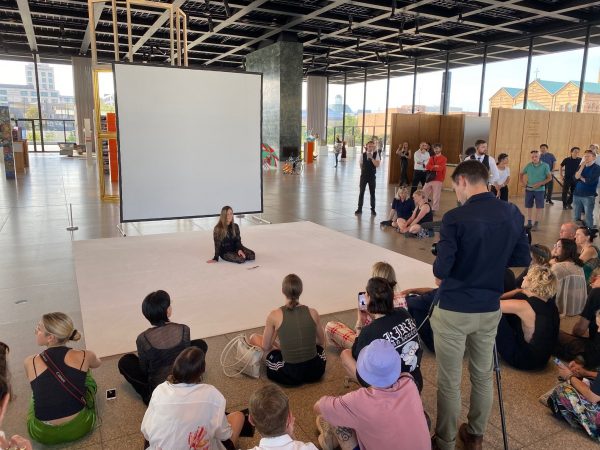
Beyond participation in the performance based on Yoko Ono’s Cut piece 1964, you had the possibility to imagine yourself as a sculptor by touching a sculpture of art  attached to the Genzken exposition, nothing less than the head and bust of Nefertete, also a piece transformed by Genzken and exposed, untouchable, in the exposition. You can hardly get more involved and incited to participate with hands-on experience, so to speak.
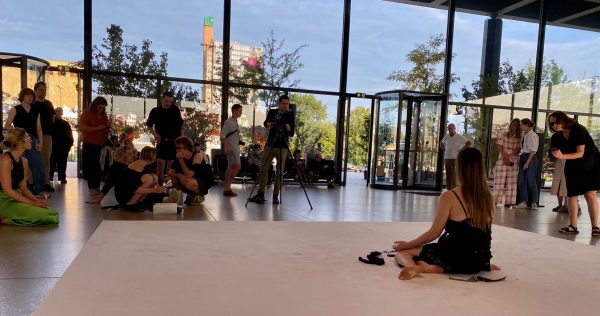
Additionally, there is the perspective from the performing artist in “Yoko Ono’s Cut Piece” to confront the spectators with a silent, stoic expression hardly moving during the more than 90 minutes performance. Imagine, what kind of vulnerability you are risking. Artists give a lot from themselves to the public. Imagination is even going beyond the act performed. Mastering your own fear of mutilation or being exposed to views, touching and multiple other forms of sensation.
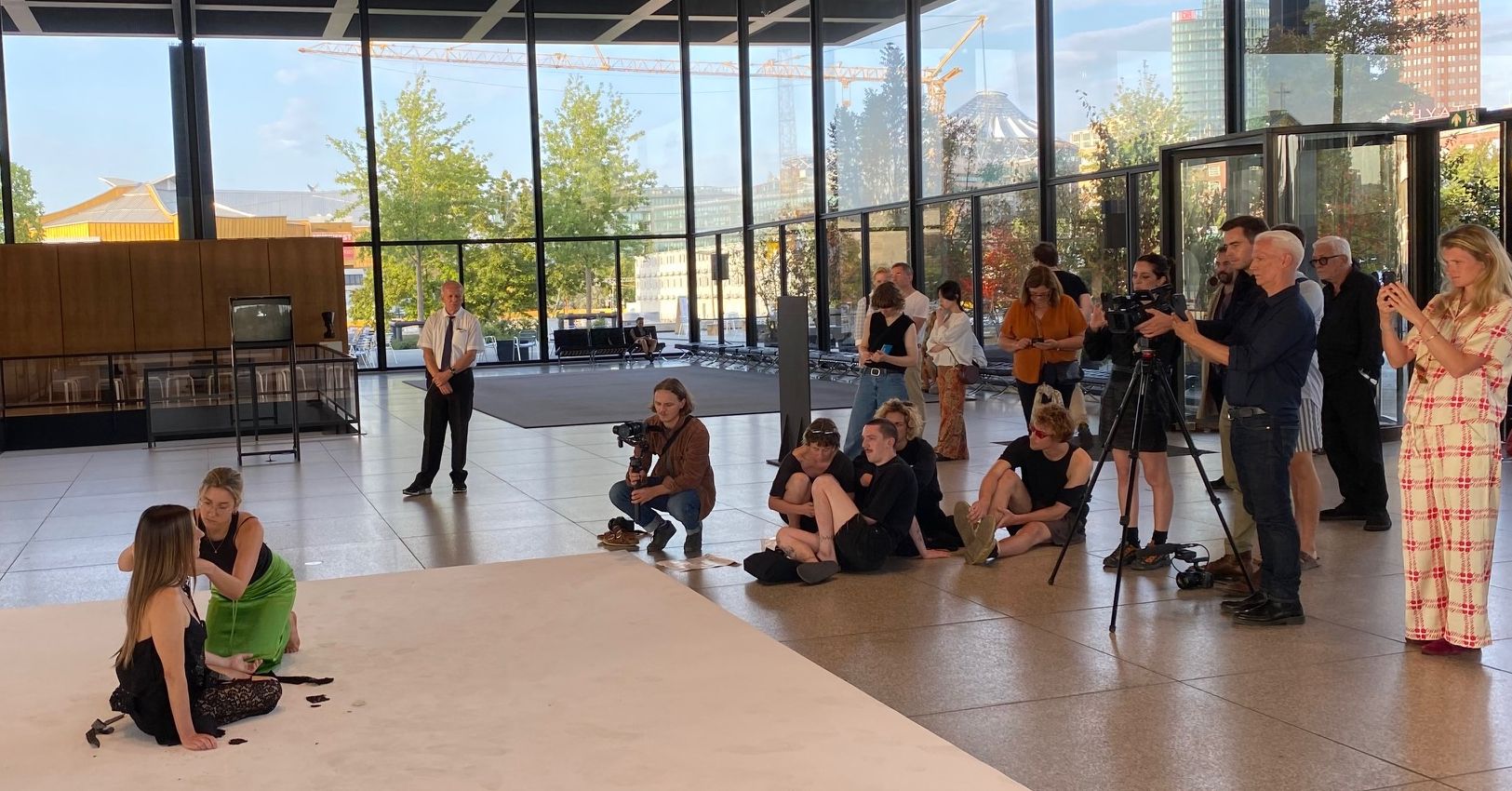
This surely is an exercise of mental strength. Spectators also interact with other participants as, for example, spontaneously another spectator too the scissors to cut his own shirt in front of the performing artist and covered the shoulder of the performer. The personal interaction assures a more intense experience of art.
After all, this is a well-known principle to enhance learning experiences as well. Imagine all the people, each taking just a tiny little piece and remember their experience that they, as well, can be actively contributing to art. Reviving this participatory experience is leading beyond imagining only your participation. Democracy is built on this stimulating experience as well. It is ever so necessary to foster participation and to overcome indifference or abstention. Learning by doing, or experiencing through touching, offer many additional insights.
(Images and videos taken on 2023-9-12, Berlin)
Revival
Almost 50 years after the first performance of Yoko Ono “cut piece” (1964), as a silent performance, it was performed again at the beginning of the Berlin Art Week (BAW2023). The “Neue Nationalgalerie” opened the art week somehow, in honour of her. The performance consists in the interaction with the audience inviting persons to approach her in front of the other spectators to cut a piece of her dress. They are allowed to keep the cutting and walk away with a little piece of her dress. In the 60s this was quite a big deal. Nowadays, after the fall of the wall and the wrap-up of the Reichstag by the Christo couple, we have become used to such kinds of take-home pieces and sharing in art work or historic moments. Hence, this was the chance for Berliners to add another valuable piece to their collection consisting of a piece of painted concrete from the Berlin wall as of 1989, Christo-foil in 1995 from the Reichstag and now the tissue from the live performance in honor of Yoko Ono.
The participation in the art performance invites several interesting approaches.
First the artist exposes herself in an extremely vulnerable fashion. The scissors in front of her make for a weapon in the hands of an aggressive person. Therefore, the number of security guards was beyond the scope of a normal protection of art hanging on the wall or sculptures exposed. In the background of the performance is the exposition of work from Isa Genzken which has been much less of a security risk. Her super-size rose in front of the gallery is accessible night and day. Some of the images taken have a somewhat blurred, more distant view on some pieces of Genzken’s work as well. The entry hall of the Neue Nationalgalerie allows a fabulous transparency of art and invites persons passing-by to attend spontaneously the performance as well.
(Images and videos taken on 2023-9-12, Berlin). Video Clip here.
Li-Be
Jede/r hat so seine Assoziationen mit Li_be. Für eine kleine Gruppe von Literaturbegeisterten steht Li-Be seit langem für das Literaturhaus Berlin. Das war nun ebenfalls, anlässlich des Tag des Offenen Denkmals, im September 2023, als solches zu besichtigen. Zentral am Ku’damm plaziert, in der benachbarten Fasanenstraße, liegt diese geschichtsträchtige Villa in mitten eines kleinen Gartens. Trotz wechselvoller Geschichte konnte die Villa als Ganzes erhalten werden, nachdem der Denkmalschutz Veränderungen untersagt hatte. Das Haus der Li-Be hat wirklich alles gesehen, was Leute sich unter Liebe so vorstellen und wahrscheinlich noch einiges mehr. Nach den familiären Nutzungen der Gründerzeit, wurde in den wilden 20er Jahren dort ein russischer und ein arabischer Studentenclub eingerichtet in Verbindung mit der Humboldt-Stiftung, die sich auch heute noch um den wissenschaftlichen Austausch bemüht. Das Rote Kreuz hatte eine erfolgreiche Suppenküche dort in der unmittelbaren Nachkriegszeit betrieben. In den 60er Jahren war es ein Nachtlokal, aber auch einige Jahre ein Studio für modernen Tanz von Manja Chmiél, einer Schülerin von Mary Wigman. Die heutige Nutzung hat weiterhin viel mit Liebe zu tun. Lesungen und Workshops laden laufend ein, sich mit Literatur zu befassen. Der Zeit angemessen finden sich in den Archiven des Literaturhauses zahlreiche Prominente AutorInnen, die Lesungen dort abgehalten haben. Starke Frauen bildeten dabei seit den Anfängen als Literaturhaus einen Schwerpunkt. Nobelpreisträgerinnen gehören zu den Vorleserinnen seit geraumer Zeit. Annie Ernaud und Herta Müller traten schon lange vor den Nobelpreisen dort auf. Toni Morrison und Olga Tokarczuk im Jahr der Preisverleihung oder kurz danach. Ein wahrlich toller Ort und dennoch keineswegs mit BesucherInnen überlaufen. Es bleibt eben so eine Sache mit der Liebe, auch im Li-Be. 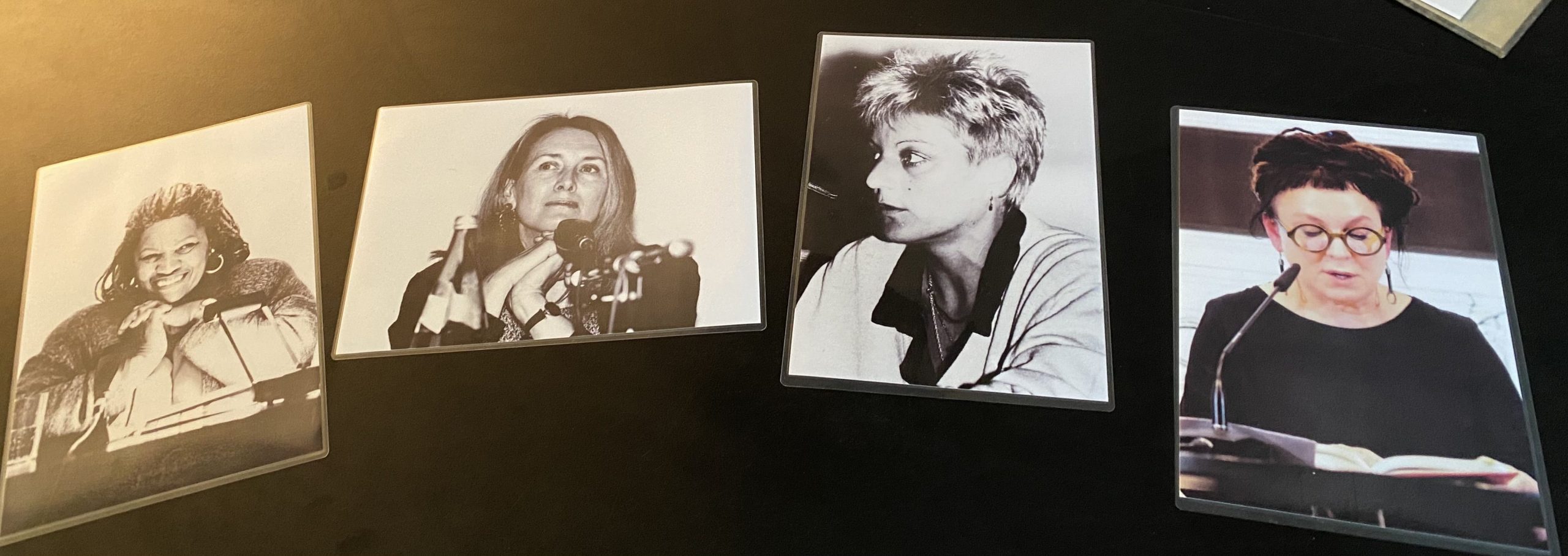

Widmann
Jörg Widmann hat seinen Einstand bei den Berliner Philharmonikern als „Composer in Residence“ gegeben. Die Schwester, Carolin Widmann interpretierte das Violinkonzert Nr. 2 von Jörg Widmann als Solistin. Das war ein ganz besonderer Abend. Die Widmanns haben doch tatsächlich gemeinsam die Einführung in das Programm des Abends mitgestaltet, eine ¾ Stunde vor dem Konzert im großen Saal der Philharmonie. Mit Begeisterung haben die beiden Geschwister von der gemeinsamen Zeit der Entdeckungen rund um die Violine in ihrer Kindheit erzählt. Damit wird die faszinierende kindlich, unschuldige, nahezu naive unbedarfte Herangehensweise an das Instrument verdeutlicht, die so charakteristisch ist für den Anfang des Violinkonzerts. Die Entdeckung eines Klangkörpers (vom einzelnen Instrument bis zum Tutti) geht aber rasch weiter zu einer Demonstration der vielfältigen Gefühls- und Virtuositätsregister der Violine. Paganini lässt grüßen, könnte man meinen.
Kaum klingt eine virtuose Passage an, da hinterfragt der Komponist die eigene Begeisterung. Ist das nicht einfach nur Akrobatik, um dem Publikum zu gefallen? Zweifel stellen sich ein und etwas Distanz zum gefälligen Wohlklang. Reflektierte Virtuosität, der Soziologe würde vielleicht auch reflexive Virtuosität als kompositorisches Element verwenden wollen. Notation von Musik und Klängen hat seit dem wohltemperierten Klavier relativ feste Vorgaben. Daran hat sich Jörg Widmann zu 98 Prozent wohl gehalten. Die anfängliche Erkundung des Klangkörpers Violine lässt sich aber nur anders notieren. Innovativ, mit mehr Raum für Interpretation in der Aufführungspraxis. Das betonte so auch die Schwester, die nun wirklich dem Komponisten sehr eng verbunden ist. Interessant war daher ihr Kommentar, dass diese Anfangsstelle für sie gleichsam die größte Herausforderung darstellt.
Die folgende „Fantasie für Klarinette solo“ von Jörg Widmann passte daher gut zu dieser Erkundungsreise von Instrumenten des Symphonieorchesters. Die Klarinette hat in allen Musikepochen und Stilrichtungen ihren Platz behauptet. All diese Anklänge lassen sich in dem Solo, welches der Komponist selbst dargeboten hat, wiederfinden.
Nach dieser aufregenden Reise durch die Jahrhunderte der Musikgeschichte stand die „Reformationssymphonie“ von Felix Mendelssohn-Bartholdy auf dem Programm. Spannend war die Umsetzung „dieser Art von Teufelsaustreibung“ (Worte von Jörg Widmann) mit dem „2. jüdischen“ Satz und dem „3. protestantischen“ Satz der Symphonie in denen Felix Mendelssohn-Bartholdy seine beiden Wurzeln in den Gesängen und Liturgien in Andeutungen aufnimmt. Mit Klängen und Fängen der ausgehenden Romantik wurden wir in den weiteren Abend entlassen, samt Eindrücken aus der Ausstellung zu der Entstehung (60 Jahre) und der Architektur der Berliner Philharmonie und dem Scharoun Ensemble (40 Jahre) der Gebäude einschließlich der Stabi West. Das Mendelssohn Archiv hat in der benachbarten Stabi West einen kleinen, feinen Ausstellungsraum mitten im großen Lesesaal. So haben wir einen umfassenden Rundblick und Ausblick genießen können, die dem Kulturforum in eindrücklicher, dennoch unaufdringlicher Weise, eine hervorragende Stellung einräumen.
(Image: Jörg Widmann jenseits des Schattens von Furtwängler 2023-9-9)