We all enjoy books that are real page turners. Nowadays, we still enjoy the virtual impression of turning pages when we read. Okay, that is a bit old school, I believe. For all those who prefer to hold a page turning book in their hands it is about time to try the e-versions of flipbooks. You may include the sound of turning a page just as in the real book format. Alternatively, you may listen to your favourite music on the same device.
For that reason the chronological blog entries are also available as Flipbooks.
It is still in test runs, so don’t hesitate to send me feedback at klaus(at)schoemann.org
The data base has grown rapidly. Take your time to scroll and read.
2024 January – February.
2023 September – December
2023 May – August
2023 January – April
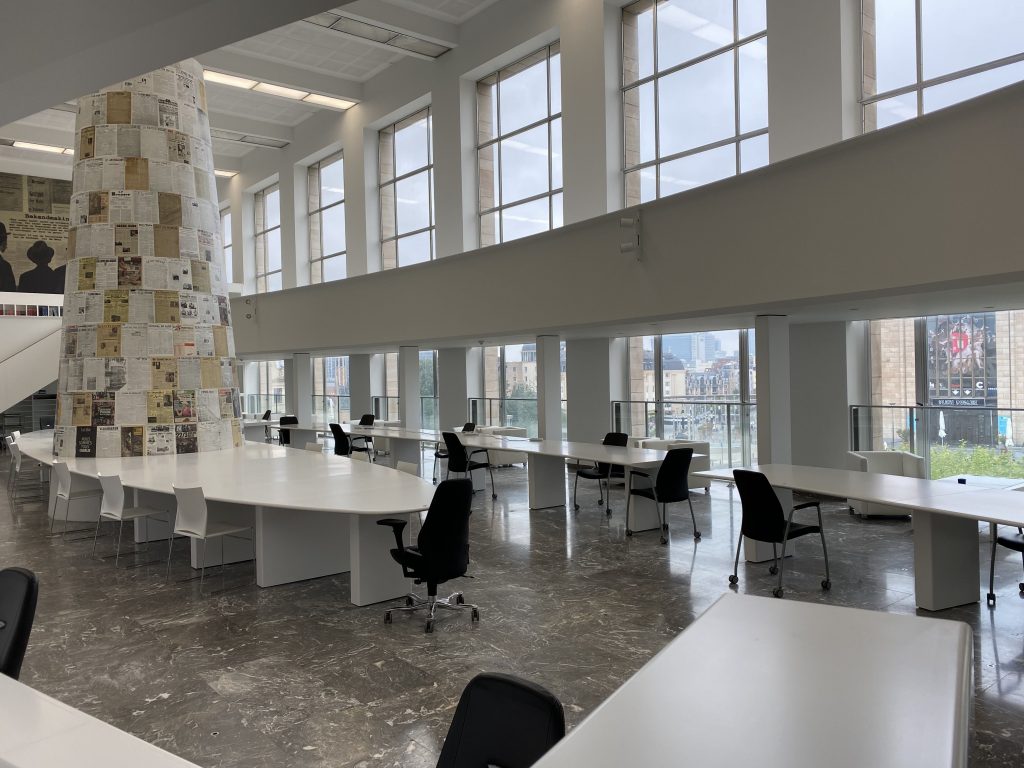
Bigger screens allow for more comfortable reading, but make sure your eyes do not suffer too much. Adjust the light as low as possible for more relaxed reading. Print formats are evolving and so does the concept of a book or a reader. The content is the conceptual idea. The appropriate form for the content is a matter of an additional choice. Not only books have changed to electronic versions. Libraries are also adapting to the new forms of reading on screens and co-working. Flipbooks are a kind of hybrid version satisfying a readership in transition before endless scrolling will take over. The content is key and the rest is POSSE.
Error 444
The error message 444 is a not so rare encounter while surfing on the web. The error code 444 stands for the message that from the side of the server the connection is closed without any additional message. The occurrence leaves you without further indication of what exactly went wrong in building a connection to a web service or website. You just simply get shut out and that’s it. It may be tough on you if concerns your online banking or other access to vital services delivered through the internet.
In organization science and social science there are many new studies dealing with the finding, dealing, coping or handling errors. It has become much more acceptable to deal openly with errors, blunders or failures. From an individual as well as organizational perspective the cultures that deal openly with these events seem to have a certain advantage to overcome the consequences of errors at all or faster than others.
In some biographies failures are part of the lessons learned throughout life. It is deemed important to acknowledge failures or paths not taken for better or worse. Organizations just like individuals seem to learn more intensively from their failures or omissions than from everything seemingly running smoothly. Learning curves are faster also for “machine learning” if you have access to a huge data set which contains ample data on failures rather than encountering failures after release. Hence, the compilation of errors is an important part or early stage of a learning process. Failed today? Fail again tomorrow. You’ll be really strong the days after although it might hurt. 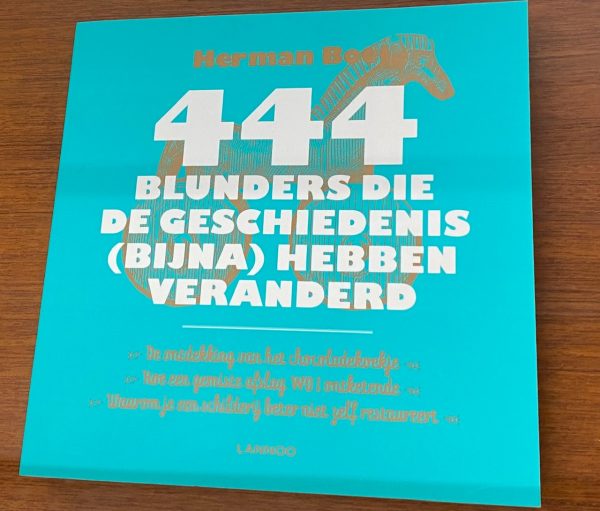
Barbie explore
The film on Barbie after more than 60 years of the first puppets to arrive on the market is a huge money spinning exercise. Hitting more than 1 billion $ is really a huge box office success. More interesting even is the banning of the film in some countries like Algeria. This gives the film an interesting subversive touch to it, which we in the Western countries no longer see as something special. Emancipated women pose a threat to authoritarian regimes.
However, we see in the stereotypes of beauty-driven dolls not that much of an emancipatory chance. To view emancipation independent of the looks of a person is another interesting twist to the role in stereotypes of beauty. It is not only fun to play around with stereotypes, that is mostly, if you are not negatively affected by them (age, gender, ethnicity, extraordinary persons). A nice task for sociology and psychology to explain the working of stereotypes in society and possible remedies. Tolerance is a competence that needs to be learned and updated continuously, from early age onwards.
Therefore, the website created by the US Design Agency Rvnway offers an entertaining way to play around and learn about stereotypes. Perceived, generalized beauty or gender roles can be explored using the tool. Maybe some see themselves differently after such explorations. Everybody is a model. This is the message. www.bairbie.me will let you explore other formats of yourself. After 3-D rendering and printing your children or grandchildren will decide what role they would like you to play in their playfull, or virtual “real” life. I suppose many of us will be up for a big surprise. Go on and imagine in 4D. In the age of selfies all around us, all the time, we believe we are very modern, but the artists of the 19th and 20th century following all great painters before, frequently started their careers with an “autoportrait” or “Selbstbildnis” or series of those as they were aging.