
Corbusier

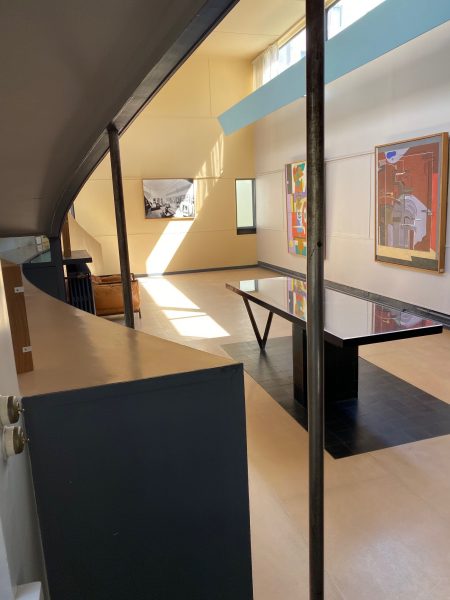
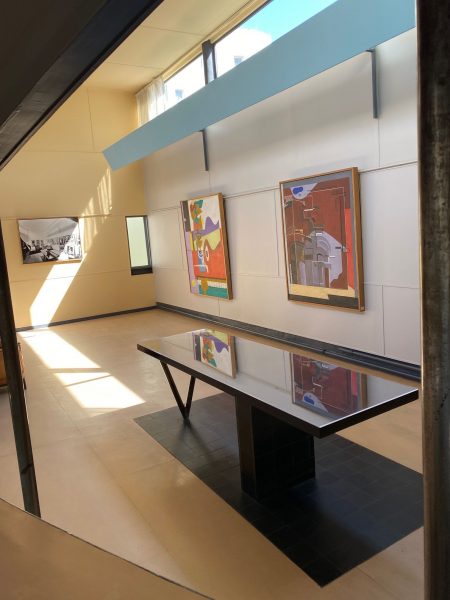
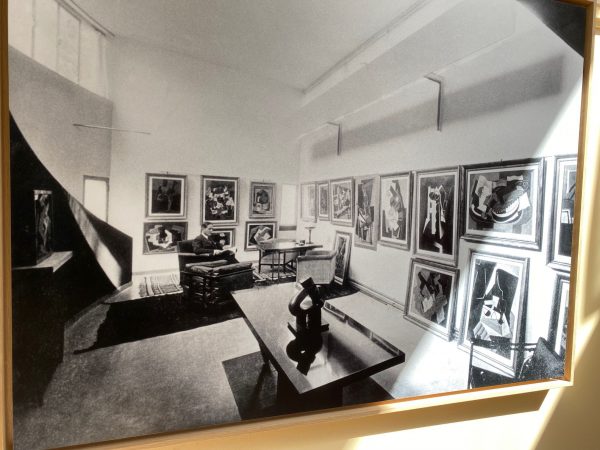
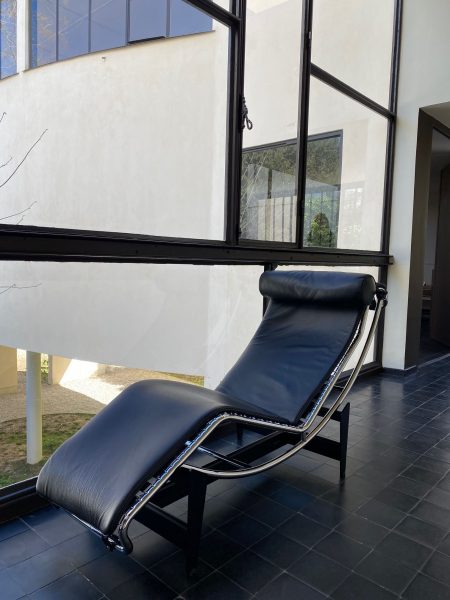
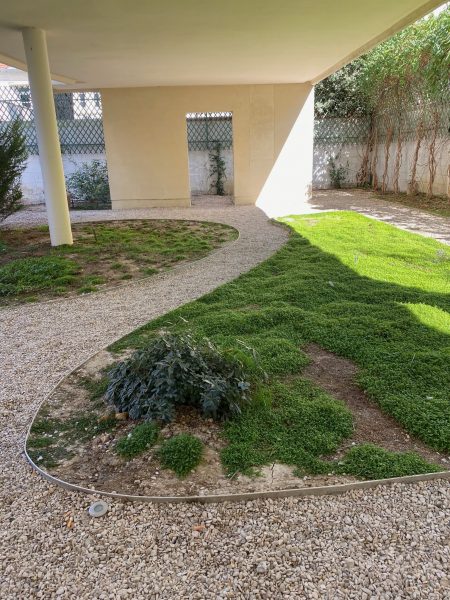
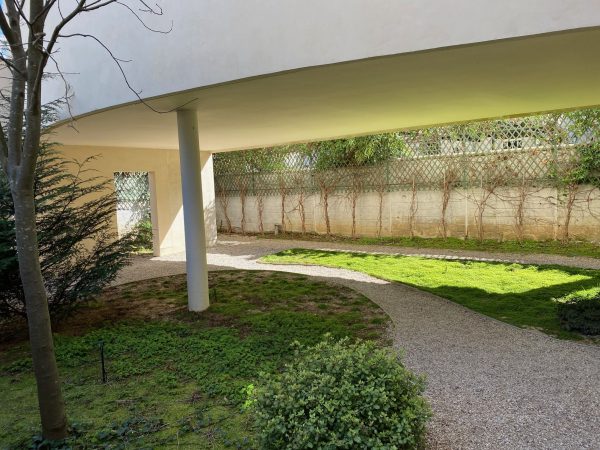
Le Corbusier (1887-1965) chose his artist’s name instead of his lengthy original name of Charles-Édouard Jeanneret at the age of 33 (in 1920) after having moved from Switzerland to Paris in 1917. He established a theory of modern architecture often summarised in his 5 major principles of modern architecture: 1. Pilotis as grid of pillars, 2. freeing ground floor design, 3. more open facades, 4. windows stretch horizontally, 5. garden, terrace on the roof. All these principles allow a more healthy living environment due to more light, less humidity in buildings and ease of circulation. The house Le Corbusier designed features surprising effects of light and lightness of living. “Les maisons La Roche et Jeanneret” date from 1923 and was completed in 1925. These purists Villas breathe thanks to the impression of abundant empty spaces despite relatively small surfaces. One Villa is designed for a small family, the second for a single person (Raoul La Roche) with a collection of paintings to be exposed in a small gallery. The focus on essentials of living, health, light, water, air and art combine to a relaxing and inspiring atmosphere.  Despite many of his convictions to build affordable housing for many people, which received mixed success, his “maisons bourgeoises” in Paris and elsewhere remain masterpieces beyond the 1920s and the 20th century. Le Corbusier was concerned about tuberculosis. Today the corona-crisis has reached comparable health concerns. Architecture might react to the latter crisis in re-considering the lessons from the former. Relaxing in a Le Corbusier Chaise longue and meditating in front of a Picasso, Braque or Léger painting is indeed more than a little bit elitist. But copies of such images or your very own slide show or museum VR-clip in this surrounding make this experience more affordable and compatible with living arrangements for millions of people of the middle class as well.
20th Century

The 20th century has told us many lessons. History does not repeat itself, but it appears that new variants of old themes keep coming back. Slowly passing the century like a movie in decades instead of episodes, we witness socio-emotional tides. The first decade, the 00s intensify the beginning of urban planning and social revolutions. The 10s show the arousal and subsequent extinction of masses of people in trenches. The 20s were described as the Carefree Twenties. In the 30s we observed the rising tides of fascist organisations followed shortly afterwards by the disastrous 40s. After the Shoah and the World War the 50s were fabulous viewed from the U.S. and Western Europe. The 60s propagated sex, drugs and rock n’ roll spreading across continents. The wild 70s became almost inescapable through the continued rise of mass media. The 80s were depicted as the colourful 80s as the 2 previous decades had set the scene for psychedelic colours. The 1990s have been coined as the gay 90s by some. Coming out as a gay person became easier and Western societies more sensitive and open to diversity. The back cover of the recent publication by Aurélien Bellanger “Le vingtième siècle” (The 20th century) speaks of the book as “roman polyphonique virtuose”. I look back on the 20th century as “polyphone” in many respects. It would be an illusion to believe we can only keep the nice sounding harmonies without the tensions or dissonances.

20s

In retrospect from the 1930s and in prospect from the 1910s, the 1920s may well be described as “The tumultuous Twenties”. Several other summary notions are attributed to the 1920s. “Les années folles” in the French speaking world, “The Jazz years” within the U.S. or the “Wild 20s” in Germany coined the decade after the disillusion of the 1st world war. The economic and cultural revival after the period of atrocities has seen thriving city centres and comparatively little economic hardship until the Wall Street crashed on October 24th in 1929 the so-called “Black Thursday”. The party was suddenly over and a lengthy economic crisis spread globally. It was within this free spirit of the 1920s that the Fascist counter movements of the 30s started to take roots.
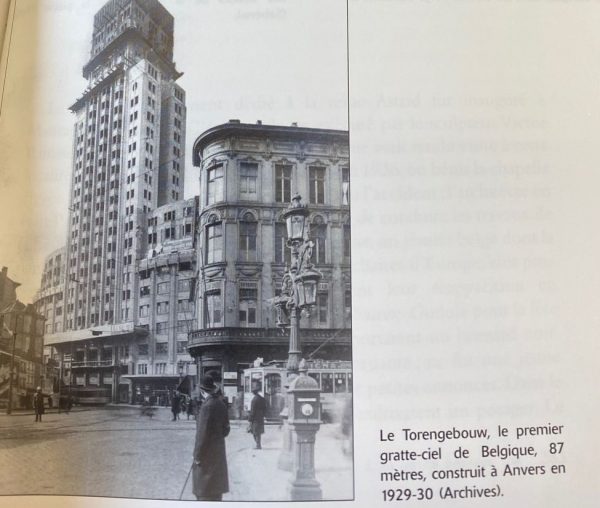
The 20s saw the skyscrapers soar and the credit-financed speculation was at its highest. Pierre Boudon (1991, pp. 137) characterises the architecture of the 1930s as “l’inversion des signes”. The Bauhaus of the 1920s was later forced into emigration. The film of F. Lang “Metropolis” (1927) prolonged the constructivist lines of the 1920s to a haunting vision of big cities with its daunting acceleration of economic and cultural experiences.
Walter Benjamin later referred to the method of technical reproduction as one of the major foundations for the mass movements and mass culture, which turned the relatively prosperous early and mid 20s into the disastrous 30s. Indeed, many scholars combine the 20s and 30s into one historical period as the rise and decline between the 2 world wars of the 20th century.
Certainly in terms of economic development many countries witnessed a steep rise in prosperity in the 20s followed by deep recession in the 30s. What went up in spectacular terms in the 20s, economic development, democratic participation, came down in the next decade due the rise of Fascist movements.
100 years later in the 2020s we still struggle with many of the same issues. Poverty and “Existenzminimum” were topics of the 2nd International congress of modern architecture in 1929 in Frankfurt. This reflects the lasting need to address “social issues” throughout decades, if not whole centuries of mankind.