Museum Orga

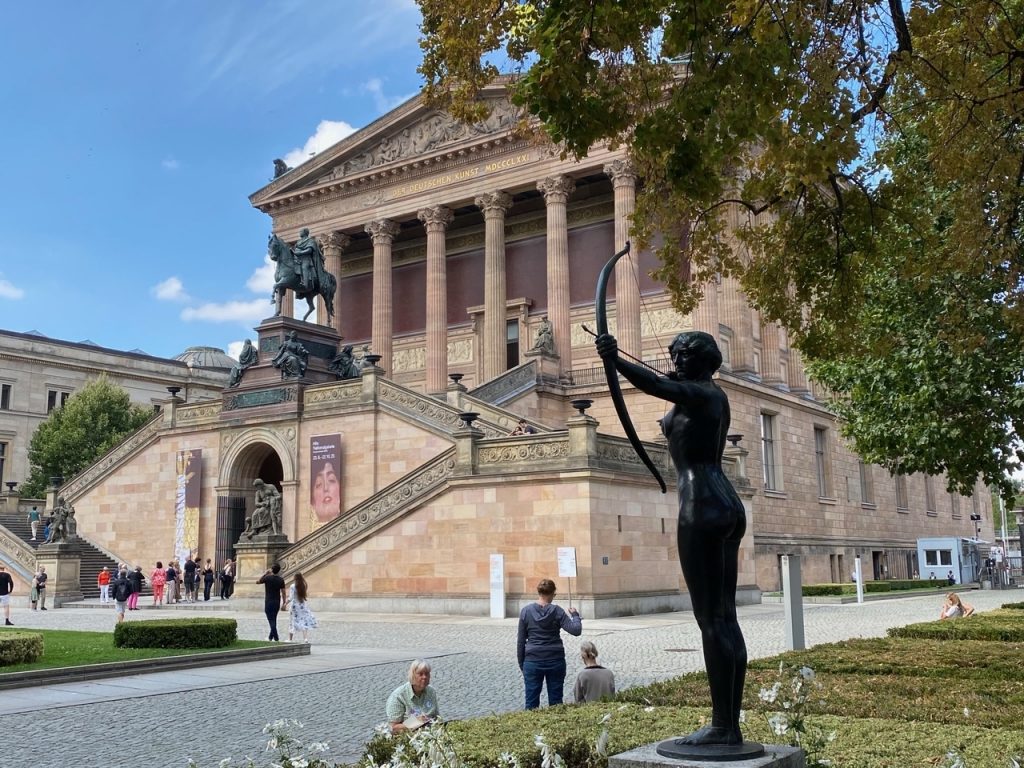
The cathedrals of modernity are under permanent scrutiny. The discussion in Germany was sparked by a recommendation of the scientific advisory council to the federal government (Wissenschaftsrat) to separate the Prussian heritage museums and institutions (SPK) in Berlin into separate entities that have higher autonomy to shape their individual profiles. Too much hierarchy blocks innovation and openness to new approaches that might not fit an overriding instance of decision making. The arts and sciences as well as their libraries need substantial degrees of freedom to flourish in their specific cultural and societal environment. The same discussion is currently occupying Paris and France, since overall the visitors after the Covid-19 crises have not yet come back to the same levels. Digitalization has opened up new opportunities and potentials to reach new audiences. This needed new resources even at a time of budget constraints. Museums have started to take their social functions more seriously besides their role to preserve the cultural heritage. Economic thinking in terms of scarcity of art works, competition between museums and cities or countries for tourism have entered the stages as well. Prices of entry and quantities of visitors have become additional concerns in the organization of the museum landscape. A lot to cope with and to balance multiple policy targets. Accessibility of those treasures is key. Opening up to broader audiences is costly but crucial to provide the justification of the public funds allocated. Great to see more complementary private investment in this exciting field. The prominent archers in front of the Berlin museums have moved ahead into a new round of competition in the organization of museums.

Helplessness

Learned helplessness is another which we have to be aware of as social scientists. It is far from surprising that for example giving birth has been transferred from the professional care and exercise of midwives to medical doctors and hospitals. This creates a kind of maximal security around the most natural of events that of child birth. Over the last few decades we have witnessed a pathologising of birth as high risk event. Additionally an emergencification has pushed costs upwards for social security systems as well. In numerous other domains like breast feeding industrial interests have pushed for replacement solutions which are worse than second best solutions.

In other domains like shopping we tend to believe that we need a car to assist us in the endeavor. It is mostly a choice of the least effort to use a personally owned vehicle to replace other solutions which demand more effort of organization like car or bike sharing options. The frequent result is “learned helplessness”. After years of getting used to the debilitating ease of use of navigation systems in cars and bikes we find it hard to put effort into a little self-organization. Learned helplessness will be a substantial burden on our health and social systems if we do not manage to reverse this trend. At times of increased skill shortages we shall no longer have the many helping hands needed to stem the powerful trend of learned helplessness.

Zauberhaft

Allem Neuen wohnt ein Zauber inne. Das passende Zitat “Und jedem Anfang wohnt ein Zauber inne” von Hermann Hesse ist knapp kommentiert auf Wikipedia zu finden. Diese literarische Einleitung beschreibt recht gut, welche Verzückung bei start-ups zuweilen präsent ist. Nicht nur im Prozess des Gründens, sondern auch in den Kontakten mit Investoren und der ganzen Szene herrscht eine gewisse Extase vor. (Illustration W. Kandinsky 1923 Fröhlicher Aufstieg) Gut so, wenn das Start-up zu Beginn bereits eine Qual ist, Hände weg davon. Es wird oft nur schlimmer im weiteren Verlauf und Lebensverlauf. Selbst für enthusiatisch gestartete Unternehmende kommt allzu oft eine Ernüchterung, vielleicht sogar Sackgassen. Einen knappen Überblick bietet die Webseite “Deutsche Startups” oder “startbase“. Die großen Pleiten à la WIRECARD etc. lassen wir mal beiseite. Das kommentieren die Skandalmedien ausreichend, weil Quotenbringer. Mir geht es um die vielen kleinen zauberhaften Anfänge und persönlichen Lernkurven der Beteiligten. Julian Leitloff & Caspar Schlenk (Keinhorn) haben in ihrem Büchlein ein recht schonungsloses Bild gezeichnet, was es wirklich heisst, ein Start-up zu gründen. Vor allem braucht es ein dickes Fell und einen fast unbeugsamen Willen ständig “offen sein für Neues” und Lernbereitschaft.

Neben den biografischen Details der Gründenden bietet das eckige Büchlein aber auch einen Ausblick auf das Kompetenzspektrum für “Start-ups” und dann später hoffentlich “Grown-ups”. Verstreut über das Buch lassen sich Kompetenzen identifizieren: Buisiness Plan, Erstellen und Überarbeiten, Design Thinking, 3-D Druck, Buchhaltung, Marketing, Personal/Talent Management, Webpage Design und Interaktion über Social Media, Responsibility sowie Finanzen und Investmentkalkulus. Natürlich findet das alles im Team und dann im HomeOffice oder der Garage/Keller statt. Ist ne ganz schöne Packung und bitte nicht die “Deadlines” verpassen.

Das alles liest sich in dem Büchlein unterhaltsam und ohne Pathos der einen oder anderen Art. Aufgrund meiner soziologischen Forschungtradition war mir der Einstieg über das “Phänomen … Survivorship-Bias” (S.9) bedeutsam. Der Überlebendenbias besagt, dass wir meistens nur die Geschichten der Überlebenden (der Titanic) kennen, aber nicht die Geschichten der vielen hundert Ertrunkenen. Eine solche wird in dem Büchlein von den Gründenden erzählt, aber mit einem anderen Happy-End. Einmal Schiffbruch, hoffentlich kein Problem, Aufstehen und ein traumhaftes neues Schiff bauen ist das, was später einmal zählt.

Auszug aus dem Buch von Julian Leitloff & Caspar Schlenk (Keinhorn) S.12.