Death and rebirth of author

Over the long run there have always been times when the death of the author had been announced. With the arrival of the printing press and the ease to mass produce prints and books, previous authors’ books could flood the market. Obviously this could put new authors at the risk of finding no audience anymore as printers asked cash upfront before printing. The economic risks were solely on the author’s side. Ebooks became a risk to publishers as authors had an additional alternative way of publishing. Then the advent of the internet changed again the world of books and publishing. Global distribution became an option. Thousands of authors could have died because authors from around the globe became more accessible. None of these threats have materialized. Publishing on a global scale is fine, only European publishers are concerned about a shrinking market. AI facilitates entry in new markets and AI could kill already struggling authors. Instead, AI opens up lots of opportunities for authors as well. Editing and translation services become more accessible to low budget production. The next wave, some claim a tsunami, shall submerge the publishing industry. Quality, selection of innovative content and events associated with the content shall still make the difference. There is neither the death of the author nor of the publishing world due to AI. On a global scale many new voices can be discovered, probably assisted a great deal by AI who would never have dared to become an author and to enter into the world of publishing or self-publishing. (Image: Korea at Frankfurt book fair 2026-10)
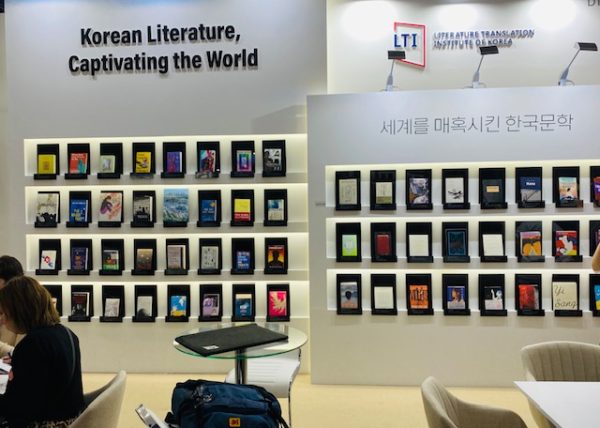
Korea at Frankfurt book fair 2026-10

Traveling with-in books

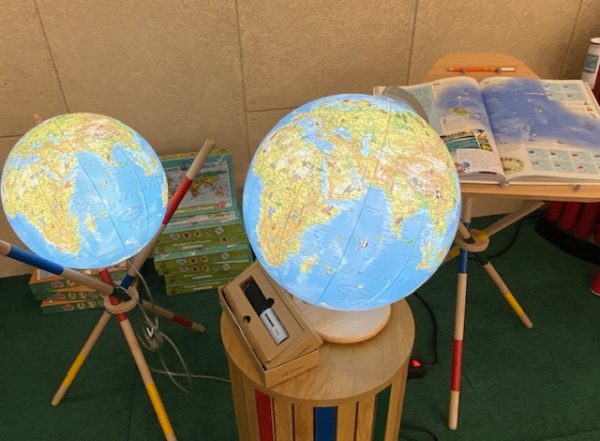
Of course we like to travel or move it. Why not Madagascar? Most people would start to prepare such a journey online for a starting point. On the Frankfurt book fair, the publisher MairDumont reported that very quickly after we zoomed in on a destination, we ask ourselves: what info to trust. For publishers and authors the issue a crucial one as to build a reputation as a trustworthy brand is longer term investment. Holding up trust and to communicate about it, are the next on the agenda. Books or ebooks have this image as most of them are edited in a careful way with cross-checks by several persons. The not-social-media complement rather than replace a trusted source. People navigate between these forms. Authors who have insight knowledge and evidence that links and information have been validated are necessary conditions for success. We still travel with advice from books. Probably even more of us “travel in books”, where the reading of a travel guide becomes a fantasy journey. Traveling with or in books has a great ecologically-minded future, too. 

globe travel book imagination

Hybrid publishing threat

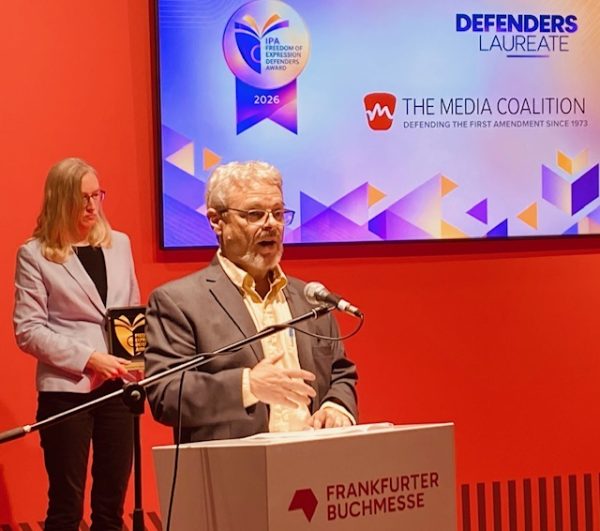
For decades there have been strong initiatives which defended the freedom of expression. Historically, the press and book publishing have a pretty long track record. The IPA Freedom of Expression Defenders Award has been inaugurated at the Frankfurt book fair #fbm26 on 2026-10-8 with much acclaim. The challenges of the freedom to publish are on the rise again as many countries tackle these freedoms as part of the rise of authoritarian governance. Democratic countries, however, have to live up to the challenges that publishing, as part of the whole media world, has been included into a kind of hybrid way of influencing and even hybrid warfare. AI is a dangerous 2-sided sword in this endeavor as well. The publishing sector starts to address the issue, but finding a consensus seems rather time consuming. Foster alliances before it is too late to regulate, build and strengthen defenses. 

IPA award 2026


Science and Fiction

We associate with science and fiction the extrapolation of scientific trends into some futuristic settings. The most striking examples of science fiction in novels or video use some scientific findings (dinosaurs, genetic engineering) and project this knowledge into another fictional setting. The usual personal relationships follow rather predictable plots of romance, deception, violence or war.
The novel “Wellness” (Hill 2024) is also a kind of science fiction as it is based on social science evidence and builds its fictional plot firmly embedded into the social and psychological research. The attachment of references (and defending the print of those in translation) underlines the commitment to write a new type of “social science fiction”.
In this innovative style the scientific basis of psychology and sociology is then extrapolated into a fictional arrangement. Research on subjective well-being with the U-shaped form over the life course and the extrapolation of the placebo effect, which is instrumentalized for a business, derive from key topics in the social sciences. In fact, the novel and the background scientific literature in the bibliography could well figure in a social science course at university entry level. These readings constitute a 360-degree-view on personal development and social structures. Of course, social sciences move on and add new evidence on an almost daily basis, but the selection and arrangement of the characters create an innovative social science fiction, without some unrealistic technological extrapolation.
It strangely feels like we are already part of this social science fiction (compare “Klara and the sun” by Ishiguro) as politicians advocate and campaign with placebo topics in elections and project us into some more happy past or future.
The social science fiction of Nathan Hill resembles for me the great utopian novel by George Orwell “1984” published in 1948. A title “2032” instead of “Wellness” could have worked quite well, as the first edition of Nathan Hill’s social science fiction was published already in 2023. (Image: Extract of: Lo Spagnolo, 1665-1747, Hecuba makes Polymnestor blind, MRBAB).

History’s Weight

The artist Damien Deroubaix is currently exposed at the BNF.fr in its historic site Richelieu. Together with and next to some of the historic treasures of the BNF collections the unique exhibition allows to experience history’s weight on our current existence. The work of Deroubaix is following and pursuing historic art trajectories with a special historical and ethical consciousness. Techniques of art are insensitive to the moral compass of the painter in history. The collections of the BNF like all major European collections have to handle their colonial past and immoral depictions throughout history. Deroubaix accomplished to liberate techniques of art of their colonial linkages and imagination of emperors focusing on humanitarian values. War is horror, in the past and in the present. Genocide in Rwanda is war crime and dealing with the memories of people an honorable way to look forward conscious of the past. Hybrid forms of art allow multiple contextualizations of his work. In the Galerie Mansart and Pigott of the BNF the historical embedding enriches the art and vice versa. Art allows us to rise beyond the ashes mankind has and continues to inflict on us. (Images: extracts of Damien Deroubaix at BNF, Paris 2024)

Digital Museum

Paris has lots of museums to visit. At times, this can lead to a kind of mental overload. The ” Musée Marmottan Monet, in Paris allows to take home a digital and printed copy of your preferred, your own curated collection of images from the museum. This is a great learning experience. You scan the number of the item you want to include and a specialized application retrieves the image of the painting or object from their database into the App. After the visit you take a break in the café in the garden and sort your collection and if you like have it printed within a couple of minutes after you paid for the print or digital version. Upon special request I was told that I am allowed to share the link to the small booklet even on the web (Link to pdf below).
Since the visit to the Musée Marmottan Monet we have come back to the digital and printed versions several times and reading of accompanying texts and perfect quotations of origin make learning about art a fun experience. Going back to lived experiences makes more lasting impressions on our memories. Knowledge coupled with emotions is a powerful way to memorize. Sharing the experience with other persons like the readers of this blog is an additional advantage. Attentive readers of the blog entries will find references to many of the themes dealt with over the years in this series of blog entries. Such topics are: gender and art, technology and society, reflections on time, life courses, inequality, art history, funding of artists, lifelong learning or beauty.
(Booklet below in German LINK-pdf of 6MB.  The app allows many language versions. You can produce those yourself from you collection within the App) 

Page Turner

Modern digital technologies turn pages for you. Just with one touch.
Search functions that are implemented in the software allow you to search for any keyword you are keen to follow-up on. These are valuable advantages of digital versions of books or other content. Once you adapt the brightness of the screen you can scroll comfortably through hundreds of pages. These books are called flipbooks and there are a number of editors specialised on these versions.
In combination with a blog format of publishing online first and then transforming content into flipbooks or even printed versions, www.MPL-publisher.com  offers a nice feature to host such flipbooks. It is comfortable to know that the content has a unique address on the web, which you can share freely and use from all sorts of devices including your smartphone, tablet, desktop or notebook. The collection of my images I even watch sometimes on an even larger TV-screen or a beamer for teaching purposes.
Yes, we can (!) teach from a smartphone. Learners have opted for the small screens a long time ago. -“hey – teachers, leave us kids alone. We don’t need no education, we don’t need no thought control“. Flipbooks combine the classic form and feeling to turn a page as accomplished progress with the fast access to keywords that spread over several pages of the book.
My latest version of blog entries from 1st of January to 30th of June 2024 is at your fingertip now. (here, allow for a really long download time!). A screenshot is provided below of page 114 of a total of 390 (OMG) on a notebook screen. The search list is shown for the keyword “wage” as an example.
A shorter reader on “Society and AI” is available here as flipbook (29 pages).

Books

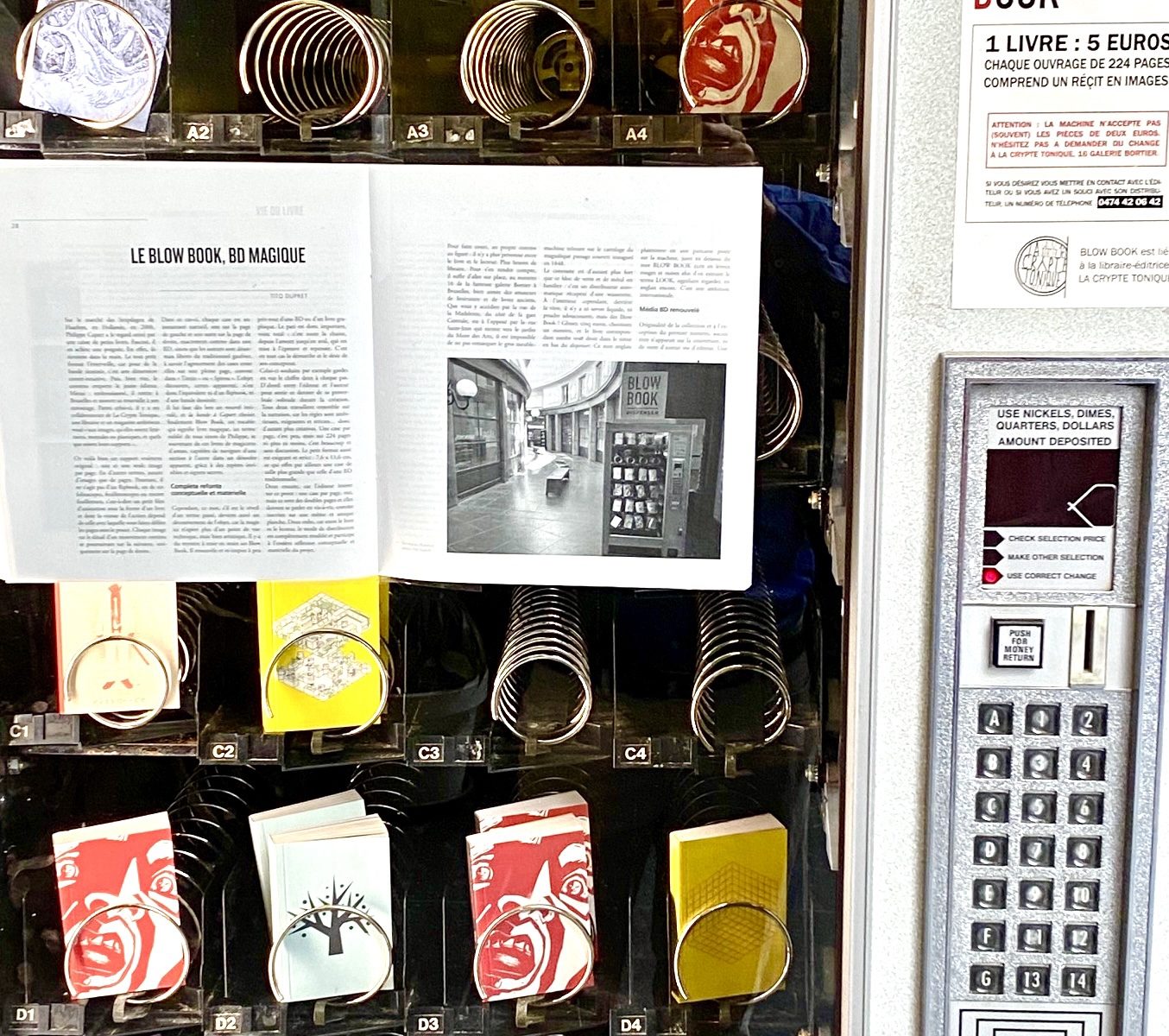
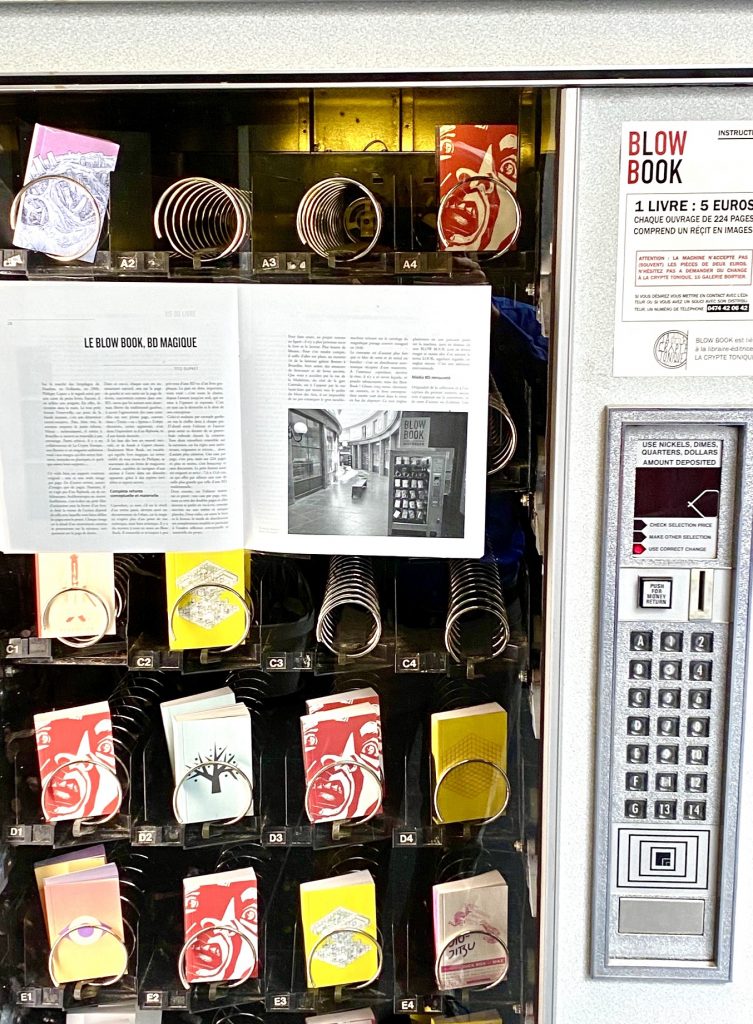
Some say, a book is a book, is a book. This is to reiterate the lasting effect a printed volume might have. Many books are a form of a documentation of facts. Creative writing in whatever form finds most of the time some way into a format of a book. For centuries books have facilitated the diffusion of myths and stories throughout societies including translated versions of the content. 2 aspects are constituent here (1) form and (2) content. Annual book fairs receive most attention for new content within more or less the same rectangular format. There are, nevertheless, interesting variations of the form to be discovered as well. Traditionally book binding was the art that gave shapes to the content. Images in form of film are yet another representation of the book content. All this is “dealt” with at the Frankfurt book fair #fbm23, particularly in form of dealing in and with copyrights. New forms of delivery of content, online or as e-book, have added to the variety of books. Pay as you go or as abonnement with monthly delivery is the old and maybe fashionable new way to digest abundant content. People trust in books. The format as book in general seems to remain an authoritative form to present content, irrespective of the truthful or fictional kind of the content. The more we live in insecure circumstances, the more we tend to be willing to hold on to a pile of paper nicely woven or clued. It is still a very powerful tool to guide imagination for all ages. It allows us to learn at our own rhythm as far as we are willing to go. We are, or seem to be, in control of the process as well as the likely outcome. And yet, the spice of life is the surprise. Book it.

Visual

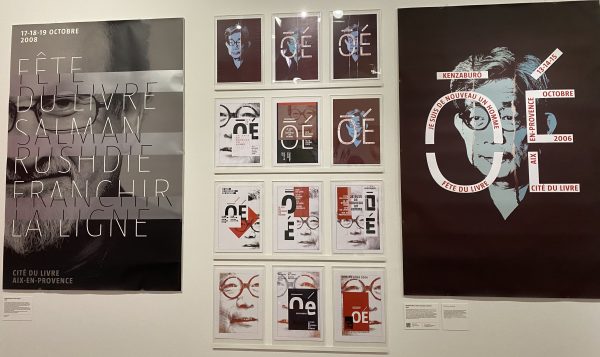
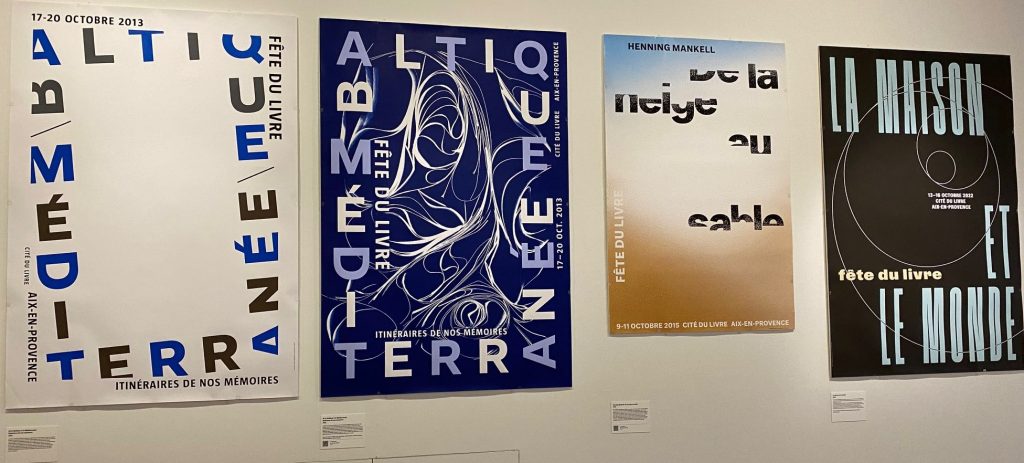
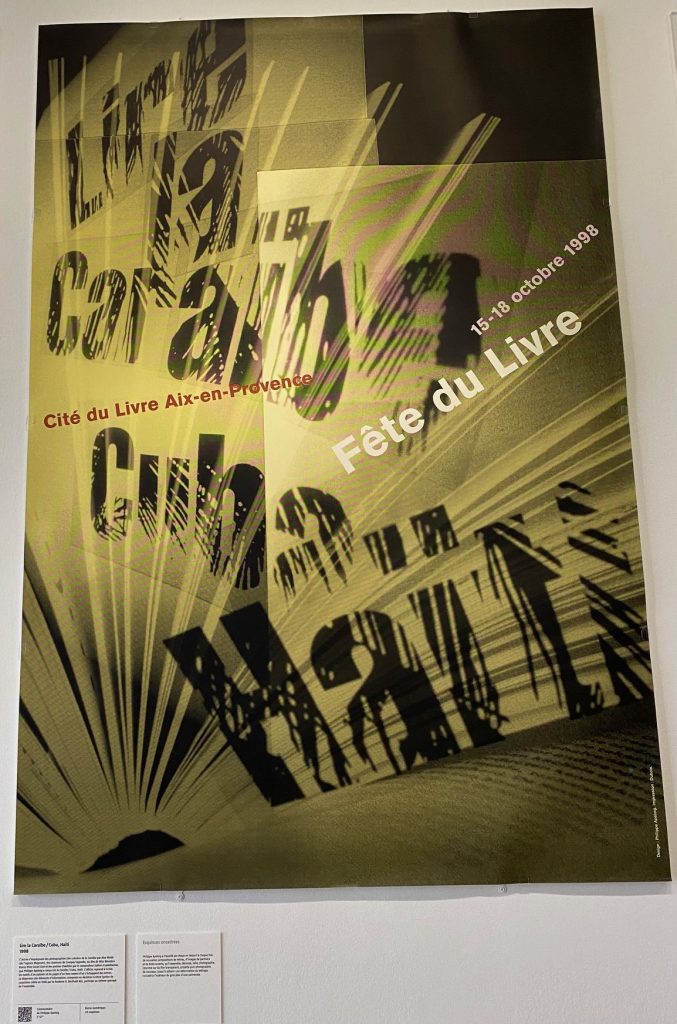
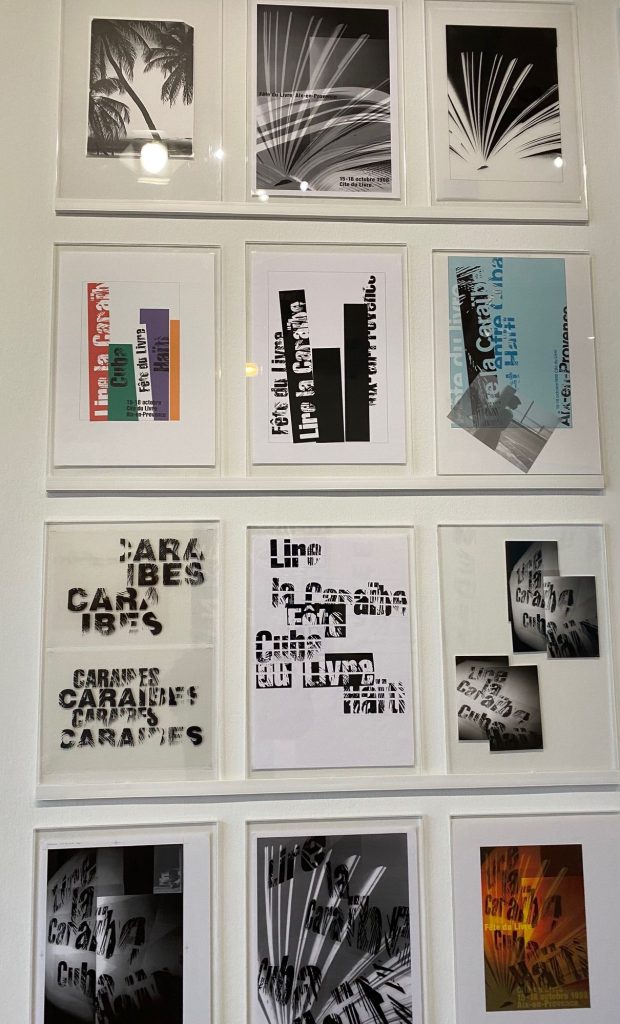
Key visuals have the potential to appeal to us like an own language. From a communication point of view the message is simple. You send a message from your visual appearance even if you do not intend to do so. Hence, better think about it briefly before you go public. The receiver might interpret your visual statement differently from you or other peers, but you offer a coherent version of your activity or appearance. Be it politicians (Merkel) or others, frequently memory allows only for key visuals to make lasting impressions or for something or someone to enter into collective memory of a decade or even a century. Repetition, also from different sources, plays a major part in this. It is surprisingly still uncommon to hire persons in charge of key visuals for a person, an organisation or a festival. Haphazard treatment of key visuals as part of marketing is probably an underestimation of the lasting impact of a coherent visual message. Stability and repetition are key here, rather than the wide-spread ad-hoc approaches to marketing. Only on the margin of the exposition devoted to Philippe Apeloig “Des esquisses à l’affiche” (BnF) this lesson can be learned. The merit of the exposition is the opening-up of the process of creation. Posters, graphics and typescripts all contribute to the overall visual message. Achieving coherence in the thousands of choices demands an aesthetic point of view. This may blend aesthetic languages of a decade and reflections on the subject. Catching an audience at the time of affluence of images, movies and accelerated rhythms of daily life remains a challenge. For the “Fête du Livre” Apeloig has achieved this in a memorable way, well worth a tiny exposition of donations from a master in visual communication.

Printing

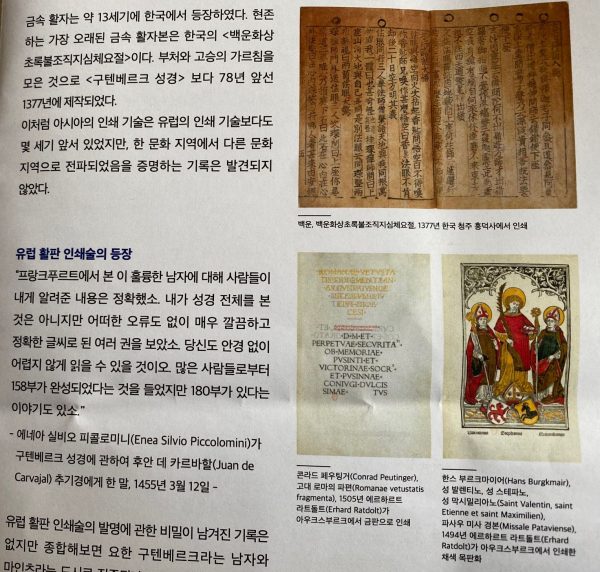
Printing is a more than 5 century-old industry. The invention of the printing press is mostly attributed to Johannes Gutenberg from Mainz. However, the Asian precursor of mobile type letter printing of Cai Lun of the Jikji dates back to 1377 in Korea. These early masterpieces of the inventors of print can be inspected at the Bibliothèque nationale de France (BnF). The summary term for this technical innovation by historians is the “age of start-ups”. The procedure for Gutenberg to have 2 financing rounds with his “business angel” Johann Fust, who is later claiming even almost the full rights of the printed volumes, resembles the start-up spirit of today as much as that of the 15th century. Not belonging to the Patrician families, it was very difficult to defend your rights in courts of the gilds. The printers also became a very powerful intermediary themselves. They either sold pre-ordered books or had to take the risk of assessing the market for their product. The editors of today do much the same in the trading world of books and rights of authors and translators. Merchandising products of the church and later churches (protestants Luther Bible) had a particular value to both the clergy and its devotees, not to mention the shop keepers in-between as well. Pilgrimage business was another start-up industry still going strong in the 20th and 21st century and popular in all religions. The early prints and typographs applied are fascinating  in themselves, but there is a lot to be learned about the foundation of a new industries that still employs millions of people and is at the origin of learning revolution similar to the one we are living with the digital technologies today. The European languages with respect to printing had a certain competitive advantage, based on 26 letters of the alphabet, far fewer types were needed to print books than the more than a thousand different signs for printing a Korean text. In terms of printing this is cost-reducing and probably you do not need to be able to read yourself to be a printer or it makes proof reading more accessible favouring benefit margins. After all, the age of industrialisation probably had a precursor in the printing industry. The potential of the printing industry was only exploited much later to the full extent. Comparable to “peak oil” we hope to have reached “peak paper” at last as well for the sake of our planet and our own survival.