In retrospect from the 1930s and in prospect from the 1910s, the 1920s may well be described as “The tumultuous Twenties”. Several other summary notions are attributed to the 1920s. “Les années folles” in the French speaking world, “The Jazz years” within the U.S. or the “Wild 20s” in Germany coined the decade after the disillusion of the 1st world war. The economic and cultural revival after the period of atrocities has seen thriving city centres and comparatively little economic hardship until the Wall Street crashed on October 24th in 1929 the so-called “Black Thursday”. The party was suddenly over and a lengthy economic crisis spread globally. It was within this free spirit of the 1920s that the Fascist counter movements of the 30s started to take roots.
The 20s saw the skyscrapers soar and the credit-financed speculation was at its highest. Pierre Boudon (1991, pp. 137) characterises the architecture of the 1930s as “l’inversion des signes”. The Bauhaus of the 1920s was later forced into emigration. The film of F. Lang “Metropolis” (1927) prolonged the constructivist lines of the 1920s to a haunting vision of big cities with its daunting acceleration of economic and cultural experiences.
Walter Benjamin later referred to the method of technical reproduction as one of the major foundations for the mass movements and mass culture, which turned the relatively prosperous early and mid 20s into the disastrous 30s. Indeed, many scholars combine the 20s and 30s into one historical period as the rise and decline between the 2 world wars of the 20th century.
Certainly in terms of economic development many countries witnessed a steep rise in prosperity in the 20s followed by deep recession in the 30s. What went up in spectacular terms in the 20s, economic development, democratic participation, came down in the next decade due the rise of Fascist movements.
100 years later in the 2020s we still struggle with many of the same issues. Poverty and “Existenzminimum” were topics of the 2nd International congress of modern architecture in 1929 in Frankfurt. This reflects the lasting need to address “social issues” throughout decades, if not whole centuries of mankind. 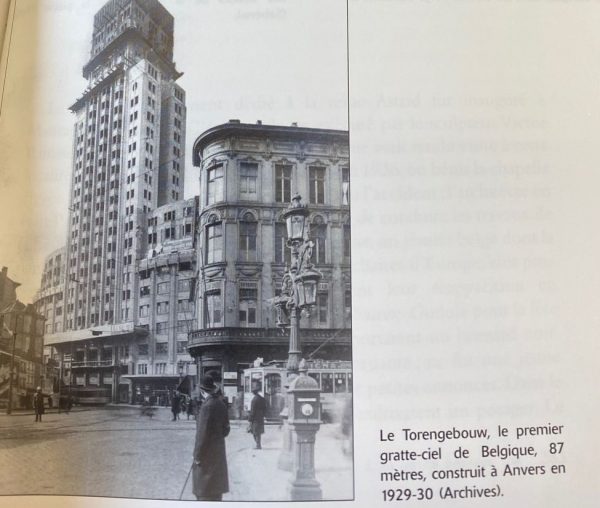
History
Approaching history with a personal touch is a powerful way of attracting persons into learning about others and themselves. The use of some personal belongings as part of a “history box” can be the beginning of an historical journey into the 30s, 40s, 50s or any other decade. It is an empowering tool for learners of all ages. Digging deeper into personal histories, societal constellations and societal change becomes alive through tiny little things. Communicating about these artefacts blends old and new narratives, just as much as the life courses of the “common woman or man” with the celebrities of the time. “Getting personal” is the hype in the time when social media want to define our life though endless nudging. Reflecting on origins is not what we tend to do, PhotoAPPs create retrospects for us, take it, or leave it. History is catching up on us. The fashion world reinvents history on a seasonal basis. After all, a bag is a bag is a bag. Or is it different from the one a person took to Auschwitz.
Fukushima 12
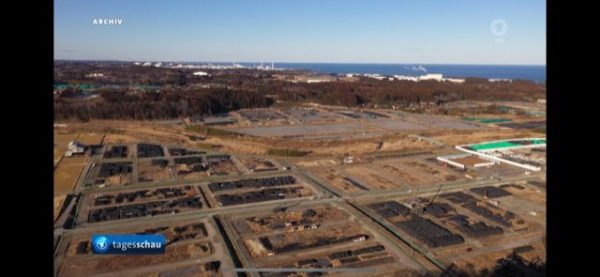
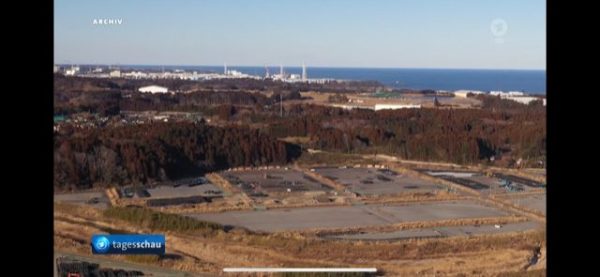
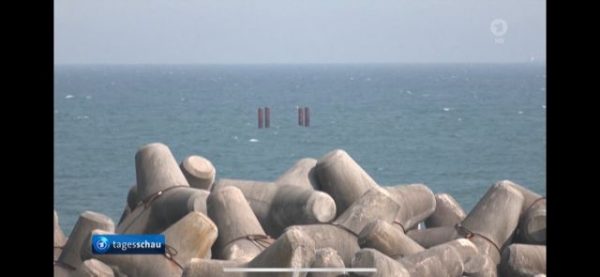
12 Jahre nach der Kernschmelze im Atomkraftwerk der technologiebegeisterten Japaner stellt sich immer noch die Frage nach der Entsorgung der verstrahlten Reste und Kühlwassers. Laut eines Berichts und den veröffentlichten Bildern zu dem Kernkraftwerk Fukushima staunen wir über das weite verseuchte Umfeld und die riesigen Lagerstätten für den verstrahlten Abfall. Geothermie, Wasserkraft, Windkraft und Solarenergie könnten auf der Fläche sicherlich riesige Mengen von nachhaltigem Strom produzieren. Das hatte bis vor 13 Jahren niemand denken oder aussprechen dürfen. Heute nach 18.000 Toten und vielen Folgeschäden durch Krebs und geschädigtes Erbgut wird der Unsinn weitergehen. Da sind sehr starke Interessen am Werk, denen es nicht um Menschenleben geht. Atomkraft, koste es was es wolle. Die Einleitung eines Teils des verseuchten Wassers ins Meer ist wohl bereits erfolgt. Noch mehr wird folgen müssen. Über die Fische als Teil der Nahrungskette werden Menschen dann mehr Radioaktivität aufnehmen. Das war schon so mit den Pilzen nach Tschernobyl. Fukushima bleibt ein abschreckendes Beispiel weltweit, da helfen jetzt zum 12. Jahrestag ein paar Solarzellen als Trostpflaster wenig. (Bilder aus ARD Tagesschau 11.3.2023. Auch bei uns ist es leider schmal Glück gewesen, dass nichts Schlimmeres passiert ist (Link Radiobeitrag DLF 2023-4-17)

White
White is white, we may say, just like in the song of the mid 1980s “Live is life”. Raimund Girke focused his paintings around the notion of white. White is pure energy he writes on his webpage summarising somehow his activity between 1986 and 1999 before he turned 70 years old. The energy of white can be experienced at the gallery and arts centre of Alex Vervoordt near Antwerp. Set in abundant white and otherwise empty space the paintings of white reflect Girke’s idea that white is rest and movement. The developmental process of white in the work of Raimund Girke reflects for me a conceptual proximity to the artists’ group of “zero”. Light and shadows are parts of the same coin. White is the sum of all colours, not only in the physical definition of it. Hence, white can serve as reflection of space and transposition of movement.
The experience in the gallery of Vervoordt allows to come to grips with our own perception of white. It needs a huge white space around the paintings to get into the mood of, maybe, purity. It is by putting colours together that white comes into existence in the spectators view. In seeing white, we see many additions of other colours. That creates the impression of energy. Up to you to test it, maybe, virtually live. 
30s
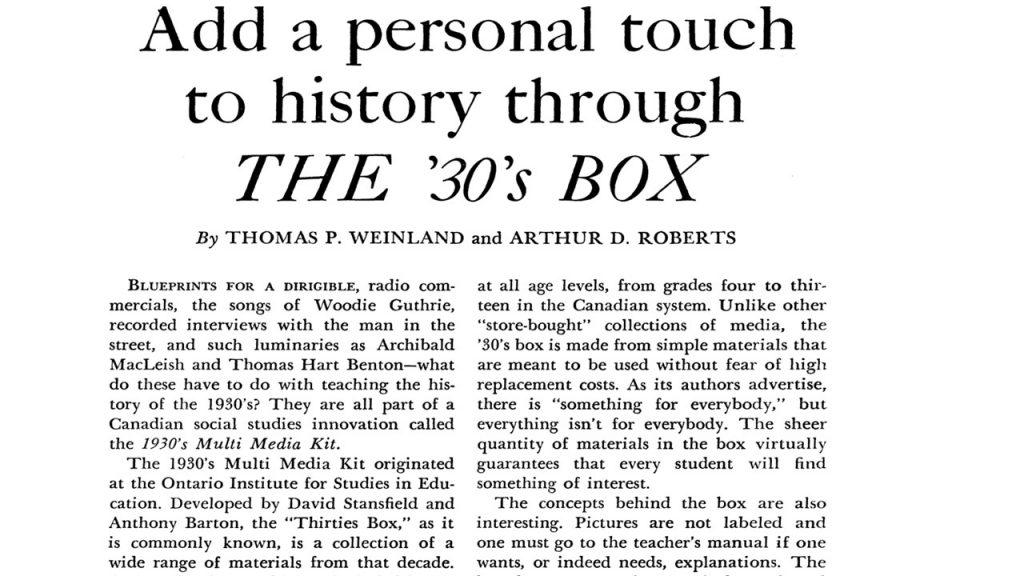
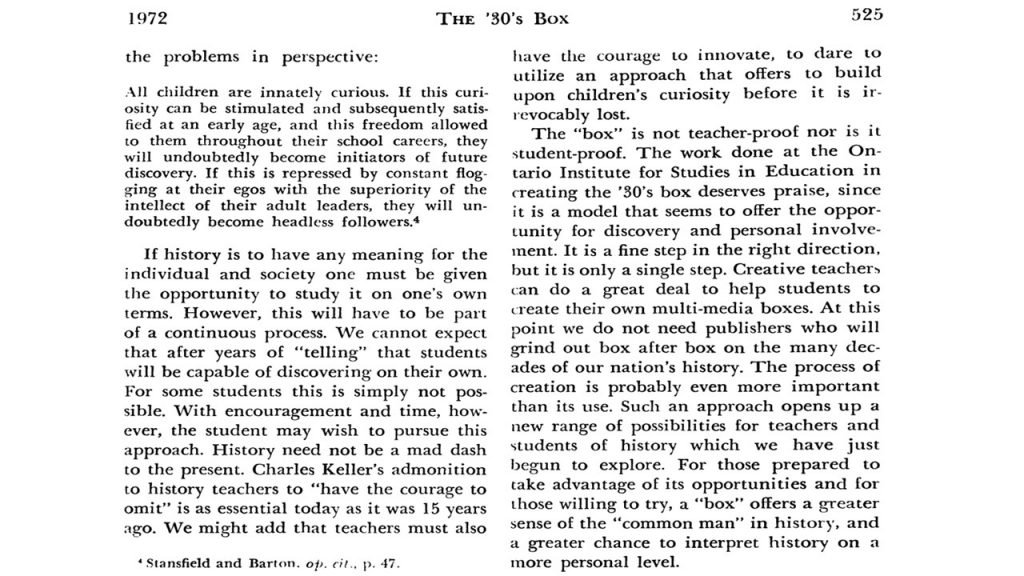
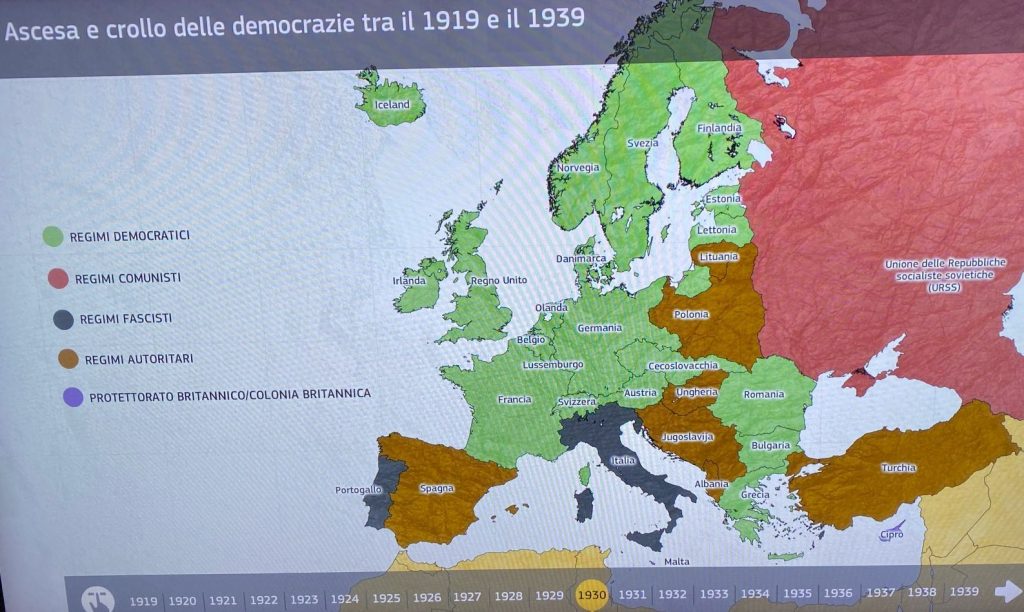
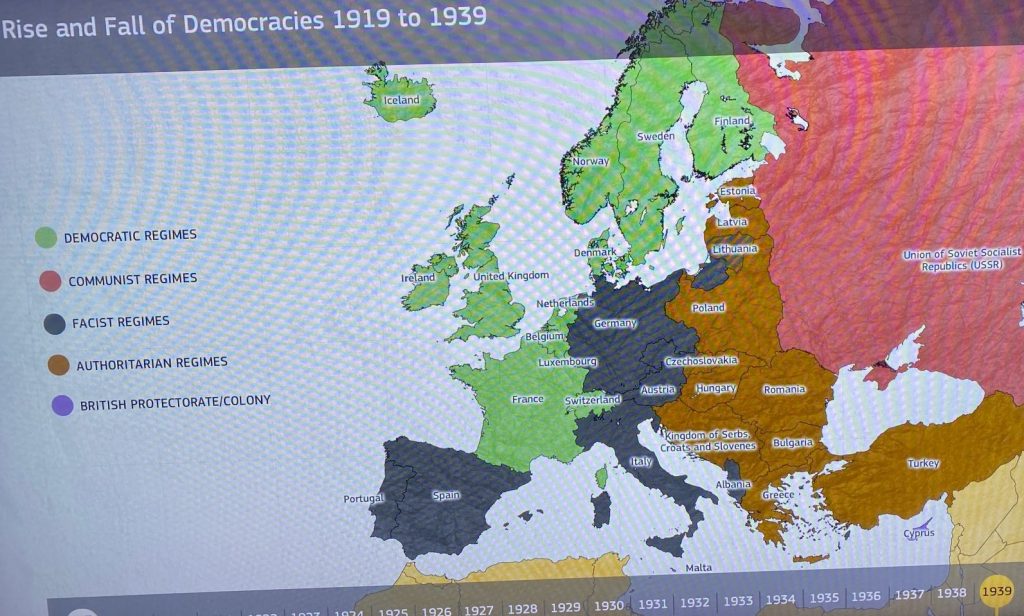
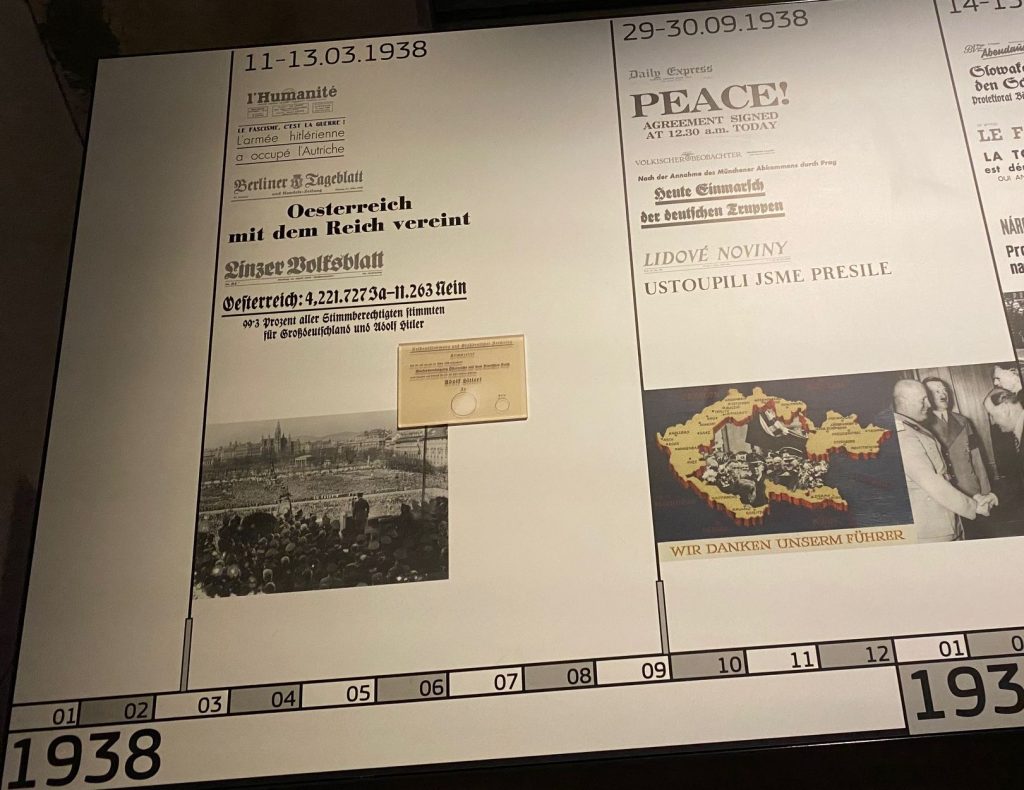
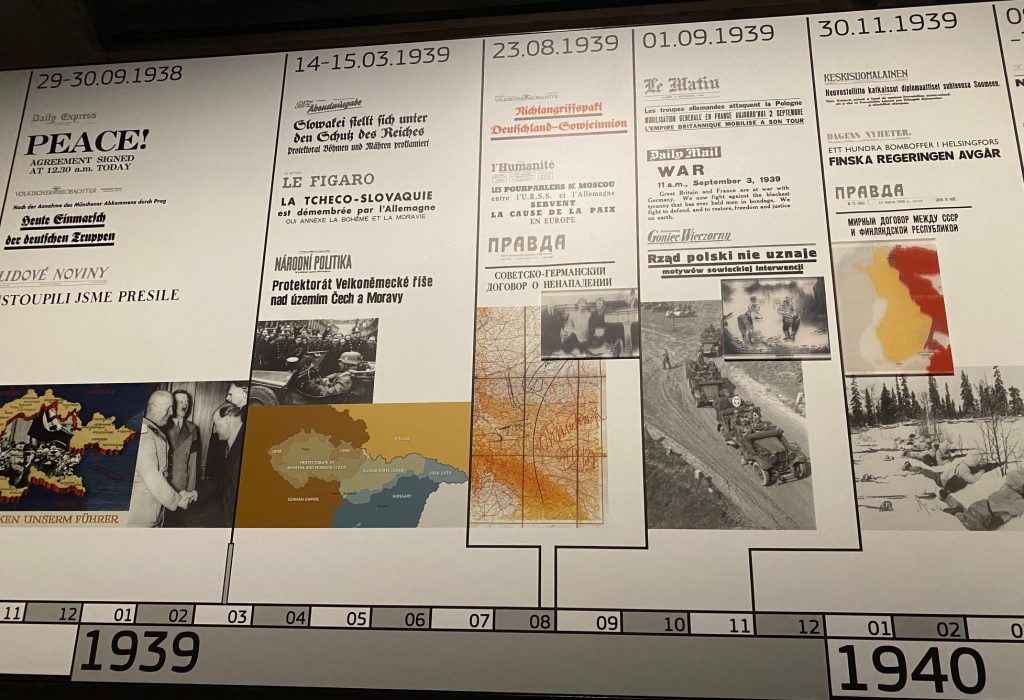
In retrospect the 1930s would deserve well the label of the disastrous 30s. In terms of human tragedy the 40s were worse, but the foundations for the millions of deaths through the Shoah and the second world war were enacted throughout the 1930s. My reading of the decade is dominated by the rising tide of hate throughout the 30s. The fascist movements in Italy and Germany were growing rapidly. From the entry number 185.729 (later committed war crimes in Ukraine) at the 1st of January 1930 the German NSDAP membership grew to 7.352.197 (Reichsakademie für Leibesübungen) on the 1.1.1940. This is still about 3 million persons less than at around the peak in 1944/45 of for example entry number 10.123.636 (later Foreign Secretary of Germany). The House of European History of the European Parliament in Brussels provides a good depiction of the spread of Fascism and dictatorships in Europe in the 1930s. Whereas Italy had turned Fascist already before 1930. Hungary was also under dictatorship already at the beginning of 1930. The rise of the German Nazi political party NSDAP turned out to be the most disastrous and devastating fascist movement and dictatorship throughout the 30s. The maps with timelines represented in the permanent exhibition in the House of European History reflect the spreading disaster for millions of persons. Many writers and social scientist had the correct apprehension and “apocalyptic imagination” (Pearce, 1971) to seek refuge early. But this turned out to be a not generalisable exit option for most persons concerned. Only few countries managed through early decisive action against the spread of fascism to escape from, better shield themselves, or fight against the rising tide. In the late 60s and the 70s youth at the time started to question the role of their parents in the rise of nationalist movements in Europe. An interesting reference for Canada is the teaching reform that materialised in the “box of the 30s” (Weinland and Roberts, 1972). The 1930s Multi Media Kit for teaching history contained photos (Guernica), radio clips, extracts from novels, but also recipes or recorded interviews. Make history speak and start with a “personal touch” to it. Avoiding the economic failures of the 1930s and the rising tide of fascists throughout the 30s are high on the political agenda 90 years later in the 2020s again.
Aphorismen L3
“Was für Aussichten würden wir bekommen, wenn wir unser Kapital von Wahrheiten einmal von demjenigen entblößen könnten, was ihnen nicht sowohl wesentlich ist, als vielmehr aus der öfteren Wiederholung zuwächst.“ (Lichtenberg S. 50). Die Wiederholung ist eine starke Lernmethode. Sie wird seit Jahrtausenden erfolgreich eingesetzt. Alle Religionen bedienen sich am liebsten täglich dieser Methode, um sich der Treue der Anbetenden zu vergewissern. Der Glaube im Glauben ist: Oft genug wiederholt ist gut verinnerlicht. Dabei bleibt ein Glaube ein Glaube, selbst bei ständiger Wiederholung. Lediglich so manchem Mensch erscheint durch regelmäßiges Wiederholen die Botschaft als verinnerlichte Selbstverständlichkeit. Wahrscheinlich ist es beruhigender, sich nicht täglich zu fragen, ob das 1x,2x,3x mal tägliche Einmassieren von Chemikalien auf Zähne und Zahnfleisch wirklich nachhaltig gesundheitsfördernd ist. Alleine dem Markt wollen wir das Thema nun auch nicht überantworten. Warten wir weiterhin auf die nächste entblößende, hoffentlich wirklich unabhängige, wissenschaftliche Studie dazu. Mit den Pestiziden in der Ernährung hat das bekanntlich nur sehr bedingt funktioniert. Wie schön, dass alle Jahre wieder Frühling kommt und die finsteren Tage hinter uns lässt. Wiederholungen lassen Routinen entstehen, die uns das ständige Hinterfragen ersparen. Rasch gehen wir über Fragen von Kindern hinweg: Muss ich heute in die Schule gehen? Dabei ist Hinterfragen von Wiederholungen ein wichtiges Lernen, dem Mitläufertum entgegen zu wirken. 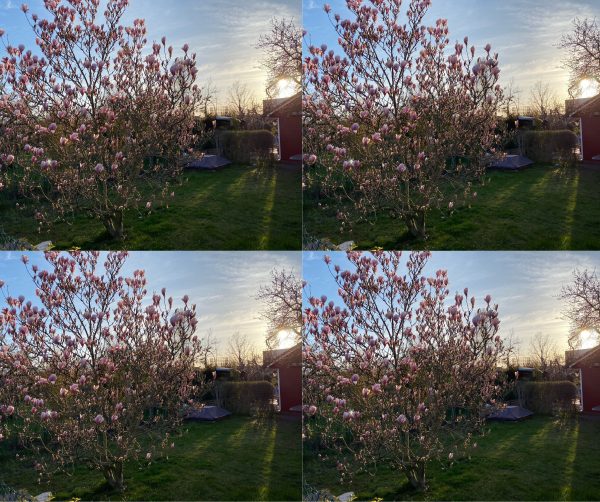
Alkoholismus
Alkohol ist eine Droge, da Alkohol abhängig machen kann. Die Bewusstseinsveränderungen können beachtliche bis extreme Ausmaße erreichen. Das wissen wir alle und zwar seit Jahrhunderten. Mäßigung bei Rauschmitteln ist nötig, aber schwer erlernbar. Etwas Genuss ist gesellschaftlich nicht nur toleriert, sondern gewollt zur Förderung der Geselligkeit. Zu viel Genuss beeinträchtigt meistens andere und wird dann zu einer schwierigen Problematik. Ärztinnen, Psychologinnen und andere Heilberufe stehen oft hilflos, wie auch das nahe familiäre Umfeld, vor dieser Situation. Selbst neuere Studien weisen darauf hin, dass die Versorgung dieser Patienten (UK), bestenfalls in der Hälfte der Fälle als gut einzustufen ist. Die Studie zu Großbritannien beschreibt gleichfalls die Krankheitsgeschichte und -versorgung als „eskalierende Tragödie“. Für die meisten anderen Länder liegen keine wirklich guten Daten vor, die weder einen Handlungsbedarf noch auf einen gesellschaftlichen Gestaltungswillen hindeuten würden.
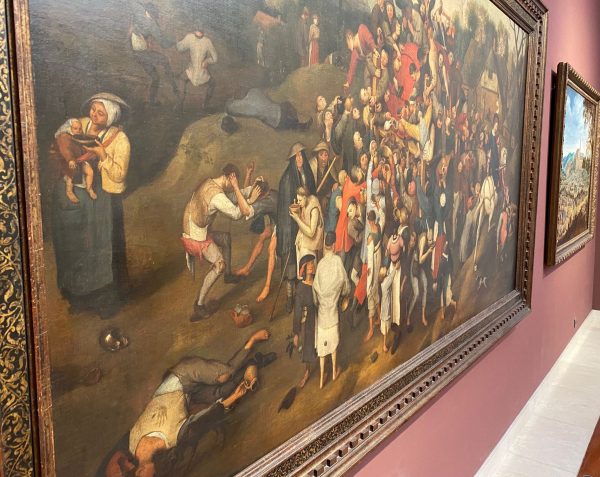
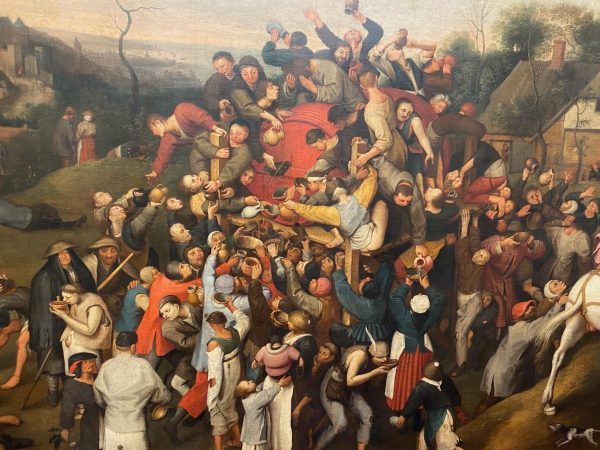
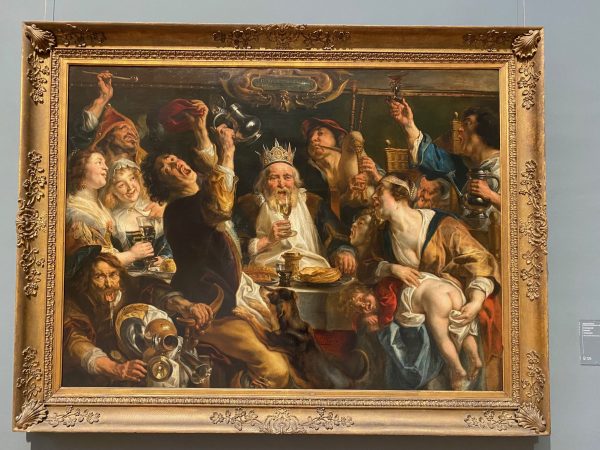
Die Radiosendung zum Thema „Umgang mit Alkoholkranken“ und die Initiative von Sänger Max Mutzke, „Kindern suchtkranker Eltern eine Stimme geben“ beschreibt eindrücklich die generationsübergreifende Bedeutung von Alkoholkrankheit. Alkohol ist eben nicht nur das Problem der betroffenen Person. Ein ganzes Umfeld ist betroffen. Das Problem wächst sich meistens aus zu einer Problematik für das weitere familiäre Umfeld, Freundeskreise und ArbeitskollegInnen. Es ist erstaunlich, dass wir seit Jahrhunderten keinen anderen Umgang mit alkoholbasierten Rauschmitteln gefunden haben, als alles erlaubt oder alles verboten, außer der Altersbegrenzung für Kinder und beim Autofahren. Der Maler Bruegel sah das wohl ähnlich. Den St. Martinswein kann sich heute jeder im Laden um die Ecke selbst kaufen. Mäßigung im Umgang mit Drogen ist nach wie vor ein schwieriger Lernprozess, für Einzelne (Jordaens – Der König drinkt!), wie für die Gesellschaft. ( fast betrunkenes Video Alko VLC Bruegel MRBA Bruxelles.jpg zur Bildexploration).

Aphorismen L2
“Man soll öfters dasjenige untersuchen, was von den Menschen meist vergessen wird, wo sie nicht hinsehen und was so sehr als bekannt angenommen wird, dass es keiner Untersuchung mehr wert geachtet wird.“ (Lichtenberg S. 50). Eine eindrückliche Warnung sich nicht nur den großen Wellen und Wogen der Öffentlichkeit oder der Wissenschaften hinzugeben. Wo viele nicht hinschauen oder bewusst wegsehen, da gibt es meist einiges zu ergründen. Die Soziologie der kleinen Dinge, der Alltagsgegenstände bringt faszinierende Erkenntnisse hervor. Nehmen wir nur einmal die Bekleidung beim Kochen. Von der Kittelschürze zum gestylten Outfit für die Kochshow zum Gesellschafts-cooking“ haben sich Kleidungsstücke und Berufe in ihrer Funktionalität gewandelt. Dem Anlass entsprechend wird sich gekleidet. Kochen ist von den Hinterzimmern mancherorts ins Zentrum der Gesellschaft mutiert. Wertschätzung von Handwerk und delikate Zubereitung sollten Rekrutierung erleichtern. Bleibt nur noch die Arbeit drumherum. Einkaufen, Einräumen, Einweichen, Abtrocknen, Aufräumen. Die Arbeit geht uns nicht aus, sie verändert sich nur. Wertschätzung der kleinen Aktivitäten, desjenigen, „was von den Menschen meist vergessen wird, wo sie nicht hinsehen“ kann so aufschlussreich sein. Hinschauen und Verstehen lernen bleibt angesagt. Lichtenberg weiter: „Man frage sich selbst, ob man sich die kleinsten Sachen erklären kann; dieses ist das einzige Mittel, sich ein rechtes System zu formieren, seine Kräfte zu erforschen und seine Lektüre sich nützlich zu machen.“ Aphorismen können ein ganzes Forschungsprogramm auf den Punkt bringen und so die kleinsten Beiträge noch als nützlich erweisen. (Foto: Schreibatelier von George Sand in Nohant). 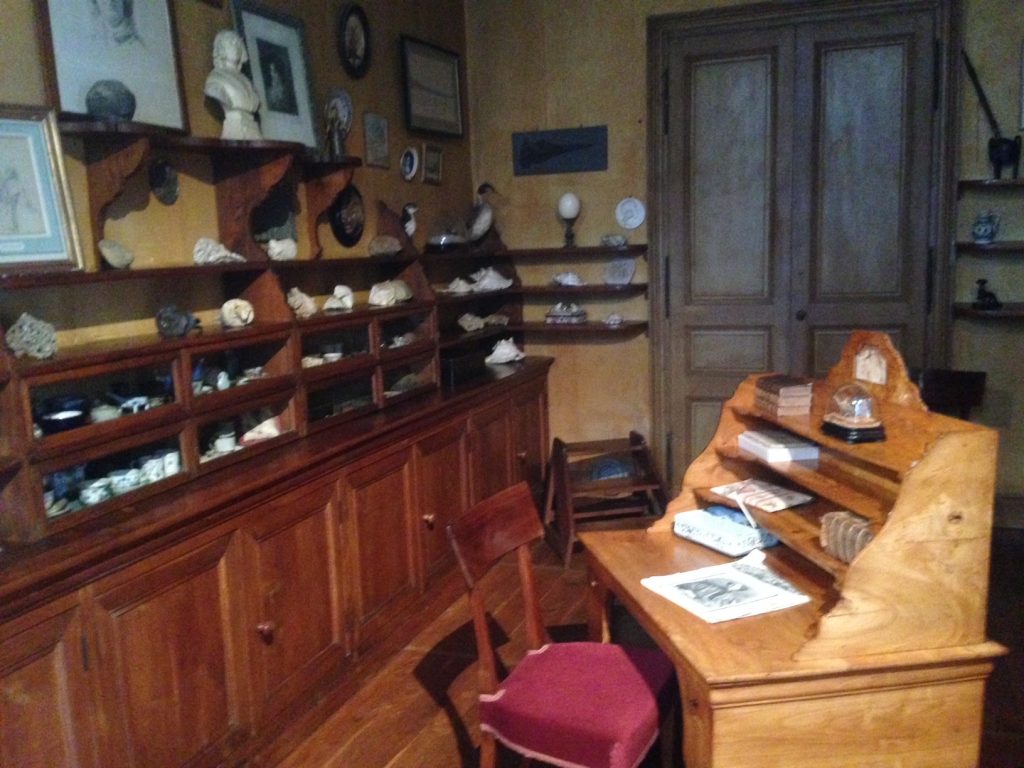
Narrative economics
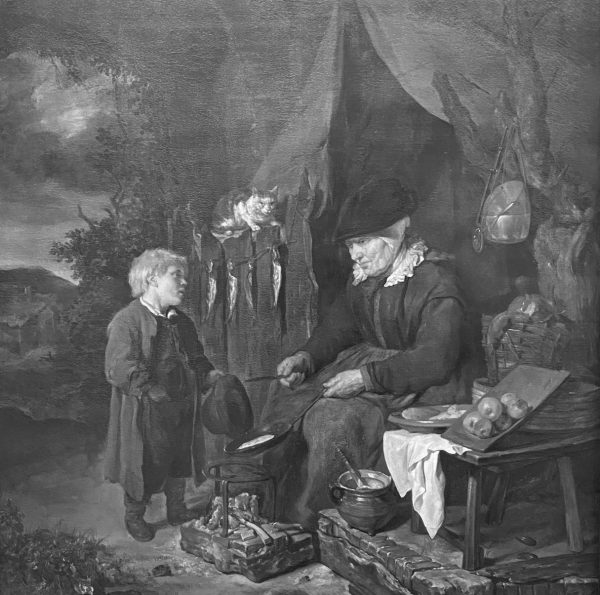
Narratives have been with us as long as mankind exists. They just take different forms and content nowadays. Whereby narratives have first spread orally, then much later through written words, images and movies, they are forceful ways of communicating. Robert Shiller wrote a good story about narratives related to the field of economics. Referring to the writing of the polymath David Hume (1742), main proponent with Adam Smith of the Scottish enlightenment, contagion like in pandemics is mentioned for the first time to explain that “the multitude will certainly be seized by the common affection and be governed by it in all their actions”. (Shiller 2019, p. 58). In order to understand narratives going viral Shiller mentions the importance for narratives to be embedded in “narrative constellations”. Holding truth against spreading false narratives might not be enough in itself. Strong, catching narratives seem to bypass or override even truthful information. Additionally, narratives never die, but rather offer opportunities for repetition. On content of economic narratives Shiller exemplifies stock market panic, consumerism, financial stability, automation and AI fears, speculation bubbles, evil business and labour unions. Topics like lazy unemployed persons, too early entry into retirement, too late entry into the labour market for youth, women or migrants, all have endured stigmatising narratives across time and/or across countries. With emotional and powerful economic narratives all around us, trust and authenticity become a very important meta-currency. The instantly printing camera now serves as proof. Beware of the scenery, actors and action chosen. Medieval painter Gabriel Metsu (1629-1667 Leiden-Amsterdam) had chosen the economic narrative of the “women baking pan cakes and the child as beggar”. Ending up in a museum instead of the White House is probably the opposite of going viral. The same Photo in black and white might have more of a trustworthy documentary character than the suggestive colours. 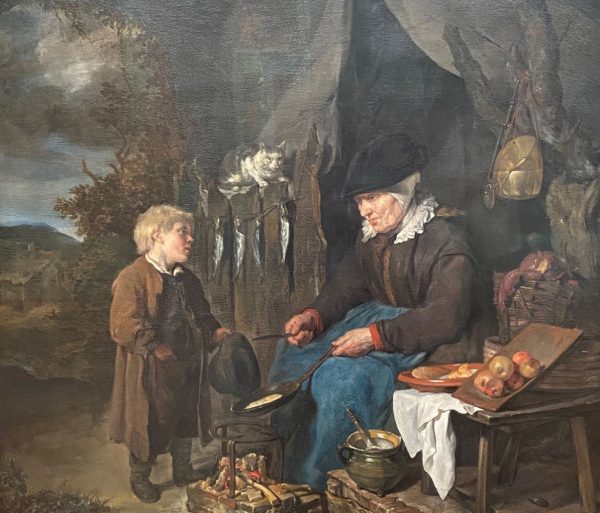
Economic Narratives
Joseph Stiglitz (2003) provided a detailed description and interpretation of the economic history of the 1990s in his book on the roaring nineties. As a member of the Clinton Administration serving as a Chairman of the Council of economic advisers, he had first hand access to the information, debates about interpretations and conclusions drawn during the period. In the preface (2003, p.XII) he provides some of the lessons this work has provided him. “Today, the challenge is to get the balance right, between the state and the market, between collective action at the local, national, and global levels, and between government and non-governmental action. As economic circumstances change, the balance has to be redrawn. Government needs to take on new activities, and shed old ones. We have entered into an era of globalization in which the countries and peoples of the world are more closely integrated than ever before. But globalization itself means that we have to change that balance: we need more collective action at the international level, and we cannot escape issues of democracy and social justice in the global arena.” The surprising approach by Stiglitz, as a winner of the Sveriges Riksbank Prize, to present no data in tables or figures demonstrates the need for telling convincing stories beyond throwing images and shuffled data at your audience. However, this is probably only feasible once you won a quasi-Nobel prize to not lose credibility among economists. Nevertheless, the issue is larger. Stiglitz manages to address the much larger audience of non-economists who construct or constructed their own “collective memory” of the legacy of the nineties as the “global 90s”.
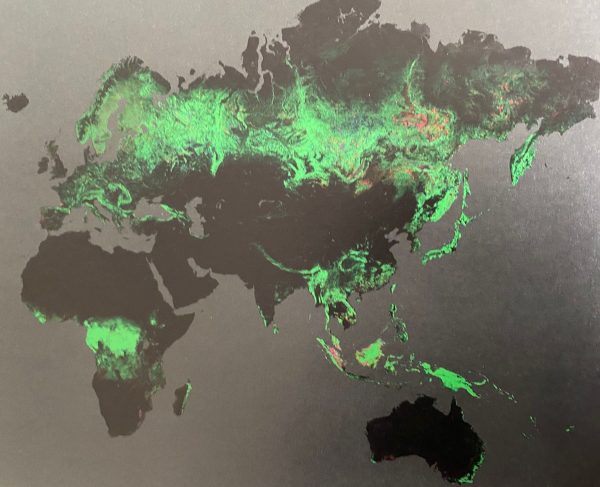
The narrative of the 1990s grossly neglected the value of the biosphere. Asymmetric information (his shared prize winning issue) was and is still used in the market of natural resources to keep polluting the planet and push ahead with careless deforestation. The Exxon case is just one piece in the puzzle of asymmetric information and misinformation. Misguiding economic narratives play a powerful role. Maybe we need to write more about the “roaring failures” of economics and public policies across several decades in the 20th century. (red dots = forests lost on our planet A early 2000s, and there is no planet B)