Summary terms for the 1990s range from the “global 90s”, the “roaring (again) nineties”, the “fabulous 90s” to the “gay 90s”. After the fall of the Berlin Wall, a new era of reaping the economic benefits of more peaceful times had started. Re-unification or unification of Germany could have unsettled the balance of power on the continent. However, a firm integration into the European project and the withering away of the Cold War on a more global scale allowed economic growth in many countries and even continents. Joseph E. Stiglitz claimed it was the world’s most prosperous decade even. The overly popular view that unrestricted market principles will allow for rapid growth reached huge crowds before the new limits to growth (which were the old ones) and rising imbalances (in trade and among different firm sizes) became clear later on. The outlook of “America in the global ‘90s”, written in 1989 is overly optimistic. Nevertheless, it describes fairly well the almost euphoric view at the beginning of the nineties. “World economic growth will strengthen in the 1990s. Democracy and free markets are on the upswing. U.S. will retain its lead in technology and world trade. Openness to foreign capital, goods, immigrants is key. Budget and trade deficits will continue downward. America is a strong nation getting stronger.” (Kiplinger and Kiplinger, 1989 p.1)
Ten years make a decade, but the retrospective analysis might not make for such a rosy overall image. In other fields of study, many saw the real societal changes in the 90s in the liberation of views on gender. Gay movements and queer studies are on the rise throughout these years. The realisation of “Genders” beyond the male – female, binary vision captures more global attention as well. “Education reform in the ‘90s” (Finn et al. 1992) start to focus more on “higher-order learning skills, expanded methods of student assessment” (Joseph Murphy 1992 p.13) in addition to interdisciplinarity, core curriculum, original source materials and teacher choice. Diversification is high on the agenda, despite slow progress in social matters and high unemployment in many countries at the beginning of the 90s. Capture the peace dividend wherever it seems possible. Rapid globalization was the panacea of the decade; before the iron curtain would come down again 22 years later. The photographic art by Didier Engels (Affordable Art Fair Brussels 2023) reflects the bright and colourful side of globalisation as much as the overload. The 90s made us believe mainly in the bright side of it. 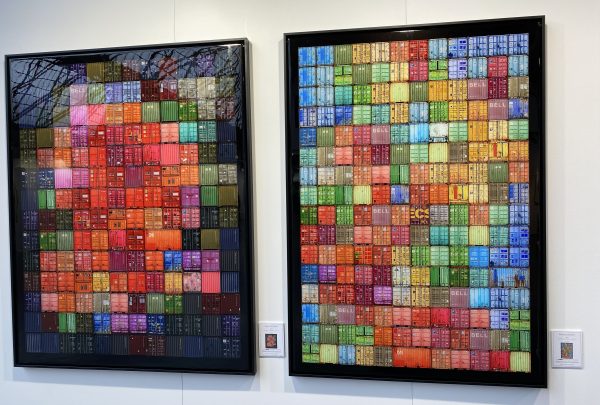
Time5
The social sciences deal with time either as part of social theory and as part of social measurement in the broadest sense. The entry of time in “The encyclopedia of social theory” (Ritzer, 2006, p.837-41) reminds us that since the age of Augustinus, believing that time is a God-given concept, we have evolved with Kant’s notion of the “Ding an sich” that time exists within our experience, but also beyond our experience of it. It is Durkheim who sees time as a social institution and raises the issue of a social construction of the concept(s) of time. In the process of civilisation, Nobert Elias leads us to think of time as an evolving social process which allows us to reach higher levels of civilisations. Despite wars and other backlashes, the basic premise remains an eventual improvement on previous situations (Time 3). The phenomenological method applied by Husserl points at the “inner time consciousness” of persons, which finds its literary expression for example in Proust’s writings.
In addition to time as the object of social theories, we find frequent implicit use of concepts of time as a component of social theories. Life courses, social change, social mobility, social integration, learning, all these concepts are conceived with “time stamps” attached to the them. Their temporality, i.e. location in time and space, durations, sequential orders and interlinkages form huge fields of research. Whole societies have attempted to define when is the “normal”, “right” or “best” time to do something for the individual or the society as a whole. Social desirability is linked to time and space and varies accordingly. The 1960s probably were a decade where the questioning of social desirability was most obvious.
Social measurement of time and the location of social phenomena in time leads us to the empirical field of studying time or the treatment of time as a basic dimension in and of social processes. “The encyclopedia of social measurement” (Kempf-Leonard, 2005) list the sampling of time as a basic entry to the topic. Frequency of sampling, (yearly, quarterly), level of sampling (person, household, region, country), repeated surveys (prospective, retrospective) of same person or rotating samples of persons have their specific strengths and weaknesses. Analytical methods rely on the concepts of the measurement of time. It seems to be a fair observation that (Clarke and Granato, 2005, p.836) the future of time series analysis lies in the linkages to theory. After all, the 2 worlds of theory and empirical measurement are linked through the concept of time, despite the tendency to abstract from it or assuming a large overlap in the concept of time (and space) referred to. Clocks seems to be ticking differently in different places.
Image: Dali Paris. R. & N. Descharnes Salvador Dali Sculptures & Objects. Eccart. Ref. 615, page 238. 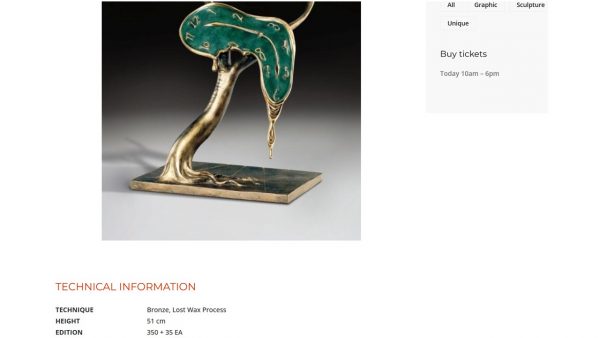
Time4
»Tempus fugit» (Latin proverb) time is flying, or time is escaping us. This is a classical quote. Students of Latin come across it in language acquisition. “Carpe diem” make the most of the day, others responded. Some even raise it to a dogma of their existence. Whereas in classical times, time was more likely to be perceived as a linear concept (v = s x t), modern concepts discuss time as “acceleration” a nonlinear concept (a = v x t = s x t²) or higher order non-linearities even (time³). Social time is embedded in such concepts of time. At some moments we perceive time as running very slowly, at other instances as running fast or accelerating. The synchronisation of time for friends, a couple, a family, lives, within a society or between societies is the big challenge. We tend to use calendars to synchronize our time acknowledging that time might be running at different speed for different persons. We have invented rituals of synchronisation like celebrating birthdays, departures at work, retirements or relative to seasons, with corresponding seasonal greetings. In between these events time fluctuates with different speed for different persons. Commonly in a kind of superficial objectivity, time is running in the same second-, minute-, hour-, day-like fashion, but considering activities or experiences, the same time span is widely different across persons. A lot of intergenerational conflicts have their origins in this non-synchronicity of time across generations. Bernard Guy (2018) reminds us of the link of time and space, as in the equations above, common in classical physics, where we could replace s with the change of coordinates of 2 GPS-signals. This space – time relationship complicates our simple reference to time. We have become used to think in time zones across the planet or within continents, however, our imagination is a bit stretched by imagining others sleeping while we are terribly busy on the other side of the globe. Global production and logistic processes have integrated the time and space framework for just-in-time delivery and optimisation of processes. As mankind we are still having a hard time to think about time and spend years “à la recherche du temps perdu” (Proust manuscript image below, BnF Paris2023).
Guy, B. (2018). Parler d’accélération, c’est aussi dire comment nous comprenons le temps. Dans : Nicole Aubert éd., @ la recherche du temps: Individus hyperconnectés, société accélérée : tensions et transformations (pp. 111-123). Toulouse: Érès. 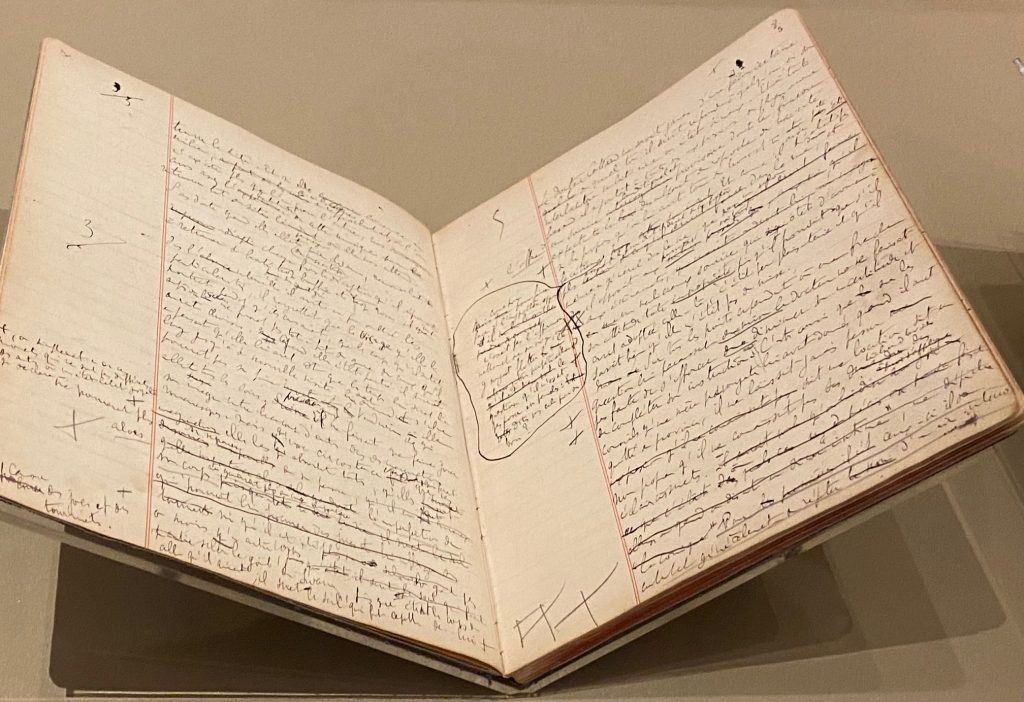
Flotow Kontroversen
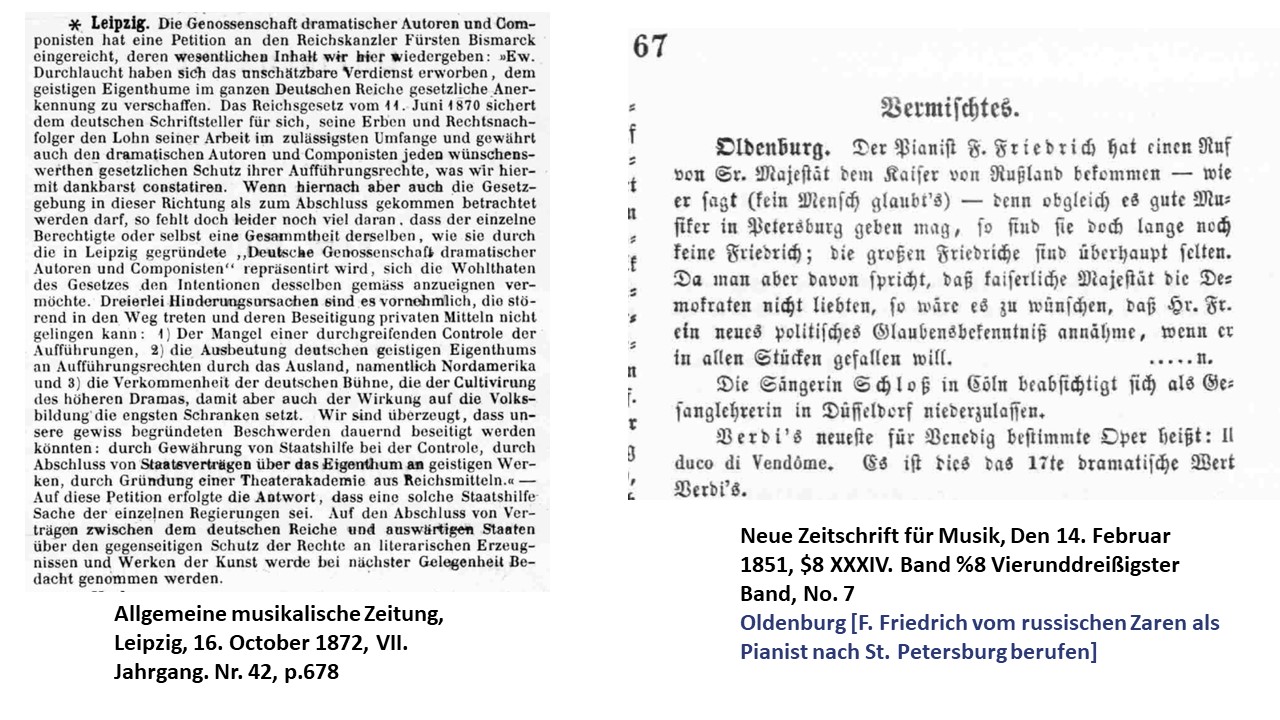
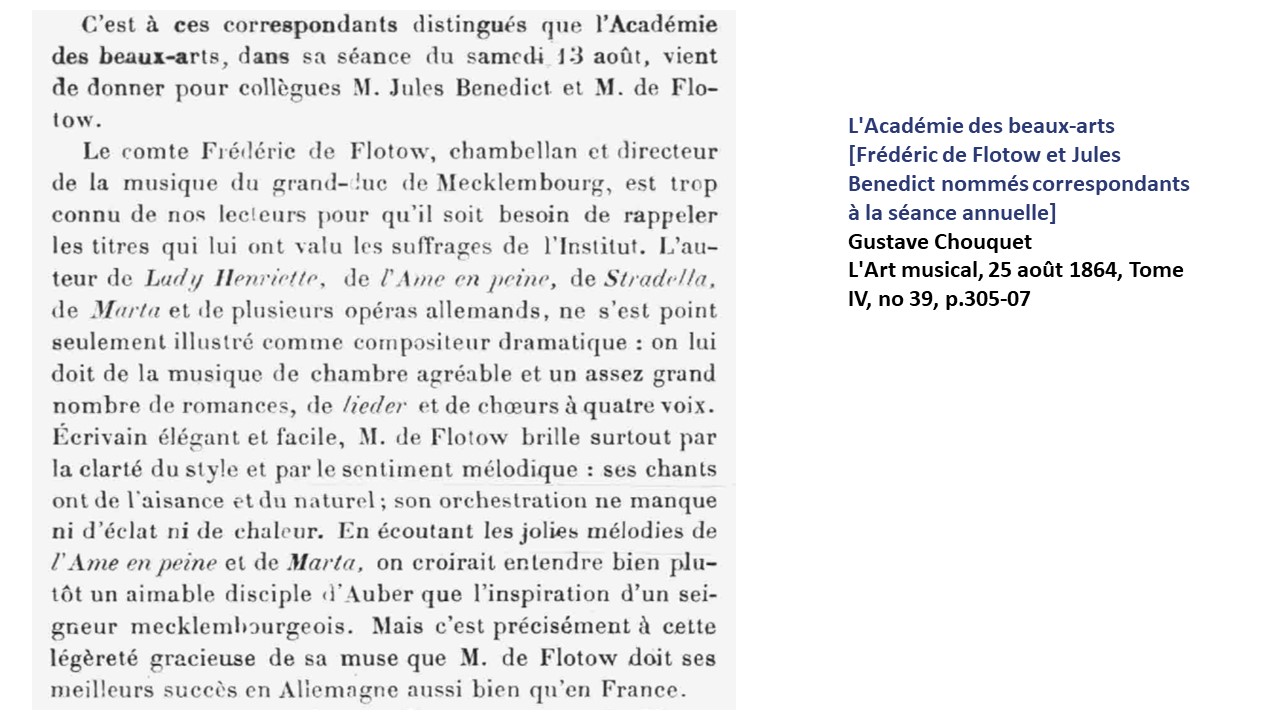
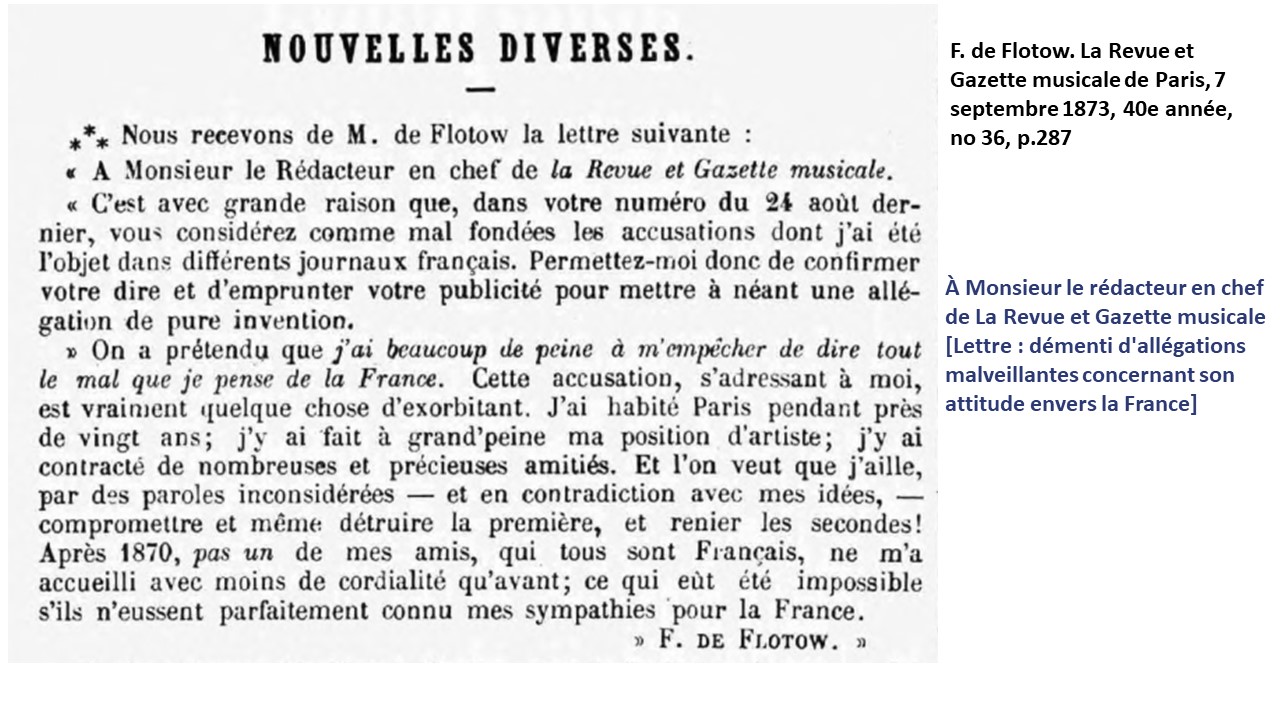
Während Flotows Lehrjahren in Paris ereigneten sich historische Ereignisse, wie zum Beispiel die Pariser Juli-Revolution 1830, Commune oder die 1848er Revolutionen in Paris und Deutschland. Später sollte der dt-frz. Krieg 1870 ein weiters einschneidendes Erlebnis darstellen. Über all diese historischen Verwerfungen hinweg sind Kunstschaffende ständig den nationalen Vereinnahmungen und Verwertungen ausgesetzt. Bei Flotow äußerst sich das in den Intrigen von unterschiedlichen Seiten, die gegen ihn gefahren werden. Von deutscher Seite mal als Demokrat verunglimpft (s.u.), wird er in Frankreich als frankreichfeindlich bezichtigt. Aktiv dagegenhalten, gehörte schon damals zum Geschäft im europäischen Raum. Mit dem Eintreten für Autorenrechte an Werken und deren Aufführungen schaffte er sich sicherlich nicht nur begeisterte Freunde in der Theaterwelt. Vergleichbar dem Disput über Patentrechte zu Hörnern, Trompeten und dem Saxophon, musste die Lebensgrundlage für viele Komponierende erst noch geschaffen werden. Eine Nominierung als Korrespondent der „Akadémie des Beaux-Arts“ ist da eine tolle Anerkennung. Die Probleme von höchst prekären Lebensverhältnissen von Kunstschaffenden im weitesten Sinne bleiben eine ständige Aufgabe und Herausforderung (Mäzene). Der kleine Fritz von Flotow hatte in seiner Kindheit mit genau diesen Einstellungen gegenüber dem oft brotlosen Beruf des Kunst– und/oder Musikschaffenden zu kämpfen. Als streitbarer Aristokrat mit demokratischen Zügen fiel er mitten in die soziale Zerrissenheit und politischen Wechselbäder des 19. Jahrhunderts.
Sax and the Sax
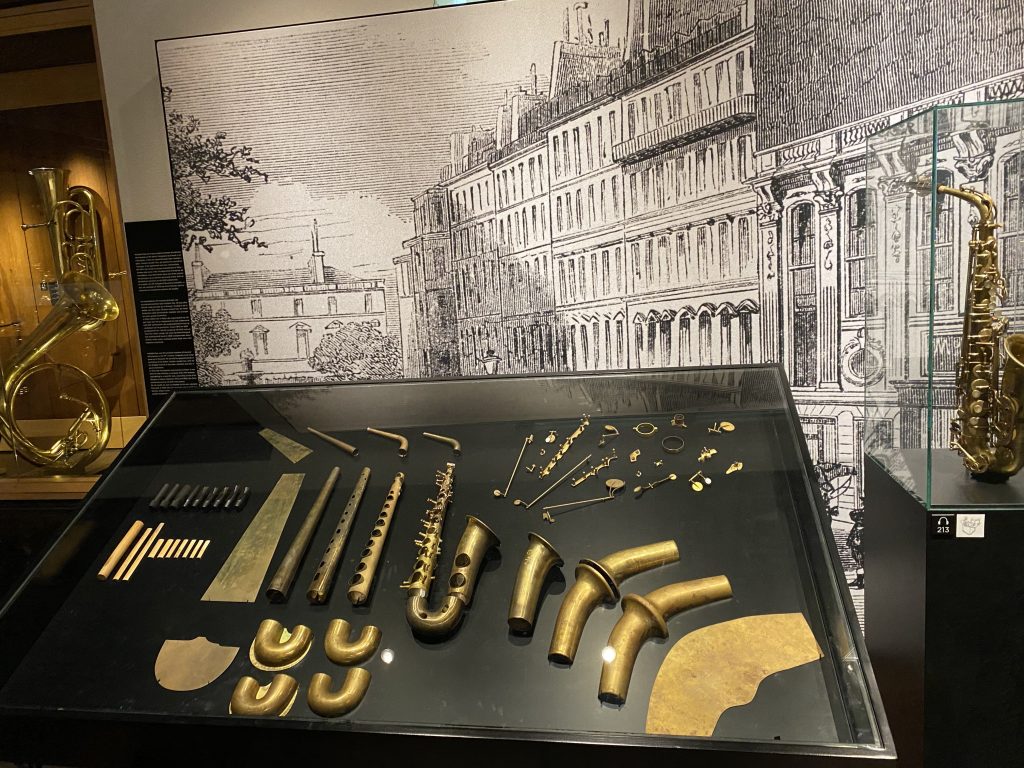
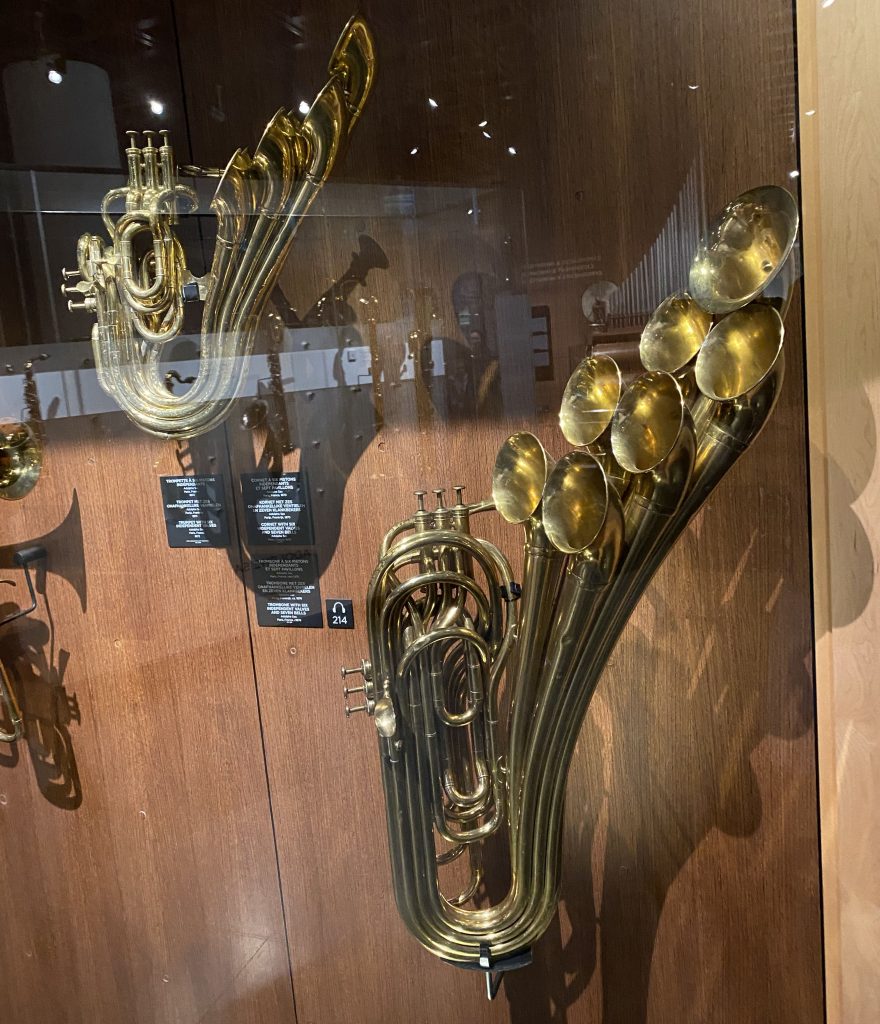
Adolphe Sax is celebrated for his celebrated design of musical instruments in what it known and played as the Sax family of musical instruments. Most museums around the world have an example of an early Sax instrument in their collections. Beyond the many fascinating musical delights and emotions produced with the instrument, there is a century-old debate around the issue of the patent attributed to the various designs claimed by Adolphe Sax for the Saxophone among others. The patent attribution was hugely different across Europe in the 19th century (largely inexistant in other parts of the world at the time). The reason for this were differing laws guiding intellectual property rights. “In France no preliminary examination was necessary before a patent could be granted; in Germany examination was obligatory; and … British patent laws, which allowed makers to register designs or apply for patents for developments that had been copied from abroad (imported inventions), as long as they had not been published in Britain.” (Mitroulia and Myers, 2008 p.93). There is a well-documented controversy about the “Berlin valves” and the contested patent in France of it. Design of instruments, particularly popular ones, guarantee sizable earnings for producers of instruments. After 20 years of the 1846 patent in France 1866 the patent expired and the copies could become even cheaper. Some ugly disputes in the middle of Europe were fought around this issue. Remember that military music was still accompanying troops for better or worse. “Visionary or plagiarist? The authors are unable to give a simple verdict. … The fact that Sax claimed originality for some borrowed ideas seems in retrospect less important than the true vision shown.” (Mitroulia and Myers, 2008 p.135). We might not agree with this statement. The visit to the MIM in Brussels gives a good overview of the evolution of musical instruments over thousands of years and across continents, which pushes us to rethink the link of society and technology through the lens of music and technology. Welcome to techno music beyond patent laws. Pushing the boundaries of copyrights on sound sequences to new limits.
(Sources: MIM Brussels, Rice A. R. (2009). Making and improving the nineteenth-century saxophone. Journal of the American Musical Instrument Society. 35:81-122. Mitroulia, E., A. Myers. (2008). Adolphe Sax: Visionary or plagiarist? Historic Brass Society journal, 20, 93-141).
Flotow Singelée
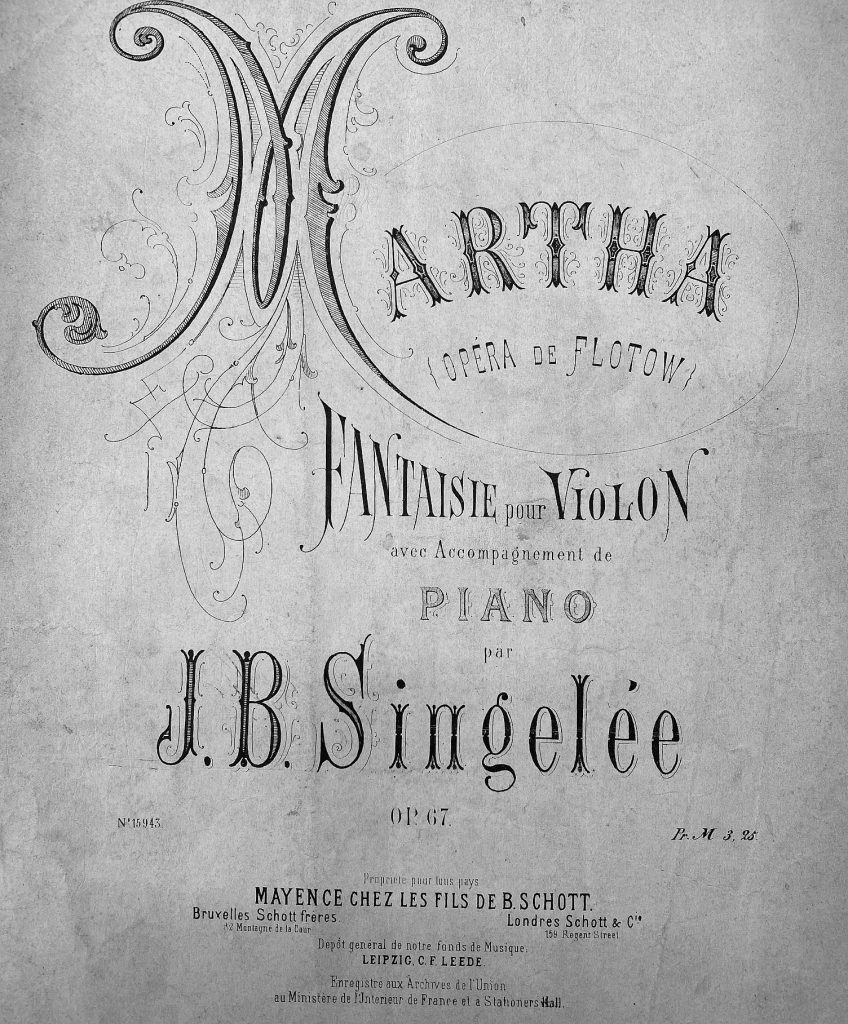
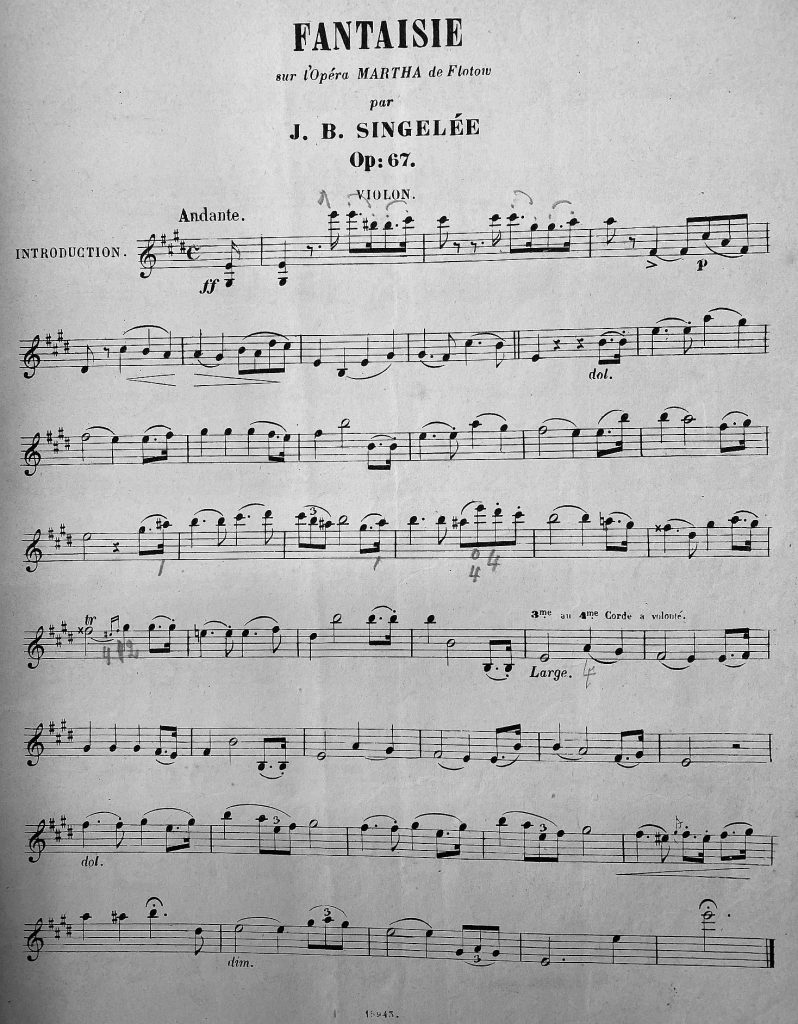
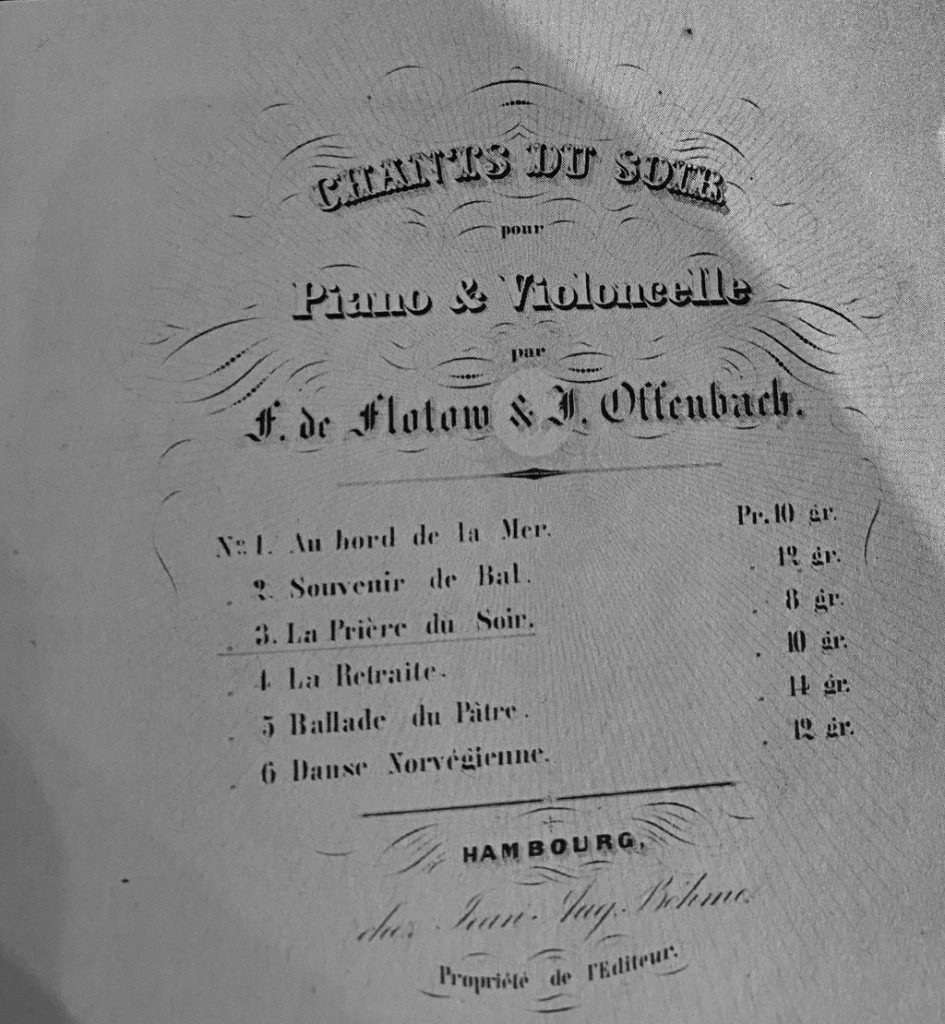
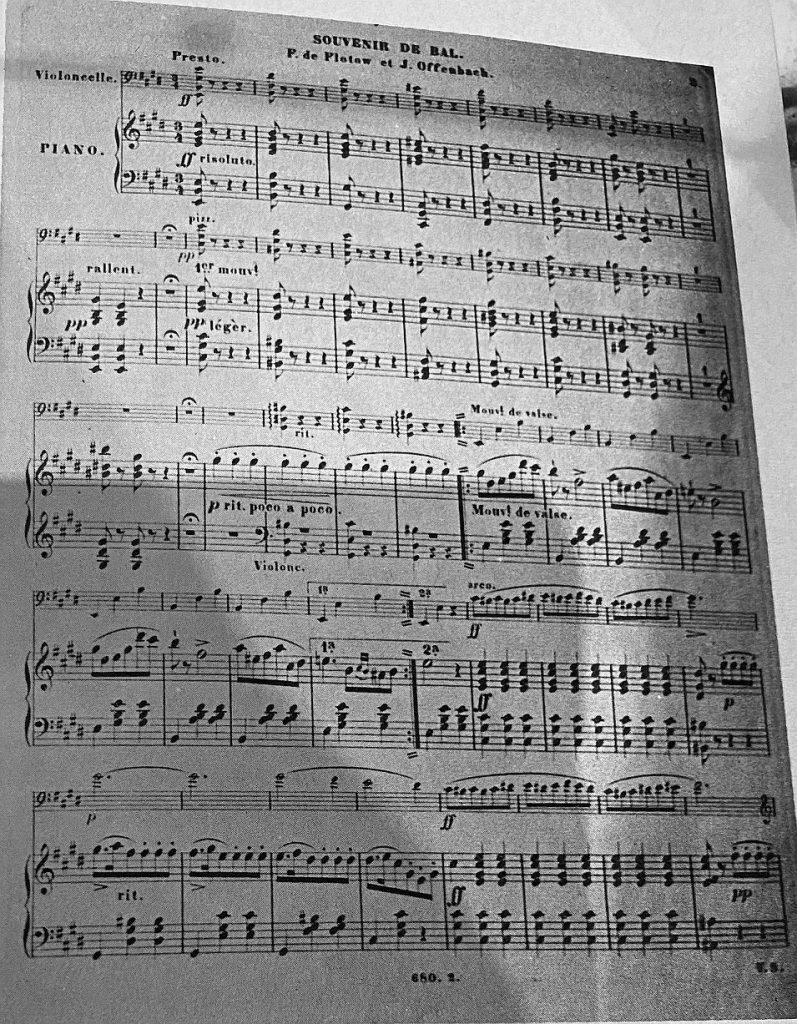
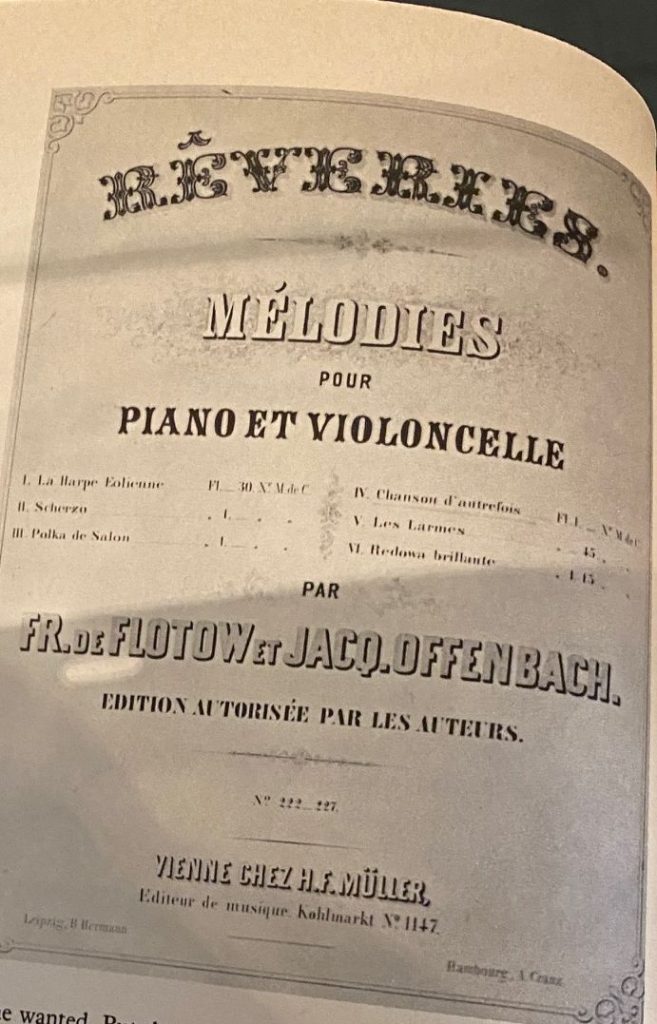
Frédéric de Flotow hatte sicherlich in Jean-Baptiste Singelée einen Fan. 2 seiner frühen Opern, Stradella und Martha, wurden mit Fantasien für Violine und Klavier von Singelée neu arrangiert. Der Geiger, Dirigent und Komponist Jean-Baptiste Singelée, geboren 1812 in Brüssel (damals noch zugehörig zu Frankreich) ist in Ostende 1875 verstorben. Eine spätere Würdigung im Kursaal in Ostende mit einem Konzert verdeutlicht die Wertschätzung über sein Wirken als Konzertmeister und Dirigent hinaus u.a. in Brüssel. Sein kompositorisches Werk ist beachtlich, auch wenn seine einzige Oper vielleicht nicht so viel Nachhaltigkeit erreicht hat, trotz des einprägsamen Titels: „Les dentelles de Bruxelles“. Uns interessieren hier seine Fantasien basierend auf Themen von Flotow, die als Drucke erhalten geblieben sind und in der „public domain“ einsehbar sind. Interessant ist auch die gemeinsame Zeit am „Conservatoire Royale de Musique à Bruxelles“ mit Alphonse Sax, der später die Patente auf die Instrumentenfamilie der Saxophone erlangte. Klassische Musik populär machen, war schon ein frühes Bestreben vieler Komponierenden und Musikschaffenden. Ganz nach dem Motto: „Ich mag keine Klassik, aber das gefällt mir“ werden so Personen erreicht, die sich ansonsten für ganz andere Musik und Rhythmen interessieren. Da hat der Fritz oder Frédéric de Flotow vielleicht noch mehr Chancen in der Unterhaltungsmusik. Mit Jacques Offenbach verband ihn eine Freundschaft, die “Co-creation” hervorgebracht hat. Beide verdienten sich wohl etwas Geld für den Lebensunterhalt in Paris in jungen Jahren.
Thucydides on War
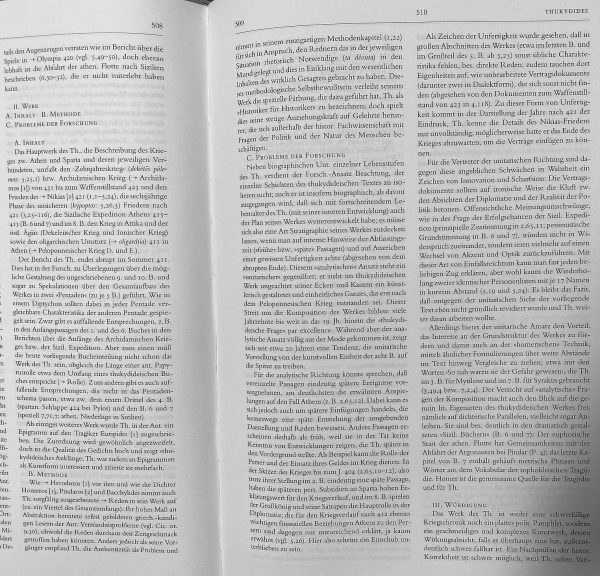
Thucydides (born around -460) has received a lot of fame for his “thick description” of the Peloponnesian War. He deserves continued praise even for inspiring statisticians. The account of events without emotions, but with lots of details, is often perceived as the beginning of historiography and history as science as well as empirical political science. The entry of “Thucydides” in the Encyclopedia of Social Measurement (2005, p.805) by P.A. Furia and A. Kohen cites the derivation of a causal or explanatory effect based on his historical account as a foundation of scientific approaches based on empirical data. “The growth of the power of Athens, and the alarm which this inspired in Lacedaemon (i.e. Sparta), made war inevitable” (Thucydides, I 23). The empirical assessment of the growth of power is subject to controversial accounts. Power may derive from population, wealth, industry, weapons, munition or general military capabilities or skills. The assessment would also need to consider relative rather than absolute strength of just a one-sided approach. Here we are in the middle of the Russian war on Ukraine from 24.2.2022 onwards. Statisticians discuss, whether it is just a single variable that has the overall explanatory power for the beginning of the war and what other intervening variables might be important to take into account to avoid a selection bias. Beyond this materialist explanation we might stress the importance of the sociological concept of “collective fear” (links to approximation through trust, xenophobia) of the strength of Athens as the underlying causation of the beginning of war. The ideation of perceived strength gives rise to the construction of many intervening processes (Coleman’s macro-micro-macro linkages), which make a simple causal attribution just to material strength an illusion or risky shortcut explanation. The Thucydidean Method (p.806) exemplifies much of the dilemma and spice of social science analyses. Scholars of diplomacy challenge the empiricist perspective in arguing that the breakdown of diplomatic discourse several decades before was at the beginning of the causal chain. Here again we can make links to the preparation of war by Russia through strategic diplomacy as well as the risks taken through a break-up of diplomatic channels of communication. The perceived strength of the opponent in war might play a decisive role at the beginning and at the end of war. The charisma of leaders, democratic decision-making and political alliances with neighbouring states, Sicily at the time of the Peloponnesian War, were further intervening processes. This is perhaps not all too different from today, if we consider the role of Belarus in the aggression of Russia against the Ukraine. In fact, Thucydides seemed to be convinced that under similar circumstances human behaviour would reproduce itself. Therefore, thick description of historical facts might still inform political leaders today and tomorrow.
(Reallexikon für Antike und Christentum, XV pp. 752,
Der neue Pauly, Enzyklopädie der Antike 12, pp.505 image below).
Dumky
In cultural performances it is always interesting to refer back to titles given or attributed for example to music pieces. Dumky is the title of Antonin Dvořák’s 4. Klavier-Trio opus 90. In the late 19th century Antonin Dvořák found inspiration in the notion of Dumky. Rather than just composing a “Trauergesang with few joyful intermezzi” he creates a new form for this Trio containing, quite unusual, 6 parts. Dvořák plays around with structure and sharp swings from “piano to forte” parts, “moll to dur” intonations reflecting sorrow and joy in frequent and refreshing short sequences. It feels sometimes like fireworks, but at times the sorrow of soldiers and their families becomes evident as well. However, the music proves resilient. Knowing that Dumky is a Ukrainian word and notion, the choice of one of the masterpieces of Antonin Dvořák close to the 24.2.2023, the day of the anniversary of the Russian attack on Ukraine is a commemoration of the sorrow caused by war and ways to overcome it. The “Concerts de Midi” of the Musée des Instruments de Musique” allowed us to travel through Ukraine a bit and experience the longing for better times. Joy will eventually prevail there again just listen to Dvořák’s version of the Dumky. Superb and effectful presentation of the work by the “Trio Impression” made for a memorable lunch break in the city centre of Brussels. The (virtual) visit of the Museum should be one of the attractions of visitors to Brussels as well, not just for the Art Nouveau architecture, but for the inclusive “global music” collection. 
Aphorismen L
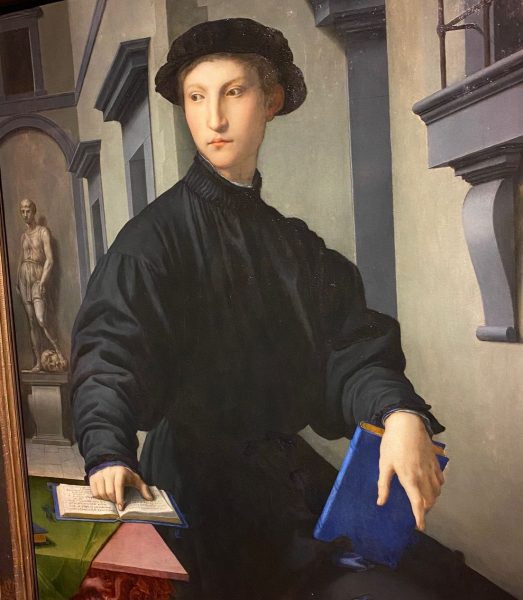
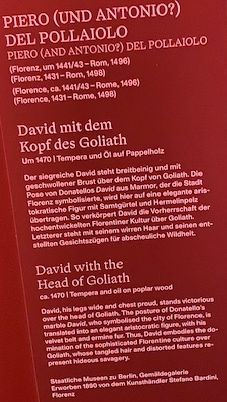
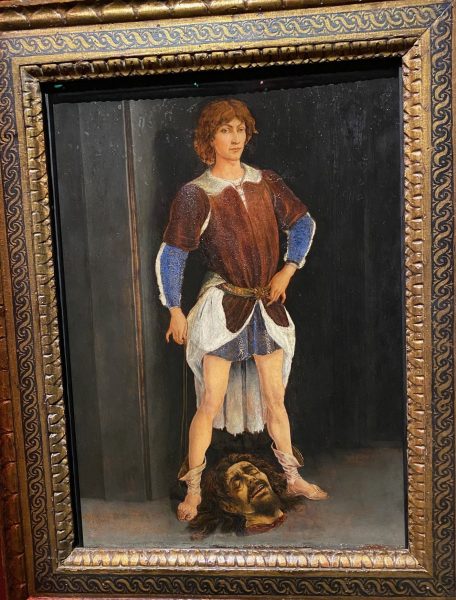
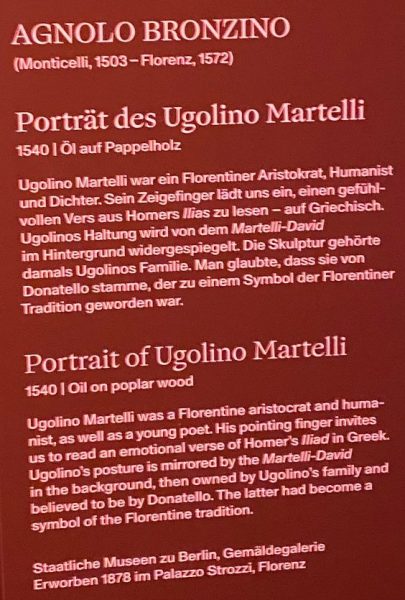
Lichtenberg hatte den späteren ausufernden Individualismus spekulativ in seinen Aphorismen vorweggenommen. Im ersten Band der Sudelbücher schrieb er bereits: „Je länger man Gesichter beobachtet, desto mehr wird man an den sogenannten nichtsbedeutenden Gesichtern Dinge wahrnehmen, die sie individuell machen.“ (1976, S.25). Unsere Fototechnik und soziale Medien haben eine wahre Revolution durch die Flut der allgegenwärtigen Fotos geschaffen. Was früher der Spiegel war, ist längst der schnelle morgendliche Blick in die Kamera des Handys geworden. Intelligente Spiegel wären also die durch Kamera aufgenommenen und direkt auf einen größeren Bildschirm übertragenen Bilder. Das Hautscannen auf Melanome oder checken von depressiven Phasen könnten eine frühzeitige Erkennung ermöglichen. Sollten wir das wollen? Aus derartigen Hinweisen lässt sich sozial invasiv Gefahren für den Einzelnen, die Einzelne ableiten, aber eben durch Bezug des Einzelfalls auf verallgemeinerungsfähige Vergleichsfotos. Gesichter länger anzusehen, das hat seine sozialen Grenzen. Mit Breughel durften wir das dann. Kindern wird früh erklärt Personen nicht anzustarren, dabei trainieren sie so, was das einzelne Gesicht so singulär macht, die Augen, Ohren, Mund, Zähne, Nase oder Schattierungen. Donatello, gepriesen als der Erfinder der Renaissance, spielte schon mit den Details der Gesichter. Mehr Mut zum längeren Hinsehen sollten wir aufbringen, auch beim Hinsehen auf einfache Charaktere, auf Armut statt Wegsehen. Oft ist David interessanter als Goliath. Die Rahmung des Bronzolino verstärkt geschickt eine zeitgenössische Analogie zum 24.2.2023.


Berlin Wahl 2023
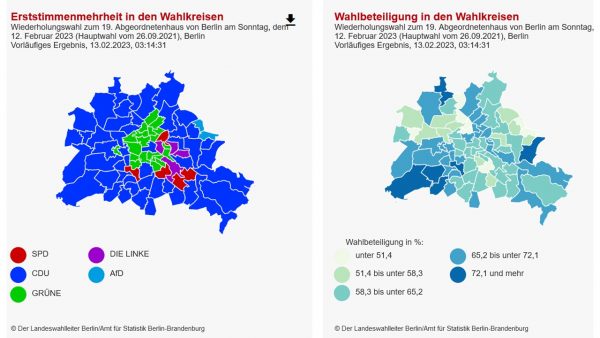
Wähle Wähler, sonst hast du die Wahl verloren. Die wiederholte Wahl geht sicherlich in die deutsche Wahlforschung ein. Murks bei der Durchführung einer Senats- oder Landtagswahl dürfte in etablierten Demokratien nicht in diesem Ausmaß vorkommen. Solche Versuche, demokratische Systeme zu delegitimieren, kennen wir aus demokratiefeindlichen Umgebungen. Die angeordnete Neuwahl hat eine um ca. 150.000 Stimmen geringere Wahlbeteiligung ergeben, bei einer Anzahl von ca. 1.500.000 abgegebenen Zweitstimmen von ca 2.500.000 Wahlberechtigten. Neuwahlen bringen also nicht unbedingt ein faireres Ergebnis im Sinne der Beteiligung an Demokratie mit sich. Im Gegenteil, Frustrationen äußern sich an Wahlurnen in Form von Denkzetteln statt Wahlzetteln. Die Summe der entschieden für Demokratie eintretenden Wählerstimmen, die im Senat vertreten sein werden liegt nur bei 1.170.905 Stimmen. Das ist keine absolute Mehrheit der Wahlberechtigten mehr. Damit sollten die demokratischen Alarmglocken klingeln. Während sich Rot-Grün-Rot im Zentrum behauptet ist der Speckgürtel deutlich schwärzer geworden. Die Neuwahl hat ca 1 von 10 Wählenden abgeschreckt. Sogar die Protestwählenden und ungültigen Stimmen sind rückläufig. Meinungsäußerung über das Parlament wird dadurch weniger repräsentativ und das kann auch gefährlich werden. Interessenvertretung findet dann mehr auf der Straße statt als im Parlament. Partikularinteressen, die Tierschutzpartei hat 36.233 Zweitstimmen gewinnen können, die FDP nicht einmal das doppelte davon, können Parlamente bereichern, in dem sie kleine Gruppenmeinungen ermöglichen. Das fordert die Koalitionsfähigkeit und den Koalitionswillen aller demokratischer Parteien heraus. Allzu knappe Wahlergebnisse von 105 Stimmen, wie zwischen den Grünen und der SPD in Berlin bei den Zweitstimmen schüren kontraproduktive Glaubwürdigkeitsdebatten. Der Gerichtsbeschluss zur Neuwahl 2-2023 ist gültig, verloren hat aber eher die Demokratie als Ganzes, die das Gericht zu schützen glaubte. Vielleicht am Überraschendsten von allem ist, dass die Skandalpresse nicht wirklich von diesem Ereignis profitieren konnte. Die noch Lesenden sind wohl auch von der belehrenden Berichterstattung dazu eher angewidert gewesen. So schreitet das Auseinanderleben der Stadt und der Gesellschaft weiter voran. Solche sozialen Prozesse sind lange bekannt. Sie heißen „Schelling’s process of segregation“. (genauer Gentrification) Eine fortschreitende Entmischung einer städtischen Bevölkerung ist die Konsequenz. Schelling’s Modell ist ein gutes Beispiel. Der Markt alleine, auch mit häufigen Wahlen, wird die Gesellschaft nicht zusammenbringen oder zusammenhalten. Bund gegen Stadtverwaltung gegen Bezirksverwaltung bringt noch mehr Unzufriedenheit in die Stadt. Es ist Karneval und die Berliner Bären tanzen noch gemeinsam, hoffen wir mal. (Datenquelle: Wahlleiter Berlin)