
Printing is a more than 5 century-old industry. The invention of the printing press is mostly attributed to Johannes Gutenberg from Mainz. However, the Asian precursor of mobile type letter printing of Cai Lun of the Jikji dates back to 1377 in Korea. These early masterpieces of the inventors of print can be inspected at the Bibliothèque nationale de France (BnF). The summary term for this technical innovation by historians is the “age of start-ups”. The procedure for Gutenberg to have 2 financing rounds with his “business angel” Johann Fust, who is later claiming even almost the full rights of the printed volumes, resembles the start-up spirit of today as much as that of the 15th century. Not belonging to the Patrician families, it was very difficult to defend your rights in courts of the gilds. The printers also became a very powerful intermediary themselves. They either sold pre-ordered books or had to take the risk of assessing the market for their product. The editors of today do much the same in the trading world of books and rights of authors and translators. Merchandising products of the church and later churches (protestants Luther Bible) had a particular value to both the clergy and its devotees, not to mention the shop keepers in-between as well. Pilgrimage business was another start-up industry still going strong in the 20th and 21st century and popular in all religions. The early prints and typographs applied are fascinating in themselves, but there is a lot to be learned about the foundation of a new industries that still employs millions of people and is at the origin of learning revolution similar to the one we are living with the digital technologies today. The European languages with respect to printing had a certain competitive advantage, based on 26 letters of the alphabet, far fewer types were needed to print books than the more than a thousand different signs for printing a Korean text. In terms of printing this is cost-reducing and probably you do not need to be able to read yourself to be a printer or it makes proof reading more accessible favouring benefit margins. After all, the age of industrialisation probably had a precursor in the printing industry. The potential of the printing industry was only exploited much later to the full extent. Comparable to “peak oil” we hope to have reached “peak paper” at last as well for the sake of our planet and our own survival. 
Bauhaus Haus
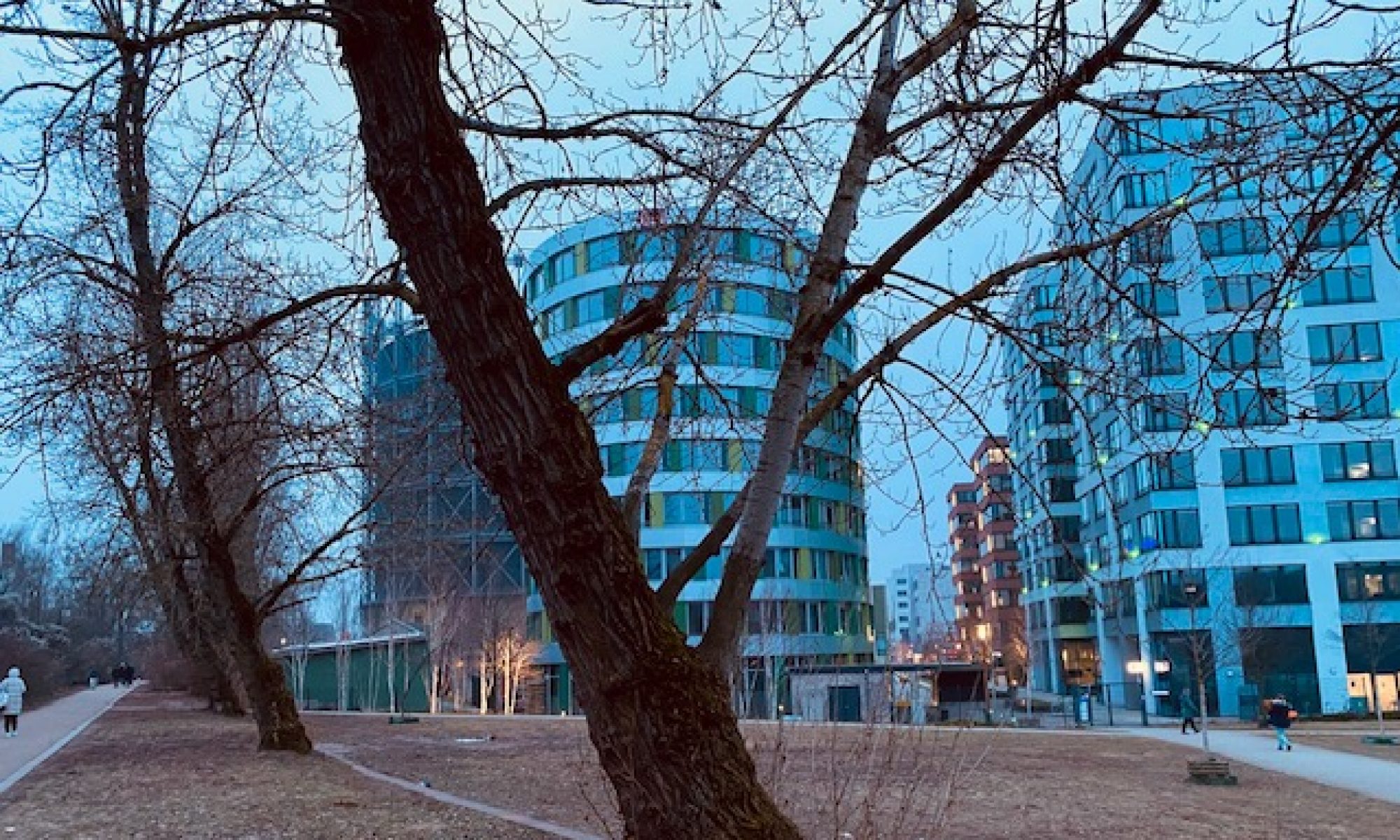
Zu den Ursprüngen des “Bauhaus” in Weimar gehört das Haus, welches die Feder von Georg Muche entworfen hat. Auch wenn das Bauhaus überwiegend mit Walter Gropius assoziiert wird, ist die Parallele von Georg Muche zu dem französischen Maler und Architekten Le Corbusier frappierend. Beide waren geprägt durch die eigene Malerei und Zeichenkunst. Die Entwürfe für Häuser oder Villen folgten Zeichnungen, die wiederum einer “cognitive map” mit Prinzipen der Konzeption und der Konstruktion folgten. Treu den Ansätzen des Bauhauses verwirklichte Muche bereits in 1923 sein Musterhaus. Modulare Bauweise, preisgünstige Erstellung, aktuelle Technologie, perspektivische Blickwinkel und Lichtspiel. Eine gewisse Parallelität zu der Villa La Roche und Jeanneret von Le Corbusier besteht nicht nur in der zeitlichen Dimension, sondern auch in dem Einfluß von kubistischem Spiel mit Perspektiven in Haus und auf das Haus. Die von der Malerei herkommenden Architekten entwerfen ihre Räume mit “The painter’s eye“. Vielleicht kommt nicht zuletzt daher der Traum vom Eigenheim, der so prägend bleibt in ganz Europa und der westlichen Welt. Geprägt von den 1910er und frühen 1920er Jahren war kostengünstiges Bauen eine wichtige Rahmenbedingung. Relativ kleine Grundrisse, modular erweiterungsfähig, preiswerte Baustoffe sorgten trotz Schwierigkeiten für rasche Realisierungsmöglichkeiten. Eine gewisse deutsch-französische Parallelität drängt sich auf. LeMonde vom 6.4.2023 beschreibt ausführlich das Dilemma des 21. Jahrhunderts. Der Traum vom eigenen Haus wird für die nächsten Generationen schwieriger zu realisieren sein. Rohstoffpreise, Grundstückspreise, Arbeitslöhne, Kreditzinsen schnellen in die Höhe. Der Traum vom Eigenheim bleibt ein Traum älterer Generationen oder der glücklichen Erben solcher Häuser, fast unerreichbar für Durchschnittsverdienende. “Gemeinsam statt Einsam” ist die noch gültige Schlussfolgerung, die bereits Henning Scherf formuliert hat. Die neue Herausforderung für den Bau war, ist und bleibt die soziale Frage, der wachsenden Ungleichheit entgegen zu wirken. 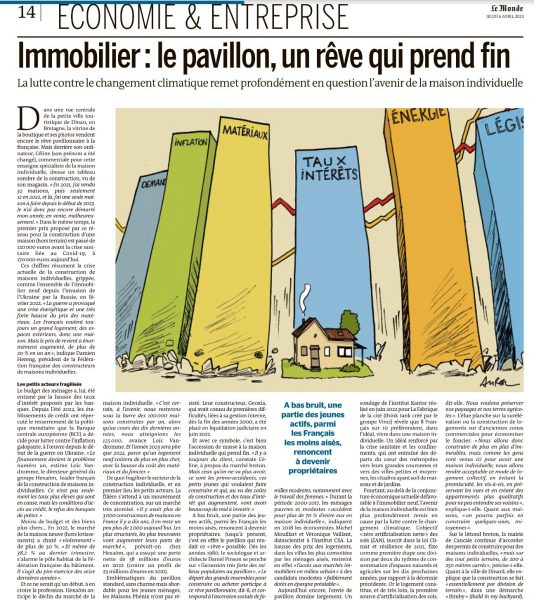
Monitor SDGs
The advantage of the goal-setting at the U.N. is definately that the progress or regress can be monitored. To do this, a definition for each goal in words is presented, which has to be translated in all languages. Some notions are subject to conceptual issues. Poverty, for example, in an individualistic society needs to be defined at an individual level. In societies where women and dependent children or elderly persons are part of one household, the household is the unit of definition. After the conceptual clarification the measurement of a set of indicators needs to be identified. How do we measure poverty? Here the focus is either on absolute poverty (lump sum of money available) or relative poverty (relative to others in society). Stability of poverty, poverty as transitional or access to poverty relief programmes as well as charity organisations in a country will play a role here. No simple answers and comparisons here. Timeliness of data is another issue. Data and sampling are costly in itself, therefore not every year the measurement is repeated to gauge progress or regress.
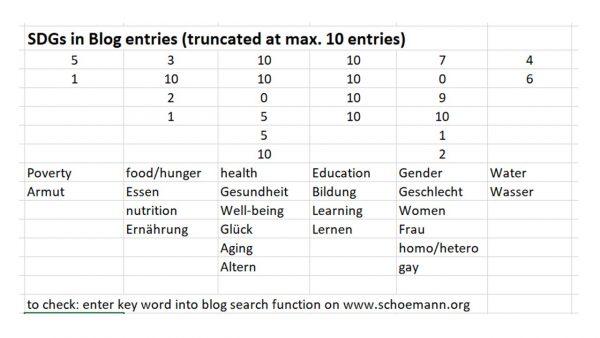
I take account of the SDGs in my own work in the form that the 17 SDGs of the U.N. are part of my work as well. In consulting practice it is a frequent task to check for example a larger enterprise on its contribution to the implementation of SDGs locally, nationally or globally. To start a reflection phase of my blog entries I just used the “search function” of the webpage and entered the first 6 SDGs in English and German to check, whether my webpage is SDG-proof. The result shown below in simple frequencies. Education and Learning come out as top scores. Other areas show fewer entries. In some goals, like gender, the keywords to check for are more diverse and return less precise results. This opens the conceptual box again. The notions summarised under a SDG goal might be numerous or singular – which leads to a bias in results. “Bildung” in German finds also “Weiterbildung” = further or continuous education at the same time, not the English term education. Subtle differences, but potentially huge effects. Overall, an interesting exercise to analyse my/your own mind and business practice. Focused attention versus broad coverage of SDGs, each has its strength and weaknesses. Goal 17 to strengthen the means of implementation and global partnership may build just on many more organisations doing their SDG-homework. Name, Measure, Improve – that is the action. SDGs in Blog1-6
Goals SDGs
The Strategic Development Goals (SDGs) date back to 2015 for their enactment. The goal setting is a routine procedure for the UN and its subsidiary international organisations. This makes a lot of sense, because if you do not name the problems, you are unlikely to address them in a systematic fashion. Quantifying the goals is then a much more difficult task and that then already part of the ensuing discussion about idealist, illusive or realist goals. Most diplomatic exchanges focus on this goal setting and scheduled monitoring as well as more comprehensive evaluations of goal achievement. The SDGs comprise another strategic twist. Rather than concentrating on national governments, non-governmental organisations and businesses were encourages to actively participate in the implementation of the goals. After more than 7 years the achievements of intended improvements should become visible. Well, goal setting and monitoring over the last seven years is likely to reveal failure on several of the 17 indicators. Covid-19, disruption of supply chains, wars causing recessions and high inflation are major factors to explain failure. However, knowing the reasons of failure is a substantial part of improving in the next coming years. Returning to cooperation rather than confrontation could do the trick. Even after wars cooperation to organise relief is the only way forward to come closer to achieving the SDGs.
Bold initiatives like the Marshall-Plan for Europe in the 20th century made it possible to rise from the ashes. Countries that have been in ruins at that time, now have important roles as financial contributors to support other regions. The goals remain the same, the challenges as well. 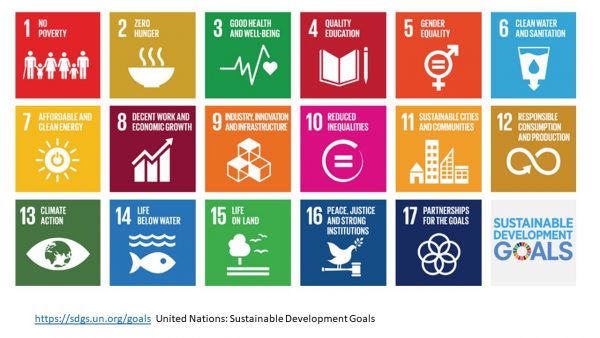
Repair 2
Ever since the visit to the exhibition “Care, Repair, Heal” at the Martin Gropiusbau in Berlin the image of flying protheses rests with me. Repairing the human body is feasible in many fantastic ways. The inner wounds, however, are less visible and sometimes hurting even more. In recognition of the thousands of victims again in the Russian war on Ukraine’s territory and the atrocities causes by mines to injure humans, we have to assist in caring, repairing and healing. This has not changed since the Great War or the Nazi-induced mass murder and mutilations. Humanity is unable to bann such landmines despite international conventions trying to achieve this.
The strong image produced by the protheses as clouds in the sky (Kadar Attia) remind us of the lasting effects of war. Images we had associated with the mutilated soldiers and civilians of the 2nd world war, many still around us in the 60s or 70s, are coming back to Europe. Writing about the 20th century, Aurélien Bellanger described in words a similar traumatising vision of flying protheses in his story of the lonely poet and philosopher. We cannot repair history, but we can work towards reducing useless additional suffering. It is part of the absurdities of our world that technology has created masterpieces to assist us and reduce suffering, but at the same time technology is applied to create the worst suffering as well. Rather than thinking of this relationship as 2 sides of the same coin, I prefer to hope for dialectic evolution towards a better synthesis solution using enforceable international law. Yes, I still have a dream! … 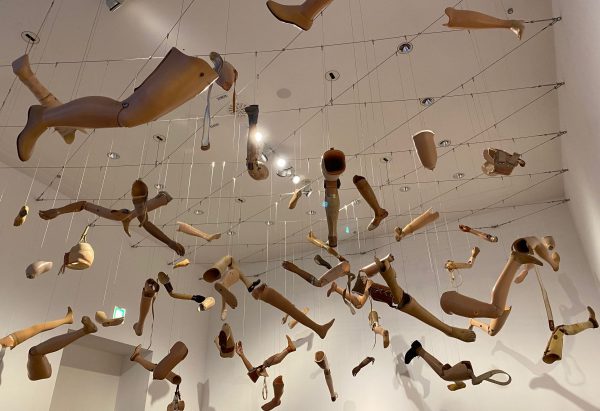
Construction
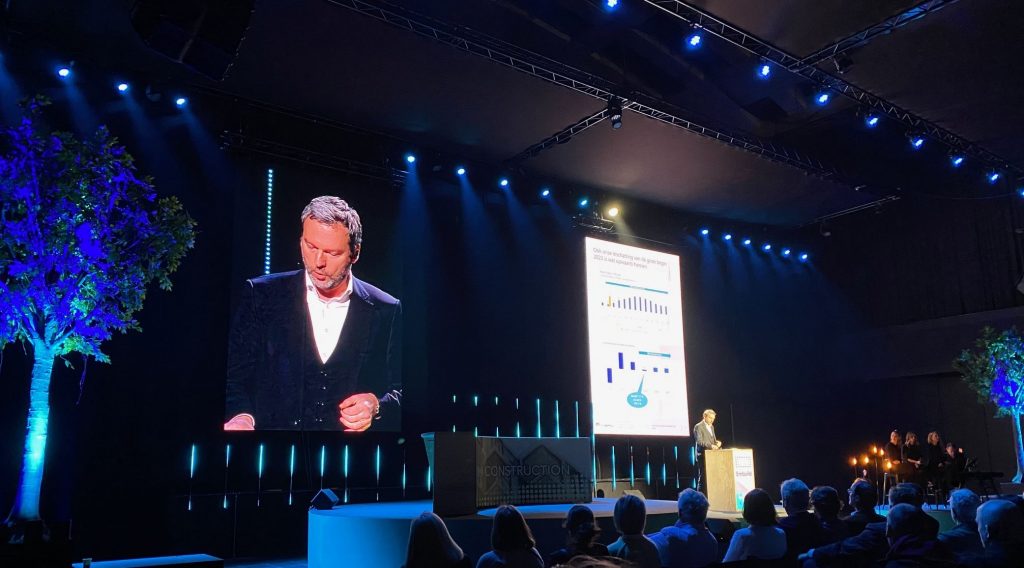
Construction as an industrial sector was growing strongly in the last decade. Corona crises, supply chain disruptions have slowed growth in the last two years, but the sector was still growing in terms of employment. The topic of skill and employee shortages hardened from year to year. In March 2023 the sector has more time to reflect on the somehow rapid, if not sometimes chaotic growth of the previous decade. The macro-economic scenario has changed now. Following on supply chain disruptions, we saw the high inflation rates of raw materials. The war of Russia against Ukraine caused energy prices to soar and eventually come down again. Latest worry is the increase in interest rates to finance construction projects of public, private and the business sector.
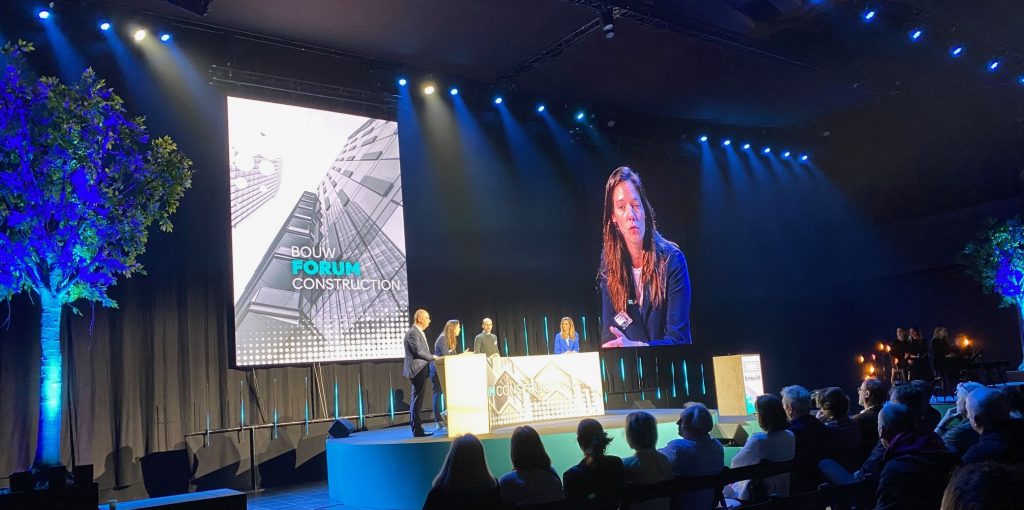
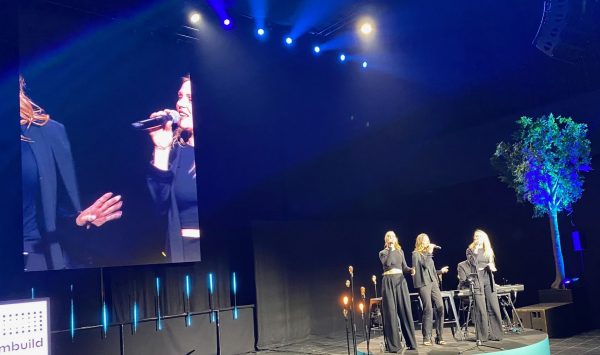
The whole sector is known for its economic role of forerunner of economic cycles, up or down. So, what are the prospects? Not so rosy, as the experts explain for example on the expert forum of the Belgian construction forum. The official from the Belgian National Bank announced a rather bleak outlook for the sector. New construction is stalling, but the renovation of buildings, especially for the purpose of reducing energy consumption is still strong and growing. Long-term reduction of emissions keeps the sector busy, thanks to the EU green deal in my opinion. The public, private and business investments in buildings all keep growth from turning negative. 2 big worries remain: (1) skill shortages and the lack of employees signalled in job openings in the sector is high and still rising; (2) the scarcity of women employed in the sector is still trailing most other sectors. Most companies have seen earnings grow over the last decade, sufficient time to build up reserves for the tougher quarters to come. Skill shortages and gender biases are harder to overcome. The Construction Forum in Brussels addressed both topics and tries to convince employers and the younger generation. Construction companies have to work on their male-dominated image was one of the take home messages Hélène de Troostemberg, the Director of Build Up pronounced.
It is not certainly not enough to have a woman as moderator of a panel and an all-female singers group accompanying the presentations. Women as architects, technicians and builders will make the sector even more attractive for the next generation of men as well. Aging of employees in the sector is another tough issue waiting for innovative solutions. Digitalisation of every step in the value chain is an additional necessary step. The leadership and trade unions in the sector are well aware of these facts. Maybe next year women engineers will pilot the robotics demonstration rather than being in charge of building a nice atmosphere with their songs. I must admit I liked the intro song to the Forum: “We build this city on rock ‘n role”, but I am less sure whether rock ‘n role will solve the gender and recruiting issue of the sector. However, naming and framing the problem(s) is already part of the solution.
Patient
The pandorra’s box is wide open. With ChatGPT applications the discussion has started to use it for more medical applications. As for much research having assistants to support you in routine tasks in your research is a standard procedure. Now the medical profession is also discussing the use of ChatGPT for the boring and time-consuming task to draft reports. The first study, published in the Lancet Digital Health, evaluates in a preliminary form the patient-sensitive form of communication between clinics and patients. Beyond chatbots, which organise information from calling persons, the obvious application is the use of ChatGPT to draft patient clinic letters. The example in the study is the skin cancer reporting. Lengthy reporting back to patients of lots of “hot and cold spots” might be done by AI with sufficient reliability. All depends on the correctness of the data base, the screening and samples taken. The communication between clinic and patient can then focus on other issues. ChatGPT just like neuroflash has its strength in being able to control for the “level” of the language. In addition to the choice of the output language it is possible to use, as it is required in the U.S., an average understanding level of patients. In other words, easy language rather than medical expert language is an option or even a requirement. Anecdotal evidence and the PISA for adults studies show how difficult it can be to talk the same language even if you talk the same language. There is ample scope for improvement and ChatGPT or neuroflash for German applications of AI are prime candidates to fill this gap in clinic patient communication. Considering that our mobile phones (can) do already most of the scanning of skin cancer dots and AI is used in pre-scanning the images and recommends to consult medical expertise, the next step to improve health delivery seems feasible. Whereas the statistical analysis explains 62% of “median humanness”, the score of 37% of explained variance of median correctness is a surprise as the basis of the model to explain deviation from correctness should be as low as possible. Medical data, like many other data, is not simply binary. The way forward is most likely relying on a “human-in-the-loop” approach for some time. A limited human input might reassure many patients as well.
Source: Stephen R Ali, Thomas D Dobbs, Hayley A Hutchings, Iain S Whitaker (2003). Using ChatGPT to write patient clinic letters. Lancet Digit Health 2023 https://doi.org/10.1016/S2589-7500(23)00048-1 
Aphorismen L2
“Man soll öfters dasjenige untersuchen, was von den Menschen meist vergessen wird, wo sie nicht hinsehen und was so sehr als bekannt angenommen wird, dass es keiner Untersuchung mehr wert geachtet wird.“ (Lichtenberg S. 50). Eine eindrückliche Warnung sich nicht nur den großen Wellen und Wogen der Öffentlichkeit oder der Wissenschaften hinzugeben. Wo viele nicht hinschauen oder bewusst wegsehen, da gibt es meist einiges zu ergründen. Die Soziologie der kleinen Dinge, der Alltagsgegenstände bringt faszinierende Erkenntnisse hervor. Nehmen wir nur einmal die Bekleidung beim Kochen. Von der Kittelschürze zum gestylten Outfit für die Kochshow zum Gesellschafts-cooking“ haben sich Kleidungsstücke und Berufe in ihrer Funktionalität gewandelt. Dem Anlass entsprechend wird sich gekleidet. Kochen ist von den Hinterzimmern mancherorts ins Zentrum der Gesellschaft mutiert. Wertschätzung von Handwerk und delikate Zubereitung sollten Rekrutierung erleichtern. Bleibt nur noch die Arbeit drumherum. Einkaufen, Einräumen, Einweichen, Abtrocknen, Aufräumen. Die Arbeit geht uns nicht aus, sie verändert sich nur. Wertschätzung der kleinen Aktivitäten, desjenigen, „was von den Menschen meist vergessen wird, wo sie nicht hinsehen“ kann so aufschlussreich sein. Hinschauen und Verstehen lernen bleibt angesagt. Lichtenberg weiter: „Man frage sich selbst, ob man sich die kleinsten Sachen erklären kann; dieses ist das einzige Mittel, sich ein rechtes System zu formieren, seine Kräfte zu erforschen und seine Lektüre sich nützlich zu machen.“ Aphorismen können ein ganzes Forschungsprogramm auf den Punkt bringen und so die kleinsten Beiträge noch als nützlich erweisen. (Foto: Schreibatelier von George Sand in Nohant). 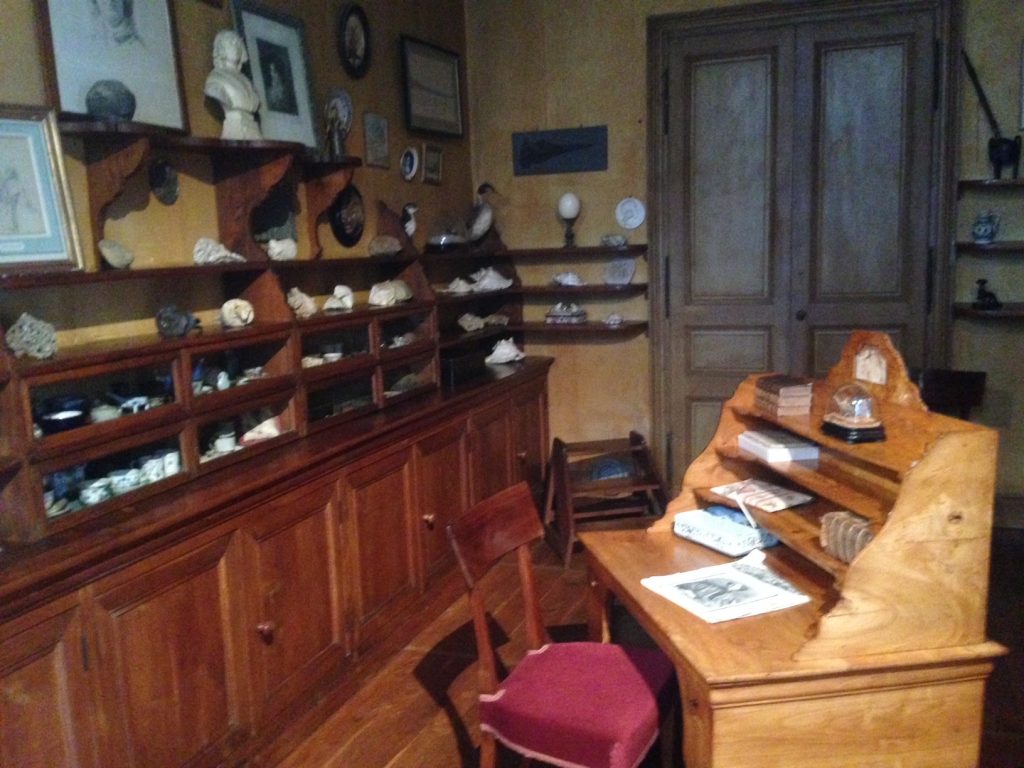
90s
Summary terms for the 1990s range from the “global 90s”, the “roaring (again) nineties”, the “fabulous 90s” to the “gay 90s”. After the fall of the Berlin Wall, a new era of reaping the economic benefits of more peaceful times had started. Re-unification or unification of Germany could have unsettled the balance of power on the continent. However, a firm integration into the European project and the withering away of the Cold War on a more global scale allowed economic growth in many countries and even continents. Joseph E. Stiglitz claimed it was the world’s most prosperous decade even. The overly popular view that unrestricted market principles will allow for rapid growth reached huge crowds before the new limits to growth (which were the old ones) and rising imbalances (in trade and among different firm sizes) became clear later on. The outlook of “America in the global ‘90s”, written in 1989 is overly optimistic. Nevertheless, it describes fairly well the almost euphoric view at the beginning of the nineties. “World economic growth will strengthen in the 1990s. Democracy and free markets are on the upswing. U.S. will retain its lead in technology and world trade. Openness to foreign capital, goods, immigrants is key. Budget and trade deficits will continue downward. America is a strong nation getting stronger.” (Kiplinger and Kiplinger, 1989 p.1)
Ten years make a decade, but the retrospective analysis might not make for such a rosy overall image. In other fields of study, many saw the real societal changes in the 90s in the liberation of views on gender. Gay movements and queer studies are on the rise throughout these years. The realisation of “Genders” beyond the male – female, binary vision captures more global attention as well. “Education reform in the ‘90s” (Finn et al. 1992) start to focus more on “higher-order learning skills, expanded methods of student assessment” (Joseph Murphy 1992 p.13) in addition to interdisciplinarity, core curriculum, original source materials and teacher choice. Diversification is high on the agenda, despite slow progress in social matters and high unemployment in many countries at the beginning of the 90s. Capture the peace dividend wherever it seems possible. Rapid globalization was the panacea of the decade; before the iron curtain would come down again 22 years later. The photographic art by Didier Engels (Affordable Art Fair Brussels 2023) reflects the bright and colourful side of globalisation as much as the overload. The 90s made us believe mainly in the bright side of it. 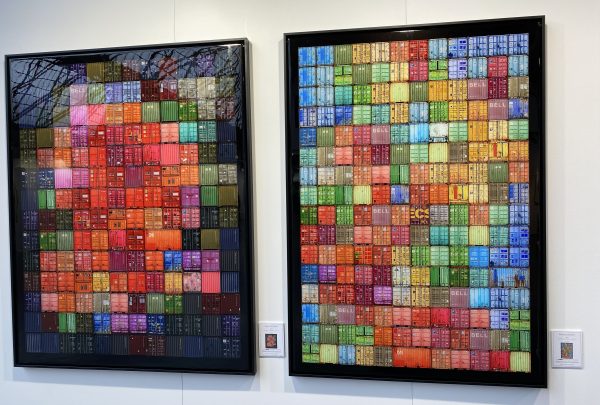
Sax and the Sax
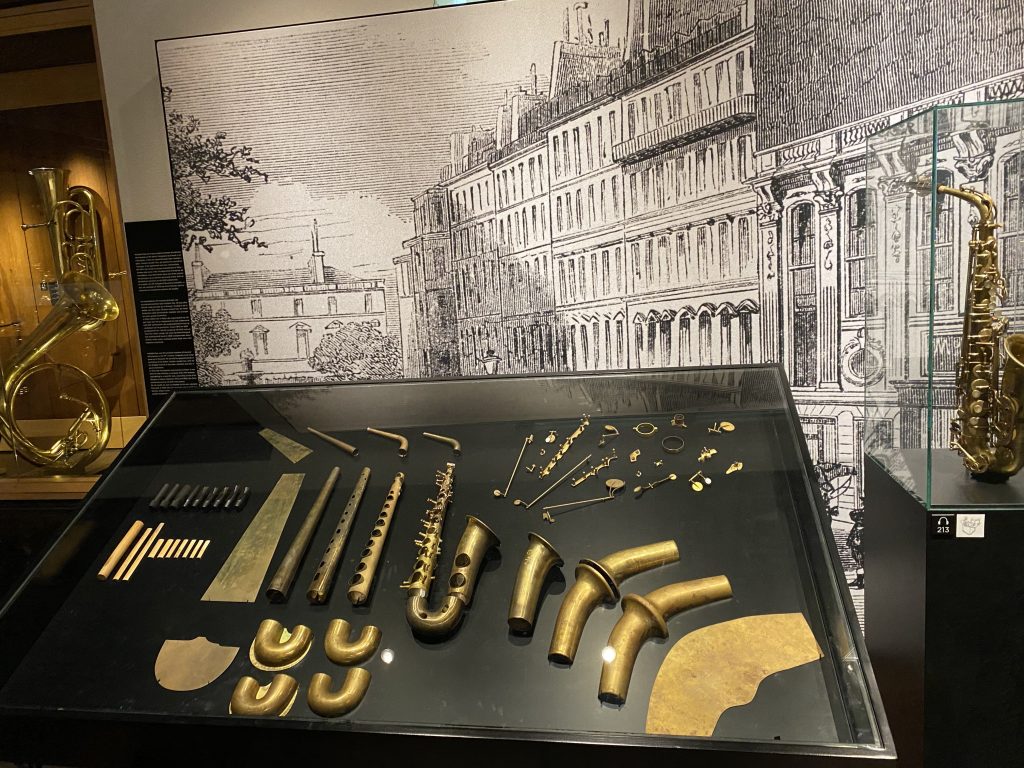
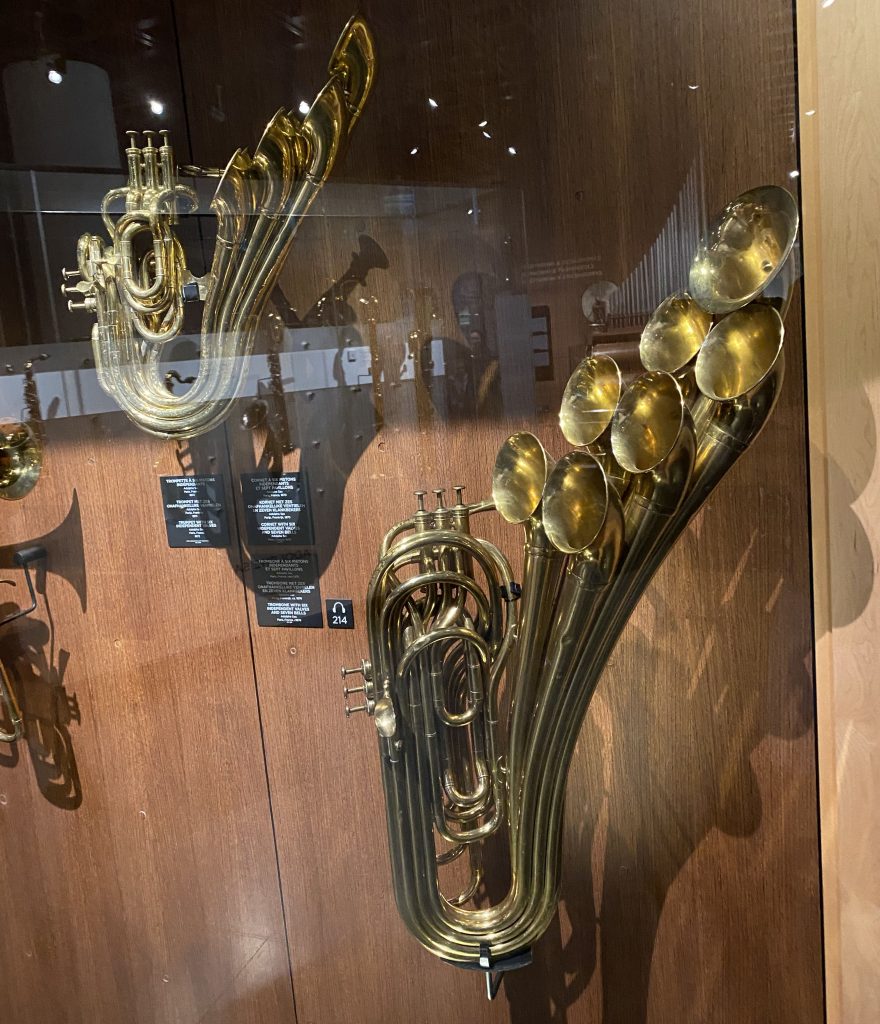
Adolphe Sax is celebrated for his celebrated design of musical instruments in what it known and played as the Sax family of musical instruments. Most museums around the world have an example of an early Sax instrument in their collections. Beyond the many fascinating musical delights and emotions produced with the instrument, there is a century-old debate around the issue of the patent attributed to the various designs claimed by Adolphe Sax for the Saxophone among others. The patent attribution was hugely different across Europe in the 19th century (largely inexistant in other parts of the world at the time). The reason for this were differing laws guiding intellectual property rights. “In France no preliminary examination was necessary before a patent could be granted; in Germany examination was obligatory; and … British patent laws, which allowed makers to register designs or apply for patents for developments that had been copied from abroad (imported inventions), as long as they had not been published in Britain.” (Mitroulia and Myers, 2008 p.93). There is a well-documented controversy about the “Berlin valves” and the contested patent in France of it. Design of instruments, particularly popular ones, guarantee sizable earnings for producers of instruments. After 20 years of the 1846 patent in France 1866 the patent expired and the copies could become even cheaper. Some ugly disputes in the middle of Europe were fought around this issue. Remember that military music was still accompanying troops for better or worse. “Visionary or plagiarist? The authors are unable to give a simple verdict. … The fact that Sax claimed originality for some borrowed ideas seems in retrospect less important than the true vision shown.” (Mitroulia and Myers, 2008 p.135). We might not agree with this statement. The visit to the MIM in Brussels gives a good overview of the evolution of musical instruments over thousands of years and across continents, which pushes us to rethink the link of society and technology through the lens of music and technology. Welcome to techno music beyond patent laws. Pushing the boundaries of copyrights on sound sequences to new limits.
(Sources: MIM Brussels, Rice A. R. (2009). Making and improving the nineteenth-century saxophone. Journal of the American Musical Instrument Society. 35:81-122. Mitroulia, E., A. Myers. (2008). Adolphe Sax: Visionary or plagiarist? Historic Brass Society journal, 20, 93-141).