Infrastructure

For some societies and cities it is a continuous question of how much resources we should invest in infrastructure. Access to funding is a major concern. The calculation of the viability of the project needs careful examination and evaluation. Societies have very different kinds of preferences and, interestingly, about time horizons for their deliberations.

There are examples that have been built to last a century and lasted 2000 years. Other worst scenario examples are built for just one World Expo and torn down afterwards. The Eiffel tower is such an example of the latter kind, but it lasted longer than 100 years by now. We should be thinking more about time horizons as it remains an often overlooked part of investment in infrastructure. The oldest city in Germany has many buildings from the Roman occupation that still characterize the city’s architecture. This remains an important economic factor for the city of Trier as an attractive location for tourists throughout the year. Only wars or negligence may cause severe deterioration if infrastructure has been built with an emphasis on its lasting value. The narrow-minded investment in downhill skiing like in the Swiss Alps is at best expected to last 20 years. For trees to grow there again it will take 50+ years. Sustainable investment will be viable and vital in many respects. High interest rates force us to recalibrate our societal and private s again. Taking into account a longer time frame for investment we indirectly build infrastructure that should last longer. Moving beyond short-termism is necessary, particularly in the field of investment in infrastructure.
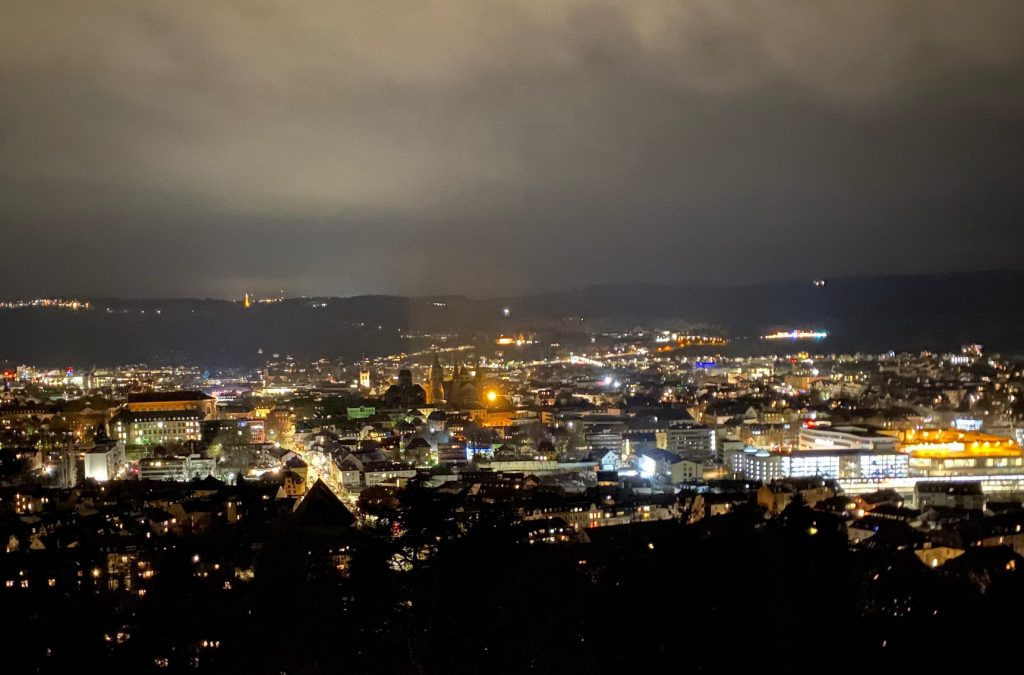
Trier 2023-12

Clearing Rubbish

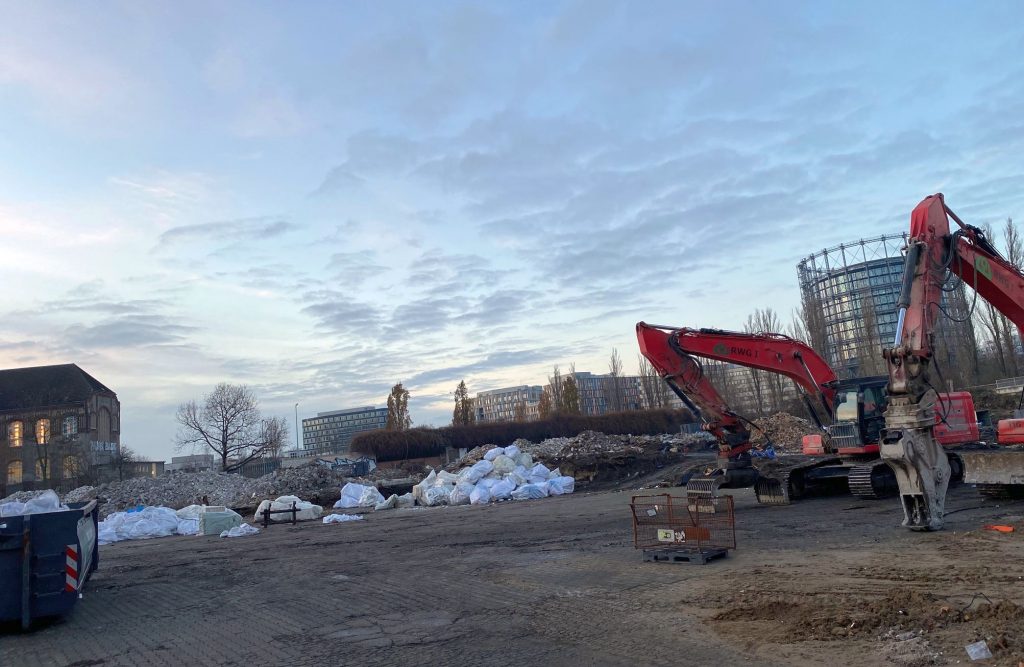
Just next to the Circular Line “Ringbahn” and the Gasometer in Berlin there is yet another huge area in preparation for further construction. The “Berlin Südkreuz” train station connects by ICE directly to Leipzig, Nurnberg and Munich. New company headquarters have been built in the direct neighbourhood and several housing blocks. Clearing more areas that mainly stocked rubbish like broken cars over years had to move out and thousands of people will be able to find new homes soon. Demand for such projects is still high, although the financing with high interest rates has become a challenge for private persons. Interesting building concepts have been realized in the district of Berlin with some focus on social and inclusive housing in a broad sense. A process of gentrification is also observable, whereby the higher rent in the district pushes out people and families that no longer can afford the increases, most of them even above inflation rates in the past few years.
The urban planning advances in large strides. With the almost finished Gasometer the vision from the visitors’ platform on the top will soon allow to observe the next construction site. Clearing rubbish is already a good step ahead. Getting rid of the pollution and contaminated ground will take some time as well.
In the East of Germany, the sun rises early and so do construction workers. We expect to continue to be early birds in this area. Maybe we can have a few additional trees, schools and a kindergarden as well for the newcomers. The whole local infrastructure will be put to yet another test. You have to like change and embrace the continuing challenge of becoming more densely populated in Berlin. It is a social lab right in our neighbourhood. The “Rote Insel” is clearing out its rubbish, the number of buggies with babies is rising fast now.

Nachhaltigkeitskonzept

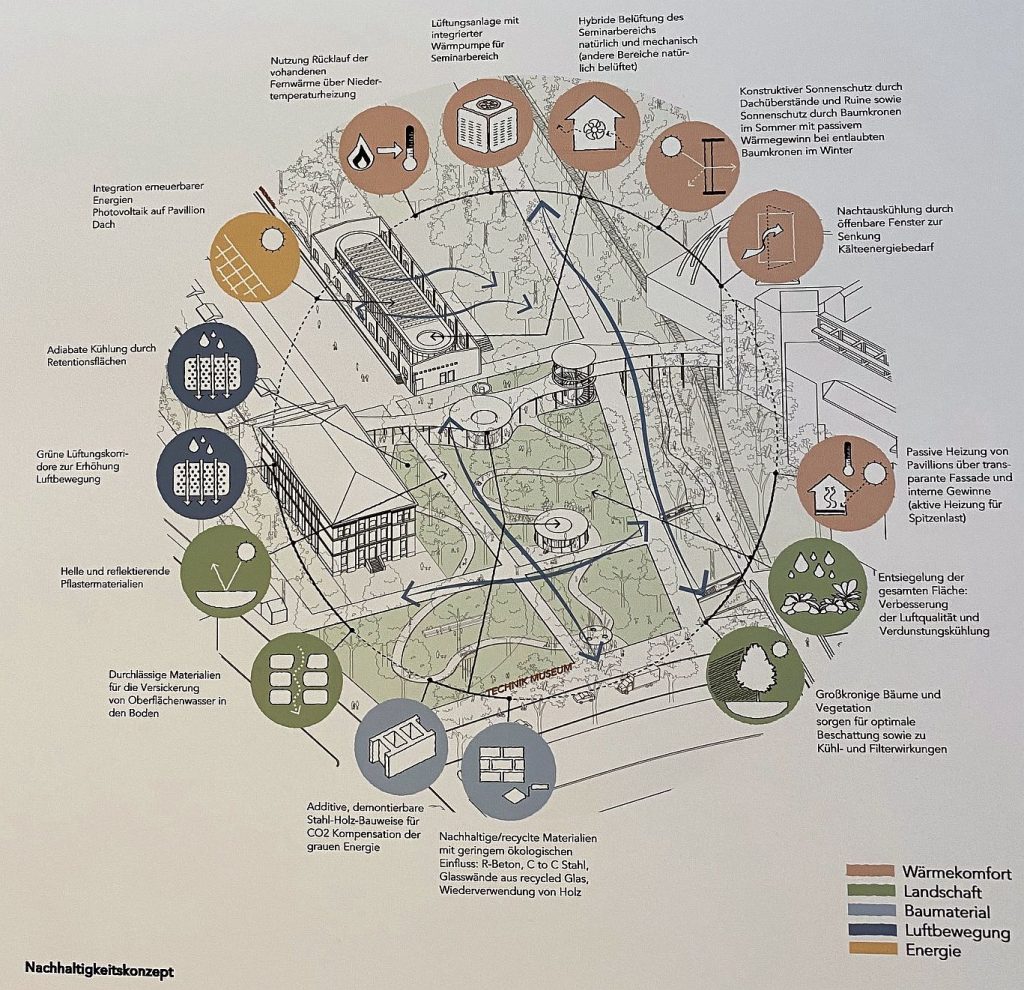
Ein Nachhaltigkeitskonzept gehört zum Bauen mittlerweile wie das Gelbe zum Ei. Die Einreichungen zum Realisierungswettbewerb eines Portals für das Deutsche Technik Museum Berlin hatten entsprechende Anforderungen zu erfüllen. Für ein Technik Museum können dazu die Anforderungen schon etwas höher sein und die oft geforderte „Technologieoffenheit“ oder die Diskussion darüber zumindest andeuten. Der Anerkennungspreis ging an ein Konsortium für die Einreichung 1110, die eine klare Übersicht ihres Nachhaltigkeitskonzepts vorstellten (siehe Auszug Image unten, Foto aus der Ausstellung 2023-12). Nachwachsende Baustoffe gehören zum Repertoire. Gleichzeitig sollte die Erhaltung oder gar Förderung der Biodiversität Teil der nachhaltigen Konzeption sein. Innerstädtisch ist die Rückumwandlung der Versiegelung der Böden eine wichtige gesundheitsfördernde Bauweise. Kühlung in den aufgeheizten Städten ist durch Grünflächen und Beschattung zu erreichen. Tolle Architekten sind das, die den Mut aufbringen den Stachel in die Wunde zu legen. Die Anwohnenden und Besuchenden würden es den Verantwortlichen jahrzehntelang danken.
Das sind längst keine abgefahrenen grünen Ideen oder Träumereien mehr. Paris hat es schon längst vor gemacht. Ganz nah beim Eiffelturm ist das „Musée du Quai Branly –  Jacques Chirac“ das als Neubau mit Garten vom konservativen Präsidenten Jacques Chirac eine grüne Naturoase mitten im Herzen Paris hat bauen lassen. Es ist immer noch eine Art Geheimtipp für Pariser in den zu warmen Sommermonaten. Berlin könnte wie mit der vom Pyramiden-Architekten Pei geplanten Eingangshalle vom Deutschen Historischen Museum mal wieder mit einem Nachhaltigkeitskonzept mit Paris gleichziehen. Gemeinsam können wir auch nachhaltig. Mit der vom Menschen und seiner Technik verursachten Erderwärmung haben die nachfolgenden Generationen noch lange genug zu kämpfen. Mehr Nachhaltigkeitskonzepte braucht die Technik. Das ist die wirkliche Herausforderung des 21. Jahrhunderts.

Technik Museum

Wir müssen die preisgekrönten Bauprojekte von Berlin nicht alle mögen. Die „schwangere Auster“ (Haus der Kulturen der Welt) war anfangs auch nicht beliebt, aber trotz Einsturz, haben wir sie lieben gelernt. Neben die Neue Nationalgalerie geplant von Mies van der Rohe und der Berliner Philharmonie von Hans Scharoun reiht sich bald die sogenannte „Scheune“. Ja ,eine multifunktionelle Verbindung der Museen ist im Bau. Nicht viel weiter werden wir vielleicht schon bald wieder eine kleine Erinnerung an die Berliner Mauer bestaunen können. Unweit vom Kulturforum stehen einige unverbundene Solitäre, die zusammen das Deutsche Technik Museum formen. Das ist bisher nur wenigen Touristen im Vorbeifahren auf der Ost-West-Achse in Berlin aufgefallen. Daher braucht es jetzt eine „instagram-able“, gemeinsame und verbindende Häuserfront, vielleicht so etwas wie die Pyramide (Pei-Bau) mitten im Louvre.
Die Einreichungen zum ausgeschriebene Realisierungswettbewerb (Link zu pdf-file) mit ziemlich konkreten (technischen) Vorgaben können noch in 2023-12 in einer kleinen Ausstellung eingesehen werden. Das gab es auch vorher schon anlässlich des Wettbewerbs für die Scheune. Wir hatten also keine großen Erwartungen, aber es hätte doch dieses Mal anders kommen können.
Der Blick auf die Pläne, Modelle und beschreibenden Texte hätte durchaus mit etwas Mut der Jury anders ausfallen können. So werden wir wohl mit dem 1. Preis des Realisierungsvorschlags leben lernen müssen. Mit etwas Abstand als virtueller Besucher im Modell kam mir direkt die Assoziation ich stehe vor einer Mauer. Diese ist aber im 21. Jahrhundert aus Holz und mit Solarzellen bestückt. Die „Deutschen Baumeister & Architekten“ erlauben auf ihrem Blog eine Vogelperspektive auf den prämierten Vorschlag. Die Pressemeldung der www.bim-berlin.de erläutert umfänglicher die Ausschreibung und die Begründung der Jury (Link).
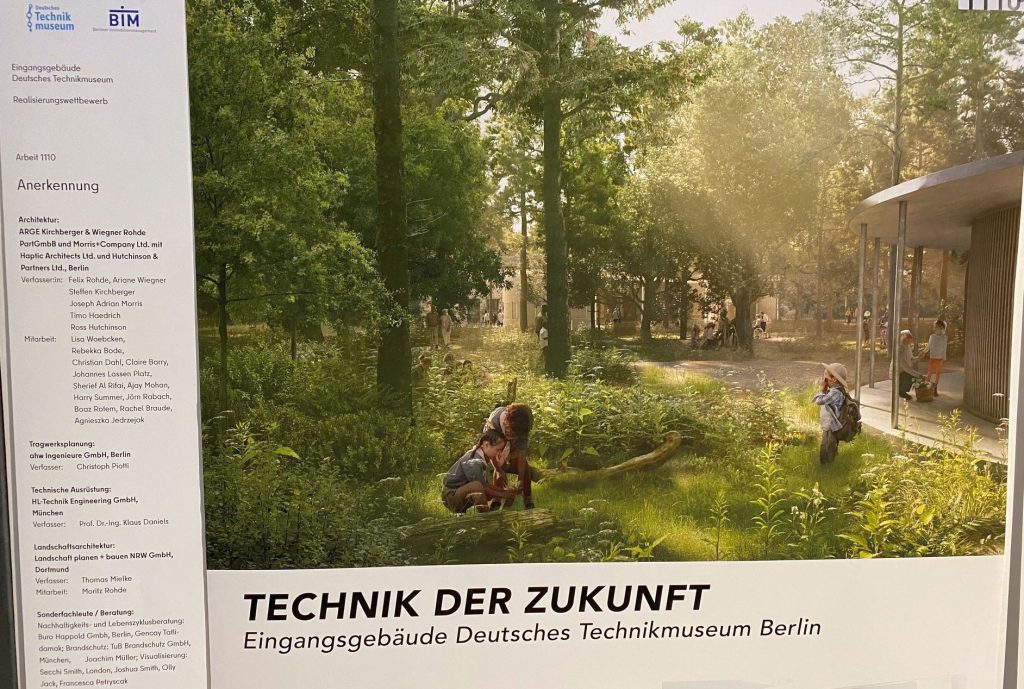
Neben den 3 Preisen wurde noch 2 Anerkennungen mit Preisgeld ausgesprochen. Die Nr. 1110 imaginierte eine naturbetonte Umsetzung, die die Technik visuell in den Hintergrund verschiebt. Sie setzt einen wichtigen Kontrapunkt zur Technikverliebtheit in den Nachbargebäuden. Worum geht es bei der Technik? Richtig, letztlich um den Menschen und seine Lebenswelten. „Bionik“ beispielsweise ist Technik, die die Natur zu Rate gezogen hat. Das ist in der Forschung und Entwicklung von Technik ein riesengroßes Thema. Aber wir können dafür doch wieder ein eigenes Museum bauen. Bisweilen können wir und alte Computer und Telefone im Technik Museum ansehen. Klar Autos gibt es auch. Die Spannung Natur und Technik wird uns sicherlich noch einige Generationen lang beschäftigen.
(Image: Auszug aus Unterlage und Würdigung des Anerkennungspreises BIM, 2023)

Mobility Concept

Berlin has an exceptional chance to rethink mobility in the city as new modes of transport arise. Just as the bicycle paths have been expanded over the last decade there more options to reach your destination. For the vast majority of moves in the city the “decision tree” has grown new branches. We start to change habits to consider (1) walking (2) bicycle (3) roller (4) public transport and (5) cars (electric and sharing or still owned). Multi-modality (Jelbi) in Berlin figures out the best combination for you getting from A to B. Other hybrid forms of transport start their entry in the big cities.
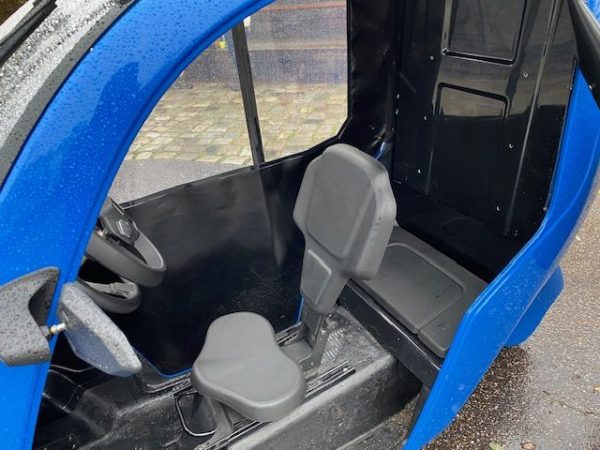
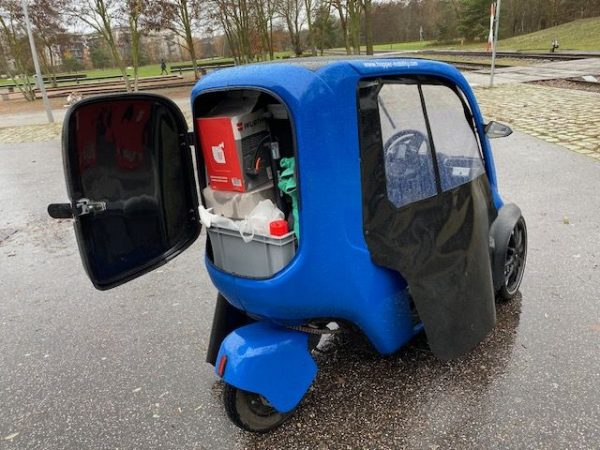
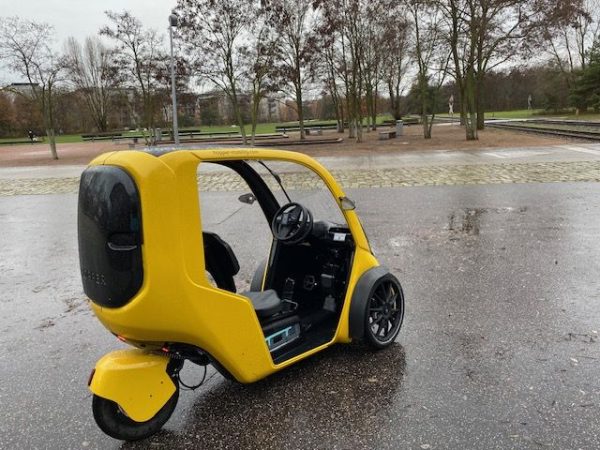
The last hybrid form that soon will claim an entry into the Deutsches Technikmuseum in Berlin is the hybrid version between a bicycle and a car. The Hopper has a permission as a bicycle. It is allowed to use bicycle tracks and therefore has an advantage on the “last mile”. At the same time, it feels more like sitting in a car and a 2nd person behind you, 2 children and/or luggage or shopping bags. These hybrid forms manage to combine advantages of both original modes of transport. You may feel more safe, dry and visible on the roads like in a car, but you are not travelling at more than 25km/h. Cyclist might not be to keen to have a big competitor on their limited cycle space.
Legally the Hopper would need to take the cycle path even if the road would be empty, but there are many cyclists on the cycle path. This is a good reminder of the societal and legal issues involved in new technological solutions. Acceptability of another competitor for space in the city has to be earned. Legality has to be tested and laws interpreted, whether the hybrid form falls in one or the other pre-existing category. Otherwise, the legislator has to establish a new category altogether, but this is the very lengthy procedure. Two bicycle wheels in front and one motorbike-like wheel in the back make 2/3 bicycle and 1/3 moped.
With a stronger electric support, the bicycle becomes a pedelec and can go faster, has to use roads and is insurable against accidents. The options grow. We are likely to witness more innovation and options in the world of mobility. The proof of concept has been achieved. Finding a market for the hybrid mode of transport is another challenge. Competition and lobbying are fierce in this world of mobility as well.

Urban Living

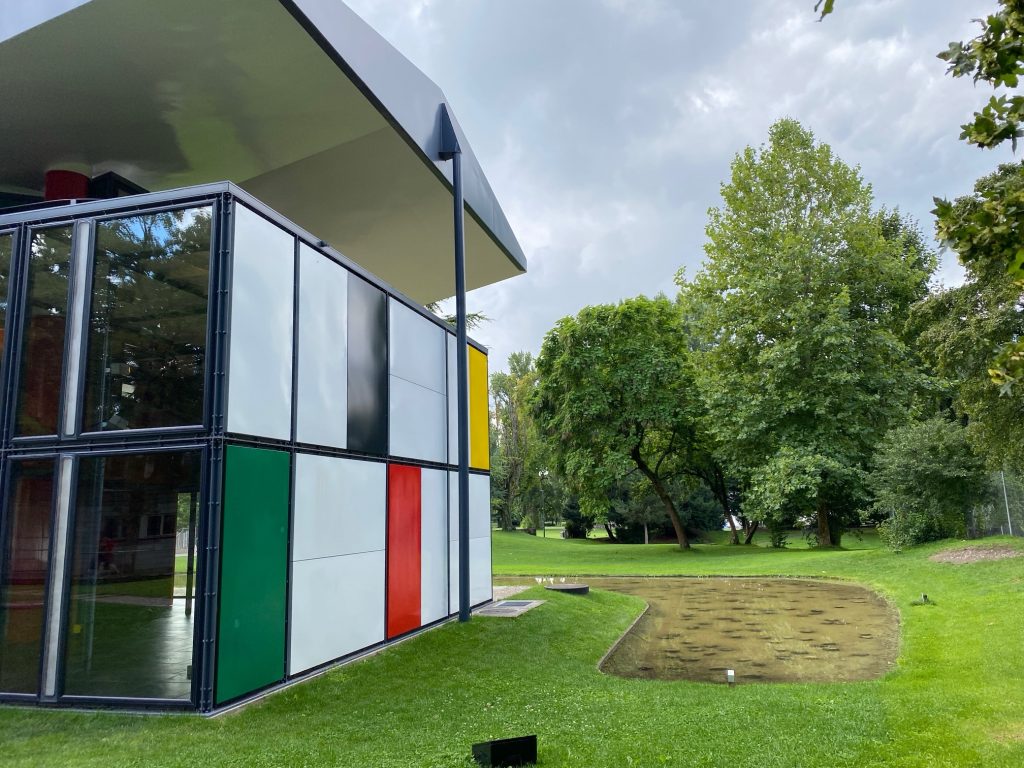
Each time I pass by the closed airport in the middle of Berlin I am amazed by the crazy idea to have built this and maintained throughout the 20th century. Paris is desperately trying to re-naturalize small areas and roads, while in Berlin there is now still the huge park to enjoy for all. Sports activities benefit the most. What an amazing asset in the neighborhoods for so many in need to walk, run or cycle a bit to keep their exercise level up throughout their life course. It has still a huge potential to activate people. It just needs a bit more organizations and volunteers to embrace the opportunities. Only in comparison to other cities you realize what an asset this is now. It will remain a challenge to preserve this centrally located treasure for the benefit of all. In Paris the deconstruction of concrete is taking shape and 300 new sites have been identified for re-naturalization, as reported in LeMonde. In Zurich green spaces in the center have been saved and renovated with a lot of money to allow more people to enjoy the benefits of a green environment near the city center. The house and park by architect Le Corbusier is a fine example of this. Image below. The garden around the house is publicly accessible. As air pollution is threatening more and more and heating in cities is a serious health threat we would really like to welcome more preservation and re-naturalization in inner cities.

Le Corbusier house Zurich 2023

Sectoral Change

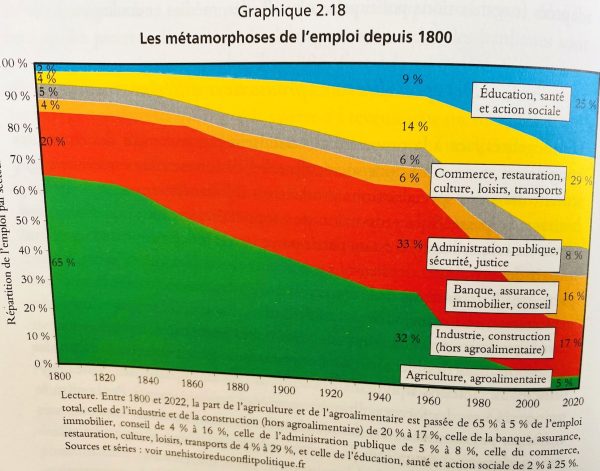
The long-term view of sectoral change in France, for example, from 1800-2022 (Cagé and Piketty, 2023 p. 128) allows us to zoom out of our narrow focus of the last few years of economic change. The decline of agriculture is the most remarkable. The reduction of employment in industry and construction has been an ongoing trend as well. Banking, insurances, property and consulting have seen remarkable expansion over these years. Public services, security and legal affairs are still on a moderate rise. Other sectors like education, health, commerce and transport manage to grow equally.
The merit of the comprehensive volume by Cagé and Piketty (2023) is that it is thoroughly data driven and based on quite unique long data series. The data on structural change and just the employment trends depicted below refocus our attention on likely consequences of these changes.
For the 2 authors we should redirect our attention much more to the implications of these trends (like rising inequality) on political conflicts and power struggles. Democracies are at risk, if we continue to ignore these seminal changes of industrial structures and shifts in employment. The traditional strongholds of trade unions and progressive forces in the manufacturing and construction industries as well as in public transport seem to have unaccounted implications for our political systems as well. The volume by Cagé and Piketty (2023) will soon be available in English and reach broader audiences just-in-time for the European Parliament elections in June 2024. Particularly the spatial implications and how the neglect to take into account the fundamental differences between the rural development and structural change needs urgent reconsideration. After the time for reading and working with the data (LINK) is the time for action to preserve our European Dream of peace and social development.

Arms trade

The sustainability of war depends a lot on the availability of arms. The Stockholm International Peace Research Institute (SIPRI) publishes regularly updated data on arms trade. The report ranks countries who are the most important exporters as well as importers of arms (from 2018-2022). The lists show for exporters that the U.S has been at the top of exporters with 40% of the global export share followed by Russia with 16%. France 11%, China 5.2, Germany 4.2 come next on the list. Taken together Italy, Spain and the U.K. reach another 10% jointly of global exports. South Korea and Israel come in with shares of 2.4 and 2.3 respectively. The top ten serve allies but also more broadly the world arms trade and race. New dynamics have started to come into force. The Russian aggression and war on Ukraine territory will have an impact to the extent that Russia is probably exporting less and shift to a more importing state.
Among the importing countries India is leading the ranking followed by Saudi Arabia and Qatar. More generally Asia and the Middle East were the most important buying countries. Importing arms might be interpreted as an indicator of perceived threat to a country. Long cycles of arms renewal may also drive statistics of arms trade, but new threats like cybersecurity and space technology have created new fields of potential attack and defence.
All in all, yet another rationale attributed to Clausewitz seems to play a role in driving the arms trade. “If you are perceived to be weak, an enemy will use this to attack”. Well, this also means that buying arms, producing or importing them, could deter a military aggression. That form of deterrence of aggression is known from the nuclear arms race as well. In the realm of conventional weapons, we have thought, it would no longer apply. We were mistaken in this respect. The dividend of peace has come to an end for many countries. The SIPRI report (2003, summary p.9) shows the continued rise on the global level of the arms trade. Why are we so scared of each other? Russia has reverted to imperial politics using conventional weapons. Containing such disrespect of internal law needs our full attention to avoid a spreading to other areas. The link of diplomacy and trade needs close scrutiny.

Energy Storage

News agent Reuters has published an analysis of the setback for short peak coverage of electricity by power plants fueled with gas. Conclusion: economically no longer viable. Investors draw back even from contracts already signed. What is the game changer technology here. Batteries that store energy just like the batteries of millions of cats that have a storage capacity to supply energy for a whole household for more than 2 days. Other giant batteries cost only half the price compared to 5 years ago equal to $150 per kwh. In five years solar energy doubled its share of energy production to now reach the same amount as energy provision by gas.
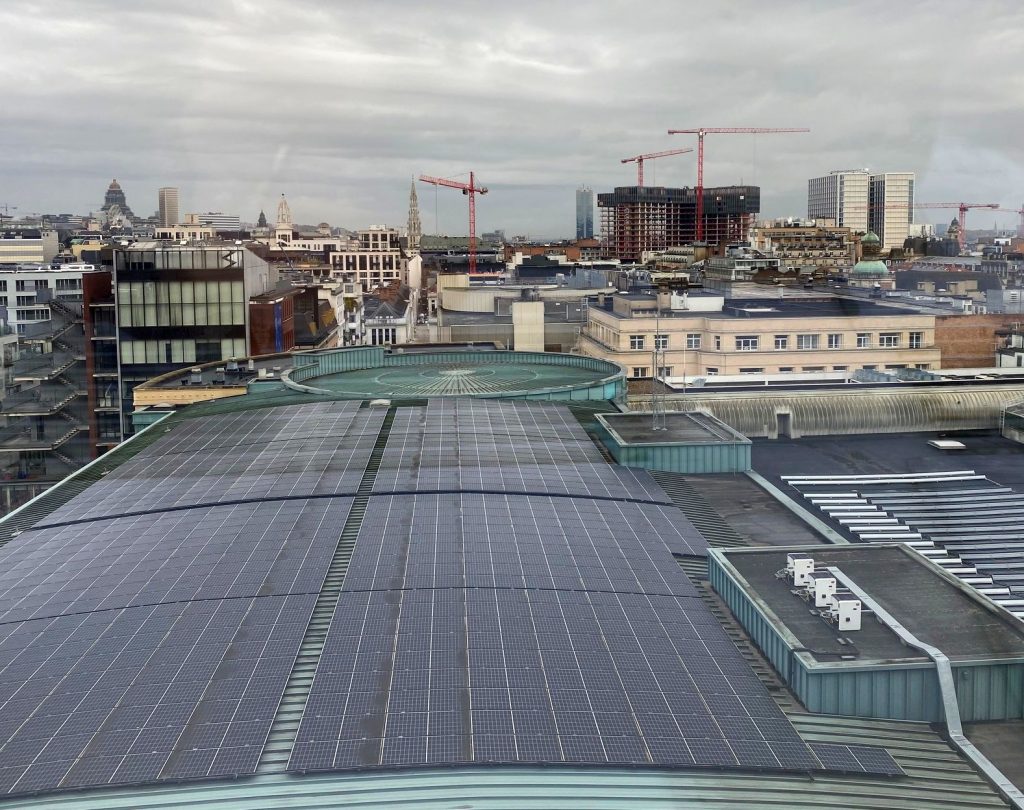
Reaching a critical turning point in energy generation, investors flock to the more profitable medium or long-term investment. Good news for the planet. Wind and the sun are all around us. We have only started to cover roof tops of office buildings, car parks and other shelters. Start thinking about your energy storage as of now and reserve a suitable space for it. Costs are coming down rapidly in a few years or maybe only a few months.

Mastodon

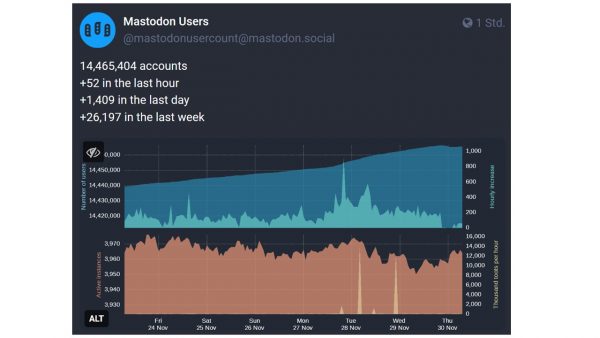
In the Post-Twitter-world there is room for other platforms to take over the information function and opinion exchange on an international level. Mastodon has made a good start to fill this gap. The number of registered users has surpassed the 10 million users by large. If the anger about the union-busting and Trump supporter Elon Musk increases further, more and more people will join Mastodon as users and content providers. Advertisers will follow where they can reach their appropriate audiences. If you sell seats on a spacecraft to the moon you will advertise on eXit-Twitter. If you care about responsible investment you advertise on elsewhere or on Mastodon, because that is where your audience will be. Ethically responsible advertisers started to make such moves already. The decentralised structure to potentially filter human rights violating hate messages will need to grow accordingly on this platform. This is a challenge for all platforms and involves costs. To better understand the idea behind Mastodon, think of a platform which connects many other local networks or platforms. Yes, it is a platform of platforms. Decentralised instances provide and can remove access to the local platform. Even whole sub-platforms might be shut out. This increases the potential to build a “caring platform”. Decentralised organisation often incurs higher costs than a central instance that decides and administers a one-size fits all solution. But it is worth a try.
An example makes is more clear, what are the advantages of such decentral organisation to achieve more shielded privacy. For example, a small local chess club targeting primarily youth can open its own server on mastodon and admit only its known members to the network. It is easy to control who gets access to your posts of solutions to riddles or innovative game and learning strategies. Access to other Mastodon instances is an additional option. For enterprises or larger organisations, it needs the communication department to talk to the IT-service to get such a structure on its way. A dedicated person needs to monitor what content gets posted and what kind of “traffic” is generated. But this can largely be automated. In case you know your members of the local platform it is much less likely to occur than on the eXit-Twitter or other centralised huge international platforms.
Many federated structures will find it useful and part of their social-DNA to join the FEDIVERSE. We shall have to wait for some more time to get the so-called social media platforms civilised. These are social investments and learning processes which deviate from the profit-maximising rationale of other platforms. (Image: screenshot from @mastodon-user on 2023-11-30).