Der bürgerliche Flaneur wird kritisch hinterfragt und erweitert erörtert im Festival DRiFT in Berlin. Das passt doch gut zu dem nötigen WALK und WALKING, welches uns schon alleine aus gesundheitlichen Aspekten von Nöten ist. Die subversive Form als kollektives Wandern, gefährlicher historisch waren die Märsche auf Rom von Mussolini, friedlicher Gandhi, aber beeindruckend erfolgreich. Ostermärche kennen wir noch als Beispiel dieser kollektiven Form des gemeinsamen Gehens und Erkundens, oder doch Beeinflussung oder gar Eroberung.
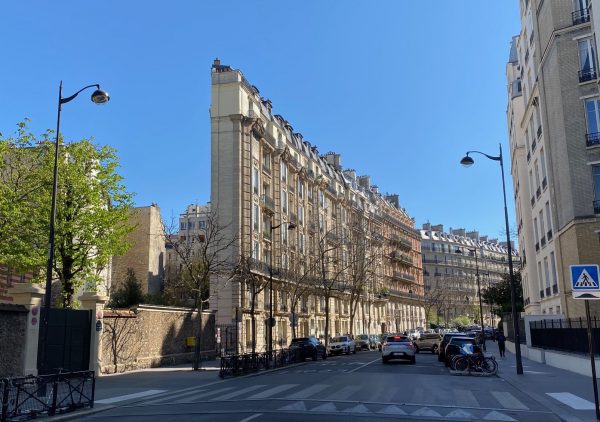
Die Idee ist alt, die Ansätze in unserer Zeit bleiben eine Herausforderung. Protestmärsche kennen viele Organisationen gerade aus den nicht-regierungs Organisationen (NGOs) und den Gewerkschaften. Präsenz zeigen und seine Meinung äußern, wenn sie nicht genügend Gehör oder Widerhall findet, gehört zum demokratischen Kanon. Eine entsprechende Wiederbelebung und Stadtteilerkundung als “Psycho-geografie” hat historische Wurzeln in Paris und Frankreich. Räumliches Vorstellungsvermögen und Orientierung ist eine Qualifikation, die messbar ist. Eine Stadt erlaufen bildet eine kognitive Landkarte der Straßen und Umgebung. Mal schwer, mal einfach, aber fast immer irgendwie anders. 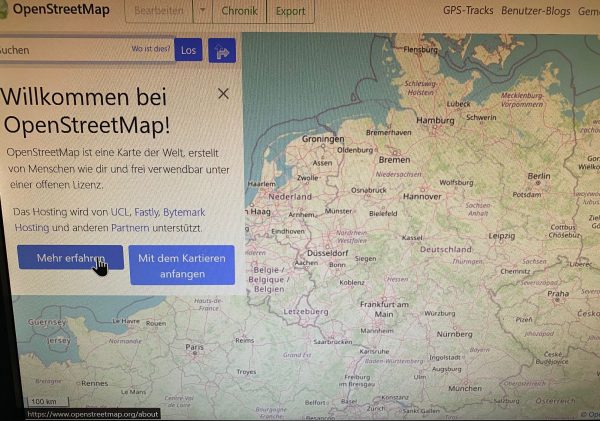
Forschen
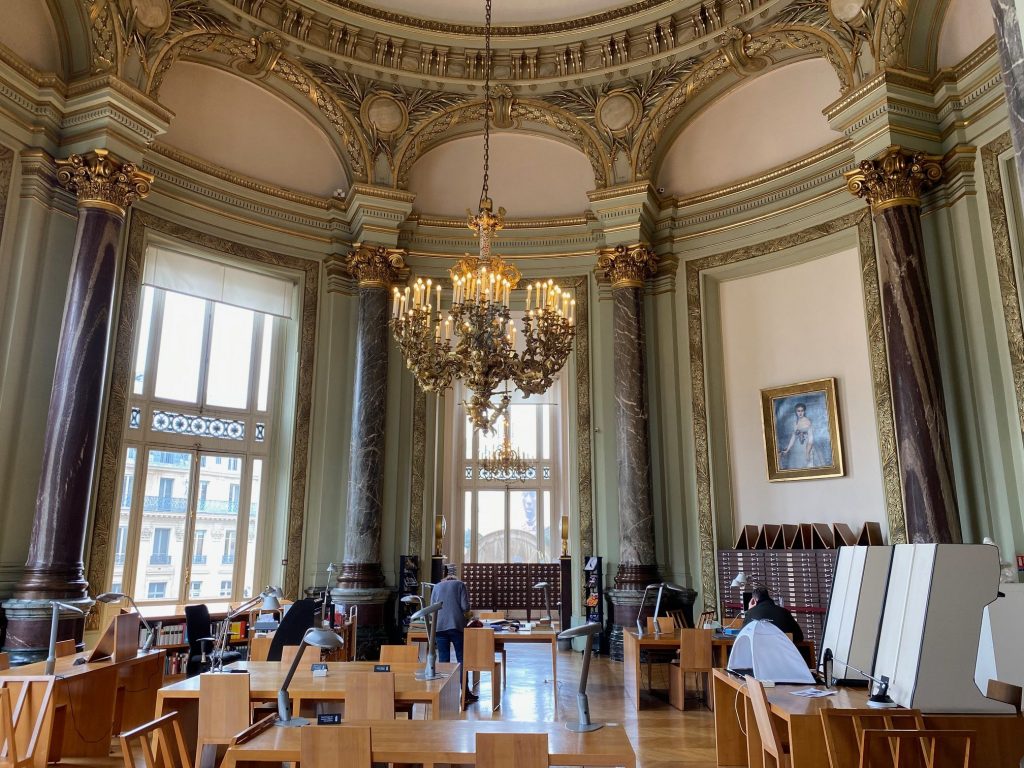
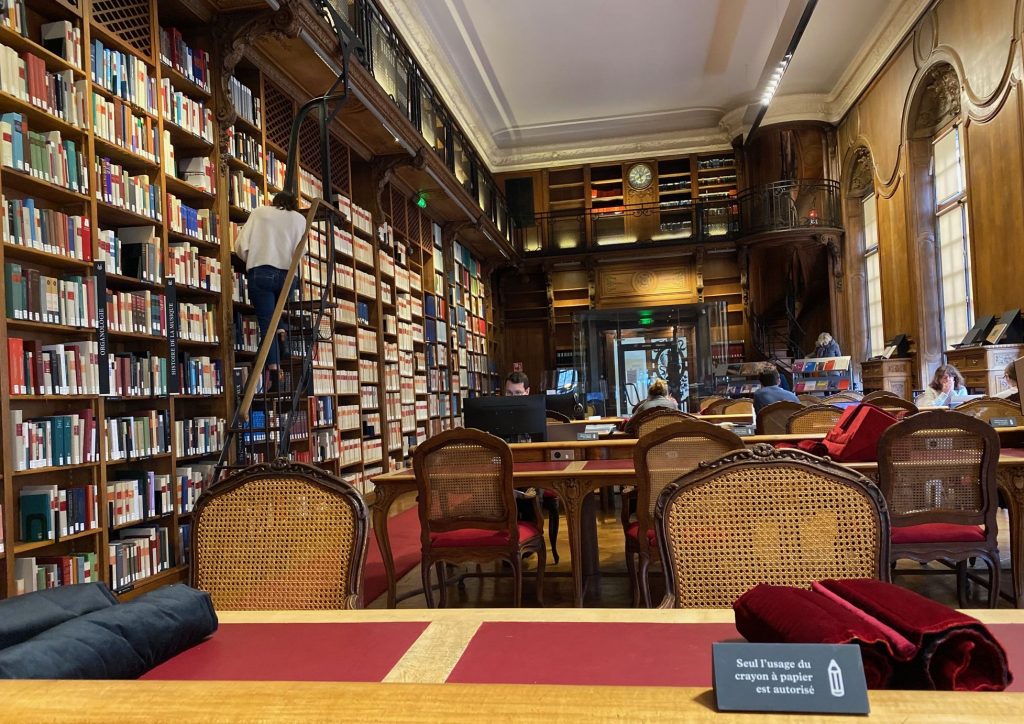
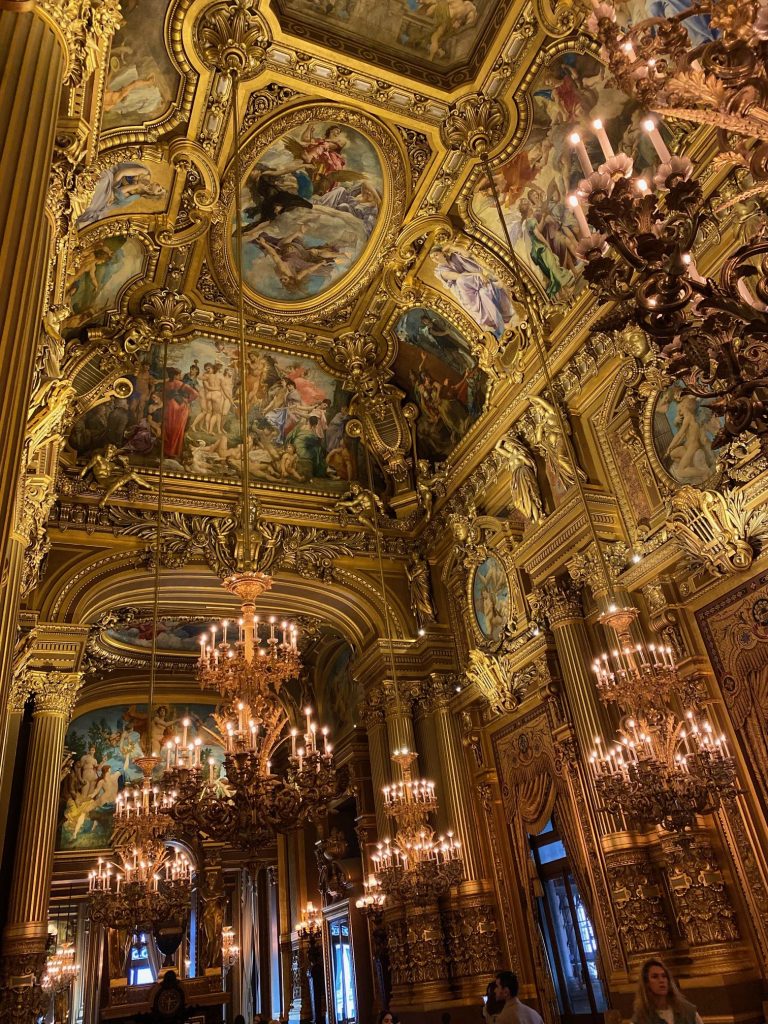
Forschung betreiben ist meistens das Bohren dicker Bretter. Verständlich, dass das nicht jedermanns oder jederfraus Sache ist. Wer sitzt schon gerne alleine in einer kleinen Zelle und schreibt seine Forschungsergebnisse auf oder liest endlos lange und viel vorherige Forschung? Da ist ein Besuch in Archiven, Laboren oder anderen Datenarchiven schon etwas unterhaltsamer. Forschung ist überwiegend theoriegeleitet. Von Einzelfällen abstrahierende Theorien lassen die Forschenden entweder an diesen Theorien weiterarbeiten oder vielfach irgendeine Form von Daten sammeln mittels derer sie dann die Theorie(n) testen können. Eine Herausforderung an diese Arbeitsweise stellt die rein datengetriebene Induktion dar. Sozusagen der „deus ex machina“ erwächst aus einer hinreichend großen, am besten sich ständig erweiternden, Datenbasis. Wetterdaten, Verkehrsdaten, Krankheitsdaten, Börsendaten und Arbeitsmarktdaten bieten für sowohl für deduktive als auch induktive Verfahren hervorragende Beispiele. Datensammeln in Archiven, beispielsweise Rekonstruktion oder Interpretation eines Lebensverlaufs aus Korrespondenz ist ein klassisches Verfahren von meistens LiteraturwissenschaftlerInnen. Manche Archive belohnen die Forschenden mit Glanz und andere mit Gloria, selten mit beidem. Glänzende Aussichten bietet die biographische Forschung zu Komponisten und MusikerInnen in Paris. In der kleinen, aber sehr feinen Bibliothek der „Opera Garnier“ bin ich zu dem Komponisten Flotow fündig geworden. Es befinden sich dort in der Komponistenakte Zeitungsausschnitte, die 150 Jahre alt sind und ein Büchlein aus frühen DDR-Zeiten, die den Aristokratenkomponist durchaus kritisch durchleuchten. Die Ablenkung auf dem Weg in die Bibliothek und dem Archiv der Oper ist allerdings atemberaubend, also nur für ganz überzeugte Forschende zu empfehlen. Die meisten werden von der Opulenz des Bauwerks so beeindruckt, dass jegliche Forschungsfrage und Theorie „backstage“ verwiesen werden. Selbst backstage kann es ziemlich schön sein.
Walking
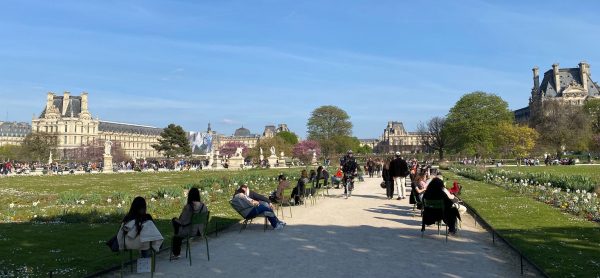
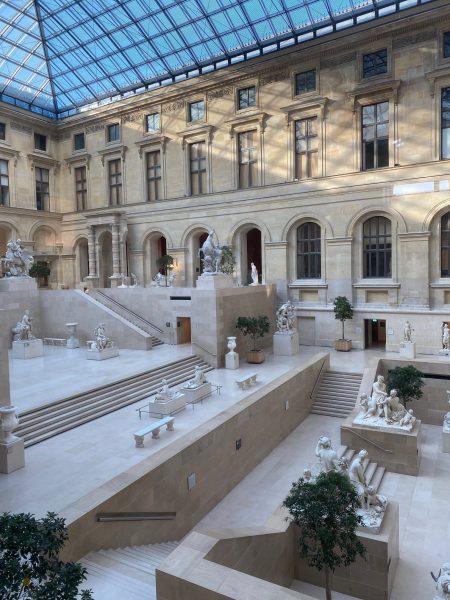
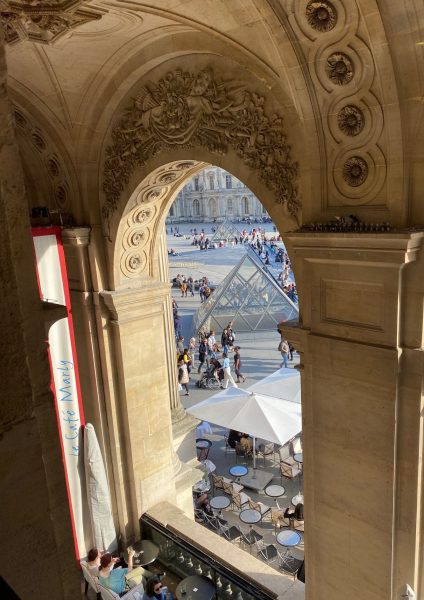
Yes, walking again. It is so nice, if there are a few roads blocked for car and bus traffic in central cities. Walking the city becomes a marvellous experience. On Easter Sunday 2023 the Champs-Élysée is great because strolling down the avenue without paying attention to road traffic offers an even better view on the surroundings. Why don’t more cities dare to lock out cars to facilitate pedestrian circulation and reduce air pollution at the same time. No problem to reach more than the WHO recommended 10.000 steps/day on such a sunny day in Paris. Inside the Louvre, another chance to achieve new records in mileage by foot. 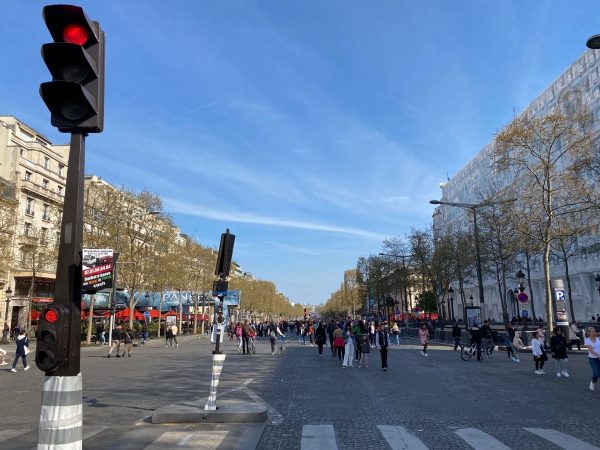
Corbusier
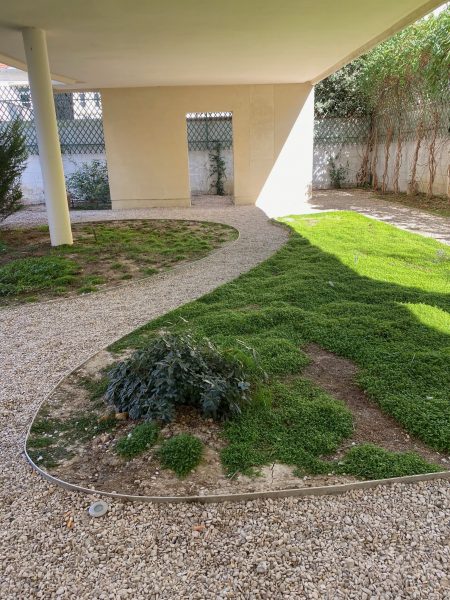
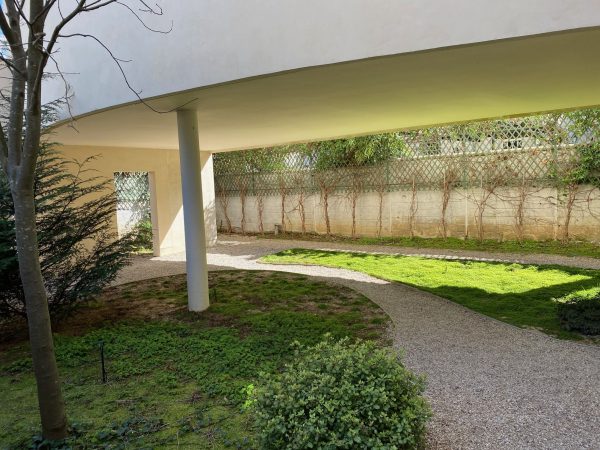
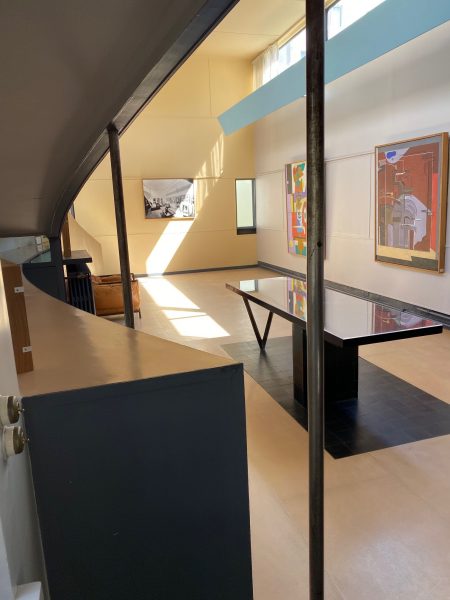
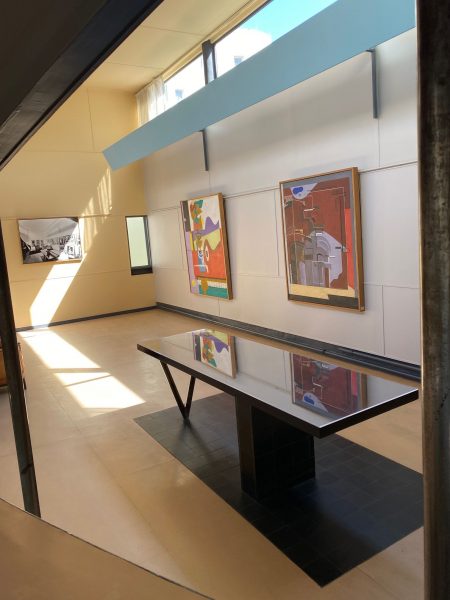
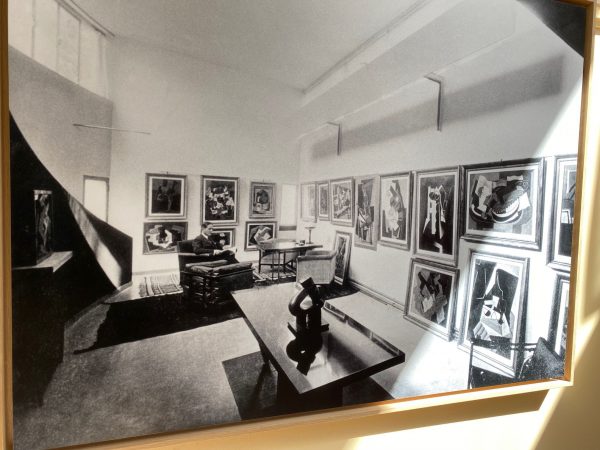
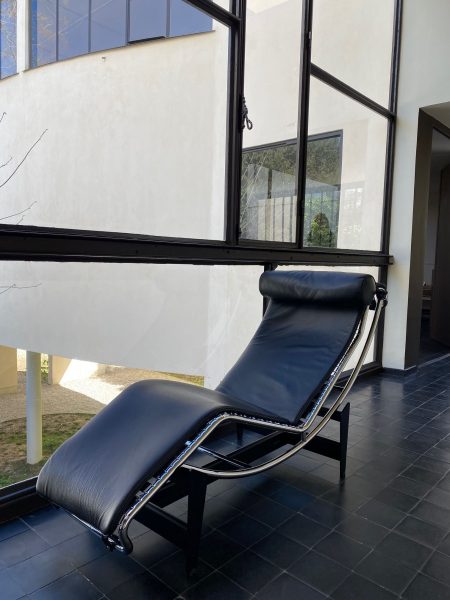
Le Corbusier (1887-1965) chose his artist’s name instead of his lengthy original name of Charles-Édouard Jeanneret at the age of 33 (in 1920) after having moved from Switzerland to Paris in 1917. He established a theory of modern architecture often summarised in his 5 major principles of modern architecture: 1. Pilotis as grid of pillars, 2. freeing ground floor design, 3. more open facades, 4. windows stretch horizontally, 5. garden, terrace on the roof. All these principles allow a more healthy living environment due to more light, less humidity in buildings and ease of circulation. The house Le Corbusier designed features surprising effects of light and lightness of living. “Les maisons La Roche et Jeanneret” date from 1923 and was completed in 1925. These purists Villas breathe thanks to the impression of abundant empty spaces despite relatively small surfaces. One Villa is designed for a small family, the second for a single person (Raoul La Roche) with a collection of paintings to be exposed in a small gallery. The focus on essentials of living, health, light, water, air and art combine to a relaxing and inspiring atmosphere. Despite many of his convictions to build affordable housing for many people, which received mixed success, his “maisons bourgeoises” in Paris and elsewhere remain masterpieces beyond the 1920s and the 20th century. Le Corbusier was concerned about tuberculosis. Today the corona-crisis has reached comparable health concerns. Architecture might react to the latter crisis in re-considering the lessons from the former. Relaxing in a Le Corbusier Chaise longue and meditating in front of a Picasso, Braque or Léger painting is indeed more than a little bit elitist. But copies of such images or your very own slide show or museum VR-clip in this surrounding make this experience more affordable and compatible with living arrangements for millions of people of the middle class as well.
Architecture
Architecture is all around us. However, we rarely consider the build environment as “conditioning” feature of our life. Architecture is contributing extensively to our perception of “social space” (Bourdieu). Inner cities, suburbs or spacious residential areas have diverse impacts on our perception of, for example, security, modernity, health or sanitary sensations. The corona-crisis has made it clear to most people that a healthy environment is a very essential part of our perception of comfort. Here the psycho-social perception of living and/or working space enters into the co-creation of housing people. Technology is a big driver of change in housing, urban spaces and rural imagination. In order to avoid corona infections a new culture of working from home for the masses become a health-driven imperative. Payment without contact, home delivery of meals, food, books, medicine have changed the living style of many people. Too little movement for our bodies has caused another silent pandemic of obesity. Enough reasons to rethink architecture from a sociological perspective on it. This probably starts with speaking of architecture as architectures. By this we mean to think of architecture from its social origins, functions, impacts and perceptions. Great historical examples of architects have implicitly or explicitly formulated a social theory of architecture or space as the basis of their “concrete” realisations. The sociology of professions of architects and the many construction-related professions needs empirical foundation beyond the cliché of socialisation as artist versus technician. Still recent forms of participatory democracy as part of urban and rural planning as well as realisations. Participatory individual or community housing are likely to stay with us. People want to get involved in co-creating their living and working space as their social environment. Architecture as social process and specific layer of the network society will be the new mantra. It has always been there, implicitly. Up to us to strengthen the social discourse on architecture. 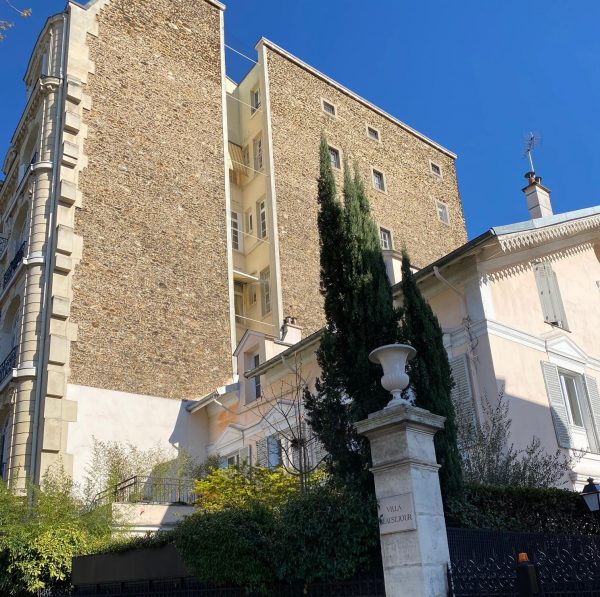
Bundesarchiv
Bundesarchive gibt es kilometerweise. Auffinden und Zurechtfinden in Archiven ist eine Vorliebe von historisch Interessierten. Eine Soziologie des Berufs „Historian“ muss wohl noch geschrieben werden. Die Pforte, das Gelände und die Eingangshalle des Bundesarchivs in Berlin-Lichterfelde sind für einige einladend, für andere naja, belastend oder gar belastet. Architektonisch an eine Kaserne der 1930er Jahre erinnernd, ist ein gewisses historisches Umfeld eventuell eine Einstimmung auf eine bevorstehende Recherche. Das freundliche Personal hilft unterstützend über die Registrierung und die Orientierung zu den Beständen hinweg. Sofort ist, wie beim wissenschaftlichen Nachwuchs, die Eingrenzung der Forschungsfrage von Nöten. Die Findbücher, die sortierte Ausdrucke der elektronischen Datenbank „Invenio“ darstellen, lassen einen die Vielfalt der Archive erahnen. Eine einfache soziologische Fragestellung „Homogamie in der NS-Zeit“, also die Praxis von Heirat von Personen mit vergleichbarem sozialem Status, vor während und unmittelbar im Anschluss an die NS-Zeit, verlangt mehrere Datenzugänge. Konstruktion des Zugangs von Männer- oder Frauenseite. Zentraler Zugang geht zunächst über die Bestandsdatei NS 1 „Reichsschatzmeister der NSDAP“. Aus den nationalsozialistischen Frauengruppen entstand am 1.10.1931 die NS-Frauenschaft. Seit dem 29.3.1935 genoss die NS-Frauenschaft den Status einer Gliederung der Partei unter der Leitung von Gertrud Scholtz-Klink. Der Bestand umfasst 3,5 Millionen Aufnahmeanträge und ist in Berlin-Lichterfelde einsehbar. Neben den Mitgliedschaften sind auch besondere Vermerke zu den Gebäuden und Grundstücken der NS-Frauenschaft (BArch/NS 1 5.2.6.4) bspw. im Gau Berlin dokumentiert (BArch/NS 1 2504 und 724). Eine Lebensverlaufsstudie ist da schwierig zu konstruieren. Ein Geburtskohortenansatz dennoch eine interessante Möglichkeit, eventuell auf die Muster von Netzwerken hinzuweisen. Parteimitgliedschaften, Vereine, Verbünde und ihre Rituale wurden scheinbar der Propaganda untergeordnet. Eine These, die es zu beweisen gilt. Die interreligiöse Andrews Chapel auf dem Gelände (im Hintergrund) lässt dann vielleicht wieder zur Ruhe kommen. 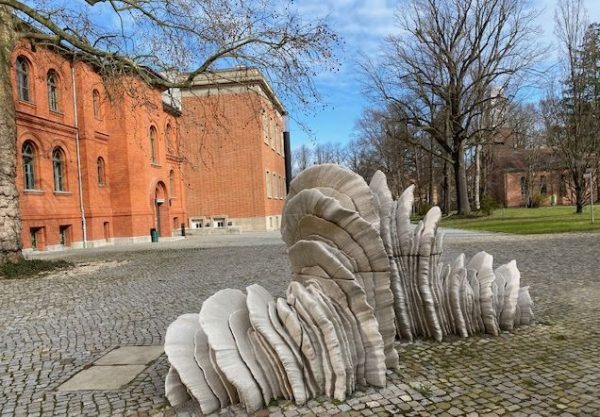
Repair 2
Ever since the visit to the exhibition “Care, Repair, Heal” at the Martin Gropiusbau in Berlin the image of flying protheses rests with me. Repairing the human body is feasible in many fantastic ways. The inner wounds, however, are less visible and sometimes hurting even more. In recognition of the thousands of victims again in the Russian war on Ukraine’s territory and the atrocities causes by mines to injure humans, we have to assist in caring, repairing and healing. This has not changed since the Great War or the Nazi-induced mass murder and mutilations. Humanity is unable to bann such landmines despite international conventions trying to achieve this.
The strong image produced by the protheses as clouds in the sky (Kadar Attia) remind us of the lasting effects of war. Images we had associated with the mutilated soldiers and civilians of the 2nd world war, many still around us in the 60s or 70s, are coming back to Europe. Writing about the 20th century, Aurélien Bellanger described in words a similar traumatising vision of flying protheses in his story of the lonely poet and philosopher. We cannot repair history, but we can work towards reducing useless additional suffering. It is part of the absurdities of our world that technology has created masterpieces to assist us and reduce suffering, but at the same time technology is applied to create the worst suffering as well. Rather than thinking of this relationship as 2 sides of the same coin, I prefer to hope for dialectic evolution towards a better synthesis solution using enforceable international law. Yes, I still have a dream! … 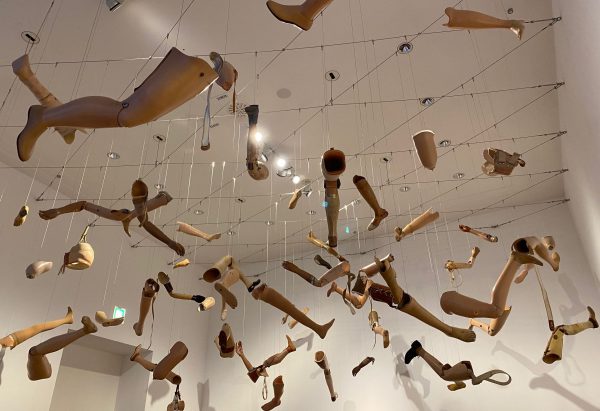
1900s
1900 marks the year of the 5th world exhibition in Paris. The Eiffel tower, built for the 4th exhibition in Paris remains the iconic attraction despite the new architecture that is added to Paris as the Petit and Grand Palais as well as the 1st Metro line. Art Nouveau style adds to already impressive architecture in and around Paris. With the planning horizons of several years in advance of events, urban planning with all its facets of urban infrastructure and architecture becomes much of a defining scientific discipline for decades and for most of the time of the century. Grand urban architecture and design constitute just another form of competition between nation states. Most of them want to show off their imperialist acquisitions and, what they define as “curiosities” at the time.
Habib (2005, pp.502) singles out Arthur Schopenhauer and Friedrich Nietzsche as “heterological thinkers” who coin major thoughts in the late 19th century that shall influence the beginning of the 20th century right from the year 1900 onwards. “The world should be formed in your image by your reason, your will, and your love! And truly, it will be to your happiness you enlightened men!” (Nietzsche. Thus spoke Zarathustra 1978, p.110). In retrospect from the 21st century we shall doubt this overly positive approach to human intentions and their will to form the world according to their abstracting ideas only. Tensions between technology and society became visible and it took many decades before society became conscious that it is up to society to choose technologies they preferred.
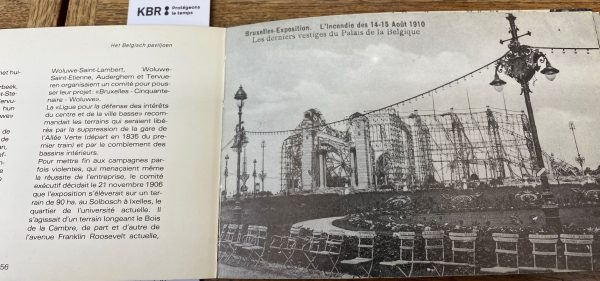
The planning for the Brussel Expo 1910 started right after the previous Expo 1905 in Liège. Protests in Brussels accompanied already the choice of terrain for the Expo, but the governors and shareholders of the enterprise decided 1906 for a site near the “forêt de Soignes”, where trees had to be cut for access to the construction site and for future visitors under local protest. Women workers were present to exhibit the low pay of women in industries. Child labour was documented with shocking images. Around the globe labour movements started to raise attention. In the U.S. the National Women’s Trade Union League (1903) was founded as well as the National Child Labor Committee (1904). “Bloody Sunday” in St. Petersburg (1905) saw the killing of peaceful protestors in front of the Zsar’s palace, which ignited the Russian Revolution of 1905 and the creation of the Russian Parliament. Some of these issues (child labor) keep returning to our social agenda well into the 21st century.
Einstein’s publication of the theory of special relativity (1905) as well as challenges from social philosophy reflects the huge discrepancy between advancement of the sciences and the living conditions of the masses. Social theories and science advances foreshadow the violent turbulence throughout the 20th century.
(Sources: (1) Max Welch Guerra et al. (2023). European Planning History in the 20th Century: A Continent of Urban Planning. Routledge. (2) St. James Encyclopedia of Labor History Worldwide: Major Events in Labor History and Their Impact, Neil Schlager (2004). (3) Images from I. Van Hasselt(1980) Bruxelles Expo 1910: l’incendie / de brand. J Stevens. 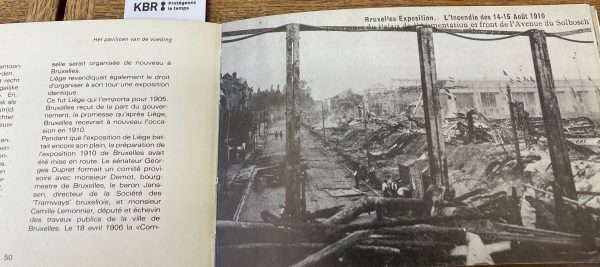
10s
The 1910s have been eclipsed completely by “the Great War” between 1914 to 1918. The 1st world war certainly was the most horrific period of the decade of revolutions and mass arousal. From a global history perspective the years preceding and shortly after the humanitarian disasters deserve more attention, if we were to derive lessons for prevention of other world encompassing wars of imperialist states. The numbers 1st, 2nd, … 3rd (?) world war suggest an unescapable numbering of events. We no longer can think in this trivialising logic of war or historical determinism. Empires go to war more easily than democracies. This was the social scientists’ consensus after the Great War. It took several years for many European states to turn more democratic, allowing women to vote, or introduce more robust health and social security systems. Powerful aristocracies would not cede power easily, only the widespread poverty after the Great War and the human losses discredited many aristocratic regimes throughout Europe. The imperialist dominance of the beginning of the 1910s produced a spirit of ruthless conquest and exploitation of colonies around the world. It took another global war and almost half a century to dismantle these regimes. To understand global alliances and impediments of wars in the 21st century, the early 1910s are instructive as they inform the restitution of artefacts debate in the 2020s. In the history of ideas, the 1910s are probably best characterised as the period of attempting to turn “grand ideas” into political facts on the globe. The rise of Marxist ideology, liberal and fascist counter movements started to take powerful roots at the end of the 1910s. All these ideas and factual changes of the maps of power still seem to govern a lot of international politics even today. 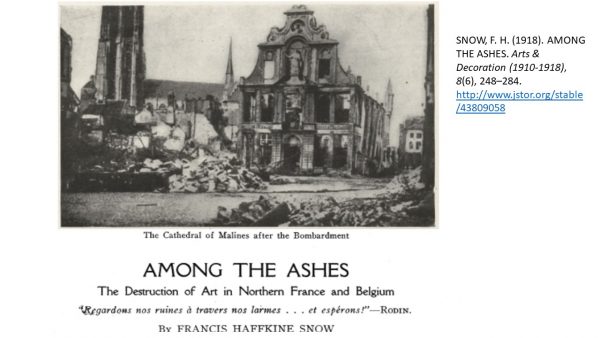
Construction
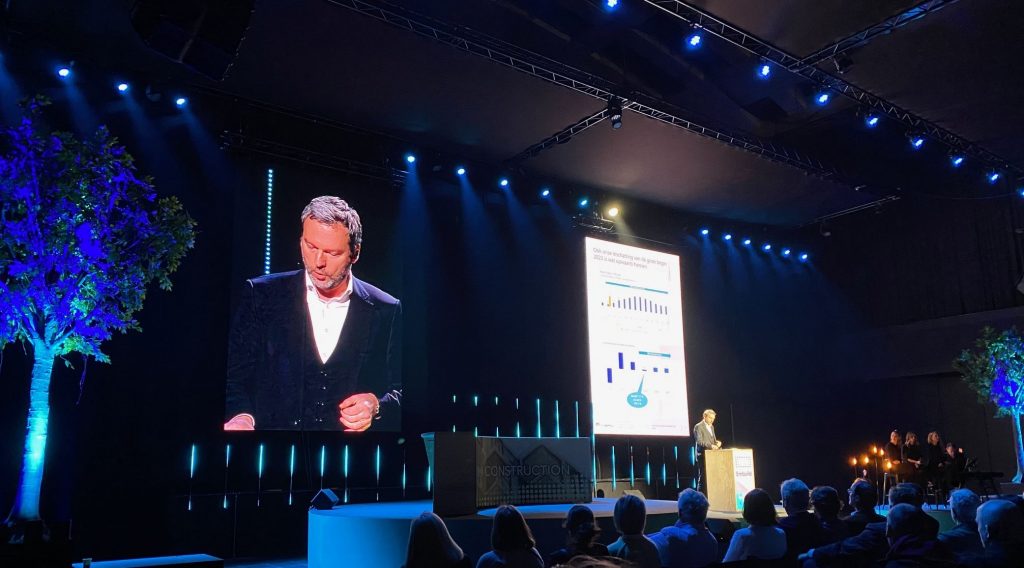
Construction as an industrial sector was growing strongly in the last decade. Corona crises, supply chain disruptions have slowed growth in the last two years, but the sector was still growing in terms of employment. The topic of skill and employee shortages hardened from year to year. In March 2023 the sector has more time to reflect on the somehow rapid, if not sometimes chaotic growth of the previous decade. The macro-economic scenario has changed now. Following on supply chain disruptions, we saw the high inflation rates of raw materials. The war of Russia against Ukraine caused energy prices to soar and eventually come down again. Latest worry is the increase in interest rates to finance construction projects of public, private and the business sector.
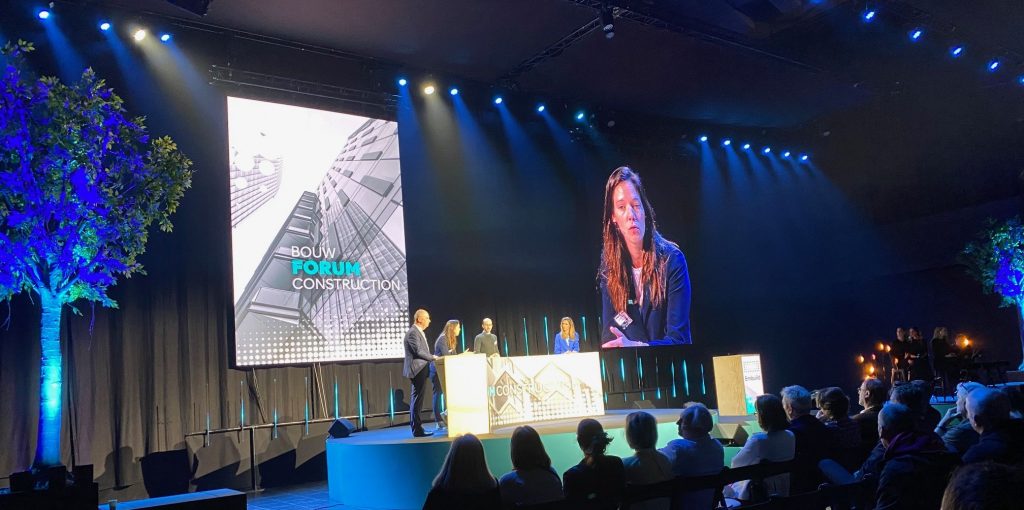
The whole sector is known for its economic role of forerunner of economic cycles, up or down. So, what are the prospects? Not so rosy, as the experts explain for example on the expert forum of the Belgian construction forum. The official from the Belgian National Bank announced a rather bleak outlook for the sector. New construction is stalling, but the renovation of buildings, especially for the purpose of reducing energy consumption is still strong and growing. Long-term reduction of emissions keeps the sector busy, thanks to the EU green deal in my opinion. The public, private and business investments in buildings all keep growth from turning negative. 2 big worries remain: (1) skill shortages and the lack of employees signalled in job openings in the sector is high and still rising; (2) the scarcity of women employed in the sector is still trailing most other sectors. Most companies have seen earnings grow over the last decade, sufficient time to build up reserves for the tougher quarters to come. Skill shortages and gender biases are harder to overcome. The Construction Forum in Brussels addressed both topics and tries to convince employers and the younger generation. Construction companies have to work on their male-dominated image was one of the take home messages Hélène de Troostemberg, the Director of Build Up pronounced.
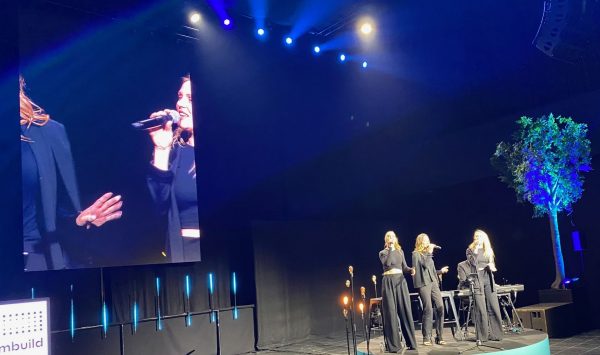
It is not certainly not enough to have a woman as moderator of a panel and an all-female singers group accompanying the presentations. Women as architects, technicians and builders will make the sector even more attractive for the next generation of men as well. Aging of employees in the sector is another tough issue waiting for innovative solutions. Digitalisation of every step in the value chain is an additional necessary step. The leadership and trade unions in the sector are well aware of these facts. Maybe next year women engineers will pilot the robotics demonstration rather than being in charge of building a nice atmosphere with their songs. I must admit I liked the intro song to the Forum: “We build this city on rock ‘n role”, but I am less sure whether rock ‘n role will solve the gender and recruiting issue of the sector. However, naming and framing the problem(s) is already part of the solution.