Styles are a Changing

We all have our very own style. Even if you believe you have no style, then this will be your style. Of course, styles are changing continuously and fast fashion tries to make us believe we even ought to change as frequently as possible. Just find your style no matter of age and gender. Yes we can. Young designers test new materials and cuts to make new impressions. As science is progressing with new fibers that imitate the apparently light fur of polar bears, new designs will become feasible and enrich the list of potential fibers in clothing. In addition to seamless 3D knitting the new fiber allows to replace down with light fiber. Going out into the cold will be fun again. Want more of this, visit Fashion in Action! (Image from empty space designers webpage 2023-12-24 Berk and Julien).

Pathology

The definition of disease, illness or disability are a matter of details of definitions. Mostly it is left entirely to medical professionals to define the limits of what shall be considered a disease or not. Pathology is the scientific discipline dealing with this difficult task. As in the scientific endeavor it is honorable to crown your research by finding or defining a new disease not necessarily finding a treatment for it, we have learned about new diseases at regular intervals. Attention deficit syndrome also known as hyperactivity is such an example. Many pupils have received treatments and some made splendid progress in their education due to early recognition of their condition as well as abilities. However, some children have received treatment with questionable diagnostic evidence or just to be able to fit into our modern ways of organizing our schools. We might frame this as a process of “to pathologise” persons or whole groups in society.

The American definition of what constitutes a higher than normal blood pressure or colesterol deviates from the one applied in many European countries so that sometimes the double amount of people should receive medical attention and treatment. From this it becomes more evident that even within the field of pathology there is a societal dimension to it. The “dry january” addresses the pathology of alcohol addiction. Smoking falls into a similar category but no smoke free month has been suggested yet. While it has become normal to overuse antibiotics we shouldn’t reproduce the same mistakes with other medications. We simply need a broader discourse about pathology and the societal origins and implications of it. From the Roman times we have amphitheaters and sacred buildings that we value today. Few sanatoria have survived but a few Roman baths as a preventative approach have survived in the British city of Bath or in the German city of Trier, both quite far from Rome. We should sometimes think more carefully before defining a disease. Not all are pathological. If it seems difficult to stem against the trend of “pathologising”. The ensuing overload of the medical system in consequence is a serious issue. The medical system will degenerate into a system to manage waiting queues with absurd, unequal and unnecessary adverse outcomes. Therefore, sociologists consider the pathologising of societies as just another kind of pathology.

Urban Living

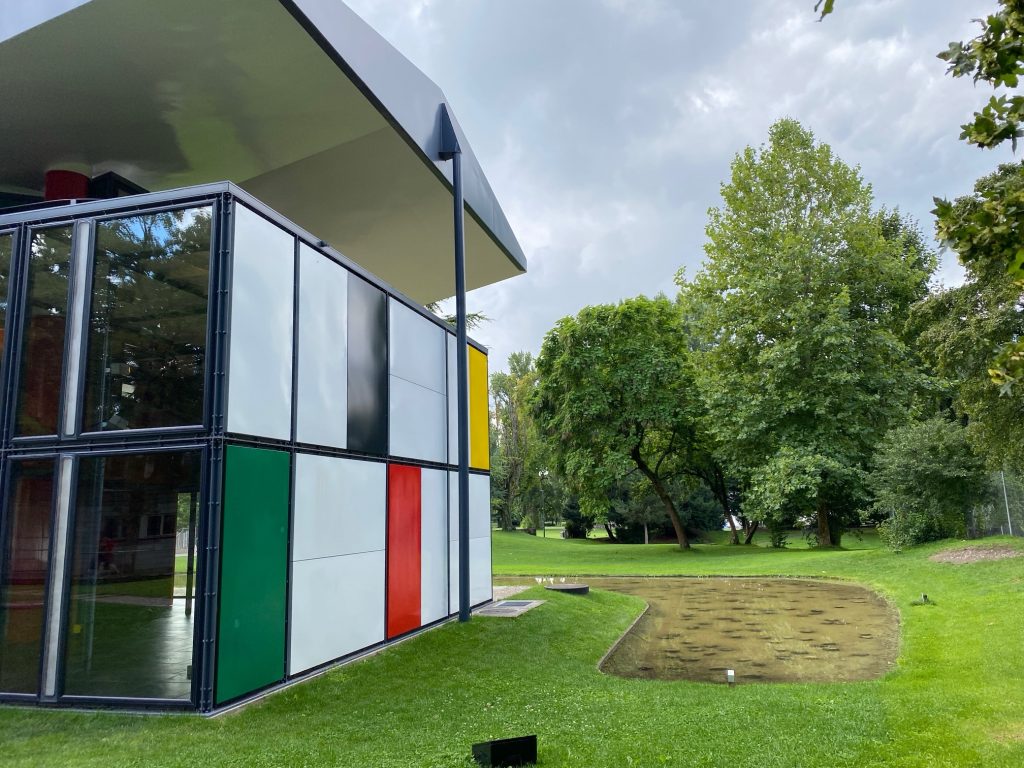
Each time I pass by the closed airport in the middle of Berlin I am amazed by the crazy idea to have built this and maintained throughout the 20th century. Paris is desperately trying to re-naturalize small areas and roads, while in Berlin there is now still the huge park to enjoy for all. Sports activities benefit the most. What an amazing asset in the neighborhoods for so many in need to walk, run or cycle a bit to keep their exercise level up throughout their life course. It has still a huge potential to activate people. It just needs a bit more organizations and volunteers to embrace the opportunities. Only in comparison to other cities you realize what an asset this is now. It will remain a challenge to preserve this centrally located treasure for the benefit of all. In Paris the deconstruction of concrete is taking shape and 300 new sites have been identified for re-naturalization, as reported in LeMonde. In Zurich green spaces in the center have been saved and renovated with a lot of money to allow more people to enjoy the benefits of a green environment near the city center. The house and park by architect Le Corbusier is a fine example of this. Image below. The garden around the house is publicly accessible. As air pollution is threatening more and more and heating in cities is a serious health threat we would really like to welcome more preservation and re-naturalization in inner cities.

Le Corbusier house Zurich 2023

Sectoral Change

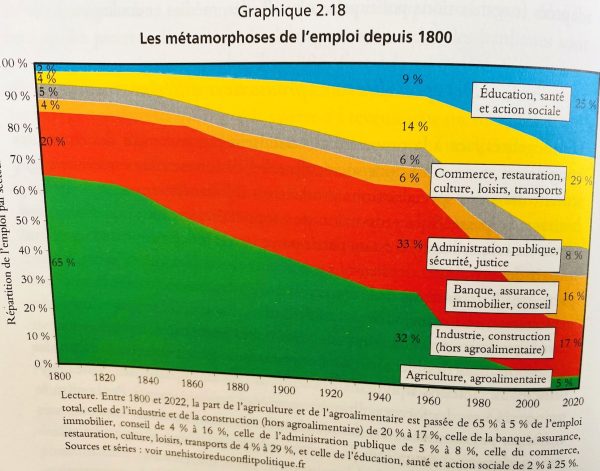
The long-term view of sectoral change in France, for example, from 1800-2022 (Cagé and Piketty, 2023 p. 128) allows us to zoom out of our narrow focus of the last few years of economic change. The decline of agriculture is the most remarkable. The reduction of employment in industry and construction has been an ongoing trend as well. Banking, insurances, property and consulting have seen remarkable expansion over these years. Public services, security and legal affairs are still on a moderate rise. Other sectors like education, health, commerce and transport manage to grow equally.
The merit of the comprehensive volume by Cagé and Piketty (2023) is that it is thoroughly data driven and based on quite unique long data series. The data on structural change and just the employment trends depicted below refocus our attention on likely consequences of these changes.
For the 2 authors we should redirect our attention much more to the implications of these trends (like rising inequality) on political conflicts and power struggles. Democracies are at risk, if we continue to ignore these seminal changes of industrial structures and shifts in employment. The traditional strongholds of trade unions and progressive forces in the manufacturing and construction industries as well as in public transport seem to have unaccounted implications for our political systems as well. The volume by Cagé and Piketty (2023) will soon be available in English and reach broader audiences just-in-time for the European Parliament elections in June 2024. Particularly the spatial implications and how the neglect to take into account the fundamental differences between the rural development and structural change needs urgent reconsideration. After the time for reading and working with the data (LINK) is the time for action to preserve our European Dream of peace and social development.

Mating Birds

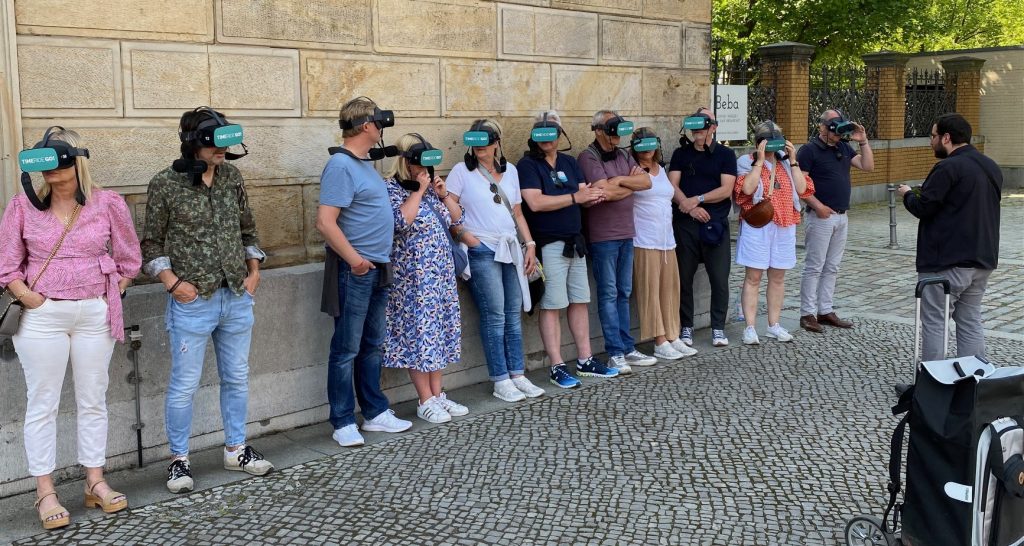
Mating birds have astonishing capabilities. Some songbirds can expand areas of their brains during the mating season. Apparently this helps to outperform other birds in singing contests. The expansion of the brain in the preparation for mating is not so much of an interesting phenomenon in view of the fact of subsequent decline of the capacity. Of course in human engineering the expansion might be useful and the hope to repair a damaged brain is worthwhile as well. In a few years we might know how to expand brain irrespective of brain functions. The naive hope that we might just sing more beautifully in preparation for mating is probably misplaced. While everyone is talking about AI new horizons for HI as human intelligence or hybrid forms become more feasible. Meanwhile we continue to focus on our preparation for mating songs. It seems to exercise parts of the brain with the best intentions in mind. Composers have created fantastic arias and singers impressed audiences across the globe with melodies in preparation of mating like the birds. Art is full of such extraordinary examples. Let’s keep up the preparation as long as the season lasts and before climate change kicks in more forcefully. The mating season might be prolonged a bit, it might be too hot or too wet to prepare for mating as well.

VR to AI to HI

Preference

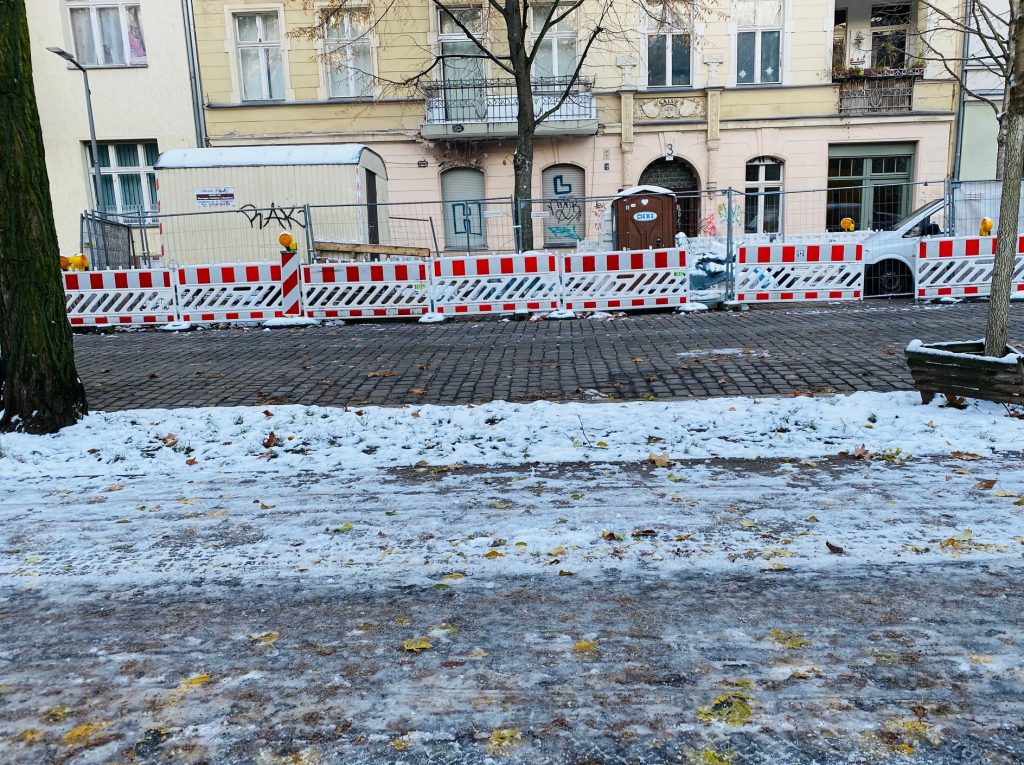
In societies it is not easy to derive collective preferences of citizens. Elections every 4 years tell sometimes nothing on specific issues which were not debated or of sufficient relevance at the time of the election. Dealing with snow and slippery sidewalks is hardly an issue at all. However, the preference to clear roads meticulously rather than bicycle and pedestrian paths in a dead end road reveals preferences for „s‘heilig Blechle“ the holy tin box (car) in many cities. Our orthopedic units in hospitals are crowded at such times and those costs are hardly attributed to the source of human negligence for fellow humans. We would expect that aging societies start to address such topics but little change has occurred so far. Hence we claim airbags for pedestrians and cyclists😂. Preferences probably have changed already but implementation is slow and faces strong opposition as well. It’s always easier to lock frail persons into their apartments at such snowy times. It feels a bit like corona where it was also easier to restrict mobility for pedestrians and children than to deal properly with the virus. Aggregation of preferences in societies remains a challenge and sociology has a lot to offer in this regard.

CO2 Footprint of Books

In view of the worldwide size of book publishing we should also keep an eye on the CO2 footprint of book publishing. The Italian association of publishers gave a brief overview of the likely CO2 footprint the printing of a book causes. Their best guess is at ½ a kilo of CO2 on average. For simplicity of calculation and assuming that an editors’ association is unlikely to overstate the amount, let us assume it is 1 Kg CO2 per book. The most CO2 is consumed not in the book production but in the transport of the items, machinery and personnel involved in producing, editing, selling etc. Of course, paper is recycled to a large amount. Certified sustainability of paper from trees has become a standard in most countries.
Nice twist to the issue: your own library at home has become a CO2 storage, if you keep them or lend them or pass them on to others. Reading can be a little bit addictive and buying books as well. Reading online or electronic books reduces your CO2 footprint. The best way to imagine the reduction of your CO2 footprint, however, is to buy or to borrow a book on travelling which replaces the actual journal by reading on the couch. Yes, being a couch potato is good for the planet, and if you want to buy a book, walk to the book shop or the library if possible. If you enjoyed flying previously shift over to buying books on planes, airports, clouds in images or stories that involve extensive travelling instead for the sake of your own CO2 footprint and future generations.
Even a book will need somehow wood as input, many alternative ways of leisure time or professional activities are worse in terms of CO2 footprint. Any e-book, e-journal or e-newspaper is even better for the planet, especially if we think of the millions of paper copies across the world that are printed but never sold. Knowing your market is crucial to reduce misallocation of ressources. E-books are so much easier to store as well using regenerative energy for the content servers around the world.
World in Common

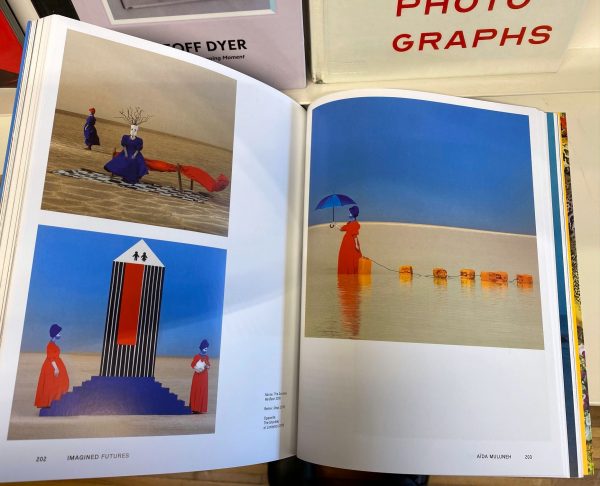
The Tate Modern Gallery in London has an exhibition of photography on display which challenges our Western view of art works. With a focus on photography and African photographers it is complementary to the many other photo exhibitions. We have a world in common, says the title of the exhibition. The images, however, reveal another vision of African photographers. Other perspectives on beauty, architecture and the distribution of wealth and waste across the world becomes explicit. Beyond the documentary effect of a lively African scene of photography and past colonialism the forward-looking vision of African photographers is also evident. Colours and Imagination of a unique kind allow us to look beyond the current state of affairs. Rising from the ashes and western waste the colours of Africa will prevail.
Only through the force to imagine a different trajectory for the continent we shall eventually be able to see new flowers blooming.
Positive images have to be put in front of the “negativity bias” in Western media when reporting about African countries. The light, the sun, the sea and coast lines, all can contribute to the rise of Africa in various ways. The photographers in the Tate exhibition demonstrate an impressive power to go beyond the day-to-day topics.
Broadening our scope of visuals with more images from Africa certainly are  fist steps to enlarge the spectrum of photography and art. A chance to browse through the catalogue allows to go back from time to time to counter our usual stereotypes. (Image taken from Tate catalogue A world in common, 2023 Muluneh Aida 2018 p. 202-3).

Chrysanthemum

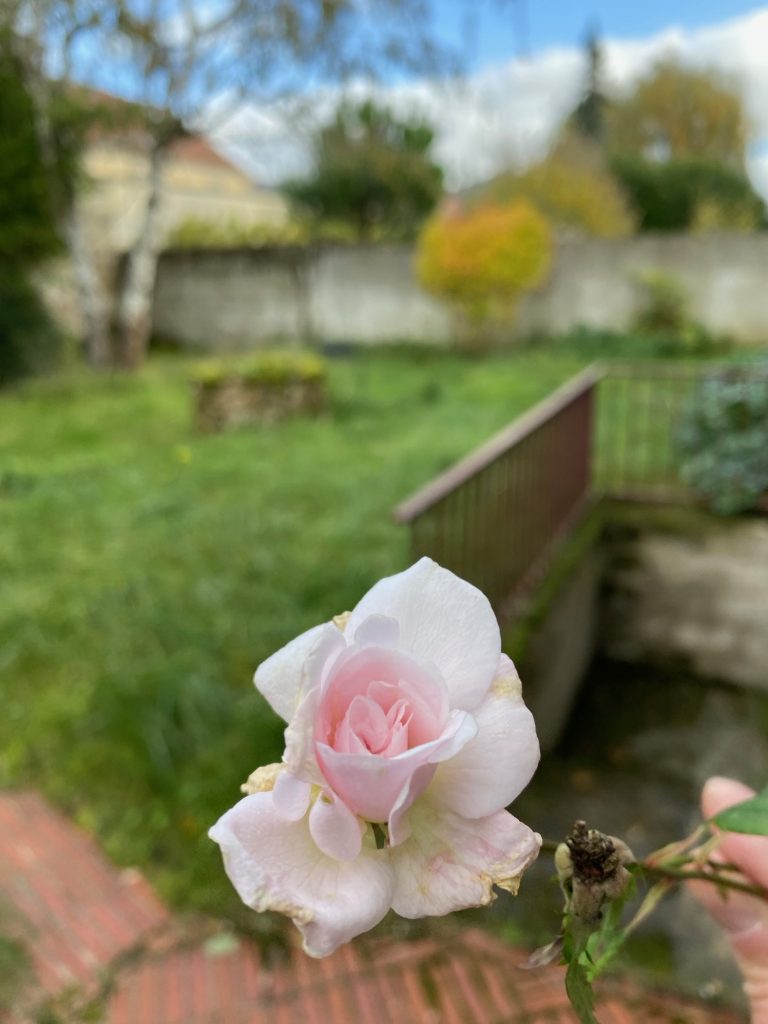
We all know Chrysanthemum as the flowers of the autumn season. For Christians the Chrysanthemum is popular to decorate the graveyards around all saints day or reformation day. But also in the commemoration of armistice day of the Great War 14-18 flowers to remember that last a little bit are widely spread throughout Europe. But climate change and a prolonged summer season threatens these traditions. It is not uncommon to spot even a few roses here and there. It may well be the one and only “last rose” in other places.

Maybe we have to reconsider our concepts of seasons and planting cycles. Less use of tap water, but rain water recovery instead will help us get through droughts and a prolonged summer. Let’s see what changes we shall live through in autumn and winter. Chrysanthemum in winter, Chrysanthemum for Christmas is strange idea. Maybe that is what we should expect from now on.

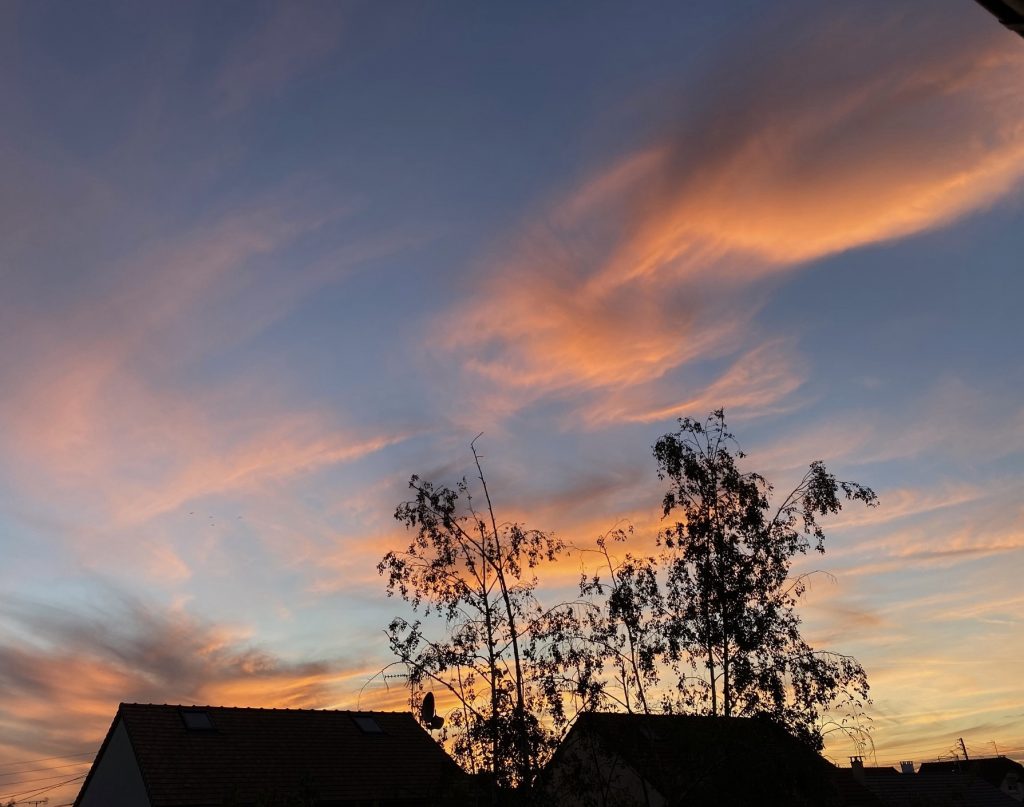
11.11.2023 Ile de France

Trees

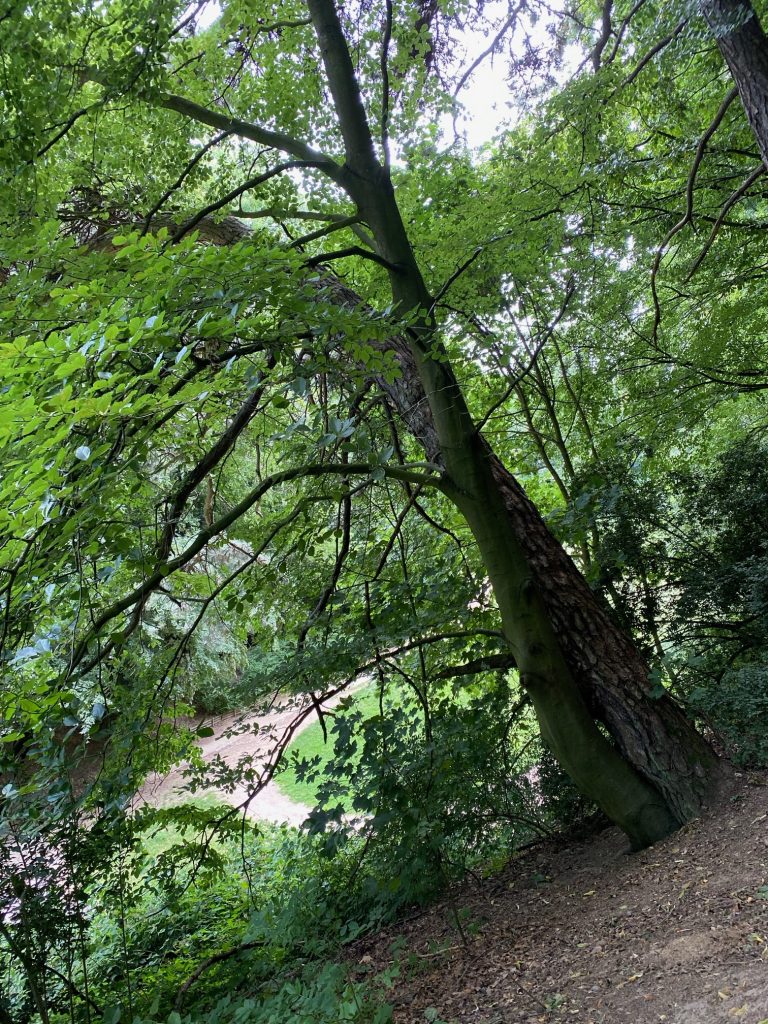
Looking at trees is relaxing. At least this is true for most of us. Some researchers, however, have a stressful time to sort out what it is exactly about trees that causes this impression, perception or feeling. Time to do a few studies on this issue (Lancet RM, 2023). Most likely it is the size or the number, maybe the surface or volume covered by trees that have an impact on us. Maybe it is the sequence of seasons that really causes the pleasant feeling about trees. Perhaps the fresh air, shadow in summertime or more the birds and squirrels or dogs that „inhabit“ the trees in neighborhoods that are important to us. More and more cities really develop sizable programs to care about their green spaces. In a simple cross-sectional study it seems the visibility of trees that is important rather than other effects. More sophisticated second round effects like oxygen levels or meeting points like in rural areas seem not to matter as much in cities currently. The study cited below invites us to devote more consideration to trees which we took for granted for far too long.

Ordóñez, C., Labib, S.M., Chung, L. et al.Satisfaction with urban trees associates with tree canopy cover and tree visibility around the home. npj Urban Sustain 3, 37 (2023). https://doi.org/10.1038/s42949-023-00119-8