In view of the worldwide size of book publishing we should also keep an eye on the CO2 footprint of book publishing. The Italian association of publishers gave a brief overview of the likely CO2 footprint the printing of a book causes. Their best guess is at ½ a kilo of CO2 on average. For simplicity of calculation and assuming that an editors’ association is unlikely to overstate the amount, let us assume it is 1 Kg CO2 per book. The most CO2 is consumed not in the book production but in the transport of the items, machinery and personnel involved in producing, editing, selling etc. Of course, paper is recycled to a large amount. Certified sustainability of paper from trees has become a standard in most countries.
Nice twist to the issue: your own library at home has become a CO2 storage, if you keep them or lend them or pass them on to others. Reading can be a little bit addictive and buying books as well. Reading online or electronic books reduces your CO2 footprint. The best way to imagine the reduction of your CO2 footprint, however, is to buy or to borrow a book on travelling which replaces the actual journal by reading on the couch. Yes, being a couch potato is good for the planet, and if you want to buy a book, walk to the book shop or the library if possible. If you enjoyed flying previously shift over to buying books on planes, airports, clouds in images or stories that involve extensive travelling instead for the sake of your own CO2 footprint and future generations.
Even a book will need somehow wood as input, many alternative ways of leisure time or professional activities are worse in terms of CO2 footprint. Any e-book, e-journal or e-newspaper is even better for the planet, especially if we think of the millions of paper copies across the world that are printed but never sold. Knowing your market is crucial to reduce misallocation of ressources. E-books are so much easier to store as well using regenerative energy for the content servers around the world. 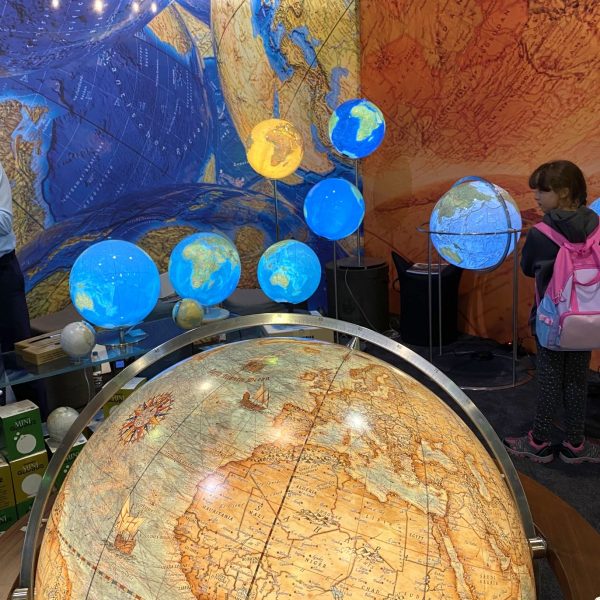
World in Common
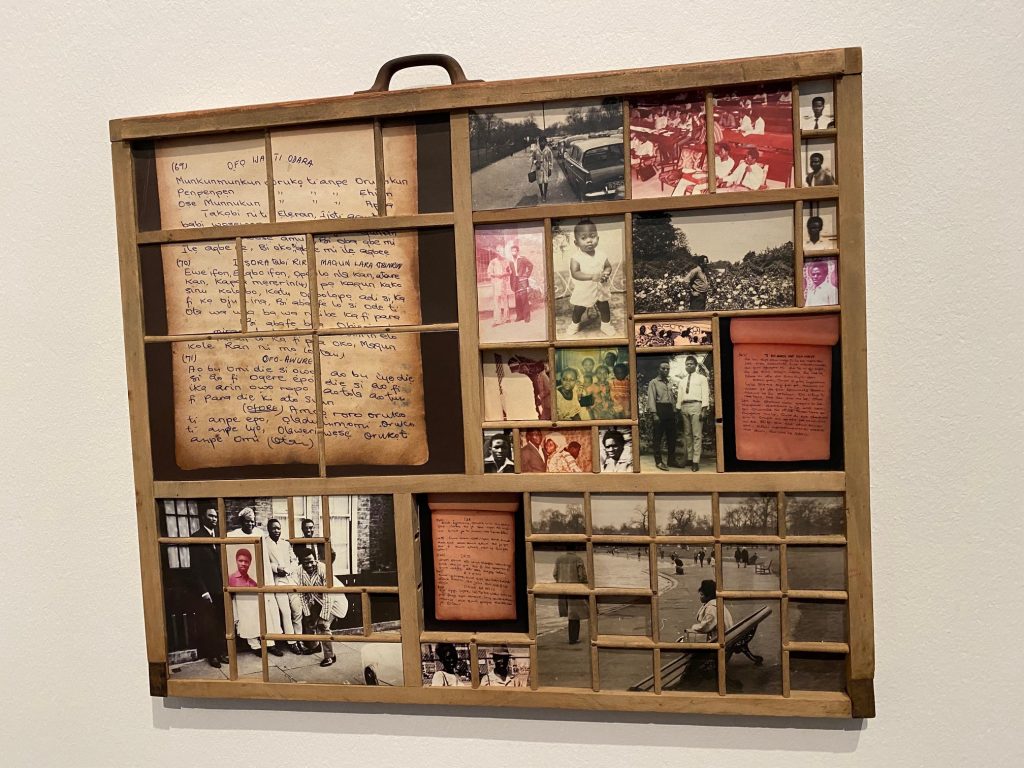
The Tate Modern Gallery in London has an exhibition of photography on display which challenges our Western view of art works. With a focus on photography and African photographers it is complementary to the many other photo exhibitions. We have a world in common, says the title of the exhibition. The images, however, reveal another vision of African photographers. Other perspectives on beauty, architecture and the distribution of wealth and waste across the world becomes explicit. Beyond the documentary effect of a lively African scene of photography and past colonialism the forward-looking vision of African photographers is also evident. Colours and Imagination of a unique kind allow us to look beyond the current state of affairs. Rising from the ashes and western waste the colours of Africa will prevail.
Only through the force to imagine a different trajectory for the continent we shall eventually be able to see new flowers blooming.
Positive images have to be put in front of the “negativity bias” in Western media when reporting about African countries. The light, the sun, the sea and coast lines, all can contribute to the rise of Africa in various ways. The photographers in the Tate exhibition demonstrate an impressive power to go beyond the day-to-day topics.
Broadening our scope of visuals with more images from Africa certainly are fist steps to enlarge the spectrum of photography and art. A chance to browse through the catalogue allows to go back from time to time to counter our usual stereotypes. (Image taken from Tate catalogue A world in common, 2023 Muluneh Aida 2018 p. 202-3).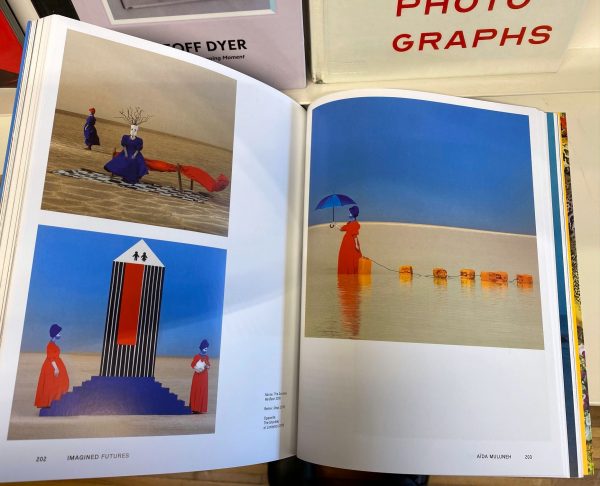
Chrysanthemum
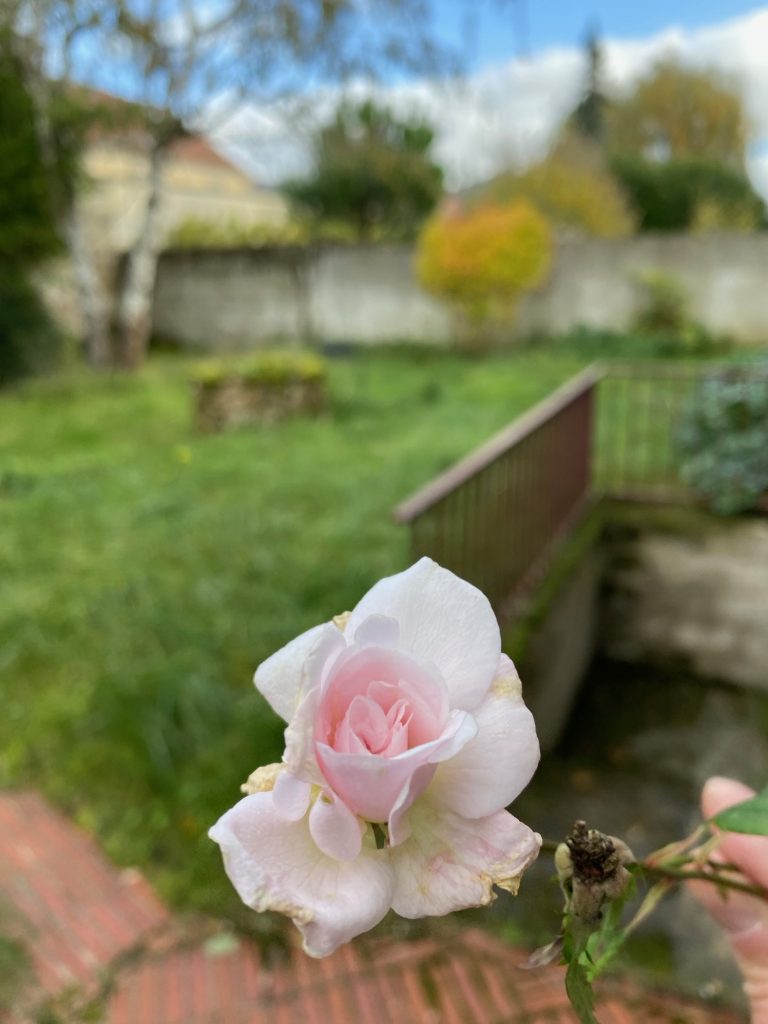
We all know Chrysanthemum as the flowers of the autumn season. For Christians the Chrysanthemum is popular to decorate the graveyards around all saints day or reformation day. But also in the commemoration of armistice day of the Great War 14-18 flowers to remember that last a little bit are widely spread throughout Europe. But climate change and a prolonged summer season threatens these traditions. It is not uncommon to spot even a few roses here and there. It may well be the one and only “last rose” in other places.
Maybe we have to reconsider our concepts of seasons and planting cycles. Less use of tap water, but rain water recovery instead will help us get through droughts and a prolonged summer. Let’s see what changes we shall live through in autumn and winter. Chrysanthemum in winter, Chrysanthemum for Christmas is strange idea. Maybe that is what we should expect from now on.
Trees
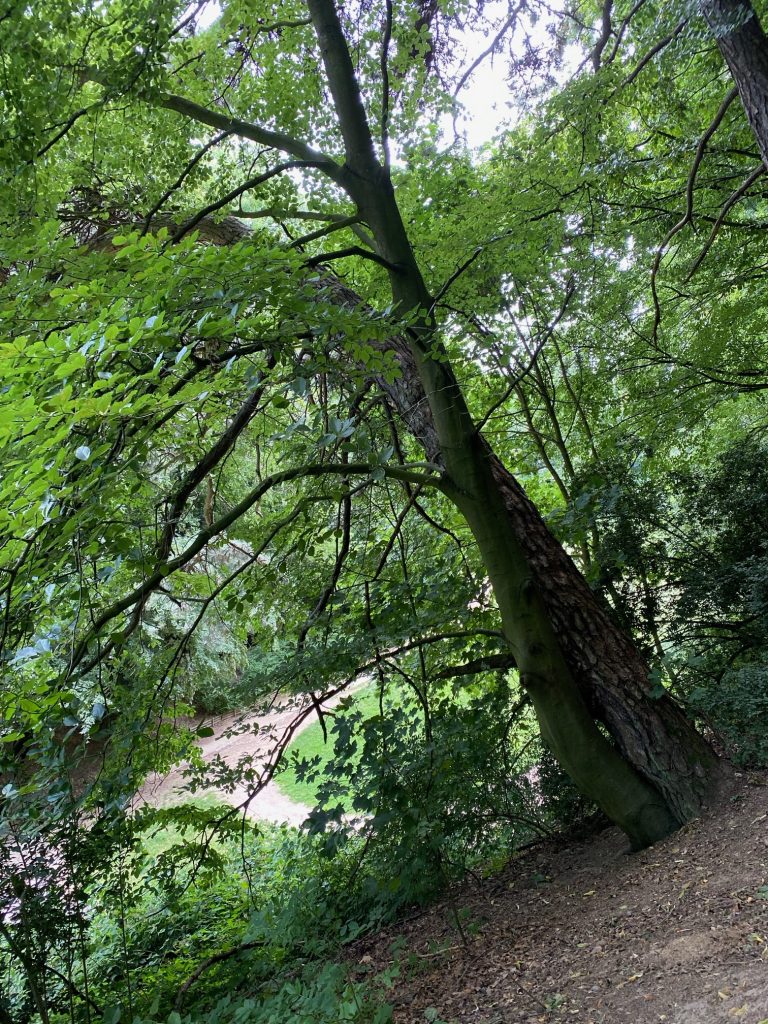
Looking at trees is relaxing. At least this is true for most of us. Some researchers, however, have a stressful time to sort out what it is exactly about trees that causes this impression, perception or feeling. Time to do a few studies on this issue (Lancet RM, 2023). Most likely it is the size or the number, maybe the surface or volume covered by trees that have an impact on us. Maybe it is the sequence of seasons that really causes the pleasant feeling about trees. Perhaps the fresh air, shadow in summertime or more the birds and squirrels or dogs that „inhabit“ the trees in neighborhoods that are important to us. More and more cities really develop sizable programs to care about their green spaces. In a simple cross-sectional study it seems the visibility of trees that is important rather than other effects. More sophisticated second round effects like oxygen levels or meeting points like in rural areas seem not to matter as much in cities currently. The study cited below invites us to devote more consideration to trees which we took for granted for far too long.
Ordóñez, C., Labib, S.M., Chung, L. et al.Satisfaction with urban trees associates with tree canopy cover and tree visibility around the home. npj Urban Sustain 3, 37 (2023). https://doi.org/10.1038/s42949-023-00119-8
Auenlandschaft
Die Auen und die Wälder in der unmittelbaren Nachbarschaft hatten eine hohe Bedeutung für die Biodiversität. Mit ihren fruchtbaren Böden waren sie leider sehr begehrt für die Landwirtschaft und wegen Wassernähe auch für Wohnungsbau. Die Auen haben eine wichtige Funktion als Aufnahmefläche für Hochwasserschübe an allen Binnengewässern. Das haben wir in Deutschland an der Ahr schmerzlich wieder erleben müssen. Nachhaltiges Wirtschaften mit den Auen statt gegen die Auen ist möglich. Selbst der langsame Rückbau von befestigten Flussufern ist möglich, wenn Ausgleichsflächen für Überflutungen erschließbar sind. Das braucht eine langfristige Planung. Diese fängt meistens auf den umliegenden Bergen und Hügeln an, die nicht mehr nahezu ungebremst große Wassermengen rasch in die Flüsse ableiten. Auffangbecken, die höher gelegen sind, Versickerung, die nachhaltig bewässert, sind verbundene Planungsvorhaben, die zusammengenommen eine wirksame Antwort auf den Klimawandel bilden.
Auen haben feuchte- und wärmeregulierende Funktionen, die den umliegenden Dörfern und Städten zu Gute kommen. Elektrisch betriebene Schiffsmotoren drehen leicht mit höheren Drehzahlen und Vermeiden dadurch zusätzlich die hohen Heckwellen, die sonst oft bei langsam drehenden großen Schiffsschrauben zu beobachten sind. Als Naherholungsgebiete sind die Auenlandschaften sehr beliebt und nicht erst seit den Malenden der Romantik. Die größere Biodiversität sollte eine Antriebsfeder sein, diese Naturschönheiten zu bewahren und, wo möglich, wieder herzustellen. Leipzig hat das erfolgreich durchgeführt (Link PDF). In Frankreich tragen die Rückhaltebecken der Marne wesentlich zur Verbesserung der Wasserqualität der Seine bei damit mittelfristig darin sogar wieder gebadet werden könnte. 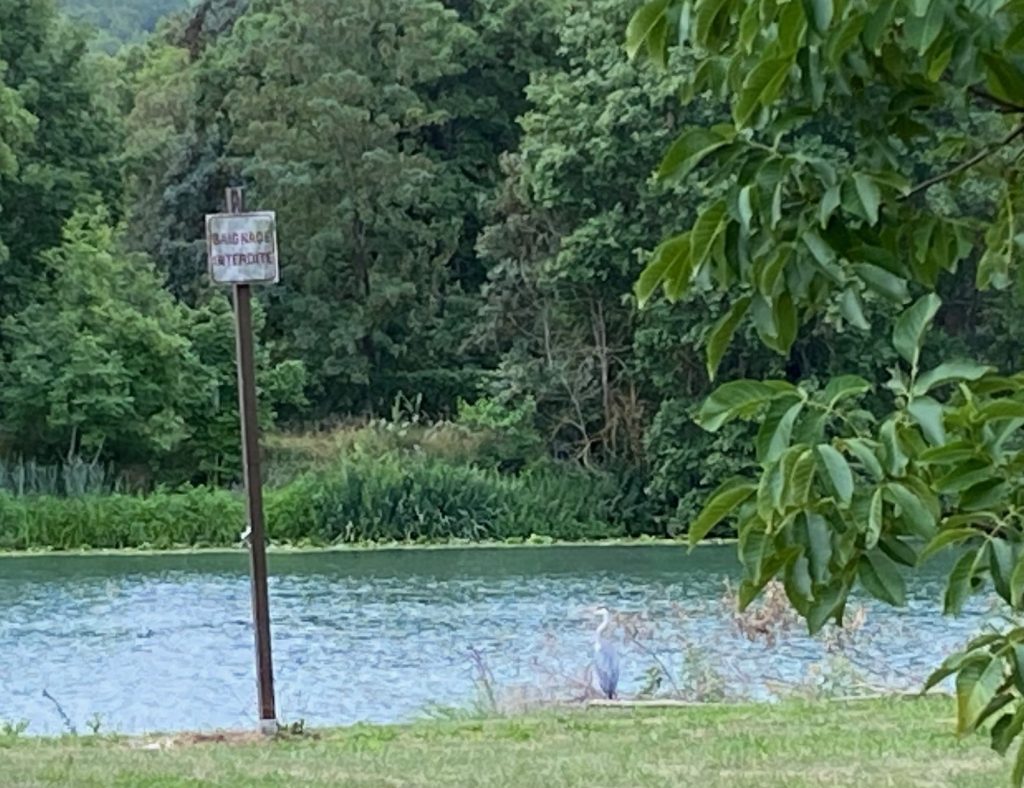
10000
In France 100.000 is associated with Monsieur 100.000 Volt Gilbert Bécaud due to his dynamic singing and performance style. Since August 2023 we now have an additional association with the number 10.000. Ten thousand m3 was the size of stones that came down from the mountains near the popular skiing resorts in the French Alps (Le Monde Link+video). To visualize the amount, a back of the envelope calculation with a standard container size of 25 m3 returns 400 loads of lorries to be removed from hard to access landscapes. Count this into the costs of running ski resorts.
A study in the scientific journal “Nature Climate Change” in 2023 highlighted the increasing risks to European skiing sites. Same holds for the Alpes in Switzerland. Some areas relying on water resources to create artifical snow do so in less and less safe areas. Costs accrue to communities who benefit only indirectly from the skiing hype, celebrating 100 years of Olympic skiing next year. After all it is big business to sell or lend equipment, provide hotels and meals for all those sports women and men.
The so-called collateral damage is probably even worse. Interrupted railways, bridges, motorways and traffic in general becomes a severe disruption for quite some time adding to the total costs of having fun in winter. Is it worth it? A tricky question to ask in a referendum. We shall have to revise our past decisions to expand skiing resorts in light of the new evidence of higher risks and costs involved. A book on 10.000 years of history of glaciers is full of side-effects of glaciers melting away, which cause instability to valleys on the sidelines. In the most recent break-up of rocks it is actually more the access to the skiing resorts that was blocked, but this demonstrates to all: passing this area now, is not without serious side-effects. 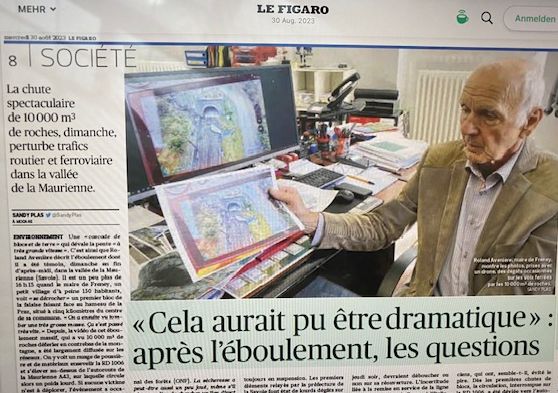
Europa Meer
Europa und das Meer, so lautet der Titel eines Buches und Katalogs zu einer Ausstellung des Deutschen Historischen Museums (DHM) aus dem Jahr 2018. In 2023 im August sind die Zeitungen voll mit Artikeln über Meererwärmung und die schwerwiegenden Folgen für Menschheit und Bio-diversität. Die Geschichte der Beziehung zwischen Europa und dem Meer ist leidvoll und euphorisch zugleich. Alljährlich zur Sommerszeit wird das Mittelmeer von Wellen mit Touristen überspült die „over-tourism“ erleiden müssen. Menschen sind oft eine in Massen, aber nicht in Maßen, auftretende Spezies. Das Meer spielt zusätzlich eine faszinierende, verheißungsvolle Anziehungskraft aus. Europa sieht sich zudem gerne noch als Dreh- und Angelpunkt der Weltgeschichte.
Der Ausstellungskatalog enthält lesenswerte Beiträge von der Antike übers Mittelalter bis in die Neuzeit. Die Thematisierung von Herrschafts- und Handelsräumen , Brückenschlagen und Grenzziehungen, Meer als Ressource bis hin zum Sehnsuchts- und Imaginationsort bieten eine originelle Herangehensweise. Schon 2018 enthielt der Katalog einen Beitrag zum Massengrab Mittelmeer sowie zum Sehnsuchtsort Hafenmetropole Odessa.
Migration in ferne Länder samt der Verheißung eines vermeintlich besseren Lebens sind so alt wie die Menschheit. Die Weite des Meeres suggeriert zusätzlich die Möglichkeit des Neuanfangs und Althergebrachtes, hinter sich zu lassen. Freiwillig oder gezwungen, das ist dabei oft die entscheidende, unterscheidende Frage.
Greenwashing
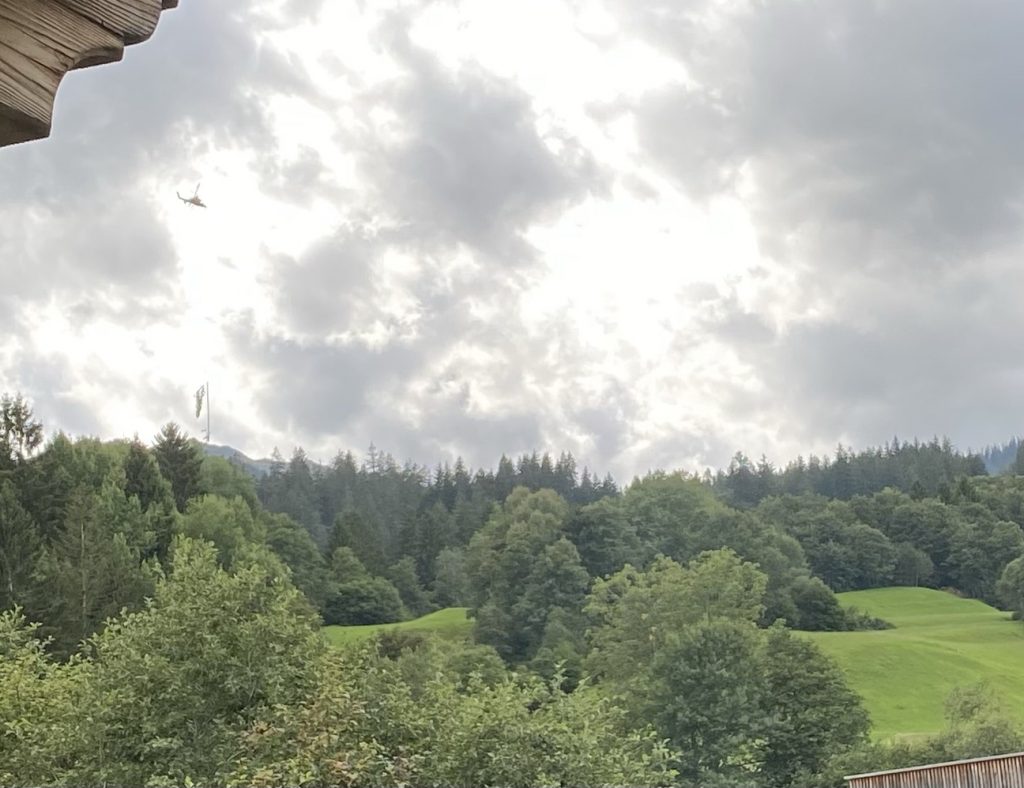
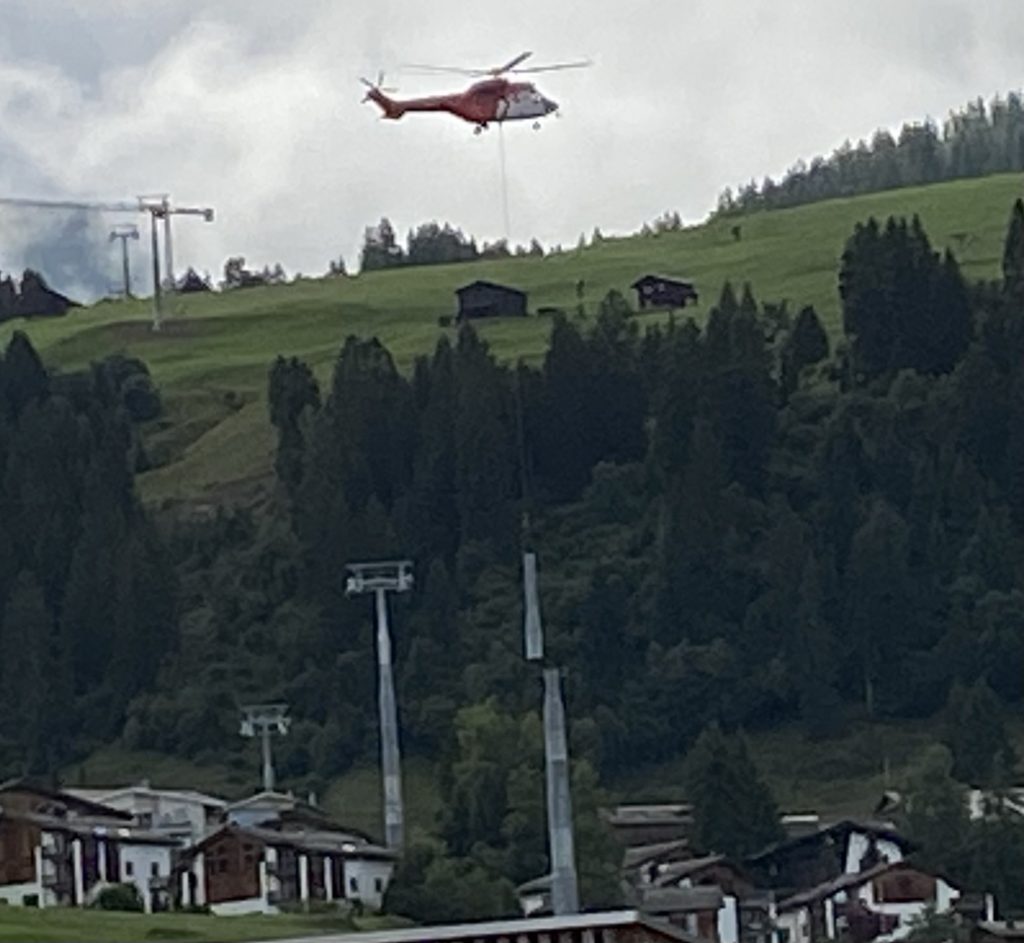
We mostly think of greenwashing of big polluting industries , but there many other ways to cheat with green labels. When you travel through green Switzerland you might be surprised of how the Swiss way of greenwashing works. In order to survive as tourist attraction with less snow (Study published in Nature Climate change 2023) and reduced numbers of trees, greenwashing has to happen quickly before tourists arrive again.
The challenge is to clear your sick parts of the forest quickly and to build new ways for fast lifts to heights in the mountains where you are likely to find snow at least for the next 30 years after which the investment is amortized. (quote from Neue Zürcher Zeitung 5.8.2023 p11). This all is carried through in speedy fashion and probably in the most polluting way you can imagine. Heidi would cry in the arms of her grandfather and join Greta in the school strike.
Gartenwelt
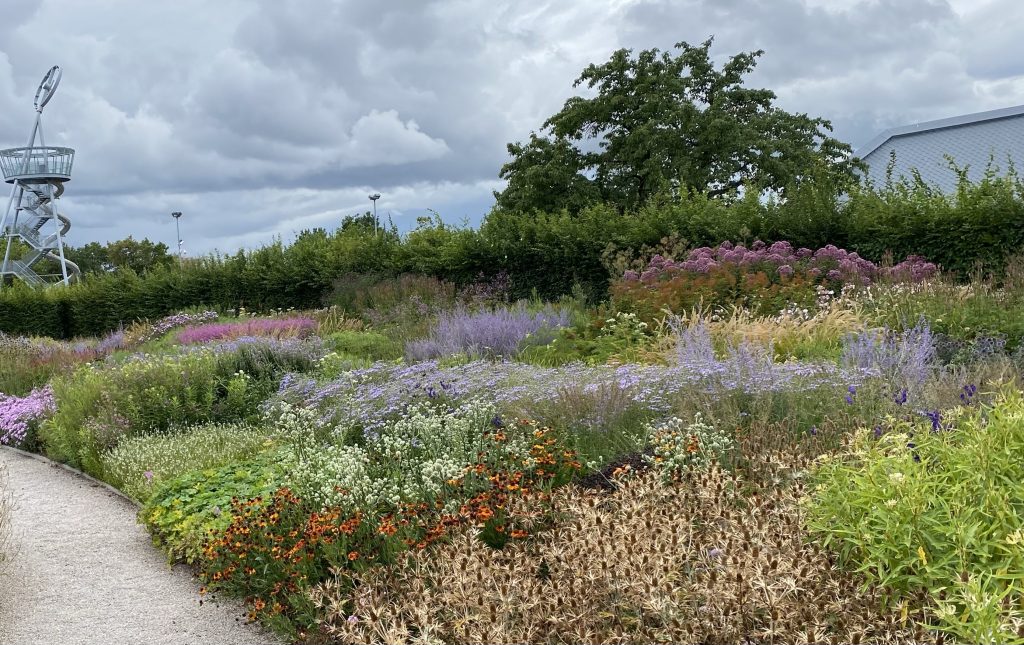
Gärten sind eigene Welten. Selbst im gleichen Garten sehen verschiedene Menschen unterschiedliche Dinge. Man stelle sich nur sogenannte Farbenblindheit vor. Jahreszeiten bieten zusätzliches Ansichtsmaterial. Animalische Perspektiven würden für erstaunliche Überraschungen sorgen. Nach den Vorarbeiten mit dem Polinatorprojekt online hatten wir die Gelegenheit eine konkrete Realisierung einer solchen Gartenwelt zu durchwandern.
Der reale 3-D Eindruck ist überwältigend und bringt die virtuelle Erfahrung des Gartens im Lauf der Jahreszeiten in die reale Welt. Zu jeder Jahreszeit, selbst im Hochsommer, ist viel Farbe im Spiel und das auf mehreren Ebenen. Paradiesische Gartenwelten erschließen sich bei der Bewegung im Garten. Das wirkt wie ein Ansporn zu eigenen oder besser gemeinschaftlichen Anstrengungen einer vergleichbaren Realisierung. Genau das ist auch Teil der Ausstellung und des Katalogs „Zukunft der Gärten“ im Vitra Design Museum.
Unwinding violence
A common metaphor to describe rising or erupting violence is the “spiral of violence”. In exerting violence by one person or group, the response of the other person or group is even more violent and, potentially, the response to the response makes use again of more violence. The spiralling up of violence is hard to stop or to reverse. Law as well as its enforcement has to play a major role in this process. However, if the police violence is involved as part of the spiralling process the process gets even more complicated. Beware of the beginnings of such a process.
In France in July 2023 the debate about violence is wide open. Contributions to the debate in Le Monde deal with the discussion to claim equal treatment of violence from “fundamental ecologists” as well as extremist defendants of industrial agriculture (Stéphane Foucart). Both sides became more radical in their actions and threaten an escalation in case of governmental inaction. The “triangle of silence” is also a breeding spot with a potential for violent confrontations. Groups in society that have no voice in parliament or local governments frequently use violent actions to raise awareness to their concerns as politics and media tend to ignore “not so nice” images and reporting from areas with multiple disadvantages and social confrontations.
One of the proposed solutions by Marcel Marloie (published in LeMonde) proposes to rethink urban planning deviating from the path proposed originally by Le Corbusier. Instead of offering public parks that are cultivated (and policed) by the local government, entrust areas of collective gardening to the disadvantaged communities. The empowering role is, to master your own piece of happiness. The “bonheur à la Voltaire” is likely to increase attachment to your local and neighbouring community. Of course, this is not evolving without conflicts, but these are processes of accepting compromises and mediation rather than violent resolution of conflicts or aggression out of desperation.
Contrary to the belief that some big projects (Olympic games in Paris) should contribute to unite a nation(s), it might well lead to further segregation of persons who benefit from the games and those who are unable to enjoy some sort of participation in the event. Further gentrification of Paris is likely to be the result. Poorer or lower middle-class people will no longer be able to live in the renovated suburbs that have more public space being privatised and turned into for profit activities. The challenge is to build areas that enhance trust in people, trust in institutions and politics. Schools, associations, trade unions, political parties and social institutions have an important role to play in this respect. The way forward is with more communication and deliberation, not less, especially for and with the most distant groups of a societal consensus.