2 Pinot 2 Riesling. That could be the long version of 2P2R. However, this far from (politically) correct. The not-joking scientific medical journal “The Lancet” (Vol.401 Nr 10391) has next to the article on “Laughter is the best medicine” coping with trauma, the serious matter of how best to deal with pandemics. Remember 2P2R as the important lesson from the pandemic. Prevention, preparedness, response, and recovery (2P2R) are key. And don’t forget about primary health care or essential (medical and other) workers. This is, in short, the message from Arush Lal and Nina Schwalbe (Paper Link). Lots of social topics involved in this correspondence from the authors. Prevention is a big issue and, as in the health system, fighting continuously for sufficient resources. Prevention is in most cases less costly than curing a disease. Preparedness has direct costs. Masks and ventilators need to be produced, stored and monitored in their functionalities. Response has to be immediate, masks in China a important but do not allow us to respond fast to local emergencies. Recovery can be long and costly as well, just as we learn from Long-COVID patients.
Now we need to define properly what is included in primary health care. Medical doctors, nurses and technicians of hospitals have to reach patients and hospitals in pandemics or need child care, food etc. and, maybe, also laughter to avoid trauma. Remember 2P2R, but best in company with your loved ones, but not on your own. 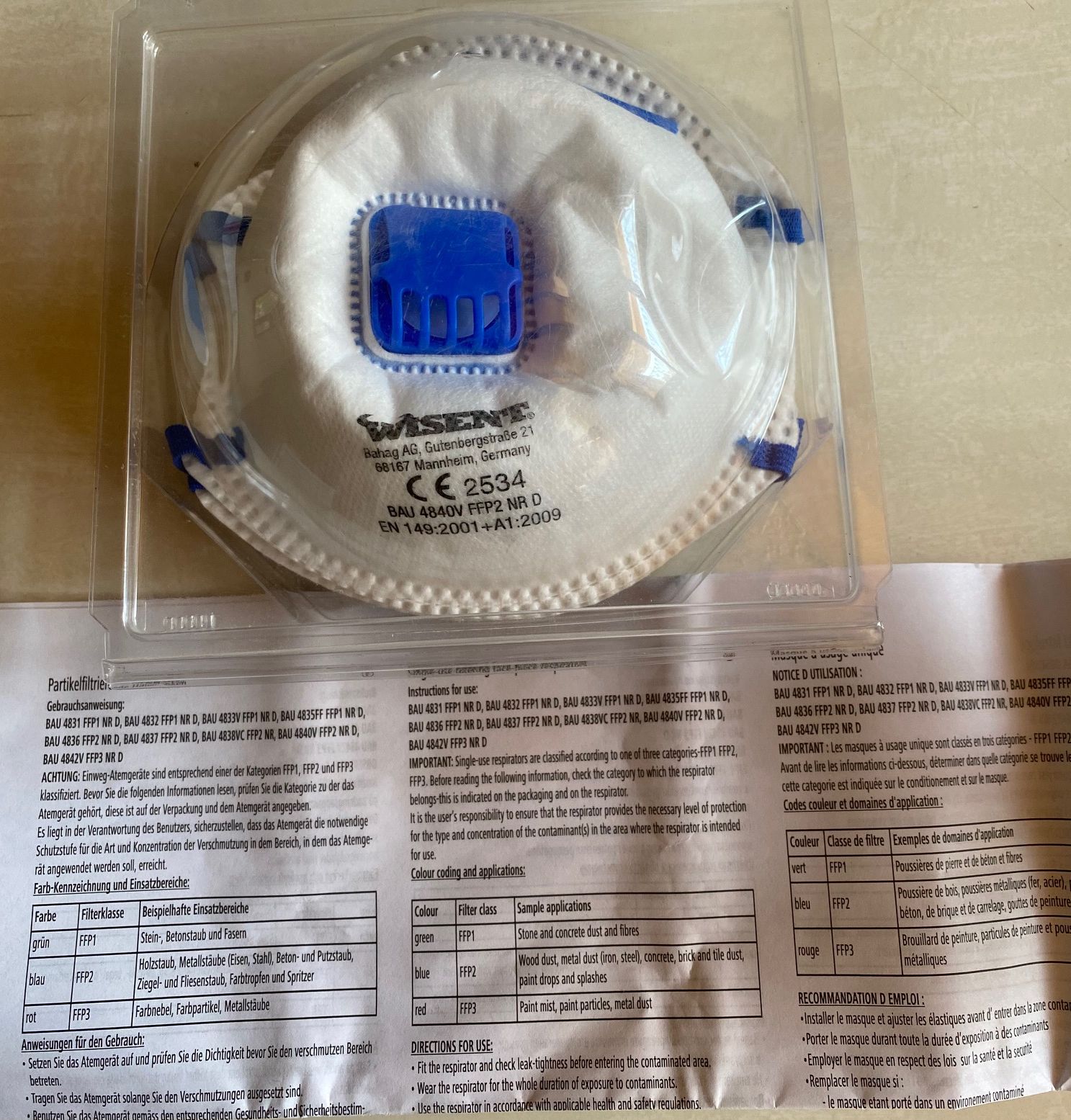
Krieg
„Zugunsten des Krieges kann man sagen: er macht den Sieger dumm, den Besiegten boshaft. Zugunsten des Krieges: er barbarisiert in beiden ebenfenannten Wirkungen und macht dadurch natürlicher; er ist für die Kultur Schlaf- oder Winterszeit, der Mensch kommt kräftiger zum Guten und Bösen aus ihm heraus.“ (Nietzsche, Menschliches, Allzumenschliches Nr. 444 S. 668).
Wir werden der Ukraine ermöglichen, ihre Kultur zu erhalten und gestärkt durch den Krieg zu bringen. Das können wir ermöglichen und gleichzeitig der von Putins Russland eingeleiteten Barbarisierung seiner eigenen Bevölkerung entgegen wirken. Nietzsche hatte das recht klar durchdacht und die Gefahren des Krieges kühl berechnet. In seinen aphoristischen Betrachtungen (u.a. Menschliches, Allzumenschliches) nachzulesen, lohnt immer mal wieder. Es schärft den Blick für zu schnell Vergessenes.
Die Einen dumm, die anderen boshaft gemacht. Es lässt sich damit nichts zugute des Krieges sagen, außer es werden Tendenzen, negative wie positive, verstärkt. Der Prozess der Zivilisation (Norbert Elias) wird auf barbarische Zeiten zurückgeworfen. Nur mit Erhalt und Förderung der Kultur kann dem begegnet werden. Die Ukraine ist auf einem vielschichtigem, demokratischem und kulturellem Weg in die Zukunft. 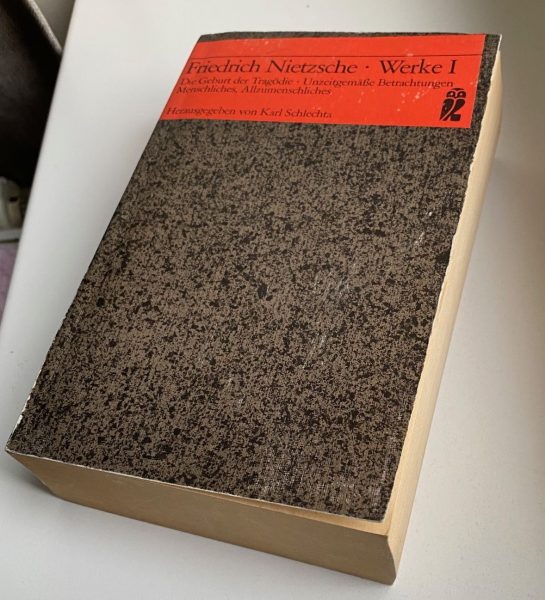
Proud
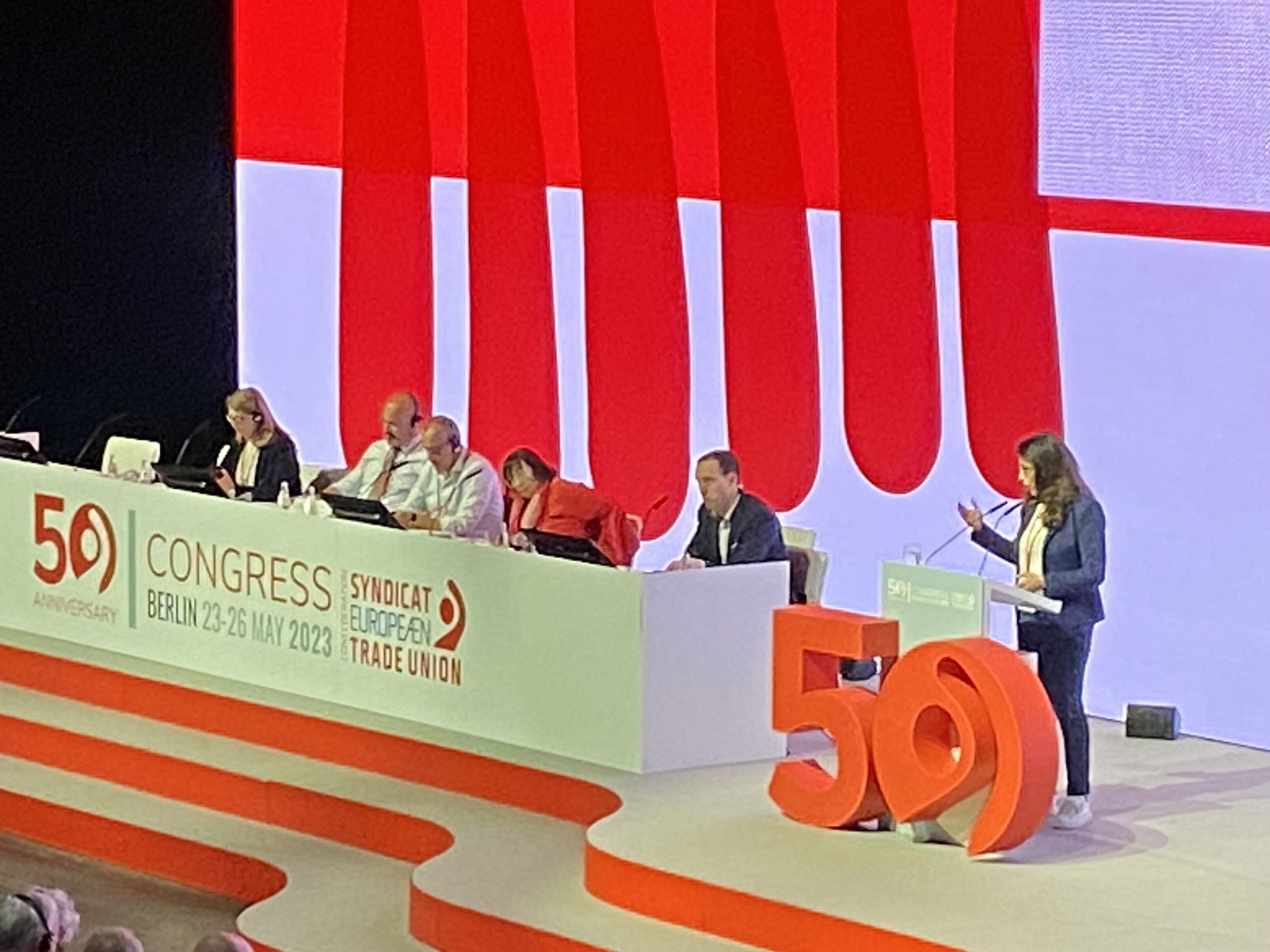
Proud to be part of the European Trade Union Congress. We take so many things for granted that we no longer really aware of the importance they have for our daily lives. Trade unions are part of these things. We only start to miss them when we no longer can count on their impact on legislation or collective bargaining as well collective agreements. In Ukraine 🇺🇦 lots of things we take for granted were destroyed by Russia from one day to the other. We learn from their courage to defend our common values like the freedom of association to form a truly independent trade union and to decide yourself which other unions in Europe to associate with. The Ukrainian unions made their choice and they are proud and committed members of the ETUC as of May 2023. Great to have met you in Berlin. We have a lot to defend together. Basic human rights and workers including their families need their and our support. This will remain a priority as well as a challenge. Thank you for the sticker on the wall of greetings for 50th anniversary of the ETUC. 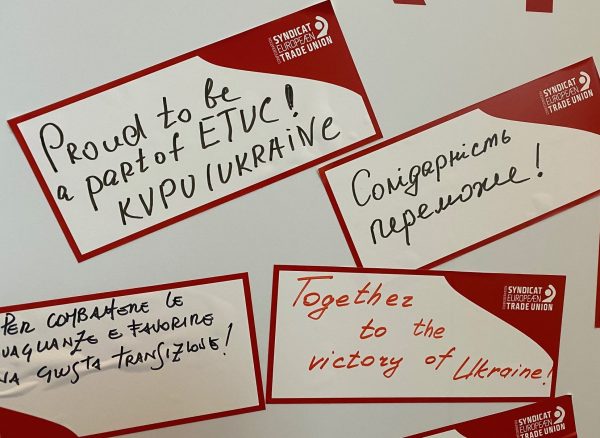
Jahrestage
Jahrestage sind die Geburtstage von Organisationen oder zeitgeschichtlichen Dokumenten. Der 23. Mai ist so ein Jahrestag. Alle BundesbürgerInnen sollten an diesem Tag die Verkündung des Grundgesetzes im Jahre 1949 feiern. 75 Jahre sind das in 2024. Die Ostdeutschen hatten mit den Füßen abgestimmt, dem Geltungsbereich des Grundgesetzes beizutreten. Eine gesamtdeutsche Verfassung lässt noch auf sich warten. Provisorien halten oft ganz gut.
160 Jahre SPD, feiern wir etwas verhalten, ob der enttäuschenden Wahlergebnisse der heutigen Sozialdemokraten beispielsweise in Berlin (außer in Bremen Mai 2023). Der Allgemeine Deutsche Arbeiterverein (ADAV) von 1863 in Leipzig begründete die lange Tradition und der Kampf für Rechte der Arbeiter. Zu dem Jahrestag der Sozialdemokratie passt der am 23.5.2023 in Berlin stattfindende Kongress, gleichzeitig zur 50 Jahre-Feier des Europäischen Gewerkschafsbundes (EGB). Viele Sozialdemokraten haben dabei Anlass beides zu feiern. Ferdinand Lassalle, Gründer des ADAV, forderte aufgrund seiner These vom „ehernen Lohngesetz“, die Armutsbekämpfung zu einem Hauptthema zu machen. 160 Jahre später feiert der EGB in Berlin auf seinem 15. Kongress die erfolgreiche Arbeit für eine europäische Richtlinie für Mindestlöhne. Manche Sprünge brauchen sehr viel Anlauf.
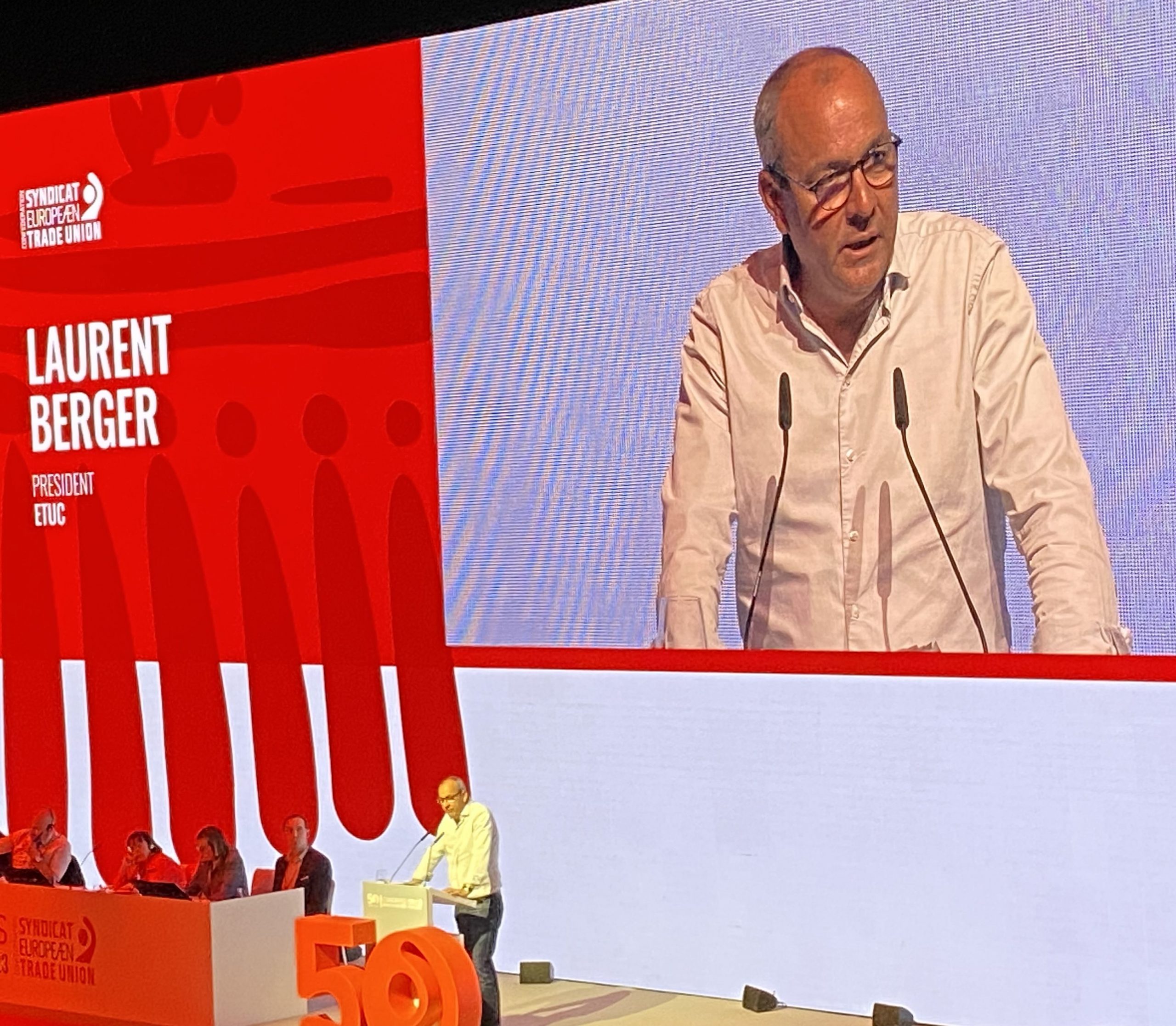
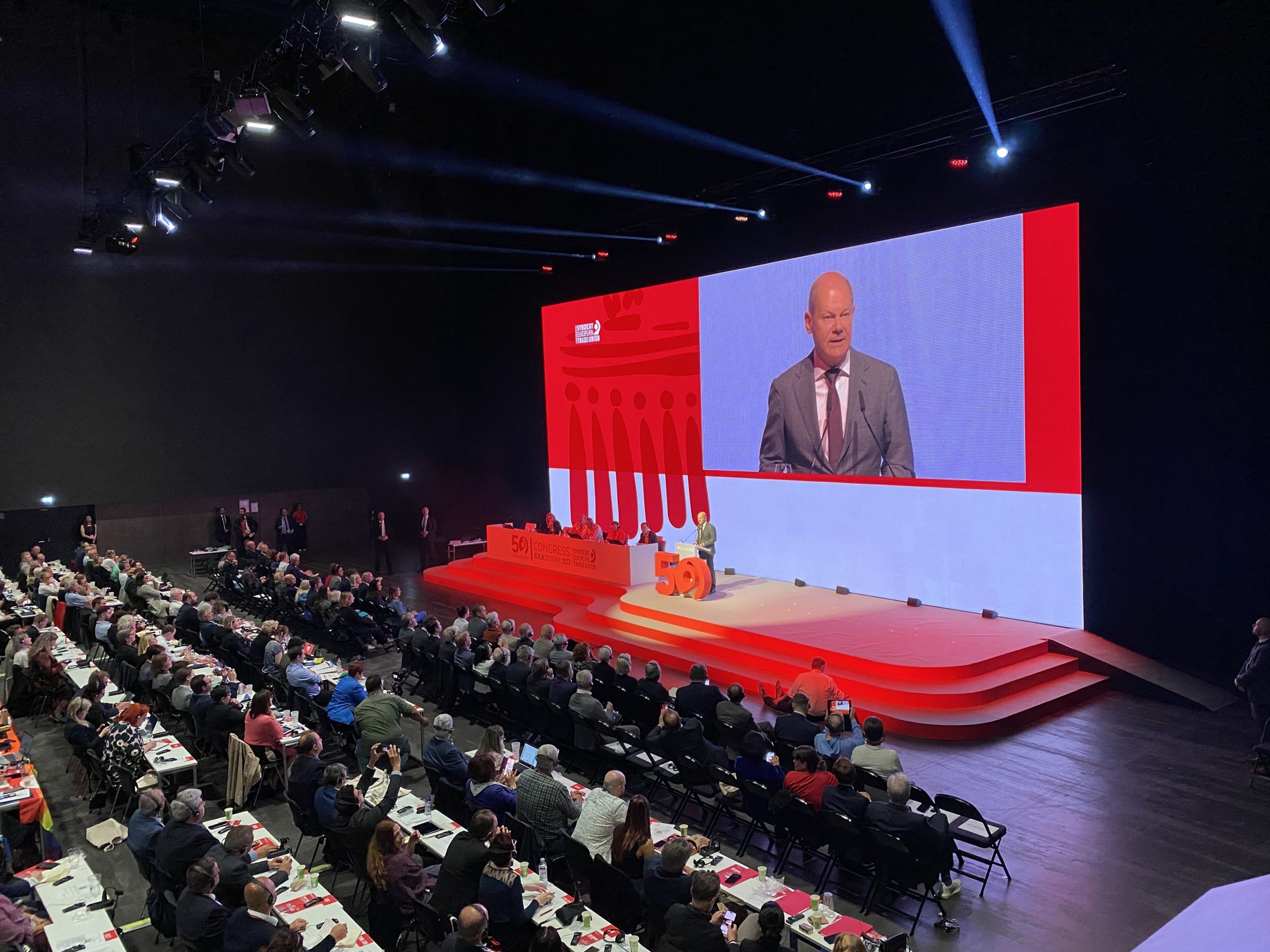
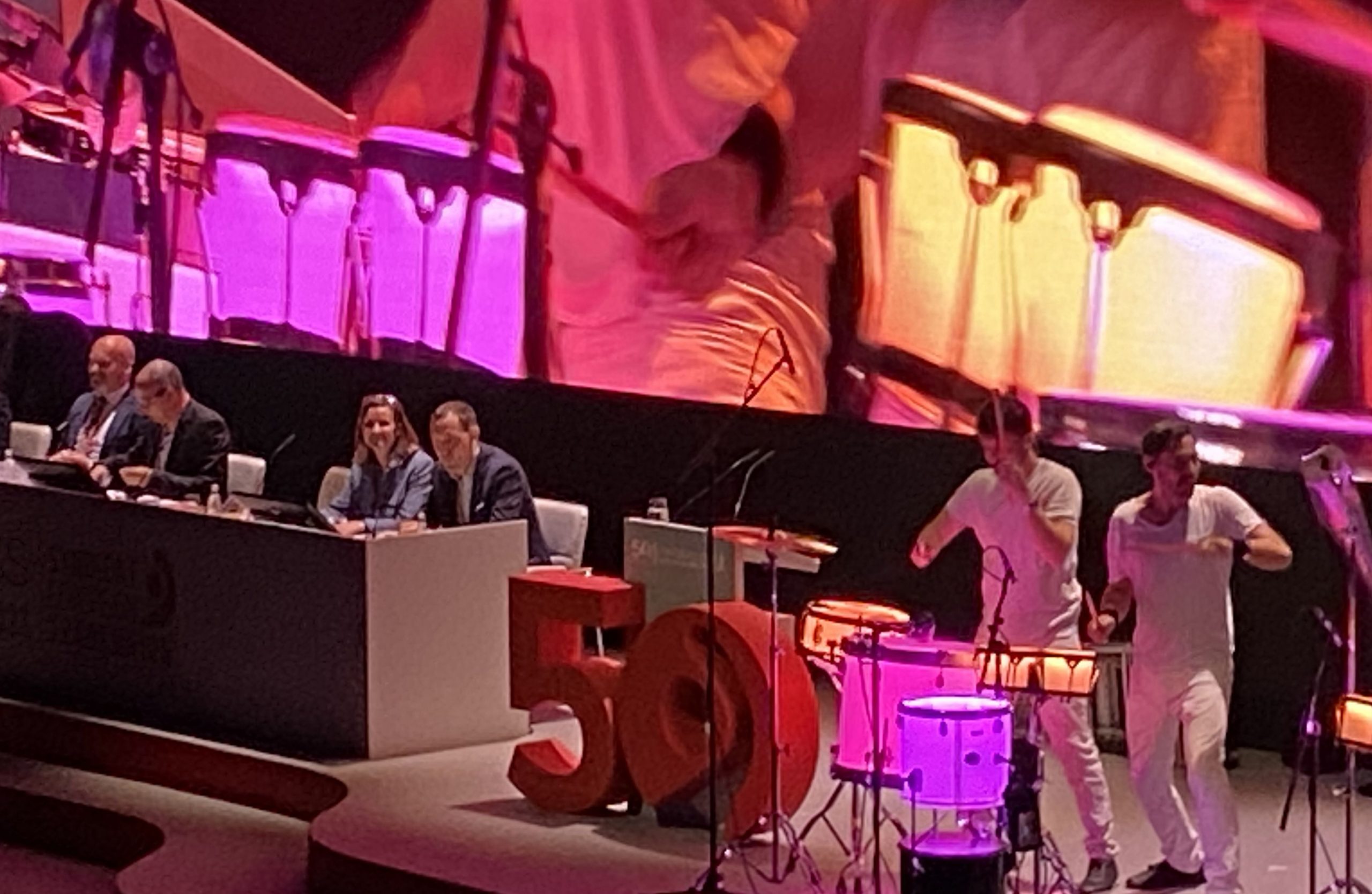
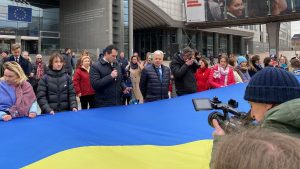
Weiter hinten in der Warteschlange der Aufmerksamkeitsökonomie der Jahretage reiht sich der 25. Jahrestag der Europäischen Zentralbank am 24.5.2023 in Frankfurt ein. Auf allen Feiern gibt es einen persönlichen Vortrag des deutschen Bundeskanzlers Olaf Scholz (gerade zurück aus Hiroshima und Südkorea). Sein Ausrufen der „Zeitenwende“ (Artikel in Foreign Affairs) wird deutlich in dem tösenden Applaus für die Aufnahme der Ukrainischen Gewerkschaften in den EGB (Bild unten) auf dem EGB-Kongress, der quasi im Laufschritt von der DGB-Vorsitzenden Yasmin Fahimi eröffnet wurde. Jahrestage können wehmütige Blicke in die Vergangenheit sein. Dem EGB-Kongress ist ein zukunftsweisender Auftakt „à la Zeitenwende“ gelungen. 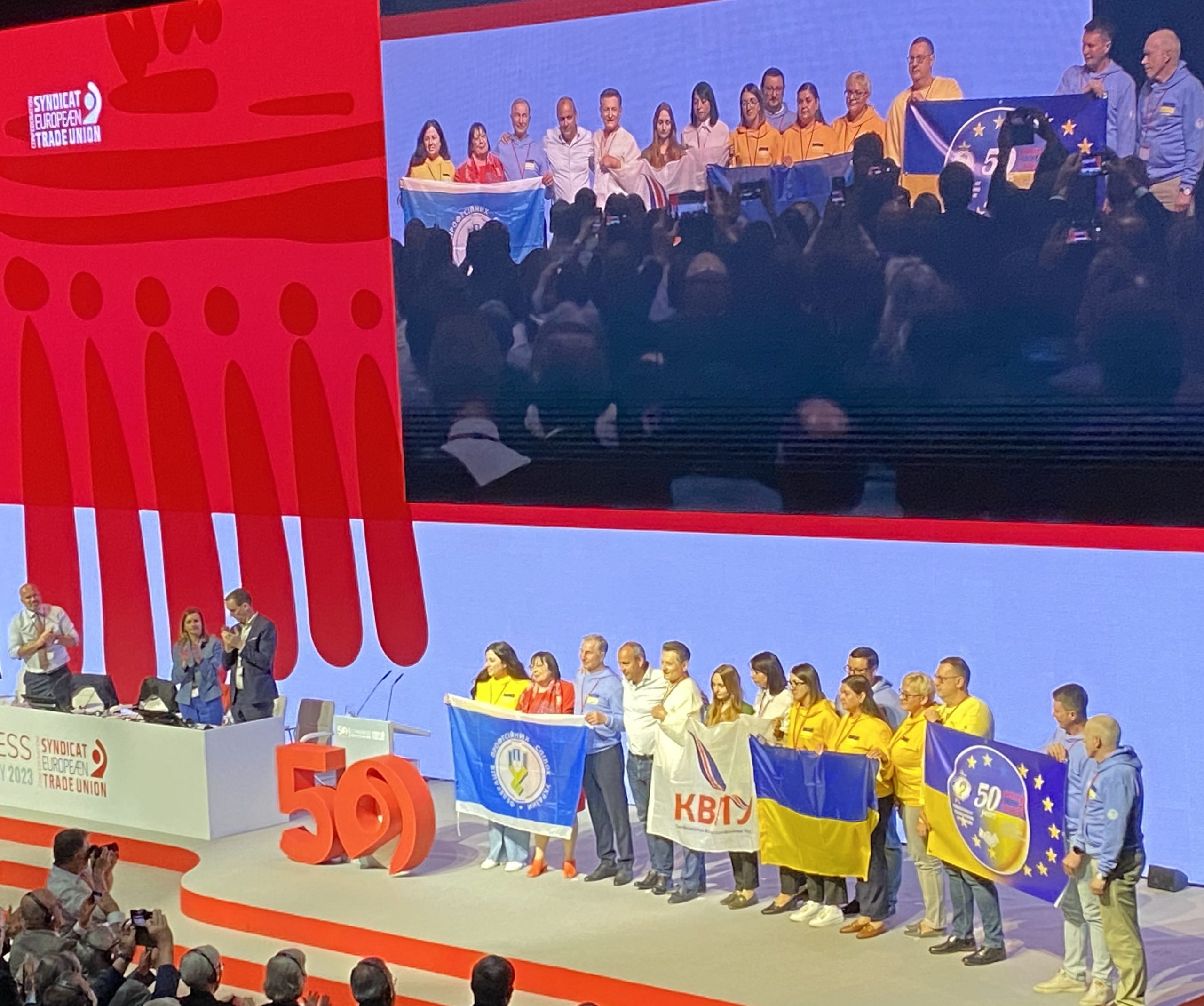
Repair 2
Ever since the visit to the exhibition “Care, Repair, Heal” at the Martin Gropiusbau in Berlin the image of flying protheses rests with me. Repairing the human body is feasible in many fantastic ways. The inner wounds, however, are less visible and sometimes hurting even more. In recognition of the thousands of victims again in the Russian war on Ukraine’s territory and the atrocities causes by mines to injure humans, we have to assist in caring, repairing and healing. This has not changed since the Great War or the Nazi-induced mass murder and mutilations. Humanity is unable to bann such landmines despite international conventions trying to achieve this.
The strong image produced by the protheses as clouds in the sky (Kadar Attia) remind us of the lasting effects of war. Images we had associated with the mutilated soldiers and civilians of the 2nd world war, many still around us in the 60s or 70s, are coming back to Europe. Writing about the 20th century, Aurélien Bellanger described in words a similar traumatising vision of flying protheses in his story of the lonely poet and philosopher. We cannot repair history, but we can work towards reducing useless additional suffering. It is part of the absurdities of our world that technology has created masterpieces to assist us and reduce suffering, but at the same time technology is applied to create the worst suffering as well. Rather than thinking of this relationship as 2 sides of the same coin, I prefer to hope for dialectic evolution towards a better synthesis solution using enforceable international law. Yes, I still have a dream! … 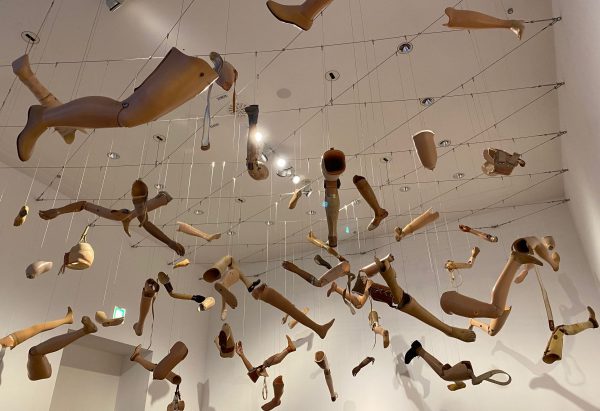
Thucydides on War
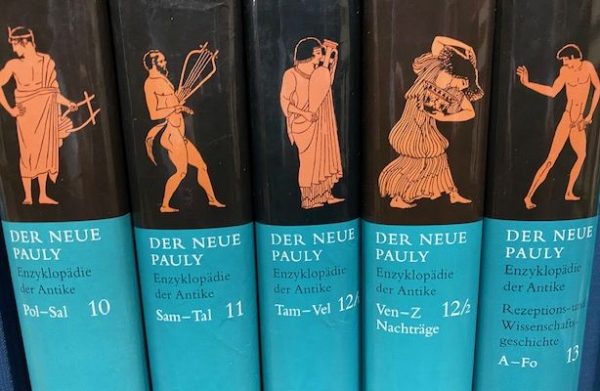
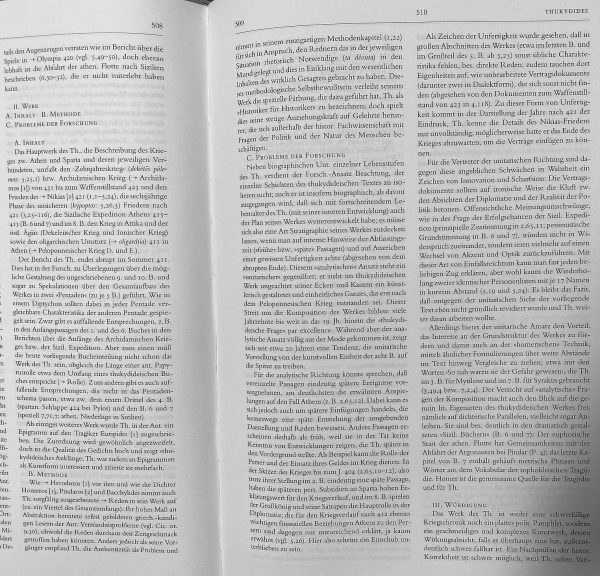
Thucydides (born around -460) has received a lot of fame for his “thick description” of the Peloponnesian War. He deserves continued praise even for inspiring statisticians. The account of events without emotions, but with lots of details, is often perceived as the beginning of historiography and history as science as well as empirical political science. The entry of “Thucydides” in the Encyclopedia of Social Measurement (2005, p.805) by P.A. Furia and A. Kohen cites the derivation of a causal or explanatory effect based on his historical account as a foundation of scientific approaches based on empirical data. “The growth of the power of Athens, and the alarm which this inspired in Lacedaemon (i.e. Sparta), made war inevitable” (Thucydides, I 23). The empirical assessment of the growth of power is subject to controversial accounts. Power may derive from population, wealth, industry, weapons, munition or general military capabilities or skills. The assessment would also need to consider relative rather than absolute strength of just a one-sided approach. Here we are in the middle of the Russian war on Ukraine from 24.2.2022 onwards. Statisticians discuss, whether it is just a single variable that has the overall explanatory power for the beginning of the war and what other intervening variables might be important to take into account to avoid a selection bias. Beyond this materialist explanation we might stress the importance of the sociological concept of “collective fear” (links to approximation through trust, xenophobia) of the strength of Athens as the underlying causation of the beginning of war. The ideation of perceived strength gives rise to the construction of many intervening processes (Coleman’s macro-micro-macro linkages), which make a simple causal attribution just to material strength an illusion or risky shortcut explanation. The Thucydidean Method (p.806) exemplifies much of the dilemma and spice of social science analyses. Scholars of diplomacy challenge the empiricist perspective in arguing that the breakdown of diplomatic discourse several decades before was at the beginning of the causal chain. Here again we can make links to the preparation of war by Russia through strategic diplomacy as well as the risks taken through a break-up of diplomatic channels of communication. The perceived strength of the opponent in war might play a decisive role at the beginning and at the end of war. The charisma of leaders, democratic decision-making and political alliances with neighbouring states, Sicily at the time of the Peloponnesian War, were further intervening processes. This is perhaps not all too different from today, if we consider the role of Belarus in the aggression of Russia against the Ukraine. In fact, Thucydides seemed to be convinced that under similar circumstances human behaviour would reproduce itself. Therefore, thick description of historical facts might still inform political leaders today and tomorrow.
(Reallexikon für Antike und Christentum, XV pp. 752,
Der neue Pauly, Enzyklopädie der Antike 12, pp.505 image below).
Ukraine Reynders
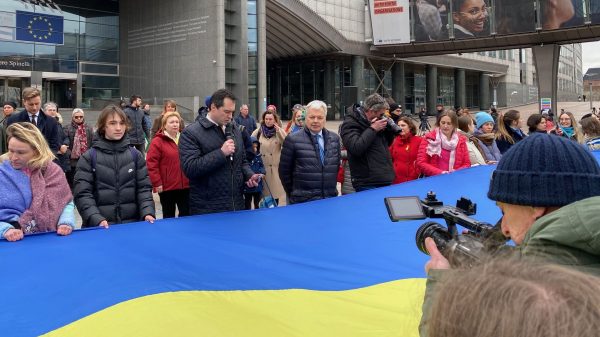
Short Video on extract of speech by Commissioner Reynders at the opening of the exhibition on Ukraine Resilience despite the atrocities of Russian Agression commited in Bucha. www.RememberBucha.eu
Click on the this Link: Ukraine Reynders 24-2-2023
Ukraine Resilience
The opening of the exhibition on war crimes committed by Russian soldiers took place in front of the European Parliament today. The images frighten us as they reveal human atrocities. Destruction on a large scale with so many lifes lost will take a long time to overcome the grief. The images of the commemoration and the minute of silence show the solidarity of the whole of Europe with the Ukrainian people. The European Parliament has the patronage of the exhibition which is curated by Justyna Napiórkowskiej. Commissioner Reynders expressed the commitment of the EU to support the Ukraine 🇺🇦 in their capacity to fight back and the rebuilding of the country. Stand with Ukraine. 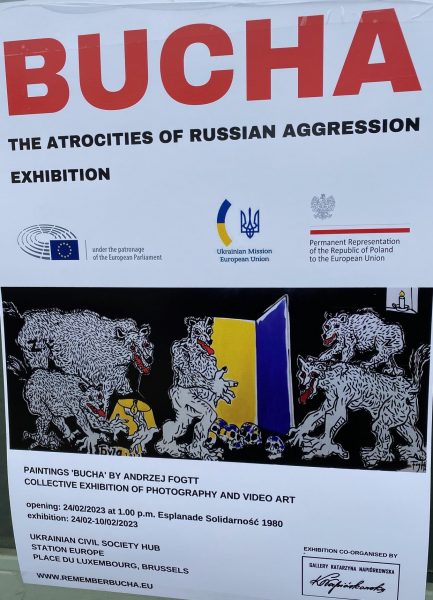
Dumky
In cultural performances it is always interesting to refer back to titles given or attributed for example to music pieces. Dumky is the title of Antonin Dvořák’s 4. Klavier-Trio opus 90. In the late 19th century Antonin Dvořák found inspiration in the notion of Dumky. Rather than just composing a “Trauergesang with few joyful intermezzi” he creates a new form for this Trio containing, quite unusual, 6 parts. Dvořák plays around with structure and sharp swings from “piano to forte” parts, “moll to dur” intonations reflecting sorrow and joy in frequent and refreshing short sequences. It feels sometimes like fireworks, but at times the sorrow of soldiers and their families becomes evident as well. However, the music proves resilient. Knowing that Dumky is a Ukrainian word and notion, the choice of one of the masterpieces of Antonin Dvořák close to the 24.2.2023, the day of the anniversary of the Russian attack on Ukraine is a commemoration of the sorrow caused by war and ways to overcome it. The “Concerts de Midi” of the Musée des Instruments de Musique” allowed us to travel through Ukraine a bit and experience the longing for better times. Joy will eventually prevail there again just listen to Dvořák’s version of the Dumky. Superb and effectful presentation of the work by the “Trio Impression” made for a memorable lunch break in the city centre of Brussels. The (virtual) visit of the Museum should be one of the attractions of visitors to Brussels as well, not just for the Art Nouveau architecture, but for the inclusive “global music” collection. 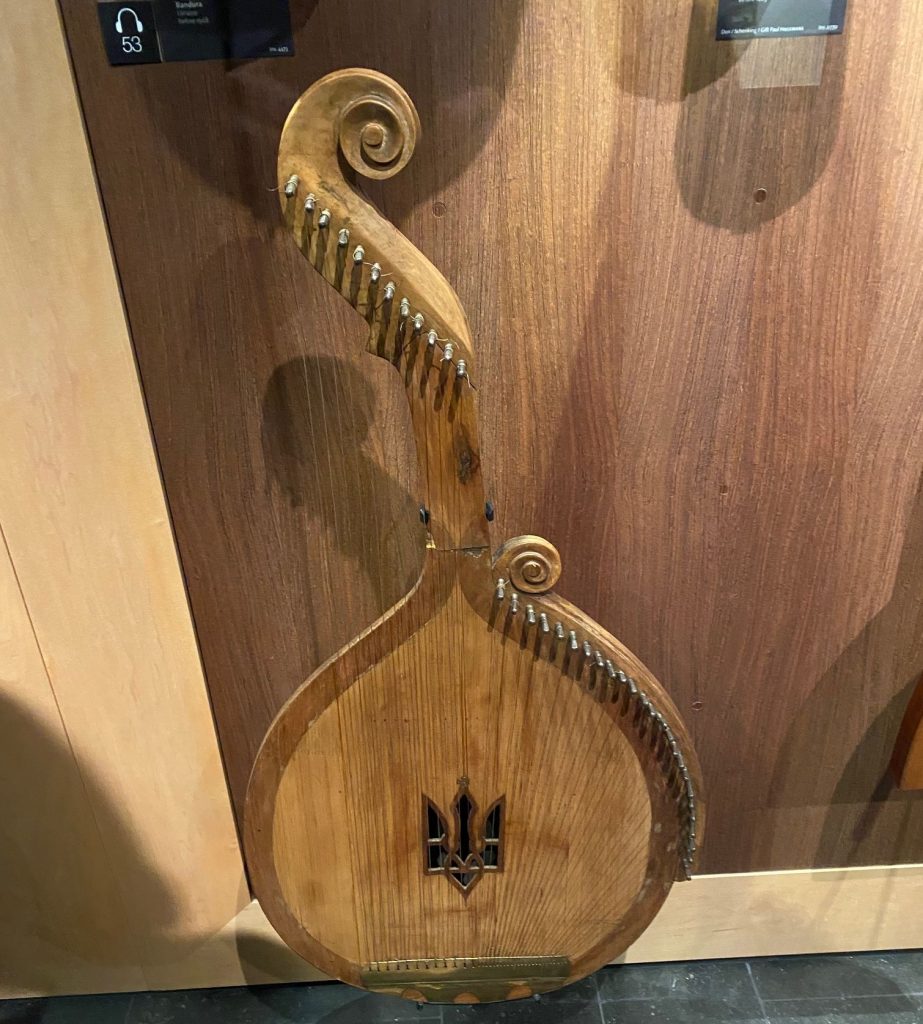
Ukraine 360
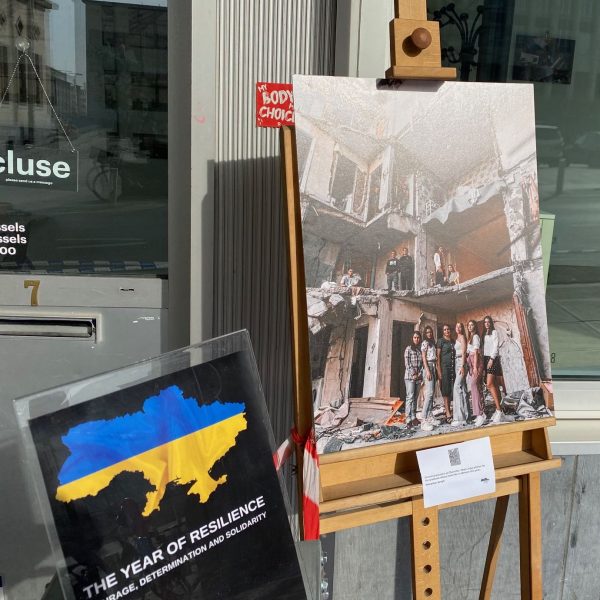
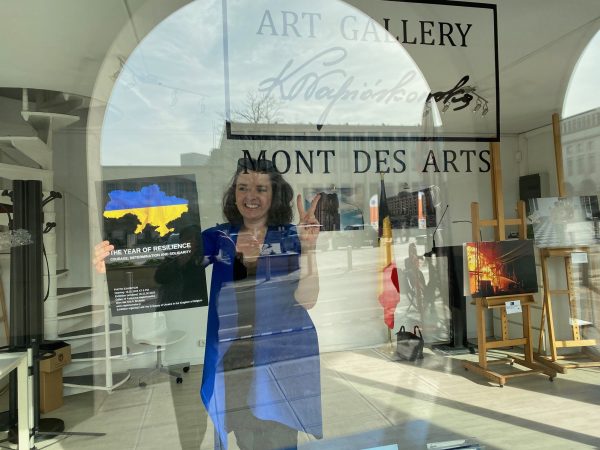
360 days of traumatising war of Russia in Ukraine. Yet, Ukrainians manage to stem the invasion this time for a year. My generation of baby boomers in Western Europe no longer knows the day to day horrors of war. A photo-realistic exhibition organised by Dr. Justyna Napiórkowsak together with the Ukrainian Embassy in Brussels brings to us more than images of destruction. The Exhibition builds on a transparent organisation. All day and night long you can feel and reflect in front of the gallery windows of what war means to people affected. Rather than passing over the daily horrific news, it is important to take in images that will last within you. Since the exhibitions excels in linking to strong own emotions, the images tell lasting stories. Communicating about war is difficult. This exposition at the “Mont des Arts 8” in Brussels, not far from the “Place des Martyres” is symbolic. Ukrainian artists are going to stay with us, showing us what “The year of resilience. courage, determination and solidarity” mean in the Europe of today. Ukrainian youth, like the whole population, demonstrates all of this in posing for their 2022 graduation photo (Stanyslav Senyk, 2022) actually within the ruins of their city. They seem to sing: “We shall build this city on rock and roll” again. Ukrainian culture is unique. Putin’s Russia is still living in the 50s state of mind. The Russian soldiers might soon have their 60s moment “make love, not war”. For persons with Russian roots in Eastern Europe it feels like what you believed or were told was a friend before is now turning around and you shooting at you including committing war crimes (Geneva convention) on you. The exposition is a “homage to Ukraine”, Ukraine’s resistance and resilience. Teaching us lessons, lessons we should like to learn fast for the survival of democracy and our way of life based on freedom not coercion. The sociology of war informs what the term “Zeitenwende” means. Look at it, rather than look away. As previous College Master at Jacobs University Bremen graduation ceremonies were very personal and emotional events meeting students, many with their families. Ukraine 3.0 will prevail eventually. Thanks, Justyna for putting images 360° and 360 days next to this optimistic message.