
In the Post-Twitter-world there is room for other platforms to take over the information function and opinion exchange on an international level. Mastodon has made a good start to fill this gap. The number of registered users has surpassed the 10 million users by large. If the anger about the union-busting and Trump supporter Elon Musk increases further, more and more people will join Mastodon as users and content providers. Advertisers will follow where they can reach their appropriate audiences. If you sell seats on a spacecraft to the moon you will advertise on eXit-Twitter. If you care about responsible investment you advertise on elsewhere or on Mastodon, because that is where your audience will be. Ethically responsible advertisers started to make such moves already. The decentralised structure to potentially filter human rights violating hate messages will need to grow accordingly on this platform. This is a challenge for all platforms and involves costs. To better understand the idea behind Mastodon, think of a platform which connects many other local networks or platforms. Yes, it is a platform of platforms. Decentralised instances provide and can remove access to the local platform. Even whole sub-platforms might be shut out. This increases the potential to build a “caring platform”. Decentralised organisation often incurs higher costs than a central instance that decides and administers a one-size fits all solution. But it is worth a try.
An example makes is more clear, what are the advantages of such decentral organisation to achieve more shielded privacy. For example, a small local chess club targeting primarily youth can open its own server on mastodon and admit only its known members to the network. It is easy to control who gets access to your posts of solutions to riddles or innovative game and learning strategies. Access to other Mastodon instances is an additional option. For enterprises or larger organisations, it needs the communication department to talk to the IT-service to get such a structure on its way. A dedicated person needs to monitor what content gets posted and what kind of “traffic” is generated. But this can largely be automated. In case you know your members of the local platform it is much less likely to occur than on the eXit-Twitter or other centralised huge international platforms.
Many federated structures will find it useful and part of their social-DNA to join the FEDIVERSE. We shall have to wait for some more time to get the so-called social media platforms civilised. These are social investments and learning processes which deviate from the profit-maximising rationale of other platforms. (Image: screenshot from @mastodon-user on 2023-11-30). 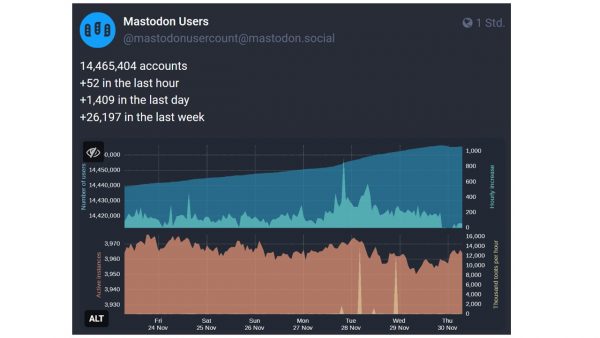
Twitter Retreat
There are many migrating species in nature. Birds form a large part of the them. This follows a kind of annual or seasonal pattern. Depending on the migration experience and dangers some, sometimes many don’t come back. This seems to describe the migration experience of the tweeting bird called twitter. Changing the name from Twitter to X, whereby X for maths-oriented people stands for a variable name that can be filled with any value. For the cinema industry X stands for x-rated adult only content and has rather obnoxious content. This might hold for web content as well.
Online through “https://netzpolitik.org/2023/x-odus-immer-mehr-medien-machen-schluss-mit-twitter/ the disastrous consequences of harsh human resource policies and lack of political sensitivity can be followed. Multiplying biased opinions of right-wing extremists, the platform has been highjacked and many tweeting birds leave or have left already.
Leaving is not easy though. People and enterprises have invested substantial amounts of money into tweeting and software developers have created specialised features to make it easy to spread press releases or info via these add-on services. I myself benefitted from services to show my tweets on my webpage or to easily publish info or links to the webpage. As of now, with migrating away most of these investments will be lost. It was smooth and easy, but now we start this all over again with other comparable platforms and assistance from developers. Mastodon and Bluesky are on the rise as alternative platforms and most likely we shall use both for some time just like Netzpolitik and many others. If already 1/3 of users intend to leave Twitter/X the impact of big advertisers leaving the platform has even more impact. After all they pay for reaching potentially millions of platform users, but now they reach only a steeply biased subset of previous users. Deleting the Twitter/X app saves you from other potential unwanted monitoring or tracking. Only the addresses on Mastodon for example are a bit longer like @mastodon.social@klausschoemann. Decentral monitoring of illicit undesirable content has advantages and disadvantages. We shall have to monitor this a bit ourselves and contribute more actively to save such platforms from bad weather or seasonal migration. 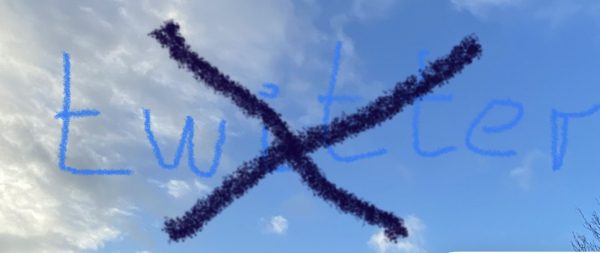
APP Circus
We are all keen to have as many APPs as possible on our Smartphones. Instead of collecting post stamps some of us collect APPs on our mobile devices as well as desktop computers. As with almost all so-called for free software, the APPs are not for free, we just pay with our personal information used for some usually not disclosed other purposes. On webpages we are used to at least confirm that we agree to the use. Alternatively, we should have the option to decline the use of transmitting personal information, user analytics or tracking. The organisation “Netzpolitik.org” has published a short overview article on the results of the research by Konrad Kollnig published in Internet Policy Review. The main message is: even 5 years after the adoption of the GDPR (General Data Protection Regulation) little has changed for the tracking and data collection in the world of APPs. Both Apple store IOS and Google Play Android are concerned.
In contrast to webpages APPs a vast majority of APPs, which we perhaps thought would provide tracking-free access to services, does in fact use “secretly” the tracking. Additionally, many APPs transmit personal information and credit card details even without encryption. A so-called middle man attack would “listen” to the transmission and potentially abuse the accessed information. The proof of the abuse of your financial details will be on the side of the consumer, completely ignorant of the potential threat from all sorts of APPs. This market is evolving with rapid speed and what used to be at the top in 2022 is no longer at the top in 2023.
Based on an online query for France on 2023-11-28 via www.appfigures.com the data reveal interesting market insights. Gaming is making a new push on the APP-market again. TIKTOK still remains fairly high up in the ranking. Conversion from free download to paid versions seems to work in several instances as well. It needs to be checked whether the paid versions do use less tracking and provide better overall security. A frugal use or regular checking whether you really need all those APPs you have currently installed on your device should reduce your very own cybersecurity risk. It seems like “Less can be more” – fewer APPS, more security – is also valid in this respect. 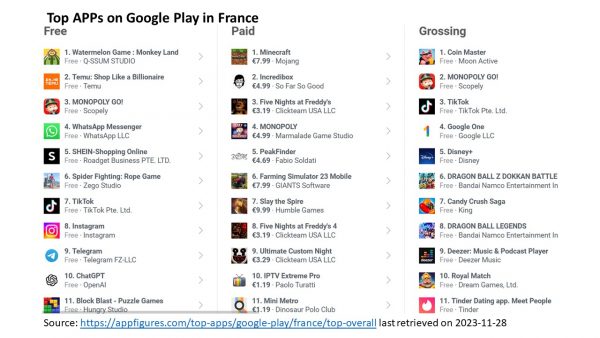
Over a generation the association with the word mail or AI has changed. Younger generations will automatically think of email as the obvious association with “you have got mail”. Asking people for their mail address, most people will respond immediately with their email account. That has certainly changed over the last 20 years. Email has become extraordinarily important for contacts, content and “crime”. The original set-up of mail servers were supposed to exchange data and information between trusted and trusting individuals. Nowadays we have become “anyone” on an email-list or part of a cascading email-chain. Pishing emails that try to lure us to potentially fake webpages to enter personal information is widespread. A whole new industry of cybersecurity has evolved in parallel with ever faster pingpong of new threats and costly remedies. Most critical remains the human factor to protect email and vital information from abuse. All training to better manage email should therefore begin with awareness building on the need to take cybersecurity seriously right from the beginning. It is not an issue to deal with towards the end of learning about it. Some general points have become common practice. Think carefully if you need to open the mail. Check whether there are external links in it. Do you really need this extra information? Be careful about the number of persons you forward or put in the copy field of your mail.
Unfortunately the simple mail transfer protocol (SMTP) makes it technically fairly easy to abuse email addresses and send an email from a domain name which you do not own. Same holds true for the content of emails. Originally only basic letters and numbers were allowed, no Umlaut etc. But then the “multipurpose internet mail extensions” (MIME) enabled more formats of attachments and illicit links and files within the email content.
In consequence it became necessary to scan emails en masse for malware and obnoxious content. Hence the quality of your email programs reveals itself with the amount of spam you still receive. Next come the email filters that sort your inbox for spam and other modern plagues like unwanted newsletters or notifications.
In consequence we sometimes wonder that we never received certain emails albeit the person sending it reiterated that the email was sent. Even checking your spam folder in the email program might not solve the issue because your receiving email server has been instructed not to accept emails from previously unknown mail servers. Not much you can do about this as an individual person, you mail server is just not on the so-called white list from which to accept incoming emails.
With a mail address from the big national or international companies you have little to worry about in this respect. Smaller companies or organizations might suddenly face a thorny issue if their i@xy.z address appears on a dubious list. You will end up sending but nobody receives your emails. It might take you quite some time to find out about it and even more to fix the issue. Hence the take home message is, have more than one email address registered on different mail servers to check that sending out and receiving emails works properly for you. Managing an own webpage with email service for members or employees is a nice service, but beware of the implications for cyber security as well.
Concorde
„These were the days my friends, we thought they’d never end …“ And yet the Concorde served for decades as a massively polluting aircraft for those paying or had their flights paid be their enterprises to cross the Atlantic ocean. Yes it was the fastest way, but we learned that it didn’t really make sense. After a technical default with an explosion the entire craze got stopped. Now next to Orly airport the remainders of this undoubted design highlight is exposed. It serves more as a warning that not all technical innovations are viable as commercial or ecological innovations. The delta-design as aircraft is still the most common design children play around with as paper models. Wing designs have made progress to adapt the bent end on each wing. So should do our paper models of them. The Concorde is also a perfect example to learn from concerning the link between “Society and Technology”. Similar mistakes seem to occur still today. “When will we ever learn, when will we ever learn…”.

CO2 Footprint of Books
In view of the worldwide size of book publishing we should also keep an eye on the CO2 footprint of book publishing. The Italian association of publishers gave a brief overview of the likely CO2 footprint the printing of a book causes. Their best guess is at ½ a kilo of CO2 on average. For simplicity of calculation and assuming that an editors’ association is unlikely to overstate the amount, let us assume it is 1 Kg CO2 per book. The most CO2 is consumed not in the book production but in the transport of the items, machinery and personnel involved in producing, editing, selling etc. Of course, paper is recycled to a large amount. Certified sustainability of paper from trees has become a standard in most countries.
Nice twist to the issue: your own library at home has become a CO2 storage, if you keep them or lend them or pass them on to others. Reading can be a little bit addictive and buying books as well. Reading online or electronic books reduces your CO2 footprint. The best way to imagine the reduction of your CO2 footprint, however, is to buy or to borrow a book on travelling which replaces the actual journal by reading on the couch. Yes, being a couch potato is good for the planet, and if you want to buy a book, walk to the book shop or the library if possible. If you enjoyed flying previously shift over to buying books on planes, airports, clouds in images or stories that involve extensive travelling instead for the sake of your own CO2 footprint and future generations.
Even a book will need somehow wood as input, many alternative ways of leisure time or professional activities are worse in terms of CO2 footprint. Any e-book, e-journal or e-newspaper is even better for the planet, especially if we think of the millions of paper copies across the world that are printed but never sold. Knowing your market is crucial to reduce misallocation of ressources. E-books are so much easier to store as well using regenerative energy for the content servers around the world. 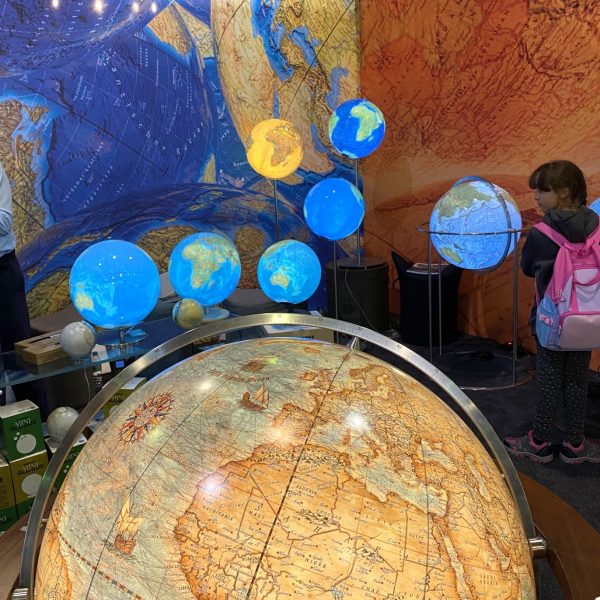
Civil Protection
A lot of important activities do not receive the attention they deserve. During a humanitarian crisis, Europe frequently acts with varying involvement of Member States. This holds true in droughts, inundations, earth quakes, civil wars or imperialist state conflicts. The extent and time of commitment are an additional and differentiating element. Coordination of such activities is important for those wanting to help and those asking or receiving assistance. Efforts, equipment and political support vary enormously as well. There is a need to approach this topic more strategically. The Union Civil Protection Knowledge Network (UCPKN) goes a long way to attempt to find a common language, data infrastructure and responses in this respect. It surely is important to go beyond the piecemeal approach of the past to be able to address emergencies in multiple kinds more effectively. It is, however, also in some instances a highly controversial issue as well. For each term in this old (Tschernobyl nuclear disaster) and still novel field (Fukushima) for joint activities, we have to come up with compromises of definitions.
For example, what constitutes an emergency? Does the climate crisis and disasters related to it already constitute an emergency now? Some say yes, we have to act now to avoid bigger floods and wild fires as of next year. Others, do not want to tackle the root causes, but rather focus on curing actual devastating effects of disasters.
We are back to a well-known topic of preventive rather than curative approaches. In the meantime, we are convinced that we have to commit more resources to both approaches: immediate relief and structural change to prevent an otherwise never-ending sequence of disasters in varying places.
Most important probably is the keeping of address books and fast digital networking facilities to react and communicate with the competent institutions and civil organisations. Beyond the involvement and linking of experts in the field, the larger public and volunteers make up for additional invaluable resources to act.
It is crucial to make it possible for decentral links between cities like in city partnerships to be involved. Building on existing human to human links motivates and mobilises huge additional resources. Of course, continuous training is a very important element in all those efforts. We should embrace it in the private and public sector, at school and in retirement even. (Image: Extrait de Peter Paul Rubens La chute des géants MRBAB, Brussels)
Sonnendank
Jeder kennt den Sonnengruß aus dem Yoga. Jetzt gibt es eine neue Variante des Sonnengrußes. Nach vielen anderen Bundesländern hat sich Berlin an seine Mieterinnen, Pächterinnen und Eigentümerinnen gewandt, damit sie sich an der Ernte der Sonnenenergie beteiligen. Mit € 500 wurden kleine Steckersolarkraftwerke gefördert, die jede/jeder beantragen konnte der den Hauptwohnsitz in Berlin hat. Interessant war die erweiterte Interpretation des Balkons. Es wurden Kleinanlagen für Balkon, Terrasse, Gartenzaun oder auch für die Gartenlaube in die Förderung einbezogen. Alles digital zu erledigen, bitte.
Die öffentliche Förderung wird wohl die 2-3 fache Summe an privaten Investitionen anreizen. Das kann dann schon ein Anfang sein. Die Aussicht auf mehr Balkon- und Laubenpieper, die Strom für den Eigenbedarf erzeugen, kann hoffentlich mehr Personen bewegen, derartige Investitionen rasch umzusetzen. Viele Beispiele zeigen die Wirtschaftlichkeit solcher kleiner Investitionen, aber einige Jahre des Betriebs sollten schon einkalkuliert werden. Viel hängt dabei von dem allgemeinen Strompreis ab. Seit der Aggression Russlands in der Ukraine wissen wir, dass es noch viele weitere Gründe für die Beteiligung an der Energiewende gibt. Mehr Energiesouveränität fängt im Kleinen an, eine dezentrale Erzeugung und Verbrauch vor Ort kann sogar eine Netzausfall oder Notfallreserve darstellen.
Zu dem morgendlichen Sonnengruß reiht sich dann bald der tägliche Sonnendank ein. Mit dem entsprechenden Messgerät lässt sich die Sonnenernte leicht in Zahlen fassen und wir hören es buchstäblich im Geldbeutel klingeln. So werden gleichzeitig Steuergelder mit einer Hebelwirkung durch zusätzliche private Investitionen sinnvoll eingesetzt. Ein Digitalisierungsschub der privaten Antragsstellenden, Betreibende der Anlagen und öffentlichen Stellen ist ein zusätzlich sinnvolles Nebenprodukt. Papierlose Verwaltung ist ein Megaprojekt. Jetzt danken wir aber erst einmal der Sonne als großzügigem, selbstlosen Energielieferanten. (Image: IBB Webseite 2023). 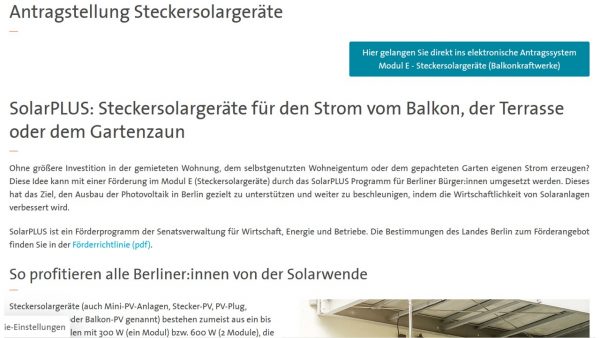
World in Common
The Tate Modern Gallery in London has an exhibition of photography on display which challenges our Western view of art works. With a focus on photography and African photographers it is complementary to the many other photo exhibitions. We have a world in common, says the title of the exhibition. The images, however, reveal another vision of African photographers. Other perspectives on beauty, architecture and the distribution of wealth and waste across the world becomes explicit. Beyond the documentary effect of a lively African scene of photography and past colonialism the forward-looking vision of African photographers is also evident. Colours and Imagination of a unique kind allow us to look beyond the current state of affairs. Rising from the ashes and western waste the colours of Africa will prevail.
Only through the force to imagine a different trajectory for the continent we shall eventually be able to see new flowers blooming.
Positive images have to be put in front of the “negativity bias” in Western media when reporting about African countries. The light, the sun, the sea and coast lines, all can contribute to the rise of Africa in various ways. The photographers in the Tate exhibition demonstrate an impressive power to go beyond the day-to-day topics.
Broadening our scope of visuals with more images from Africa certainly are fist steps to enlarge the spectrum of photography and art. A chance to browse through the catalogue allows to go back from time to time to counter our usual stereotypes. (Image taken from Tate catalogue A world in common, 2023 Muluneh Aida 2018 p. 202-3).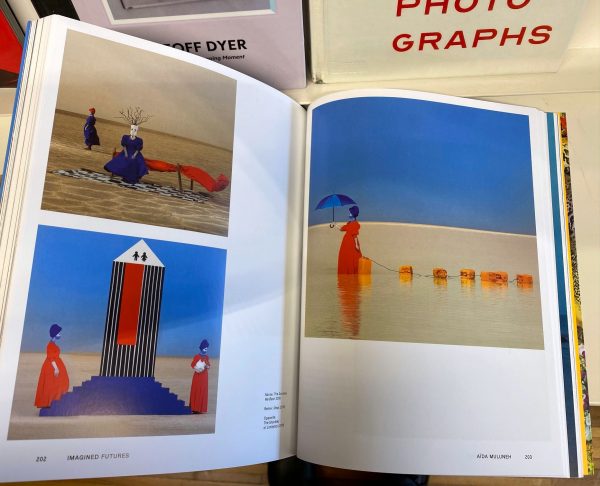
Black and White
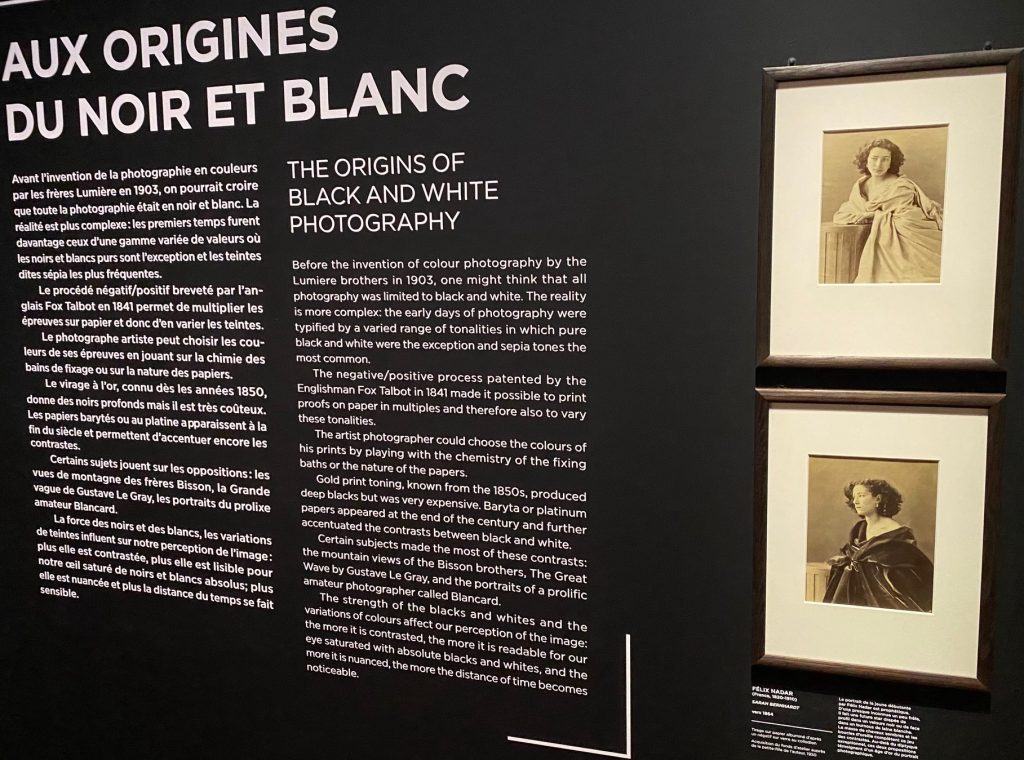
Nothing is just black and white. Some animals have a representation or vision of images in black and white. Just like in computing full color modes or high resolutions use more power of chips and memory. In short colors are computationally costly. For our brains this is unfortunately just as important. Therefore black and white images have a certain advantage. On the one hand they reduce an image to its essential elements, on the other hand they allow a faster grasp of the message or content at sight.
The BNF presents a wide range of images in black and white from the time that color photography has been available, but photographers consciously chose to represent their image in black and white (1907-). Obviously with black and white photography we maximize contrasts. An image can be converted into a graphical representation like a black and white pencil sketch or drawing. A few more nuances are introduced in applying perspectives to capture or to produce by use of lighting forefronts and shadows.
Using different materials as support of photography allows us additional creativity and stunning effects. Lighting from behind the image is popular in advertisements on our high-streets. Last but not least using techniques of color photography gave rise in modern black and white photography to allow for chromatic transitions and contrasts within images.
All this is well documented in the exposition and ample examples make it a formidable visual learning experience. From the origins of just black and white we have come around to the fabulous and magical in black and white. In reducing to black and white the essential becomes more visible. The superfluous is blackened or whitened out. It is a skill of importance nowadays to focus on essentials and to find new ways to go beyond the obvious shot.
Stille
Die Würdigung zum Preis der Stadt Münster für Internationale Poesie 2017 wurde gemeinsam an Jon Fosse und Hinrich Schmidt-Henkel vergeben. In 2023 kennen viele sicherlich den jüngst gekürten Literatur Nobelpreisträger Jon Fosse. Der Preis für Poesie aus Münster hat gleichzeitig den Übersetzer ins Deutsche mit dem Preis bedacht. Personen, die zwei- oder mehrsprachig aufwachsen oder leben, sind mit der Thematik der Übersetzung hinreichend vertraut. Dennoch ist die Übersetzung von Literatur und Poesie eine spannende Herausforderung.
„Diese Stille herbeischreiben“ ist der Buchtitel in dem sowohl ausgewählte Beispiele der Poesie von Jon Fosse auf Norwegisch, als auch die Übersetzungen dokumentiert sind. Die einleitenden Beiträge über die Kunst und das Handwerk der Übersetzungen verdienen ebenfalls eine Aufmerksamkeit, da dort die neben Wortschatz, Syntax, Grammatik, Stil auch über den Duktus oder die Haltung des Autors zu seinem Inhalt gesprochen wird. Unmittelbar nach der Begründung der Jury für die Preisverleihung ist das Gedicht „denne uforklarlege stille“, übersetzt mit „diese unerklärliche stille“ abgedruckt (S.70). Dieses Gedicht endet mit den Zeilen:
„Das ist was wir immer wieder erzählen sollen
und was nie erzählt werden kann
Das ist was wir sind und tun“
Jon Fosse ist es gelungen, diese Stille herbeizuschreiben und Hinrich Schmidt-Henkel hat die Herausforderung als ästhetisches Projekt (S.32) gemeistert, sich die Freiheit der Wortwahl zu nehmen und gleichzeitig dem Original treu zu bleiben.
Schon lange bevor es die Übersetzungs-KI gab, war die Kunst der Übersetzung nicht nur das „Was zu schreiben ist, … und das wie zu schreiben ist“, sondern „auch die Kategorie der Haltung“. (S. 33-34).
Der Begriff der Haltung wir sicher deutlich an dem für Jon Fosse so wichtigen Begriff der Stille. Eine beredte Stille ist zu einer gängigen Redewendung geworden. Wind gehört im norwegischen Kontext zur Stille dazu. Bald wird dröhnt es bei uns wieder in der Vorweihnachtszeit aus den unglaublichsten Ecken „Stille Nacht, …“. Meditation und Stille ist in Religionen ebenfalls allgegenwärtig.
Stille üben fällt schwer. Ein solches Konzept von einer Sprache und Kulturkreis in einen anderen zu übersetzen ist Meisterwerk. Das werden wir noch lange nicht der künstlichen Intelligenz überlassen können. Frage an ChatGPT: „Was ist Stille?“ – … KI: „Stille ist …!” –
Oh just shut up, it was a rhetorical question. 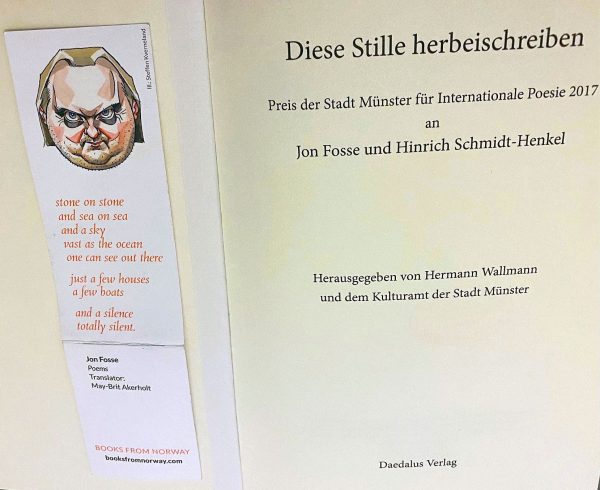
Bidenomics
Some American presidents become famous due to specific economic policies they managed to formulate, get approved and implemented them. Reaganomics, of previous U.S. president Ronald Reagan, was coined in connection with an open market doctrine, favouring monetary policy instead of fiscal stimuli. Bidenomics, of incumbent president Joe Biden, is characterised by his “produce in America”, Inflation Reduction Act, and fiscal stimulus provided for green and social investments.
Whereas Reagon sat more with bankers and central bankers, Biden is keen to stand with unionised workers even on the picket line. Investments that favour good jobs, jobs that apply pay scales agreed upon through collective bargaining are part of the Bidenomics that seems to work to raise the wages of the middle-class people. In the medium-term there might even be effects to lift the lower wages in other sectors of the economy as well. However, this is the tricky part of the equation to support the middle-classes and somehow the median voter.
American elections are won in so-called swing states that have voted democrats or republicans by narrow margins. Many of these states are in the “Rust-belt” states that have or had a strong manufacturing base. Bidenomics works hard to make the economy work for those people in these states, who have felt threatened by declassification, job loss and undercutting of wages due to migration. Substantial wage gains from $32/h to $40/h over 4 years is a landmark achievement in the U.S (see New York Times below). Non-unionised firms like Tesla, Hyundai or BMW and Mercedes in the U.S. will be isolated if they do not follow General Motors, Ford and Stellantis in the coming months or years.
It is not just about cars and trucks and wages, but about the chances of Biden and the Democrats to stem the renewed populist tide in the U.S. German car makers appear to be in the camp with the Tesla X-Man avoiding to negotiate with trade unions in the U.S. If Biden stays on as president after the next election, Bidenomics will gain further support and production of batteries and cars will be favoured locally with good paying, unionised jobs. Despite the high interest rates currently it is astonishing to many economist that the U.S. has not fallen into recession like for example Germany in at least 2 quarters of 2023. (Image: extract of Ney York Times 2023-11-2)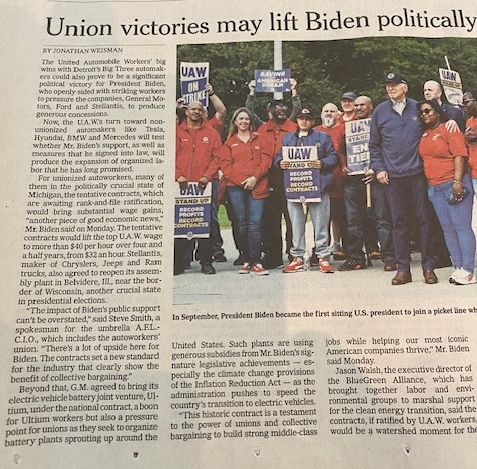
Teaching Ethics
Ethics is frequently taught by referring to reference cases, moral dilemmas and readings on the evolution of the discipline as some ethical issues arise due to technological innovations. Some fundamental ethical principles pertain to professional standards or so-called codes of conduct. This is also part of the sociology of professions which includes the societal and political role professions and professionals. The medical profession has been subject to ample research already. And yet it is important to notice that there is a renewed effort to include into the teaching of ethics “The hard truths about medicine and the Holocaust”. (AMA J Ethics. 2021;23(1): E59-63. doi: 10.1001/amajethics.2021.59). Eugenics were practices well before WWII. “Legal coercive sterilization, which progressed to the notorious “euthanasia” (medically sanctioned murder) program” (p.59) were the beginning. Medical doctors were not reluctant to implement the Nazi medical doctrines. “Most joined eagerly, earlier, and in much greater numbers than other professionals” (Chelouche, 2021; Kater MH, 1989). Physicians made the horrors of Nazi ethics efficient in its implementation. Nazi physicians had a strict ethical code which priorities obedience to the state rather than to the individual.
Research and experiments conducted by medical doctors during Nazi rule is analysed by Weindling (2015). In summary he states “Nazi experiments were accepted forms of science at the time, conducted not only in concentration camps but also in hospitals and clinics across Germany”. This concise overview of recent research by Tessa Chelouche in this field is not only important to teaching ethics in the medical and care professions, but it is of high relevance to much broader audiences and many more professions like judges. Only the awareness and guarding against a renewed failure to respect human values and human rights of the individual allow us to advance humanity. Decentralisation of power, checks and balances, professions following widely accepted principles rather than authoritarian rules can avoid another failure. Teaching about this is a “conditio sine qua non” and not a nice to have part of the curriculum in schools as well as professional colleges. 
Trees
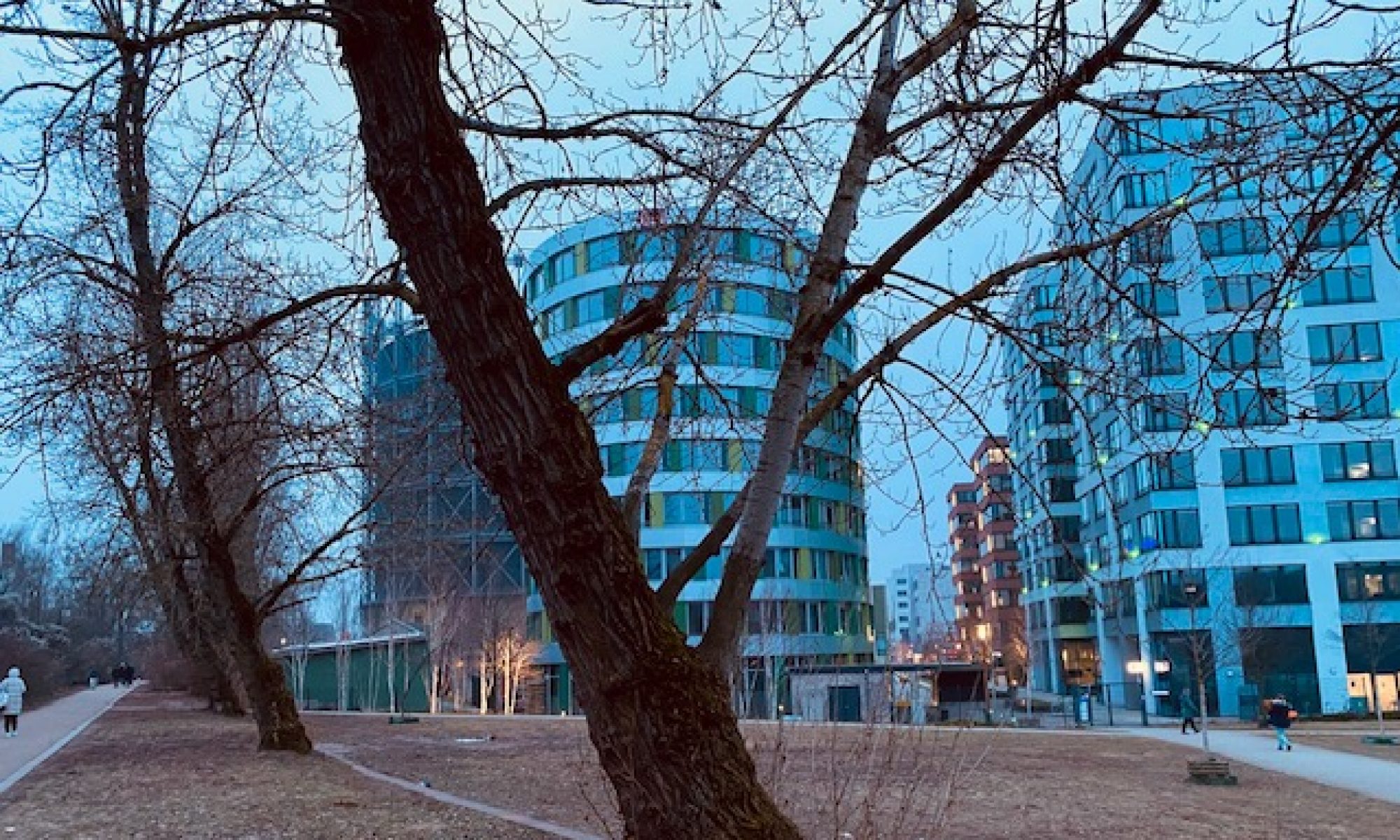
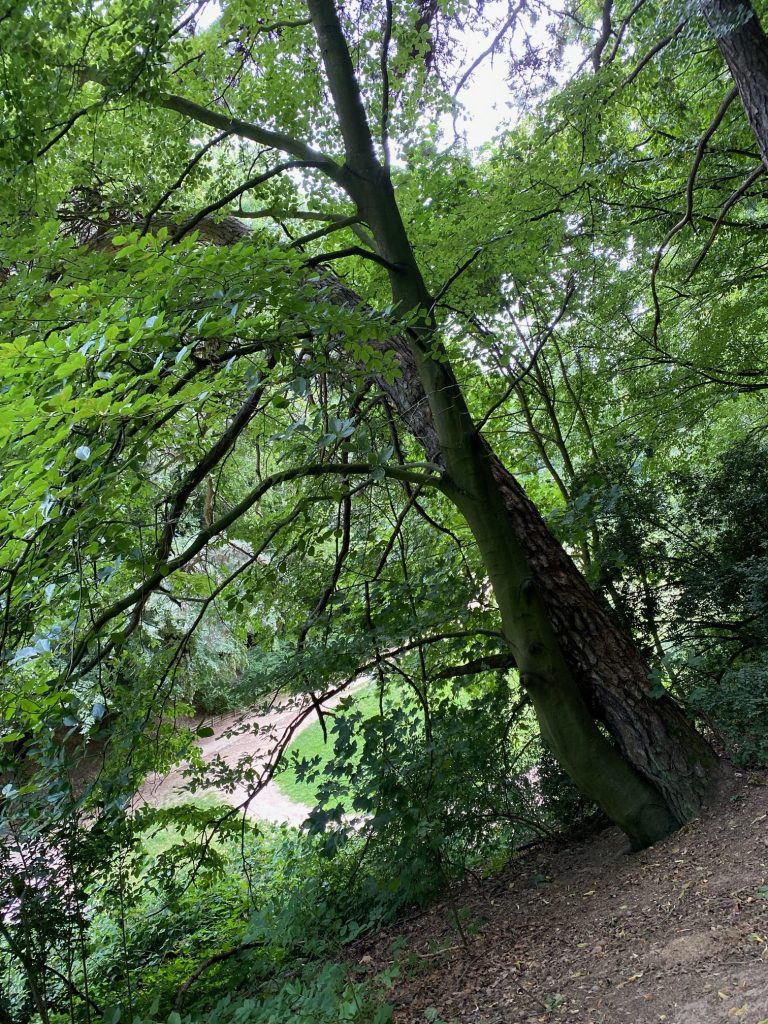
Looking at trees is relaxing. At least this is true for most of us. Some researchers, however, have a stressful time to sort out what it is exactly about trees that causes this impression, perception or feeling. Time to do a few studies on this issue (Lancet RM, 2023). Most likely it is the size or the number, maybe the surface or volume covered by trees that have an impact on us. Maybe it is the sequence of seasons that really causes the pleasant feeling about trees. Perhaps the fresh air, shadow in summertime or more the birds and squirrels or dogs that „inhabit“ the trees in neighborhoods that are important to us. More and more cities really develop sizable programs to care about their green spaces. In a simple cross-sectional study it seems the visibility of trees that is important rather than other effects. More sophisticated second round effects like oxygen levels or meeting points like in rural areas seem not to matter as much in cities currently. The study cited below invites us to devote more consideration to trees which we took for granted for far too long.
Ordóñez, C., Labib, S.M., Chung, L. et al.Satisfaction with urban trees associates with tree canopy cover and tree visibility around the home. npj Urban Sustain 3, 37 (2023). https://doi.org/10.1038/s42949-023-00119-8
Müll Klischees
Die Deutschen lieben ihren Müll. In kaum einem anderen Land wird so liebevoll der Müll getrennt, wie hier. Wir erinnern uns alle an die sorgfältig gespülten Joghurtbecher, die in der Plastiktüte im Plastikmüllbehälter entsorgt werden. Seit der Covid-19 Pandemie haben wir ein runderneuertes Verhältnis zu den „essentiellen Berufen und Tätigkeiten“, die unsere Gesellschaft am Laufen halten, wenn sonst fast alles zum Erliegen gekommen ist. Die seit 2019 laufende Fernsehserie „Die 3 von der Müllabfuhr“ hat einen erstaunlichen Erfolg im deutschen Fernsehen. Mit „Views“, die von 3-5 Millionen Fernsehschauenden reichen ist das ein Quotenbringer im 1. Was sagt uns das außer wir lieben unseren Müll. … und das ist gut so. Für den Erfolg der Serie ist neben dem historisch angelehnten Titel „Die 3 von der Tankstelle“ von 1930 mit Heinz Rühmann wohl auch die Arbeitsatmosphäre, die menschlichen Umgangsformen und die Umgangssprache, die anschlussfähige Art der Fernsehserie. Beliebte Schauspieler, allen voran Uwe Ochsenknecht mit seiner beeindruckenden Filmografie, lassen mehrere Generationen beim Zappen dort anhalten. Dabei kann der Müllmann bei den Einschaltquoten noch nicht zu dem Bergdoktor (in Spitze 7 Mio) aufschließen. Müll ist eben doch nicht ganz so kitschig, oder so sexy, aber der Umgang unter Kollegen, zu wenig Kolleginnen übrigens, hat mich einem schlechten Image in der Gesellschaft zu kämpfen. Abzuwarten, ob sich an dem Image der Müllabfuhr durch die Medien doch etwas ändern lässt. Der körperliche Verschleiß durch die harte körperliche Arbeit macht sich meist erst in den späteren Arbeitsjahren bemerkbar. Da wird verständlich, warum die Erhöhung des Rentenalters diesen Berufsgruppen wie ein Schlag ins Gesicht vorkommen muss. Eigene organisations-, gesundheits- und arbeitswissenschaftliche Studien mit Befragungen hatten bereits vor 10 Jahren nahegelegt, dass der erhöhte Krankenstand im fortgeschrittenen Alter sich nur mit umfassenden präventiven Maßnahmen eingrenzen lässt. Gabis Spätkauf ist in der Berlin-Schöneberger Realität auch eher ein Frühstückslokal, wo es noch einige Tageszeitungen gibt. Die Verdichtung von Arbeitsprozessen und Privatisierungen in der Müllbranche setzen diese Tätigkeiten weiterem Stress aus. Das ist aber ein eher undankbares Thema für einen Freitagabend im 1. Deutschen Fernsehen entsprechend der klischeehaften Erwartung der Fernsehschauenden. 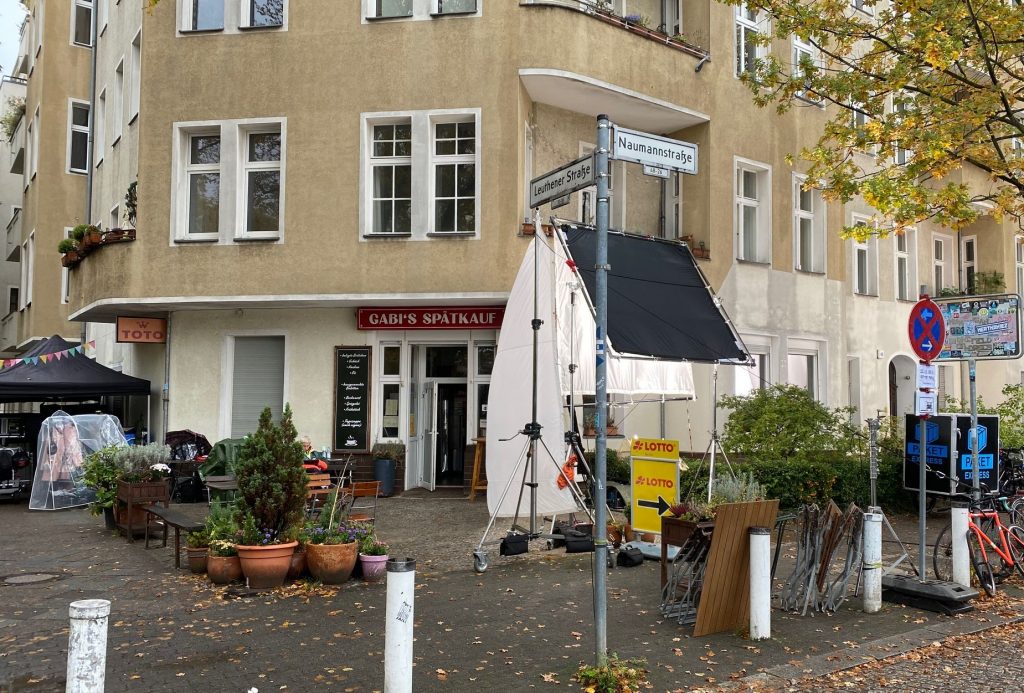
Over tourism
There are a few very popular places that many people want to see or experience by themselves. In the Moselle valley Bernkastel-Kues is such a place. The small mediaeval market place with tiny houses, built with massive wooden structures attract a lot of visitors. Arriving by car or bus has created a mess around the place. Arrival by ship is even worse. Masses of people make a short stop and pour into the small city. Many places that become popular through Instagram, tik-tok or vimeo or youtube videos have a similar fate. Over tourism is no fun for locals. Some business interests thrive selling gadgets made in China to more and more Chinese tourist groups. This is probably the worst- case scenario.
Watching the ships pass by is somehow the better option. Watching the rowing sportspersons is even more interesting. Reflecting on sustainable development is a by-product. Tourism of the masses is part of the problem, Rowing couples part of the solution.
Ant population
Studying ant populations is a fascinating topic. Structures of these populations reveal various functions, each pursuing its own goals. Albeit the whole system is not breaking down due to well organised ways of communication. From a bird’s perspective human populations appear a bit similar to ant populations. Maybe our sets of tools we use for building accommodation for our species have an extended repertory. Our mass media might facilitate instant spreading of messages to all members of a specific community and even beyond our own hive. Watching a video of people moving around on a large square,
we are puzzled that there are almost no accidents occurring even over longer time spells. Speed adjustment is key. Respect for the other person’s trajectory is yet another precondition for the sake of the benefits for all. Even different modes of transport bicycles, scooters and the tram find their way crossing the square.
There seems to be an optimal way of adaptation to the more or less crowded place. A construction site may restrict the available space, but the crowd has little choice but to circumvent the obstacle. Climate or simple weather change necessitate adaptations. On a warm autumn day many persons decide to walk after work or school. The physiology of the population has an impact on speed patterns. Communication and meeting people is another function of the square. All these parameters are important elements of urban planning and a city’s adaptation to climate change. Cooling trees will structure meeting points and walking paths if there is too much sunshine in summer. Adaptation is easy if you start to adapt early. 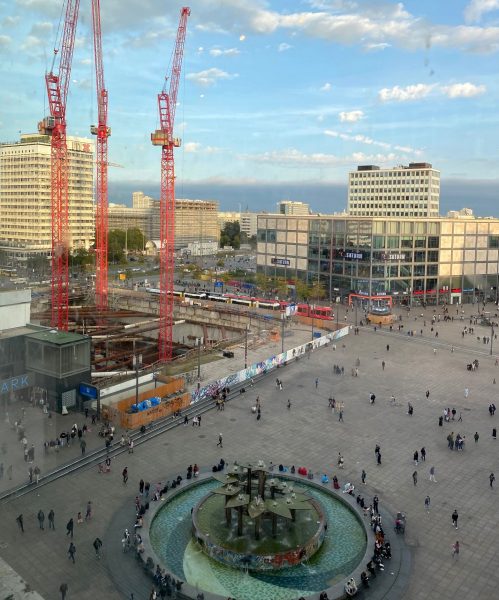
Deutschlandticket
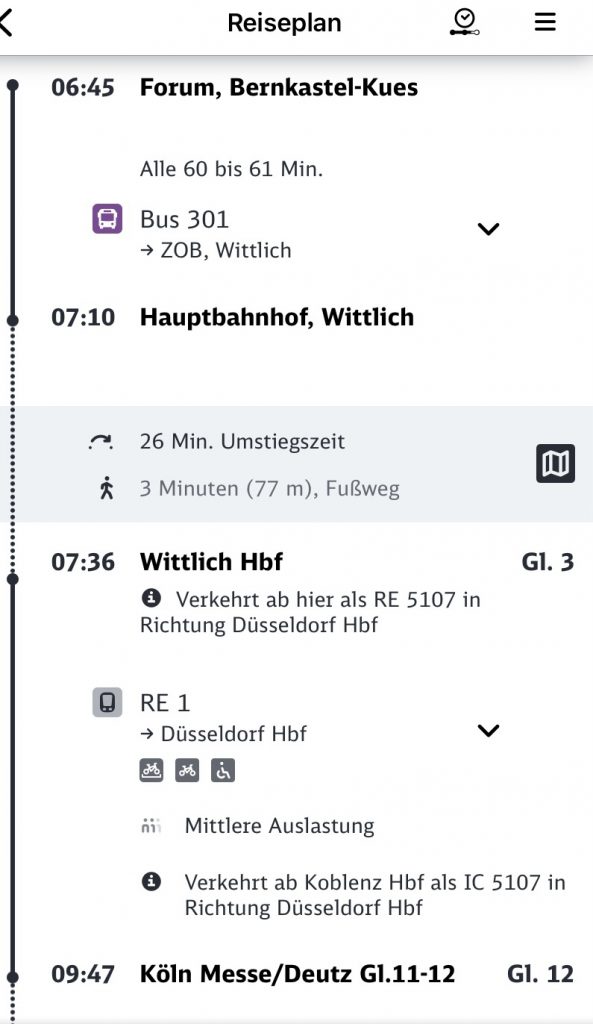
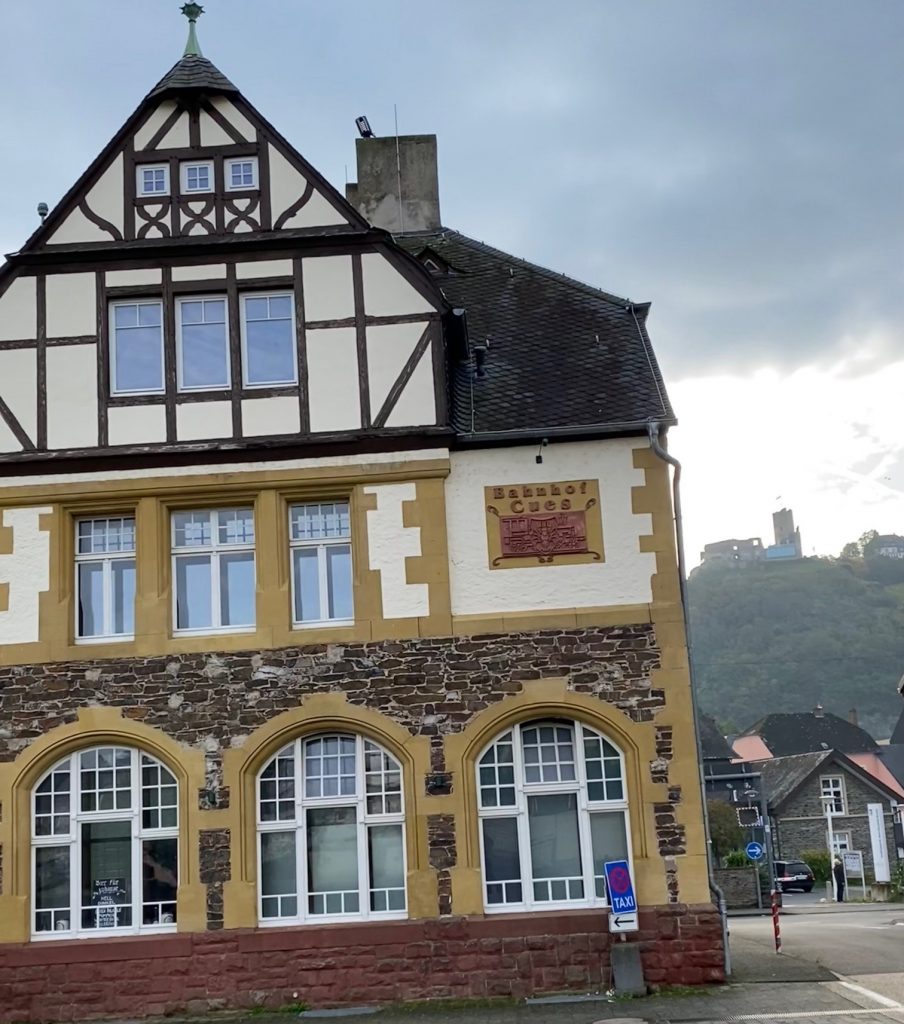
Das Deutschlandticket erfreut sich recht großer Beliebtheit. Nahverkehr mit öffentlichen Verkehrsmitteln ist angenehmer als ständig irgendwo, im Stau zu stehen. Die Nutzung für größere Entfernungen bringt einige unliebsame Überraschungen mit sich. Einige Regionalzüge transformieren sich im Kleingedruckten zu IC-Zügen, bei denen die Deutschlandticketfans dann aufgefordert werden, den Zug zu verlassen. Regionalbusse versuchen ebenfalls oft mit zweifelhaften Methoden, extra nochmals abzukassieren. Es ergibt sich daher gesicherte Eindruck, dass für die Bundesbahn das Deutschlandticket eine ziemlich lästige Überforderung darstellt. Bei den Reisenden, die gerade auf die Bahn umgestiegen sind macht sich das Gefühl breit plötzlich zu einer Gruppe von Personen zu gehören die ständige Mobbingerfahrung macht. So machen wir völlig neue Erfahrungen. Das überlastete Personal, das ebenfalls genervt ist von den Planänderungen durch Baustellen, gibt den Frust an die Kundschaft weiter. So wird die Verkehrswende nicht gelingen. Umdeklarieren von Zügen heißt in der Region eigentlich Etikettenschwindel, der Verbraucher kann ja auf das Kleingedruckte verwiesen werden. Nach 6 Monaten Deutschlandticket hätten doch schon einige solcher Hinweise zu Verbesserungen führen können. Hätte, hätte …, genau nehmen wir öfters das Fahrrad als Transportmittel. Das ist noch gesünder.
Wissensdialog
Universitäten und Forschungsinstitute leben weitgehend von öffentlichen Geldern. Das bringt eine Verpflichtung mit sich, das Wissen auch einer breiteren Öffentlichkeit zugänglich zu machen. Das Zeiss Großplanetarium in Berlin ist ein Ort, der diese Aufgabe in den Gründungsstatuten trägt. In Kooperation mit beispielsweise dem Campus Berlin-Buch mit seinen vielfältigen Forschungsinstituten werden in einer Vortragsreihe wichtige Erkenntnisse für eine breite Öffentlichkeit vorgestellt. Nur so kann die politische Zustimmung und ethische Abwägung gewährleistet werden, warum Tierversuche (meistens an Mäusen) in einigen Bereichen schwer verzichtbar sind. Damit wir den Alterungsprozess auch beim Menschen besser verstehen, braucht es immer feinere Darstellungsweisen wo und wie sich Eiweiße an den unterschiedlichsten Stellen im Körper anlagern. Bei Alzheimer finden wir die Ablagerungen in bestimmten Arealen im Gehirn. Dr. Johannes Broichhagen hat im Auftakt zu der Reihe „Neue Wege in der Biomedizin“ Arbeiten aus seinem Labor vorgestellt. Wenn wir Alzheimer eindämmen wollen, müssen wir den Proteintransport im Körper besser verstehen und abbilden können. Das verlangt verbesserte Methoden, um die Proteine darstellen zu können. Die Ablagerung im Gehirn kann vielleicht nicht komplett verhindert werden, aber eventuell hilft bereits eine „Umlenkung“ der schädlichen Proteine. Dazu müssen wir die Transportwege besser verstehen. Wir brauchen dazu 4D Beobachtungen, anstelle der bekannten 2D- oder 3D-Bilder von Gehirnscans. Die Fortschritte sind rasant. Der Wissensdialog nimmt uns mit auf die Wissenschaftsreise. Ein Motivation für viele Jugendliche und Studierende ergab sich aus der anschließenden Diskussion mit beeindruckendem biologischem und chemischem Wissen der Fragenden. So gelingt Wissensdialog für alle Beteiligte. (Image Clip from preprint) 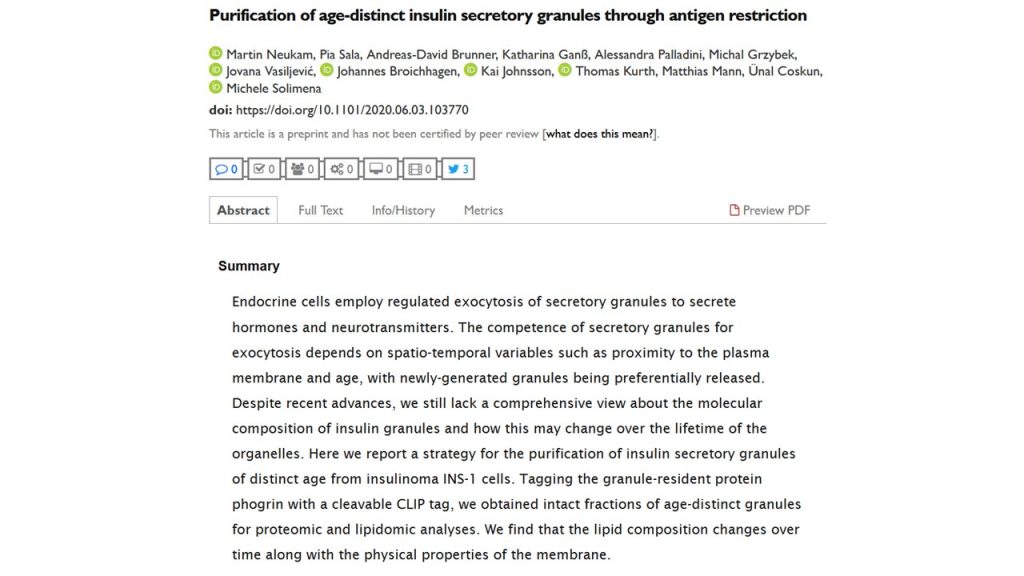
Digital Egal
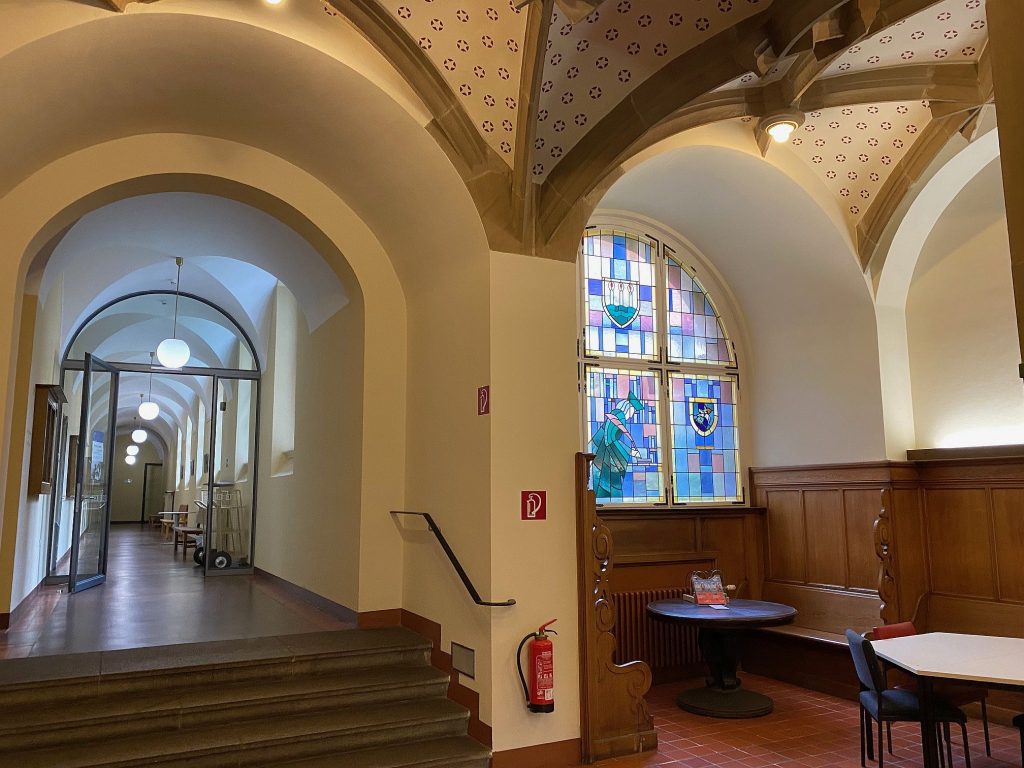
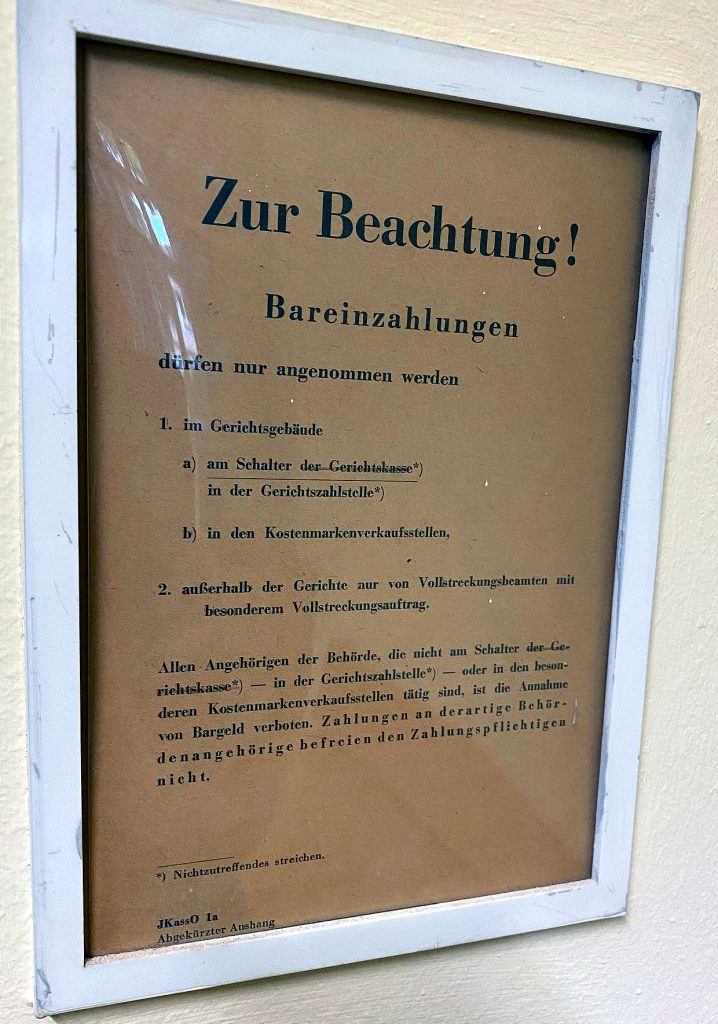
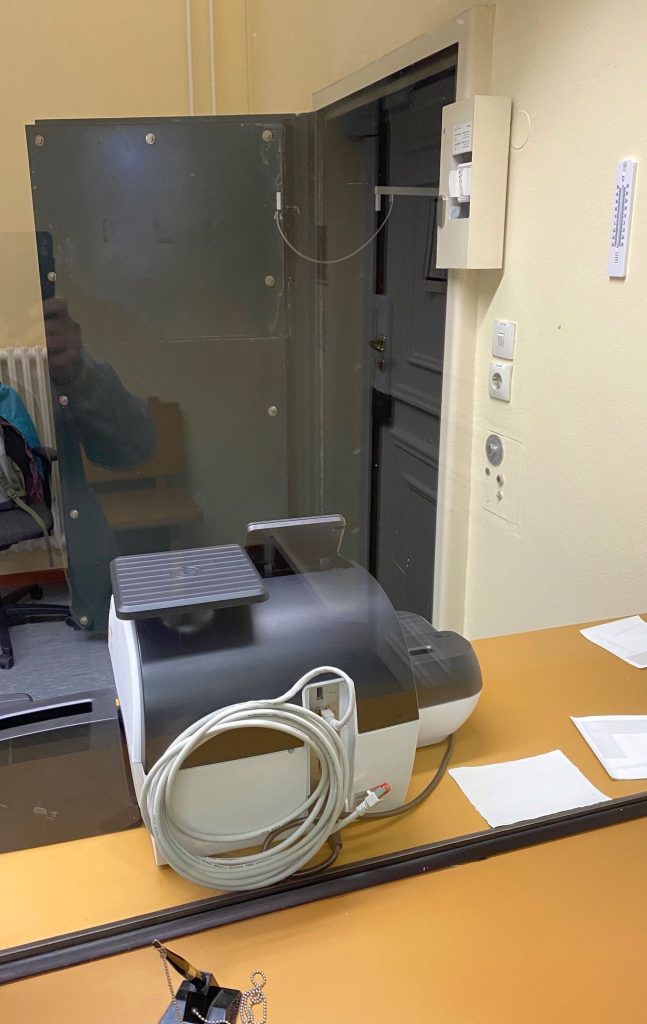
In den deutschen Amtsstuben geht es Ende 2023 oft noch erschreckend analog zu. Für einen Grundbuchauszug, beispielsweise, hatte ich das außerordentliche Vergnügen das Grundbuchamt am Amtsgericht in Berlin Ringstraße aufzusuchen. Sonst nimmt man sich ja nicht die Zeit, solche Sehenswürdigkeiten von innen zu besuchen. Die Überraschungen waren vielfältiger Art. 3 Personen Wachpersonal und Metalldetektor, wie bei der Flugabfertigung. Für den Auszug aus dem Grundbuch ist selbstverständlich eine Gebühr fällig, die nur bar entrichtet werden kann. Auf zur Zahlstelle, immerhin auf dem gleichen Flur. Die nächste Amtsstube hat zwar noch einen richtig historischen Tresor, aber die Erfassung der Zahlung läuft wohl noch auf alten Geräten. Vielleicht per relativ unsicherem WLAN verbunden. Das LAN-Kabel ist jedoch schon mitgeliefert, das dann irgendwann einmal eine sicherere Netzanbindung ermöglichen wird.
Über einen Dienstleister lässt sich der Verwaltungsakt auch online erledigen unter Herausgabe der Kreditkartendaten und sonstiger Daten (Cookies) samt Unterschrift per Maus (!). Das ganze für die doppelte Verwaltungsgebühr. Dank des 49 € Tickets wollte ich mir diesen Spaß jedoch live gönnen. Wahrscheinlich werde ich das nochmals mit den Enkelkindern so als lebendigen Museumsbesuch nachvollziehen. Wer weiß, wie lange das noch möglich sein wird. Das Personal trägt es mit Fassung und dem nötigen Humor.
Bisher kannte ich die Diskussion über die Digitalisierung der Verwaltungen mehr aus wissenschaftlichen und technischen Diskursen. Jetzt kann ich so richtig in das Jammern darüber einstimmen. Produktivitätsfortschritte lassen sich hier in ungeahntem Maße erzielen. Einer geht noch: Was ist das längste Wort in dem Amtsvorgang und wie viele Buchstaben hat es?
Gerichtskassenstemplerabdruck (auf der Quittung).
Schachnovellen
Eigentlich gibt es nur „die“ Schachnovelle von Stefan Zweig aus dem Jahr 1942. Heutzutage schon zu haben für 3 € (Reclam) als Reisebegleiter. Die Ausgabe ist gerade so groß wie ein Mobiltelefon. Darauf habe ich natürlich noch ein Schachprogramm mit unzähligen Rätseln und Partien, nur für den Fall eines Rückfalls. „Damenopfer“ sind im Schach eine elegante Art, die mächtigste eigene Spielfigur zu opfern, um einen strategischen Vorteil oder gar Schachmatt zu erreichen. Kurz gesagt, der König opfert seine Dame, damit er den anderen König überwältigen kann. Shakespeares Dramen klingen dabei an.
Aktuelle Literatur „Damenopfer von Steffen Kopetzky“ setzt ebenfalls auf diese Analogie. Aber zurück zu der Schachnovelle. Meine Lesart der Novelle, bei der aus dem kleinen Bauernjunge, der spätere Schachweltmeister geworden ist, bezieht sich auf die Menschheits- und Realitätsflucht des Schachspielens. Eintauchen in die Welt der Figuren und verbundener Fantasien bietet sich an. Neben Königen und Königinnen, stehen Türme von alten Ritterburgen, Pferde samt Reitenden als Teil von Reitturnieren, Läufer mit Kurz-, Langstrecken oder Marathondistanzen, sowie die Menge an Bauern, die für Nahrung sorgen, Deckung bieten und die Logistik bewältigen. Essentielle Arbeitende eben. Schon bei Verlust eines einzigen Bauers ist die Partie bei Fortgeschrittenen meistens schon verloren.
Das Eintauchen in die Parallelwelt des Schachspielens kann zu schizophrenen Verhaltensweisen führen. Ausblenden aller realen Vorgänge und Leben in mehreren möglichen gleichzeitig stattfindenden Parallelwelten als Varianten von Schachpartien verlangt mentale Stärke. Ab einem gewissen Niveau des Eintauchens in die Schachwelten, gleichsam von Schachnovellen, wird die Rückkehr in die real stattfindenden Vorgänge ebenfalls schwieriger. Spielsucht kann die Folge sein. „Gamer“ mit ihren virtuellen Welten und Abenteuern wissen sicherlich nur allzu gut, welche Gefahren dort lauern.
Stefan Zweig hat seine Schachpartie im realen Leben gegen den Nationalsozialismus verloren. Die gewählte Selbsttötung seinerseits war ein Königsopfer, das ein spielerisches Damenopfer in den Schatten stellt. Zu Recht steht die Schachnovelle oft auf dem Schulcurriculum, nicht nur da, wo Schachspielen Unterrichtsfach ist. 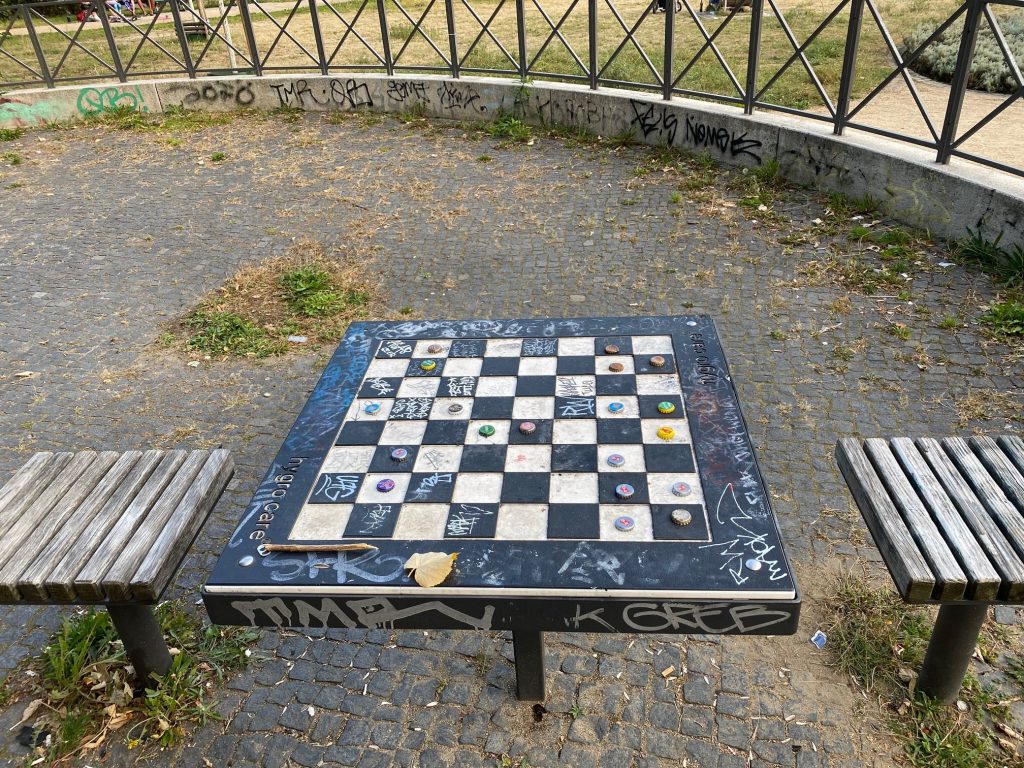
Instability
In political science the stability- instability paradox is much discussed (paper with game-theoretic analyses). The reliance on nuclear weapons, supposed to enhance stability in the world order, is rather driving the instability making conventional wars even more likely. Michael Beckley argues that containment of China’s expansionary policies is needed to avoid even more disastrous confrontations (Foreign Affairs, 2023 Nr.5).
Different from the German cold war doctrine “Wandel durch Annäherung” Beckley argues that commerce has not brought US and China closer together, but it is actually driving them further apart. After decades of trade imbalances with China the economic power of China can be felt as overwhelming. But there are multiple risks to its economic model and strategic interests to secure raw materials from across the world. Aging of China is another economic and social fallacy difficult to overcome with short-term measures.
We are about to witness another couple, triangular or more relationship to establish as “enduring rivals”. This may last for centuries rather than decades, although the French- German couple has managed quite successfully to turn such rivalry into an “entente” relationship of importance to the whole European continent. The shift in emphasis of US foreign policy is going to be significant. Containment with Russia has worked, so why should it not work with China as well. The likely answer is demographics again. The size of the internal market of China is sufficiently large to continue a splendid isolation after heavy one-sides trading is over. State control of the internet and social scoring of the population is also a powerful tool to suppress the formation of free will and independent opinions. After all, instability in external relations might even be used to ensure internal stability. Such strategies are common to all political systems. The stability- instability paradox is staying with us and this is rather stable even if the discussion changes continents. (Image: Comical battlefield Map 1854, by Berendsohn shown at Waterloo, Museum 2018) 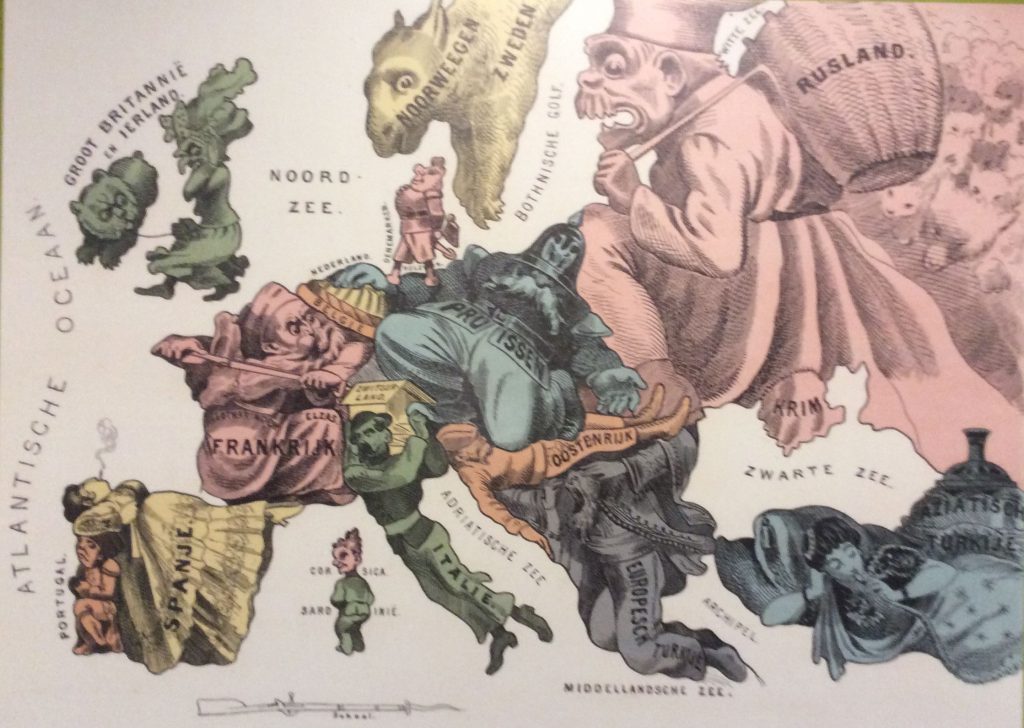
Energiewende lokal
Neben dem vielen politischen Geschrei vollzieht sich die Energiewende oft schon unter dem Radar der breiten Massenmeinung. Unzählige lokale Initiativen machen Energiewende von unten, statt auf die große Politik mit ihren Subventionstöpfen zu warten. Das rechnet sich langfristig und bezieht viele lokale Akteure mit ein. Kelheim, an der Mündung der Altmühl in die Donau, schafft es mit kleinen Schritten, weniger Gas zu verbrauchen und die Bierbrauerei mit Energie aus Pellets lokaler Holzwirtschaft zu betreiben. Recyclen der Flaschen mit Mehrwegkonzept trägt zu weiteren CO2-Einsparungen bei. Der lokale Konsum ist dabei inbegriffen.
Lokale Energiewende wird oft von unerwarteter Seite noch ausgebremst. Geplante Windräder ebenfalls in Kelheim (Bayern) scheitern an der Bundeswehr, da sie Vorrechte geltend macht für Flugkorridore. Wir wissen gar nicht, welche Barrieren noch gefunden werden können, damit lokale Energiewende Realität werden kann. (Bericht Deutschlandfunk).
Damit wir weg vom Gas kommen, brauchen wir viele Anstrengungen von allen. Für die kommunale und regionale Energieplanung ist das durchaus eine Jahrhundertaufgabe. Unsere Gasometer, die vor hundert Jahren den Gasdruck lokal reguliert haben, sind oft schon für neue Nutzung erschlossen. Die Befreiungshalle nahe Kelheim heißt im Volksmund schon lange Vereinsbier- oder Freibierhalle, jetzt vielleicht sogar aus „nachhaltiger“ Produktion.  Die Auenlandschaft wird wohl nicht so schnell wieder nachwachsen. Weniger Zellstoff-, dafür mehr nachhaltige Bierproduktion ist doch eine interessante Perspektive. Photo: Auszug aus https://loc.gov/pictures/resource/ppmsca.00044/
Auenlandschaft
Die Auen und die Wälder in der unmittelbaren Nachbarschaft hatten eine hohe Bedeutung für die Biodiversität. Mit ihren fruchtbaren Böden waren sie leider sehr begehrt für die Landwirtschaft und wegen Wassernähe auch für Wohnungsbau. Die Auen haben eine wichtige Funktion als Aufnahmefläche für Hochwasserschübe an allen Binnengewässern. Das haben wir in Deutschland an der Ahr schmerzlich wieder erleben müssen. Nachhaltiges Wirtschaften mit den Auen statt gegen die Auen ist möglich. Selbst der langsame Rückbau von befestigten Flussufern ist möglich, wenn Ausgleichsflächen für Überflutungen erschließbar sind. Das braucht eine langfristige Planung. Diese fängt meistens auf den umliegenden Bergen und Hügeln an, die nicht mehr nahezu ungebremst große Wassermengen rasch in die Flüsse ableiten. Auffangbecken, die höher gelegen sind, Versickerung, die nachhaltig bewässert, sind verbundene Planungsvorhaben, die zusammengenommen eine wirksame Antwort auf den Klimawandel bilden.
Auen haben feuchte- und wärmeregulierende Funktionen, die den umliegenden Dörfern und Städten zu Gute kommen. Elektrisch betriebene Schiffsmotoren drehen leicht mit höheren Drehzahlen und Vermeiden dadurch zusätzlich die hohen Heckwellen, die sonst oft bei langsam drehenden großen Schiffsschrauben zu beobachten sind. Als Naherholungsgebiete sind die Auenlandschaften sehr beliebt und nicht erst seit den Malenden der Romantik. Die größere Biodiversität sollte eine Antriebsfeder sein, diese Naturschönheiten zu bewahren und, wo möglich, wieder herzustellen. Leipzig hat das erfolgreich durchgeführt (Link PDF). In Frankreich tragen die Rückhaltebecken der Marne wesentlich zur Verbesserung der Wasserqualität der Seine bei damit mittelfristig darin sogar wieder gebadet werden könnte. 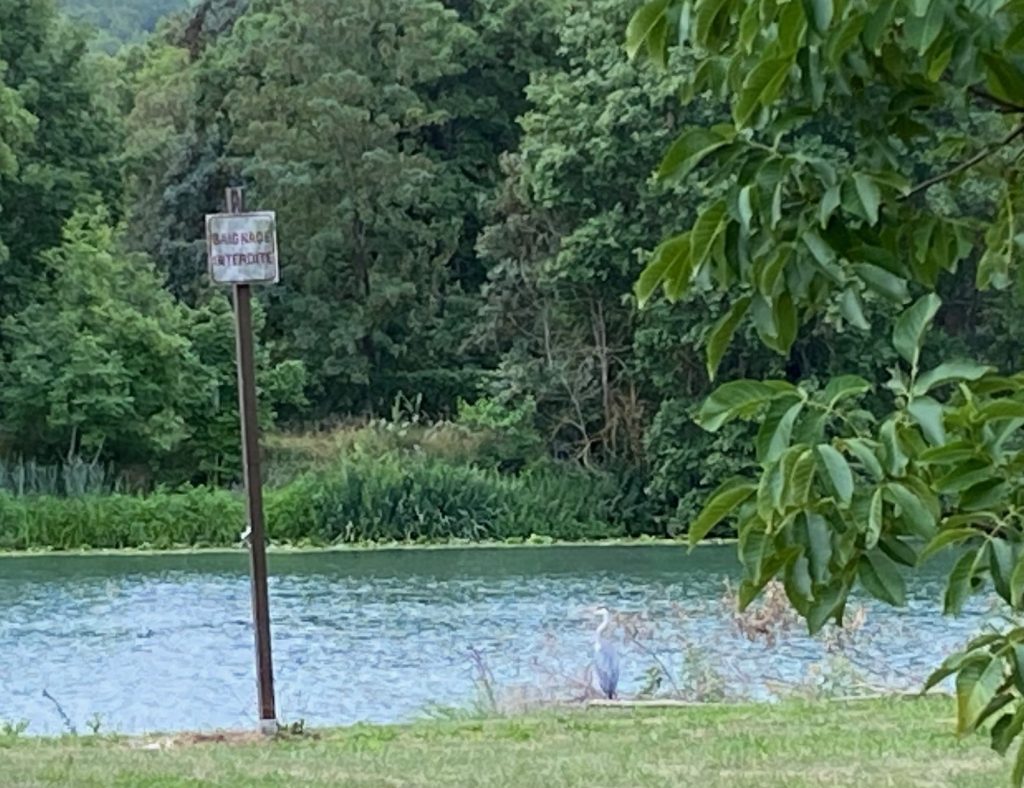
Overwork
In a country where most people subscribe to the “protestant work ethic” it is not easy to raise the issue of overwork. Yet, overwork needs to be become an issue of concern. In combination with overwork comes too little rest. Particularly the lack of rest and sleep is likely to cause serious medium and/or long-term effects. Burn-out is only one of the more obvious and drastic experience of exhaustion. The lifestyle of overwork has direct causal links to malnutrition and cardio-vascular risk factors. Once triggered these processes are even harder to control. The run on meditation exercises is only reiterating the huge difficulties to find a balance or antidote to overwork.
The Pew Research Center in Washington has published results from a survey in 2023 that shows that only about half of American people take the full vacation they are entitled to. The evidence of pervasive overwork in the U.S., not limited to the higher executive branches of employees, is hugely unhealthy. Physical and mental health is endangered and the cost to individuals and society are immense. Who cares? Well, we should care. (1) Documentation and monitoring this trend are the first elements of a strategy to counter these effects. Keep spreading the message that overwork is not without serious risks and mostly is followed by huge costs, someone will have to pay. (2) Start to analyse why we glorify overwork and keep doing so for centuries. The strive for higher pay, more money, higher profits, wealth or social prestige is a powerful driving force, of course. Legal measures or taxation to curb extra benefits of overtime have apparently had only marginal effects as they are circumvented, if people are too much focused on the immediate earnings effects. (3) Examine the question, why we glorify overwork? The Harvard Business Review published an article on this on 28th of August (just after the vacation period) to blame the culture of “workaholic” behaviour. In short, if your self-concept is defined exclusively through work, you will be doomed for overwork and its consequences. The next shot of overwork satisfies the urge for self-esteem and most likely also recognition from peers, colleagues and supervisors. This is an unbelievably heavy drug and addiction terribly hard to resist. (4) Who keeps pushing the agenda of overwork? We know for sure that it is not your children. If you have none, you will be at a higher risk to overwork and to push the overwork agenda compared to others, just because compared to families your time budget leaves more reserve capacity for time to rest. Employers set powerful incentives to reward any form of overtime and thereby overwork not only in pecuniary form, but also more rapid career advancement. Strongest and most addictive is your very own behaviour not to respect limits to working time. (5) Remedies to overwork are only partly in your own command. Of course, getting more sleep, doing more exercise, walk instead of drive to work are all fine. However, we need to address the danger of addiction, especially when we do not want to admit our dependency on overwork for self-esteem and recognition by others. Getting together with like-minded persons, for example, in trade unions, will make it easier to get collective solutions to isolated overwork. Higher wages should allow you to get more rest as you earn the same absolute amount with less input of hours. The danger of working even more, because the incentive to put in an extra hour of work has risen at the same time. Be aware of this “duality of higher pay”. Societies have lots of reasons to redistribute work. Between women and men, young and old as well as the “overworked” and “underworked”. 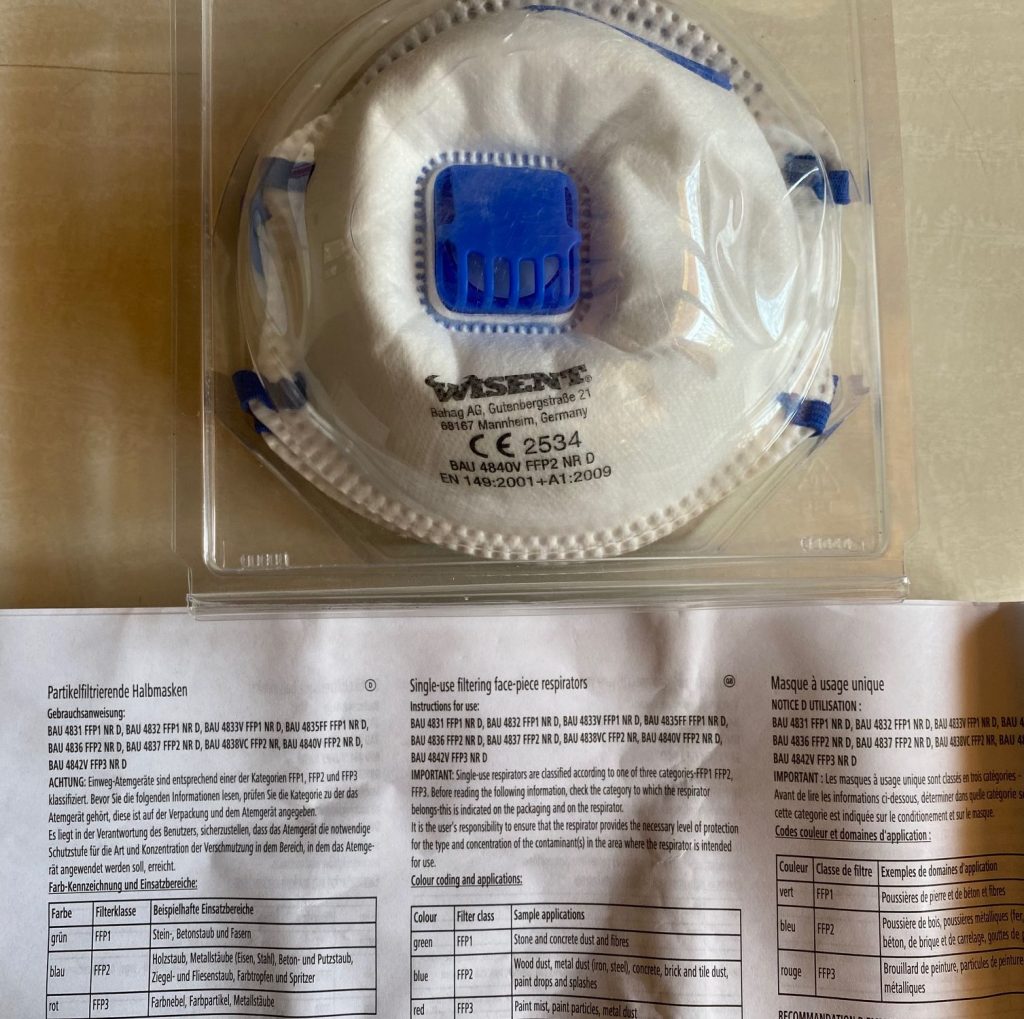
Luftschloss
Im K21 der Kunstsammlung Nordrhein-Westfalen ist ein Luftschloss eingebaut worden. Es ist das einzige mir bekannte Luftschloss, das für alle Besuchenden begehbar und fühlbar ist. In wahrhaft luftiger Höhe von 25+ Metern über der Eingangshalle der Kunsthalle K21 und zentral unter der gläsernen Dachkuppel platziert, lässt sich mal so richtig abhängen. Nahezu schwebend kann die weiträumige Installation von Tomás Saraceno erklommen werden. Die Schritte und wippenden Bewegungen der anderen BesucherInnen lassen sich unvermittelt ebenfalls erspüren. Du bist nicht allein, im originären Sinne des Wortes. Die buchstäbliche Vernetzung mit allen anderen Personen werden durch Schwingungen des Netzes zu anderen Kletternden oder Chillenden übertragen. Eine unmittelbar erlebbare Erfahrung der Verbundenheit mit unbekannten, anderen Menschen stellt sich ein. Die Verbundenheit innerhalb einer Gesellschaft wird eindringlich verdeutlicht. Die Angst, durch die Höhe verursacht, weicht rasch der freudigen Erfahrung der Schwebung und der kindlichen Erfahrung der Suspension. Nahezu freischwebend in der Luft, im Orbit erlebt jede/r sein eigenes Luftschloss inmitten von transparenten Kugeln, die wie Planeten wirken. Gleichsam real, aber dennoch imaginär durchwandern wir die Installation immer im Bewusstsein, dass andere um uns sind, die unsere Schritte, Möglichkeiten und Haltungen mit beeinflussen. Vom Luftschloss träumen oder im Luftschloss träumen, beides ist dort machbar.
CO2 freundlich lässt sich die Erfahrung in der APP Aerocene fortsetzen. Der für unser Wetter so bedeutsame Jetstream wird zur imaginären Flugerfahrung genutzt und mit recht aktuellen Daten gespeist. Die Verbindung zu „Earth and Space Sciences“ ermöglicht die Einbettung der sozialen Erfahrung in einen noch weiteren Kontext.
Die eigenen 4 Wände sind die Grenze. Das galt schon früher nicht. Weit darüber hinaus lassen sich neue Möglichkeiten erschließen, die nicht umweltbelastend sind. Selbst die Reichstagskuppel in Berlin sehe ich plötzlich mit ganz anderen Augen. Mehr als Möglichkeitsraum, statt der traurigen Vergangenheit und der zerstrittenen Gegenwart. Was wäre die Kunst, wenn sie nicht zum Träumen anregen würde. 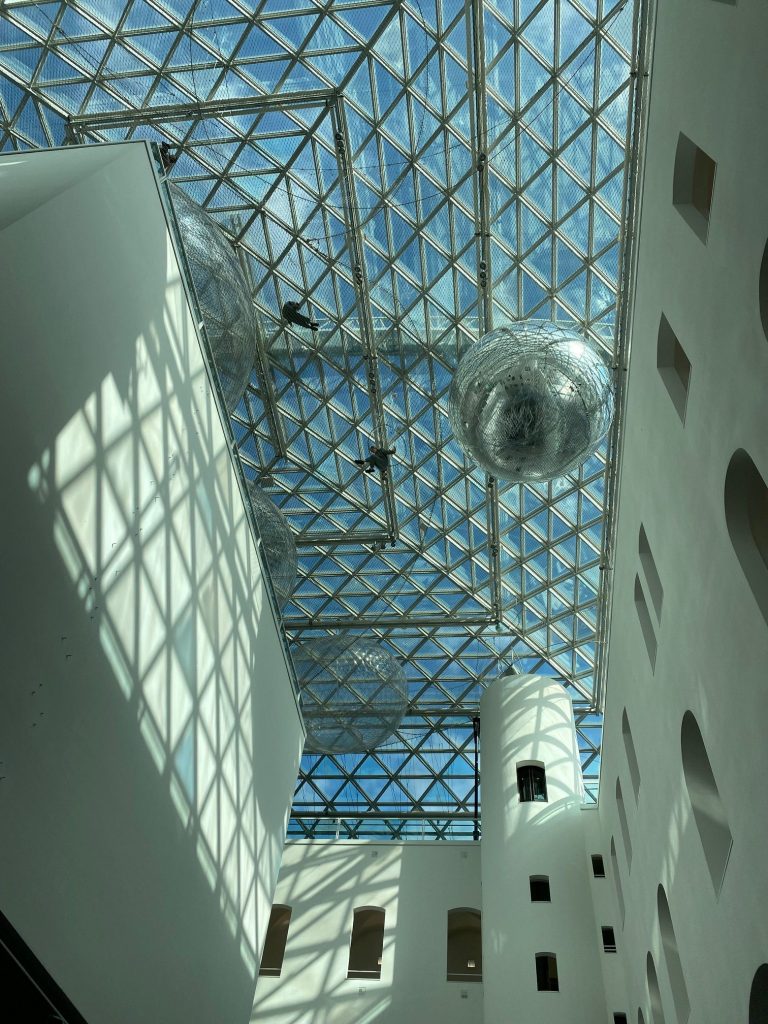
Berlin Grün
Zur Berlin Art Week BAW 2023 wurden der Neuen Nationalgalerie ein paar Blumen und Baumkästen spendiert. Alles nur vorübergehend. So erblühte die Rose von Isa Genzken schon vorher und sicherlich noch etwas länger vor der Neuen Nationalgalerie. Steht der Galerie gar nicht schlecht. Vielleicht etwas sehr figürlich und wenig auf die Schätze der Moderne hinweisend. Das ist schon eher post-modern. Rückbesinnen auf die Werte der Natur, dass Stahl und Glas eben nicht umsonst zu haben sind, sondern erhebliche Umweltkosten mitsichbringen. Das regt zum Nachdenken an. Solarzellen, quasi unsichtbar auf dem großzügigen Flachdach der Galerie und für die geplante Scheune nebenan? Kunsträume stehen ebenfalls in der Verantwortung für die Überlebensbedingungen unseres Planeten. Denkmalschutz kann weitgehend eine Bremse sein, aber die energetische Verantwortlichkeit der immer gut gekühlten und beheizten Räume sollten auch wegweisend in dieser Richtung sein. Da gibt es noch viele Potenziale, die es auszuschöpfen gilt. Damit kann dann auch mehr Kunst gezeigt werden, da die laufenden Kosten gesenkt werden können für mehr als eine Wahlperiode oder Amtsperiode einer Hausleitung. Also Kunst kann einen schon auf unangenehme Gedanken bringen, die die Kunstschaffenden und Kuratierenden selbst betreffen. Isa Genzken und die BAW setzen Zeichen, die vielleicht so gar nicht unbedingt geplant waren. Nice. 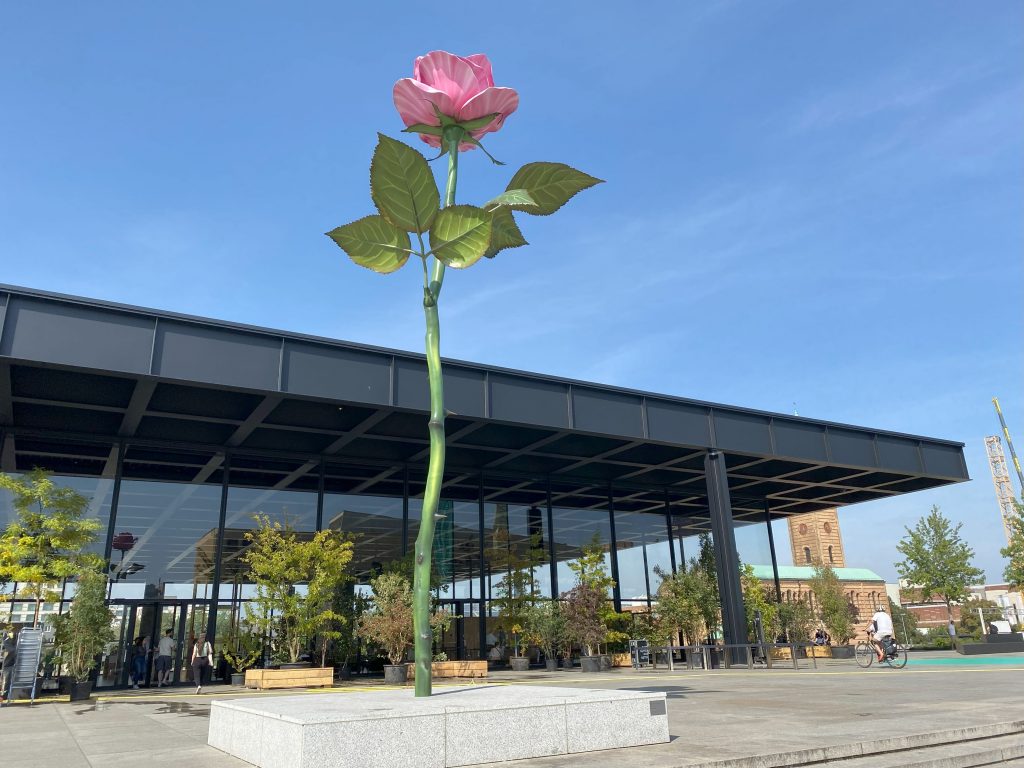
Get mobile
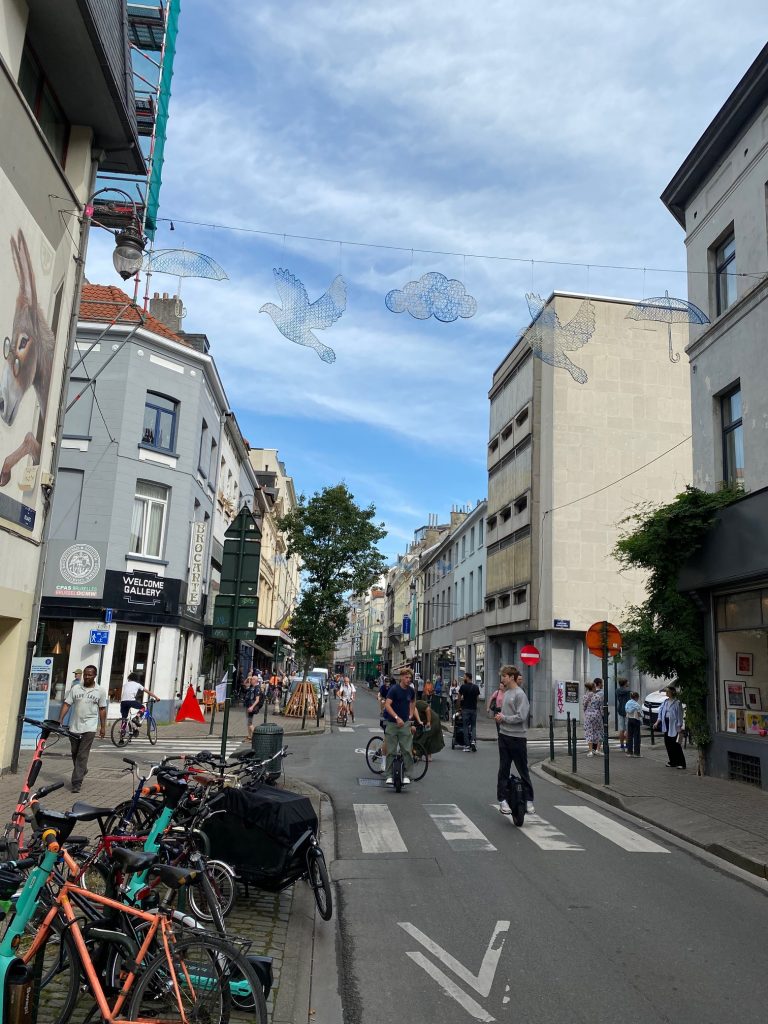
In inner cities, plagued by horrible traffic jams and pollution by cars and lorries, we dearly await at least the one day per year without this nuisance. Mobility can be organized differently. Brussels demonstrates this in an exemplary fashion. Many families gear up for this one day to teach kids how to cycle technically without the dangers of the fight for space, speed and breathable air. Older persons also feel much more save then and walk or cycle longer distances than they usually do. So many winners and only a few forced to not use their cars during 10 hours. Massive health benefits for the whole city, especially on too warm a day in autumn 2023. All these kinds of ideas were already discussed before the COVID-19 crisis on a mobility fair in Brussels. It is not the ideas that are missing, but the political will and courage to try new ways forward. Learning that walking and cycling in cities do not hurt you, prepares the readiness to go further along this path. Just do it. And do it faster than in the past. The planet needs it, people seem to really like it, too. Enjoy.
Widmann
Jörg Widmann hat seinen Einstand bei den Berliner Philharmonikern als „Composer in Residence“ gegeben. Die Schwester, Carolin Widmann interpretierte das Violinkonzert Nr. 2 von Jörg Widmann als Solistin. Das war ein ganz besonderer Abend. Die Widmanns haben doch tatsächlich gemeinsam die Einführung in das Programm des Abends mitgestaltet, eine ¾ Stunde vor dem Konzert im großen Saal der Philharmonie. Mit Begeisterung haben die beiden Geschwister von der gemeinsamen Zeit der Entdeckungen rund um die Violine in ihrer Kindheit erzählt. Damit wird die faszinierende kindlich, unschuldige, nahezu naive unbedarfte Herangehensweise an das Instrument verdeutlicht, die so charakteristisch ist für den Anfang des Violinkonzerts. Die Entdeckung eines Klangkörpers (vom einzelnen Instrument bis zum Tutti) geht aber rasch weiter zu einer Demonstration der vielfältigen Gefühls- und Virtuositätsregister der Violine. Paganini lässt grüßen, könnte man meinen.
Kaum klingt eine virtuose Passage an, da hinterfragt der Komponist die eigene Begeisterung. Ist das nicht einfach nur Akrobatik, um dem Publikum zu gefallen? Zweifel stellen sich ein und etwas Distanz zum gefälligen Wohlklang. Reflektierte Virtuosität, der Soziologe würde vielleicht auch reflexive Virtuosität als kompositorisches Element verwenden wollen. Notation von Musik und Klängen hat seit dem wohltemperierten Klavier relativ feste Vorgaben. Daran hat sich Jörg Widmann zu 98 Prozent wohl gehalten. Die anfängliche Erkundung des Klangkörpers Violine lässt sich aber nur anders notieren. Innovativ, mit mehr Raum für Interpretation in der Aufführungspraxis. Das betonte so auch die Schwester, die nun wirklich dem Komponisten sehr eng verbunden ist. Interessant war daher ihr Kommentar, dass diese Anfangsstelle für sie gleichsam die größte Herausforderung darstellt.
Die folgende „Fantasie für Klarinette solo“ von Jörg Widmann passte daher gut zu dieser Erkundungsreise von Instrumenten des Symphonieorchesters. Die Klarinette hat in allen Musikepochen und Stilrichtungen ihren Platz behauptet. All diese Anklänge lassen sich in dem Solo, welches der Komponist selbst dargeboten hat, wiederfinden.
Nach dieser aufregenden Reise durch die Jahrhunderte der Musikgeschichte stand die „Reformationssymphonie“ von Felix Mendelssohn-Bartholdy auf dem Programm. Spannend war die Umsetzung „dieser Art von Teufelsaustreibung“ (Worte von Jörg Widmann) mit dem „2. jüdischen“ Satz und dem „3. protestantischen“ Satz der Symphonie in denen Felix Mendelssohn-Bartholdy seine beiden Wurzeln in den Gesängen und Liturgien in Andeutungen aufnimmt. Mit Klängen und Fängen der ausgehenden Romantik wurden wir in den weiteren Abend entlassen, samt Eindrücken aus der Ausstellung zu der Entstehung (60 Jahre) und der Architektur der Berliner Philharmonie und dem Scharoun Ensemble (40 Jahre) der Gebäude einschließlich der Stabi West. Das Mendelssohn Archiv hat in der benachbarten Stabi West einen kleinen, feinen Ausstellungsraum mitten im großen Lesesaal. So haben wir einen umfassenden Rundblick und Ausblick genießen können, die dem Kulturforum in eindrücklicher, dennoch unaufdringlicher Weise, eine hervorragende Stellung einräumen.
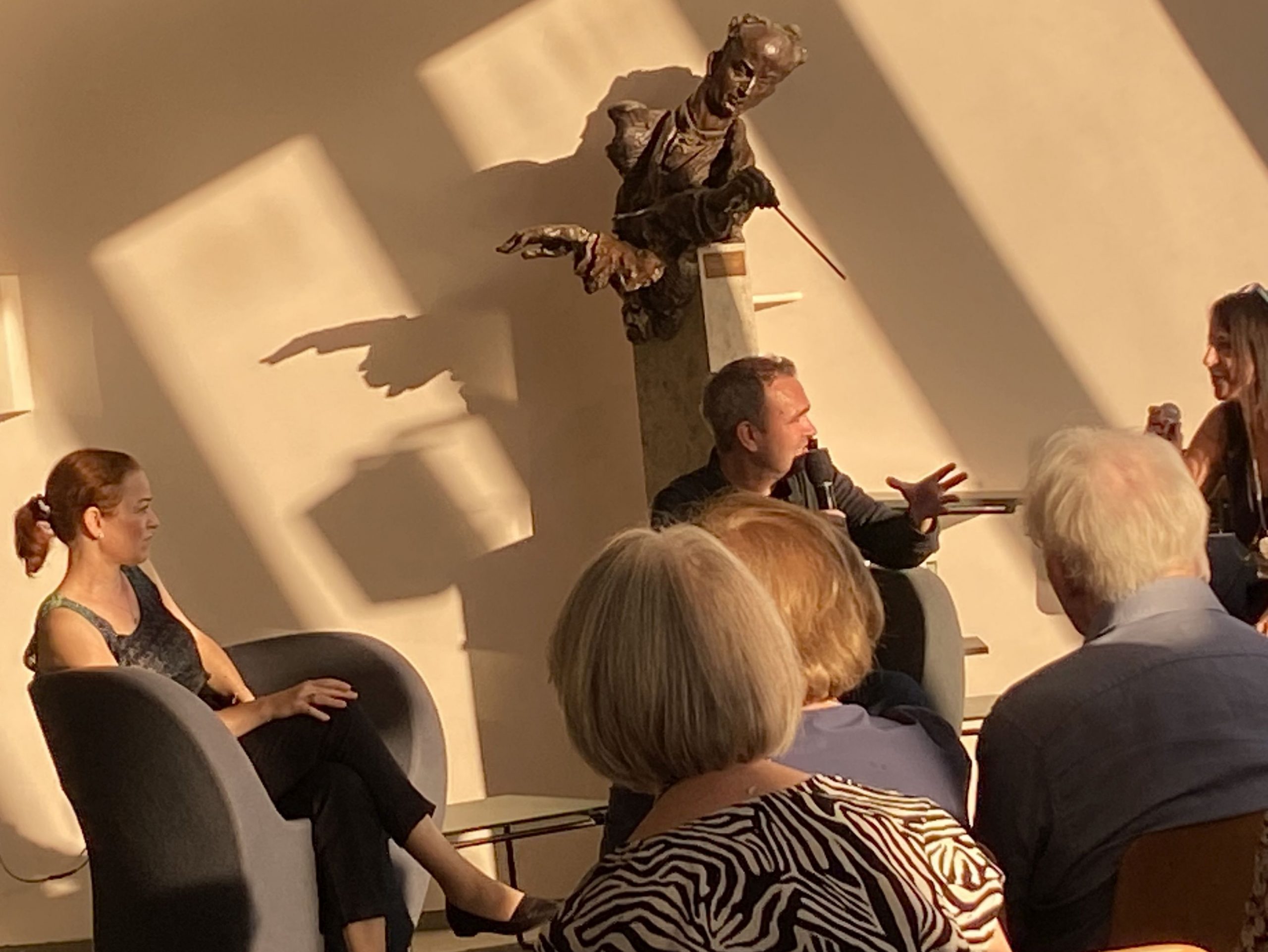
(Image: Jörg Widmann jenseits des Schattens von Furtwängler 2023-9-9)
Denkmal
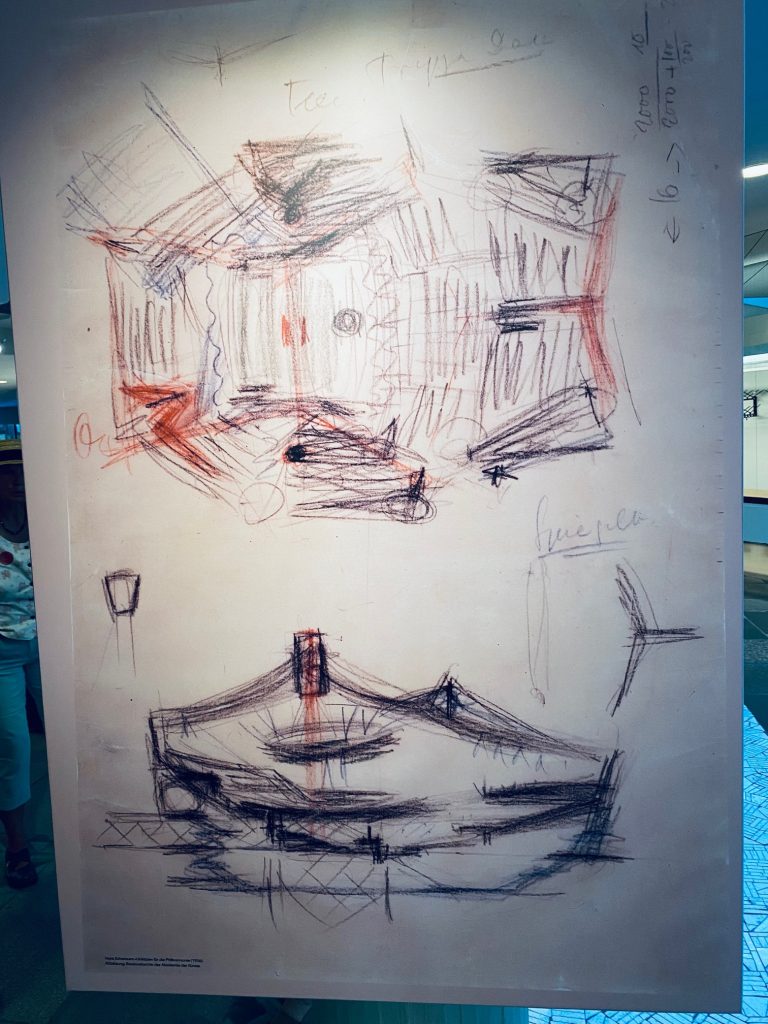
Jedes Jahr gibt es die hervorragende Möglichkeit am Tag des offenen Denkmals, historisch wertvolle Gebäude und Anlagen zu besichtigen. An heißen Tagen, wie in 2023, sind Altbauten oder klimatisierte Räumlichkeiten besonders bevorzugt. Die Philharmonie hat erneut die Möglichkeit geboten ohne langwierige Voranmeldung, spontan vorbeizukommen und an einer Führung teilzunehmen. Das von Hans Scharoun entworfene Gebäude samt seiner akustischen Spitzfindigkeiten bietet spannende Einblicke. Stille, Sound und Noise in einem Gebäude und Konzertsaal will sorgfältig geplant sein. Kompromisse mit verfügbaren finanziellen Mitteln und Planungsverfahren gehören zur baulichen Realisierung, wie eventuell zu den Kompositionen, die dort aufgeführt werden. Heute erscheint uns die gelungene Akustik als historischer Meilenstein. Ebenso die Form des Konzertsaals mit Plätzen hinter dem Orchester, aber auf das Gesicht der Dirigierenden bietet einzigartige Einblicke in die Praxis der Aufführung. Für 10 Minuten war selbst bei der Führung zufällig ein Zuschauen bei der Generalprobe der Berliner Philharmoniker von weitem erlaubt. Komponist und Dirigent Jörg Widmann probte noch Ausschnitte aus der am Abend aufzuführenden Werke. Selbst hoch unter dem Dach der Philharmonie konnten die leisen Ansagen des Dirigenten leicht verstanden werden. Akustische Meisterleistung der Architekten. Wer hätte gedacht, dass Anfang der 60er Jahre eine solche Glanzleistung möglich war, im Berlin, das gerade erst durch die Mauer getrennt werden sollte und dann geteilt überleben musste.