The all electric society will have a number of consequences. We need to think about durable electronics. Many electronic appliances get broken rather quickly even by normal usage. The task to repair the beloved electronic gadgets of your children or simple electronic household devices reveals the fallacy of the consumerist societies. “Use it and throw it away, if it is not working any more”. This is the standard mantra of our societies. In order to save resources, we have to reuse, repair and re-engineer a lot of electronic devices. So far, the engineering process consisted largely in finding ways to assemble fast and with inputs as cheap as possible. The task of designing products that are repair-friendly, circular and allow to disassemble the product easily is a bit counter-intuitive to the consumerist society. If your juicer lasts for years, you will be unlikely to buy another more fancy one or even a connected one very soon.
Repair-friendly design and assembling will be the next generation products of the all electric society. Plugs, interrupters, relays and electric engines of older devices will be valuable after the original use in a household product, which has seized to function. Many parts can be put to other use. Re-engineering with sustainability in mind has an important function also in the move towards gaining autonomy again. For the repair of electronic devices we shall focus more on fine motor skills of our hands again. The shortages of electronic components to build cars after the Covid-19 crises and the disruption of supply chains for other reasons provide a good lesson to advance faster in the direction of electronics repaired. 
Air Concept
Well yes, this is the latest fart in design and architecture. The Berlin International University of Applied Sciences composed an exhibition on “Air Architectures” which takes air seriously. The international group of 7th semester students took Air Architecture seriously and developed their ideas in the context of a curated exhibition. Nice semester project.
Air is a fundamental precondition for humans to (co-)exist. The biology of air (breathing) or the chemistry of air (fine particle matter) have been studied extensively. The physics of air flows in cities receive more attention as well in architecture. Interior design has yet a lot to contribute in the age of heat pumps and air conditioning.
Let’s think architecture from the perspective of air and air flow. Depending on our cultural background we might have very different associations with air. Indian or Chinese practices like yoga or Tai Chi teach us to take air more seriously than Western practices. Most architecture in cold countries of the northern hemisphere aim to keep air to the outside of buildings. Yet, the percentage of humidity of air is a serious concern of architecture as well. Air flow and quality then becomes a key issue of construction and architecture, somehow through the back door.
Maybe in approaching architecture we might think first of what is or has been the architect’s concept of air or aerodynamics. 100 years after the death of Gustave Eiffel and the Olympic Games in Paris, we still gain from thinking about air (not only air pollution) and its dynamics. Looking forward to the next generation of air architects.
(Image: Exhibition, Air architectures, at Berlin International, University of Applied Sciences 2024-12) 
Competence Handwriting
The acquisition of handwriting as a competence has been important for centuries. In primary schools this technique is exercised as a foundation for the performance in other cultural techniques like language writing and even calculus. Therefore, it has been beneficial to make sure children acquire basic competences in handwriting. This has not changed much, although the time devoted to perfection of the technique has been reduced over generations. We still have some memories of people who have made the handwriting or the pencils used a case of distinction. At the enlightenment period a lot of authors drafted their thoughts and manuscripts in handwriting and our museums or biographies are proud to show off handwriting of authors, artists or composers. In some of those we are able to retrieve the thought process behind the writing. The editing, crossing out, adding sentences or correcting words are traces to dive deeper into these creative processes.
Currently, we are less sure, whether in the age of AI we should still rely much on this old technique of handwriting. If we just treat it as one of many competences to be or become creative yourself, we are on the right track. The PISA studies by OECD include problem-solving as a crucial competence. Handwriting or drafting first steps of a solution might still be useful. A handwritten sketch of a solution might guide the elaboration of the more encompassing solution.
Another interesting feature of handwriting is the cross-cultural element of it. We feel easily compassion for a handwritten document. The psychomotor competence of handwriting is fascinating across continents. It has distinguished us from other species as well. The evolutionary steps are important elements of a learning process. Nostalgic feelings about handwriting do not help anybody, but children are well-advised to still keep an eye on their handwriting competence as part of or first step in problem solving, even if it is just to formulate the question they are interested in. 
Schinkel Winkel
Was wäre Berlin ohne Schinkel. Die Berlinerin sagt sogar, „in jedem Winkel steht ein Schinkel“. Das trifft das historische Berlin schon recht gut. Am Charlottenburger Schloss mit seinem schönen rechteckigen Parkanlagen, ganz nah, steht das sogenannte „Schinkel Palais“, genauer heißt es das Neuer Pavillon. Wenn Könige reisen ließen sie schon mal ganz gerne eine Kopie einer schönen Architektur in ihrem Park anfertigen. Das Vorbild eines italienischen Palazzos war hinreichend eindrucksvoll, um Schinkel mit einem Nachbau zu beauftragen. Viele rechte Winkel ließ der Schinkel mauern. Die verhältnismäßig kleinen Innenräume sind heute mit zeitgenössischen Bildern ausstaffiert. Da darf der Caspar David Friedrich natürlich nicht fehlen. 200 Jahre nach Beginn des Bauens am Schinkel Pavillon lässt sich noch recht gut sozusagen in die Epoche eintauchen. In einem etwas abgelegenen Winkel vom großen Schloss lässt sich somit die Zeitreise architektonisch Fortsetzen und mit weiteren Kunstgegenständen verknüpfen. Es ergibt sich so eine „dichte Beschreibung“ der Berlin prägenden Epoche.

Infrastructure
For some societies and cities it is a continuous question of how much resources we should invest in infrastructure. Access to funding is a major concern. The calculation of the viability of the project needs careful examination and evaluation. Societies have very different kinds of preferences and, interestingly, about time horizons for their deliberations.
There are examples that have been built to last a century and lasted 2000 years. Other worst scenario examples are built for just one World Expo and torn down afterwards. The Eiffel tower is such an example of the latter kind, but it lasted longer than 100 years by now. We should be thinking more about time horizons as it remains an often overlooked part of investment in infrastructure. The oldest city in Germany has many buildings from the Roman occupation that still characterize the city’s architecture. This remains an important economic factor for the city of Trier as an attractive location for tourists throughout the year. Only wars or negligence may cause severe deterioration if infrastructure has been built with an emphasis on its lasting value. The narrow-minded investment in downhill skiing like in the Swiss Alps is at best expected to last 20 years. For trees to grow there again it will take 50+ years. Sustainable investment will be viable and vital in many respects. High interest rates force us to recalibrate our societal and private s again. Taking into account a longer time frame for investment we indirectly build infrastructure that should last longer. Moving beyond short-termism is necessary, particularly in the field of investment in infrastructure.
Urban Living
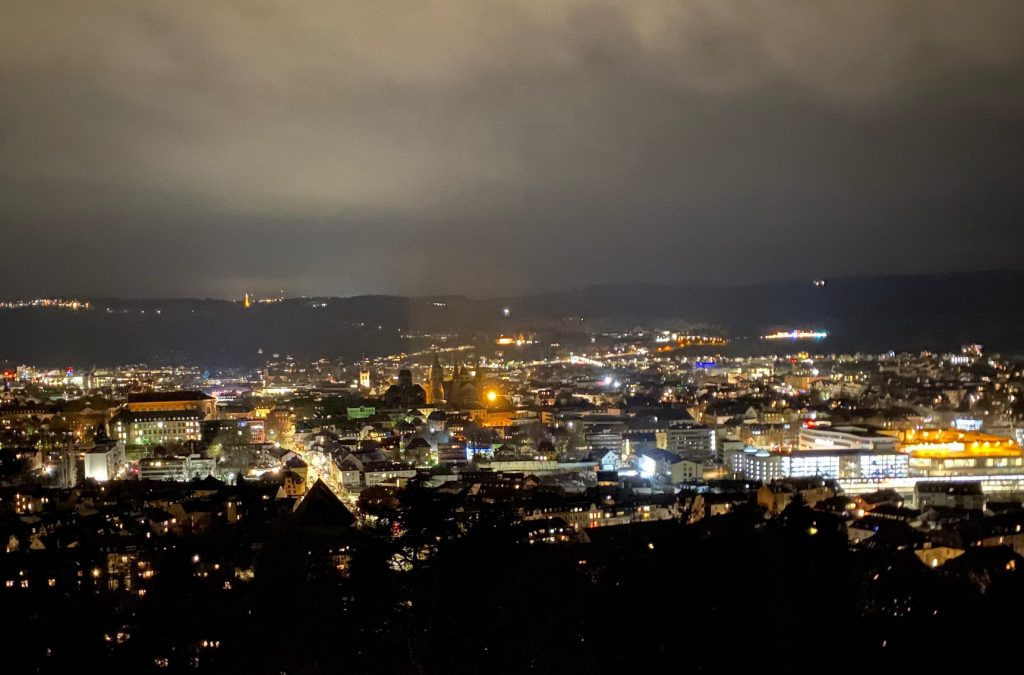
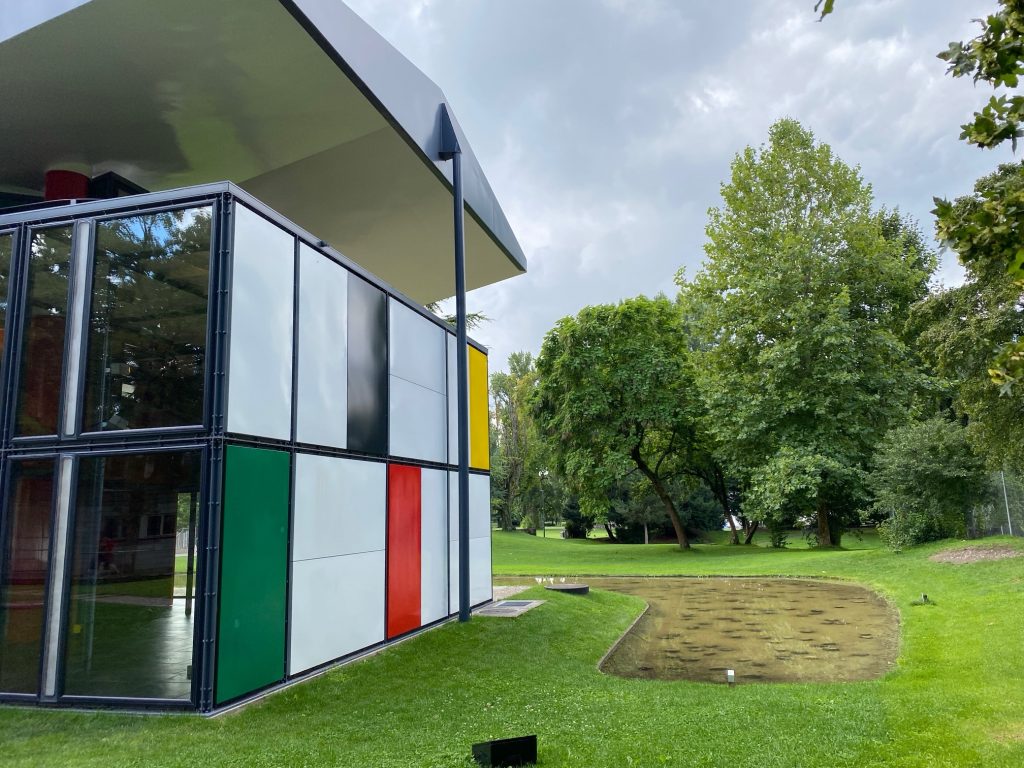
Each time I pass by the closed airport in the middle of Berlin I am amazed by the crazy idea to have built this and maintained throughout the 20th century. Paris is desperately trying to re-naturalize small areas and roads, while in Berlin there is now still the huge park to enjoy for all. Sports activities benefit the most. What an amazing asset in the neighborhoods for so many in need to walk, run or cycle a bit to keep their exercise level up throughout their life course. It has still a huge potential to activate people. It just needs a bit more organizations and volunteers to embrace the opportunities. Only in comparison to other cities you realize what an asset this is now. It will remain a challenge to preserve this centrally located treasure for the benefit of all. In Paris the deconstruction of concrete is taking shape and 300 new sites have been identified for re-naturalization, as reported in LeMonde. In Zurich green spaces in the center have been saved and renovated with a lot of money to allow more people to enjoy the benefits of a green environment near the city center. The house and park by architect Le Corbusier is a fine example of this. Image below. The garden around the house is publicly accessible. As air pollution is threatening more and more and heating in cities is a serious health threat we would really like to welcome more preservation and re-naturalization in inner cities.
Concorde
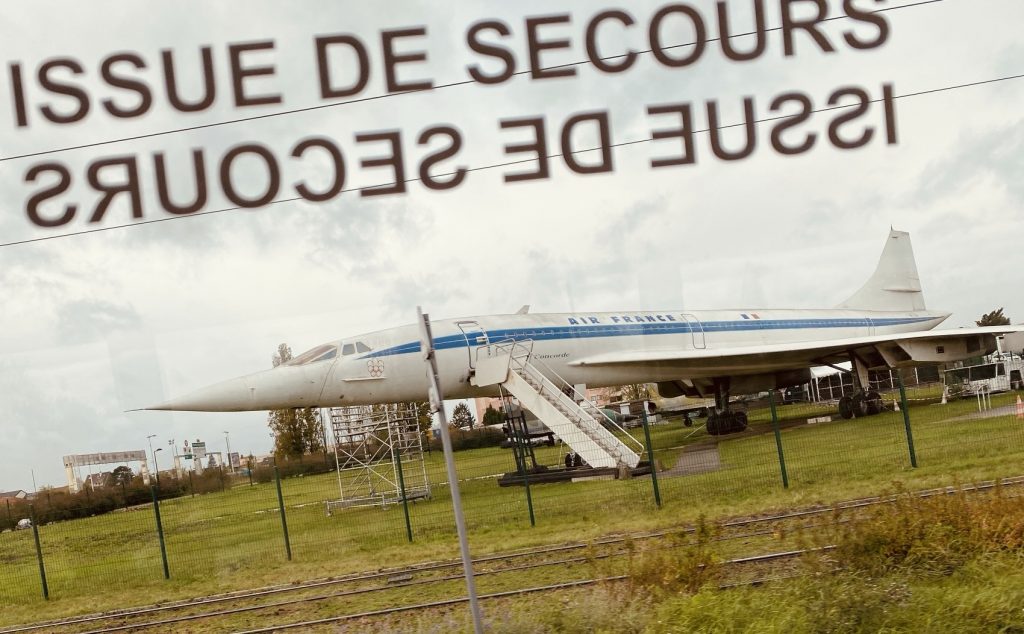
„These were the days my friends, we thought they’d never end …“ And yet the Concorde served for decades as a massively polluting aircraft for those paying or had their flights paid be their enterprises to cross the Atlantic ocean. Yes it was the fastest way, but we learned that it didn’t really make sense. After a technical default with an explosion the entire craze got stopped. Now next to Orly airport the remainders of this undoubted design highlight is exposed. It serves more as a warning that not all technical innovations are viable as commercial or ecological innovations. The delta-design as aircraft is still the most common design children play around with as paper models. Wing designs have made progress to adapt the bent end on each wing. So should do our paper models of them. The Concorde is also a perfect example to learn from concerning the link between “Society and Technology”. Similar mistakes seem to occur still today. “When will we ever learn, when will we ever learn…”.
Selfie 3D
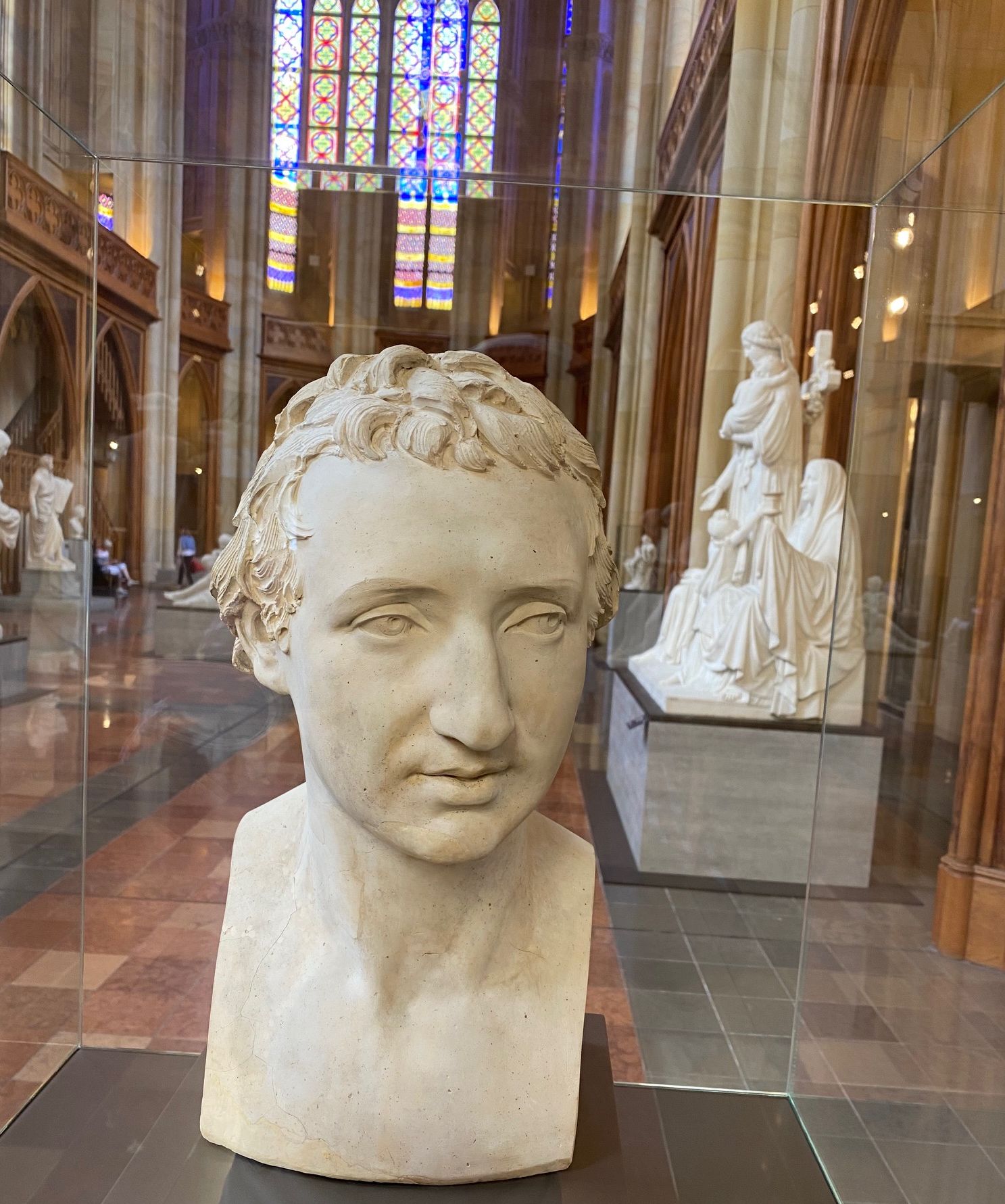
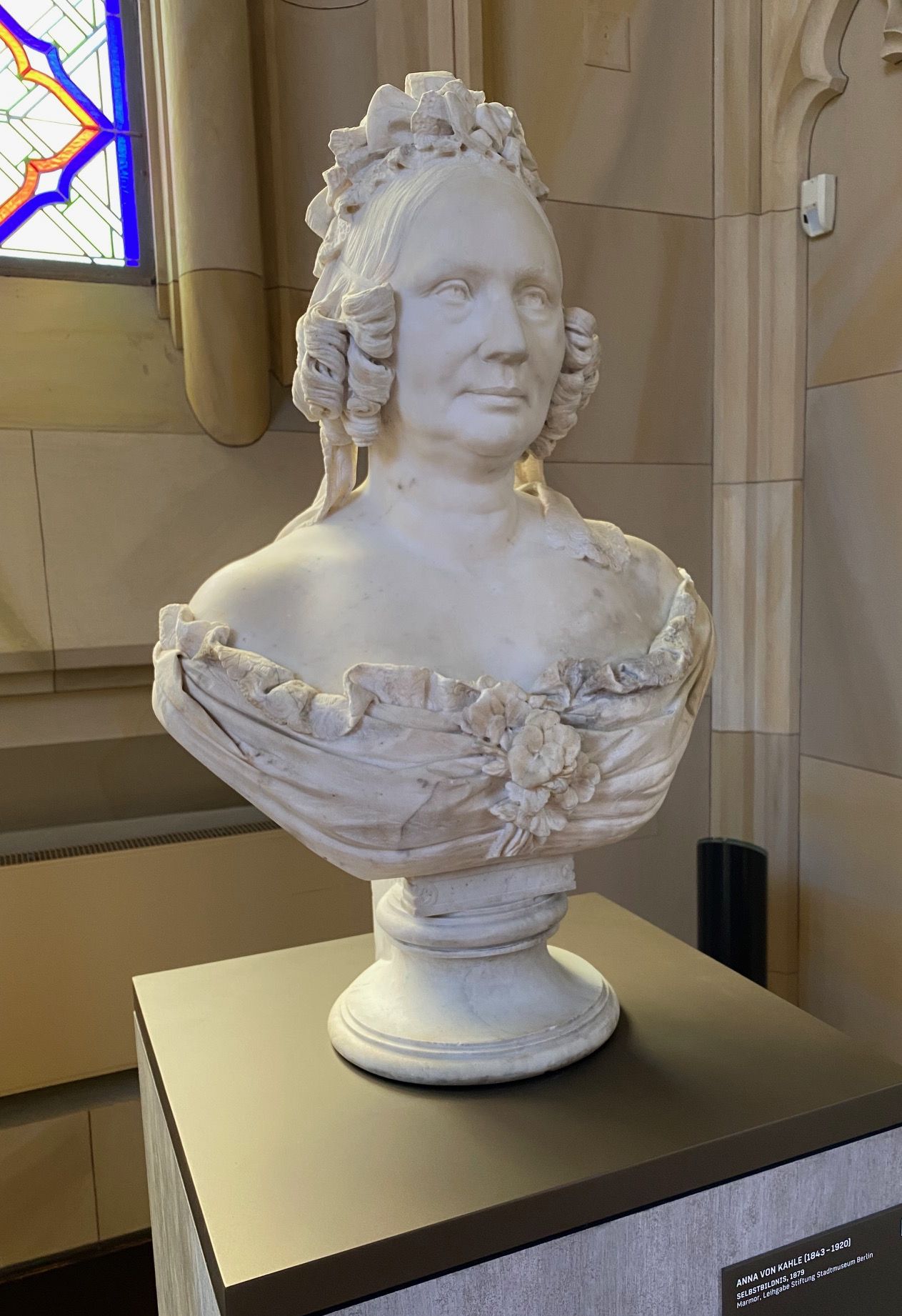
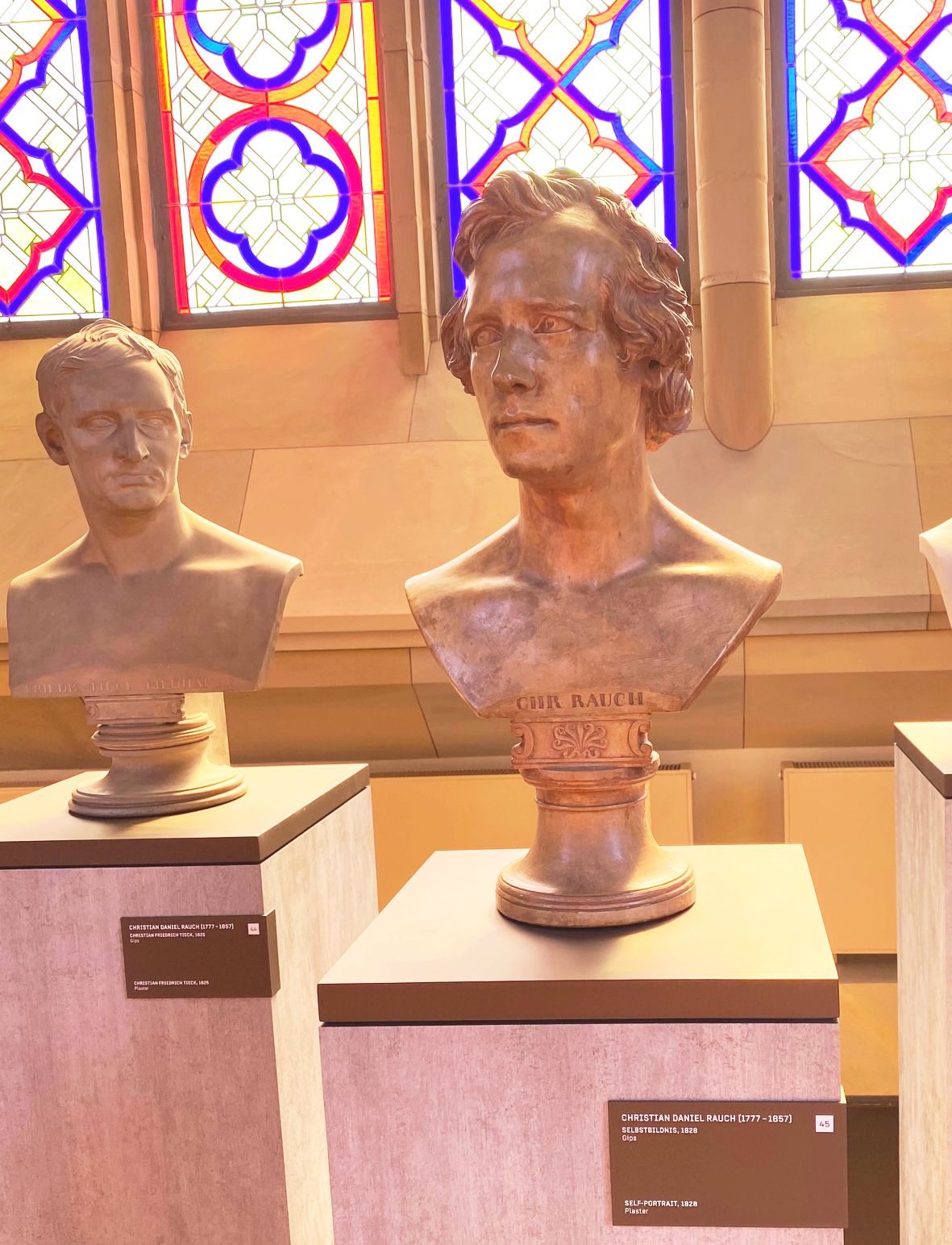
Wir meinen gerne die heutigen Gewohnheiten, wie die ständigen Selbstbildnisse seien eine Erscheinung des 21. Jahrhunderts. Weit gefehlt. Wer es sich früher schon leisten konnte, hat sich malen lassen. Photographen haben später diesen Markt übernommen. Aber eben auch Kunstschaffende haben seit langer Zeit ihr Selbstbildnis gezeichnet, gemalt und in Stein oder Gips geformt. Selfies sind daher eher die Demokratisierung der Möglichkeiten, sich selbst zu inszenieren. Eben sich so zu portraitieren, wie sie oder er sich selbst sieht, sehen möchte oder gesehen werden möchte. Es ist daher weniger ein narzisstischer Charakterzug die Antriebsfeder, sondern für die meisten Menschen steht ein Teilen, eine Form der Interaktion mit anderen im Vordergrund. Die portraitierte Person ist da, auch wenn sie gerade nicht da ist.
Diese Intention haben Herrschende jahrtausendelang genutzt und sich Mausoleen und Pyramiden errichten lassen. Gut, dass diese Praxis weit in den Hintergrund getreten ist. Heute regeln wir bereits unseren digitalen Nachlass in Ergänzung zu unserer analogen Hinterlassenschaft. Für viele werden dabei, ganze Sammlungen von vielfältigen Selbstbildnissen zu verwalten sein. Die 3D-Ausdrucke unserer Gesichtscanns samt mehr oder weniger noch vorhandener Haarpracht kommen dann in eine eigens vorbereitete Vitrine. Selbstverständlich gehören die MRTs und sonstige Scanns von ZahnärztInnen auch in die Sammlung. 3D ist schon ein guter Anfang auf der Interaktionsreise mittels Selbstbildnis. 4D Realisationen, wie Yoko Ono mit ihrem Cut Piece 1967 kamen dann später. (Photos from Friedrichwerderschen Museumskirche, Berlin 2023 Austellung Ideal und Form, li: Schadow Selbstbildnis, mi: von Kahle, re: Rauch).
More Design
How about a subject like Design in school. Rather than the same old boring teaching manuals in art, music, economics or social science, young learners have always been attracted to making things by themselves. The theoretical context is then coming to the subjects and objects more naturally. Economics as market design, design social security for platform workers, sound or furniture design could bring in the creative potential of the learners. Lessons learned through subsequent applications or realizations of prototypes allows the link of theory and practice. A school garden would even be a fantastic cross-discipline learning opportunity.
The most difficult part is probably to find competent coaches to guide the learners exploring and designing. The world is not perfect, so why should learners not be confronted with imperfections in learning set-ups. The most fun part in science is when experiments go wrong, hopefully not too badly though. Catching learners by their curiosity is very likely to get them hooked on more thorny scientific questions as well. Across Europe holidays are coming to an end and millions of pupils go back to their benches and rigid curricula. We should really care more about the next generation.
Gartenwelt
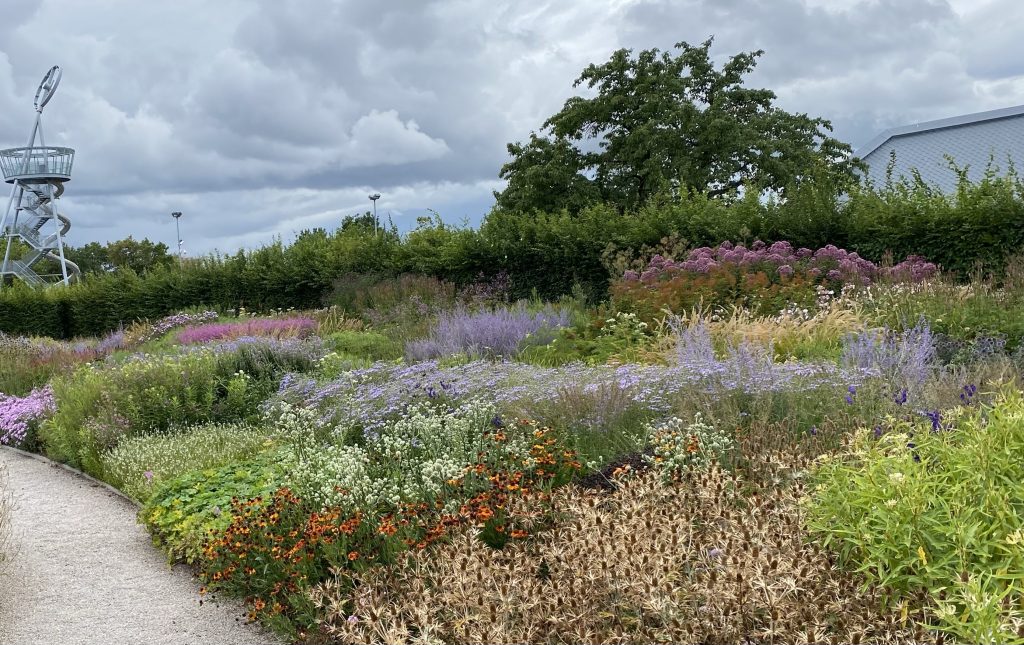
Gärten sind eigene Welten. Selbst im gleichen Garten sehen verschiedene Menschen unterschiedliche Dinge. Man stelle sich nur sogenannte Farbenblindheit vor. Jahreszeiten bieten zusätzliches Ansichtsmaterial. Animalische Perspektiven würden für erstaunliche Überraschungen sorgen. Nach den Vorarbeiten mit dem Polinatorprojekt online hatten wir die Gelegenheit eine konkrete Realisierung einer solchen Gartenwelt zu durchwandern.
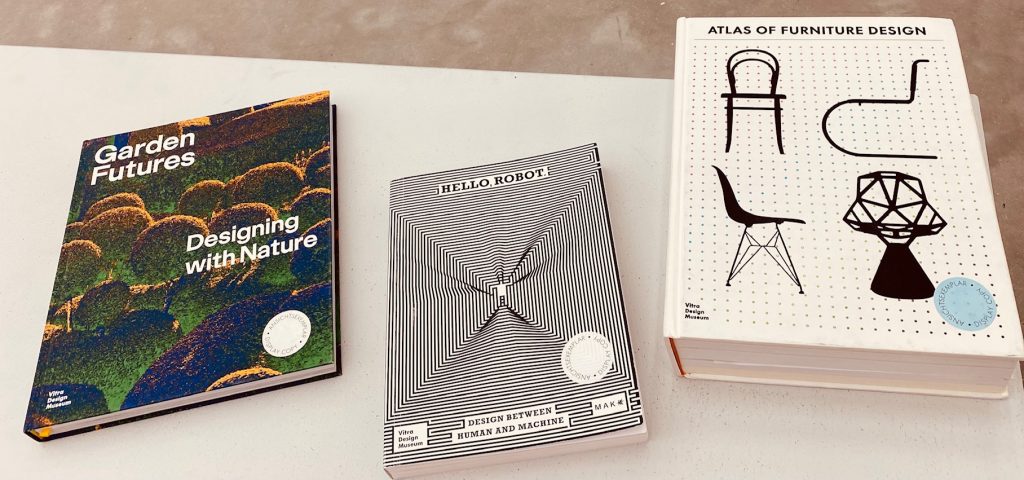
Der reale 3-D Eindruck ist überwältigend und bringt die virtuelle Erfahrung des Gartens im Lauf der Jahreszeiten in die reale Welt. Zu jeder Jahreszeit, selbst im Hochsommer, ist viel Farbe im Spiel und das auf mehreren Ebenen. Paradiesische Gartenwelten erschließen sich bei der Bewegung im Garten. Das wirkt wie ein Ansporn zu eigenen oder besser gemeinschaftlichen Anstrengungen einer vergleichbaren Realisierung. Genau das ist auch Teil der Ausstellung und des Katalogs „Zukunft der Gärten“ im Vitra Design Museum.