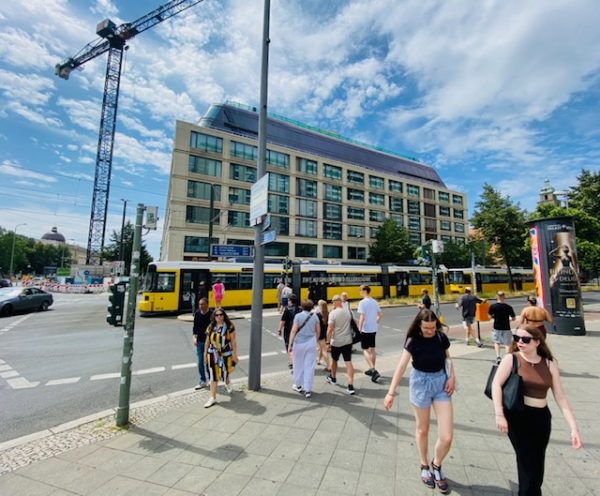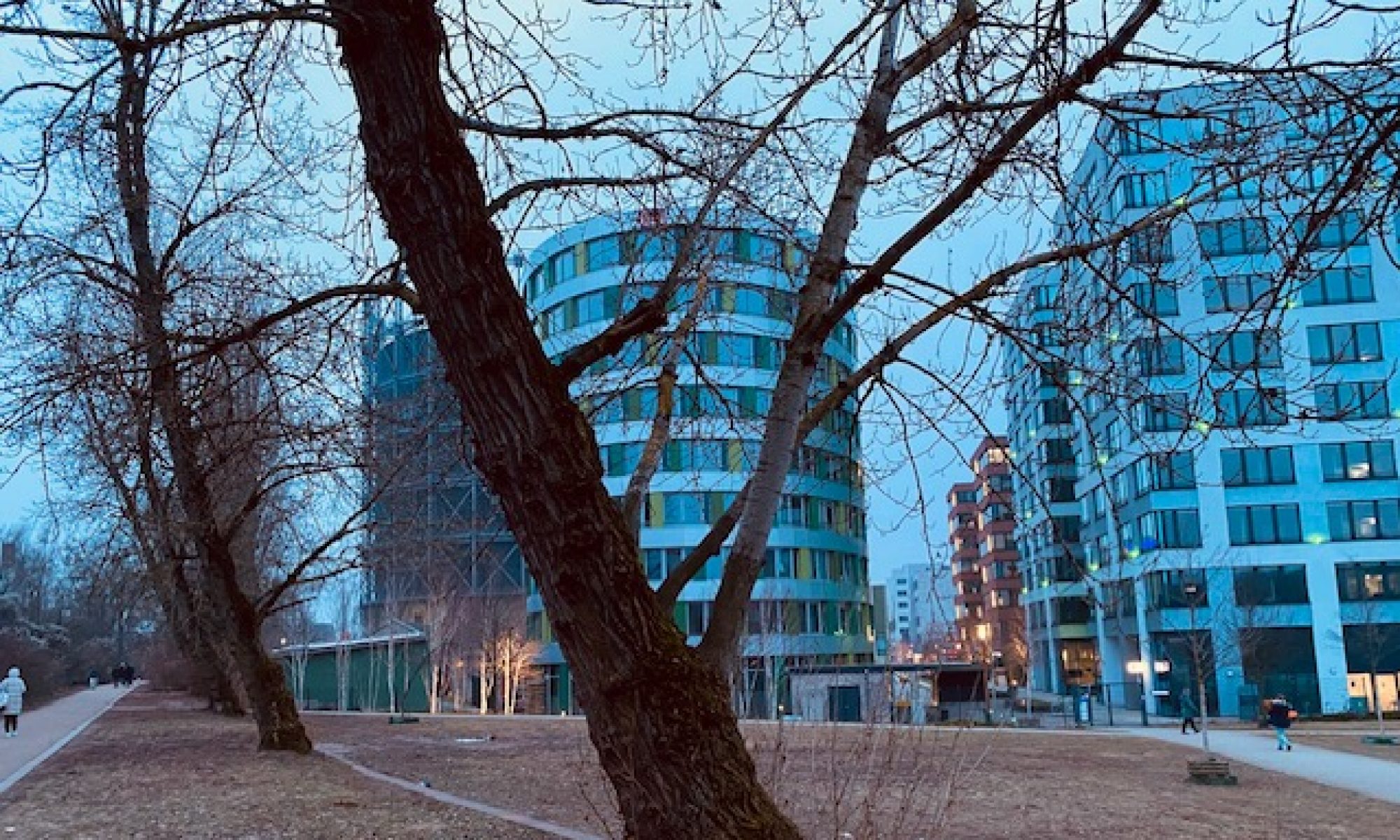

Heat in the city, is a real problem. Of course, some like it hot and that’s why they move to inner cities and specific quarters in a city. However, this is not the scientific definition of the “urban heat island effect”. The former issue is more a socio-legal-moral concern, whereas the latter has physics or geophysical effects at its origin.
More concrete and asphalt instead of leafy islands in inner cities create hot micro-climates as sunlight and warmth get stored during the day and feeds back into homes during nights. If the cooling effect of wind and humidity become trapped outside of building blocks an urban heat island can reach very uncomfortable levels. Add underground car parking, tunnels for traffic and public transport to the scenario and the unhealthy limits of heat over the summer are exceeded for months rather than weeks. Geophysical factors like altitude, mountains, river or seaside proximity are additional factors to consider, but the narrow urban heat island effect is a rather robust finding across the world even if the precise measurement and potential remedies of it are under scientific debate.