“Die Kunst der Rhetorik und der positiven Fähigkeit” ist eine kleine Wissenschaft. So hieß es bereits 1475 in dem von Guillaume Rardif veröffentlichten Buchdruck aus dem “Atelier du Soufflet Vert”. (BnF, Réserve des livres rares, Rés. X-1118). Als Teil der Ausstellung zum Buckdruck entnehmen wir 5 wichtige Hinweise für die Kunst der öffentlichen Rede: (1) inventio = (Er-)findungskraft, (2) dispositio = Anordnung, Gliederung, (3) elocutio = Ausdrucksweise, Stil, (4) memoria = Erinnerungsvermögen, (5) pronunciatio = Urteilskraft.
Ein kritzelnder Leser hat mit Bleistift die 6 Teile angefügt. Exordium = Einleitung, Narratio = Erzählung, Sachverhalt, partitio = Einteilung, und schließlich die dialektik mit Confirmatio, Rufusation, Conclusio. Abweichungen von diesem rhetorischen Schema sind noch immer selten. Das galt wohl seit dem 15-ten Jahrhundert schon für Predigten und wissenschaftliche Vorträge. Alles altes Latein, oder was? Die heute übliche “Elevator-speech” folgt anderen Regeln. Die Aufmerksamkeitsökonomie und Flut der Informationen erzwingt viel kürzere Redezeiten. Die Nachhaltigkeit der Botschaft wird anders erzeugt. Bildlichkeit ist Trumpf in Erscheinung und Auftritt. Auch das will gelernt sein. Die Bücher damals waren selbst ästhetische Kunstwerke und dennoch Arbeitsbücher, leider nur für sehr wohlhabende Studierende. 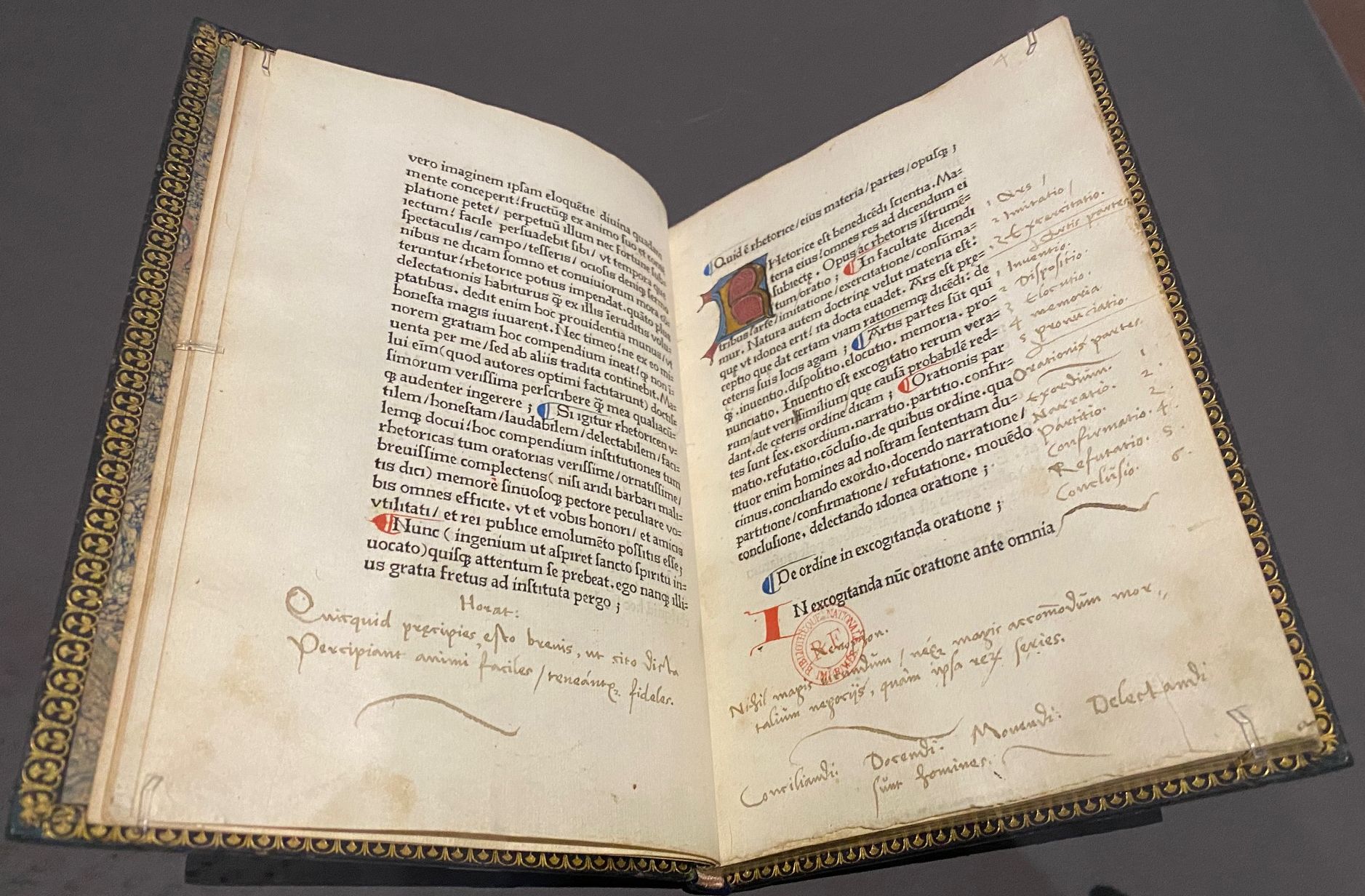
Printing
Printing is a more than 5 century-old industry. The invention of the printing press is mostly attributed to Johannes Gutenberg from Mainz. However, the Asian precursor of mobile type letter printing of Cai Lun of the Jikji dates back to 1377 in Korea. These early masterpieces of the inventors of print can be inspected at the Bibliothèque nationale de France (BnF). The summary term for this technical innovation by historians is the “age of start-ups”. The procedure for Gutenberg to have 2 financing rounds with his “business angel” Johann Fust, who is later claiming even almost the full rights of the printed volumes, resembles the start-up spirit of today as much as that of the 15th century. Not belonging to the Patrician families, it was very difficult to defend your rights in courts of the gilds. The printers also became a very powerful intermediary themselves. They either sold pre-ordered books or had to take the risk of assessing the market for their product. The editors of today do much the same in the trading world of books and rights of authors and translators. Merchandising products of the church and later churches (protestants Luther Bible) had a particular value to both the clergy and its devotees, not to mention the shop keepers in-between as well. Pilgrimage business was another start-up industry still going strong in the 20th and 21st century and popular in all religions. The early prints and typographs applied are fascinating in themselves, but there is a lot to be learned about the foundation of a new industries that still employs millions of people and is at the origin of learning revolution similar to the one we are living with the digital technologies today. The European languages with respect to printing had a certain competitive advantage, based on 26 letters of the alphabet, far fewer types were needed to print books than the more than a thousand different signs for printing a Korean text. In terms of printing this is cost-reducing and probably you do not need to be able to read yourself to be a printer or it makes proof reading more accessible favouring benefit margins. After all, the age of industrialisation probably had a precursor in the printing industry. The potential of the printing industry was only exploited much later to the full extent. Comparable to “peak oil” we hope to have reached “peak paper” at last as well for the sake of our planet and our own survival. 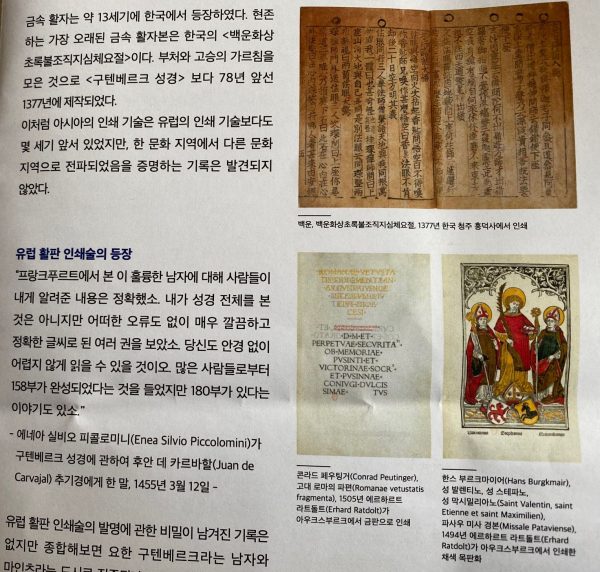
Immune system
A brief review of the press on the coronavirus 3 years after its first appearance shows that we have learned to live with it. Everyone has found the personal way to balance exposure to risk and protection against infection. Long-term consequences are severe for pupils. Many lost friendships, were lonely at home and accumulated missing out on peer advice or effective teaching.
Overall, strengthening of the immune system is another more complex issue. Some people swear by masks and others keep washing hands, or both. More rare is the vaccination approach against COVID-19. The evolving virus seems to adapt to a seasonal pattern as the influenza had done decades ago. The term seasonal greetings nowadays has an additional flavor to it. We have come out of the 3rd year of the pandemic reasonably well. Preparing for the next winter is left to the scientists to study the ever new variants arising, probably in parts of the world where winter is just beginning. Working on our immune system’s strength, however, is up to us. Happy Walking and cold Showering. 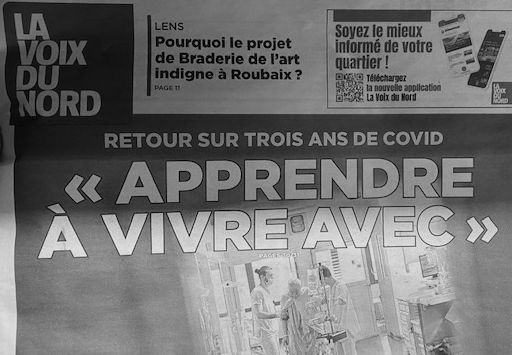
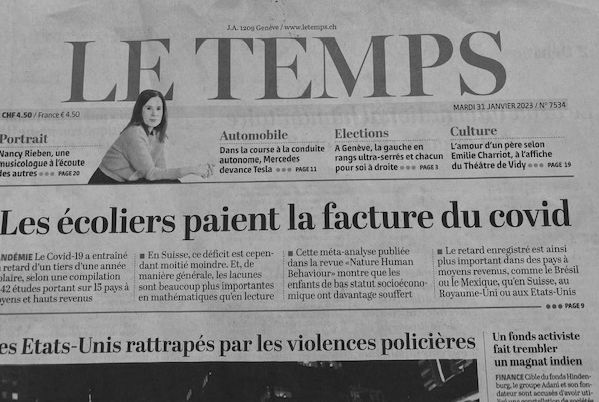
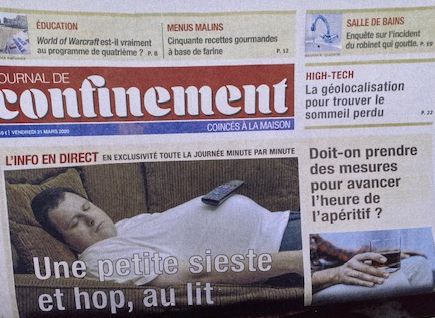 2 real newspapers, 3rd one “Pastiche” exposé à la BnF, Paris April 2023.
Walk after Work
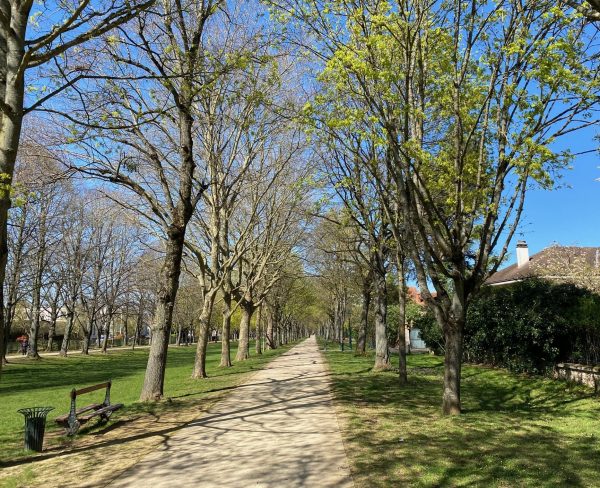
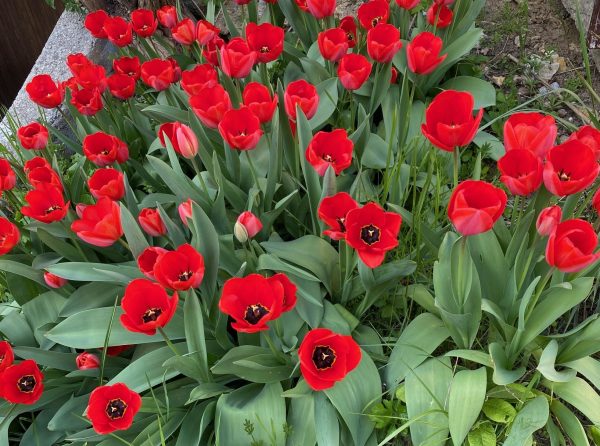
Walking after work is a kind of medicine. Blood pressure calms down about 30 minutes after the walk. Light exposure contributes to higher melatonin levels, which lets us sleep better. Oxygene and humidity purify the office and street dust we inhale during the day. It is largely free of charge for everybody and just needs some appropriate clothing. A rainbow is nice to admire, but it does come with some rain somewhere between the sun, you and the rainbow. The oak trees are admirable kind of trees. In spring they appear like sculptures with numerous branches out of branches. The big one on the photo below has a diameter of 125 cm, pretty senior to the others around. A flowery finish complements the walk after work in spring. As variant of the folk saying, I would suggest: Visiting your favourite tree every day keeps the doctor away. Of course I like my doctor, too.
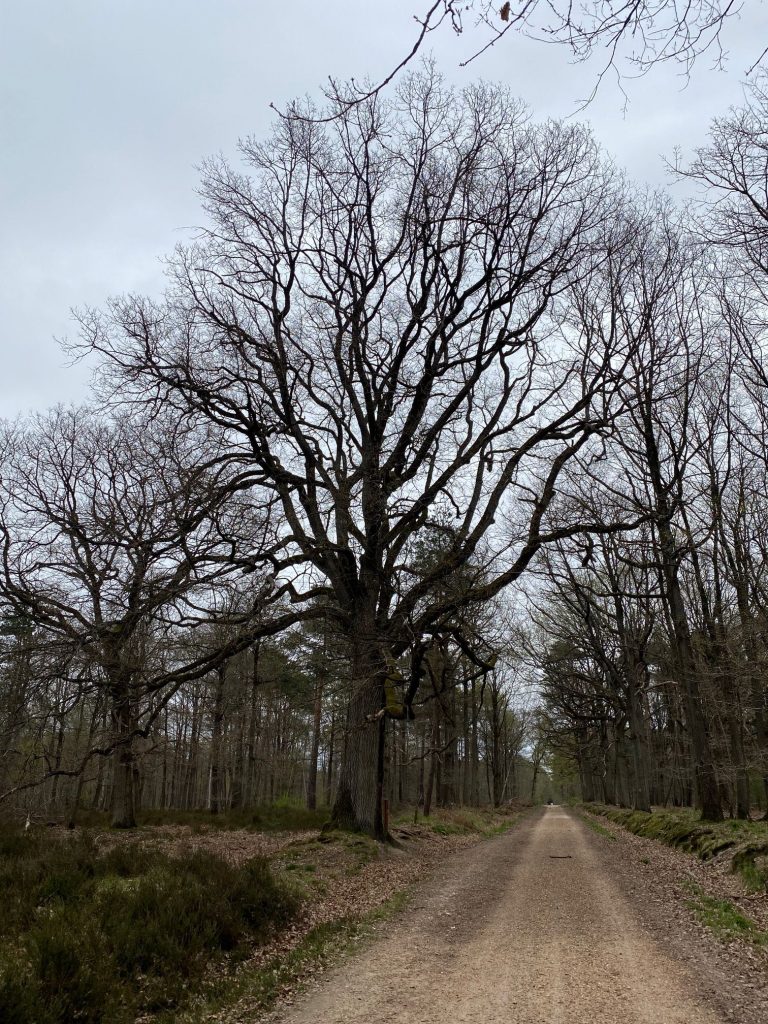
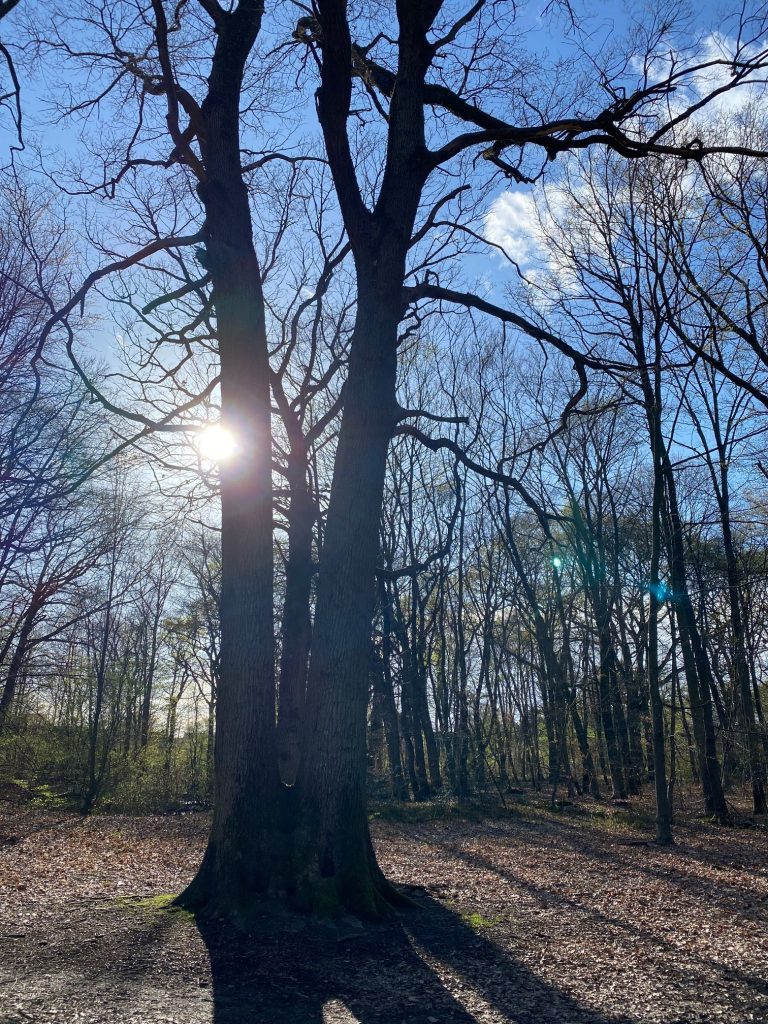
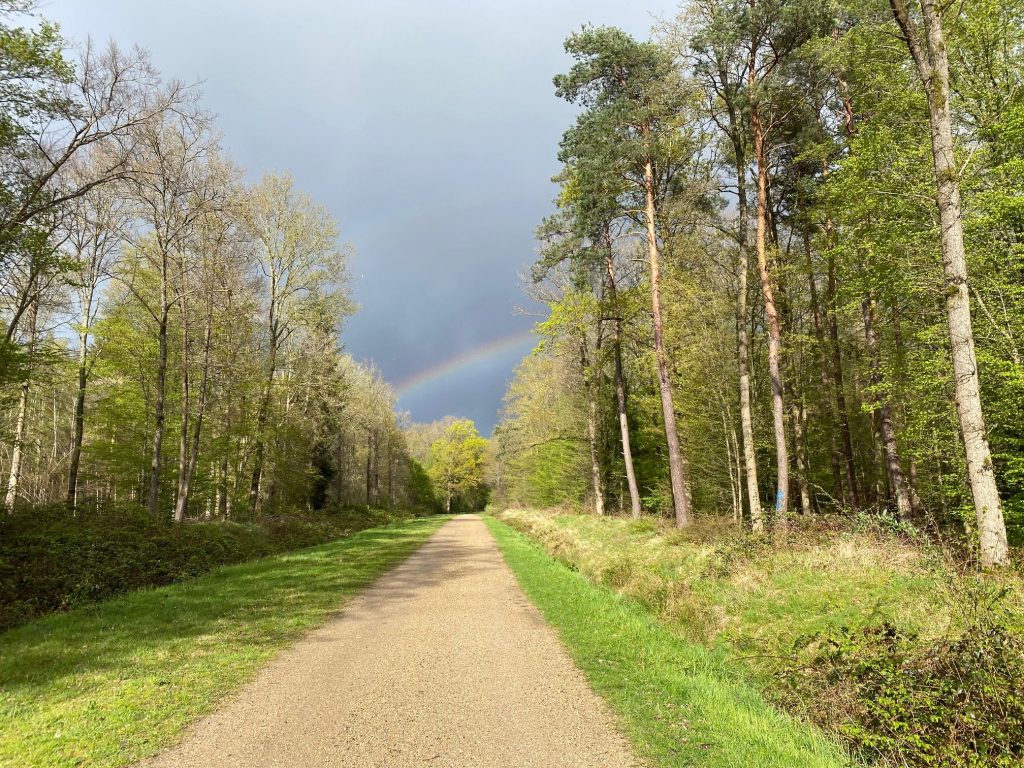
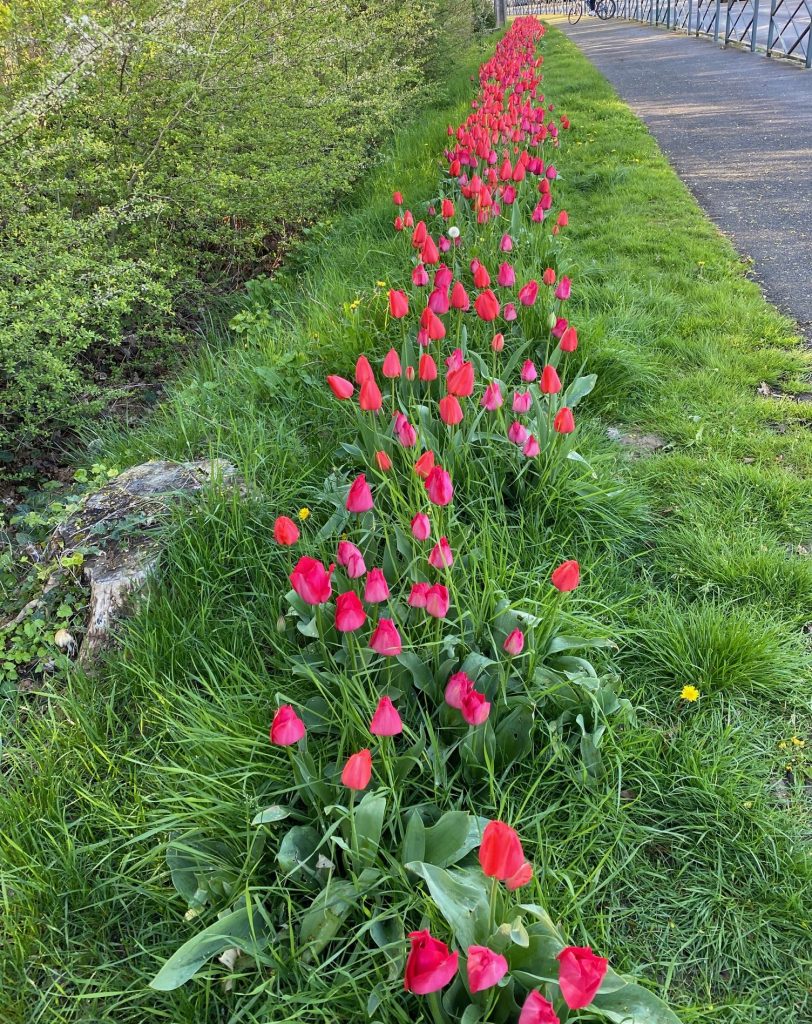
Photo Album
There have been many attempts to write a history of photography. Susan Sonntag’s account of photography and photographers remains the most successful one in my opinion. It includes a critical view on the medium just as much as capturing the power-related element of images and particularly photos. “Ouvrir l’album du monde” traces the history of photography from 1842-1911 starting with the invention by Louis Jacques Mandé Daguerre of the “daguerréotype” (Great press dossier Link to pdf-file). The attempt to “de-center” the history from the dominating western perspective is interesting as it reflects the spread and acquisition of the new technology by various “ruling groups” across the planet. Images like photos served and still serve often as proof (so easy to produce fakes and fake news nowadays). Proof of variety of existence of species, mankind, land acquisition and landscapes. Images of religious ideation, frequently forbidden, have been captured on photos. Many photos use up-front and profile perspectives on the same face, like police registry or the ethnographic documentations. This puts the visitor in an awkward position of “complice” to the process, judgement or documentation effort of a ruling more powerful class or colonial occupier. Historical embedding is necessary to balance the voyeurism of the camera. The film “Der vermessene Mensch”, reviewed in The New York Times recently, is a timely warning, how science and photography have served to create hierarchies of people, despite the fact, that “all men are created equal”. 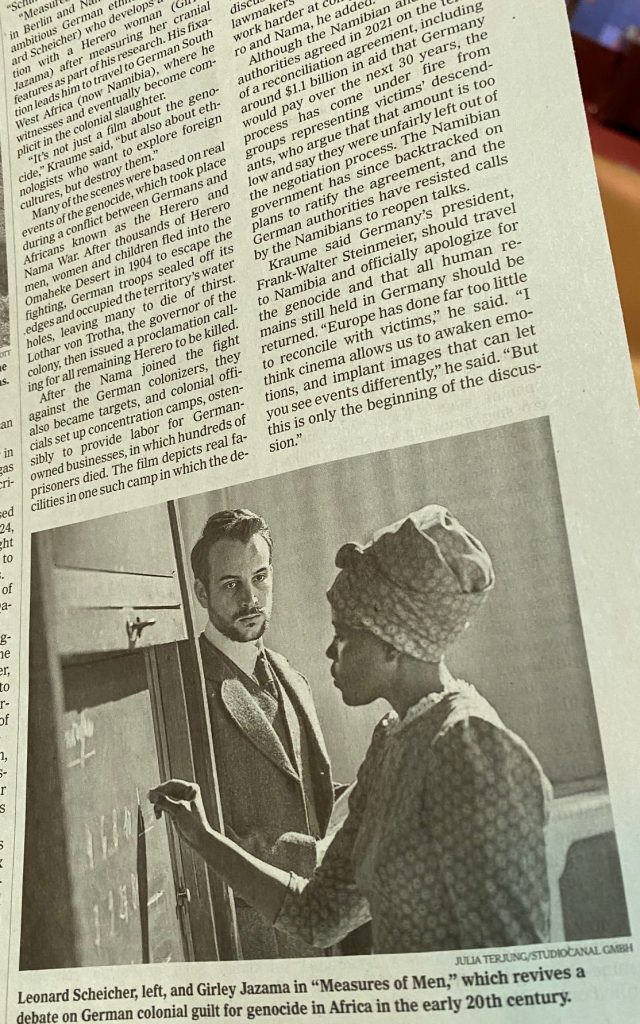
Kimono
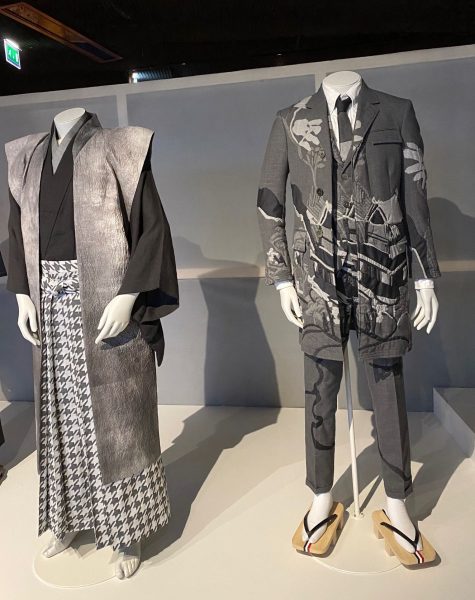
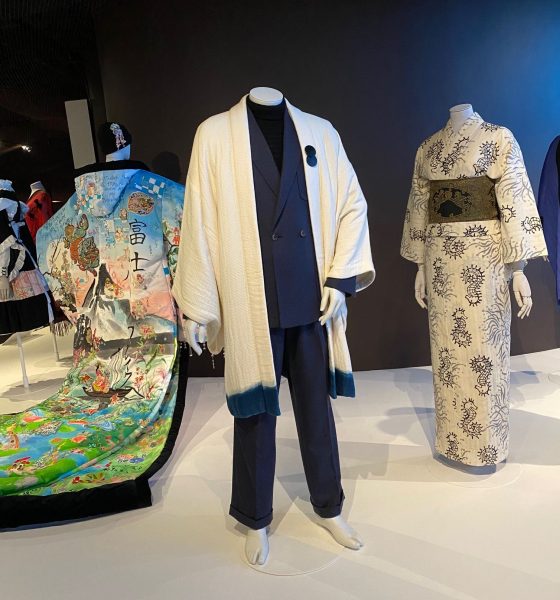
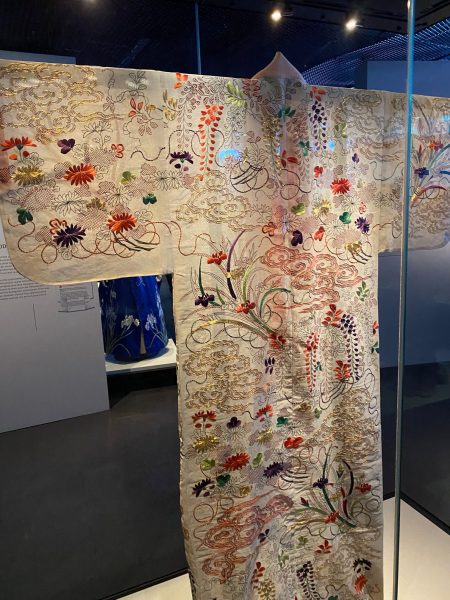
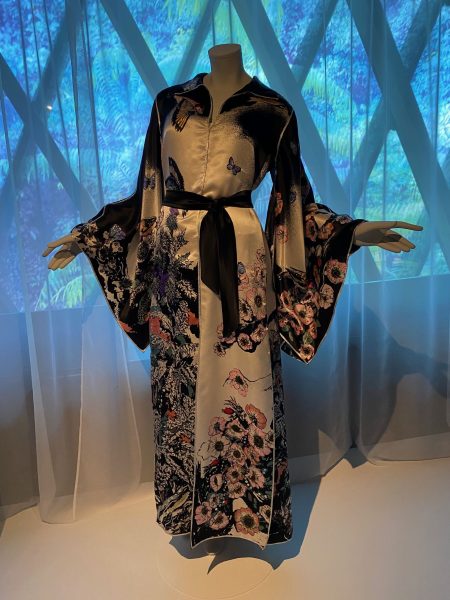
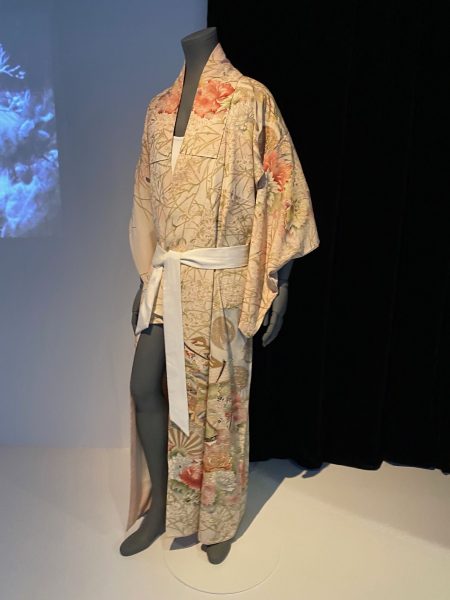
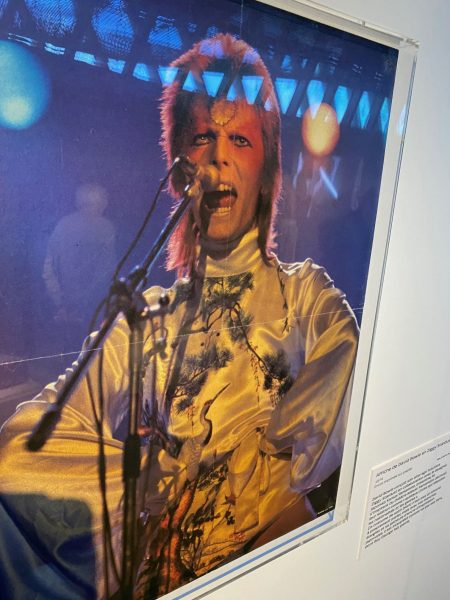
Die Ausstellung zur Geschichte, Kultur und Vielfalt des japanischen Kimonos ist beeindruckend. Natürlich kennen wir alle den Kimono aus Kinofilmen oder Fernsehen. Eine kleine, feine Sammlung wird noch bis Ende Mai im “Musée du quai Branly“ gezeigt. Die Betonung liegt dabei auf der Adaptationsfähigkeit des klassischen Kostüms. Selbstverständlich war der Kimono immer schon ein Gewand der sozialen Distinktion. Kleider machten und machen Leute, nicht wahr? Für das deutschsprachige Publikum ist der Rat der Designerin Shibasaki Rumi, die ihre eigene Marke Rumi Rock in Japan hat, interessant. Der Kimono könnte auch problemlos mit Birkenstock Sandalen kombiniert werden, für alle, die keine „japanischen Geta Sandalen“ und passende Socken im Schrank haben. „Cross-cultural fertilisation“, der Kimono ist wandlungsfähig und bringt nach wie vor exotischen Touch mit sich. Damit lässt sich vortrefflich überraschen. Das wusste schon Pop-Ikone David Bowie in den 1970-ger Jahren für sich zu nutzen.
Musée quai Branly
“Musée du quai Branly – Jacques Chirac” receives relatively few visitors compared to the much more popular art museums in Paris. The proximity to the Eiffel tower, however, allows easy access within walking reach from the most visited tourist attractions in Paris. A cheeky impression of the design of the building and surrounding gardens of the Museum resemble to me a shadow of the Eiffel tower in the afternoon sun in Paris. Some might even say with a westerly wind the tower would fall exactly on the museum. No, of course the tower is not tumbling. In the shadow of the tower there is superb place to meditate in the gardens or enjoy the many exhibitions of cultures from across the world. 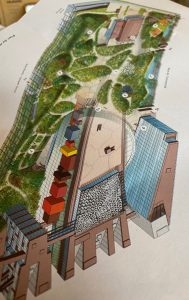 In remembrance of former President Jacques Chirac, Asian cultures have had a strong impact on the collections and the organisation of the garden. Very different from the French park “à la Le Notre” at Versailles or Fontainebleau, the garden of the museum du quai Branly follows a completely different design focusing on bio-diversity. The architect “Jean Nouvel”, is quoted having said, that the garden is not a complement to the museum, but the garden is the museum. Hence, it is possible to have very unexpected views not only from the museum buildings, but also of the Eiffel tower nearby. It is possible to view the Eiffel tower through different continental perspectives on it. To the extent that you might not even recognize the massive tower in the neighbourhood being immersed into wild life. Then try one of the special expositions or the permanent exhibition, if visiting for the 1st time. We travelled continents without devastating CO2 effects. Additionally, Paris is easy to reach by train. You may complement the intercontinental experience by visiting the headquarters of UNESCO, at least the book shop, in Paris also nearby.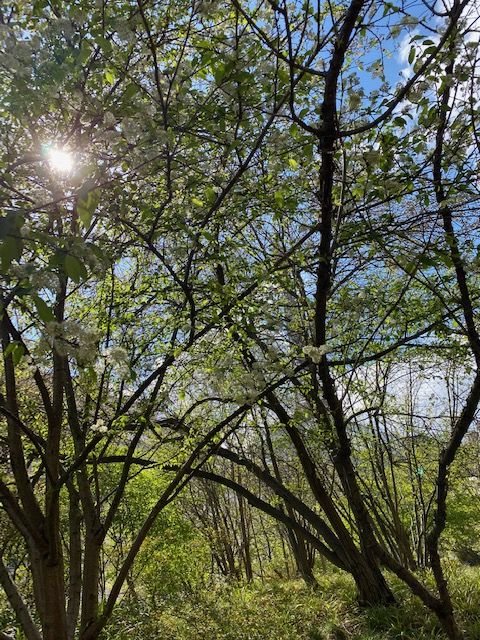
Quercus
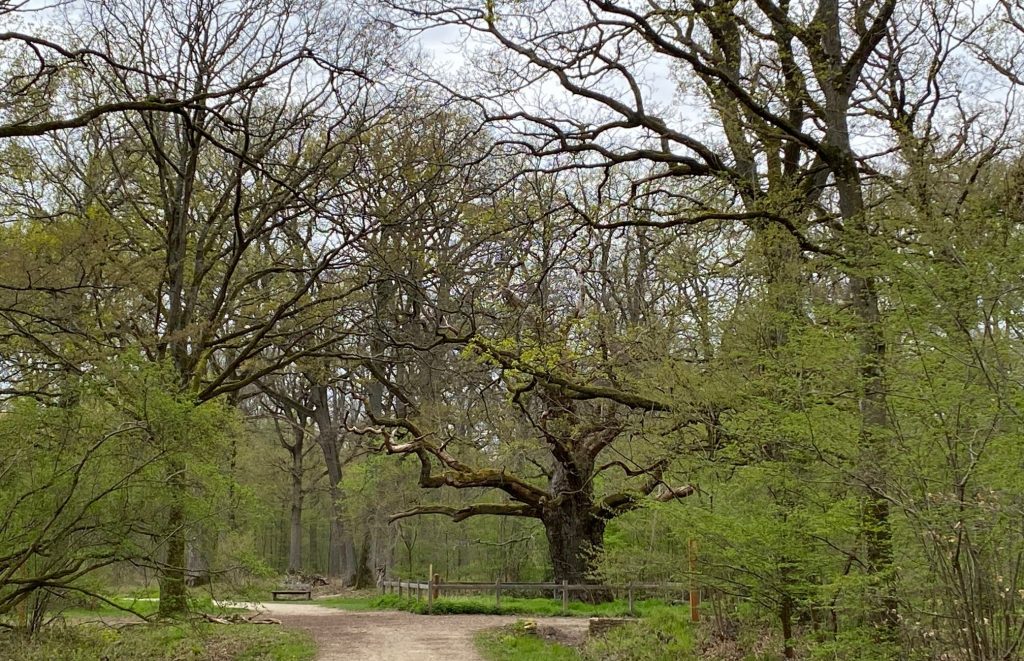
“Quercus petraea” is the classification name of the sessile oak, the Irish Oak or “chêne sessile” in French, “Eiche” in German. Many European nations cherish their oak trees. It can reach the size bigger than a normal family home and they may live longer than the person who has planted it. Within less than a century, due to industrialisation, most of our more than a century old trees have been lost or used for timber wood. Therefore, it is quite unique to find a reference to a 500 year old oak tree nearby Paris. Despite a fire in this forest 5 years ago (climate change in full action) the old oak tree has survived. Birds around keep spreading the message that it is worth to preserve nature. We could do it, if we really wanted. Now the oak tree older than the protestant revolution is a rare testimony of the stubbornness of nature to resist. 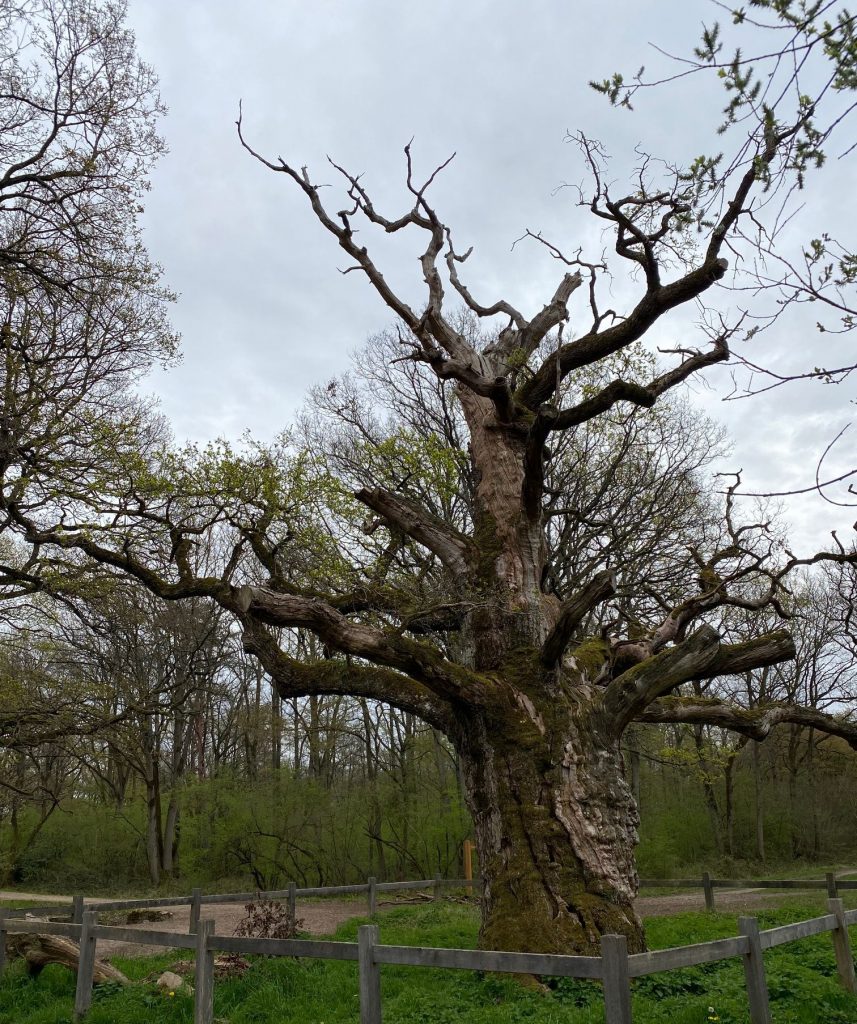
Walking
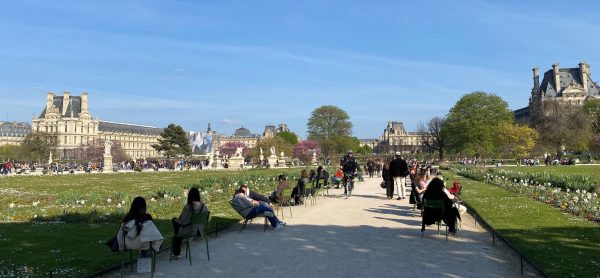
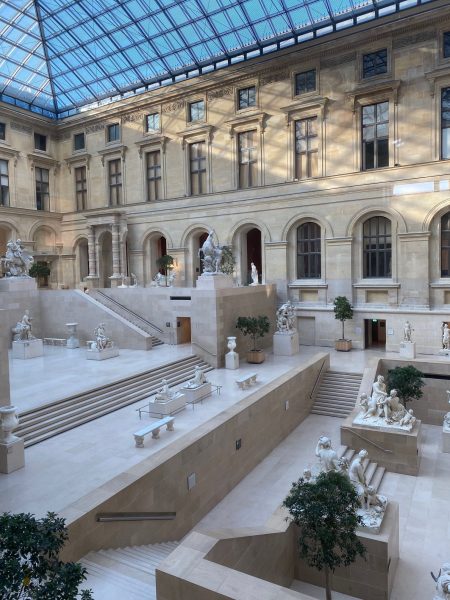
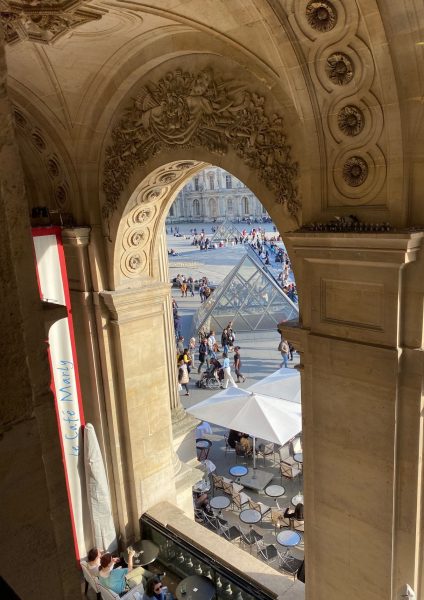
Yes, walking again. It is so nice, if there are a few roads blocked for car and bus traffic in central cities. Walking the city becomes a marvellous experience. On Easter Sunday 2023 the Champs-Élysée is great because strolling down the avenue without paying attention to road traffic offers an even better view on the surroundings. Why don’t more cities dare to lock out cars to facilitate pedestrian circulation and reduce air pollution at the same time. No problem to reach more than the WHO recommended 10.000 steps/day on such a sunny day in Paris. Inside the Louvre, another chance to achieve new records in mileage by foot. 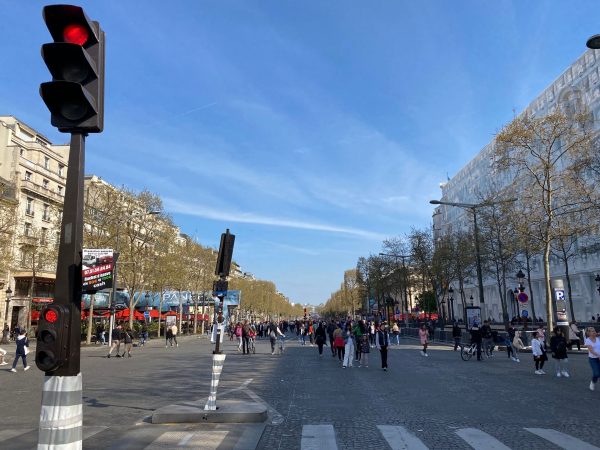
Walk
Spring is the ideal time to start walking more than in the past 6 months. Flowers all around and sunshine invite to go outside. It is so good for our health. Our mobile phones count steps for us so it is easy to reach targets you set yourself. No pressure just fun. Chose a nice surrounding, city or landscape, and the benefits will accumulate rapidly. Improving sleep afterwards is just one of the many side effects. No excuse on the long Easter weekend with bank holidays as well. Anyway, that is what I do. For our health every stride counts in the short run and even more so in the long run. Hence, let’s go. Take a few photos to look at afterwards as your special self-made reward. Cheers and Happy Easter or seasonal greetings.