
Caillebotte

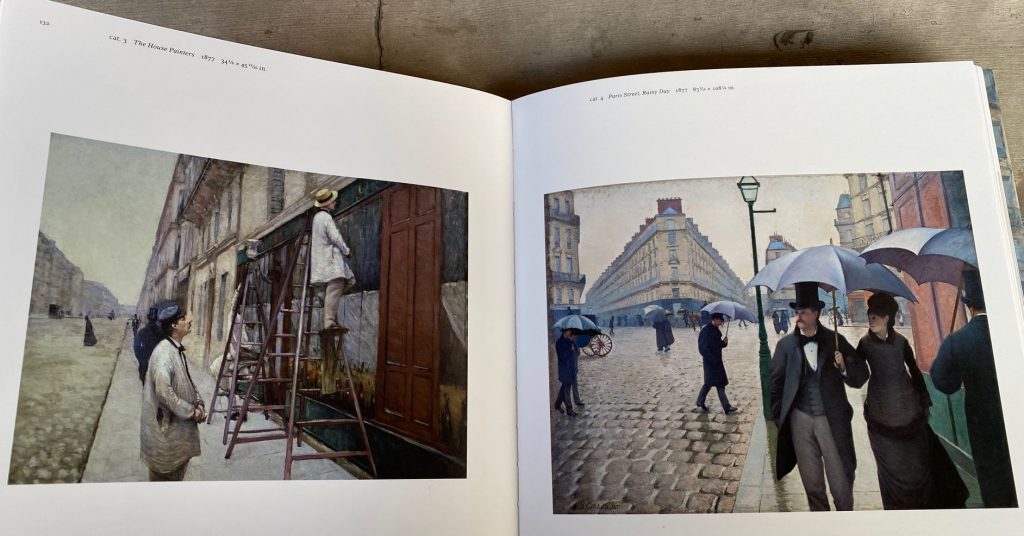
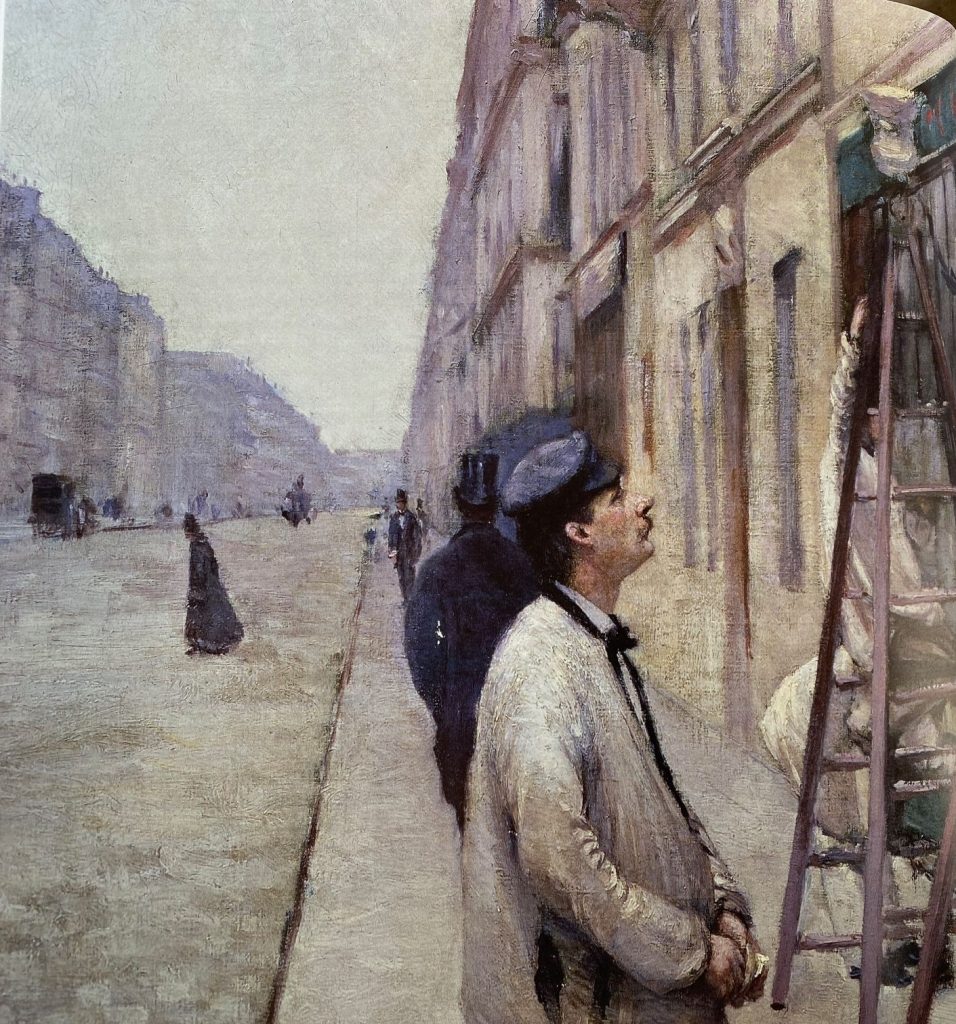
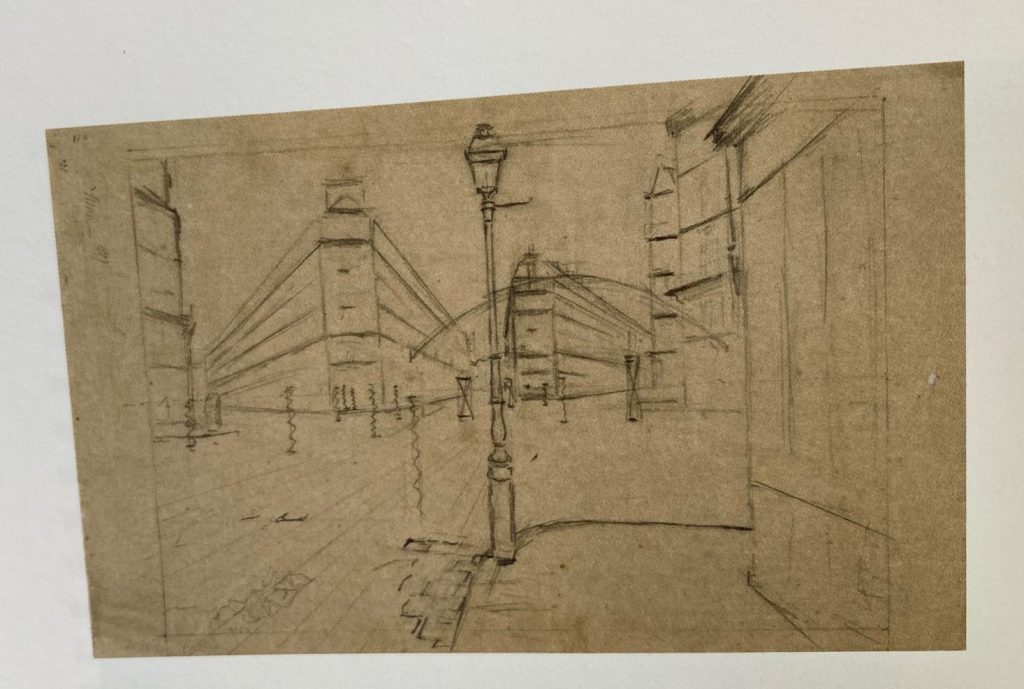
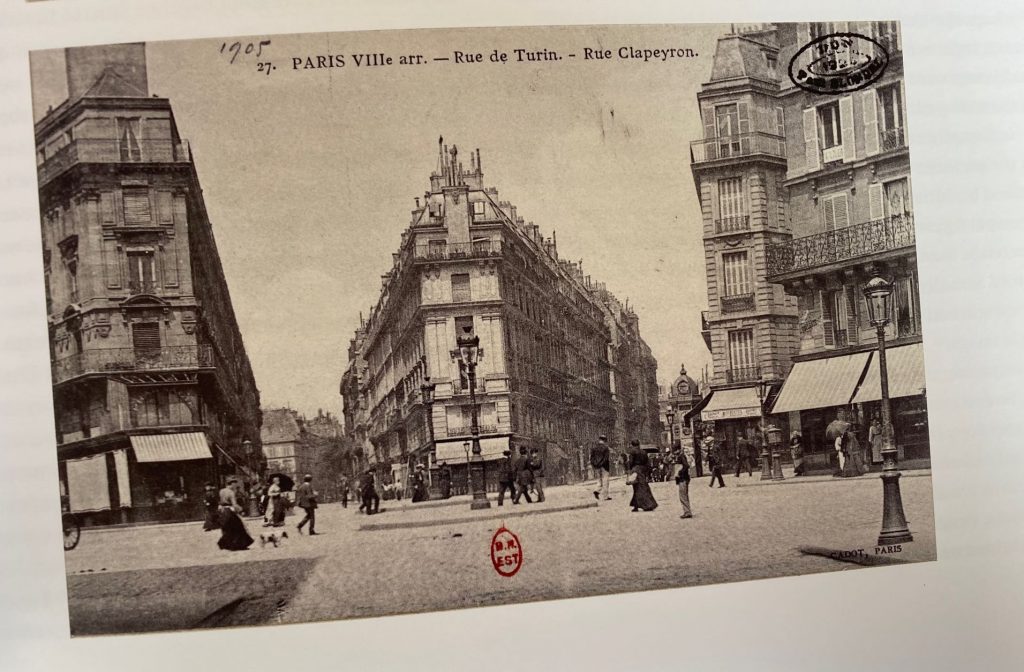
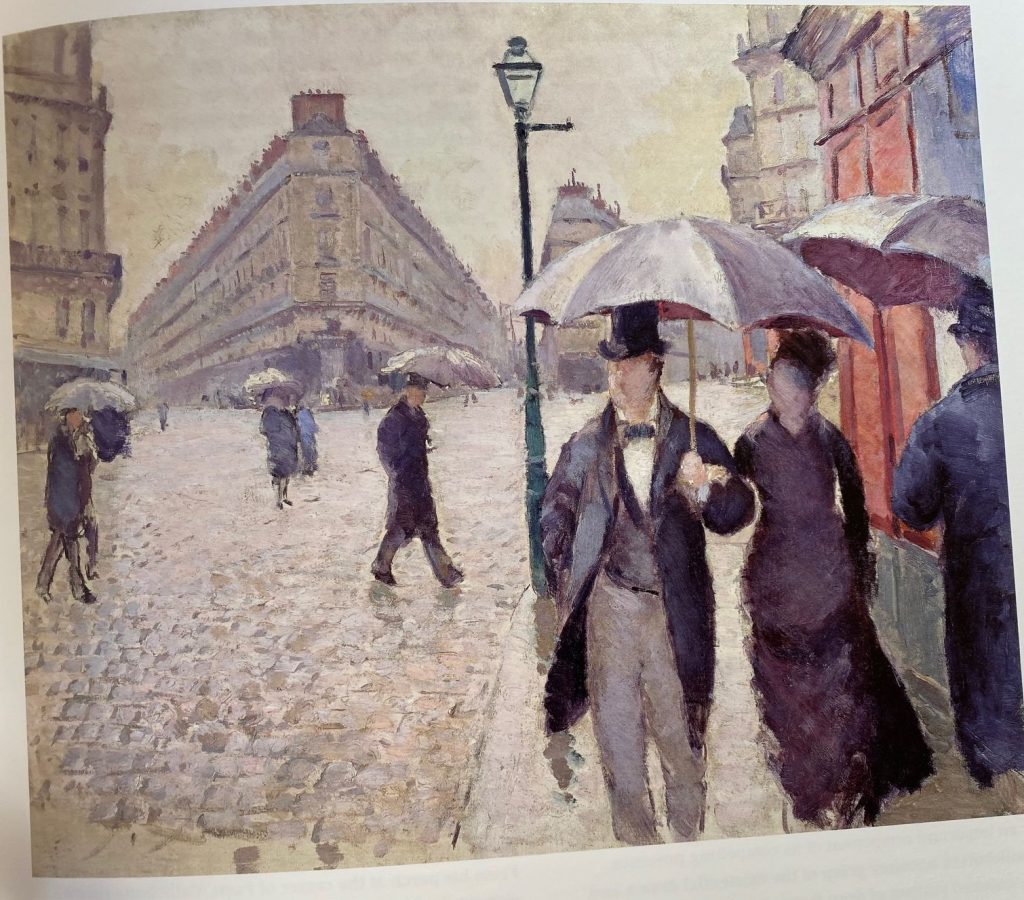
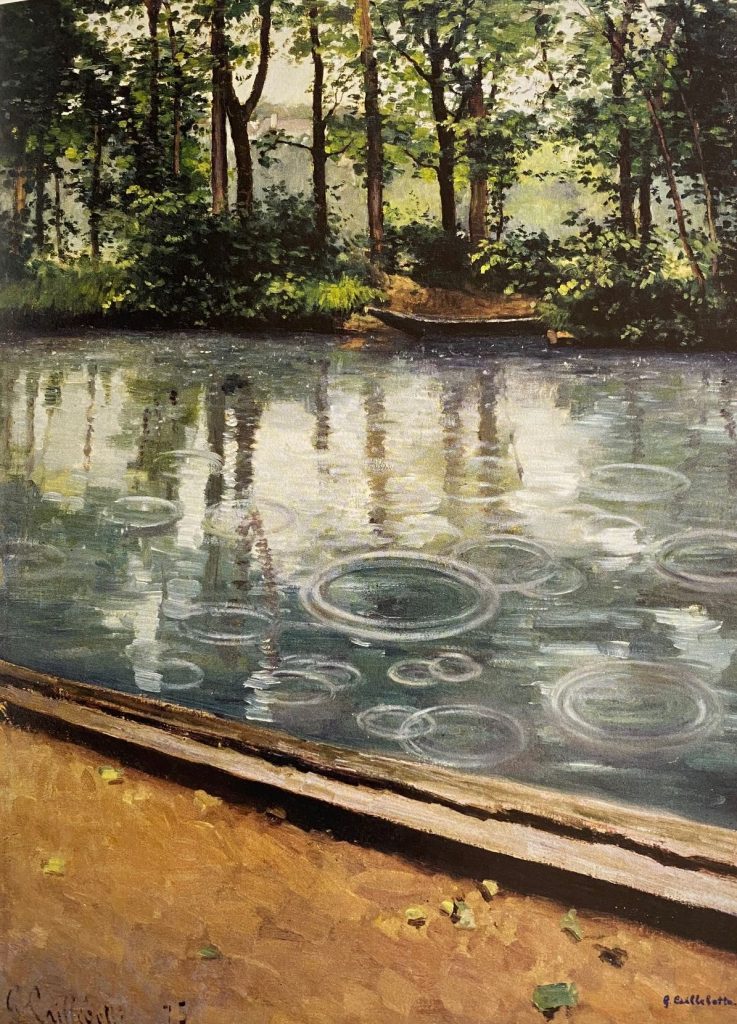
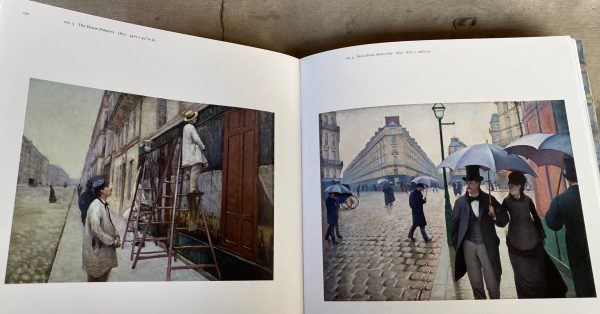
Gustave Caillebotte has done it again. Son of a great beneficiary of war efforts himself. He started with support from his father’s fortune on a painting career. Soon after his father’s death, he joined the group of “alternative artists”, later called the impressionists in France. On the 1.2.2023 the Musée d’Orsay acquired a key painting of Caillebotte for 43 Million € with the help of a donation by LVMH. Where does the hype come from? A catalogue of the exhibition of the painter “Gustave Caillebotte, The painter’s eye” from the National Gallery of Art in Washington from 2015 established Caillebotte again as a key person of the impressionist movement. Rich in diversity of motifs, the painter and supporter of the impressionists (Philantropist) has foreseen the challenge photography could bring to painting. The painter’s eye is well explained by Michael Marrinan (pp.22) in the catalogue. In fact, the spatial depth of the views of the streets of Paris is a precursor to many photographers and movies of several decades later. Caillebotte’s images of Paris depict well the mixed feelings about a daunting city size and the isolation of people captured in their own little inner circles with little communication despite or because of the noisy surroundings. Misty atmospheres allow to focus on impressions. Almost meditative walking in the city is his modern topic. Reflecting on painting as profession versus painting as artist is somehow an impressionist’s sociology of professions. Gustave Caillebotte did not have to paint for money and he was aware of social class differences as son of a factory owner. It did not spoil his artistic view with social facts, but rather tried to reveal the intrinsic beauty not only of landscapes, but ordinary working people. Other impressionists painted beautiful ballerinas, Caillebotte painted workers and sometimes more challenging parts of Paris in his early years. With climate change near Caillebotte’s home in full swing, we shall “adore” the rainy days in Paris even more. And in the countryside, too. The painter’s eye reveals a visionary view of the modern and post-modern world.
Flotow Stradella

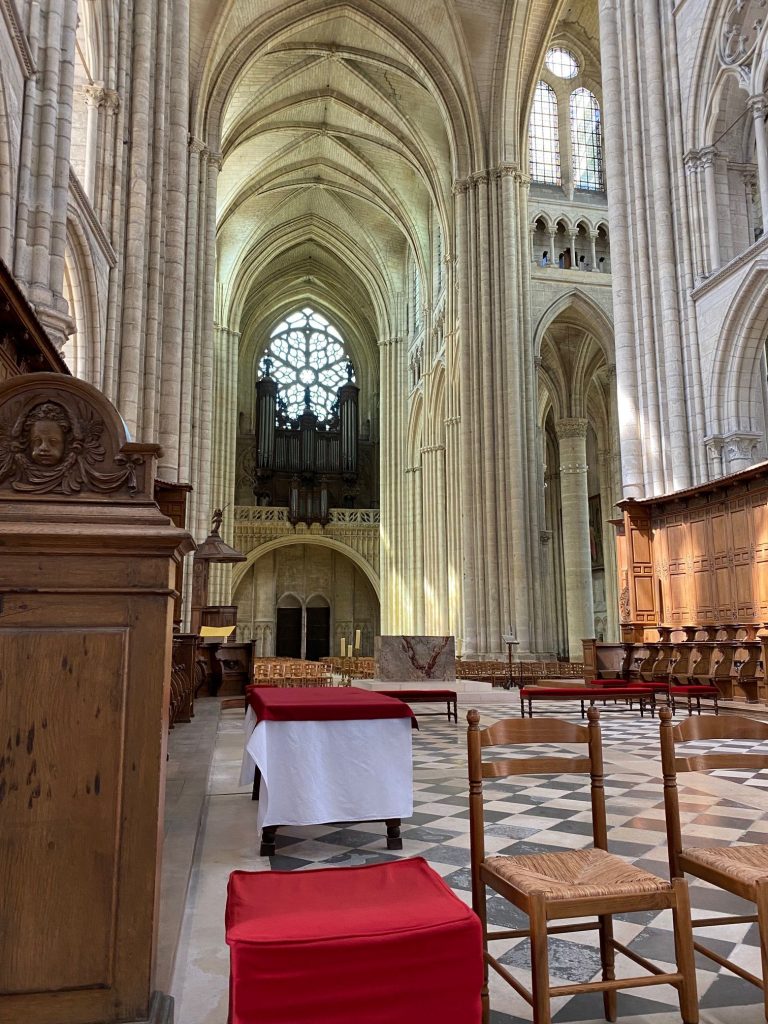
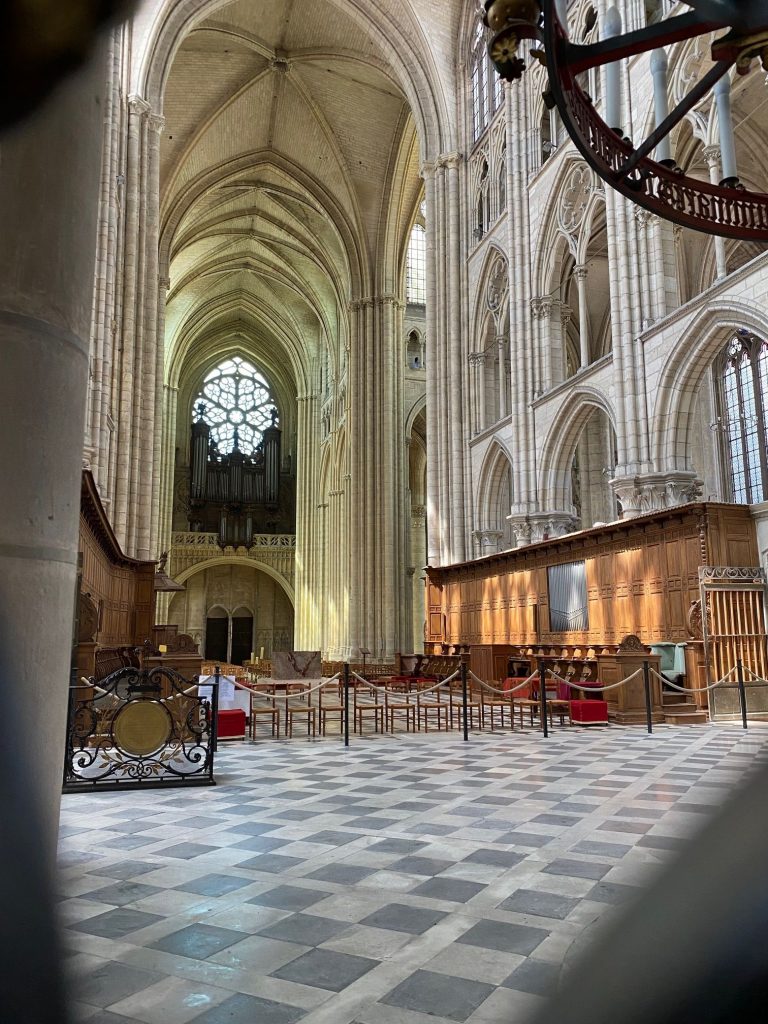
Die Oper Stradella von Flotow wurde in 2006 eingehend besprochen. Sarah Hibbert hat ein immer wieder aktuelles Thema: Wie sollten vorherige Stilepochen in der Aufführungspraxis und der Komposition behandelt werden? Die Legende über den Sänger Stradella, der einem Fürsten die Braut ausgespannt hat und deswegen ermordet werden sollte, bietet einen interessanten (sex and crime) Plot. Wegen der Gesangskunst des Verführers, wollten die bestellten .Auftragsmörder den bezaubernden Sänger nicht töten.  Tatort ist der Auftritt der Sängers in einer Kathedrale. Fritz von Flotow und Louis Niedermeyer haben beide fast zeitgleich eine Version des Librettos vertont. Es stellt sich nun die Frage, wie denn am besten der historische Stoff aus dem 17-ten Jahrhundert darzubieten ist. Beide Komponisten komponierten im Stil der romantischen Oper des 19-ten Jahrhunderts. Flotow wählt eine stärker historisierende Variante der mittelalterlichen Musik der Stradella-themen in seiner Oper. Die Klangfarben der mittelalterlichen Kirchenmusik passen aber nur schwerlich zu den Erwartungen des zeitgenössischen (1830er) Opernpublikums. Daraus resultiert,en eine spannende kompositorische Aufgabe und entsprechende Herausforderung für die Aufführung des Werks. Darüber hinaus müssen noch Unterschiede zwischen der ersten mehr populären Form der Oper für Paris (Vaudeville) und der später in Hamburg uraufgeführten Version der Flotowschen Stradella Fassung beachtet werden. Historisierung mit Anlehnungen an Gesänge von Palestrina sind nicht der Geschmack eines jeden im Publikum und der Kritiker. Grund genug, in die Opern mal wieder reinzuhören.  Den Tenor, die Arie “Jungfrau Maria” singend, hätte ich wahrscheinlich auch nicht als Auftragsmörder töten können. Rolando Villazón ist darin recht überzeugend.
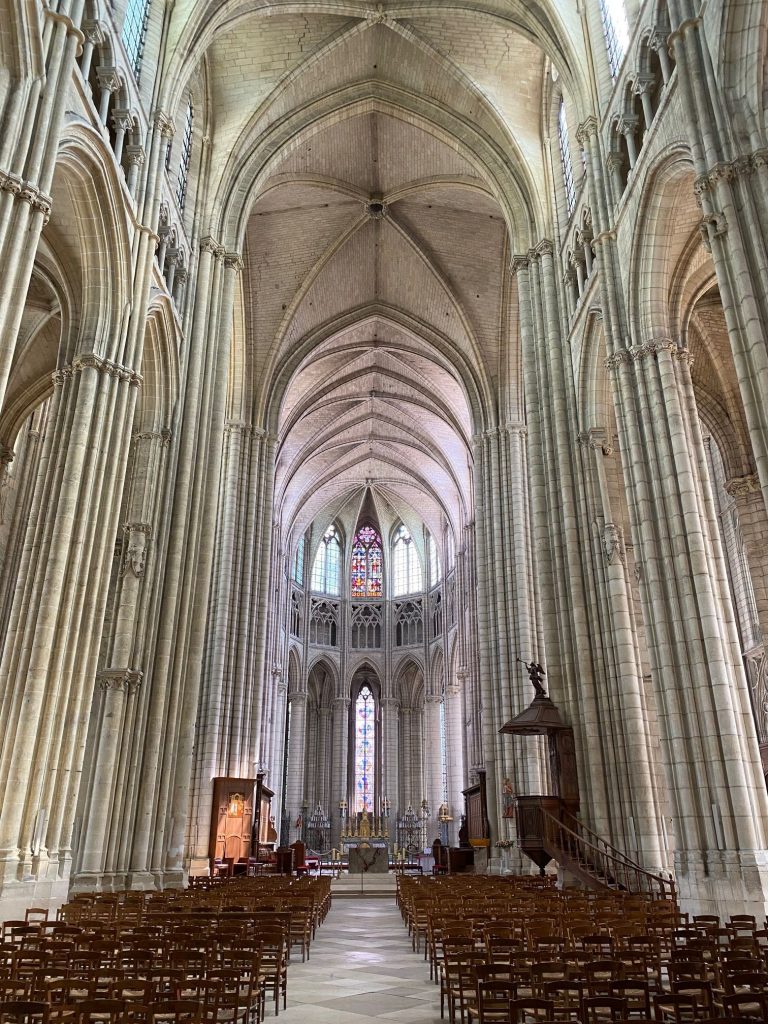
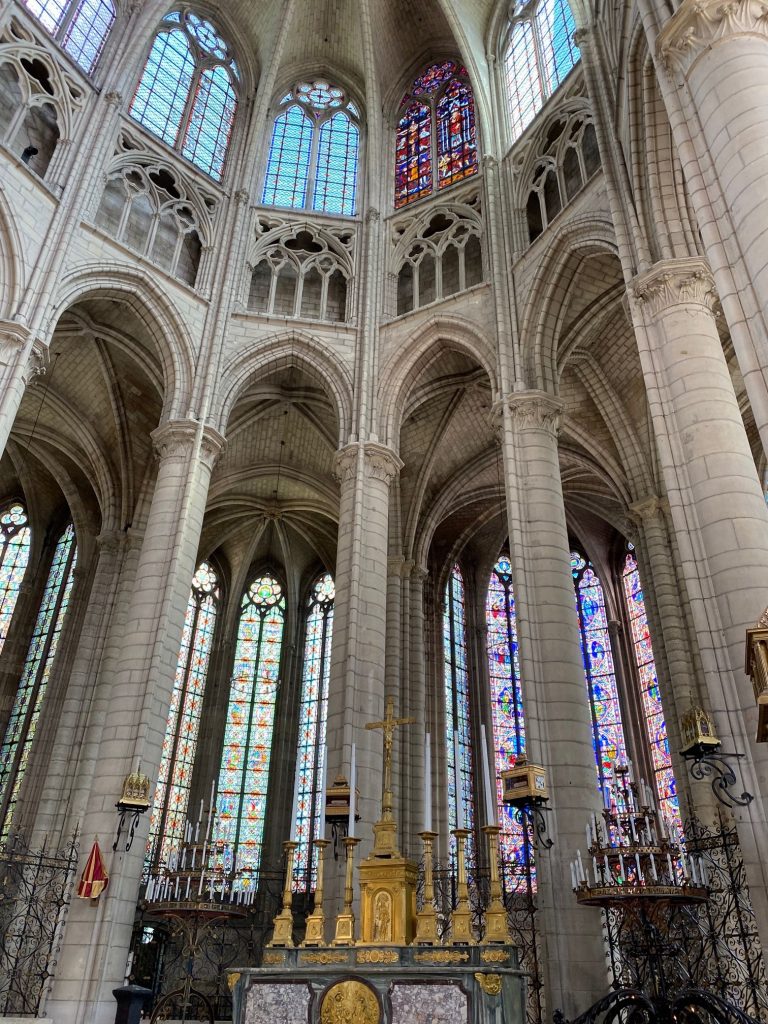
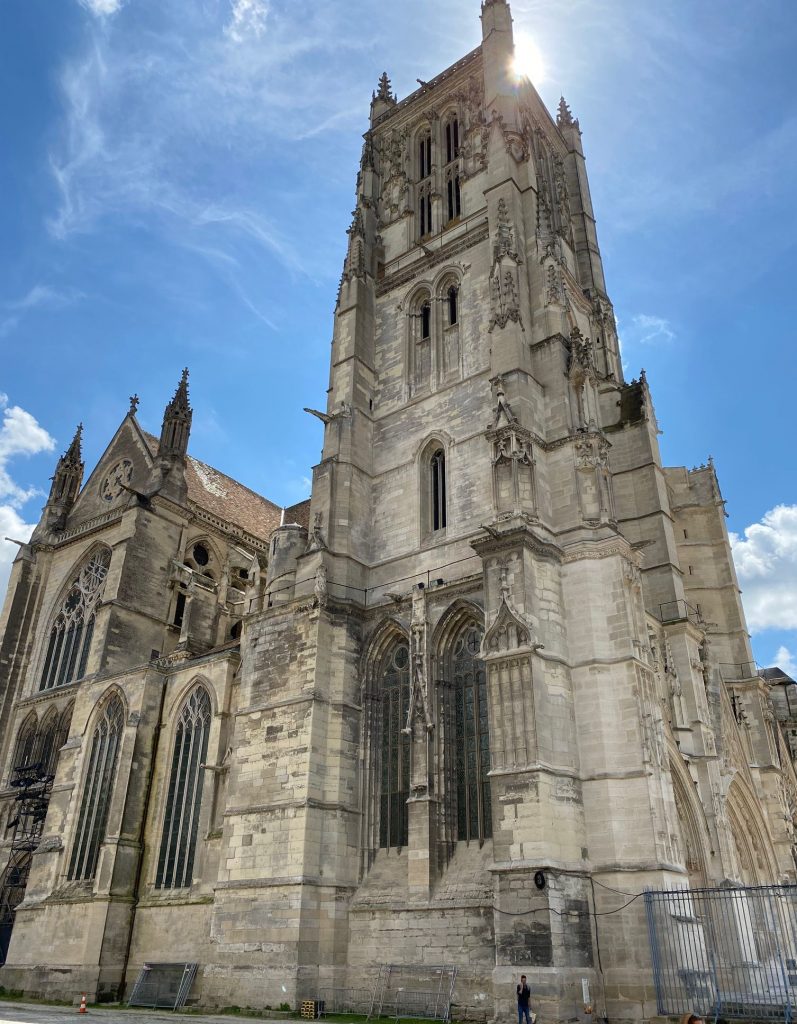
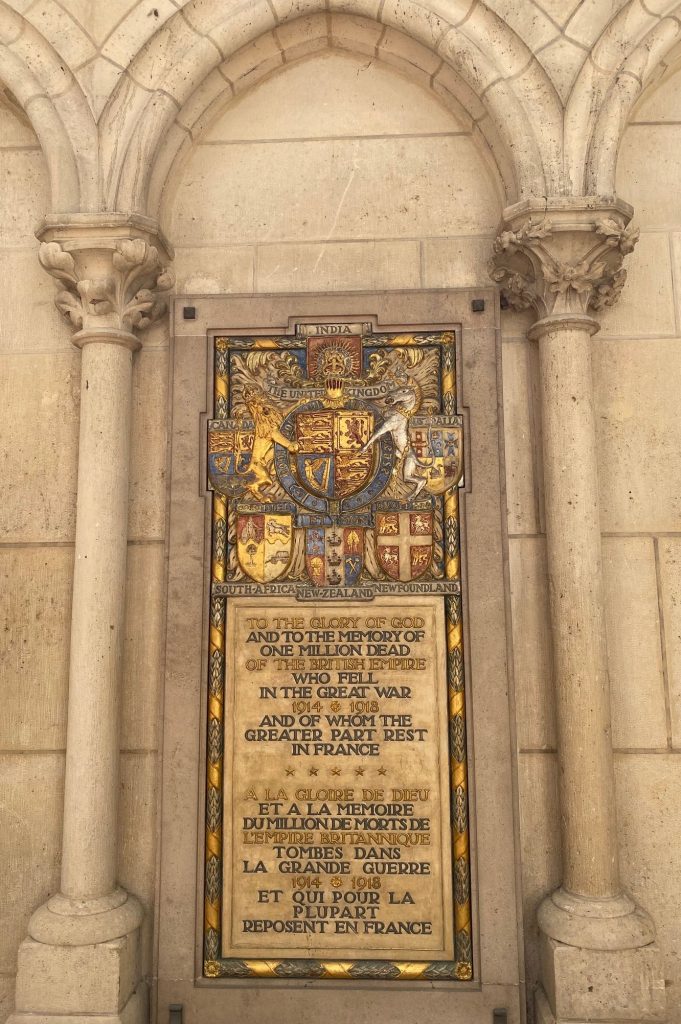
Quelle: Hibbert, S. 2006. Murder in the Cathedral. Stradella, Musical Power and Performing the Past in 1830s Paris. Music & Letters Vol 87 Nr. 4. doi:10.1093/ml/gcl081 (Photos, KS Kathedrale in Meaux, F).

Patient

The pandorra’s box is wide open. With ChatGPT applications the discussion has started to use it for more medical applications. As for much research having assistants to support you in routine tasks in your research is a standard procedure. Now the medical profession is also discussing the use of ChatGPT for the boring and time-consuming task to draft reports. The first study, published in the Lancet Digital Health, evaluates in a preliminary form the patient-sensitive form of communication between clinics and patients. Beyond chatbots, which organise information from calling persons, the obvious application is the use of ChatGPT to draft patient clinic letters. The example in the study is the skin cancer reporting. Lengthy reporting back to patients of lots of “hot and cold spots” might be done by AI with sufficient reliability. All depends on the correctness of the data base, the screening and samples taken. The communication between clinic and patient can then focus on other issues. ChatGPT just like neuroflash has its strength in being able to control for the “level” of the language. In addition to the choice of the output language it is possible to use, as it is required in the U.S., an average understanding level of patients. In other words, easy language rather than medical expert language is an option or even a requirement. Anecdotal evidence and the PISA for adults studies show how difficult it can be to talk the same language even if you talk the same language. There is ample scope for improvement and ChatGPT or neuroflash for German applications of AI are prime candidates to fill this gap in clinic patient communication. Considering that our mobile phones (can) do already most of the scanning of skin cancer dots and AI is used in pre-scanning the images and recommends to consult medical expertise, the next step to improve health delivery seems feasible. Whereas the statistical analysis explains 62% of “median humanness”, the score of 37% of explained variance of median correctness is a surprise as the basis of the model to explain deviation from correctness should be as low as possible. Medical data, like many other data, is not simply binary. The way forward is most likely relying on a “human-in-the-loop” approach for some time. A limited human input might reassure many patients as well.
Source: Stephen R Ali, Thomas D Dobbs, Hayley A Hutchings, Iain S Whitaker (2003). Using ChatGPT to write patient clinic letters. Lancet Digit Health 2023 https://doi.org/10.1016/S2589-7500(23)00048-1

20s

In retrospect from the 1930s and in prospect from the 1910s, the 1920s may well be described as “The tumultuous Twenties”. Several other summary notions are attributed to the 1920s. “Les années folles” in the French speaking world, “The Jazz years” within the U.S. or the “Wild 20s” in Germany coined the decade after the disillusion of the 1st world war. The economic and cultural revival after the period of atrocities has seen thriving city centres and comparatively little economic hardship until the Wall Street crashed on October 24th in 1929 the so-called “Black Thursday”. The party was suddenly over and a lengthy economic crisis spread globally. It was within this free spirit of the 1920s that the Fascist counter movements of the 30s started to take roots.
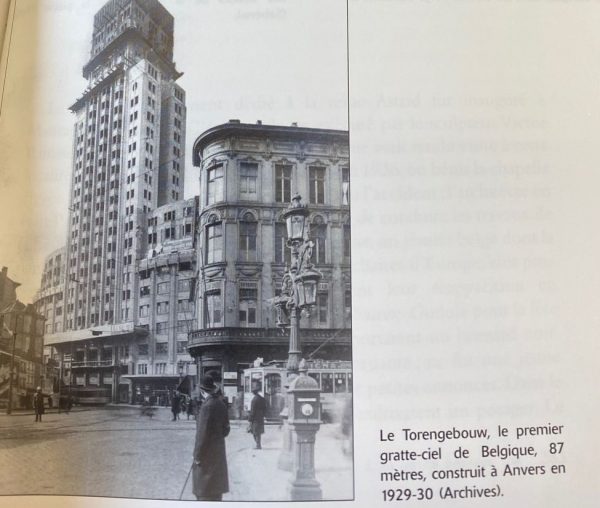
The 20s saw the skyscrapers soar and the credit-financed speculation was at its highest. Pierre Boudon (1991, pp. 137) characterises the architecture of the 1930s as “l’inversion des signes”. The Bauhaus of the 1920s was later forced into emigration. The film of F. Lang “Metropolis” (1927) prolonged the constructivist lines of the 1920s to a haunting vision of big cities with its daunting acceleration of economic and cultural experiences.
Walter Benjamin later referred to the method of technical reproduction as one of the major foundations for the mass movements and mass culture, which turned the relatively prosperous early and mid 20s into the disastrous 30s. Indeed, many scholars combine the 20s and 30s into one historical period as the rise and decline between the 2 world wars of the 20th century.
Certainly in terms of economic development many countries witnessed a steep rise in prosperity in the 20s followed by deep recession in the 30s. What went up in spectacular terms in the 20s, economic development, democratic participation, came down in the next decade due the rise of Fascist movements.
100 years later in the 2020s we still struggle with many of the same issues. Poverty and “Existenzminimum” were topics of the 2nd International congress of modern architecture in 1929 in Frankfurt. This reflects the lasting need to address “social issues” throughout decades, if not whole centuries of mankind.

History

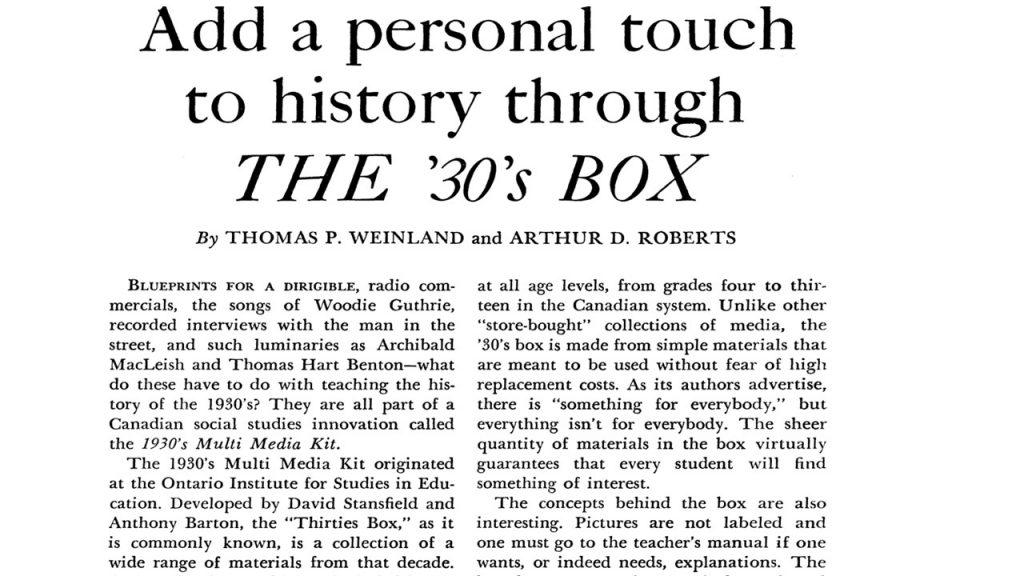
Approaching history with a personal touch is a powerful way of attracting persons into learning about others and themselves. The use of some personal belongings as part of a “history box” can be the beginning of an historical journey into the 30s, 40s, 50s or any other decade. It is an empowering tool for learners of all ages. Digging deeper into personal histories, societal constellations and societal change becomes alive through tiny little things. Communicating about these artefacts blends old and new narratives, just as much as the life courses of the “common woman or man” with the celebrities of the time. “Getting personal” is the hype in the time when social media want to define our life though endless nudging. Reflecting on origins is not what we tend to do, PhotoAPPs create retrospects for us, take it, or leave it. History is catching up on us. The fashion world reinvents history on a seasonal basis. After all, a bag is a bag is a bag. Or is it different from the one a person took to Auschwitz.

Fukushima 12

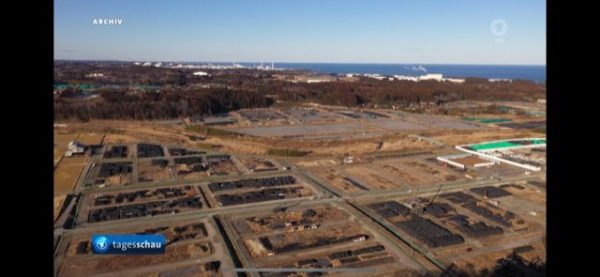
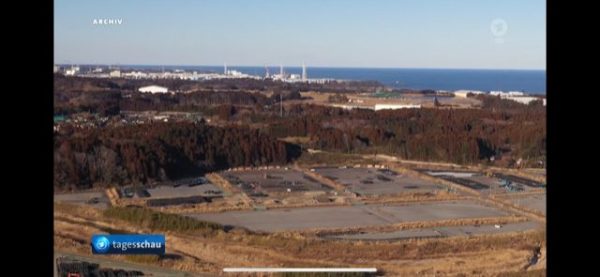
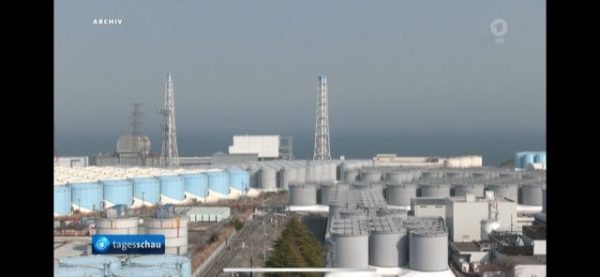
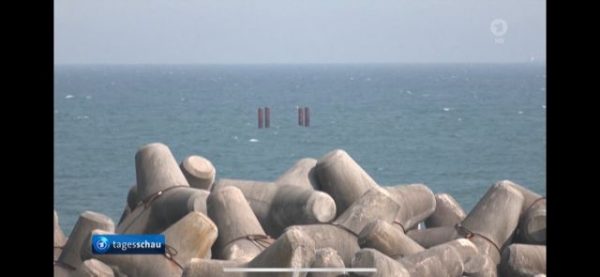
12 Jahre nach der Kernschmelze im Atomkraftwerk der technologiebegeisterten Japaner stellt sich immer noch die Frage nach der Entsorgung der verstrahlten Reste und Kühlwassers. Laut eines Berichts und den veröffentlichten Bildern zu dem Kernkraftwerk Fukushima staunen wir über das weite verseuchte Umfeld und die riesigen Lagerstätten für den verstrahlten Abfall. Geothermie, Wasserkraft, Windkraft und Solarenergie könnten auf der Fläche sicherlich riesige Mengen von nachhaltigem Strom produzieren. Das hatte bis vor 13 Jahren niemand denken oder aussprechen dürfen. Heute nach 18.000 Toten und vielen Folgeschäden durch Krebs und geschädigtes Erbgut wird der Unsinn weitergehen. Da sind sehr starke Interessen am Werk, denen es nicht um Menschenleben geht. Atomkraft, koste es was es wolle. Die Einleitung eines Teils des verseuchten Wassers ins Meer ist wohl bereits erfolgt. Noch mehr wird folgen müssen. Über die Fische als Teil der Nahrungskette werden Menschen dann mehr Radioaktivität aufnehmen. Das war schon so mit den Pilzen nach Tschernobyl. Fukushima bleibt ein abschreckendes Beispiel weltweit, da helfen jetzt zum 12. Jahrestag ein paar Solarzellen als Trostpflaster wenig. (Bilder aus ARD Tagesschau 11.3.2023. Auch bei uns ist es leider schmal Glück gewesen, dass nichts Schlimmeres passiert ist (Link Radiobeitrag DLF 2023-4-17)

White

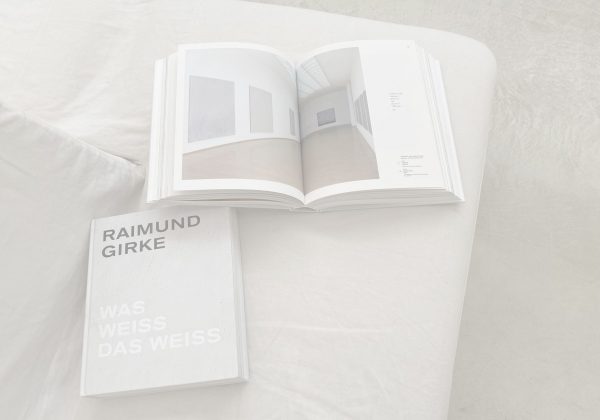
White is white, we may say, just like in the song of the mid 1980s “Live is life”. Raimund Girke focused his paintings around the notion of white. White is pure energy he writes on his webpage summarising somehow his activity between 1986 and 1999 before he turned 70 years old. The energy of white can be experienced at the gallery and arts centre of Alex Vervoordt near Antwerp. Set in abundant white and otherwise empty space the paintings of white reflect Girke’s idea that white is rest and movement. The developmental process of white in the work of Raimund Girke reflects for me a conceptual proximity to the artists’ group of “zero”. Light and shadows are parts of the same coin. White is the sum of all colours, not only in the physical definition of it. Hence, white can serve as reflection of space and transposition of movement.
The experience in the gallery of Vervoordt allows to come to grips with our own perception of white. It needs a huge white space around the paintings to get into the mood of, maybe, purity. It is by putting colours together that white comes into existence in the spectators view. In seeing white, we see many additions of other colours. That creates the impression of energy. Up to you to test it, maybe, virtually live.

30s

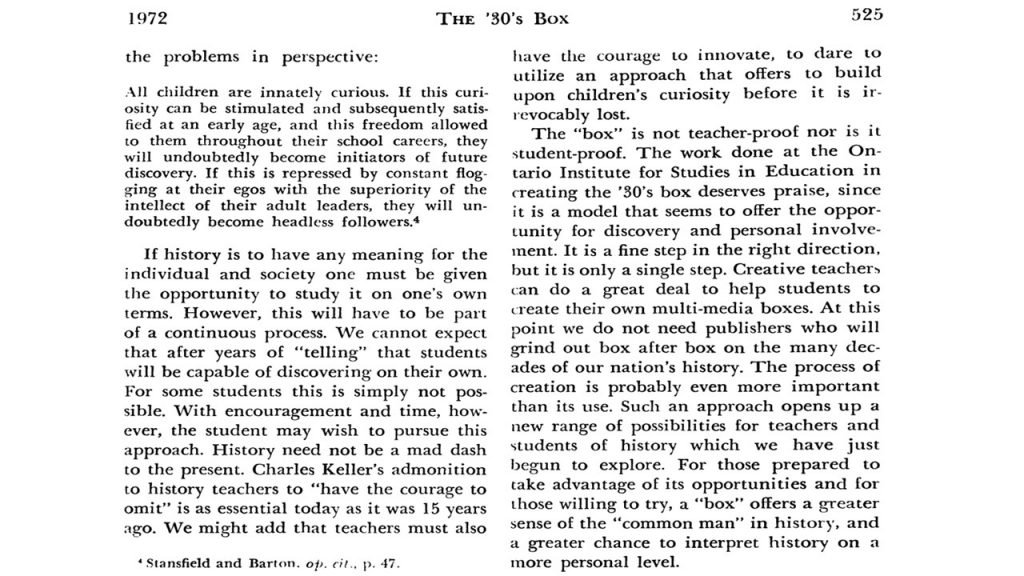
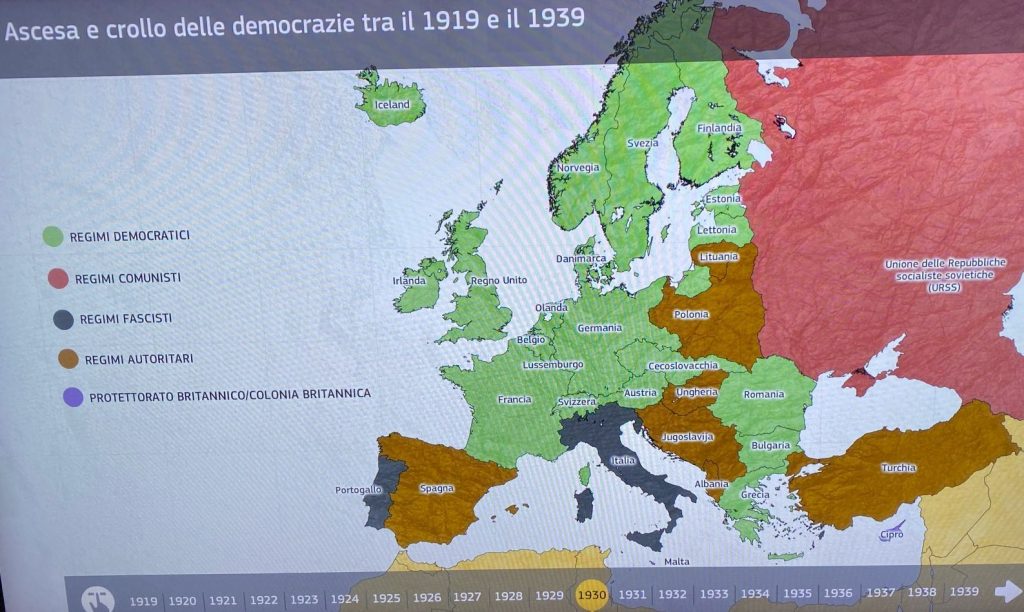
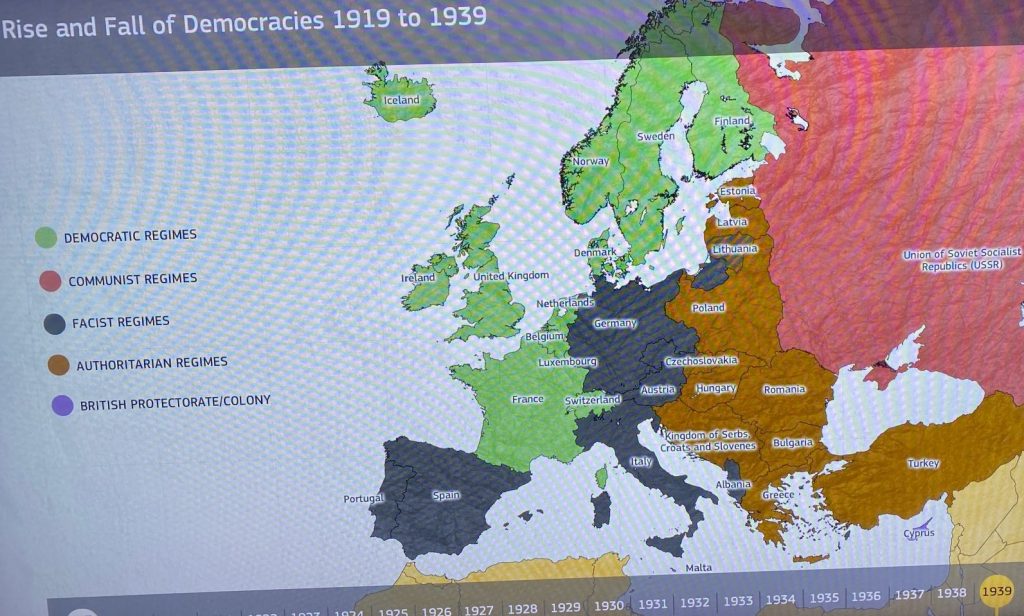
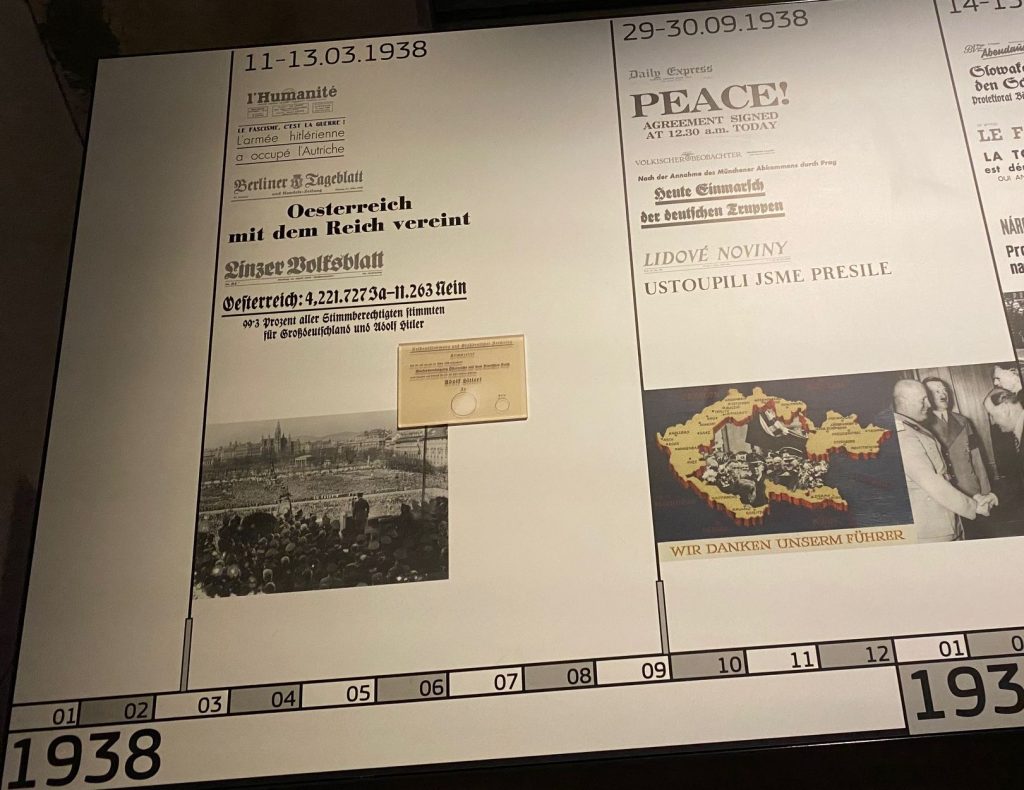
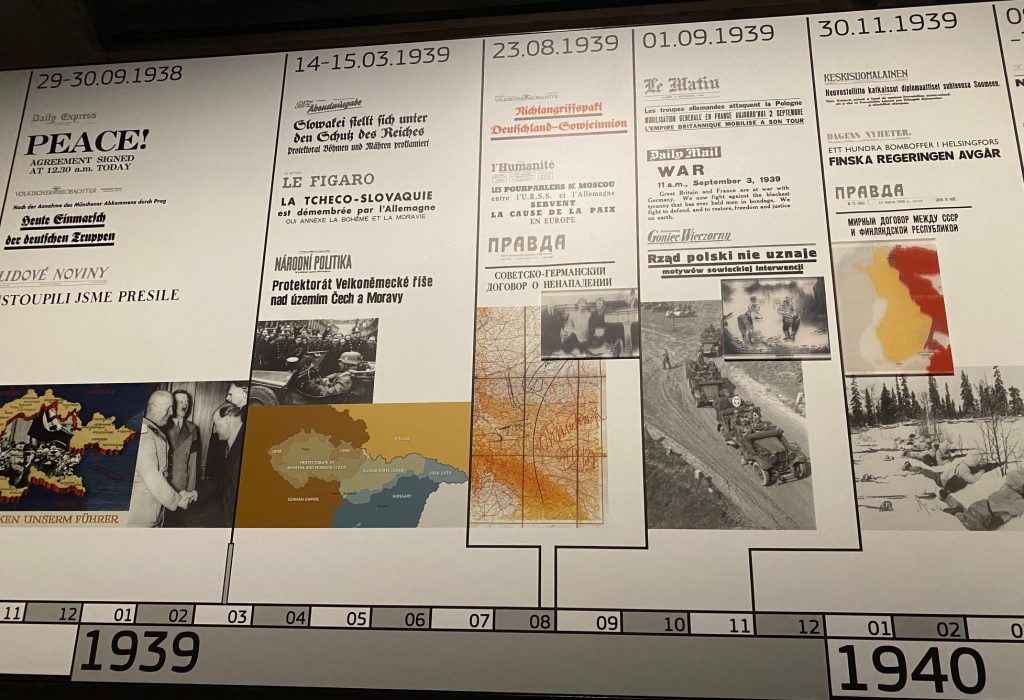
In retrospect the 1930s would deserve well the label of the disastrous 30s. In terms of human tragedy the 40s were worse, but the foundations for the millions of deaths through the Shoah and the second world war were enacted throughout the 1930s. My reading of the decade is dominated by the rising tide of hate throughout the 30s. The fascist movements in Italy and Germany were growing rapidly. From the entry number 185.729 (later committed war crimes in Ukraine) at the 1st of January 1930 the German NSDAP membership grew to 7.352.197 (Reichsakademie für Leibesübungen) on the 1.1.1940. This is still about 3 million persons less than at around the peak in 1944/45 of for example entry number 10.123.636 (later Foreign Secretary of Germany). The House of European History of the European Parliament in Brussels provides a good depiction of the spread of Fascism and dictatorships in Europe in the 1930s. Whereas Italy had turned Fascist already before 1930. Hungary was also under dictatorship already at the beginning of 1930. The rise of the German Nazi political party NSDAP turned out to be the most disastrous and devastating fascist movement and dictatorship throughout the 30s. The maps with timelines represented in the permanent exhibition in the House of European History reflect the spreading disaster for millions of persons. Many writers and social scientist had the correct apprehension and “apocalyptic imagination” (Pearce, 1971) to seek refuge early. But this turned out to be a not generalisable exit option for most persons concerned. Only few countries managed through early decisive action against the spread of fascism to escape from, better shield themselves, or fight against the rising tide. In the late 60s and the 70s youth at the time started to question the role of their parents in the rise of nationalist movements in Europe. An interesting reference for Canada is the teaching reform that materialised in the “box of the 30s” (Weinland and Roberts, 1972). The 1930s Multi Media Kit for teaching history contained photos (Guernica), radio clips, extracts from novels, but also recipes or recorded interviews. Make history speak and start with a “personal touch” to it. Avoiding the economic failures of the 1930s and the rising tide of fascists throughout the 30s are high on the political agenda 90 years later in the 2020s again.

Aphorismen L4

“Wenn die Erinnerung an die Jugend nicht wäre, so würde man das Alter nicht verspüren, nur dass man das nicht zu tun vermag, was man ehmals vermochte, macht die Krankheit aus. Denn der Alte ist gewiss ein ebenso vollkommenes Geschöpf in seiner Art als der Jüngling.“ (Lichtenberg S. 241, L 532). Die Gedanken von Lichtenberg zum Alter und Altern orientieren sich an der Erinnerung. Älter werden heißt mehr Erinnerungen ansammeln. Erinnerungen verstanden als Reichtum, lässt uns erfahrener und somit reicher werden. Jetzt ist selbstverständlich nicht jede Erfahrung, die sich als Erinnerung einprägt zwangläufig eine positive, jedoch lassen sich viele früher negativ empfundene Erfahrungen in der Rückschau als nicht so negativ oder positiv erleben. Das Durchsehen von Photosammlungen mag dazu eine Übungsstunde sein. Walter Benjamin schrieb dazu bereits, dass Photographien ein Standard geworden sind zur Dokumentation von historischen Ereignissen, und somit eine versteckte politische Signifikanz erreichen. Die Gleichwertigkeit zwischen jungen und alten, eventuell kranken Menschen war für Lichtenberg im 18. Jahrhundert bereits eine Selbstverständlichkeit. Wir tun uns wieder schwer, bei Corona und Kostendiskussionen, diesen Gleichheitsgrundsatz faktisch umzusetzen. Erinnerung als Wert an sich zu schätzen, ist eine gesunde Strategie des erfolgreichen Alterns. Mit jedem neuen Tag oder Jahr merken wir, sie wird beständig mehr.

Aphorismen L3

“Was für Aussichten würden wir bekommen, wenn wir unser Kapital von Wahrheiten einmal von demjenigen entblößen könnten, was ihnen nicht sowohl wesentlich ist, als vielmehr aus der öfteren Wiederholung zuwächst.“ (Lichtenberg S. 50). Die Wiederholung ist eine starke Lernmethode. Sie wird seit Jahrtausenden erfolgreich eingesetzt. Alle Religionen bedienen sich am liebsten täglich dieser Methode, um sich der Treue der Anbetenden zu vergewissern. Der Glaube im Glauben ist: Oft genug wiederholt ist gut verinnerlicht. Dabei bleibt ein Glaube ein Glaube, selbst bei ständiger Wiederholung. Lediglich so manchem Mensch erscheint durch regelmäßiges Wiederholen die Botschaft als verinnerlichte Selbstverständlichkeit. Wahrscheinlich ist es beruhigender, sich nicht täglich zu fragen, ob das 1x,2x,3x mal tägliche Einmassieren von Chemikalien auf Zähne und Zahnfleisch wirklich nachhaltig gesundheitsfördernd ist. Alleine dem Markt wollen wir das Thema nun auch nicht überantworten. Warten wir weiterhin auf die nächste entblößende, hoffentlich wirklich unabhängige, wissenschaftliche Studie dazu. Mit den Pestiziden in der Ernährung hat das bekanntlich nur sehr bedingt funktioniert. Wie schön, dass alle Jahre wieder Frühling kommt und die finsteren Tage hinter uns lässt. Wiederholungen lassen Routinen entstehen, die uns das ständige Hinterfragen ersparen. Rasch gehen wir über Fragen von Kindern hinweg: Muss ich heute in die Schule gehen? Dabei ist Hinterfragen von Wiederholungen ein wichtiges Lernen, dem Mitläufertum entgegen zu wirken.