Revolutionary time

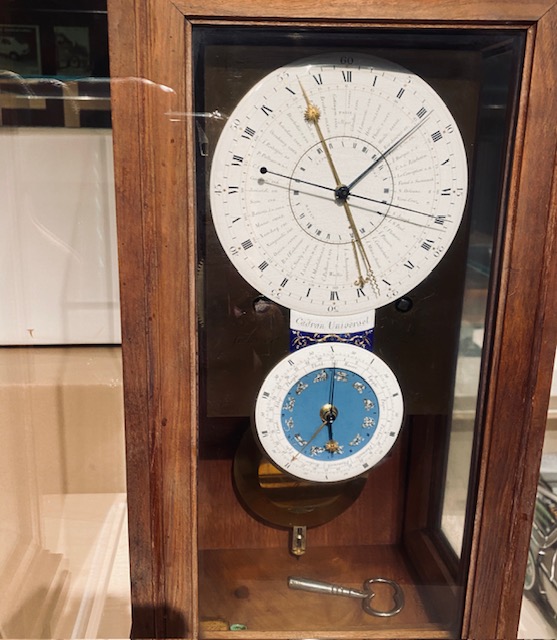
The French revolution has certainly been a turning point in the development of democracy. The radical changes proposed at that time comprised changes to the calendar and the counting of time. Rather than a clock using a system based on the system of multiples of 12, 24 hours for a day and 60 minutes per hour, the revolution proposed to shift to a time system based on multiples of 10, just as for weights,  lengths or volumes. After decimal time had been adopted in 1793 it was disbanded in 1795 as being too revolutionary and declared a failure. We keep being used to 60x24h= 1440 minutes per day rather than for example a 10×100 =1.000 time intervals for a day. We are just so used to acquired habits that behavioral patterns have taken hold of us without us even noticing them. Maybe AI will eventually tell us to adapt because of computational speed of a superior time measurement system just based on a 0/1 based alternative counting algorithm. (Image: Universal dial regulator, Fail collection Musée Arts et Metier, Paris). 
Fail collection

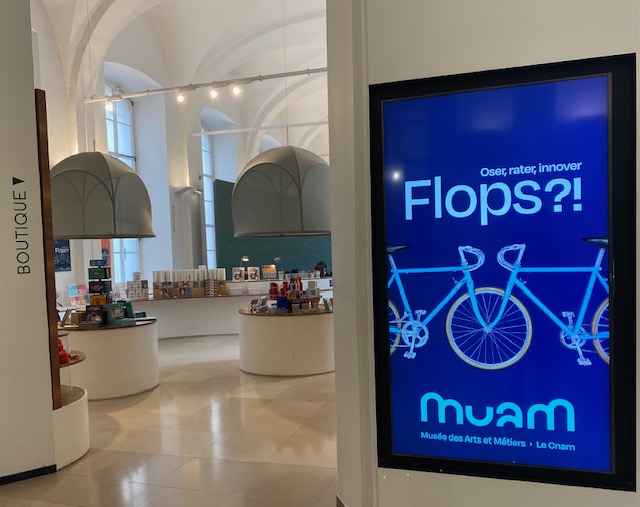
The not-so-social media have been flooded with collections of failures. The success of this short video format is mostly due to its entertainment value. A quick laugh is guaranteed if a certain intention is turned into its opposite. You want to take a witty shortcut but effectively you end up with a lengthy or painful lesson of the opposite. The fail collection of the CNAM in Paris has a similar attraction. The “Flops” exhibition in 2026 exposes a larger number of technical innovations that either did not reach the mass markets or that were “flawed good ideas”. In fact to put an innovative idea or design into practice it takes a lot in addition to engineering intelligence and professional competence and experience. The collection of documentary evidence invites us to explore the topic of what constitutes a failure and why failure is an intrinsic part of the creative process of trial and error, fail, fail again and fail better. (Image Musée Arts et Metiers 2026). 

Electricity generation

On a global scale, electricity generation based on wind and solar has been growing quite fast since the year 2010-2024. Wind and solar have outpaced nuclear energy production as well as the stagnant sector of water based energy production. The Global Electricity Review by EMBER provides the statistical evidence for this evolution in 2025.
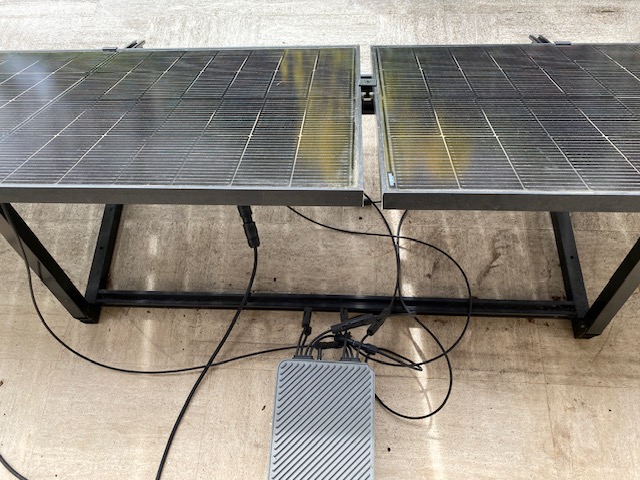
The interesting evolution arises mainly because countries with a lower level of GDP have invested heavily in solar and wind energy as this form of decentralized energy production does not need heavy investments in network infrastructure. Countries with larger population growth can keep up with electricity generation according to local needs. Local production and consumption become a key in strategies of local development. The finding that households in low-income countries use on average only 1 kWh per day is an amount that 2 small solar panels can already cater for (example image below).
Countries next to the equator have relatively constant days of 12 hours daylight across a whole year. The feasibility of no-carbon sustainable energy production is driving global growth in this sector.

Electric Dynamo

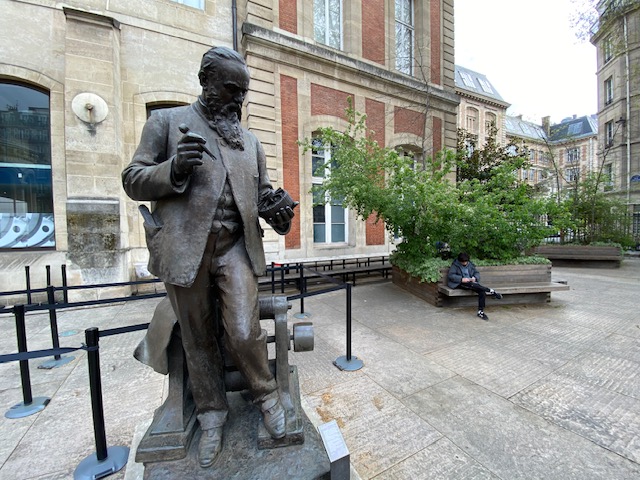
Mr. Zénabe Gramme born in 1826 has developed the first electronic dynamo, which transforms kinetic energy into electricity. The turning of a wheel is sufficient to produce enough electrical energy to light a bulb or several LEDs. The inventor is honored in front of the museum of the CNAM in Paris (see image below). The reach of this invention has changed the lives of many people until today and for many years to come. The “all electric society” builds on such examples of inventions that become common knowledge only years or decades later. Financing such research and experiments can have enormous benefits for a society or even humanity as a whole.  

Fan of fan

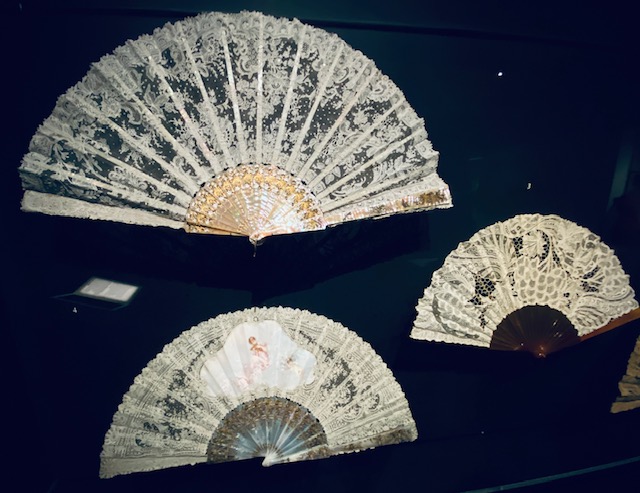
The fan and the French version of it called “eventail” served thousands of ladies across history. Ventilation is key, even in times of air conditioning being all around us. Instead of bulky electric pocket fay, the eventail is surely going to make a splendid comeback. This utensil serves both as cooling device as well as fashionable accessories. The craft of making one has almost been forgotten, but the Musée de la Mode preserves some of the finest examples of the tiny heroes of global warming. 

Artificial flowers

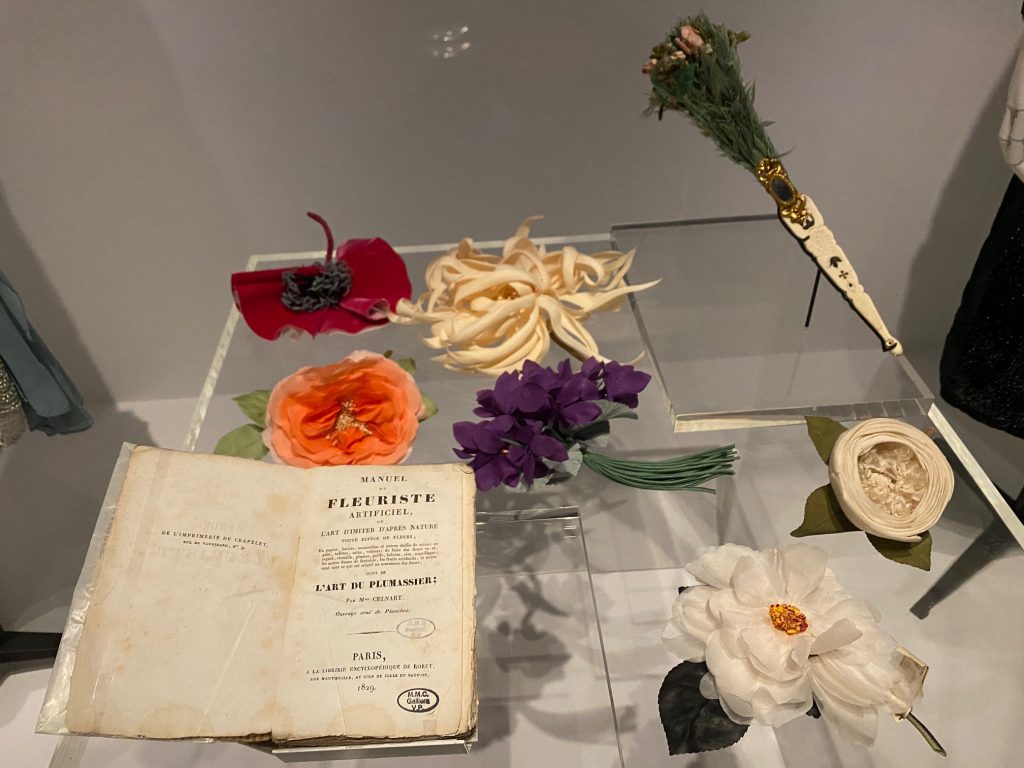
The craft to imitate the beauty of flowers is in fact at least 200 years old. The skill linked to the production has been documented in a manual which seems to be forgotten by today. Real as well as artificial flowers have been an accessory in fashion for centuries. In 2025-26 they return again in high fashion in all shapes and colors. The technique has also been documented in textbooks that explain the “how to…” the craft and professionalism (see image below). The time consuming activity has been outsourced from Europe long ago, but the basic techniques still were refined and mass production prepared for the sharing of the pleasures. It is an interesting case study of the sociology of technology or the rise and fall of an industry which occasionally has a surprising comeback. To follow parts of the trajectory just visit the Musée de la Mode in Paris, Palais Galliera.

AI and Social sycophancy

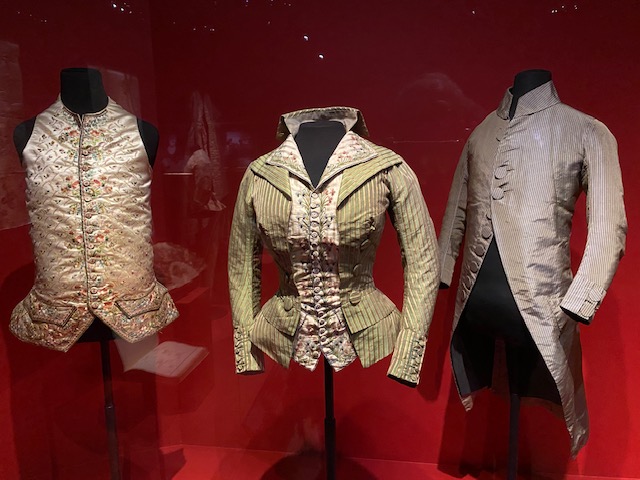
The study by Myra Chen et al. (2026) on the practical use of various AI tools demonstrates the risks of social sycophancy of these models. Maybe a large part of the initial success of AI models exactly due to sycophancy i. e. the people-pleasing, flattering and affirmative bias of these models. If users of AI just receive predominantly confirmations and reassurance of their intended behavior, they shall be less inclined to accept more outright criticism in normal interactions with real people. The more you receive flattering responses by some people, the more likely they have used AI in preparing themselves for a response. The rigorous psychological tests applied in the paper can in fact explain a large part of why we are likely to become addicted to the always flattering responses from the current versions of AI. Only the scientists will consciously seek for disapproval of their beliefs and keep challenging the AI-provided returns. Even using different AI models did not change the affirmation bias. Maybe programming a “grumpy old professor AI” as an alternative could do the trick. I shall have to think seriously about this as the alternative to current models. The critical AI is most likely not a viable business opportunity, but it might survive many other sycophantic AI unicorns. (Image: waist coat 18th century, Paris exhibit Musée de la mode 2026). 

Flower Power

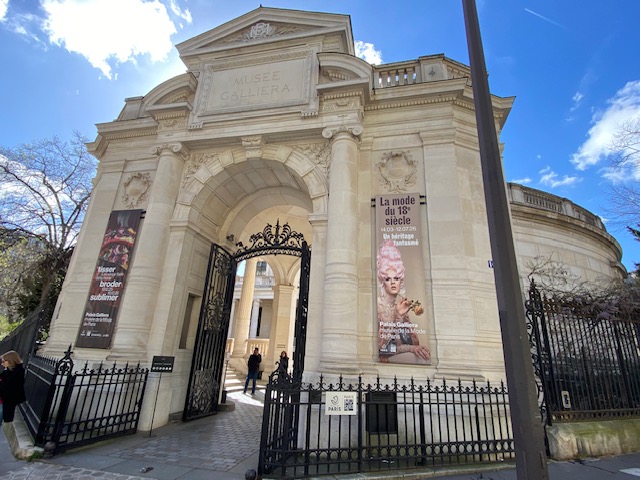
In the 1960s the flower power movement originated in the USA. The association of flowers in all their shapes and shades within fashion has played a role already over centuries. The most prominent use of flower imagery can be traced back to the 18th century when the many specialized professions contributed to the embellishment of humans through the reference to motifs around flowers. This is made explicit in the exhibition and catalog of “Tisser, broder, sublimer” in the Palais Galliera, Musée de la mode in Paris 2026-3. Nature and especially flowers have so many different shapes to offer that it can serve as an endless inspiration to creation and the arts. Power has been derived from special dress and community building as well. Flower power is interesting in this regard because it has been and keeps being used what is now known as the fashion industry as well. The soft power of beauty and sensual persuasion is lasting flower power.  

Master AI

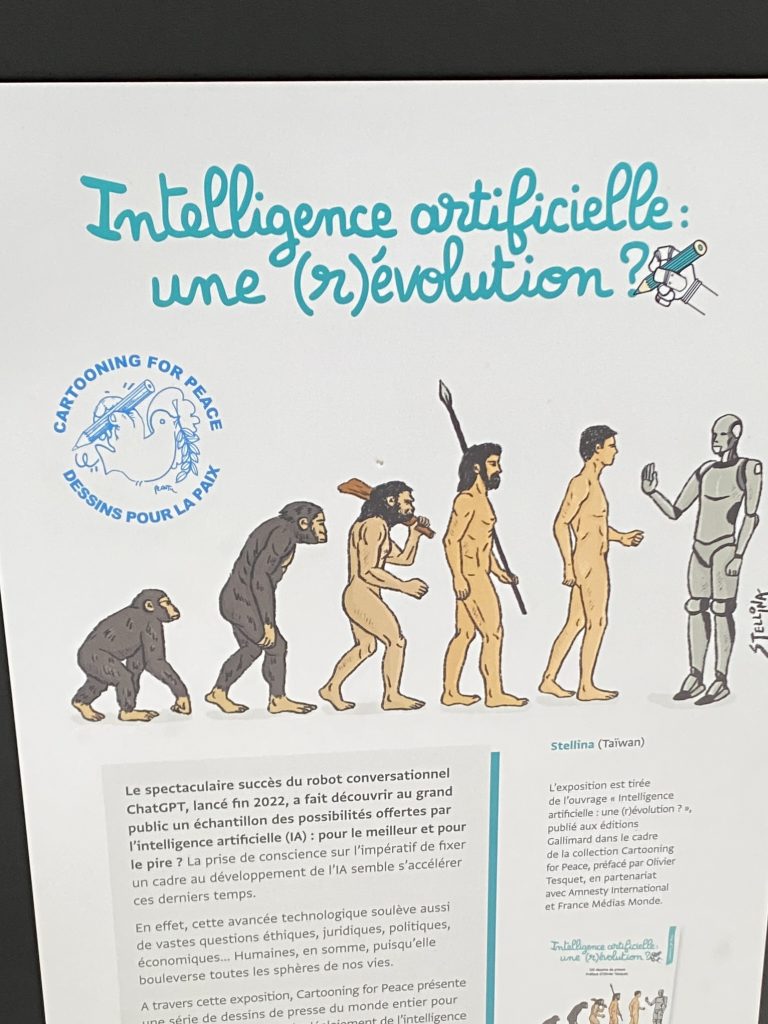
In 2025 the exhibition “Cartooning for Peace” at the BNF in Paris had already an exhibit authored by Stellina Chen from Taiwan, which summarized the evolution and projected the consequences of an all encompassing AI revolution (Image below taken at exhibition 2025 BNF). Currently we exercise ourselves in using various forms of AI or learn how to program them ourselves. It is our aim to master the new technology so it becomes a helpful tool. However, there are already many instances where it is no longer us mastering AI, but the AI has turned around the table and has started to master us. The applications of AI have entered our work tasks, tries and frequently succeeds in improvements of our routines and processes.
In private life a similar revolution is happening, when AI offers advice, which is hard not to follow and very convincing most of the time. Since getting involved in a conversion with AI tests your logic and debating competences, we find ourselves more and more in situations where AI is telling us what to do in the best of a convincing manner. After centuries of humanity to find freedom from oppression and the freedom to what we want ourselves, we seem to be ready to hand over control to AI. We are just like toddlers in this respect, willing or obliged to follow our master.

Antichambrer

In political circles it has been a common practice to “antichambrer”. It traditionally meant that topics are discussed in smaller circles before they are presented to the ruling royals or aristocrats. In modern democracies this role of more or less open “antichambre” (lobbying) is probably best translated as a form of consulting, which builds on personal contacts and small group discussions.
Scientists play a specific role in this political endeavor as they have to offer theories, hypotheses and evidence to support lines of argumentation to convince decision makers. Spin doctors, who know how to turn (around) an argument are, of course, present as well. All this represents the political, religious and business arena. All this happens in splendid locations that are part of the game of convincing, just as much as diplomacy.
The theater play “L’antichambre” by Jean-Claude Brisville, (produced by Alpha Théâtre in Paris 2026) sets the play in a historical 18th century scenario to unfold the intricacies of “antichambrer”, less in the political arena, but in view of the personal turbulence in may engender. (Image: Château Chantilly Antichambre)