Pathology

The definition of disease, illness or disability are a matter of details of definitions. Mostly it is left entirely to medical professionals to define the limits of what shall be considered a disease or not. Pathology is the scientific discipline dealing with this difficult task. As in the scientific endeavor it is honorable to crown your research by finding or defining a new disease not necessarily finding a treatment for it, we have learned about new diseases at regular intervals. Attention deficit syndrome also known as hyperactivity is such an example. Many pupils have received treatments and some made splendid progress in their education due to early recognition of their condition as well as abilities. However, some children have received treatment with questionable diagnostic evidence or just to be able to fit into our modern ways of organizing our schools. We might frame this as a process of “to pathologise” persons or whole groups in society.

The American definition of what constitutes a higher than normal blood pressure or colesterol deviates from the one applied in many European countries so that sometimes the double amount of people should receive medical attention and treatment. From this it becomes more evident that even within the field of pathology there is a societal dimension to it. The “dry january” addresses the pathology of alcohol addiction. Smoking falls into a similar category but no smoke free month has been suggested yet. While it has become normal to overuse antibiotics we shouldn’t reproduce the same mistakes with other medications. We simply need a broader discourse about pathology and the societal origins and implications of it. From the Roman times we have amphitheaters and sacred buildings that we value today. Few sanatoria have survived but a few Roman baths as a preventative approach have survived in the British city of Bath or in the German city of Trier, both quite far from Rome. We should sometimes think more carefully before defining a disease. Not all are pathological. If it seems difficult to stem against the trend of “pathologising”. The ensuing overload of the medical system in consequence is a serious issue. The medical system will degenerate into a system to manage waiting queues with absurd, unequal and unnecessary adverse outcomes. Therefore, sociologists consider the pathologising of societies as just another kind of pathology.
Infrastructure

For some societies and cities it is a continuous question of how much resources we should invest in infrastructure. Access to funding is a major concern. The calculation of the viability of the project needs careful examination and evaluation. Societies have very different kinds of preferences and, interestingly, about time horizons for their deliberations.

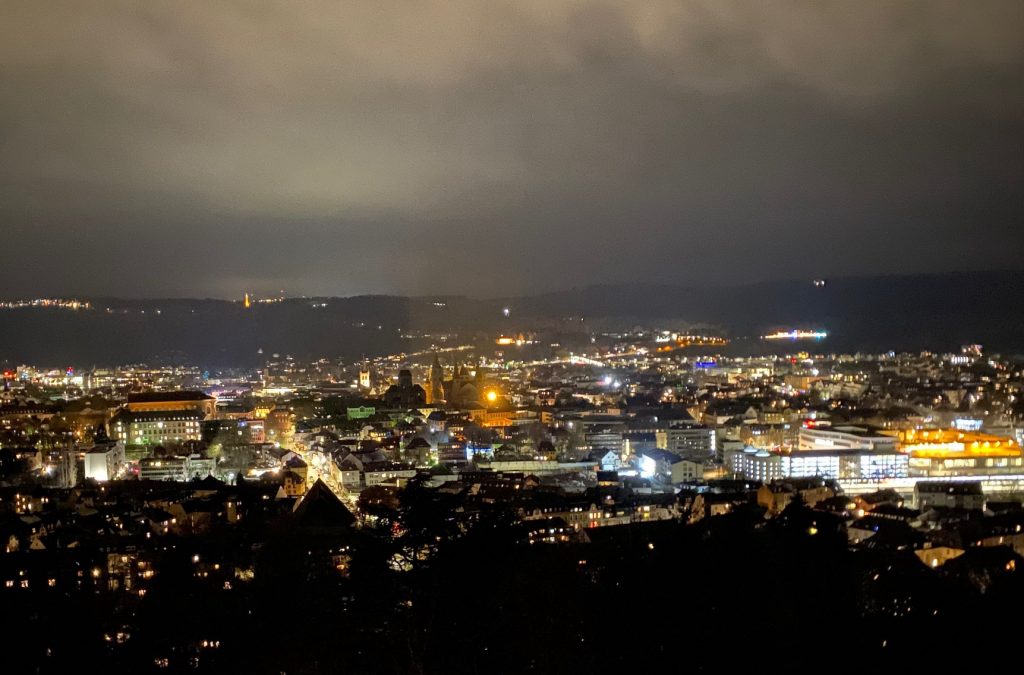
There are examples that have been built to last a century and lasted 2000 years. Other worst scenario examples are built for just one World Expo and torn down afterwards. The Eiffel tower is such an example of the latter kind, but it lasted longer than 100 years by now. We should be thinking more about time horizons as it remains an often overlooked part of investment in infrastructure. The oldest city in Germany has many buildings from the Roman occupation that still characterize the city’s architecture. This remains an important economic factor for the city of Trier as an attractive location for tourists throughout the year. Only wars or negligence may cause severe deterioration if infrastructure has been built with an emphasis on its lasting value. The narrow-minded investment in downhill skiing like in the Swiss Alps is at best expected to last 20 years. For trees to grow there again it will take 50+ years. Sustainable investment will be viable and vital in many respects. High interest rates force us to recalibrate our societal and private s again. Taking into account a longer time frame for investment we indirectly build infrastructure that should last longer. Moving beyond short-termism is necessary, particularly in the field of investment in infrastructure.

Trier 2023-12

Nachhaltigkeitskonzept

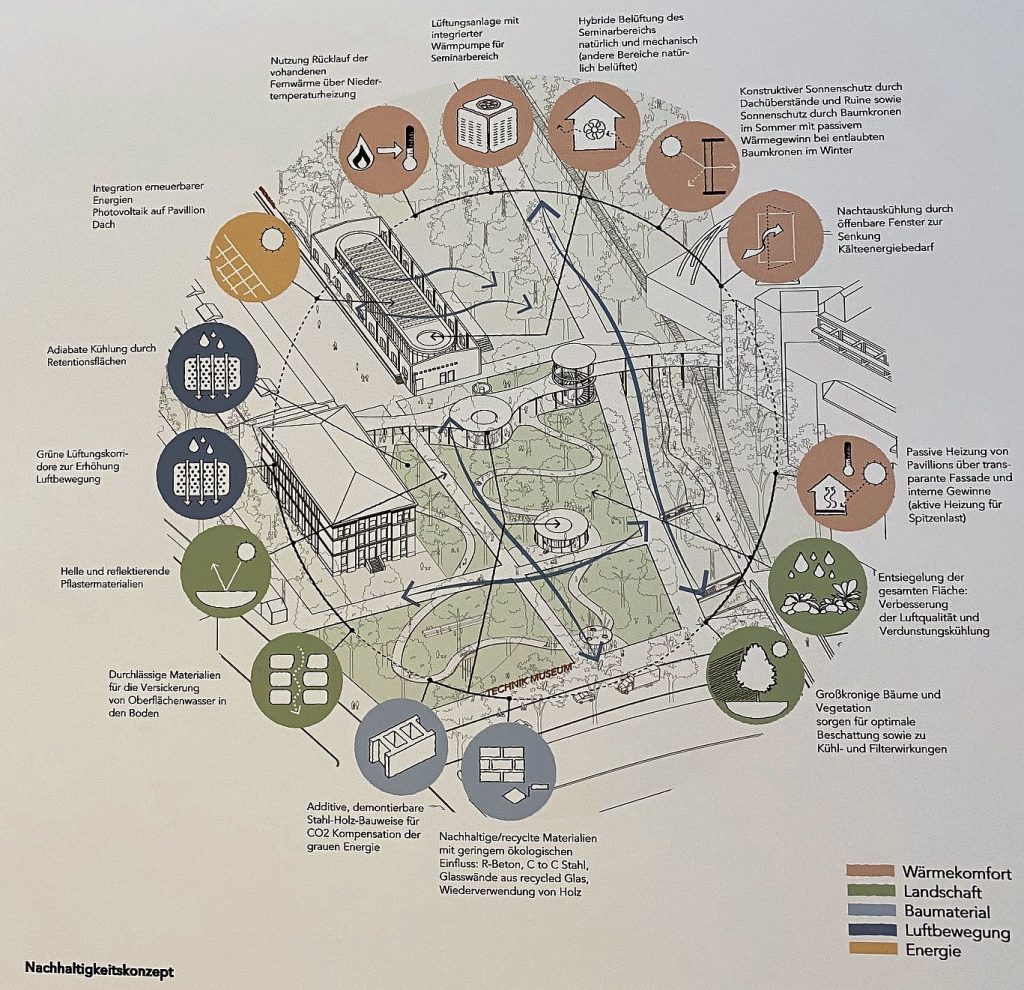
Ein Nachhaltigkeitskonzept gehört zum Bauen mittlerweile wie das Gelbe zum Ei. Die Einreichungen zum Realisierungswettbewerb eines Portals für das Deutsche Technik Museum Berlin hatten entsprechende Anforderungen zu erfüllen. Für ein Technik Museum können dazu die Anforderungen schon etwas höher sein und die oft geforderte „Technologieoffenheit“ oder die Diskussion darüber zumindest andeuten. Der Anerkennungspreis ging an ein Konsortium für die Einreichung 1110, die eine klare Übersicht ihres Nachhaltigkeitskonzepts vorstellten (siehe Auszug Image unten, Foto aus der Ausstellung 2023-12). Nachwachsende Baustoffe gehören zum Repertoire. Gleichzeitig sollte die Erhaltung oder gar Förderung der Biodiversität Teil der nachhaltigen Konzeption sein. Innerstädtisch ist die Rückumwandlung der Versiegelung der Böden eine wichtige gesundheitsfördernde Bauweise. Kühlung in den aufgeheizten Städten ist durch Grünflächen und Beschattung zu erreichen. Tolle Architekten sind das, die den Mut aufbringen den Stachel in die Wunde zu legen. Die Anwohnenden und Besuchenden würden es den Verantwortlichen jahrzehntelang danken.
Das sind längst keine abgefahrenen grünen Ideen oder Träumereien mehr. Paris hat es schon längst vor gemacht. Ganz nah beim Eiffelturm ist das „Musée du Quai Branly –  Jacques Chirac“ das als Neubau mit Garten vom konservativen Präsidenten Jacques Chirac eine grüne Naturoase mitten im Herzen Paris hat bauen lassen. Es ist immer noch eine Art Geheimtipp für Pariser in den zu warmen Sommermonaten. Berlin könnte wie mit der vom Pyramiden-Architekten Pei geplanten Eingangshalle vom Deutschen Historischen Museum mal wieder mit einem Nachhaltigkeitskonzept mit Paris gleichziehen. Gemeinsam können wir auch nachhaltig. Mit der vom Menschen und seiner Technik verursachten Erderwärmung haben die nachfolgenden Generationen noch lange genug zu kämpfen. Mehr Nachhaltigkeitskonzepte braucht die Technik. Das ist die wirkliche Herausforderung des 21. Jahrhunderts.

Selfie Museum

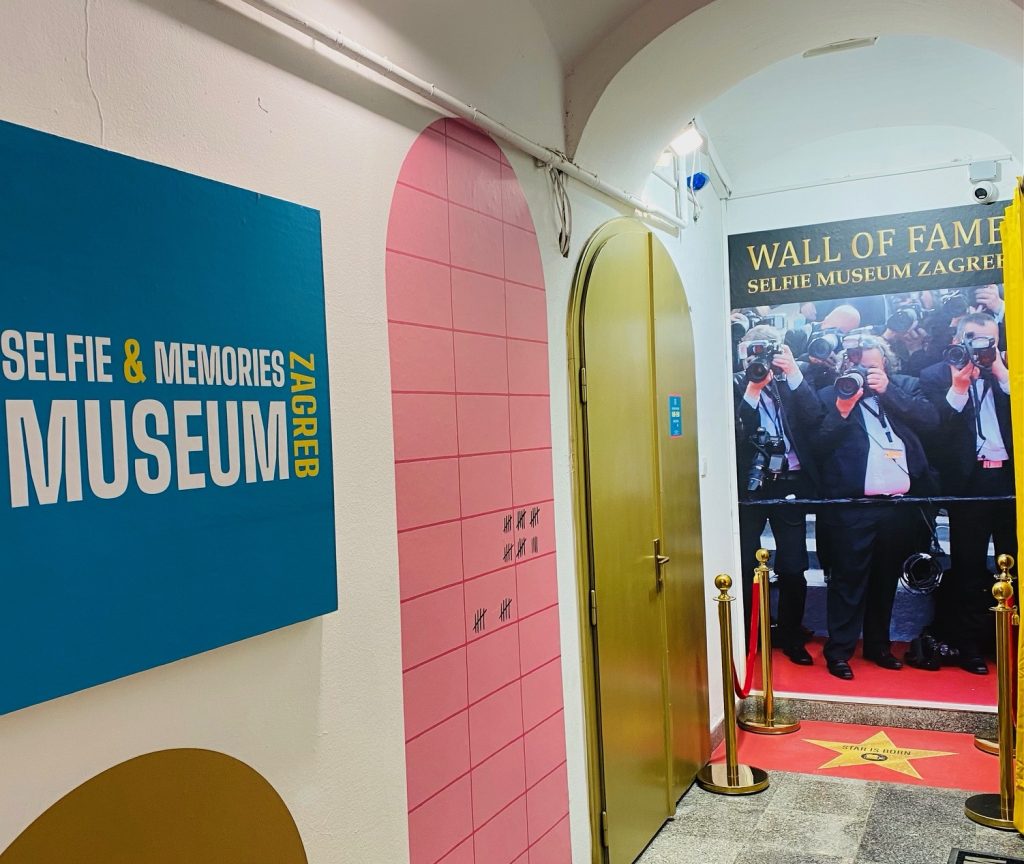
We have learned that games are not only played for fun. So-called serious games have found their way into health applications where we might learn while playing a game of how to integrate more walking into our life in the city. While walking after work I happened to pass the Selfie Museum in Zagreb. In fact despite carrying the name of museum it is more an assembly of scenarios in which you can realize many selfies in different settings that have been prepared for that purpose. Hence your production of photo shooting with yourself as the major character is facilitated and you no longer have to spend a lot of time on the setups. Call it a museum and you’ll have more visibility and visitors.

Styles of selfies have changed and shooting very short videos to post on tiktok is of course easy there. A real threat to huge and expensive cinema studios considering the enormous reach some of these selfies can reach. It is a bit like a theatre with multiple stages for everybody to use at moderate costs. Before long we shall come to realize the potential for many more interested in theatre to become actors and directors themselves. Democratize the world of theatre is the new social dimension here. Test yourself in another profession through playful interaction. Test and learn about other competencies. We are in the middle of the next wave of “gameification” previously reserved to people ready to accept higher risks of likely failure. The young can now take their parents to the museum and show off their culture and skills. Intergenerational learning has a new aspect as well. The sociology of the virtual has another phenomenon to evaluate.

Zahgreb 2023-12 Selfie museum

Chrysanthemum

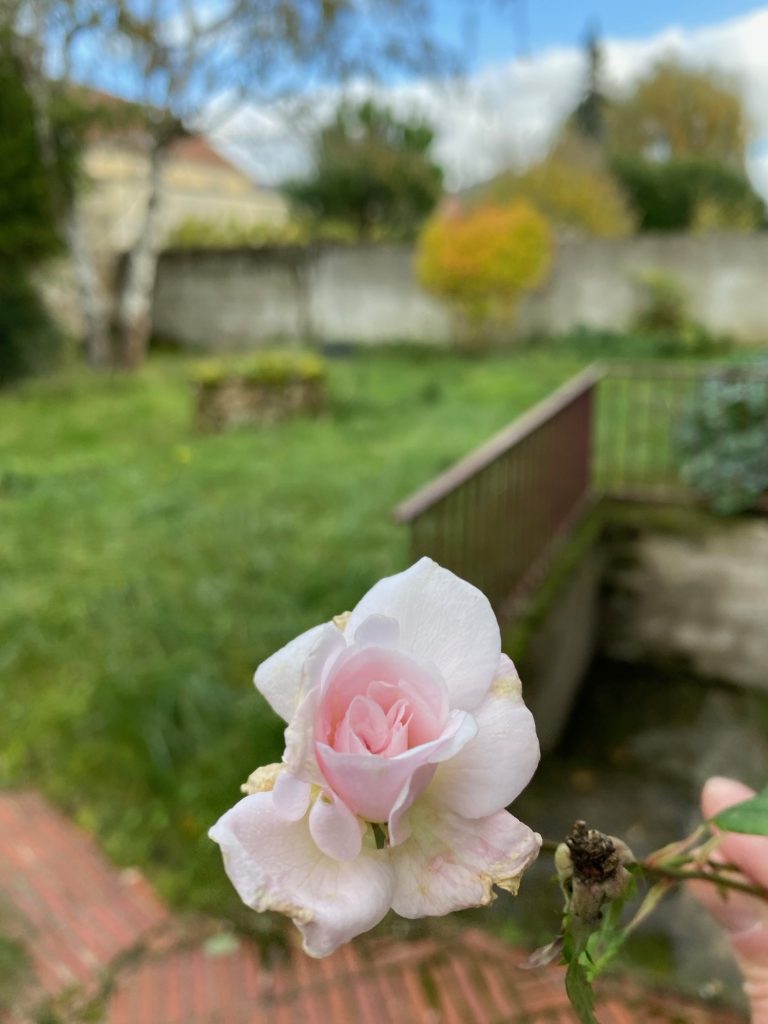
We all know Chrysanthemum as the flowers of the autumn season. For Christians the Chrysanthemum is popular to decorate the graveyards around all saints day or reformation day. But also in the commemoration of armistice day of the Great War 14-18 flowers to remember that last a little bit are widely spread throughout Europe. But climate change and a prolonged summer season threatens these traditions. It is not uncommon to spot even a few roses here and there. It may well be the one and only “last rose” in other places.

Maybe we have to reconsider our concepts of seasons and planting cycles. Less use of tap water, but rain water recovery instead will help us get through droughts and a prolonged summer. Let’s see what changes we shall live through in autumn and winter. Chrysanthemum in winter, Chrysanthemum for Christmas is strange idea. Maybe that is what we should expect from now on.

11.11.2023 Ile de France

Selfie 3D

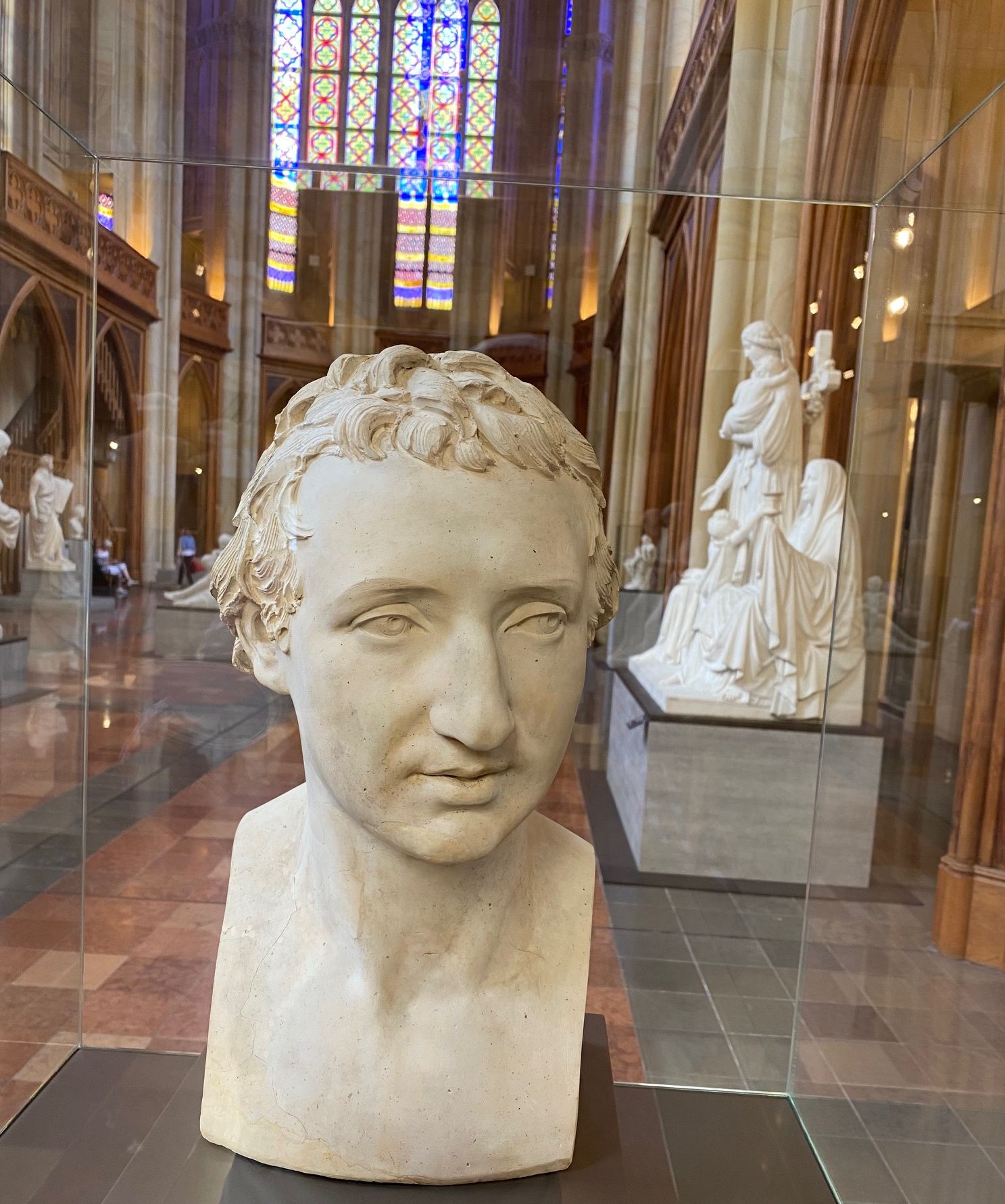
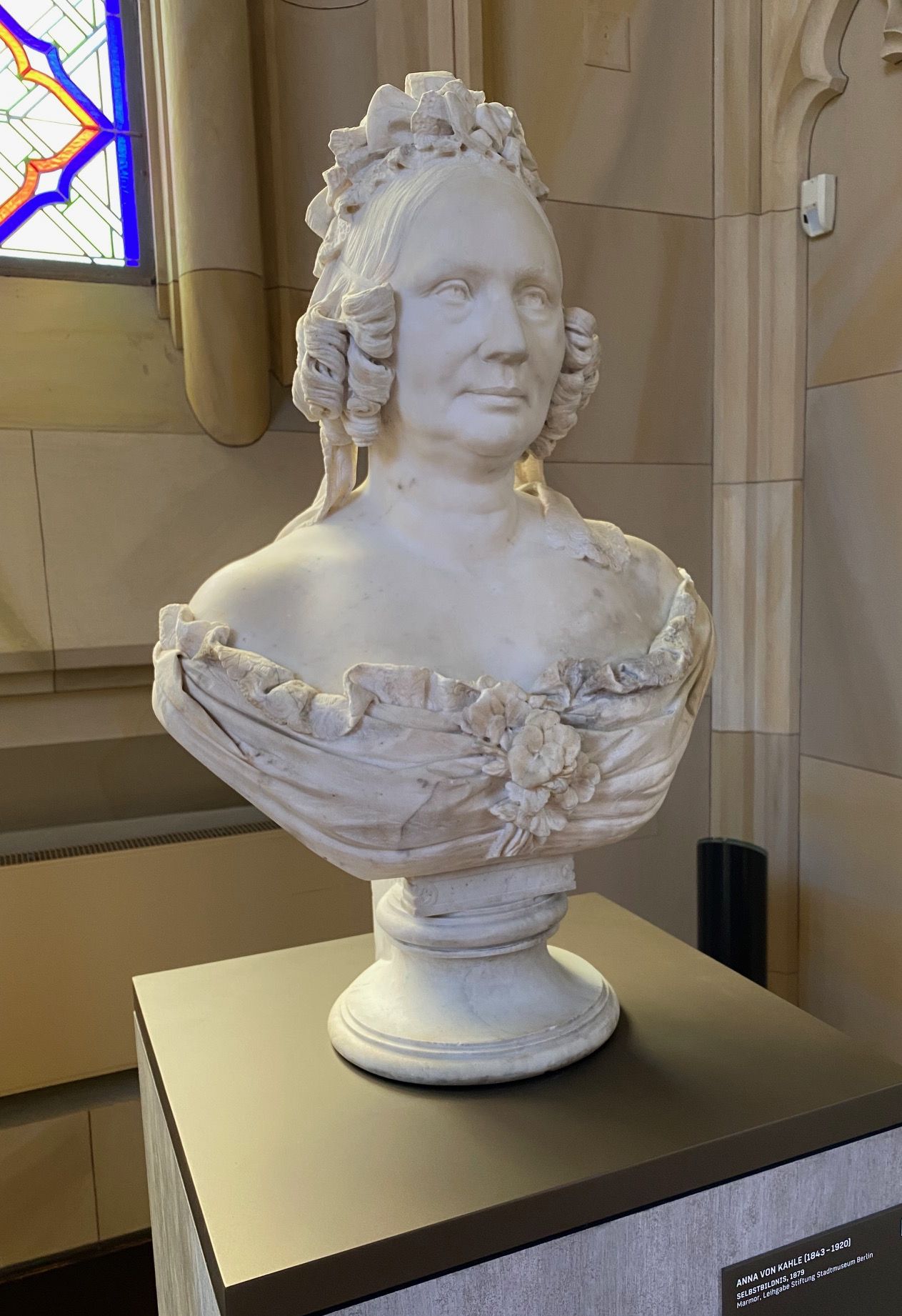
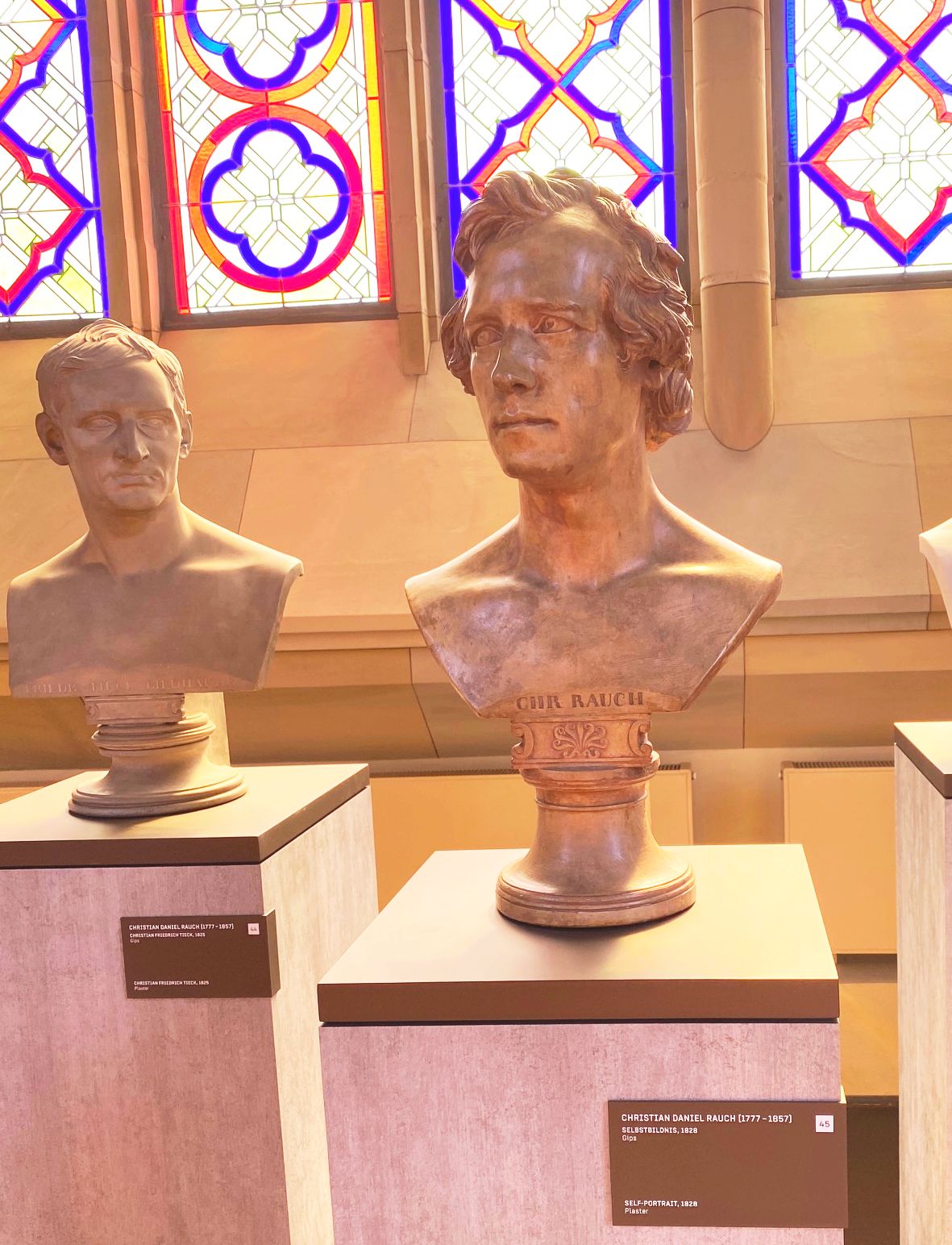
Wir meinen gerne die heutigen Gewohnheiten, wie die ständigen Selbstbildnisse seien eine Erscheinung des 21. Jahrhunderts. Weit gefehlt. Wer es sich früher schon leisten konnte, hat sich malen lassen. Photographen haben später diesen Markt übernommen. Aber eben auch Kunstschaffende haben seit langer Zeit ihr Selbstbildnis gezeichnet, gemalt und in Stein oder Gips geformt. Selfies sind daher eher die Demokratisierung der Möglichkeiten, sich selbst zu inszenieren. Eben sich so zu portraitieren, wie sie oder er sich selbst sieht, sehen möchte oder gesehen werden möchte. Es ist daher weniger ein narzisstischer Charakterzug die Antriebsfeder, sondern für die meisten Menschen steht ein Teilen, eine Form der Interaktion mit anderen im Vordergrund. Die portraitierte Person ist da, auch wenn sie gerade nicht da ist.
Diese Intention haben Herrschende jahrtausendelang genutzt und sich Mausoleen und Pyramiden errichten lassen. Gut, dass diese Praxis weit in den Hintergrund getreten ist. Heute regeln wir bereits unseren digitalen Nachlass in Ergänzung zu unserer analogen Hinterlassenschaft. Für viele werden dabei, ganze Sammlungen von vielfältigen Selbstbildnissen zu verwalten sein. Die 3D-Ausdrucke unserer Gesichtscanns samt mehr oder weniger noch vorhandener Haarpracht kommen dann in eine eigens vorbereitete Vitrine. Selbstverständlich gehören die MRTs und sonstige Scanns von ZahnärztInnen auch in die Sammlung. 3D ist schon ein guter Anfang auf der Interaktionsreise mittels Selbstbildnis. 4D Realisationen, wie Yoko Ono mit ihrem Cut Piece 1967 kamen dann später. (Photos from Friedrichwerderschen Museumskirche, Berlin 2023 Austellung Ideal und Form, li: Schadow Selbstbildnis, mi: von Kahle, re: Rauch).