Forschen

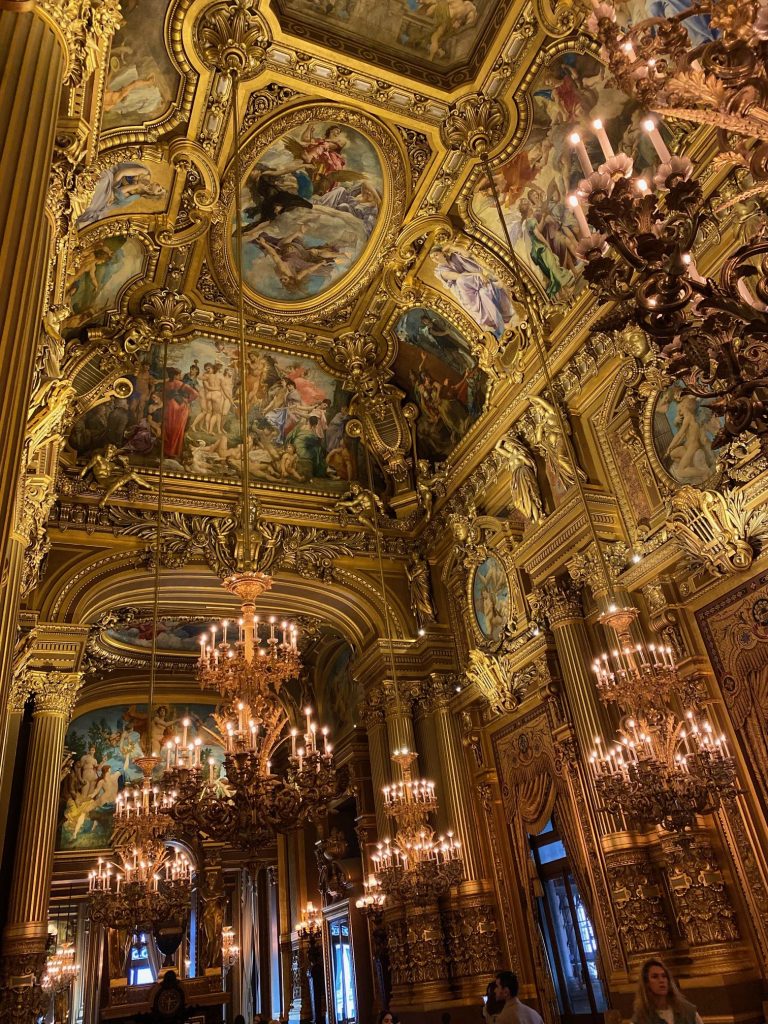
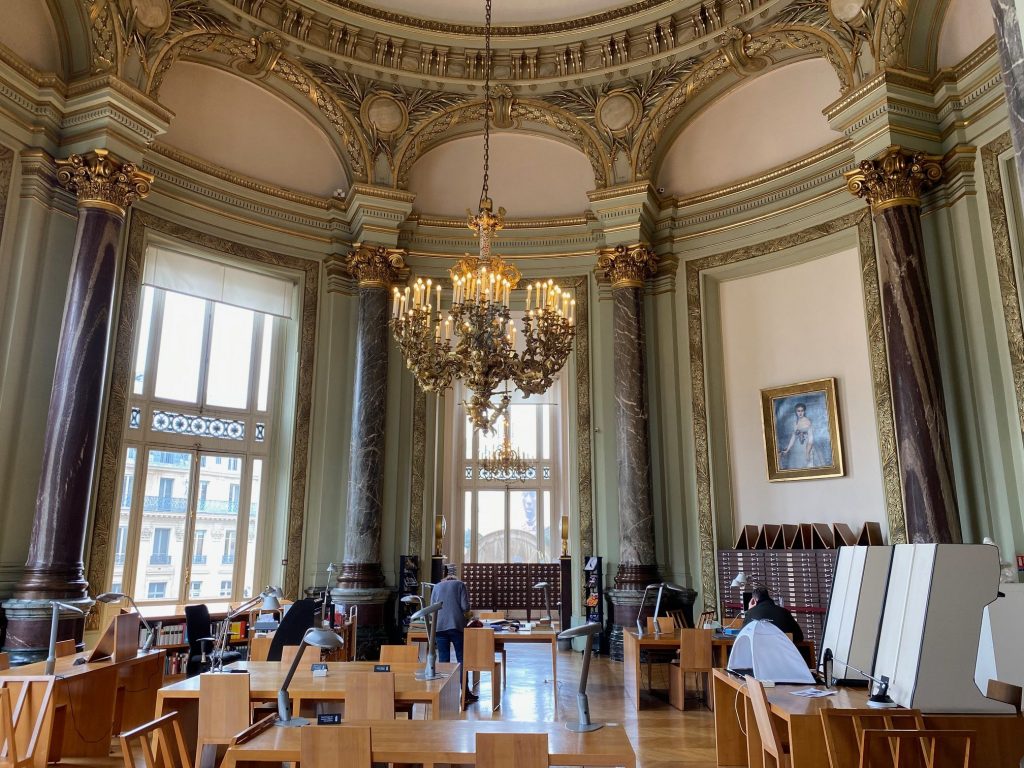
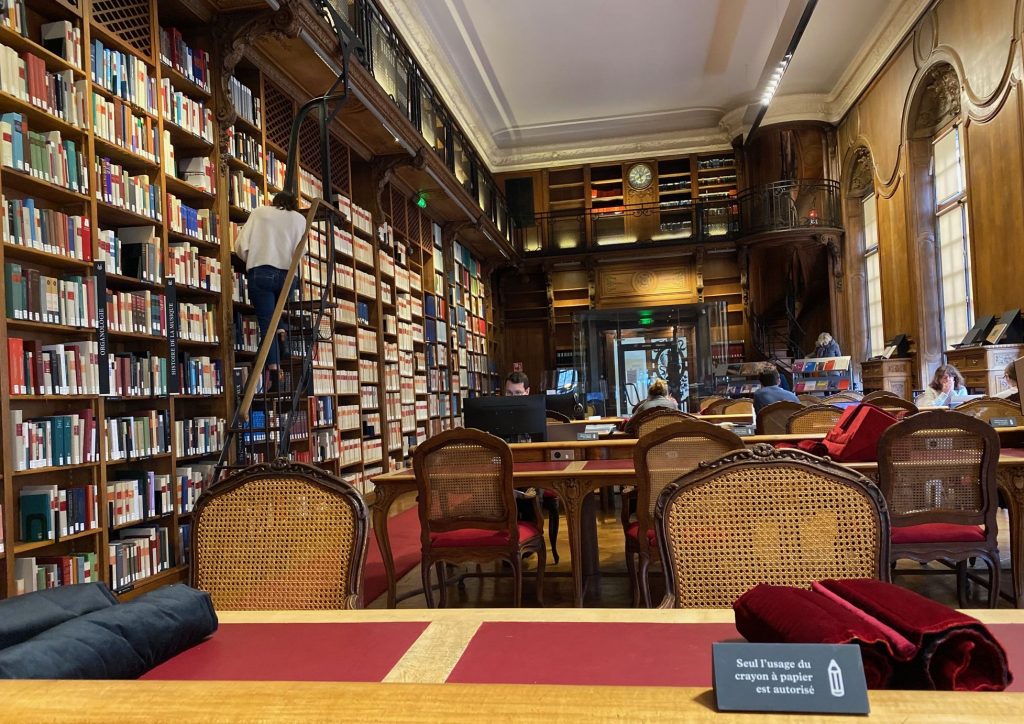
Forschung betreiben ist meistens das Bohren dicker Bretter. Verständlich, dass das nicht jedermanns oder jederfraus Sache ist. Wer sitzt schon gerne alleine in einer kleinen Zelle und schreibt seine Forschungsergebnisse auf oder liest endlos lange und viel vorherige Forschung? Da ist ein Besuch in Archiven, Laboren oder anderen Datenarchiven schon etwas unterhaltsamer. Forschung ist überwiegend theoriegeleitet. Von Einzelfällen abstrahierende Theorien lassen die Forschenden entweder an diesen Theorien weiterarbeiten oder vielfach irgendeine Form von Daten sammeln mittels derer sie dann die Theorie(n) testen können. Eine Herausforderung an diese Arbeitsweise stellt die rein datengetriebene Induktion dar. Sozusagen der „deus ex machina“ erwächst aus einer hinreichend großen, am besten sich ständig erweiternden, Datenbasis. Wetterdaten, Verkehrsdaten, Krankheitsdaten, Börsendaten und Arbeitsmarktdaten bieten für sowohl für deduktive als auch induktive Verfahren hervorragende Beispiele. Datensammeln in Archiven, beispielsweise Rekonstruktion oder Interpretation eines Lebensverlaufs aus Korrespondenz ist ein klassisches Verfahren von meistens LiteraturwissenschaftlerInnen. Manche Archive belohnen die Forschenden mit Glanz und andere mit Gloria, selten mit beidem. Glänzende Aussichten bietet die biographische Forschung zu Komponisten und MusikerInnen in Paris. In der kleinen, aber sehr feinen Bibliothek der „Opera Garnier“ bin ich zu dem Komponisten Flotow fündig geworden. Es befinden sich dort in der Komponistenakte Zeitungsausschnitte, die 150 Jahre alt sind und ein Büchlein aus frühen DDR-Zeiten, die den Aristokratenkomponist durchaus kritisch durchleuchten. Die Ablenkung auf dem Weg in die Bibliothek und dem Archiv der Oper ist allerdings atemberaubend, also nur für ganz überzeugte Forschende zu empfehlen. Die meisten werden von der Opulenz des Bauwerks so beeindruckt, dass jegliche Forschungsfrage und Theorie „backstage“ verwiesen werden. Selbst backstage kann es ziemlich schön sein.
Rhetoricae artis

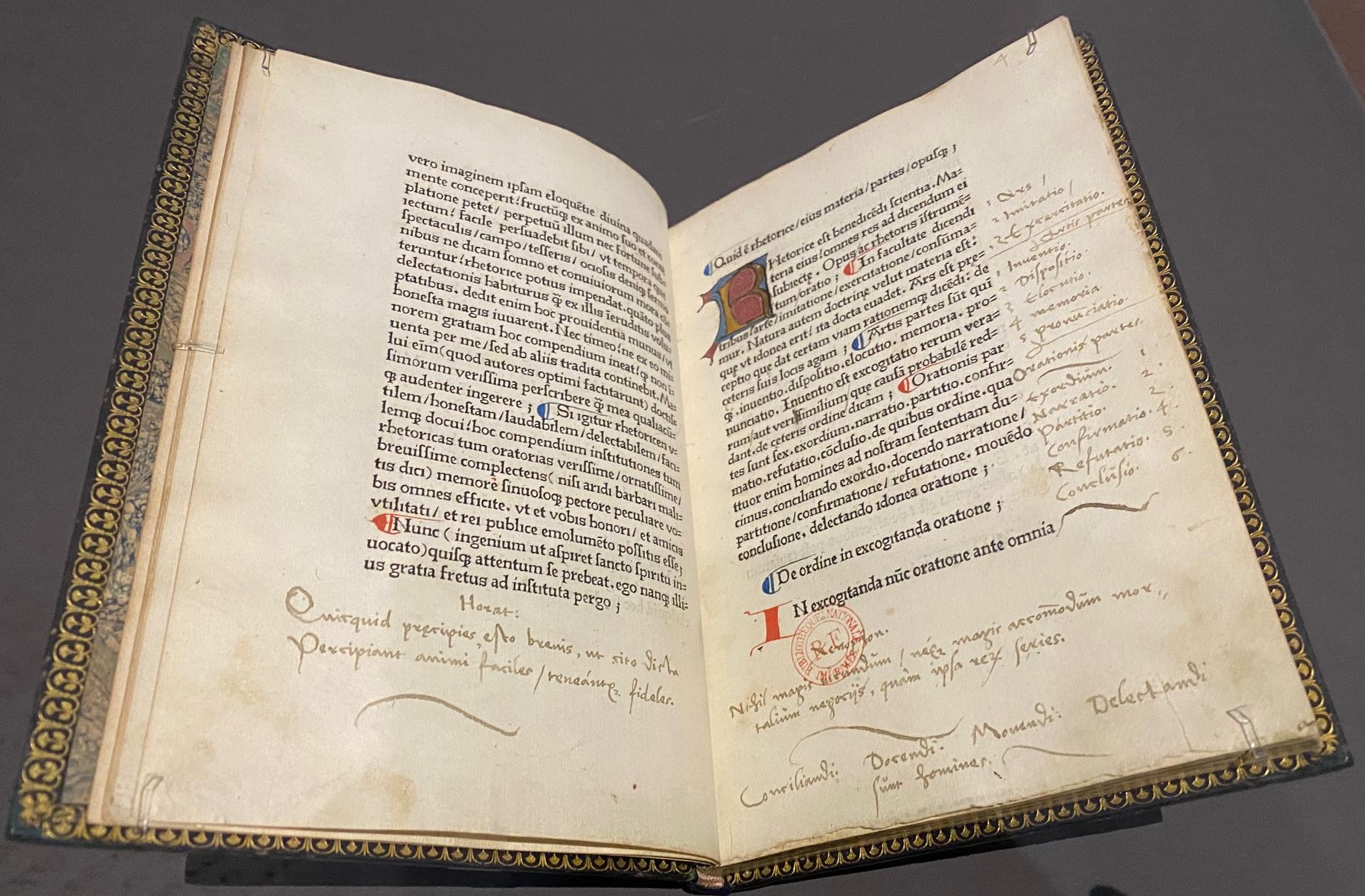
“Die Kunst der Rhetorik und der positiven Fähigkeit” ist eine kleine Wissenschaft. So hieß es bereits 1475 in dem von Guillaume Rardif veröffentlichten Buchdruck aus dem “Atelier du Soufflet Vert”. (BnF, Réserve des livres rares, Rés. X-1118). Als Teil der Ausstellung zum Buckdruck entnehmen wir 5 wichtige Hinweise für die Kunst der öffentlichen Rede: (1) inventio = (Er-)findungskraft, (2) dispositio = Anordnung, Gliederung, (3) elocutio = Ausdrucksweise, Stil, (4) memoria = Erinnerungsvermögen, (5) pronunciatio = Urteilskraft.
Ein kritzelnder Leser hat mit Bleistift die 6 Teile angefügt. Exordium = Einleitung, Narratio = Erzählung, Sachverhalt, partitio = Einteilung, und schließlich die dialektik mit Confirmatio, Rufusation, Conclusio. Abweichungen von diesem rhetorischen Schema sind noch immer selten. Das galt wohl seit dem 15-ten Jahrhundert schon für Predigten und wissenschaftliche Vorträge. Alles altes Latein, oder was? Die heute übliche “Elevator-speech” folgt anderen Regeln. Die Aufmerksamkeitsökonomie und Flut der Informationen erzwingt viel kürzere Redezeiten. Die Nachhaltigkeit der Botschaft wird anders erzeugt. Bildlichkeit ist Trumpf in Erscheinung und Auftritt. Auch das will gelernt sein. Die Bücher damals waren selbst ästhetische Kunstwerke und dennoch Arbeitsbücher, leider nur für sehr wohlhabende Studierende.

Printing

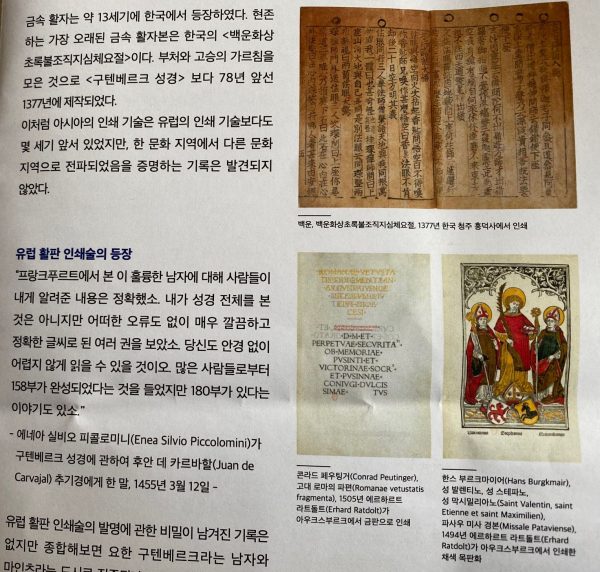
Printing is a more than 5 century-old industry. The invention of the printing press is mostly attributed to Johannes Gutenberg from Mainz. However, the Asian precursor of mobile type letter printing of Cai Lun of the Jikji dates back to 1377 in Korea. These early masterpieces of the inventors of print can be inspected at the Bibliothèque nationale de France (BnF). The summary term for this technical innovation by historians is the “age of start-ups”. The procedure for Gutenberg to have 2 financing rounds with his “business angel” Johann Fust, who is later claiming even almost the full rights of the printed volumes, resembles the start-up spirit of today as much as that of the 15th century. Not belonging to the Patrician families, it was very difficult to defend your rights in courts of the gilds. The printers also became a very powerful intermediary themselves. They either sold pre-ordered books or had to take the risk of assessing the market for their product. The editors of today do much the same in the trading world of books and rights of authors and translators. Merchandising products of the church and later churches (protestants Luther Bible) had a particular value to both the clergy and its devotees, not to mention the shop keepers in-between as well. Pilgrimage business was another start-up industry still going strong in the 20th and 21st century and popular in all religions. The early prints and typographs applied are fascinating  in themselves, but there is a lot to be learned about the foundation of a new industries that still employs millions of people and is at the origin of learning revolution similar to the one we are living with the digital technologies today. The European languages with respect to printing had a certain competitive advantage, based on 26 letters of the alphabet, far fewer types were needed to print books than the more than a thousand different signs for printing a Korean text. In terms of printing this is cost-reducing and probably you do not need to be able to read yourself to be a printer or it makes proof reading more accessible favouring benefit margins. After all, the age of industrialisation probably had a precursor in the printing industry. The potential of the printing industry was only exploited much later to the full extent. Comparable to “peak oil” we hope to have reached “peak paper” at last as well for the sake of our planet and our own survival.

Bauhaus Haus

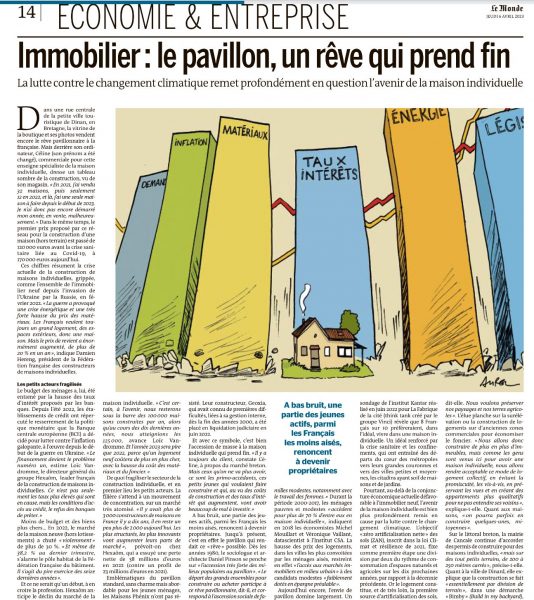
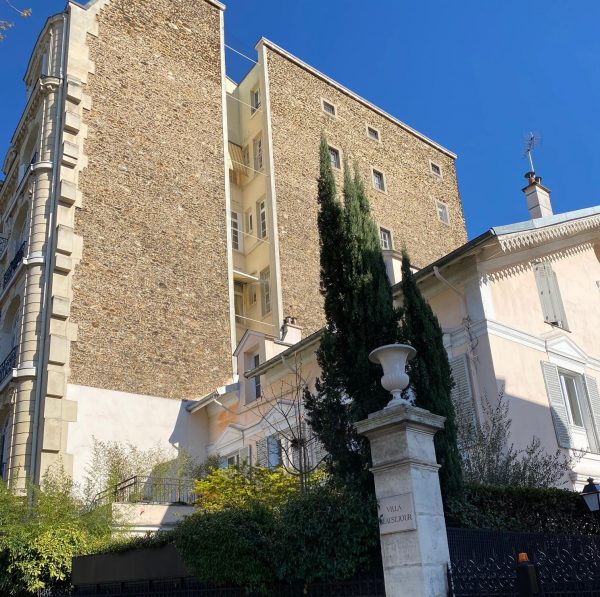
Zu den Ursprüngen des “Bauhaus” in Weimar gehört das Haus, welches die Feder von Georg Muche entworfen hat. Auch wenn das Bauhaus überwiegend mit Walter Gropius assoziiert wird, ist die Parallele von Georg Muche zu dem französischen Maler und Architekten Le Corbusier frappierend. Beide waren geprägt durch die eigene Malerei und Zeichenkunst. Die Entwürfe für Häuser oder Villen folgten Zeichnungen, die wiederum einer “cognitive map” mit Prinzipen der Konzeption und der Konstruktion folgten. Treu den Ansätzen des Bauhauses verwirklichte Muche bereits in 1923 sein Musterhaus. Modulare Bauweise, preisgünstige Erstellung, aktuelle Technologie, perspektivische Blickwinkel und Lichtspiel. Eine gewisse Parallelität zu der Villa La Roche und Jeanneret von Le Corbusier besteht nicht nur in der zeitlichen Dimension, sondern auch in dem Einfluß von kubistischem Spiel mit Perspektiven in Haus  und auf das Haus. Die von der Malerei herkommenden Architekten entwerfen ihre Räume mit “The painter’s eye“. Vielleicht kommt nicht zuletzt daher der Traum vom Eigenheim, der so prägend bleibt in ganz Europa und der westlichen Welt. Geprägt von den 1910er und frühen 1920er Jahren war kostengünstiges Bauen eine wichtige Rahmenbedingung. Relativ kleine Grundrisse, modular erweiterungsfähig, preiswerte Baustoffe sorgten trotz Schwierigkeiten für rasche Realisierungsmöglichkeiten. Eine gewisse deutsch-französische Parallelität drängt sich auf. LeMonde vom 6.4.2023 beschreibt ausführlich das Dilemma des 21. Jahrhunderts. Der Traum vom eigenen Haus wird für die nächsten Generationen schwieriger zu realisieren sein. Rohstoffpreise, Grundstückspreise, Arbeitslöhne, Kreditzinsen schnellen in die Höhe. Der Traum vom Eigenheim bleibt ein Traum älterer Generationen oder der glücklichen Erben solcher Häuser, fast unerreichbar für Durchschnittsverdienende. “Gemeinsam statt Einsam” ist die noch gültige Schlussfolgerung, die bereits Henning Scherf formuliert hat. Die neue Herausforderung für den Bau war, ist und bleibt die soziale Frage, der wachsenden Ungleichheit entgegen zu wirken.

Corbusier

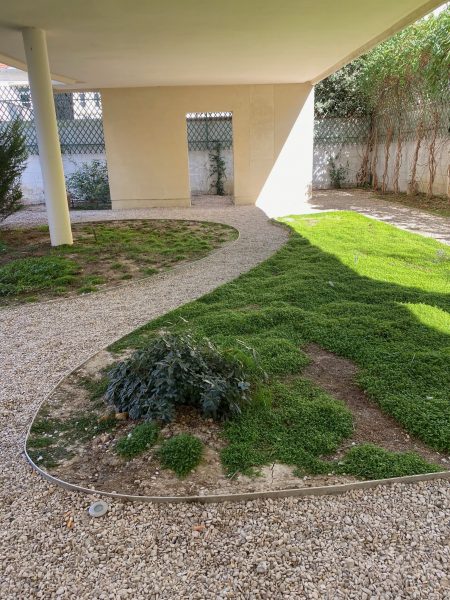
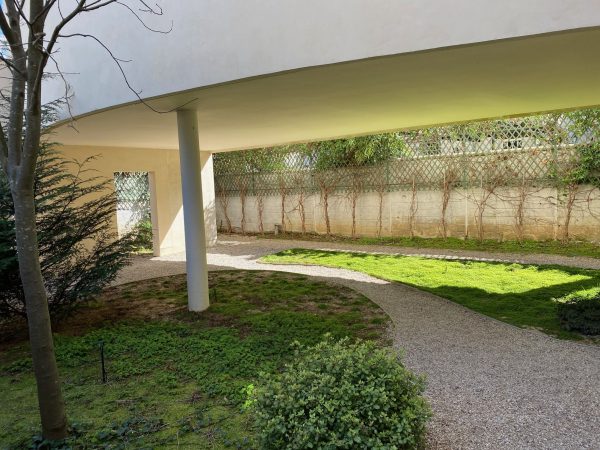
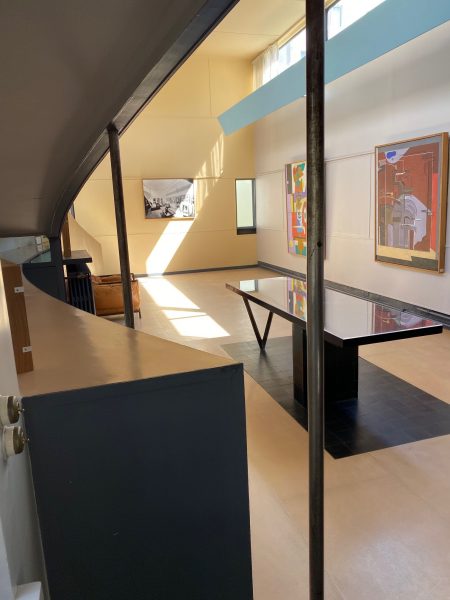
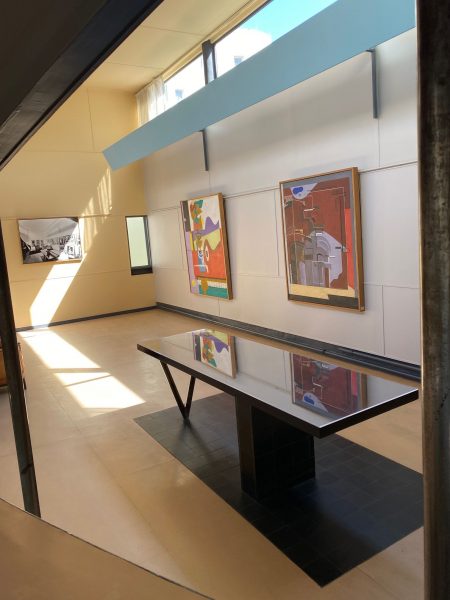
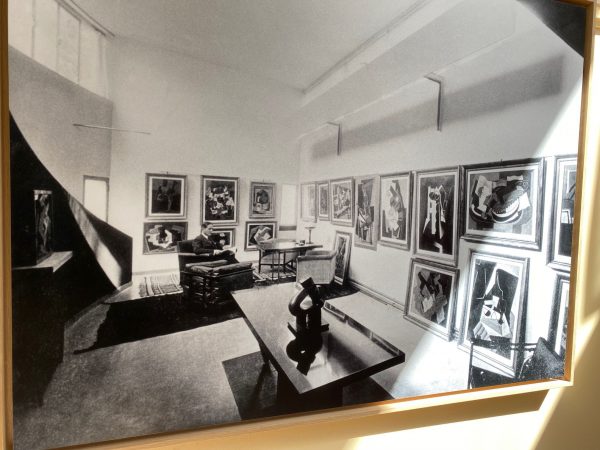
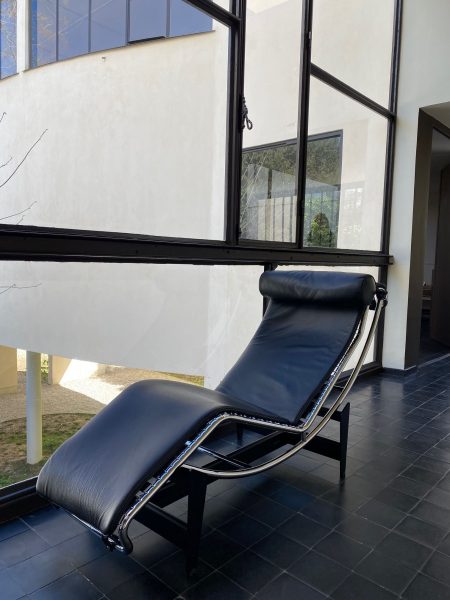
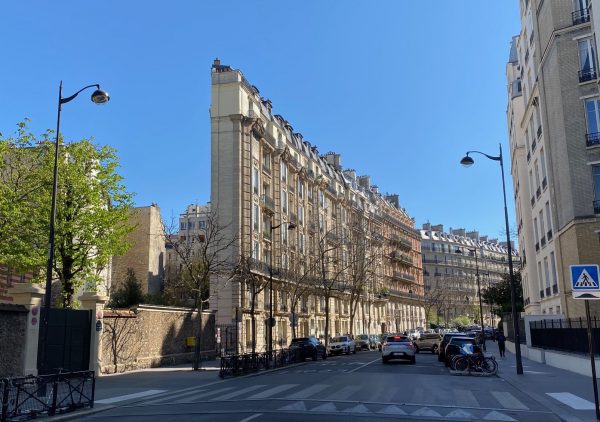
Le Corbusier (1887-1965) chose his artist’s name instead of his lengthy original name of Charles-Édouard Jeanneret at the age of 33 (in 1920) after having moved from Switzerland to Paris in 1917. He established a theory of modern architecture often summarised in his 5 major principles of modern architecture: 1. Pilotis as grid of pillars, 2. freeing ground floor design, 3. more open facades, 4. windows stretch horizontally, 5. garden, terrace on the roof. All these principles allow a more healthy living environment due to more light, less humidity in buildings and ease of circulation. The house Le Corbusier designed features surprising effects of light and lightness of living. “Les maisons La Roche et Jeanneret” date from 1923 and was completed in 1925. These purists Villas breathe thanks to the impression of abundant empty spaces despite relatively small surfaces. One Villa is designed for a small family, the second for a single person (Raoul La Roche) with a collection of paintings to be exposed in a small gallery. The focus on essentials of living, health, light, water, air and art combine to a relaxing and inspiring atmosphere.  Despite many of his convictions to build affordable housing for many people, which received mixed success, his “maisons bourgeoises” in Paris and elsewhere remain masterpieces beyond the 1920s and the 20th century. Le Corbusier was concerned about tuberculosis. Today the corona-crisis has reached comparable health concerns. Architecture might react to the latter crisis in re-considering the lessons from the former. Relaxing in a Le Corbusier Chaise longue and meditating in front of a Picasso, Braque or Léger painting is indeed more than a little bit elitist. But copies of such images or your very own slide show or museum VR-clip in this surrounding make this experience more affordable and compatible with living arrangements for millions of people of the middle class as well.

Architecture

Architecture is all around us. However, we rarely consider the build environment as “conditioning” feature of our life. Architecture is contributing extensively to our perception of “social space” (Bourdieu). Inner cities, suburbs or spacious residential areas have diverse impacts on our perception of, for example, security, modernity, health or sanitary sensations. The corona-crisis has made it clear to most people that a healthy environment is a very essential part of our perception of comfort. Here the psycho-social perception of living and/or working space enters into the co-creation of housing people. Technology is a big driver of change in housing, urban spaces and rural imagination. In order to avoid corona infections a new culture of working from home for the masses become a health-driven imperative. Payment without contact, home delivery of meals, food, books, medicine have changed the living style of many people. Too little movement for our bodies has caused another silent pandemic of obesity. Enough reasons to rethink architecture from a sociological perspective on it. This probably starts with speaking of architecture as architectures. By this we mean to think of architecture from its social origins, functions, impacts and perceptions. Great historical examples of architects have implicitly or explicitly formulated a social theory of architecture or space as the basis of their “concrete” realisations. The sociology of professions of architects and the many construction-related professions needs empirical foundation beyond the cliché of socialisation as artist versus technician. Still recent forms of participatory democracy as part of urban and rural planning as well as realisations. Participatory individual or community housing are likely to stay with us. People want to get involved in co-creating their living and working space as their social environment. Architecture as social process and specific layer of the network society will be the new mantra. It has always been there, implicitly. Up to us to strengthen the social discourse on architecture.

Schaukel

Sagt die Lehrperson zur Schulklasse: Stellen wir uns alle jetzt mal alle eine Schaukel vor. Wie sieht die Schaukel denn so aus? Was gibt da so drumherum? Könntet Ihr nun bitte versuchen, die Schaukel auf ein Blatt Papier zu malen? Jeder hat seinen Bleistift und einige Buntstifte dabei. Einfach mal versuchen, es gibt keine Noten dafür. Es soll Spaß machen und wer möchte kann sein Bild anschließend den anderen zeigen. Schön, sofort wird es ganz laut in der Klasse und alle legen los. Naja, fast alle, das stille Mädchen aus einer der hinteren Bänke stockt und wirkt unruhig. Sie ist erst seit einigen Monaten in der Klasse und spricht noch nicht wirklich wie die anderen die Ortssprache. Da liegt wohl an der langen Reise, die die nicht mehr ganz so Kleine hinter sich hat. Die meisten Jungen und Mädchen erklären zugleich recht lautstark welche Schaukel sie malen werden. Die vom Garten hinterm Haus, vom Spielplatz nebenan oder sogar die Schaukel unterm Baumhaus im angrenzenden Waldstück. Bei den meisten Kindern steht rasch die Schaukel nicht mehr im Mittelpunkt der Kurzgeschichten, sondern die Freunde oder Kinder mit denen sie gemeinsam schaukeln. Nur unser stilles Mädchen erinnert sich mehr an ihren Reiseweg, bis sie dort in dieser schönen bunten Schule angekommen war. Das waren viele Stationen, von denen sie gar nicht erzählen möchte oder gar ein Bild malen möchte. Die meisten Erinnerungen war so, dass sie diese lieber für sich behalten wollte. Zu weit weg waren sie von den aufgeregten Erzählungen und fantastischen Geschichten der anderen MitschülerInnen. Doch dann hatte sie doch ein Bild vor Augen. Ein Spielplatz in einer großen Stadt, Berlin genannt, ist ihr in Erinnerung geblieben. Als sie diese Schaukel grob, ohne Farbe nur mit Bleistift auf das Blatt skizzierte, keiferte der Banknachbar schon: So sieht doch keine Schaukel aus! Die Neue kann noch nicht mal eine Schaukel malen. Das stille Mädchen blieb weiter still, wusste sie doch genau, dass ihre Schaukel eine Überraschungsschaukel war. In der großen fremden Stadt war ihr diese Schaukel aufgefallen, denn sie war fast so schön, wie die Schaukel an dem starken Ast des Baumes, im Garten ihrer Großeltern. Dadurch verknüpften sich ihre vielschichtigen Erinnerungen zu einem Bild. 

Caillebotte

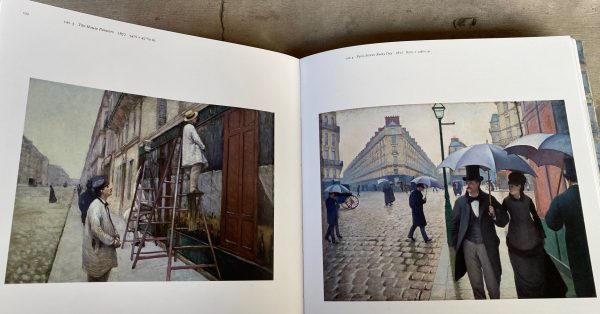
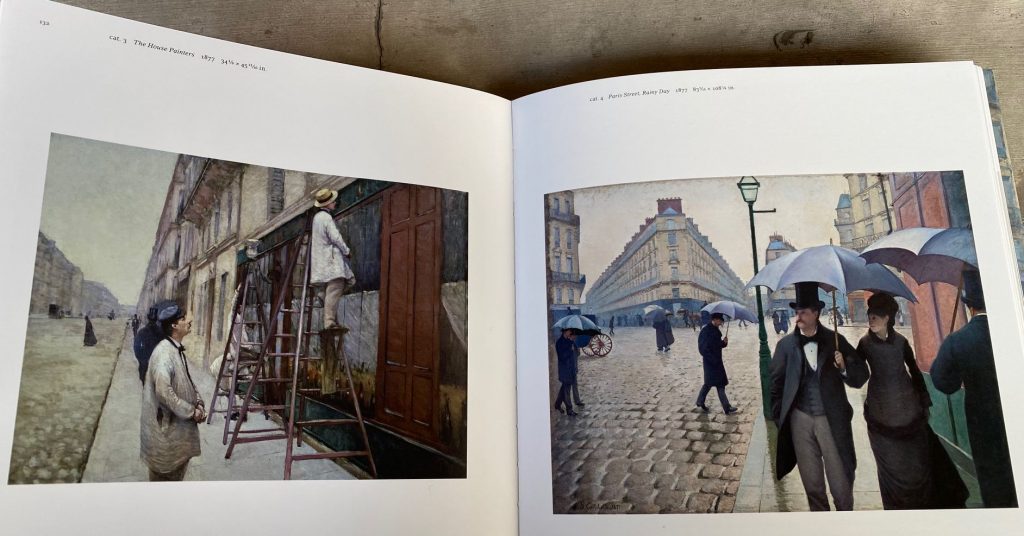
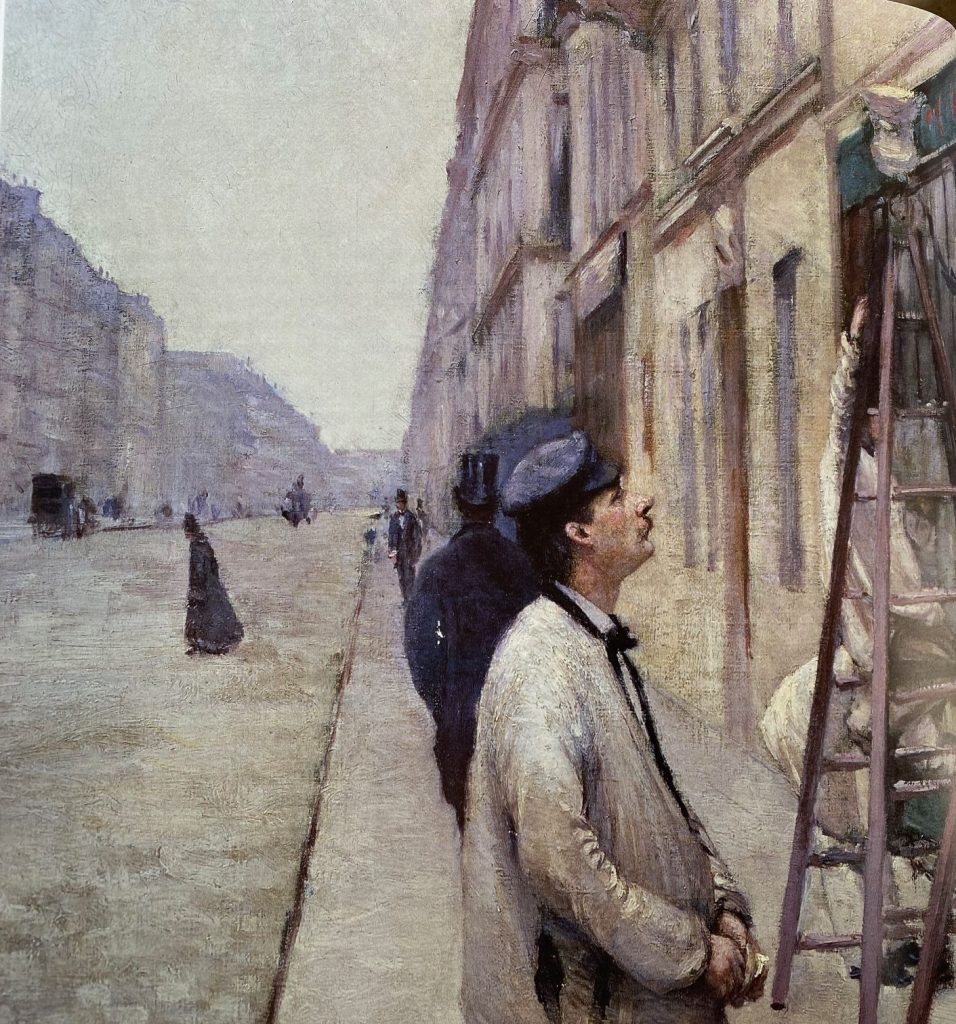
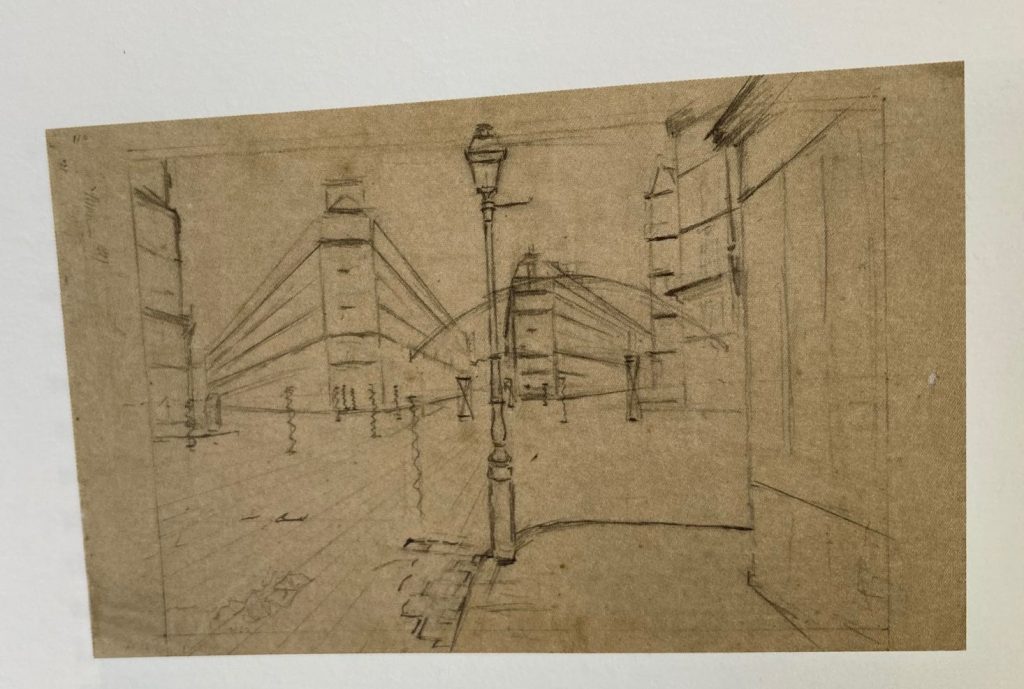
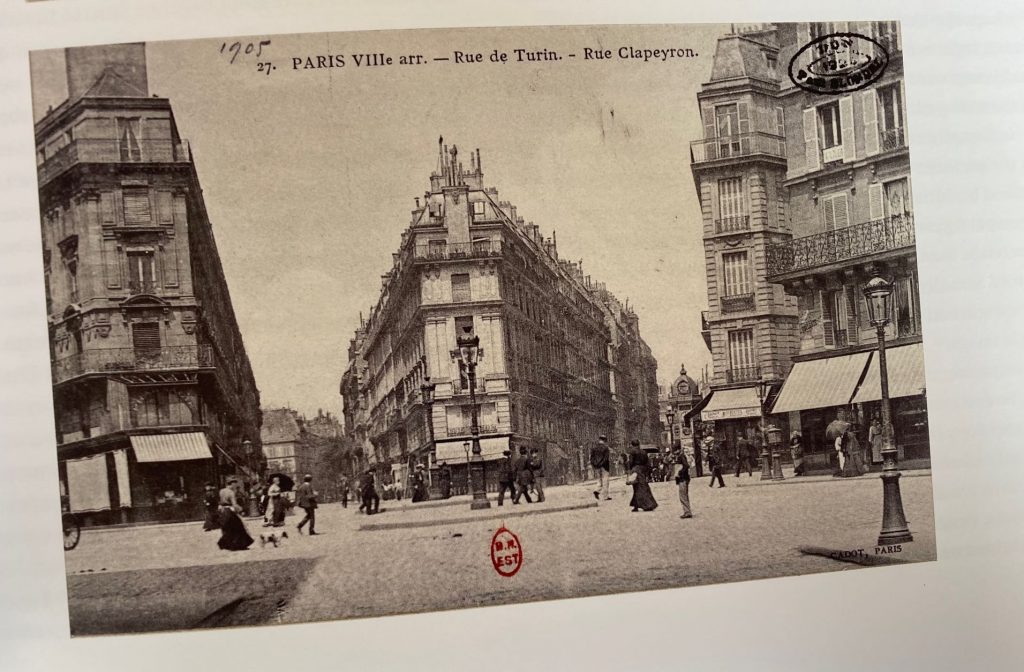
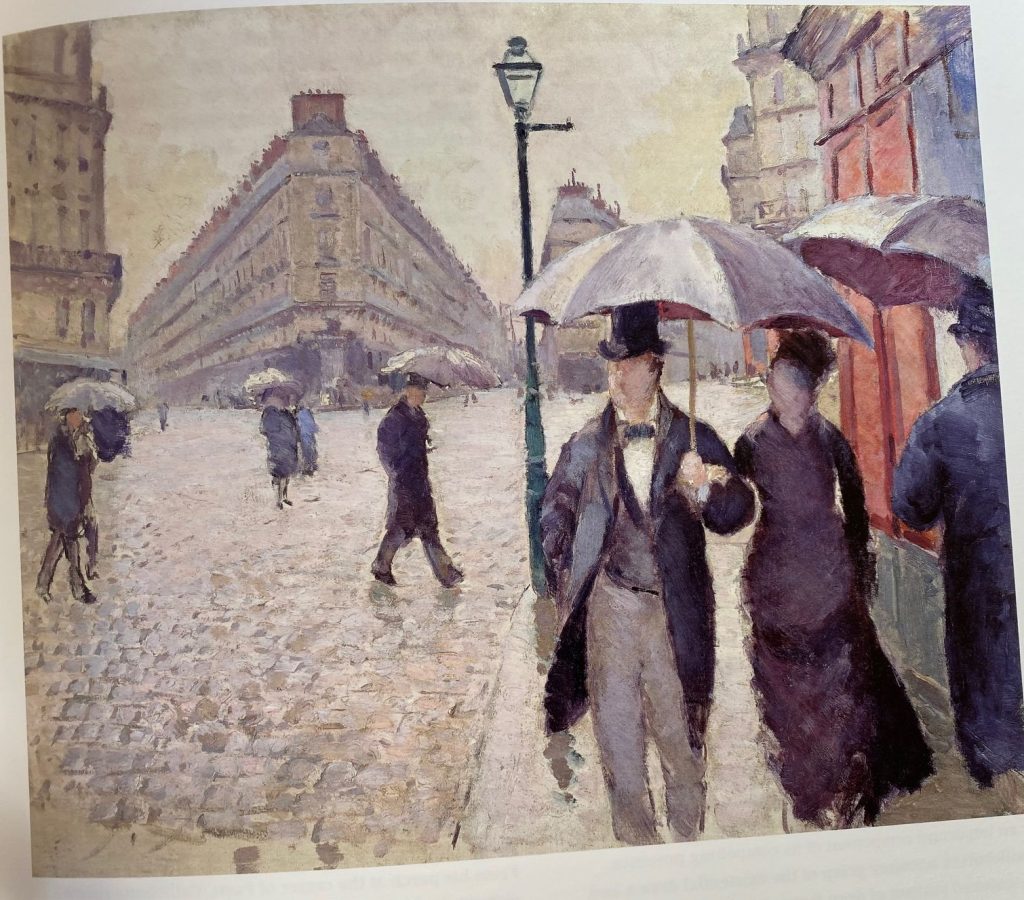
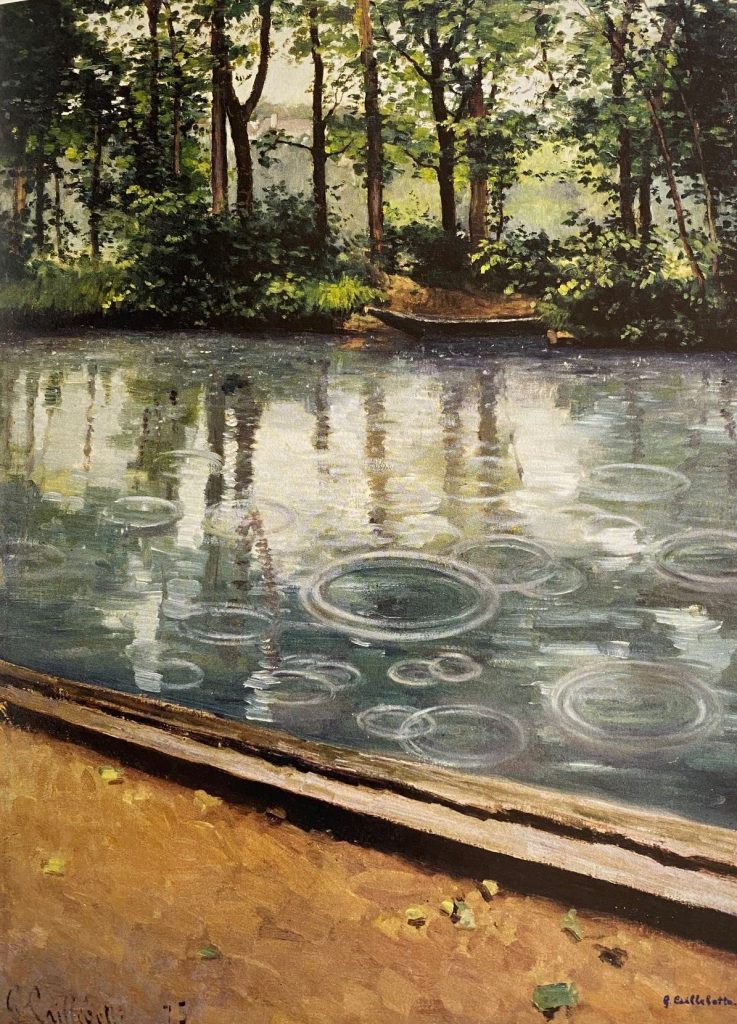
Gustave Caillebotte has done it again. Son of a great beneficiary of war efforts himself. He started with support from his father’s fortune on a painting career. Soon after his father’s death, he joined the group of “alternative artists”, later called the impressionists in France. On the 1.2.2023 the Musée d’Orsay acquired a key painting of Caillebotte for 43 Million € with the help of a donation by LVMH. Where does the hype come from? A catalogue of the exhibition of the painter “Gustave Caillebotte, The painter’s eye” from the National Gallery of Art in Washington from 2015 established Caillebotte again as a key person of the impressionist movement. Rich in diversity of motifs, the painter and supporter of the impressionists (Philantropist) has foreseen the challenge photography could bring to painting. The painter’s eye is well explained by Michael Marrinan (pp.22) in the catalogue. In fact, the spatial depth of the views of the streets of Paris is a precursor to many photographers and movies of several decades later. Caillebotte’s images of Paris depict well the mixed feelings about a daunting city size and the isolation of people captured in their own little inner circles with little communication despite or because of the noisy surroundings. Misty atmospheres allow to focus on impressions. Almost meditative walking in the city is his modern topic. Reflecting on painting as profession versus painting as artist is somehow an impressionist’s sociology of professions. Gustave Caillebotte did not have to paint for money and he was aware of social class differences as son of a factory owner. It did not spoil his artistic view with social facts, but rather tried to reveal the intrinsic beauty not only of landscapes, but ordinary working people. Other impressionists painted beautiful ballerinas, Caillebotte painted workers and sometimes more challenging parts of Paris in his early years. With climate change near Caillebotte’s home in full swing, we shall “adore” the rainy days in Paris even more. And in the countryside, too. The painter’s eye reveals a visionary view of the modern and post-modern world.

Flotow Stradella

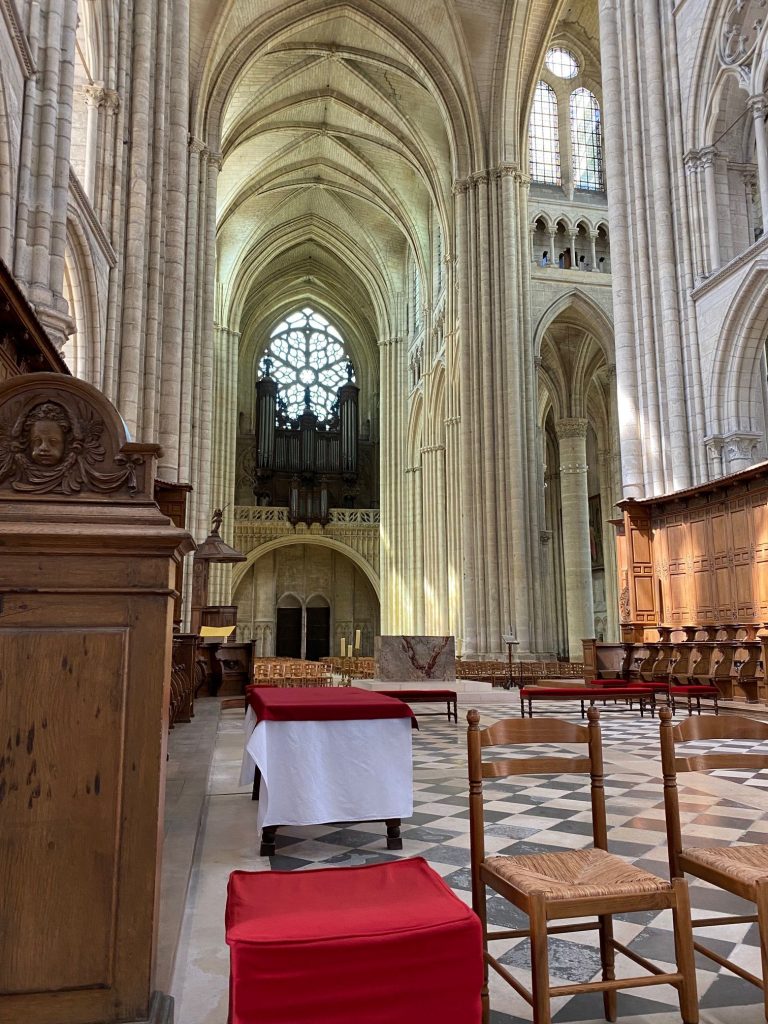
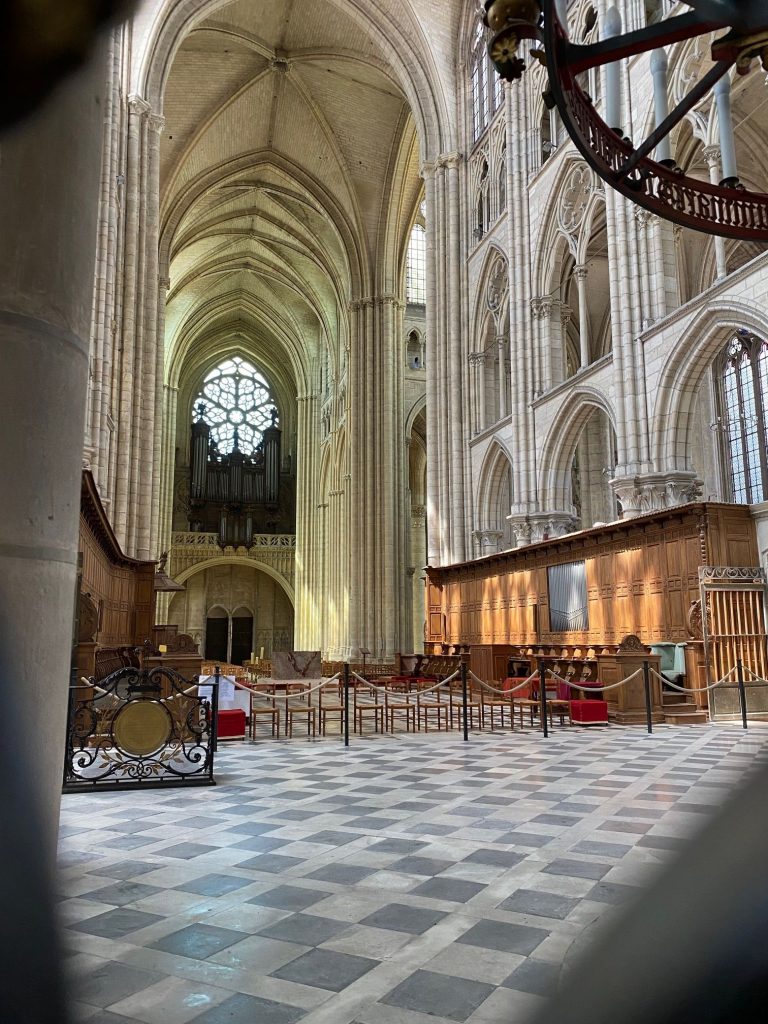
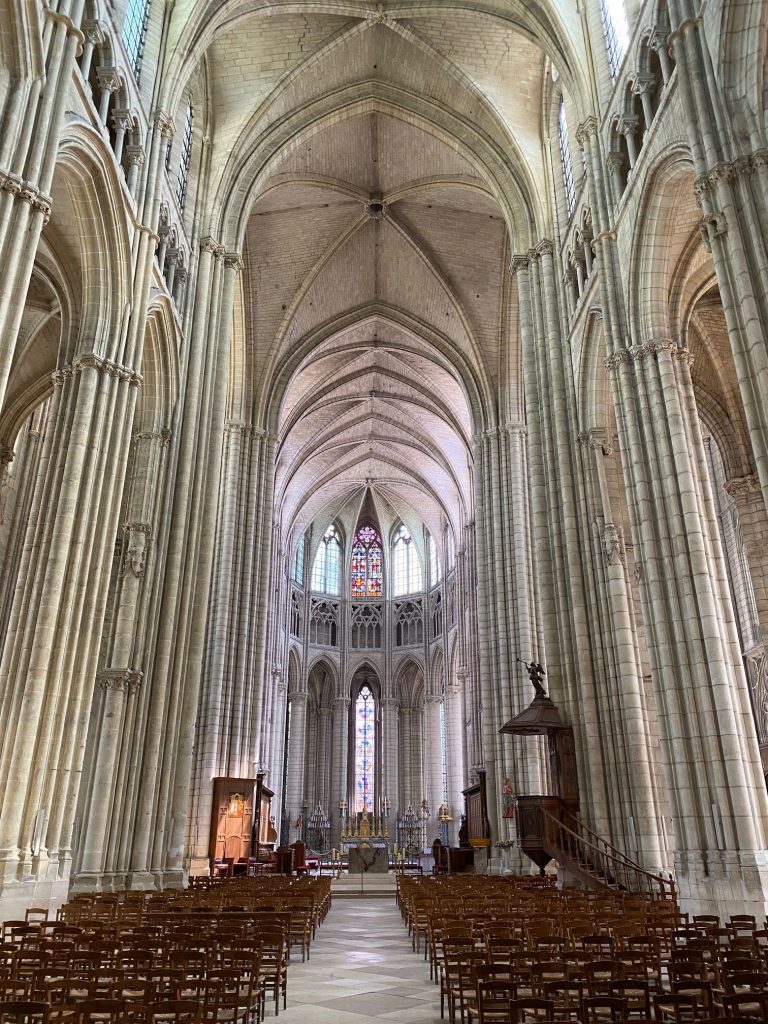
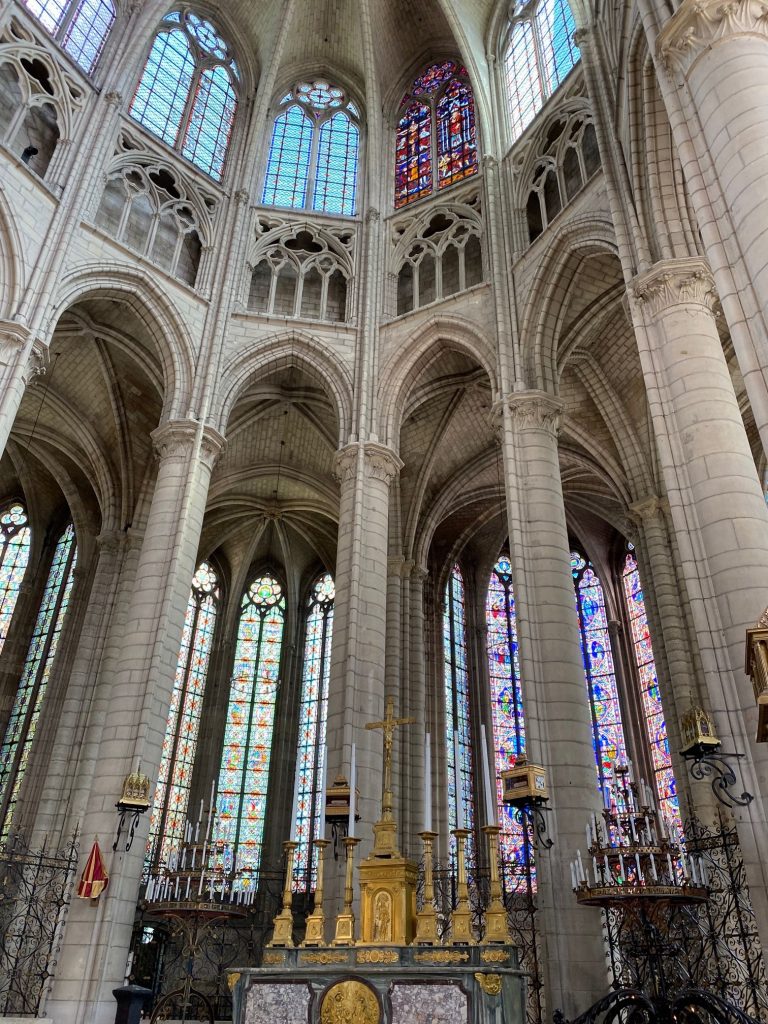
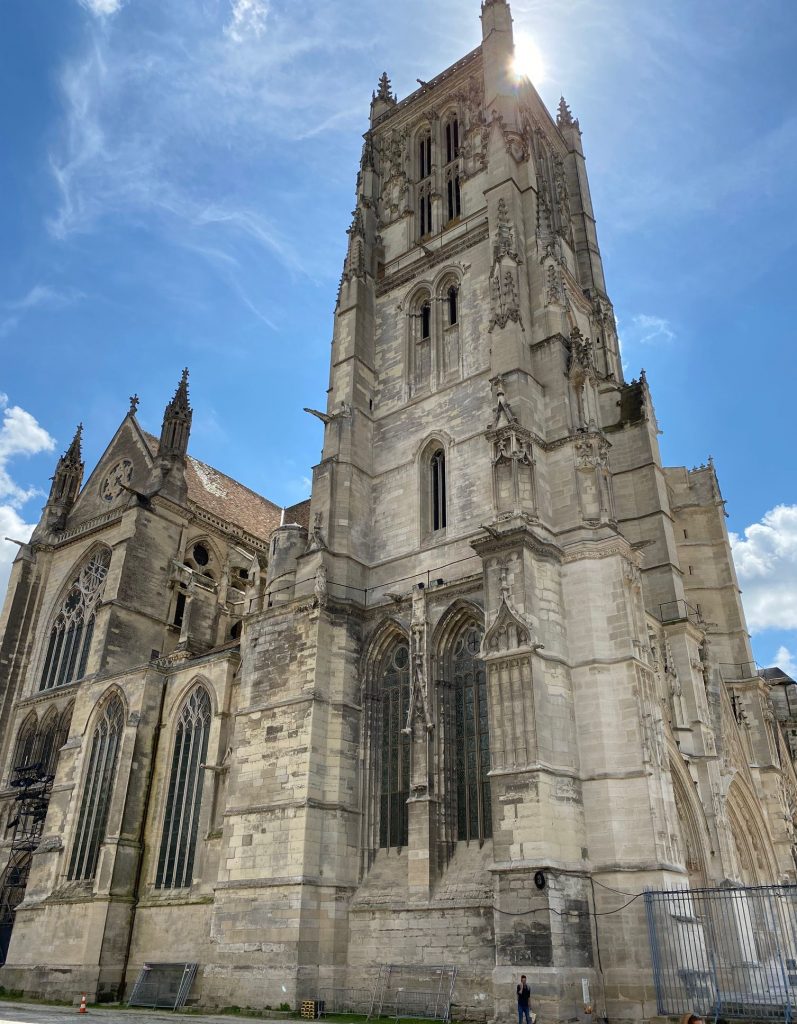
Die Oper Stradella von Flotow wurde in 2006 eingehend besprochen. Sarah Hibbert hat ein immer wieder aktuelles Thema: Wie sollten vorherige Stilepochen in der Aufführungspraxis und der Komposition behandelt werden? Die Legende über den Sänger Stradella, der einem Fürsten die Braut ausgespannt hat und deswegen ermordet werden sollte, bietet einen interessanten (sex and crime) Plot. Wegen der Gesangskunst des Verführers, wollten die bestellten .Auftragsmörder den bezaubernden Sänger nicht töten.  Tatort ist der Auftritt der Sängers in einer Kathedrale. Fritz von Flotow und Louis Niedermeyer haben beide fast zeitgleich eine Version des Librettos vertont. Es stellt sich nun die Frage, wie denn am besten der historische Stoff aus dem 17-ten Jahrhundert darzubieten ist. Beide Komponisten komponierten im Stil der romantischen Oper des 19-ten Jahrhunderts. Flotow wählt eine stärker historisierende Variante der mittelalterlichen Musik der Stradella-themen in seiner Oper. Die Klangfarben der mittelalterlichen Kirchenmusik passen aber nur schwerlich zu den Erwartungen des zeitgenössischen (1830er) Opernpublikums. Daraus resultiert,en eine spannende kompositorische Aufgabe und entsprechende Herausforderung für die Aufführung des Werks. Darüber hinaus müssen noch Unterschiede zwischen der ersten mehr populären Form der Oper für Paris (Vaudeville) und der später in Hamburg uraufgeführten Version der Flotowschen Stradella Fassung beachtet werden. Historisierung mit Anlehnungen an Gesänge von Palestrina sind nicht der Geschmack eines jeden im Publikum und der Kritiker. Grund genug, in die Opern mal wieder reinzuhören.  Den Tenor, die Arie “Jungfrau Maria” singend, hätte ich wahrscheinlich auch nicht als Auftragsmörder töten können. Rolando Villazón ist darin recht überzeugend.
Quelle: Hibbert, S. 2006. Murder in the Cathedral. Stradella, Musical Power and Performing the Past in 1830s Paris. Music & Letters Vol 87 Nr. 4. doi:10.1093/ml/gcl081 (Photos, KS Kathedrale in Meaux, F).

White

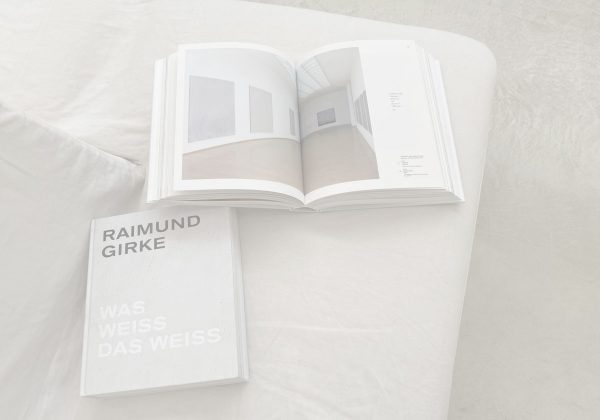
White is white, we may say, just like in the song of the mid 1980s “Live is life”. Raimund Girke focused his paintings around the notion of white. White is pure energy he writes on his webpage summarising somehow his activity between 1986 and 1999 before he turned 70 years old. The energy of white can be experienced at the gallery and arts centre of Alex Vervoordt near Antwerp. Set in abundant white and otherwise empty space the paintings of white reflect Girke’s idea that white is rest and movement. The developmental process of white in the work of Raimund Girke reflects for me a conceptual proximity to the artists’ group of “zero”. Light and shadows are parts of the same coin. White is the sum of all colours, not only in the physical definition of it. Hence, white can serve as reflection of space and transposition of movement.
The experience in the gallery of Vervoordt allows to come to grips with our own perception of white. It needs a huge white space around the paintings to get into the mood of, maybe, purity. It is by putting colours together that white comes into existence in the spectators view. In seeing white, we see many additions of other colours. That creates the impression of energy. Up to you to test it, maybe, virtually live.