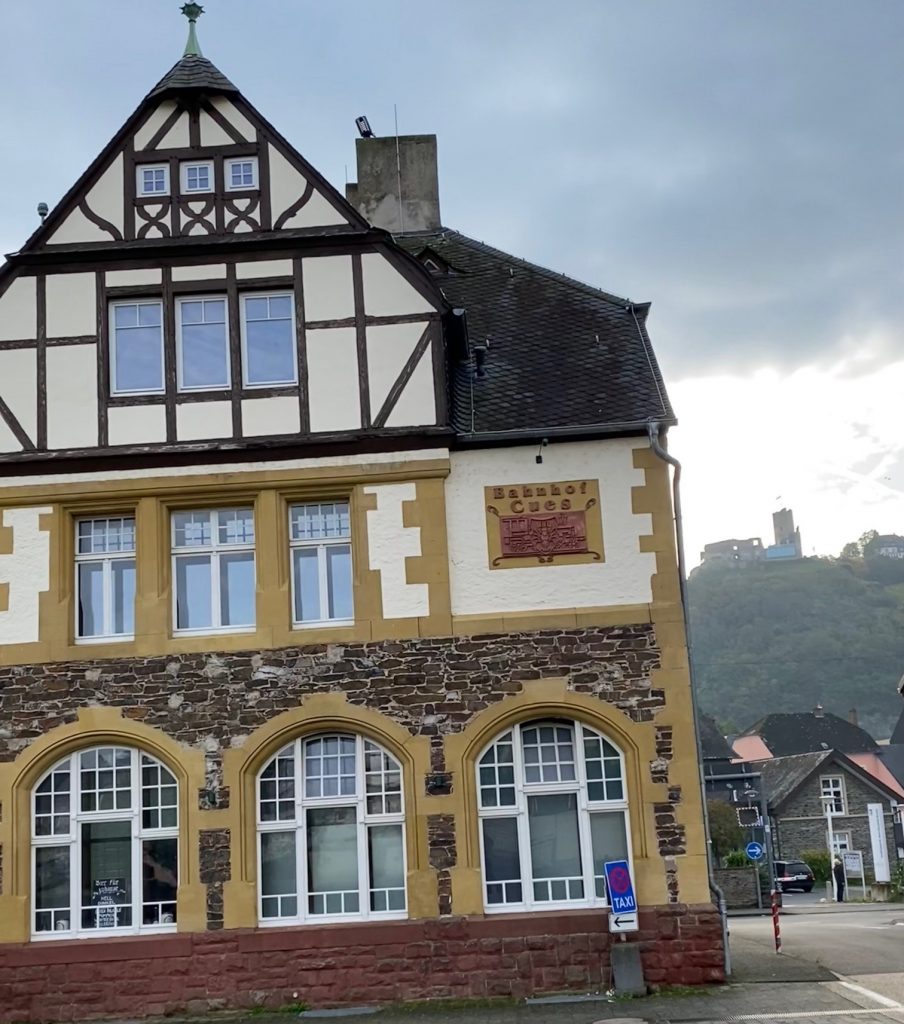
Repair Building

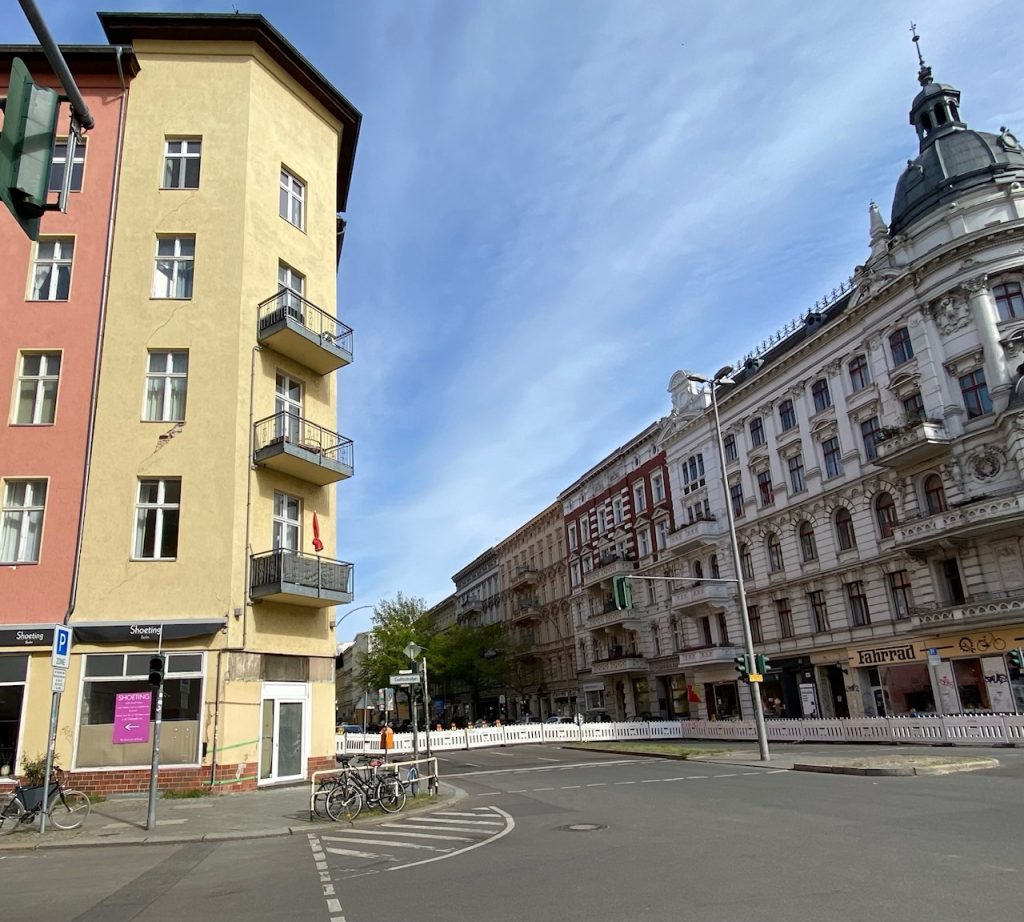
All buildings need repairs from time to time. For most of them the basic structure is solid enough so that isolation or maintenance will do. However, 100 years old buildings that have lived through 2 wars might have deep rooted deficiencies that are not visible at first glance. This can be observed in Berlin near the city center in a popular neighborhood with many visitors in „Schöneberg“ sometimes translated as „pretty hill“. The building at the crossroads seems to have been renovated only a few years ago, but the static of the building is so unstable that the city council has decided to block the whole crossing for circulation due to the danger of an imminent collapse of the building. The neighborhood has mixed feelings. It is great that the danger has been identified in time and blocking the road reduces the nuisance of traffic in the surroundings full of restaurants and cafes. The cover up of the repairs and renovation at the building is shocking as there appears to be just paint over basic structural faults. Construction work has failed to detect and prevent the static risks. An inspectorate that acts promptly to avoid bigger disasters is a societal asset.
Architecture Berlin

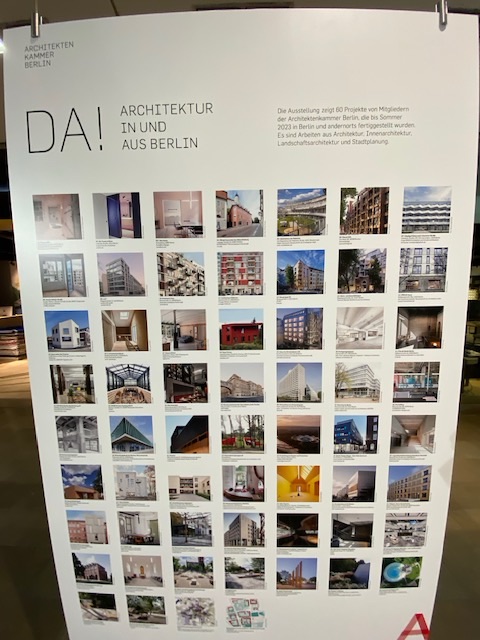
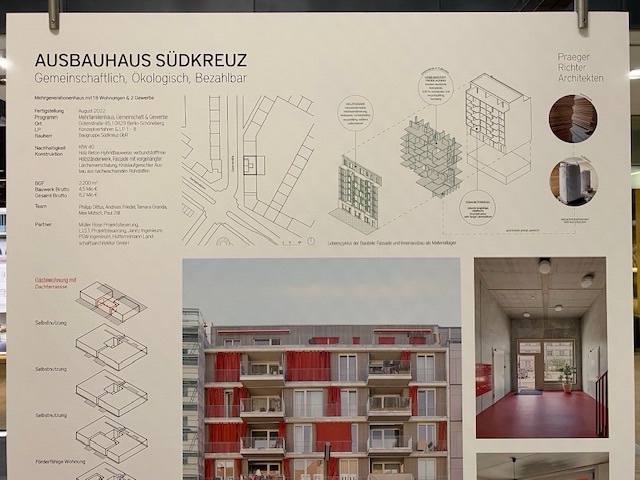
The annual exhibition of completed architecture projects in Berlin attracts people beyond the narrow circles of architects. You may take a walk through Berlin to view the actual realizations in 3D or 4D with people living, working or moving in these buildings. As social scientists we like talking or interviewing these people about their experiences. Urban planning and participation in urban development is important for city development in a democratic fashion. The combination of social, ecological, economic and technological concerns find compromises in urban renewal. The range of activities is remarkable. Living spaces have the most entries in the exhibition followed by offices and trade spaces. Education as well as public open spaces raise a lot of interest and funding currently. Climate change and adaptation to limited ecological resources ask for innovative solutions as well. Most projects in Berlin or by Berlin based architects deliver in this respect. The socio-ecological change needs a lot of actors to implement such changes and meet unprecedented challenges. The 60 projects represented for 2023 are the top of the iceberg but a lot remains to be accomplished in repairing old buildings and infrastructure as well. The DA! exhibition provides a democratic transparency of projects, which allows the public to learn about innovation and to make more informed judgments about what architecture can deliver for society.

DA! Exhibition Berlin 2024

Paris 1830s

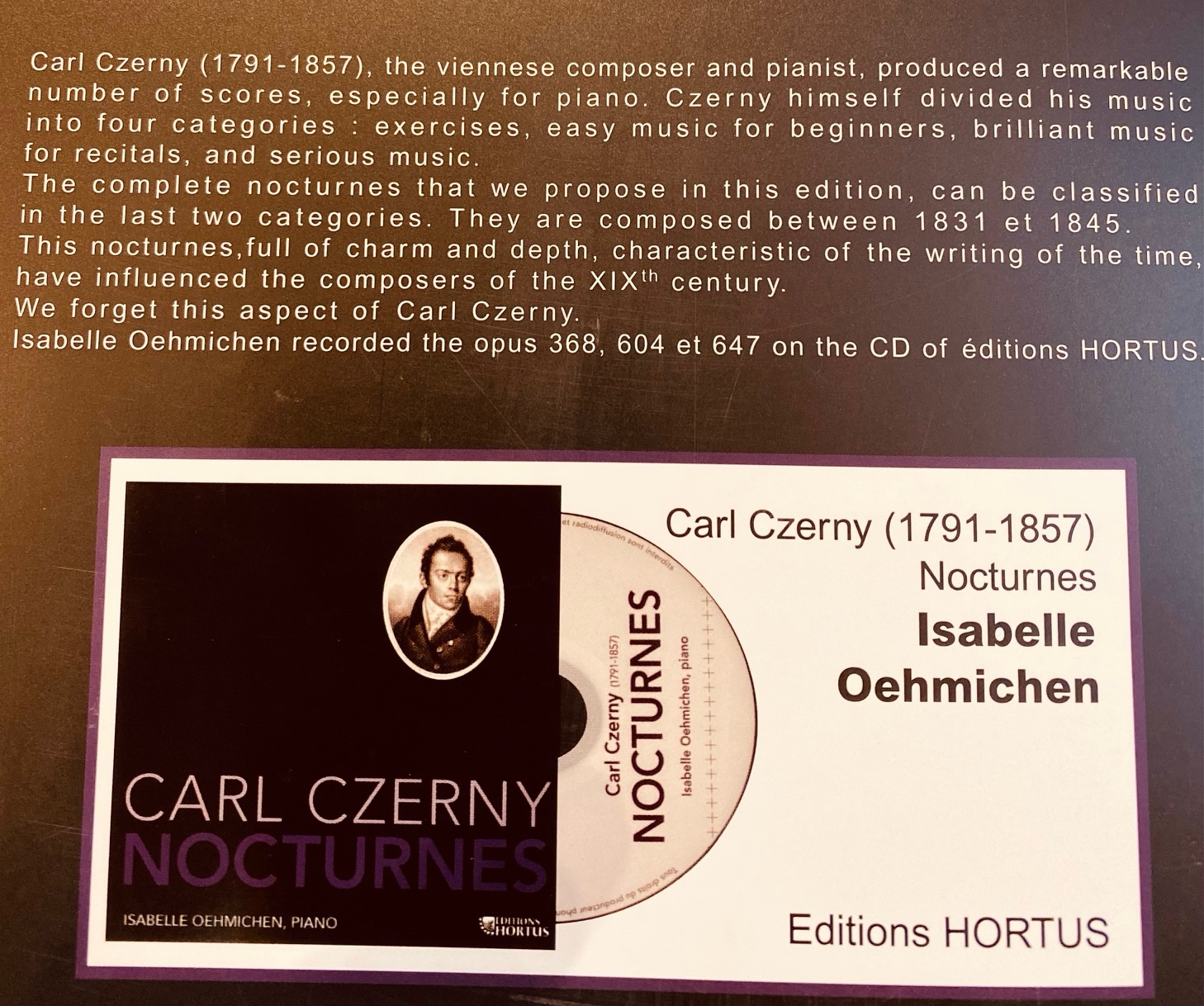
The music life in Paris in the early 19th century, almost 200 years before now, was incredibly rich. In 1828 the young Flotow arrived in Paris to receive lessons. The pianists Liszt, Chopin, Fields and Czerny passed or lived for longer times in Paris. The innovation in this period of romantic music and operas saw also a fierce competition among those talents. It was no easy task to find your niche to thrive in composition or in both performing and composing.
The 1830s had a rich urban bourgeoisie, which animated and indulged in festive events of live music and social life. Friendships of Chopin and Sand are a testimony for this. Similarly, the young Flotow and Offenbach paired to find their place in the Paris music salons and society of that time. The biography of John Field, written by Patrick Piggott (1973, p.73-81) supports this density of musical experience. The period is also characterized by the fast industrialization and the rise of the global trade. The musical life found refuge in the romantic period and more and more artistic performances by musicians. Theatres, opera houses, concert halls and private salons were meeting points of the upper social class which practices networking in rather closed circles with rather rigid routines and admission at the time.
In architecture the Operas became meeting points and a matter of national pride with National Operas contributing even to national identities. The opulent “Palais Garnier” in Paris was started in 1861 to become an iconic place in the new Paris with the huge boulevards à la Haussmann. The wealthy citizens cultivated a new lifestyle of a networked upper class that had the leisure to participate in the masses of modernity. Cultural events of all kinds filled newspapers and specialized editions. There were inner and outer circles of influence in the economic, military, political and cultural spheres.
Recommendation letters were a real currency for entry in each of these circles. Some of these social practices, have still a lot of currency even in 2024. In short, in the 1830s Paris was the place to be. Compositions of that time still fill concert halls today and their music is abundant on the new music platforms and streaming as well.

Modernism

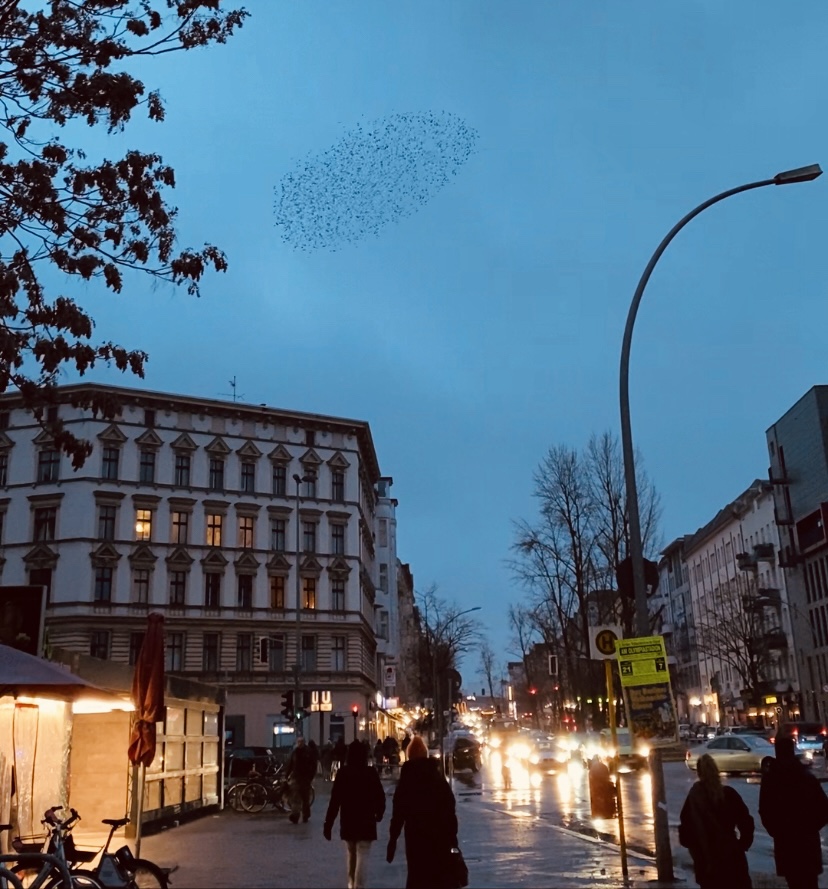
More and more people move into cities. A modern way of living is more accessible there. Besides abundant car traffic public services of transportation like buses and underground are within easy walking distance. Culture, science and education offer attractive opportunities for learning, working and leisure. Diversity is an additional asset most people appreciate of cities. The chances to live your very own way of life are much easier to achieve and thrive in as in remote or rural communities. “Birds of the same feather flock together “. It is easy to find likeminded people among a million people than among a hundred particularly if you’re a bit off the mainstream or avantgarde. The excitement of birds passing the city can reach the emotional force of Hitchcock’s famous movie “The birds”. Even in the modern world we not quite sure what these creatures are up to. Is it a swarm of drones? Are they out of control? Modernism has brought us many amenities, we have to make sure that we really are still in control.

Berlin Kleistpark 2024-1

Clearing Rubbish

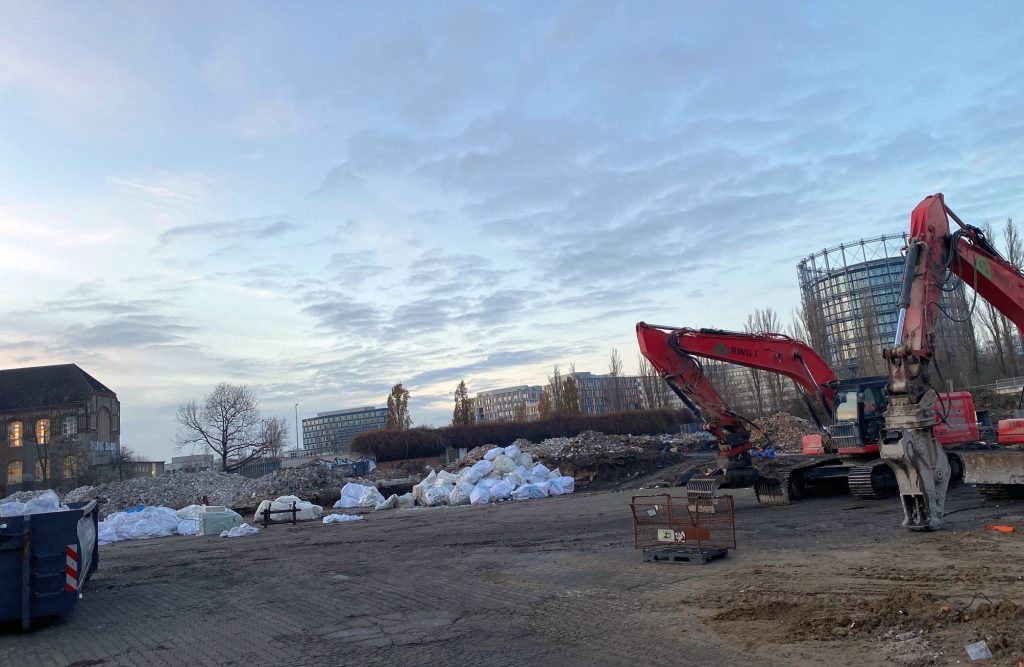
Just next to the Circular Line “Ringbahn” and the Gasometer in Berlin there is yet another huge area in preparation for further construction. The “Berlin Südkreuz” train station connects by ICE directly to Leipzig, Nurnberg and Munich. New company headquarters have been built in the direct neighbourhood and several housing blocks. Clearing more areas that mainly stocked rubbish like broken cars over years had to move out and thousands of people will be able to find new homes soon. Demand for such projects is still high, although the financing with high interest rates has become a challenge for private persons. Interesting building concepts have been realized in the district of Berlin with some focus on social and inclusive housing in a broad sense. A process of gentrification is also observable, whereby the higher rent in the district pushes out people and families that no longer can afford the increases, most of them even above inflation rates in the past few years.
The urban planning advances in large strides. With the almost finished Gasometer the vision from the visitors’ platform on the top will soon allow to observe the next construction site. Clearing rubbish is already a good step ahead. Getting rid of the pollution and contaminated ground will take some time as well.
In the East of Germany, the sun rises early and so do construction workers. We expect to continue to be early birds in this area. Maybe we can have a few additional trees, schools and a kindergarden as well for the newcomers. The whole local infrastructure will be put to yet another test. You have to like change and embrace the continuing challenge of becoming more densely populated in Berlin. It is a social lab right in our neighbourhood. The “Rote Insel” is clearing out its rubbish, the number of buggies with babies is rising fast now.

Technik Museum

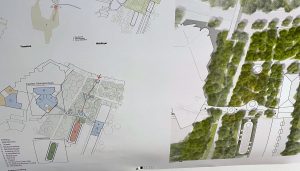
Wir müssen die preisgekrönten Bauprojekte von Berlin nicht alle mögen. Die „schwangere Auster“ (Haus der Kulturen der Welt) war anfangs auch nicht beliebt, aber trotz Einsturz, haben wir sie lieben gelernt. Neben die Neue Nationalgalerie geplant von Mies van der Rohe und der Berliner Philharmonie von Hans Scharoun reiht sich bald die sogenannte „Scheune“. Ja ,eine multifunktionelle Verbindung der Museen ist im Bau. Nicht viel weiter werden wir vielleicht schon bald wieder eine kleine Erinnerung an die Berliner Mauer bestaunen können. Unweit vom Kulturforum stehen einige unverbundene Solitäre, die zusammen das Deutsche Technik Museum formen. Das ist bisher nur wenigen Touristen im Vorbeifahren auf der Ost-West-Achse in Berlin aufgefallen. Daher braucht es jetzt eine „instagram-able“, gemeinsame und verbindende Häuserfront, vielleicht so etwas wie die Pyramide (Pei-Bau) mitten im Louvre.
Die Einreichungen zum ausgeschriebene Realisierungswettbewerb (Link zu pdf-file) mit ziemlich konkreten (technischen) Vorgaben können noch in 2023-12 in einer kleinen Ausstellung eingesehen werden. Das gab es auch vorher schon anlässlich des Wettbewerbs für die Scheune. Wir hatten also keine großen Erwartungen, aber es hätte doch dieses Mal anders kommen können.
Der Blick auf die Pläne, Modelle und beschreibenden Texte hätte durchaus mit etwas Mut der Jury anders ausfallen können. So werden wir wohl mit dem 1. Preis des Realisierungsvorschlags leben lernen müssen. Mit etwas Abstand als virtueller Besucher im Modell kam mir direkt die Assoziation ich stehe vor einer Mauer. Diese ist aber im 21. Jahrhundert aus Holz und mit Solarzellen bestückt. Die „Deutschen Baumeister & Architekten“ erlauben auf ihrem Blog eine Vogelperspektive auf den prämierten Vorschlag. Die Pressemeldung der www.bim-berlin.de erläutert umfänglicher die Ausschreibung und die Begründung der Jury (Link).
Neben den 3 Preisen wurde noch 2 Anerkennungen mit Preisgeld ausgesprochen. Die Nr. 1110 imaginierte eine naturbetonte Umsetzung, die die Technik visuell in den Hintergrund verschiebt. Sie setzt einen wichtigen Kontrapunkt zur Technikverliebtheit in den Nachbargebäuden. Worum geht es bei der Technik? Richtig, letztlich um den Menschen und seine Lebenswelten. „Bionik“ beispielsweise ist Technik, die die Natur zu Rate gezogen hat. Das ist in der Forschung und Entwicklung von Technik ein riesengroßes Thema. Aber wir können dafür doch wieder ein eigenes Museum bauen. Bisweilen können wir und alte Computer und Telefone im Technik Museum ansehen. Klar Autos gibt es auch. Die Spannung Natur und Technik wird uns sicherlich noch einige Generationen lang beschäftigen.
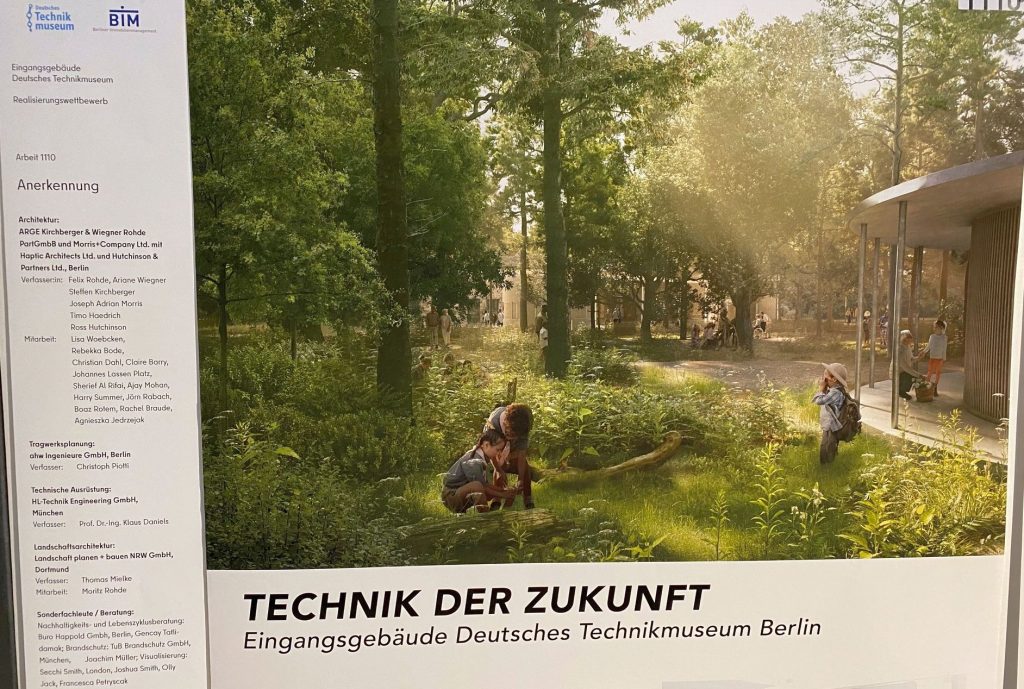
(Image: Auszug aus Unterlage und Würdigung des Anerkennungspreises BIM, 2023)

Mobility Concept

Berlin has an exceptional chance to rethink mobility in the city as new modes of transport arise. Just as the bicycle paths have been expanded over the last decade there more options to reach your destination. For the vast majority of moves in the city the “decision tree” has grown new branches. We start to change habits to consider (1) walking (2) bicycle (3) roller (4) public transport and (5) cars (electric and sharing or still owned). Multi-modality (Jelbi) in Berlin figures out the best combination for you getting from A to B. Other hybrid forms of transport start their entry in the big cities.
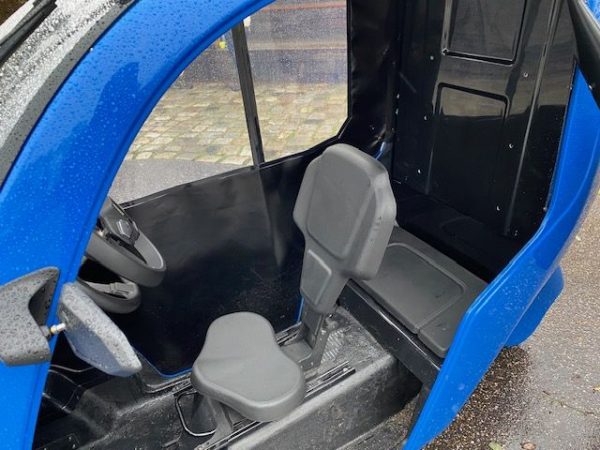
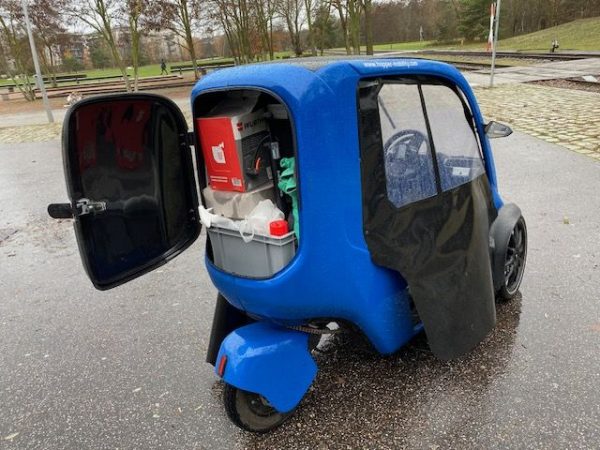
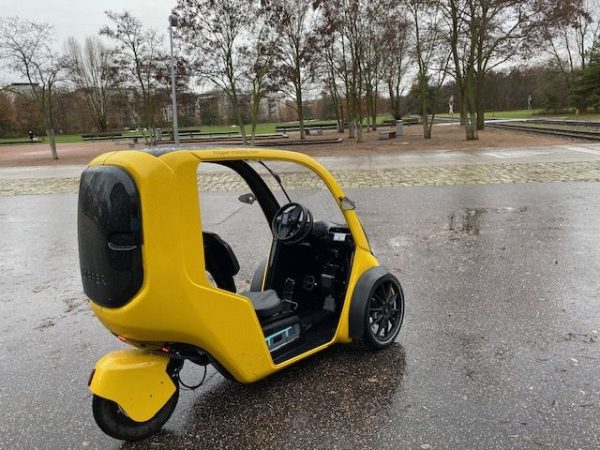
The last hybrid form that soon will claim an entry into the Deutsches Technikmuseum in Berlin is the hybrid version between a bicycle and a car. The Hopper has a permission as a bicycle. It is allowed to use bicycle tracks and therefore has an advantage on the “last mile”. At the same time, it feels more like sitting in a car and a 2nd person behind you, 2 children and/or luggage or shopping bags. These hybrid forms manage to combine advantages of both original modes of transport. You may feel more safe, dry and visible on the roads like in a car, but you are not travelling at more than 25km/h. Cyclist might not be to keen to have a big competitor on their limited cycle space.
Legally the Hopper would need to take the cycle path even if the road would be empty, but there are many cyclists on the cycle path. This is a good reminder of the societal and legal issues involved in new technological solutions. Acceptability of another competitor for space in the city has to be earned. Legality has to be tested and laws interpreted, whether the hybrid form falls in one or the other pre-existing category. Otherwise, the legislator has to establish a new category altogether, but this is the very lengthy procedure. Two bicycle wheels in front and one motorbike-like wheel in the back make 2/3 bicycle and 1/3 moped.
With a stronger electric support, the bicycle becomes a pedelec and can go faster, has to use roads and is insurable against accidents. The options grow. We are likely to witness more innovation and options in the world of mobility. The proof of concept has been achieved. Finding a market for the hybrid mode of transport is another challenge. Competition and lobbying are fierce in this world of mobility as well.

City Museums

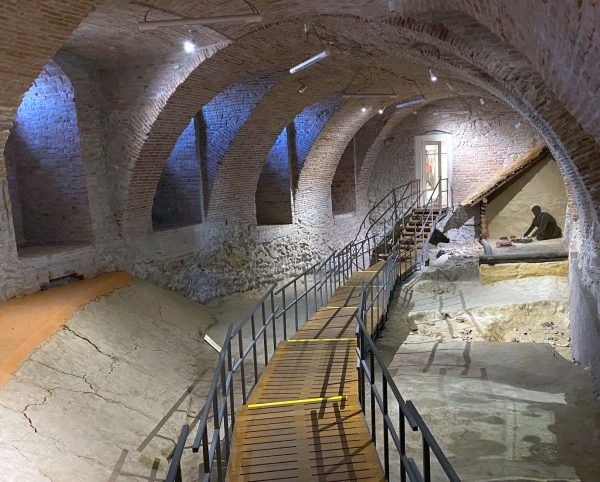
Some city museums have a difficult time to present the richness of their historical heritage. Additionally, the question of city heritage maybe entangled with a process of nation building and citizenship altogether. The focus I advocate is on the evolution of democracy and the process of civilisation. The Zagreb City Museum on the top of the hill comes pretty close to such a perspective on history or historical perspective. Due to the recent efforts to excavate remains of the iron age underneath the more recent City Museum the historical line of Zagreb civilisation can be traced back even longer. The tumuli are worth a whole new section in the Museum. The process of civilisation with “burying cultures” are more than 2600-3000 years old in Zagreb. Democratisation as a process can also be studied with all its ups and downs over the history of the city and the Croation nation building. Capitals and city live play an important driving force in this process. Zagreb has experienced a bombing of the city centre as recently as 1991 (Banski Dvora) and again in 1995 (city of Zagreb) in the Croatian war of independence.
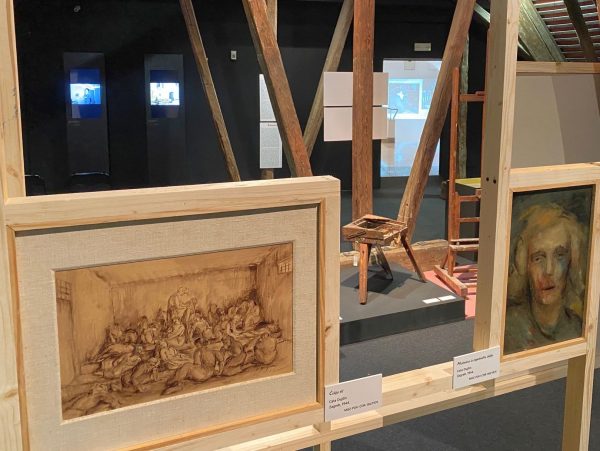
It is a real pleasure to walk through centuries of historical evolution beginning with the recent excavation of the iron age as well as the arts and crafts since the medieval times. Even passing the horrors of the 2nd world war through the eyes of the author and painter Cata Dujsin (image below from 1944) speak to us even today.
There is no linear process of civilisation which is improving over time. There have always been backlashes and there will be. It is even more important to be aware of the continuous risks to independence and democracy. The current setup of the Zagreb City Museum seems to focus on the Croatian population to remind them of their great heritage. With more English and foreign language subtitles and inscriptions the example of civilisation and democracy will be more accessible for even larger crowds of visitors. The online visit accessible in English is already an excellent appetiser.
The City Museum is moving from the internal Croatian function more and more to additional external function to offer learning experiences beyond the Croatian visitors in this tourist attraction that is internationalising in its work force at a rapid rate.

Urban Living

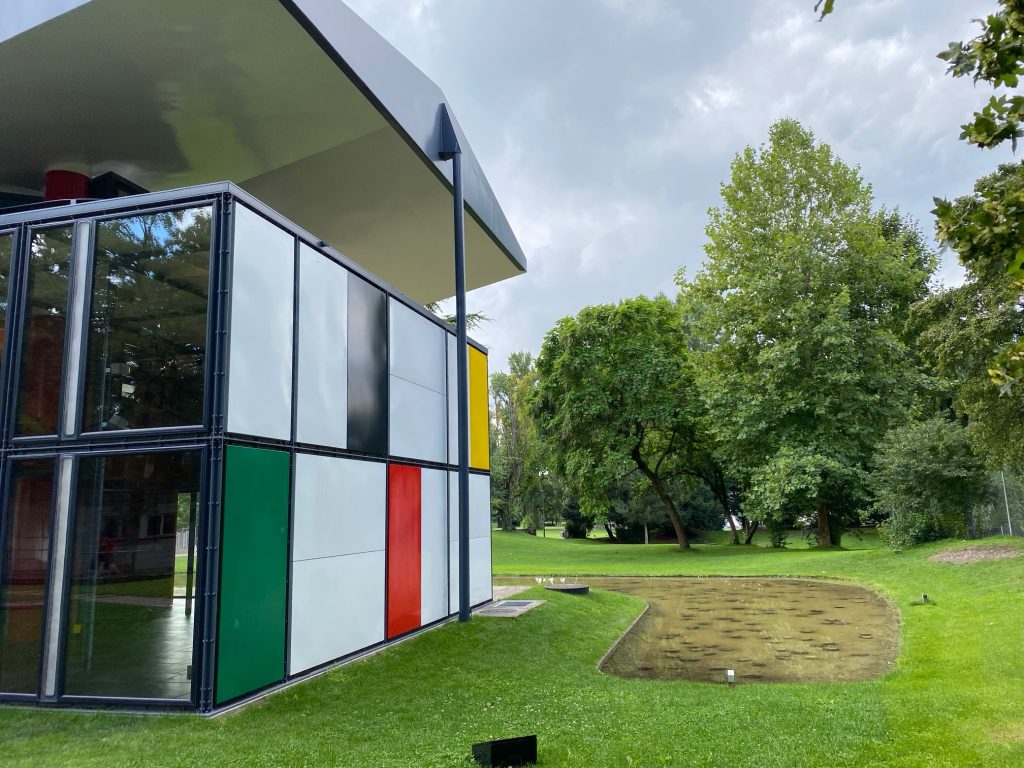
Each time I pass by the closed airport in the middle of Berlin I am amazed by the crazy idea to have built this and maintained throughout the 20th century. Paris is desperately trying to re-naturalize small areas and roads, while in Berlin there is now still the huge park to enjoy for all. Sports activities benefit the most. What an amazing asset in the neighborhoods for so many in need to walk, run or cycle a bit to keep their exercise level up throughout their life course. It has still a huge potential to activate people. It just needs a bit more organizations and volunteers to embrace the opportunities. Only in comparison to other cities you realize what an asset this is now. It will remain a challenge to preserve this centrally located treasure for the benefit of all. In Paris the deconstruction of concrete is taking shape and 300 new sites have been identified for re-naturalization, as reported in LeMonde. In Zurich green spaces in the center have been saved and renovated with a lot of money to allow more people to enjoy the benefits of a green environment near the city center. The house and park by architect Le Corbusier is a fine example of this. Image below. The garden around the house is publicly accessible. As air pollution is threatening more and more and heating in cities is a serious health threat we would really like to welcome more preservation and re-naturalization in inner cities.

Le Corbusier house Zurich 2023

Deutschlandticket

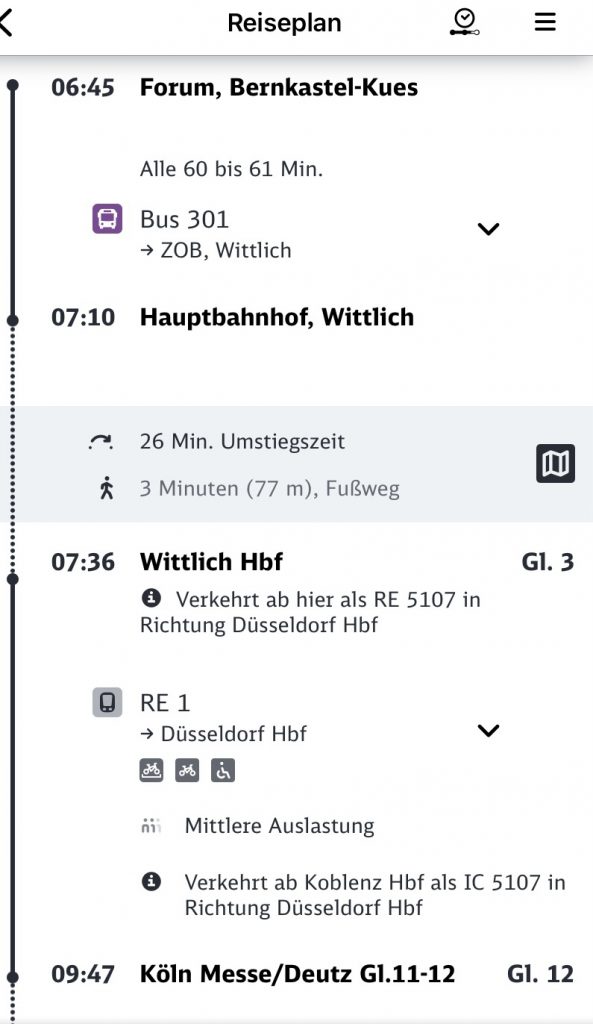
Das Deutschlandticket erfreut sich recht großer Beliebtheit. Nahverkehr mit öffentlichen Verkehrsmitteln ist angenehmer als ständig irgendwo, im Stau zu stehen. Die Nutzung für größere Entfernungen bringt einige unliebsame Überraschungen mit sich. Einige Regionalzüge transformieren sich im Kleingedruckten zu IC-Zügen, bei denen die Deutschlandticketfans dann aufgefordert werden, den Zug zu verlassen. Regionalbusse versuchen ebenfalls oft mit zweifelhaften Methoden, extra nochmals abzukassieren. Es ergibt sich daher gesicherte Eindruck, dass für die Bundesbahn das Deutschlandticket eine ziemlich lästige Überforderung darstellt. Bei den Reisenden, die gerade auf die Bahn umgestiegen sind macht sich das Gefühl breit plötzlich zu einer Gruppe von Personen zu gehören die ständige Mobbingerfahrung macht. So machen wir völlig neue Erfahrungen. Das überlastete Personal, das ebenfalls genervt ist von den Planänderungen durch Baustellen, gibt den Frust an die Kundschaft weiter. So wird die Verkehrswende nicht gelingen. Umdeklarieren von Zügen heißt in der Region eigentlich Etikettenschwindel, der Verbraucher kann ja auf das Kleingedruckte verwiesen werden. Nach 6 Monaten Deutschlandticket hätten doch schon einige solcher Hinweise zu Verbesserungen führen können. Hätte, hätte …, genau nehmen wir öfters das Fahrrad als Transportmittel. Das ist noch gesünder.

Hier fährt schon lange kein Zug mehr 🚂