Nicht nur PsychologInnen müssen über den „Priming Effekt“ Bescheid wissen. Ein vorhergehendes Wort, Bild oder eine kurze Geschichte oder eben ein Blog-eintrag können in der Erinnerung Assoziationen hervorrufen, die das Verständnis oder die Einordnung der neu hinzukommenden Information (Wort oder Bild etc. ) wesentlich beeinflussen.
Bei dem Blog-eintrag zu „Barbie“ kann das relativ einfach nachvollzogen werden. Mit einem Bezug auf die Zeit des Nationalsozialismus, über Täter und Opfer sowie Strafverfolgung und Gerichtsbarkeit als Vorgeschichte oder Vorlektüre wird bei dem Wort „Barbie“ schnell die Assoziation Klaus Barbie in Erinnerung gerufen.
Ein anderes Priming im Kontext von Geschichten zu Geschlechterrollen, Kinderspielzeug, Kleider anziehen, Schönheitsideale sowie Mode erzeugen mit dem nachfolgenden Wort „Barbie“ unmittelbar Assoziationen mit dem Konsumartikel der Barbie als weiblicher Spielfigur bei den meisten Personen. Unser Gedächtnis oder vorherige Informationen lassen uns nicht mehr unabhängig oder unvorbereitet neue Information aufnehmen. Dieser psychologische Effekt auf unsere Meinungs- und Informationsfreiheit kann rhetorisch oder strategisch zum Beispiel in Zeitungen genutzt werden. Wird Ökologie im Politikteil, Wirtschaftsteil oder dem Wissenschaftsteil einer Zeitung aufgeführt, wird bereits eine vorher bestimmte Erwartungshaltung der Lesenden erzeugt, der dann einfach entsprochen wird. Die transdisziplinäre Natur des Begriffs geht dabei schon weitestgehend verloren. Priming ist überall, das fängt wohl schon mit dem Wecker morgens an. Wie gut, dass die Snooze-Taste schon erfunden wurde. Zumindest kurz können wir uns der Illusion hingeben, noch für eine kurze Weile, dem allgegenwärtigen, alltäglichen Priming zu entkommen. 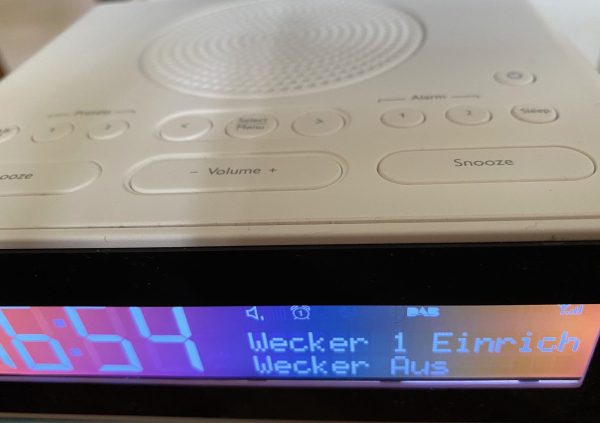
Demos
Wenn Demokratien den Demos fürchten und es vorziehen mit Verordnungen zu regieren, dann wachsen die energischen Verteidigenden der demokratischen Prozesse. Frankreich erlebt das Szenario im Ringen um Macht zwischen Exekutive, Legislative, Judikative und dem Willen des Volkes jenseits der festen Fristen von Wahlperioden. Die “Ligue des droits de l’homme” hat das gut formuliert und ruft zu Aktivitäten in mehreren Feldern auf. Aus einer sozialen Krise wird rasch eine Krise der Demokratie von größerem Ausmaß, davon ist auch Frankreich, wie viele andere europäische Staaten nicht gefeit. Demokratie ist kein “Menu à la Carte”, wo ich die Bereiche für demokratische Prozesse aussuchen kann, die mir am besten passen. Macht geht immer dann verloren, wenn sie sich nur noch auf sich selbst berufen kann. 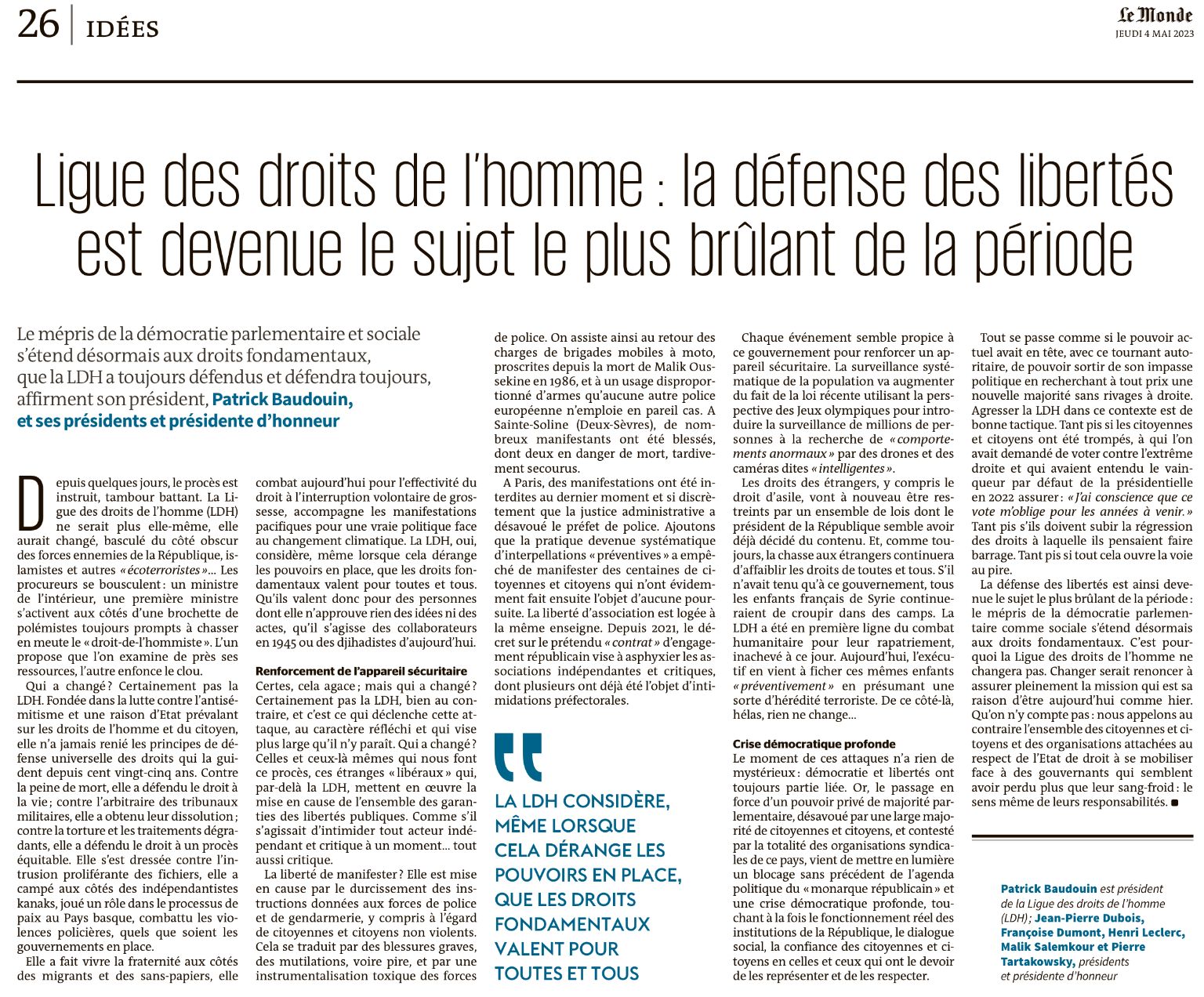
Architecture
Architecture is all around us. However, we rarely consider the build environment as “conditioning” feature of our life. Architecture is contributing extensively to our perception of “social space” (Bourdieu). Inner cities, suburbs or spacious residential areas have diverse impacts on our perception of, for example, security, modernity, health or sanitary sensations. The corona-crisis has made it clear to most people that a healthy environment is a very essential part of our perception of comfort. Here the psycho-social perception of living and/or working space enters into the co-creation of housing people. Technology is a big driver of change in housing, urban spaces and rural imagination. In order to avoid corona infections a new culture of working from home for the masses become a health-driven imperative. Payment without contact, home delivery of meals, food, books, medicine have changed the living style of many people. Too little movement for our bodies has caused another silent pandemic of obesity. Enough reasons to rethink architecture from a sociological perspective on it. This probably starts with speaking of architecture as architectures. By this we mean to think of architecture from its social origins, functions, impacts and perceptions. Great historical examples of architects have implicitly or explicitly formulated a social theory of architecture or space as the basis of their “concrete” realisations. The sociology of professions of architects and the many construction-related professions needs empirical foundation beyond the cliché of socialisation as artist versus technician. Still recent forms of participatory democracy as part of urban and rural planning as well as realisations. Participatory individual or community housing are likely to stay with us. People want to get involved in co-creating their living and working space as their social environment. Architecture as social process and specific layer of the network society will be the new mantra. It has always been there, implicitly. Up to us to strengthen the social discourse on architecture. 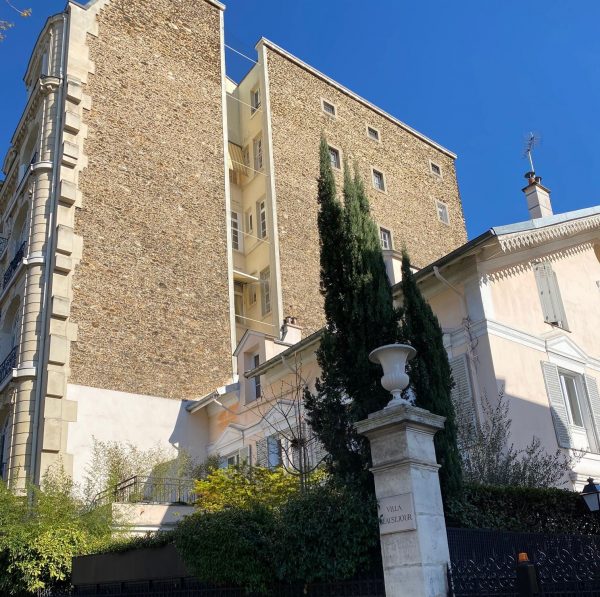
Bundesarchiv
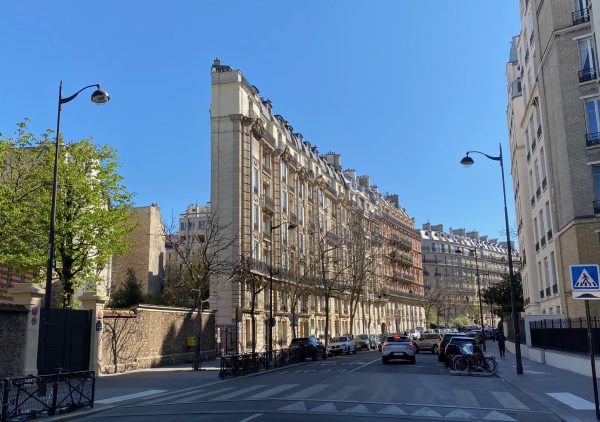
Bundesarchive gibt es kilometerweise. Auffinden und Zurechtfinden in Archiven ist eine Vorliebe von historisch Interessierten. Eine Soziologie des Berufs „Historian“ muss wohl noch geschrieben werden. Die Pforte, das Gelände und die Eingangshalle des Bundesarchivs in Berlin-Lichterfelde sind für einige einladend, für andere naja, belastend oder gar belastet. Architektonisch an eine Kaserne der 1930er Jahre erinnernd, ist ein gewisses historisches Umfeld eventuell eine Einstimmung auf eine bevorstehende Recherche. Das freundliche Personal hilft unterstützend über die Registrierung und die Orientierung zu den Beständen hinweg. Sofort ist, wie beim wissenschaftlichen Nachwuchs, die Eingrenzung der Forschungsfrage von Nöten. Die Findbücher, die sortierte Ausdrucke der elektronischen Datenbank „Invenio“ darstellen, lassen einen die Vielfalt der Archive erahnen. Eine einfache soziologische Fragestellung „Homogamie in der NS-Zeit“, also die Praxis von Heirat von Personen mit vergleichbarem sozialem Status, vor während und unmittelbar im Anschluss an die NS-Zeit, verlangt mehrere Datenzugänge. Konstruktion des Zugangs von Männer- oder Frauenseite. Zentraler Zugang geht zunächst über die Bestandsdatei NS 1 „Reichsschatzmeister der NSDAP“. Aus den nationalsozialistischen Frauengruppen entstand am 1.10.1931 die NS-Frauenschaft. Seit dem 29.3.1935 genoss die NS-Frauenschaft den Status einer Gliederung der Partei unter der Leitung von Gertrud Scholtz-Klink. Der Bestand umfasst 3,5 Millionen Aufnahmeanträge und ist in Berlin-Lichterfelde einsehbar. Neben den Mitgliedschaften sind auch besondere Vermerke zu den Gebäuden und Grundstücken der NS-Frauenschaft (BArch/NS 1 5.2.6.4) bspw. im Gau Berlin dokumentiert (BArch/NS 1 2504 und 724). Eine Lebensverlaufsstudie ist da schwierig zu konstruieren. Ein Geburtskohortenansatz dennoch eine interessante Möglichkeit, eventuell auf die Muster von Netzwerken hinzuweisen. Parteimitgliedschaften, Vereine, Verbünde und ihre Rituale wurden scheinbar der Propaganda untergeordnet. Eine These, die es zu beweisen gilt. Die interreligiöse Andrews Chapel auf dem Gelände (im Hintergrund) lässt dann vielleicht wieder zur Ruhe kommen. 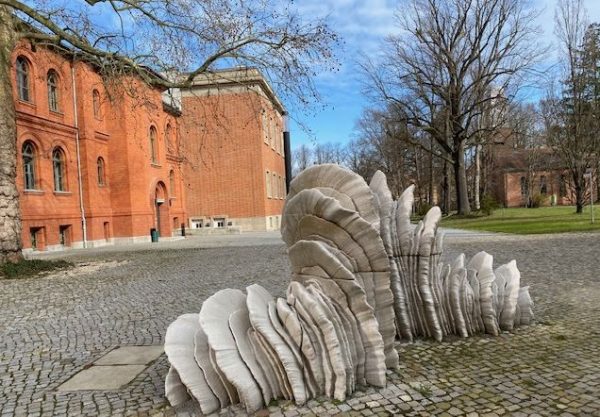
Menschen
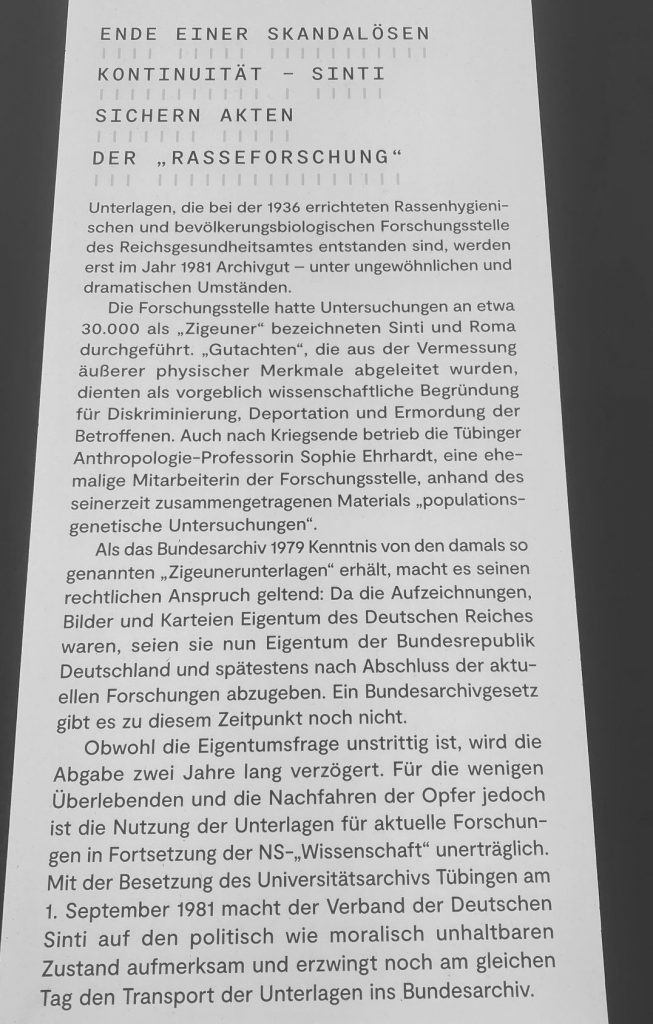
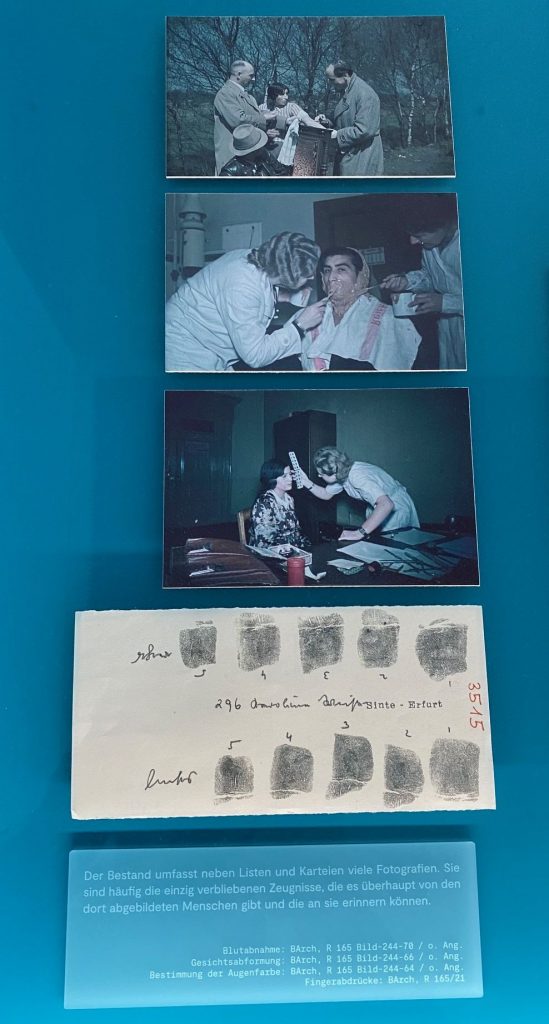
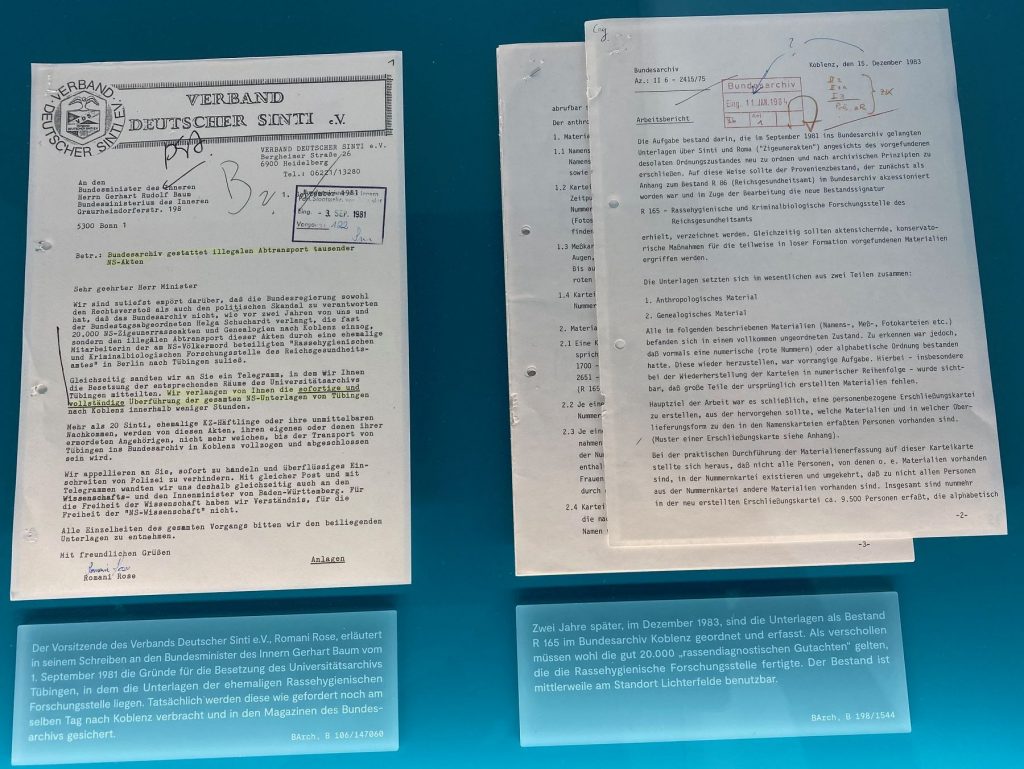
Im Bundesarchiv in Berlin sind einige Fotos zu einer Variante der Vermessung von Menschen ausgestellt. Nicht nur in den Kolonialregionen wurden Menschen zu rassenideologischen Studien vermessen. Die Kurzbeschreibung dazu und die 2 Bilder reichen, um diese scheinbar wissenschaftliche Praxis zu dokumentieren. Zurecht wird auf den Skandal mit der weiteren Verwendung dieser Daten bis 1981 hingewiesen. Es gab Kontinuitäten von Wissenschaft die heute noch erschrecken lassen. Kritischer Umgang mit jeglicher Art von Daten gehört zu dem Curriculum guter wissenschaftlicher Praxis. Diese darf nicht vor ethischen Fragen Halt machen, auch wenn das die weitere Verwendung der Information blockiert. Der Kinofilm “Der vermessene Mensch” hat dafür erneut sensibilisiert. Ethnologen und Ärzte wurden vielfach in den Dienst von Ideologien gestellt oder haben sie willentlich vorangetrieben, oftmals aus persönlichen Beweggründen. Skandale in und um Archive gehören zur Weltgeschichte, wie die geschichtliche Erkenntnis selbst. Mediale Verbreitung und Bestätigung von Klischees werden schon lange verurteilt, aber mit wenig Erfolg, wie der Deutschlandfunk Kultur selbst berichtet (Link Sendung Fazit). Die Kitas und Schulen haben ihre Hausaufgaben ebenfalls schlecht gemacht (Link). Wo ein Wille ist, ist meistens auch ein Weg, aber wenn der Wille fehlt aufgrund von Stereotypen wird sich wenig ändern.
20th Century
The 20th century has told us many lessons. History does not repeat itself, but it appears that new variants of old themes keep coming back. Slowly passing the century like a movie in decades instead of episodes, we witness socio-emotional tides. The first decade, the 00s intensify the beginning of urban planning and social revolutions. The 10s show the arousal and subsequent extinction of masses of people in trenches. The 20s were described as the Carefree Twenties. In the 30s we observed the rising tides of fascist organisations followed shortly afterwards by the disastrous 40s. After the Shoah and the World War the 50s were fabulous viewed from the U.S. and Western Europe. The 60s propagated sex, drugs and rock n’ roll spreading across continents. The wild 70s became almost inescapable through the continued rise of mass media. The 80s were depicted as the colourful 80s as the 2 previous decades had set the scene for psychedelic colours. The 1990s have been coined as the gay 90s by some. Coming out as a gay person became easier and Western societies more sensitive and open to diversity. The back cover of the recent publication by Aurélien Bellanger “Le vingtième siècle” (The 20th century) speaks of the book as “roman polyphonique virtuose”. I look back on the 20th century as “polyphone” in many respects. It would be an illusion to believe we can only keep the nice sounding harmonies without the tensions or dissonances. 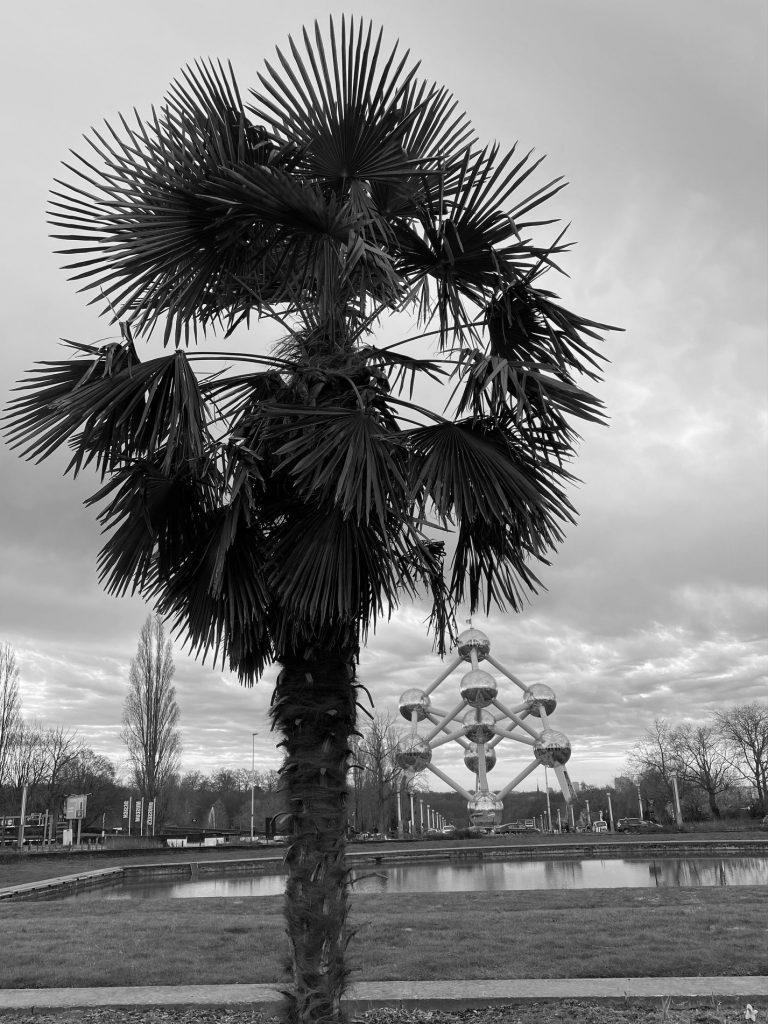
1900s
1900 marks the year of the 5th world exhibition in Paris. The Eiffel tower, built for the 4th exhibition in Paris remains the iconic attraction despite the new architecture that is added to Paris as the Petit and Grand Palais as well as the 1st Metro line. Art Nouveau style adds to already impressive architecture in and around Paris. With the planning horizons of several years in advance of events, urban planning with all its facets of urban infrastructure and architecture becomes much of a defining scientific discipline for decades and for most of the time of the century. Grand urban architecture and design constitute just another form of competition between nation states. Most of them want to show off their imperialist acquisitions and, what they define as “curiosities” at the time.
Habib (2005, pp.502) singles out Arthur Schopenhauer and Friedrich Nietzsche as “heterological thinkers” who coin major thoughts in the late 19th century that shall influence the beginning of the 20th century right from the year 1900 onwards. “The world should be formed in your image by your reason, your will, and your love! And truly, it will be to your happiness you enlightened men!” (Nietzsche. Thus spoke Zarathustra 1978, p.110). In retrospect from the 21st century we shall doubt this overly positive approach to human intentions and their will to form the world according to their abstracting ideas only. Tensions between technology and society became visible and it took many decades before society became conscious that it is up to society to choose technologies they preferred.
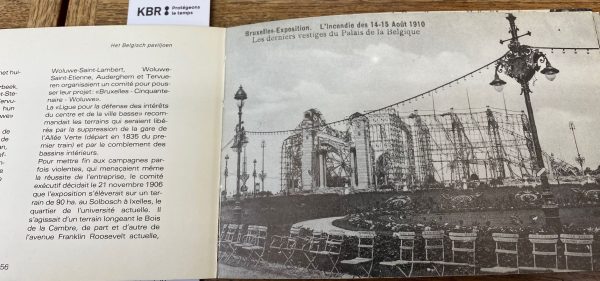
The planning for the Brussel Expo 1910 started right after the previous Expo 1905 in Liège. Protests in Brussels accompanied already the choice of terrain for the Expo, but the governors and shareholders of the enterprise decided 1906 for a site near the “forêt de Soignes”, where trees had to be cut for access to the construction site and for future visitors under local protest. Women workers were present to exhibit the low pay of women in industries. Child labour was documented with shocking images. Around the globe labour movements started to raise attention. In the U.S. the National Women’s Trade Union League (1903) was founded as well as the National Child Labor Committee (1904). “Bloody Sunday” in St. Petersburg (1905) saw the killing of peaceful protestors in front of the Zsar’s palace, which ignited the Russian Revolution of 1905 and the creation of the Russian Parliament. Some of these issues (child labor) keep returning to our social agenda well into the 21st century.
Einstein’s publication of the theory of special relativity (1905) as well as challenges from social philosophy reflects the huge discrepancy between advancement of the sciences and the living conditions of the masses. Social theories and science advances foreshadow the violent turbulence throughout the 20th century.
(Sources: (1) Max Welch Guerra et al. (2023). European Planning History in the 20th Century: A Continent of Urban Planning. Routledge. (2) St. James Encyclopedia of Labor History Worldwide: Major Events in Labor History and Their Impact, Neil Schlager (2004). (3) Images from I. Van Hasselt(1980) Bruxelles Expo 1910: l’incendie / de brand. J Stevens. 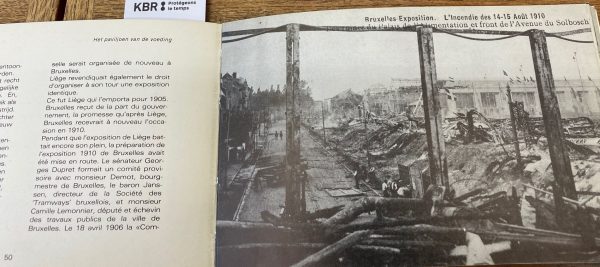
10s
The 1910s have been eclipsed completely by “the Great War” between 1914 to 1918. The 1st world war certainly was the most horrific period of the decade of revolutions and mass arousal. From a global history perspective the years preceding and shortly after the humanitarian disasters deserve more attention, if we were to derive lessons for prevention of other world encompassing wars of imperialist states. The numbers 1st, 2nd, … 3rd (?) world war suggest an unescapable numbering of events. We no longer can think in this trivialising logic of war or historical determinism. Empires go to war more easily than democracies. This was the social scientists’ consensus after the Great War. It took several years for many European states to turn more democratic, allowing women to vote, or introduce more robust health and social security systems. Powerful aristocracies would not cede power easily, only the widespread poverty after the Great War and the human losses discredited many aristocratic regimes throughout Europe. The imperialist dominance of the beginning of the 1910s produced a spirit of ruthless conquest and exploitation of colonies around the world. It took another global war and almost half a century to dismantle these regimes. To understand global alliances and impediments of wars in the 21st century, the early 1910s are instructive as they inform the restitution of artefacts debate in the 2020s. In the history of ideas, the 1910s are probably best characterised as the period of attempting to turn “grand ideas” into political facts on the globe. The rise of Marxist ideology, liberal and fascist counter movements started to take powerful roots at the end of the 1910s. All these ideas and factual changes of the maps of power still seem to govern a lot of international politics even today. 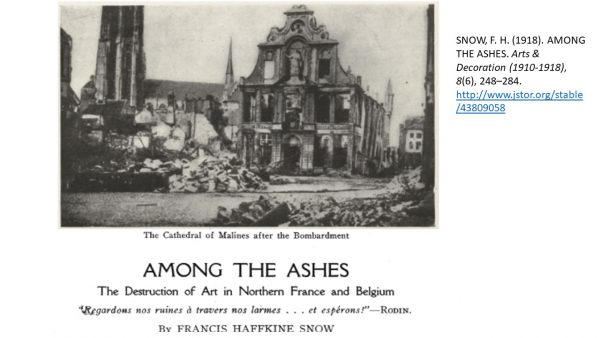
20s
In retrospect from the 1930s and in prospect from the 1910s, the 1920s may well be described as “The tumultuous Twenties”. Several other summary notions are attributed to the 1920s. “Les années folles” in the French speaking world, “The Jazz years” within the U.S. or the “Wild 20s” in Germany coined the decade after the disillusion of the 1st world war. The economic and cultural revival after the period of atrocities has seen thriving city centres and comparatively little economic hardship until the Wall Street crashed on October 24th in 1929 the so-called “Black Thursday”. The party was suddenly over and a lengthy economic crisis spread globally. It was within this free spirit of the 1920s that the Fascist counter movements of the 30s started to take roots.
The 20s saw the skyscrapers soar and the credit-financed speculation was at its highest. Pierre Boudon (1991, pp. 137) characterises the architecture of the 1930s as “l’inversion des signes”. The Bauhaus of the 1920s was later forced into emigration. The film of F. Lang “Metropolis” (1927) prolonged the constructivist lines of the 1920s to a haunting vision of big cities with its daunting acceleration of economic and cultural experiences.
Walter Benjamin later referred to the method of technical reproduction as one of the major foundations for the mass movements and mass culture, which turned the relatively prosperous early and mid 20s into the disastrous 30s. Indeed, many scholars combine the 20s and 30s into one historical period as the rise and decline between the 2 world wars of the 20th century.
Certainly in terms of economic development many countries witnessed a steep rise in prosperity in the 20s followed by deep recession in the 30s. What went up in spectacular terms in the 20s, economic development, democratic participation, came down in the next decade due the rise of Fascist movements.
100 years later in the 2020s we still struggle with many of the same issues. Poverty and “Existenzminimum” were topics of the 2nd International congress of modern architecture in 1929 in Frankfurt. This reflects the lasting need to address “social issues” throughout decades, if not whole centuries of mankind. 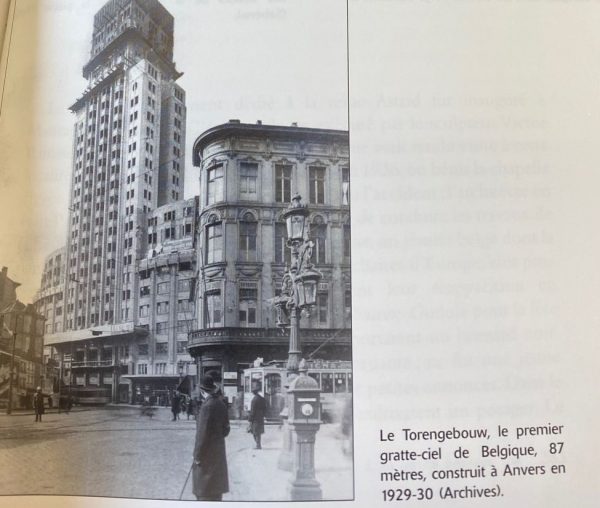
30s
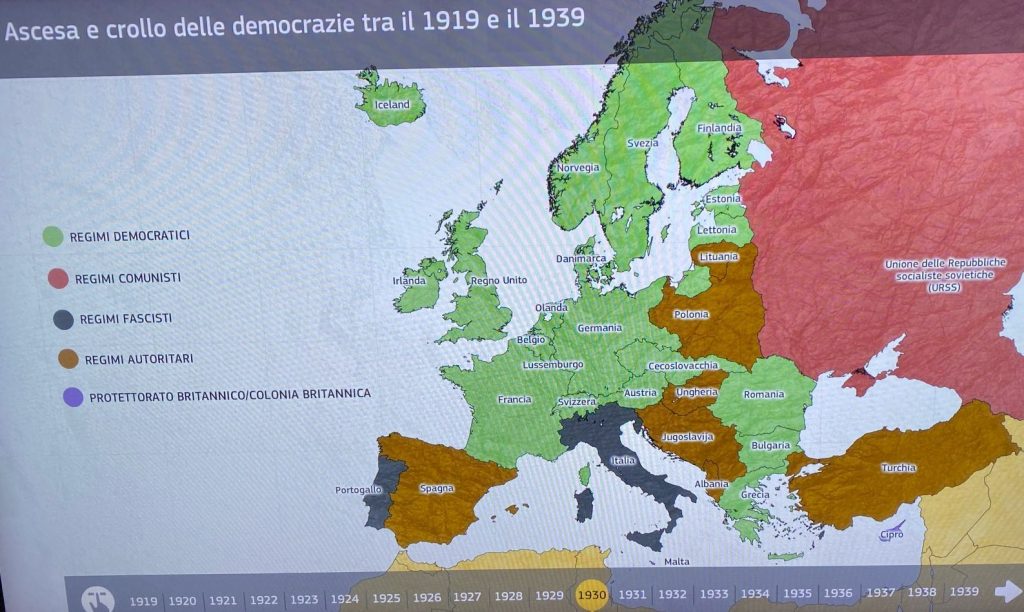
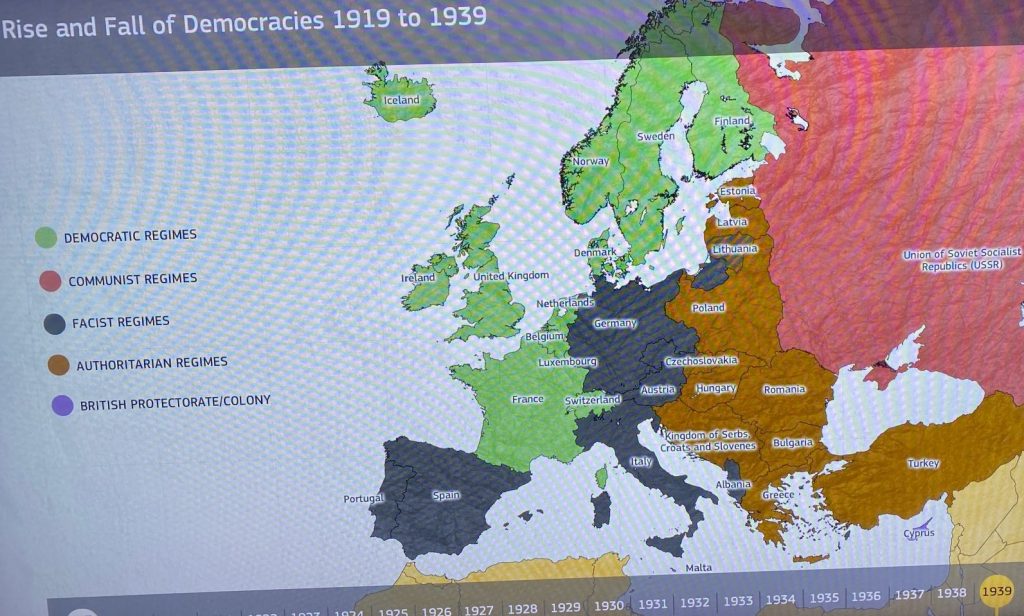
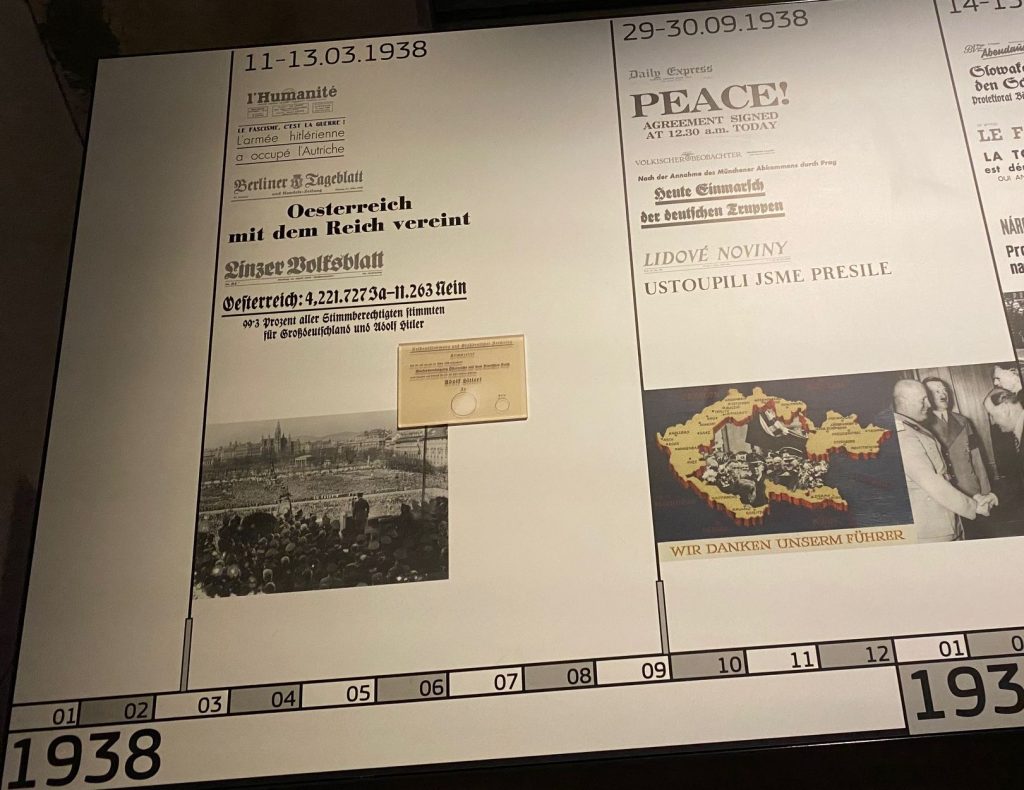
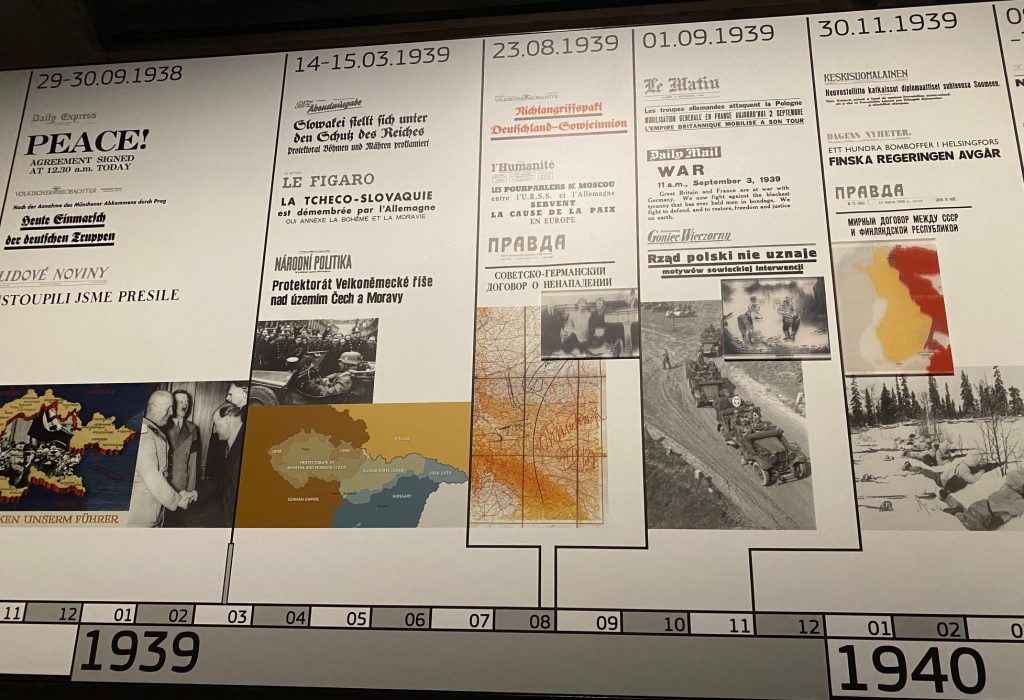
In retrospect the 1930s would deserve well the label of the disastrous 30s. In terms of human tragedy the 40s were worse, but the foundations for the millions of deaths through the Shoah and the second world war were enacted throughout the 1930s. My reading of the decade is dominated by the rising tide of hate throughout the 30s. The fascist movements in Italy and Germany were growing rapidly. From the entry number 185.729 (later committed war crimes in Ukraine) at the 1st of January 1930 the German NSDAP membership grew to 7.352.197 (Reichsakademie für Leibesübungen) on the 1.1.1940. This is still about 3 million persons less than at around the peak in 1944/45 of for example entry number 10.123.636 (later Foreign Secretary of Germany). The House of European History of the European Parliament in Brussels provides a good depiction of the spread of Fascism and dictatorships in Europe in the 1930s. Whereas Italy had turned Fascist already before 1930. Hungary was also under dictatorship already at the beginning of 1930. The rise of the German Nazi political party NSDAP turned out to be the most disastrous and devastating fascist movement and dictatorship throughout the 30s. The maps with timelines represented in the permanent exhibition in the House of European History reflect the spreading disaster for millions of persons. Many writers and social scientist had the correct apprehension and “apocalyptic imagination” (Pearce, 1971) to seek refuge early. But this turned out to be a not generalisable exit option for most persons concerned. Only few countries managed through early decisive action against the spread of fascism to escape from, better shield themselves, or fight against the rising tide. In the late 60s and the 70s youth at the time started to question the role of their parents in the rise of nationalist movements in Europe. An interesting reference for Canada is the teaching reform that materialised in the “box of the 30s” (Weinland and Roberts, 1972). The 1930s Multi Media Kit for teaching history contained photos (Guernica), radio clips, extracts from novels, but also recipes or recorded interviews. Make history speak and start with a “personal touch” to it. Avoiding the economic failures of the 1930s and the rising tide of fascists throughout the 30s are high on the political agenda 90 years later in the 2020s again.