Schachliteratur

Es gibt sie noch, die Personen, die Schachbücher lesen und kaufen. In vielen Sprachen existiert die Niche der heimlichen Strategen. „Teaching old dogs new tricks“ oder ist es eher „teaching young dogs old tricks“. Das ist eine empirische Frage. Nicht nur Zeitungen für sogenannte BildungsbürgerInnen haben noch kleine Spalten zumeist mit Schachproblemen. Manchmal findet sich Schachspielen sogar als Schulfach. Lesestoff zum Schachspiel findet sich reichlich. Schach in der Literatur ist jedoch verschieden von der Schachliteratur, die sich mit Strategien und Tempi befasst.

Das Lesen von Schachliteratur mit Meisterpartien hervorragender Spielenden ist vergleichbar dem Lesen einer Partitur einer Symphonie oder Oper. Das Kino spielt sich dabei überwiegend im Kopf ab. Gelegentliche unvermittelte Gesten oder Ah-laute sollten den Spielenden ihrer Verzückung wegen entschuldigt werden. Vielleicht sollten die Schulen diese Kulturtechniken mehr vermitteln. Macron‘s Vorschlag Theaterspielen mehr in den Schulen zu vermitteln erscheint in diesem Vergleich als ein Entgegenkommen an die „Generation der sich ständig selbst inszenierenden“. Mehr Spielen ist aber schon mal ein wegweisender Vorschlag.
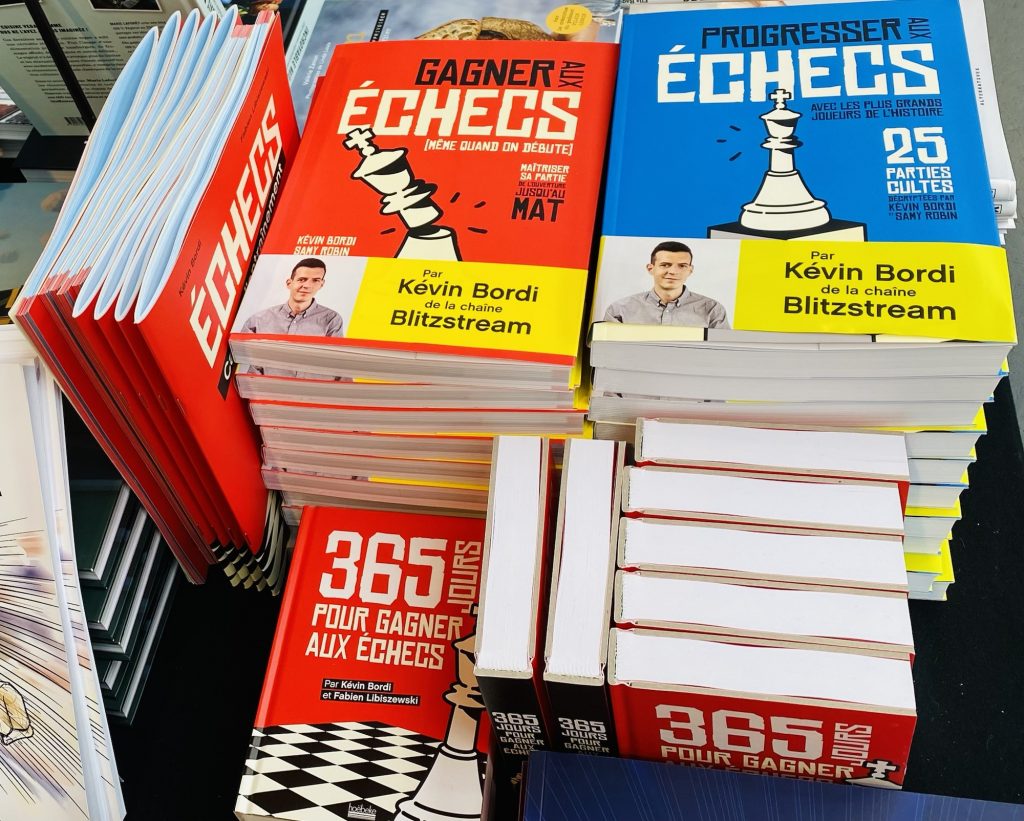
Schachbücher 2024

Transparent Publishing

New technology pushes transparency of publishing, journalism and science to new levels. Through the hyperlink structure of texts it is easy to link back to the sources of a text. What used to be long lists of references at the end of a text or in footnotes has become directly accessible through weblinks. Only paywalls may or may not restrict the fast and easy access to original sources. In writing online, this is a major additional feature of publishing in the last few years. Some online journals allow this for quite some time now, but there are lots of printed versions that stick to the read and be stuck approach of publishing.
In teaching I have been an advocate of “read the original sources” as the basic source of inspiration for authors. The transparency of the thought process and the evidence provided in whatever form should be traceable. In publishing this transparency allows to exclude the copying of thoughts or unreflected referencing.
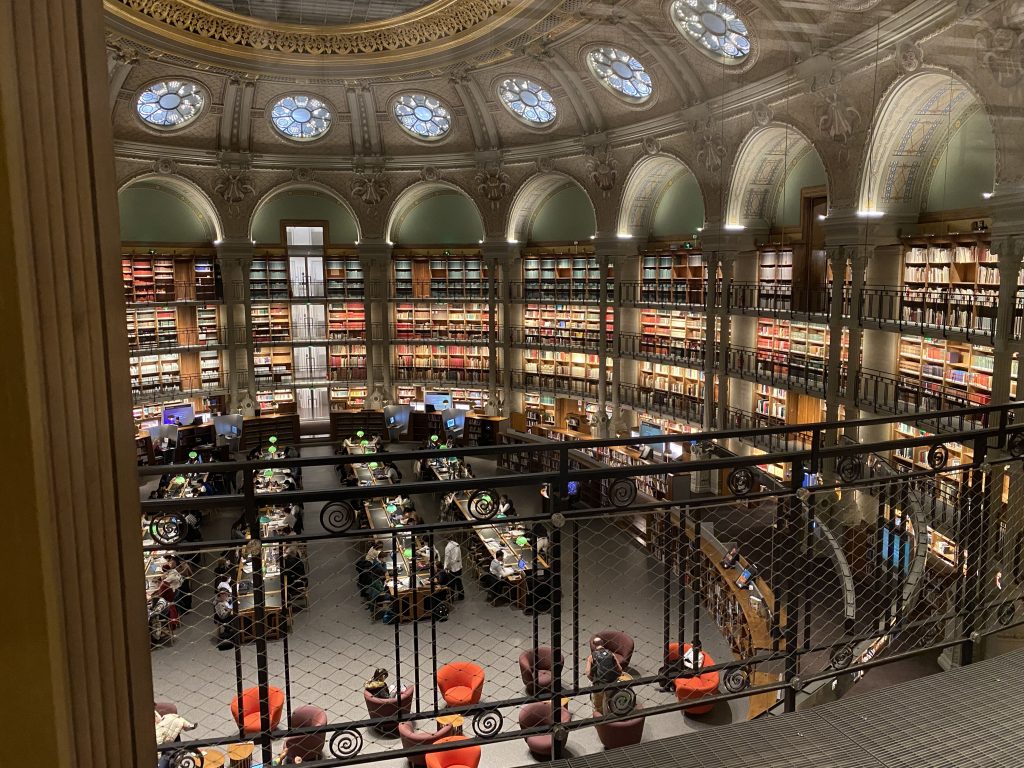
However, the task to check for the validity of weblinks and the updating is an additional task. 500+ blog entries with an average number of 2 weblinks per blog entry makes this a job of its own. Testing of 1000 weblinks is something you need a software or plugin which alerts you to “broken links”. The maintenance of a webpage, therefore, increases substantially as the content increases. Reorganisations of webpages make the follow-up of links sometimes quite hard. Projects like the general archives of the web and webpages are very important to ensure the transparency of publishing in the short, medium and long run. The archives of today look more like machine rooms than the splendid archives or libraries of the past and present.

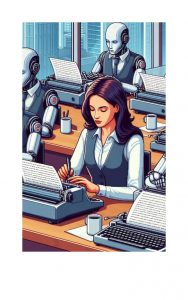
AI Reader

In the middle of the hype around AI it is useful to take stock of the reflection and evolution of AI. In my own analyses and writings on AI it evident that a narrowing of focus has taken place. Whereas before 2022 the writing dealt more with digital technologies in general. The links to the literature on the social construction of technologies was obvious. Algorithms and AI was a part of the broader topic of society and technology.
This has changed. The public debate is focused on “everything AI now”. We look at technological developments largely through the lens of AI now. Hence, my focus of assessments of technology from a societal perspective follows this trend. In a collection of blog entries on AI we try to demonstrate the far reaching changes that have started to have an impact on us. In the last few months the all encompassing concern about AI’s effect on us needs full attention of social scientists, policy makers, companies and the public at large. We can no longer leave this topic to the software engineers alone. By the way, they themselves ask us to get involved and take the latest advances in AI more seriously.
As a “flipbook” the online reading is rather comfortable (Link to flipbook publisher MPL). The pdf or epub files of the blog entries allow to directly follow the links to sources in webpages or other publications (AI and Society 2p 2024-4-18). The cycles of analyses and comments have become faster. Traditional book writing suffers from time lags that risk to make pubications outdated rather quickly. Dynamic ebook writing might bridge the gap between time to reflect and speed to publish or inform the wider public. The first update as .pdf-file is available here: AI and Society(2).

Forest Management

Responsible forest management is key. To safeguard against the loss of biodiversity the management of forests can achieve a great deal as the study in Nature of 2024-4-10 has demonstrated. Reducing hunting by humans in dense tropical forests allows bigger species to survive and thrive compared to forests with easy access by roads. FSC certification of forests helps significantly to protect wildlife. The ability to ameliorate biodiversity of forests is assisted by the Forest Stewardship Council (FSC) through the responsible management, preservation and limitation of access to wild forests. This is an important message that in fact it is still possible to preserve wildlife also of larger species if we only really commit to the cause. It is well worth to support such initiatives and monitor the progress. Of course, any such success attracts new hunters and a continuation of the FSC efforts is needed for the benefit of the whole biodiversity on our planet as there is no planet B.

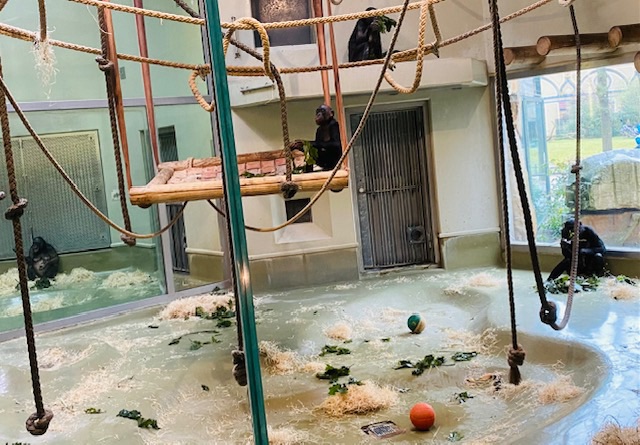
Berlin Zoo 2024

Series Evaluation

The monitoring of TV series is a serious science. The evaluation of so-called binch viewing has redrawn attention to the field of media studies again. We observe a bit across Europe, following the US experience, the change of TV productions into series that may run over several years. The successful format of a TV series draws advertising to the relatively constant audience. Most series have a particular age group as their target group. Viewing behavior determines time slots allocated. Each group has its own prime time. The publisher of books had their successes with similar series of for example children’s picture books or cartoons. Asterix, Martine and similar book series have basically applied the same “serial” mechanism before. Popular success creates its own dynamics. Therefore the evaluation of such serial productions should stay on our research agenda of the social sciences as well.

In a radio discussion “France Culture” has juxtaposed the 2 currents of series evaluation in a concise way. One current of assessment holds the view that rather than high versus low culture, the debate should take popular culture seriously. It augments the set of experiences as the characters in a TV series live through a kind of “experimental setting” each time anew. The variety of experiences is catching popular attention as they are beyond the scope of the spectator’s usual life settings and thereby a learning opportunity. This highlights the value of the content in the evaluation. This requires a thorough scrutiny of that content to evaluate an emancipatory value of viewing it (Sandra Lauglier, 2023).

An opposing view is defended by Bertrand Cochard (2024) with reference to the conflict about one’ use of free time available to us and how we spend it. His criticism takes issue with the amount of time “lost” by viewers of series. Time is not spent twice. The loss of time alone or side by side rather than spending it with other persons or physically active constitutes a major risk to the social fabric of society.The jury is still out on the issue. We likely see the start of a series of entries on this topic as well.

Mehr vom Meer

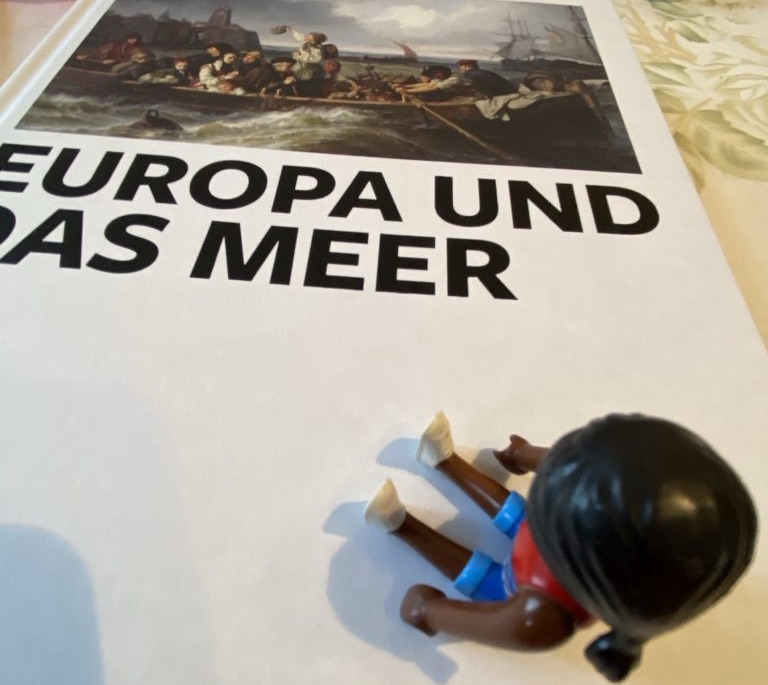
Wir sollten uns mehr um das Meer kümmern. Länder ohne Küsten finden meistens wenig Gründe, warum sie sich um das Meer bemühen sollten. Es ist doch so weit weg. Weit gefehlt. Erderwärmung erhöht die Meerestemperaturen und das wiederum beeinflusst massgeblich die Regenfälle im Inneren der Kontinente. Wir sitzen buchstäblich alle zusammen in einem Boot. Historisch betrachtet war das Meer mindestens seit der Antike Teil des machtpolitischen Kalküls der Beherrschung der Welt und der sie Bewohnenden. Wirtschaftliche Interessen waren ebenfalls Bestandteil der Erkundung und Eroberung des Meeresraums. Die Hansestädte in Europa bieten dazu noch heute gute Beispiele. Nach dem Sklavenhandel sind heute die Überseekabel und Rohstoffe des Meeres die begehrten Schätze des Meeres. Der Artenreichtum der Tiefsee wird erst seit kurzer Zeit intensiver erforscht. Externalisieren von Kosten des Umweltschutzes zu Lasten unserer Meere hat noch wenig Berücksichtigung in Wirtschaft und Gesellschaft gefunden. Tourismus- und Migrationsströme zum Meer, auf dem Meer und über das Meer stellen uns vor große Herausforderungen. Wir werden sicherlich mehr über das Meer reden müssen, und das ist keine Mär. Image aus „Europa und das Meer“ (DHM).

Das Meer

Wir haben vielfältige Beziehungen zum Meer. Diese reichen von romantisch geprägten Gefühlen zum Meer, den Wellen und den Fischen bis zur wissenschaftlichen Befassung mit den Meeren, Mangroven und dem Klimawandel. 71% der Erdoberfläche besteht aus Meeren. Das sollte den Festlandbewohnenden eigentlich klar machen, wie wichtig Meere für unseren Planeten sind. „Ocean Literacy“ nennt die UNESCO das. Neben Lesen, Schreiben und Rechnen sollte die Literalität auf unsere Ozeane ausgedehnt werden bevor es zu spät ist. Verschmutzung der Meere passiert hauptsächlich im Verborgenen. Lediglich Beobachtung aus dem Weltraum kann die weitläufigen Routen der Verschmutzenden zumindest teilweise nachverfolgen. Vielleicht hilft die Rückkehr zu der romantischen Sicht auf die Meere eines „William Turner“ zu einer höheren Wertschätzung der Meere, dem Licht und den Wellen.
Die kleine Sammlung von Gedichten „Das Meer“, erschienen im Reclam Verlag, ist eine gute Reisebegleitung für Begeisterte des Meeres. Darin findet sich eine Vielzahl von renommierten Schreibenden, die ihre Faszination des Meeres zum Ausdruck bringen. Mein momentaner Favorit ist Wolfgang Borchert darin (S.41-42) „Muscheln, Muscheln“.
Muscheln, Muscheln, blank und bunt,
findet man als Kind.
…
Muscheln, Muscheln, bunt und blank,
fand man einst als Kind!

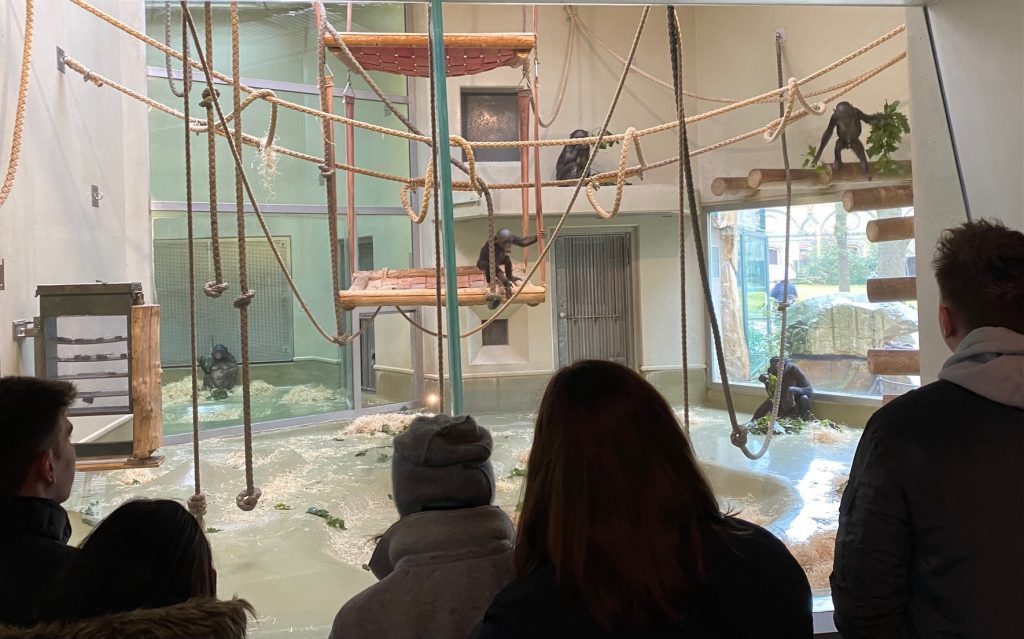
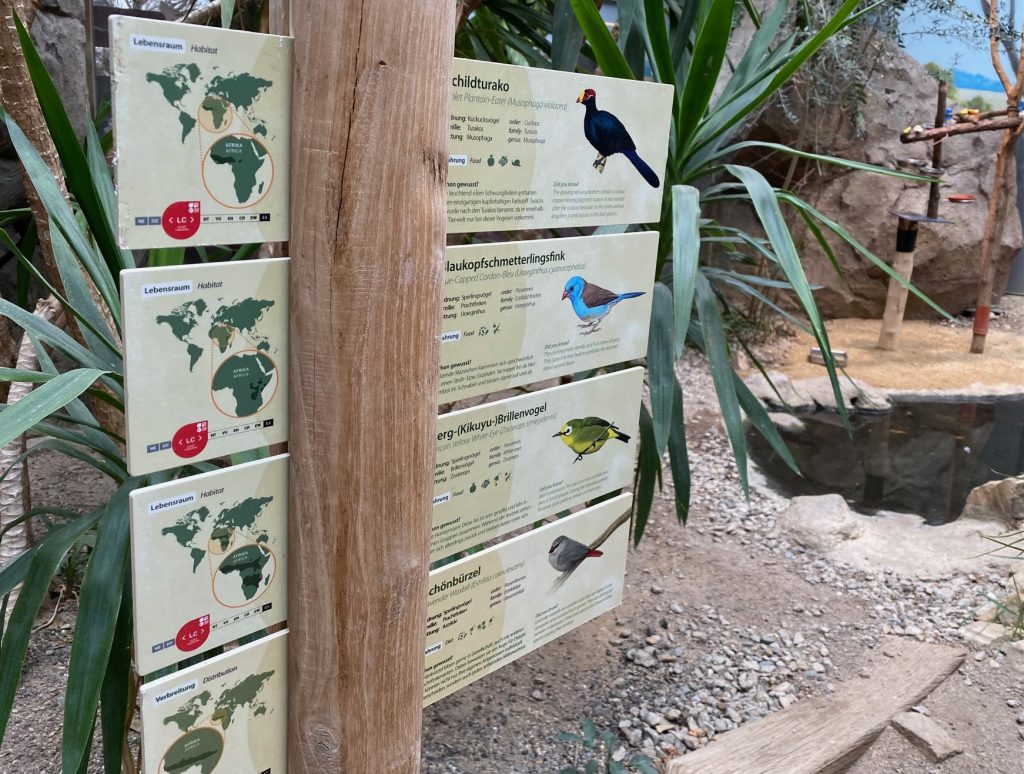
Zoo Visit

The visit of a zoo is always a great event. Accordingly the prices of a visit have reached levels that are beyond prices for a cinema entry. Usually a whole day is spent with high emotions watching animals sleeping, walking or eating. Sometimes we can watch a training session or a brief medical intervention. Learning about the beauty of biodiversity is important because we treasure more what we like. Looking into the eyes of an animal stimulates affection. Gathering support for the preservation of ecosystems was and still is a great effort. And yet, we have to move beyond preservation to the restoration of ecosystems like in the UNDP projects (Link). Animal parks can contribute to this if we encourage such cooperation and co-financing. The awareness, understanding and willingness to engage in restoration projects is largely increased after the visit of a zoo. A second round effect is the potential to reduce international travel to destinations with rich animal diversity. Restoration is a win-win situation for wildlife habitat and our planet as a whole.

Disappeared

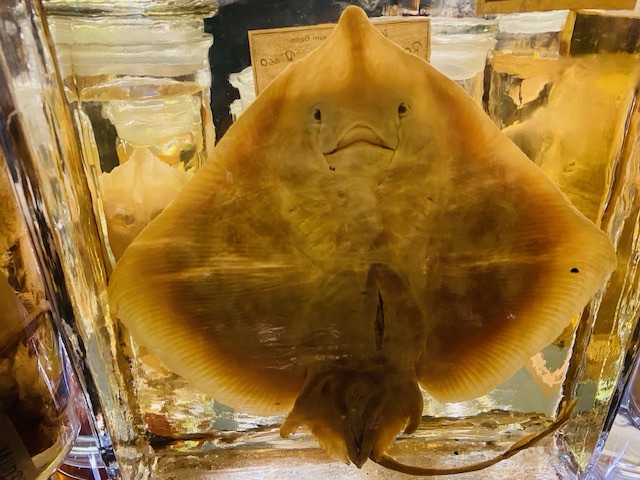
We talk a lot in abstract terms of the loss of biodiversity. In the Museums of Natural History, like the one in Berlin, we can follow the trajectory of extinction of species. The dinosaurs are for most children the greatest attraction. No surprise, they are the biggest ones we have had on our planet. But there is a huge collection of disappeared species represented in the museums which we admire as a lost treasure or species threatened with extinction. Evolution had also created this rather big bird-like creature of the “dodo”. It couldn’t fly anymore and was inhabiting the splendid island of Mauritius. Hungry colonists passing have most likely literally eaten up this rather defenseless animal. Many other extinct species can be admired now only in museums and children feel naturally attached to some species that seem to have human expressions. Panda bears and gorillas rank high on such a list, but also some fish, especially if they smile or look at you straight into your eyes. This should help us take biodiversity and biodegradation more seriously. Children feel intuitively attracted to animals as natural companions. Something we have lost as adults and most of do not even realize this as a deficiency. The Nobel price winning author frm Mauritius has published a collection of short stories „Avers“ which captures the spirit of the island and the loss of species. J.M.G.Le Clézio seems to look at us through the eyes of children or a disappeared species. Magic moments are an escape as well as reason for hope.

Natural History Museum Berlin 2024

AI and dialect

The training of Large Language Models (LLM) uses large data sets to learn about conventions of which words are combined with each other and which ones are less frequently employed in conjunction. Therefore, it does not really come as a surprise that training which uses standardised languages of American English might not be as valid for applications that receive input from minority languages or dialects. The study forthcoming in the field of Computer science and Language by Hofmann et al. (Link) provides evidence of the systematic bias against African American dialects in these models. Dialect prejudice remains a major concern in AI, just like in the day-to-day experiences of many people speaking a dialect. The study highlights that dialect speakers are more likely to be assigned less prestigious jobs if AI is used to sort applicants. Similarly, criminal sentences will harsher for speakers of African American. Even the more frequent attribution of death sentences for dialect speakers was evidenced.
If we translate this evidence to wide-spread applications of AI in the workplace, we realise that there are severe issues to resolve. The European Trade Union Congress (ETUC) has flagged the issue for some time (Link) and made recommendations of how to address these shortcomings. Human control and co-determination by employees are crucial in these applications to the world of work and employment. The need to justify decision-making concerning hiring and firing limit discrimination in the work place. This needs to be preserved in the 21st century collaborating with AI. The language barriers like dialects or multiple official languages in a country ask for a reconsideration of AI to avoid discrimination. Legal systems have to clarify the responsibilities of AI applications before too much harm has been caused.
There are huge potentials of AI as well in the preservation of dialects or interacting in a dialect. The cultural diversity may be preserved more easily, but discriminatory practices have to be eliminated from the basis of these models otherwise they become a severe legal risk for people, companies or public services who apply these large language models without careful scrutiny.
(Image AI BING Designer: 3 robots are in an office. 2 wear suits. 1 wears folklore dress. All speak to each other in a meeting. Cartoon-like style in futuristic setting)