
Für viele schwierige Situationen braucht es Eisbrecher. Im übertragenen Sinne jedenfalls erfüllen täglich Hund, Katze, Maus diese Funktion. Sich unbefangen über Tiere unterhalten, sich dabei näherkommen oder einfach nur in Kontakt treten, wird heute von PsychologInnen vielen Personen empfohlen. Das war schon bei den Ägyptern und Römern so. Im späten Mittelalter, seit den Verwerfungen in Europa durch die Reformation und Glaubenskriege, brauchte es ebenfalls solche Hilfsmittel für Durchbrüche in der Diplomatie. Der Roman von Nils Minkmar „Montaignes Katze“ strickt seine Geschichte über Geschichte und Ideengeschichte im Mittelalter um eine solche Anekdote. Kinder können ebenfalls solche Anlässe bieten, Menschen zusammen zu bringen und zu vermitteln. Erfahrene Ältere, die sich nach weniger Turbulenz, aber mehr Toleranz sehnen auch.
Diplomatische Missionen, wie sie Montaigne aufgetragen wurden, haben etwas mit Pferdeflüstern, Katzenflüstern oder eben Majestätsflüstern zu tun. Wie bringe ich einen in seiner Rolle hinreichend zufriedenen, desillusionierten Herrschenden dazu eine Mission anzunehmen, die äußerst ungemütlich, wenn nicht tödlich enden kann? Ein neues Narrativ muss her. Eine erhellende Inszenierung gehört ebenfalls dazu. Genau das erzählt das diplomatische Lehrstück von Nils Minkmar am Beispiel der Zeit des späteren Heinrichs des Vierten. Die eindrückliche Statue lässt sich heute in Paris bewundern, aber kaum eine/r der Passanten interessiert sich noch für die Geschichten dazu.
Noch interessant für uns? Sicherlich. Üben in Toleranz ist ein wahrlich ein lebenslanges Unterfangen und will immer wieder neu praktiziert werden. Stöbern im Werk von Montaigne ist einfach über die Uni Chicago möglich (auf französisch, bien sur) mit Schlagwörtern z.B. “cité”. 10 Einträge zum Thema Katze “chat” im Original sind ebenfalls darüber in “Les Essais” zu finden. 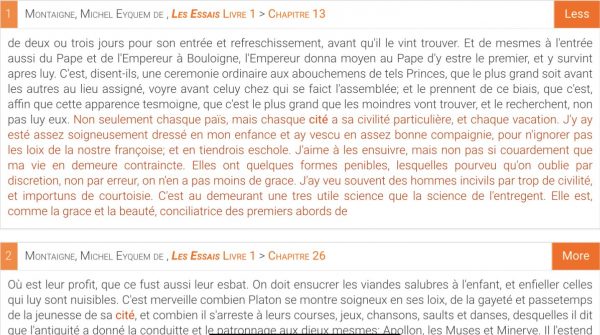
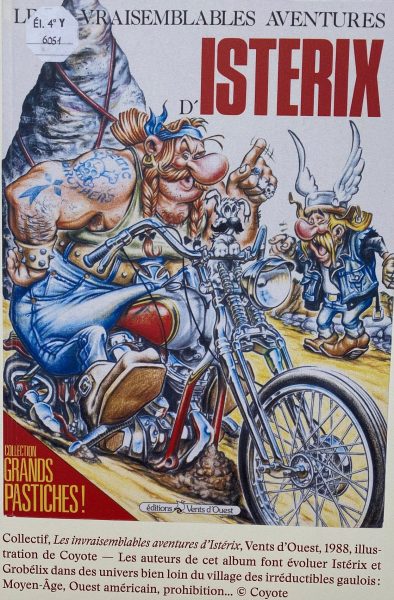
Pastiche
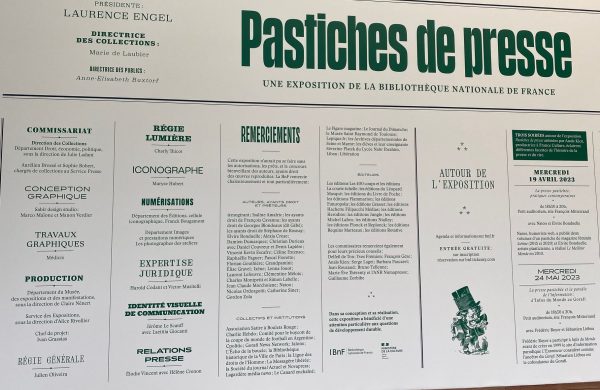
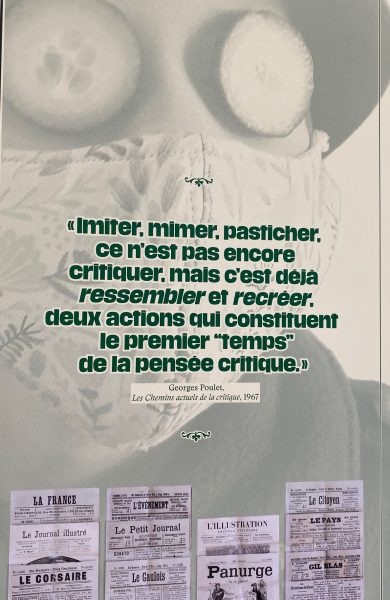
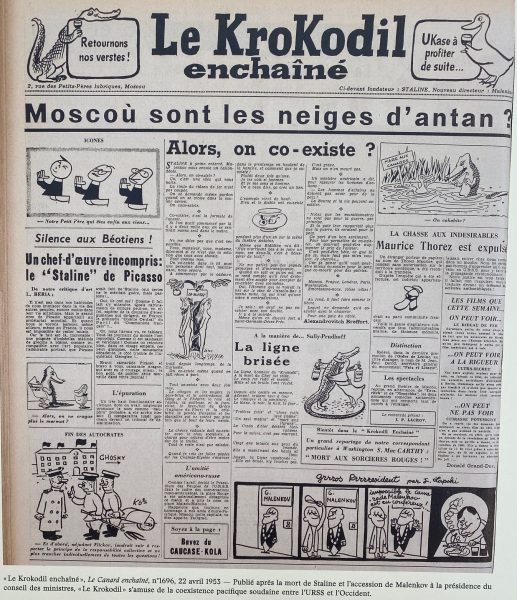
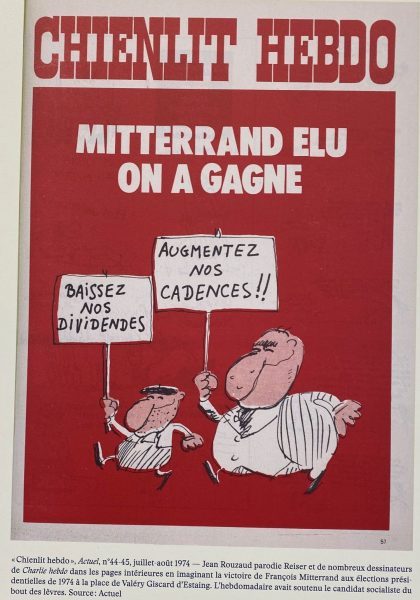
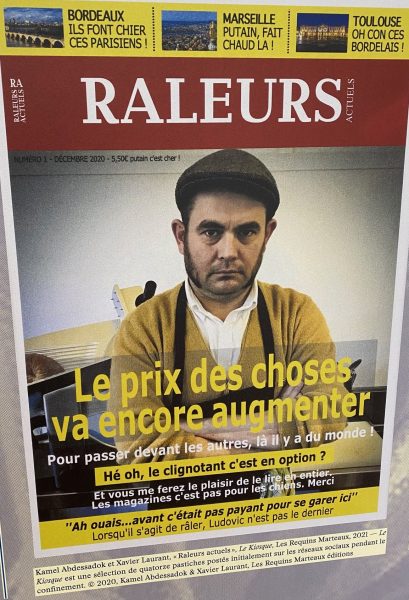
Die lange Tradition der “Pastiche“ (BnF, 2023) der französischen Presse ist nur wenig über Frankreich hinaus bekannt. Sicherlich kennen viele den wöchentlich erscheinenden „Canard enchainé“ oder die Satire-Zeitschrift „Charlie Hebdo“. Die witzigen, fälschenden Plagiate von bekannten Zeitungen und Zeitschriften, Pastiche genannt, haben einen Kreis an Liebhabenden, die sich ihren Humor nicht nehmen lassen. In Gesprächen gilt oft die humorvolle Sichtweise auf Politik, oder das tägliche Leben, als intelligent. Eine andere, unübliche oder gar verbotene Perspektive auf einen Sachverhalt kann ja bekanntlich zu einiger Erheiterung beitragen. Was sich seriöse Medien nicht erlauben, darf dann schon mal in den Pastiche vorkommen. Wie weit darf Humor gehen bis Humor verletzend oder gesetzeswidrig wird. Diese Grenzen sind je nach Kultur und politischen Gegebenheiten verschieden. In Frankreich lässt man/frau sich nicht den Augenzwinker verbieten. Übersetzen lassen sich die oft indirekten Anspielungen nur schwer. Viel Hintergrundwissen, oft nur von kleinen Gruppen von Personen, ist zum Verständnis nötig. Da wird vielfach erst auf den 2. Gedanken gelacht oder geschmunzelt. Die Bestände der BnF daraufhin zu sichten oder überhaupt die Kategorie zu führen, sogar als eine Literaturgattung, ist beachtlich. Nachrevolutionärer Karneval ist eben 365 Tage Narrenfreiheit. Das Recht und Gesetz dazu, wird wohl gut definiert sein. Majestätsbeleidigung wird es da nicht mehr im Strafbuch geben, was zu überprüfen ist.
Royal
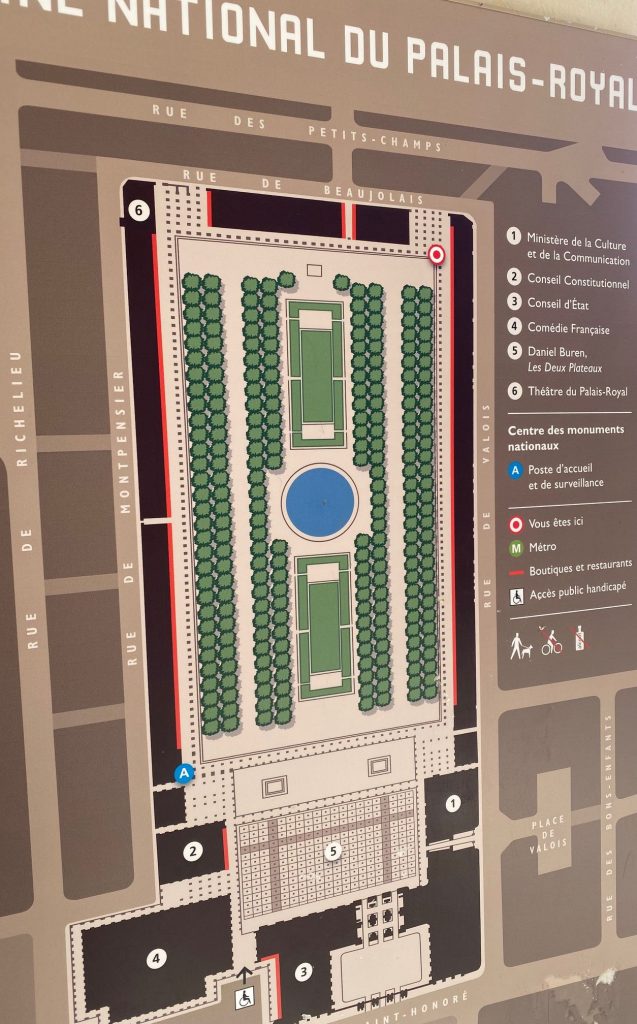
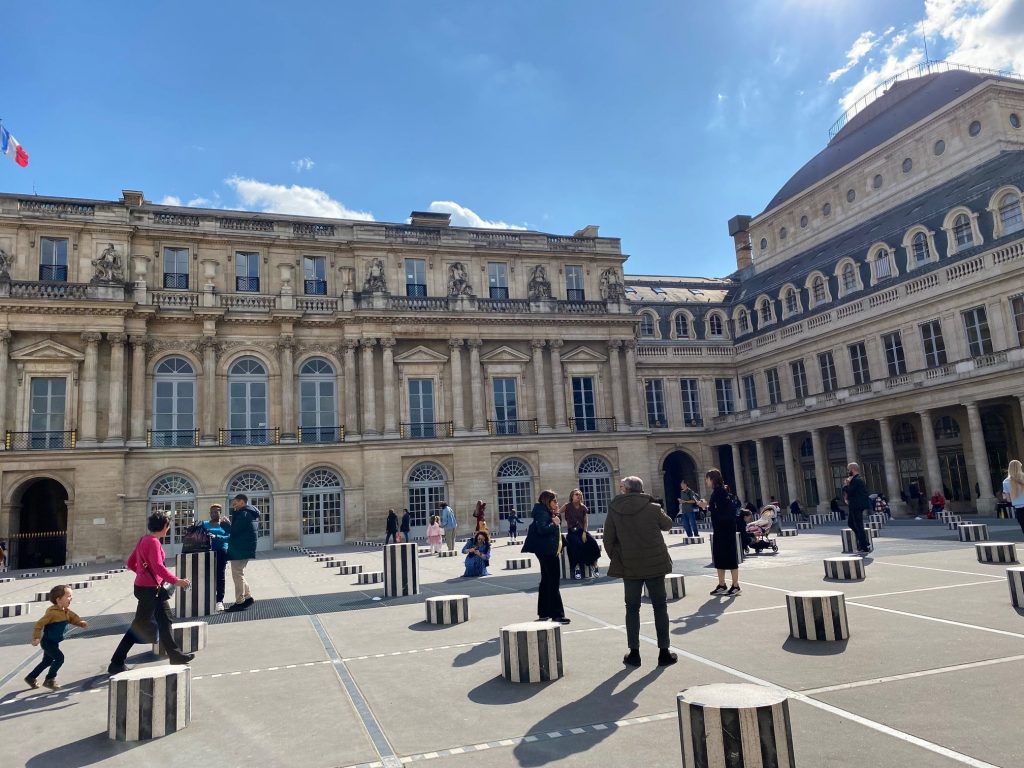
Im Palais-Royal, könnte man sagen, geht es noch immer recht „royal“ zu. Unweit vom Louvre lässt sich mitten in Paris fast noch etwas königliches Flair atmen. Unter den Arkaden oder im Garten weht Sommer wie Winter ein kühles Lüftchen und „Over-tourism“ ist noch nicht wirklich ein Problem. Auf engstem Raum findet sich viel Geschichte und Zeitgeschichte ein. Wie der Plan zeigt, haben sich dort einige prominente Institutionen angesiedelt. Neben dem Théâtre du Palais-Royal, ist die Comédie Francaise und das Ministère de la Culture et de la Communication dort angesiedelt. Conseil d’État und Conseil Constitutionnel ebenso. Viel Prominenz, dennoch ist eine überschaubare Polizeipräsenz vor Ort. Das war nur kurzzeitig anders, als der Conseil Constitutionnel über die Reform des Rentensystems zu urteilen hatte. Ein Schelm, wer denkt, dass sich die Theater der Nachbarschaft kurzerhand in den ehrwürdigen Räumen des Conseils verlegt hatten, oder umgekehrt?
Moliére, Hugo stehen noch oft auf dem Programm der Comédie francaise, aktuell jedoch wird Danton’s Tod von Georg Büchner gespielt. Passend zu aktuellen politischen Reaktionen auf den Straßen von Paris und darüber hinaus wird Revolution geprobt. Demokratie ist die politische Form, die Legalität, aber auch Legitimität von Politik am besten ermöglicht. Beides braucht Institutionen und Verfahren, die den Willen des Volkes entsprechend berücksichtigen. Lesen von Jean Jacques Rousseau und sein Konzept des „volonté générale“ bleibt dazu weiterhin erfrischend. Dann am besten wieder zurück in die Bibliothek BnF Richelieu gleich um die Ecke.
Flotow Offenbach
Erstmals in der Zeitschrift „Opérette“ (2012, No.164, S.53-57) erschienen, hat Dominique Ghesquière eine verschränkte Biografie von Flotow und Offenbach veröffentlicht. Die deutsche Übersetzung ist von Peter Hawig in den Emser Heften Nr.353 (ISSN 1436-459X) erschienen. In interessanter Weise wird das diplomatische Geschick, sich von kleinen Aufführungen in größere Häuser hoch zu arbeiten, von Flotow erfolgreich praktiziert zum Asset für beide Komponisten. So war der damalige Weg zum professionellen Musiker insbesondere auch zum erfolgreichen Komponisten. Flotows erste komische Oper „Pierre et Cathérine“ wurde bereits 1832 im Hôtel Castellane (Rue du Faubourg Saint-Honoré 112) aufgeführt. Ein Vaudeville mit Gesangseinlagen „Le Comte de Charolais“ wurde im Théâtre du Palais-Royal 1836 zur Aufführung gebracht. In seinen Erinnerungen schreibt Flotow kurz nach dem Tod von Offenbach, dass er Jacob (erst nach Konvertierung Jacques) schon 1838 als Cellist kennenlernte. „die Runde durch die Salons war die Kunst, akzeptiert zu werden. Es war in erster Linie die Nagelprobe des echten Talents und der Virtuosität, gleichzeitig aber auch die des Dienermachens, der geschickt genutzten Gelegenheiten und schließlich des Erfolges. Jacob nahm also sehr gerne an, als sein Freund ihm vorschlug, ihn dort einzuführen, wo er selbst gern gesehen war.“ (S.7,9). Für diese Soirées schrieben beide Neukompositionen, die in 2 Serien erschienen sind. „Les chants du soir“ und „réveries“. Für Flotow war eine weitere Bekanntschaft mit Friedrich Wilhelm Riese (pseudonym W. Friedrich) in Paris bedeutend. Letzterer schrieb das deutschsprachige Libretto zu Stradella, der Flotow Oper, die dann erfolgreich 1844 in Hamburg uraufgeführt wurde. Wechselseitige Beeinflussung der beiden Komponisten wurden vielfach besprochen, jedoch sind keine wirklich belegt. Lediglich in den „Bouffes-Parisiens La Romance de la rose“ hat Offenbach eine direktes Zitat aus Flotows irischer Melodie von Thomas Moore „Die letzte Rose“ verwertet und parodiert. Solche Anlehnungen, wie Flotows an die irische Melodie waren und sind auch heute noch gängige Praxis in der Komposition, durchaus mit Rechtsstreitigkeiten heutzutage. Während Flotow bereits 1848 recht solide etabliert war, musste sich Offenbach noch weitere Erfolge erarbeiten. Das hat sich in den Jahren um 1870 bereits ausgeglichen. Flotow’s Oper „L’ombre“ (Der Schatten) hatte die Premiere in der Opéra-Comique kurz vor Kriegsausbruch, wurde dann 1871 im Salle Favart erneut gespielt (S.24). Beide Komponisten haben sich gegenseitig inspiriert und in gewisser Weise voneinander profitiert. Klassik populär machen, ist beiden gelungen und die wechselvollen deutsch-französischen Biografien eine beispielgebende, positive wechselseitige Befruchtung. 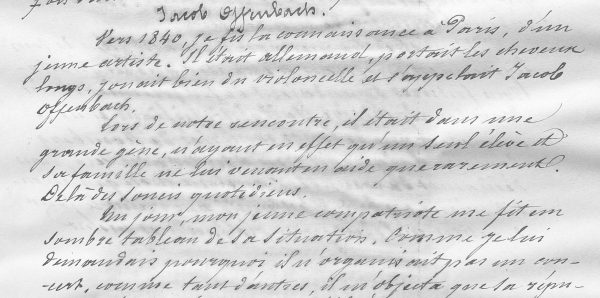
Flotow Brief
Von Frédéric de Flotow habe ich bisher wenig von seinem Schriftverkehr in öffentlichen Bibliotheken (BnF) auffinden können. Beachtlich sind die Funde in den Pariser Bibliotheken. Neben einem auf Deutsch geschriebenen Brief sind dort 4 weitere, teilweise mit mehreren Blättern im Original erhalten. Es handelt sich dabei um Briefe, die mit Auftraggebern für seine Werke korrespondieren oder Besuche bei Bekannten, die sich meist verschieben oder schwer arrangieren lassen, denn der Komponist und spätere Intendant von Schwerin ist viel beschäftigt. Die zahlreichen Werke und Opern sind eine zeitraubende Angelegenheit, die Inspiration und Imagination brauchen, aber gleichzeitig eine aufgesprochene Fleißarbeit fordern. Talent ja, aber eben auch Durchhaltevermögen und ständige Suche nach geeigneten Libretti. Die Schrift, auf feinstem Briefpapier meist mit traditionellem Wappen der Familie Flotow eingestanzt, ist so klein und feingliedrig, dass mir bereits nach einer halben Stunde die Augen brannten. Ein Brief erwähnt das mögliche Engagement der italienischen Sopranistin Frezzolini an der italienischen Oper in Paris, die doch vielleicht schon die Hauptrolle in der Flotowschen Oper Martha übernehmen könnte. Der Opernchef Calzado könnte ihm (Flotow) doch vielleicht diese Ehre zu Teil werden lassen (Quelle: BnF Flotow, 1958 an Calzado, Notice n° : FRBNF39807946 S.159). Der Komponist schreibt ein fließendes, höfliches Französisch mit den üblichen Grußformeln. Seine Lehrjahre in Frankreich lagen dabei schon einige Jahre zurück. Sprachbegabung verbindet sich häufig mit musikalischen Talenten, was sicherlich von der frühen Zweisprachigkeit befördert wurde. Beeindruckend zu sehen und in einem kleinen Auszug zu lesen.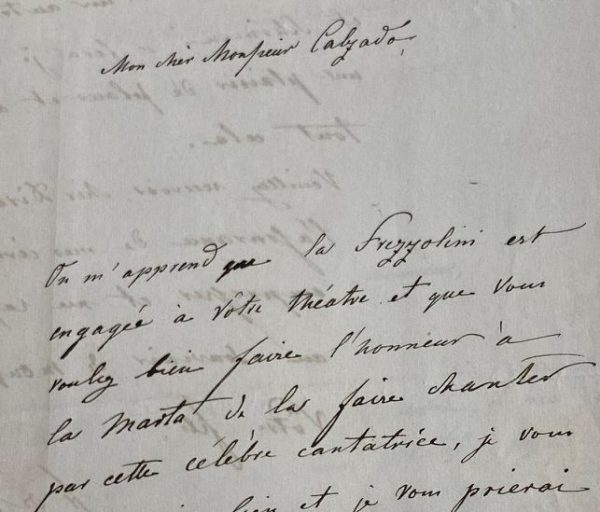
Rhetoricae artis
“Die Kunst der Rhetorik und der positiven Fähigkeit” ist eine kleine Wissenschaft. So hieß es bereits 1475 in dem von Guillaume Rardif veröffentlichten Buchdruck aus dem “Atelier du Soufflet Vert”. (BnF, Réserve des livres rares, Rés. X-1118). Als Teil der Ausstellung zum Buckdruck entnehmen wir 5 wichtige Hinweise für die Kunst der öffentlichen Rede: (1) inventio = (Er-)findungskraft, (2) dispositio = Anordnung, Gliederung, (3) elocutio = Ausdrucksweise, Stil, (4) memoria = Erinnerungsvermögen, (5) pronunciatio = Urteilskraft.
Ein kritzelnder Leser hat mit Bleistift die 6 Teile angefügt. Exordium = Einleitung, Narratio = Erzählung, Sachverhalt, partitio = Einteilung, und schließlich die dialektik mit Confirmatio, Rufusation, Conclusio. Abweichungen von diesem rhetorischen Schema sind noch immer selten. Das galt wohl seit dem 15-ten Jahrhundert schon für Predigten und wissenschaftliche Vorträge. Alles altes Latein, oder was? Die heute übliche “Elevator-speech” folgt anderen Regeln. Die Aufmerksamkeitsökonomie und Flut der Informationen erzwingt viel kürzere Redezeiten. Die Nachhaltigkeit der Botschaft wird anders erzeugt. Bildlichkeit ist Trumpf in Erscheinung und Auftritt. Auch das will gelernt sein. Die Bücher damals waren selbst ästhetische Kunstwerke und dennoch Arbeitsbücher, leider nur für sehr wohlhabende Studierende. 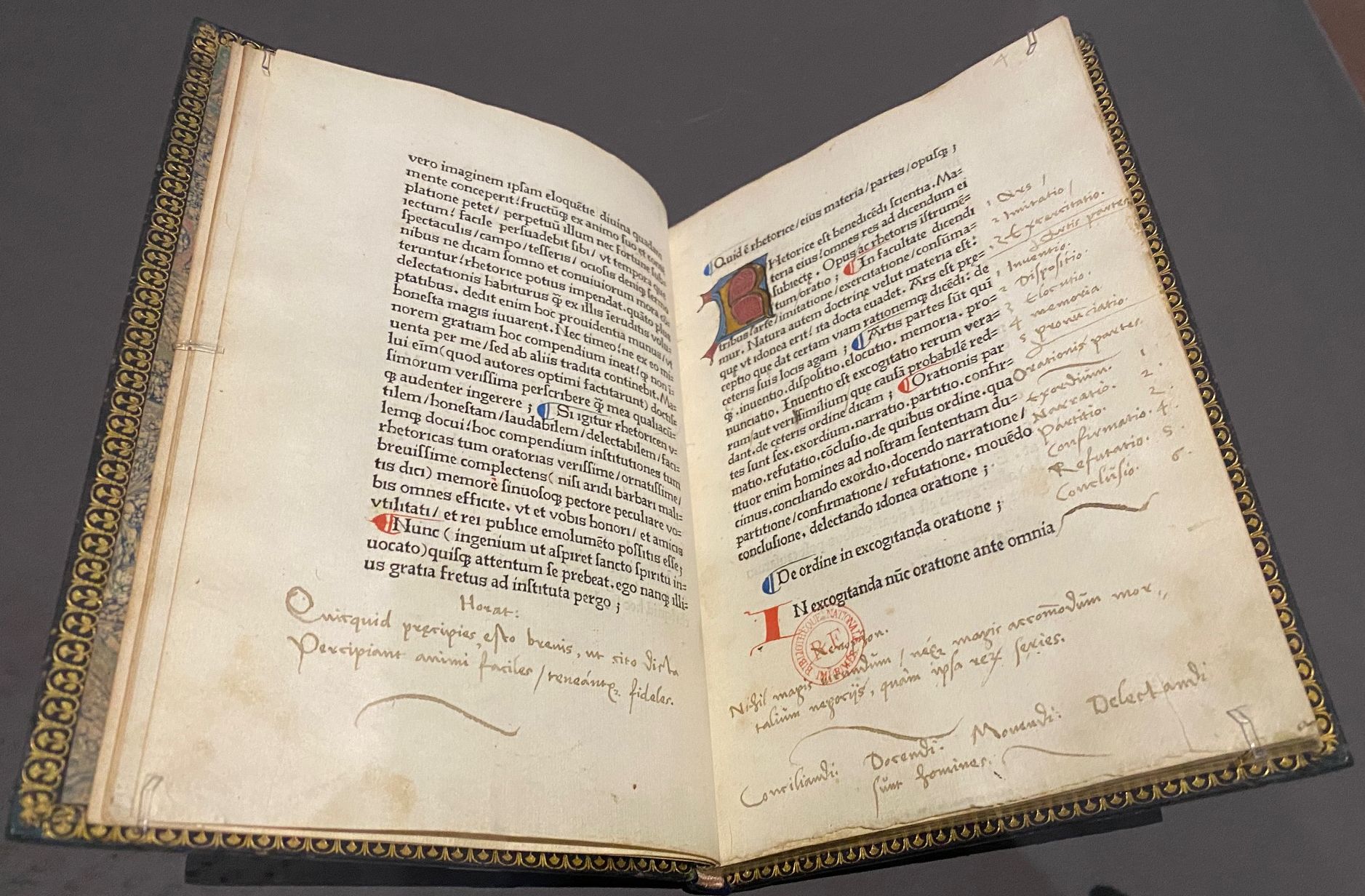
Musée quai Branly
“Musée du quai Branly – Jacques Chirac” receives relatively few visitors compared to the much more popular art museums in Paris. The proximity to the Eiffel tower, however, allows easy access within walking reach from the most visited tourist attractions in Paris. A cheeky impression of the design of the building and surrounding gardens of the Museum resemble to me a shadow of the Eiffel tower in the afternoon sun in Paris. Some might even say with a westerly wind the tower would fall exactly on the museum. No, of course the tower is not tumbling. In the shadow of the tower there is superb place to meditate in the gardens or enjoy the many exhibitions of cultures from across the world. 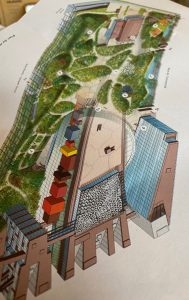 In remembrance of former President Jacques Chirac, Asian cultures have had a strong impact on the collections and the organisation of the garden. Very different from the French park “à la Le Notre” at Versailles or Fontainebleau, the garden of the museum du quai Branly follows a completely different design focusing on bio-diversity. The architect “Jean Nouvel”, is quoted having said, that the garden is not a complement to the museum, but the garden is the museum. Hence, it is possible to have very unexpected views not only from the museum buildings, but also of the Eiffel tower nearby. It is possible to view the Eiffel tower through different continental perspectives on it. To the extent that you might not even recognize the massive tower in the neighbourhood being immersed into wild life. Then try one of the special expositions or the permanent exhibition, if visiting for the 1st time. We travelled continents without devastating CO2 effects. Additionally, Paris is easy to reach by train. You may complement the intercontinental experience by visiting the headquarters of UNESCO, at least the book shop, in Paris also nearby.
Walking
Yes, walking again. It is so nice, if there are a few roads blocked for car and bus traffic in central cities. Walking the city becomes a marvellous experience. On Easter Sunday 2023 the Champs-Élysée is great because strolling down the avenue without paying attention to road traffic offers an even better view on the surroundings. Why don’t more cities dare to lock out cars to facilitate pedestrian circulation and reduce air pollution at the same time. No problem to reach more than the WHO recommended 10.000 steps/day on such a sunny day in Paris. Inside the Louvre, another chance to achieve new records in mileage by foot. 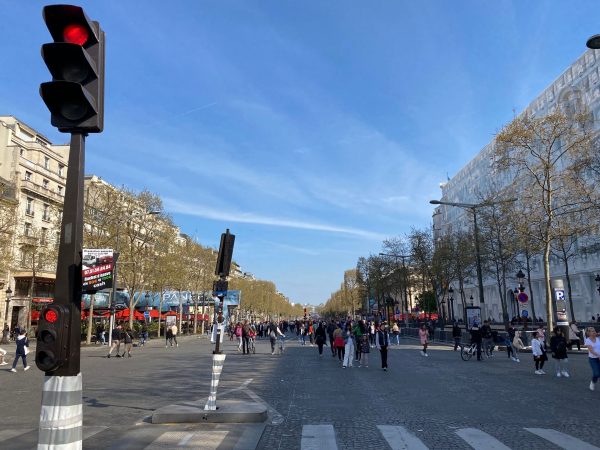
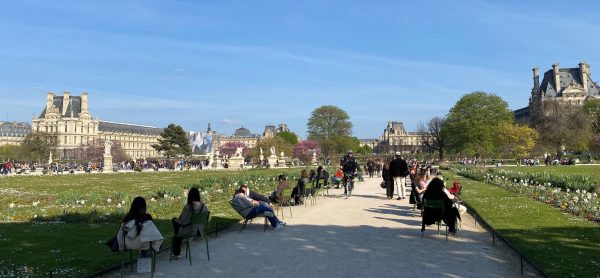
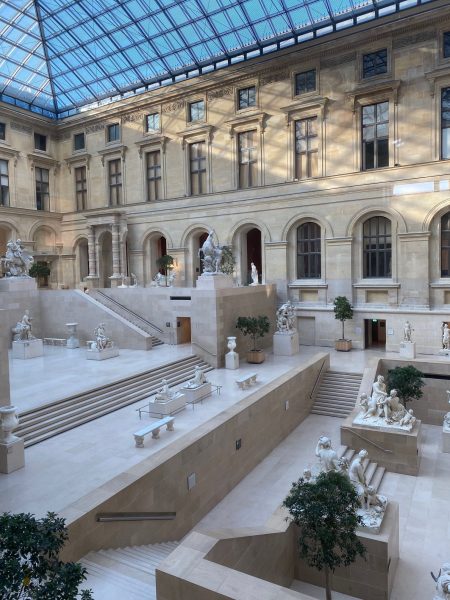
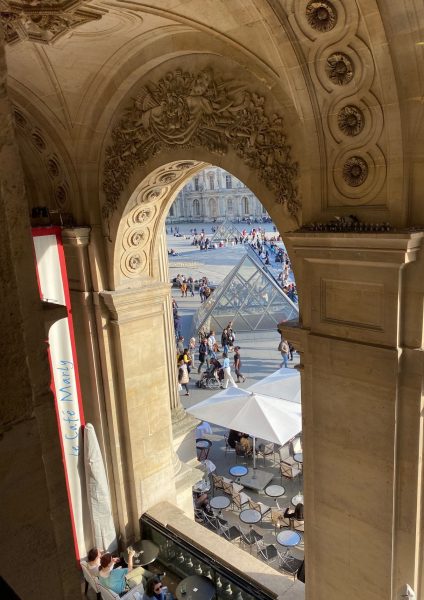
1900s
1900 marks the year of the 5th world exhibition in Paris. The Eiffel tower, built for the 4th exhibition in Paris remains the iconic attraction despite the new architecture that is added to Paris as the Petit and Grand Palais as well as the 1st Metro line. Art Nouveau style adds to already impressive architecture in and around Paris. With the planning horizons of several years in advance of events, urban planning with all its facets of urban infrastructure and architecture becomes much of a defining scientific discipline for decades and for most of the time of the century. Grand urban architecture and design constitute just another form of competition between nation states. Most of them want to show off their imperialist acquisitions and, what they define as “curiosities” at the time.
Habib (2005, pp.502) singles out Arthur Schopenhauer and Friedrich Nietzsche as “heterological thinkers” who coin major thoughts in the late 19th century that shall influence the beginning of the 20th century right from the year 1900 onwards. “The world should be formed in your image by your reason, your will, and your love! And truly, it will be to your happiness you enlightened men!” (Nietzsche. Thus spoke Zarathustra 1978, p.110). In retrospect from the 21st century we shall doubt this overly positive approach to human intentions and their will to form the world according to their abstracting ideas only. Tensions between technology and society became visible and it took many decades before society became conscious that it is up to society to choose technologies they preferred.
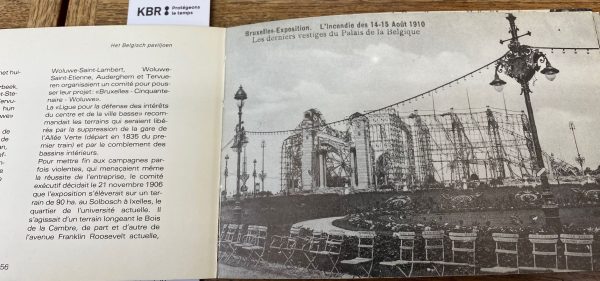
The planning for the Brussel Expo 1910 started right after the previous Expo 1905 in Liège. Protests in Brussels accompanied already the choice of terrain for the Expo, but the governors and shareholders of the enterprise decided 1906 for a site near the “forêt de Soignes”, where trees had to be cut for access to the construction site and for future visitors under local protest. Women workers were present to exhibit the low pay of women in industries. Child labour was documented with shocking images. Around the globe labour movements started to raise attention. In the U.S. the National Women’s Trade Union League (1903) was founded as well as the National Child Labor Committee (1904). “Bloody Sunday” in St. Petersburg (1905) saw the killing of peaceful protestors in front of the Zsar’s palace, which ignited the Russian Revolution of 1905 and the creation of the Russian Parliament. Some of these issues (child labor) keep returning to our social agenda well into the 21st century.
Einstein’s publication of the theory of special relativity (1905) as well as challenges from social philosophy reflects the huge discrepancy between advancement of the sciences and the living conditions of the masses. Social theories and science advances foreshadow the violent turbulence throughout the 20th century.
(Sources: (1) Max Welch Guerra et al. (2023). European Planning History in the 20th Century: A Continent of Urban Planning. Routledge. (2) St. James Encyclopedia of Labor History Worldwide: Major Events in Labor History and Their Impact, Neil Schlager (2004). (3) Images from I. Van Hasselt(1980) Bruxelles Expo 1910: l’incendie / de brand. J Stevens. 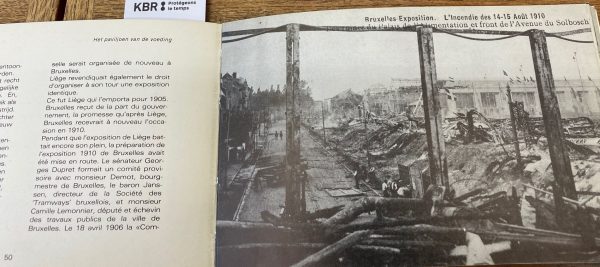
Gewalt Training
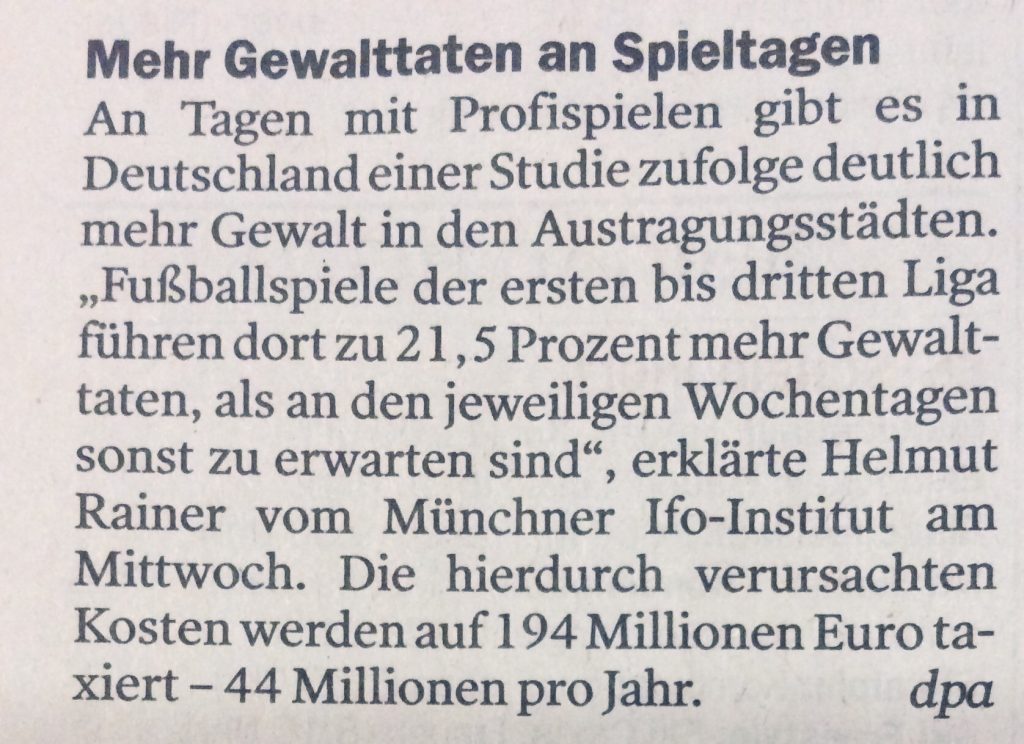
Wöchentlich wiederholt sich das traurige Spektakel. Gewalt im Umfeld von Fußball ist kaum mehr wegzudenken. Auf 2 Seiten Sport in der Zeitung heute nur eine kleine Randnotiz kein Artikel, kein Kommentar. Ist ja alles nur Spaß, die wollen doch nur spielen. Weit gefehlt. In Berlin mit noch 2 Bundesligavereinen ist dann jede Woche Heimspiel und die Bahnhöfe werden zu Risikozonen, Straßen im Umfeld der Stadien sowieso. So wird seit Jahrzehnten die Verrohung der Gesellschaft trainiert. Früher nur samstags heute an fast allen Wochentagen. Wollen wir wirklich den totalen Fußball? Total verrückt die Welt, von den Kosten und Schäden, die die Allgemeinheit trägt mal ganz abgesehen (Nachtrag aus Süddeutsche vom 7.3.21 Randale in Mexiko – Gewalt stoppt Mexikos Liga). Viele Vereine sind sogar als gemeinnützige Organisationen bei uns deklariert. Ob das bei den Prämien noch gerechtfertigt ist, interessiert nur wenige Steuerexperten. Früher hieß es, wenn Du richtig reich werden willst, gründe eine Religion, ne kleine Sekte tat es auch. Heute gründen/kaufen wir einen Fußballverein oder Champions- Fußballverband.