One of the defining principles besides the job description, working time, working place, remuneration of a work contract is the subordination to a superior. The employment contract entails some more or less strictly executed form of direction, but a right of direction nevertheless. This element of subordination has become a major issue in the definition of whether you are effectively an employee or a self-employed person. The digital revolution had enlarged the kinds of subordination. Platforms and algorithms, that distribute work among several employees (but named platform workers) disguised the subordination to a superior level of management to the platform and its seemingly anonymous algorithm. Many young riders were saying, I don’t like bosses, but I am willing to accept a “technical” platform that distributes work tasks only seemingly in a non-discriminatory way. Due to a failure of labour legislation to regulate early enough a thriving model of fake self-employment developed throughout Europe and beyond. Labour Courts have contributed a lot to correct the disguised subordination. Even Uber is advertising that they only operate as a broker of tasks, but have no subordinated employees. The related issue of subordination remains largely the same. Subordination to an algorithm of the distribution of tasks is the end result.
Many start-up enterprises use Kanban boards to facilitate project and team management. Shifting tasks between employees, introducing new tasks and self-selection of tasks are potentially subordination-free allocation of tasks (example software). Flat hierarchies seem more manageable through the use of such tools. The number of tools that integrate other office functions is impressive. When testing such tools, that become more popular also in the distribution of household tasks, beware of the data-hungry nature of such tools. For example, https://trello.com/ warns correctly in the small print that for its full functionality it would need to have permission to use “your” camera, microphone, contacts, photo library, calendar etc.
This demonstrates that subordination, nowadays, is complemented by the algorithmic use of a lot of privacy, we would never have agreed to a boss in person should even ask for. The new and old subordinators have powerful tools at hand, the subordinated will have to get their act together and limit the amount of subordination they are willing to accept.
Again, this is a generational topic. The low threshold to accept technical subordination in younger generations, your autonomous level-5 car is breaking earlier than you even perceive a risk, is confronted with the higher threshold to accept personal subordination for youth. Interestingly, for older generations the obverse is true. All in all, we have ample reason to rethink and re-define also in legal terms the manifold, disguised and new forms of subordination related to work.
Photovoltaik
Eigentlich ist die Photovoltaik eine alte Technologie. Seit 1954 werden Solarzellen, damals noch mit geringerer Effizienz und teuer, produziert und benutzt. Da hat sich viel verändert und nicht zuletzt durch die sogenannten Balkonkraftwerke sind Solarzellen zu einer weltweit beliebten, rentablen Alternative geworden. Dächer eignen sich wegen ihrer Schräge und oft der Ausrichtung bestens zum Aufstellen von Solarzellen. Renovationen und Neubauten sollten diese Art der Energieerzeugung unbedingt in Betracht ziehen.
Wegen Olympia 2024 in Paris wird dort gerade viel städtische Infrastruktur erneuert. Der “Gare de L’Est” wird beispielsweise von Frankfurt aus mit TGV und ICE angefahren. Da kommen viele Geschäftsreisende und Touristen aus Europa und der ganzen Welt an. Ein Blick auf die Dächer des “Gare de L’Est” von dem Fußweg zum Gare du Nord zeigt viel verpasste Investitionen. Ein Meer von Dächern liegt brach, bestens geeignet zur Installation von Photovoltaik. Das könnte eine Menge an Energie vor Ort produzieren, die die Züge dann direkt benötigen. Mehr Ökostrom statt Atomstrom kann einfach sein. Es fehlt nur oft der Wille. Nachhaltigkeit und Olympische Spiele ist ein ganz eigenes Thema, nicht nur für Paris 2024. 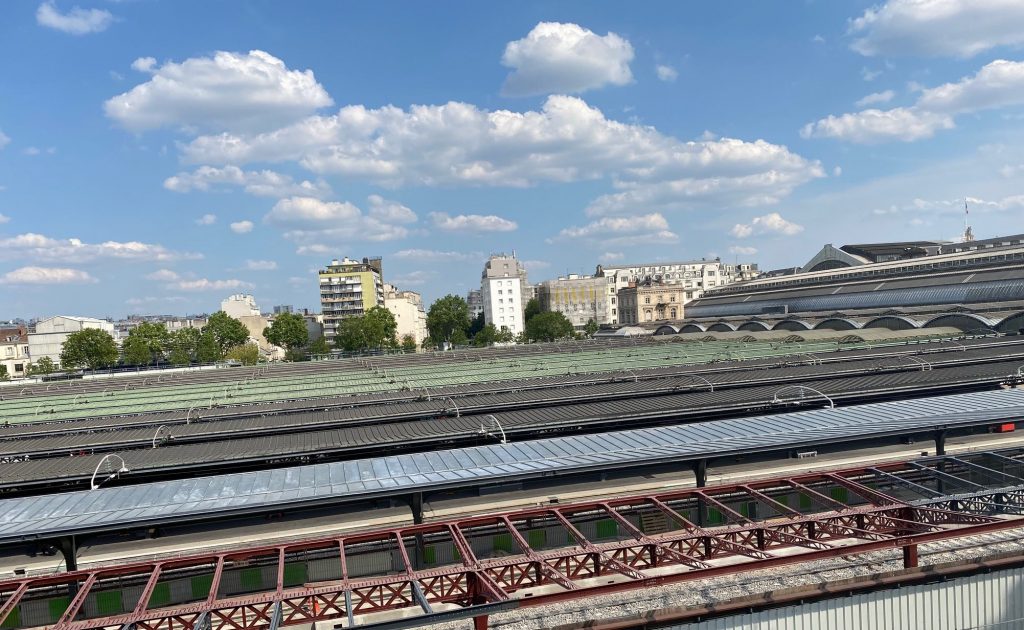
Crises
Crises, yes crises, we have seen a few in recent years. After the first financial crisis, 2009, the COVID-19 crisis and now the energy crisis, , they all have cost us respectively 1.6%, 2.5% and lately a whopping 7.8% of GDP loss according to Tom Krebs (Uni Mannheim and FNE) in his assessment of lessons from these crises. Also Philip Lane (ECB) showed the lower GDP growth rates due to the crises.
We lost out on the wealth of our nations and face mounting difficulties for the distribution of this wealth. As firms cashed in on profit margins lately, workers risk even more to fall behind significantly. At the same time, it is high time to prepare for the next winter season now, to ensure the same risks as the dependency on energy resources from outside Europe, especially Russia, can be maintained. The conference of the Forum New Economy from the 8th of May 2023 discussed several ways forward to learn our lessons from these crises. Strategic independence needs to be properly defined for Europe as a whole, not just in each individual state. Implementation has to be rapid as well. Geopolitical challenges will not wait for us to finish discussions. Germany and minister Robert Habeck has received some acclaim from the economists for a fast and rather successful reaction to safe us from an energy crisis last winter. Massive increases in renewables (+20% solar energy) has helped a lot to ensure sufficent energy supply when France suffered heavy reductions from its nuclear energy power plants. “Let the sun shine … in”, I would sing. However, we have to think even further ahead build our resilience based on improved energy efficiency and may rethink the risks and vulnerabilities of our economic model of production and consumption. Diversifying imports from Russia with imports from other countries and other (green) forms energy is part of the solution. A heavy reliance on China as buyer of our products is good for trade balance, but some sectors (automotive) are nowadays critically dependent on selling in China. Some of our partners are very anxious about this new dependency on Asia for our economic growth model (see figure below from conference). Market based economies suffer more openly from huge economic swings than more secret-based autocratic economies. Our state agencies have to keep that in mind and state intervention seems to become more likely options in future as we have already witnessed in the past crises. We had to rely on running higher state deficits to cover the losses incurred from the crises. The EU, the larger Europe in combination with the transatlantic and pacific alliances has a lot of resources to address these strategic interdependencies. Being prepared, in strategic thinking and potential implementation procedures is a major part of building capacities that ensure resilience and strategic independence. As in a game of chess, you have to think ahead a couple of steps to frighten off some potentially dangerous moves of other players.
In terms of a planetary concern we still have to address the major climate crisis and the last 3 crises have largely contributed to reduce the resources we have available to address climate change. Smart crisis management succeded to ask for emission reductions in return for subsidies from firms and private households. This might be the “best practice examples” worthy to learn from. There are still huge evaluation tasks for analysts of these crises. 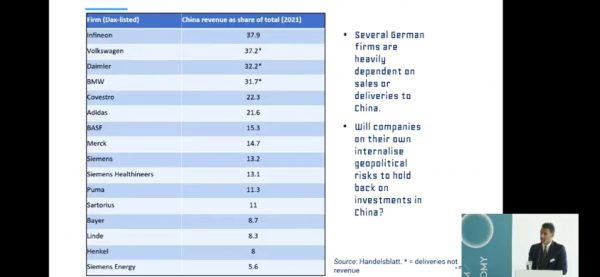
Wasser im Wald
Wasser im Wald hat viele Funktionen. Historisch erleichterten Wasserstellen an denen sich Wildtiere genüsslich im Morgengrauen laben, die Jagd des erschöpften Monarchen. Einfache Ziele, die jeder Jagende sich zu nutzen machen kann. Kleine Seen dienen aber auch als Wasservorrat beim Löschen von Waldbränden und nicht nur den Badenden im Sommer. Viele kleine Seen in Frankreich leiden an erheblicher Wasserknappheit. Wasserstände, die sonst im Spätsommer erreicht wurden, nach Trockenheit und Verdunstung, sind im Frühjahr 2023 berreits erreicht. Ein Waldbrand könnte kaum mit vor Ort vorhandenen Wasserreserven gelöscht werden. So hängen Feuer und Wasser im Wald recht eng zusammen. Austrocknende Seen vernichten zusätzlich die Biodiversität im Wasser, denn weniger Lebensraum im Wasser hat Konsequenzen. Das heizen mit den Motorrädern im Wald, hab ich selbst gemacht vor vielen Jahren, ist heute eh schon verboten. Aber Verbote und Jugend sind ein eigenes Thema. Wir haben der Jugend die Freiräume geraubt, die wir noch hatten und jetzt beschweren wir uns über die stubenhockenden Jugendlichen mit ihren Computerspielen und Social-Media-Aktivitäten!?! Ein völliges Überdenken des Wassermanagements ist von Nöten. Das sind wir den nachfolgenden Generationen schuldig. Welche Arroganz besitzen wir, dass die Jugendlichen von Heute viel klüger und noch schneller erwachsen sein sollen als wir selbst in diesem Alter. Aus Fehlern lernen wir, aber wir scheinen das Lernen, den späteren Generationen überlassen zu wollen. Leider funktioniert das so nicht, wir müssen schon an unser Verhalten ran und von uns verursachte Schäden selbst reparieren. Das Fegefeuer brennt schon, ob wir es noch rechtzeitig löschen können? 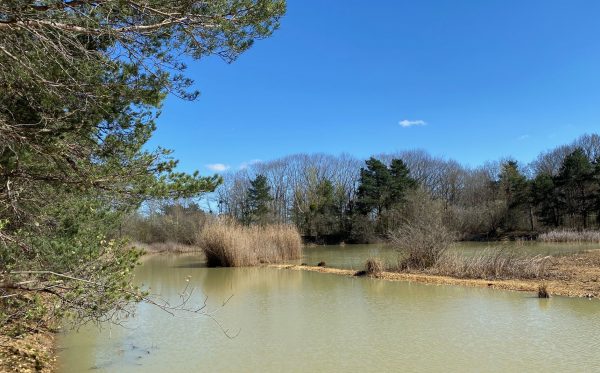
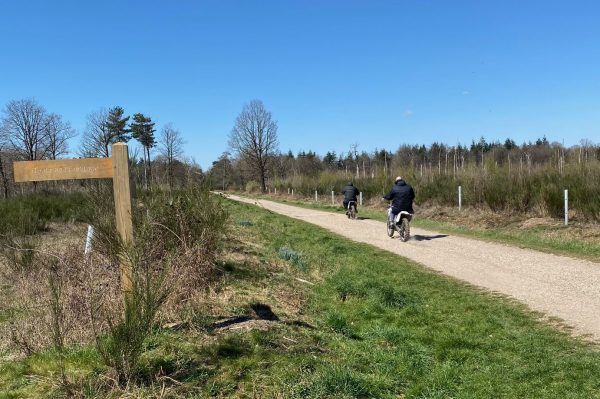
Feuer im Wald
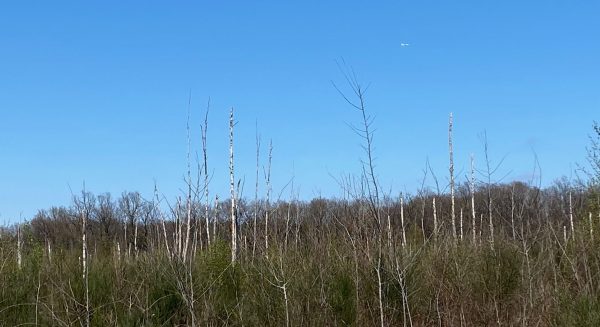
Das sogenannte grüne Lunge kann immer öfter ihre wichtige Funktion der Klimaregulation nicht mehr wahrnehmen. Waldbrände begleiten den Klimawandel. Bereits 2018 gab es ein großes Feuer im Wald bei Paris. Im “forêt de Sénart” in der Nähe der Städte Montgeron, Yerres und Brunoy (nahe Paris) hat sich der Wald seit dem Feuer im Hitzejahr 2018 noch nicht erholt. Geld für Reparatur der Schäden fehlt und so lässt die notwendige Aufforstung auf sich warten. Der Verlust der Biodiversität durch den Brand lässt sich schwer bemessen. Brandrodung, gängige Praxis im Amazonasgebiet, hinterlässt auch bei uns mehrere ungewollte Folgewirkungen. Die Bewirtschaftung des Waldes hat die Schäden abgeschrieben, aber Zukunftsinvestitionen lassen auf sich warten. So heizt sich die Region Ile de France eben weiter auf und Millionen Käufer von Klimaanlagen. Die befördern in naher Zukunft das Wirtschaftswachstum, aber beschleunigen den Klimawandel. Wir wissen, dass es so nicht weitergehen darf. Nur der Wille, wirklich etwas daran zu ändern, fehlt an vielen Orten. Weiterso, wenn es kein Weiterso geben darf, ist die Schizophrenie unseres und des letzten Jahrhunderts. Lernen im und vom Wald ist nötig. Das ist unsere Lebensgrundlage. 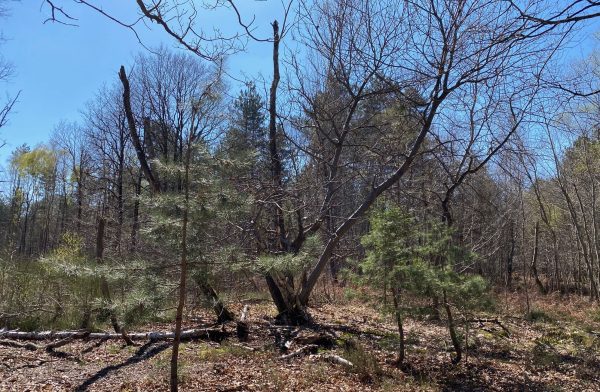
Schaukel
Sagt die Lehrperson zur Schulklasse: Stellen wir uns alle jetzt mal alle eine Schaukel vor. Wie sieht die Schaukel denn so aus? Was gibt da so drumherum? Könntet Ihr nun bitte versuchen, die Schaukel auf ein Blatt Papier zu malen? Jeder hat seinen Bleistift und einige Buntstifte dabei. Einfach mal versuchen, es gibt keine Noten dafür. Es soll Spaß machen und wer möchte kann sein Bild anschließend den anderen zeigen. Schön, sofort wird es ganz laut in der Klasse und alle legen los. Naja, fast alle, das stille Mädchen aus einer der hinteren Bänke stockt und wirkt unruhig. Sie ist erst seit einigen Monaten in der Klasse und spricht noch nicht wirklich wie die anderen die Ortssprache. Da liegt wohl an der langen Reise, die die nicht mehr ganz so Kleine hinter sich hat. Die meisten Jungen und Mädchen erklären zugleich recht lautstark welche Schaukel sie malen werden. Die vom Garten hinterm Haus, vom Spielplatz nebenan oder sogar die Schaukel unterm Baumhaus im angrenzenden Waldstück. Bei den meisten Kindern steht rasch die Schaukel nicht mehr im Mittelpunkt der Kurzgeschichten, sondern die Freunde oder Kinder mit denen sie gemeinsam schaukeln. Nur unser stilles Mädchen erinnert sich mehr an ihren Reiseweg, bis sie dort in dieser schönen bunten Schule angekommen war. Das waren viele Stationen, von denen sie gar nicht erzählen möchte oder gar ein Bild malen möchte. Die meisten Erinnerungen war so, dass sie diese lieber für sich behalten wollte. Zu weit weg waren sie von den aufgeregten Erzählungen und fantastischen Geschichten der anderen MitschülerInnen. Doch dann hatte sie doch ein Bild vor Augen. Ein Spielplatz in einer großen Stadt, Berlin genannt, ist ihr in Erinnerung geblieben. Als sie diese Schaukel grob, ohne Farbe nur mit Bleistift auf das Blatt skizzierte, keiferte der Banknachbar schon: So sieht doch keine Schaukel aus! Die Neue kann noch nicht mal eine Schaukel malen. Das stille Mädchen blieb weiter still, wusste sie doch genau, dass ihre Schaukel eine Überraschungsschaukel war. In der großen fremden Stadt war ihr diese Schaukel aufgefallen, denn sie war fast so schön, wie die Schaukel an dem starken Ast des Baumes, im Garten ihrer Großeltern. Dadurch verknüpften sich ihre vielschichtigen Erinnerungen zu einem Bild.
Technology
Over the 20th century technology has pushed forward in many fields. As there were huge investments needed the public campaigns to support new technology without much further reflection of potential consequences have pulled many western societies into risky technologies. Except the Club of Rome there were very few to question the naïve beliefs that technological change will make societies rich and potentially even more equal. The recent report “Climate Inequality Report 2023: Unequal Contributions to Climate Change” has debunked both of these claims. More flying across the planet, particularly short city hopping, has allowed few persons to reap the benefits of the jet-set world, but contributed to climate change in excessive quantities. This is a fact when we compare major world regions among each other as well as within each country. It has to be the wealthy countries that have to shoulder the biggest share of the costs. It has to be the wealthy that pay higher contributions for their pollution. Society has to reign in technology more than ever before. Moreover, we still have to get the income and pollution distribution organised in a better way. It is not only an implementation challenge, but the major question of the 21st century to repair the damage largely caused throughout the 20th century. 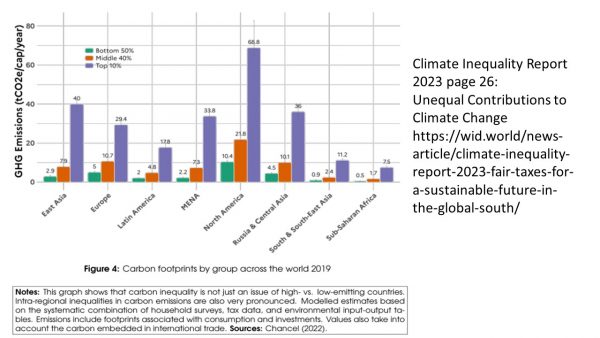
Spring2023
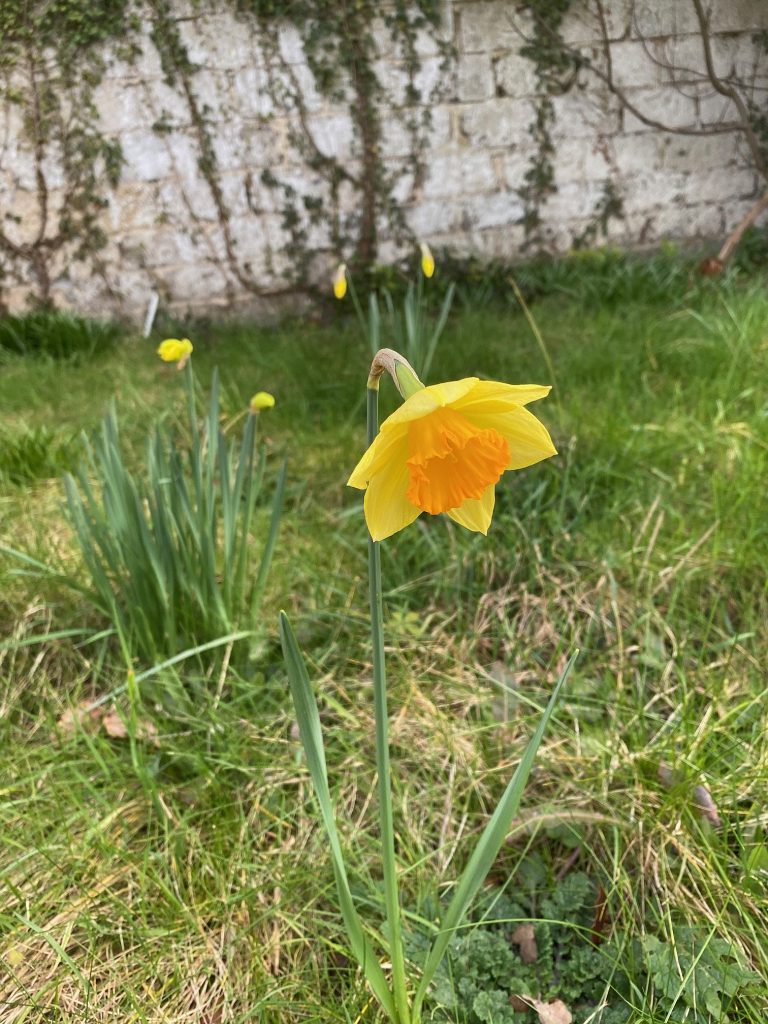
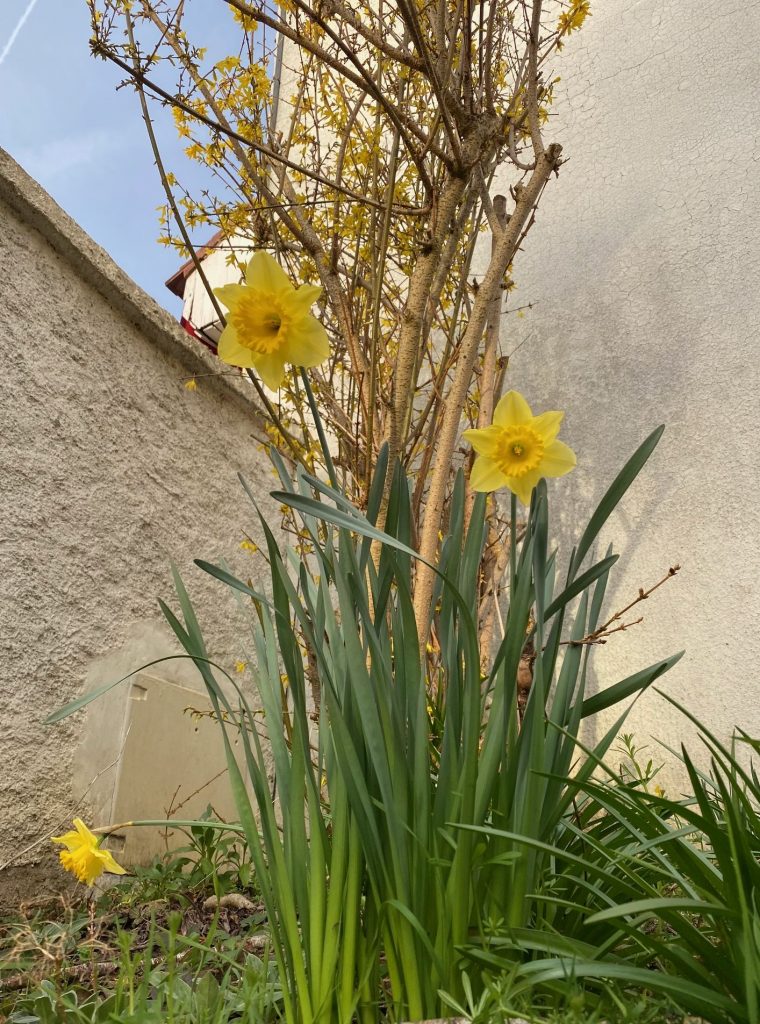
Spring has sprung, a little bit early in 2023. On the 16th of March in the vicinity of Paris, where Caillebotte designed his impressionist garden. It is still 4 weeks until Easter. The spring flowers will hardly survive until then. Hence, we prepare for an early summer, nice because of less heating, but the vegetation is suffering in the region due to the lack of rain. Hay fever for millions of persons will start early this year as well. The damages from a fire in the nearby forest “Sénart” from 2018 have still not really disappeared. It is expensive and needs a lot of workers, equipment and knowhow to avoid the same old mistakes of planting mono-cultures of trees again. When will they ever learn, when will they ever learn.


Time5
The social sciences deal with time either as part of social theory and as part of social measurement in the broadest sense. The entry of time in “The encyclopedia of social theory” (Ritzer, 2006, p.837-41) reminds us that since the age of Augustinus, believing that time is a God-given concept, we have evolved with Kant’s notion of the “Ding an sich” that time exists within our experience, but also beyond our experience of it. It is Durkheim who sees time as a social institution and raises the issue of a social construction of the concept(s) of time. In the process of civilisation, Nobert Elias leads us to think of time as an evolving social process which allows us to reach higher levels of civilisations. Despite wars and other backlashes, the basic premise remains an eventual improvement on previous situations (Time 3). The phenomenological method applied by Husserl points at the “inner time consciousness” of persons, which finds its literary expression for example in Proust’s writings.
In addition to time as the object of social theories, we find frequent implicit use of concepts of time as a component of social theories. Life courses, social change, social mobility, social integration, learning, all these concepts are conceived with “time stamps” attached to the them. Their temporality, i.e. location in time and space, durations, sequential orders and interlinkages form huge fields of research. Whole societies have attempted to define when is the “normal”, “right” or “best” time to do something for the individual or the society as a whole. Social desirability is linked to time and space and varies accordingly. The 1960s probably were a decade where the questioning of social desirability was most obvious.
Social measurement of time and the location of social phenomena in time leads us to the empirical field of studying time or the treatment of time as a basic dimension in and of social processes. “The encyclopedia of social measurement” (Kempf-Leonard, 2005) list the sampling of time as a basic entry to the topic. Frequency of sampling, (yearly, quarterly), level of sampling (person, household, region, country), repeated surveys (prospective, retrospective) of same person or rotating samples of persons have their specific strengths and weaknesses. Analytical methods rely on the concepts of the measurement of time. It seems to be a fair observation that (Clarke and Granato, 2005, p.836) the future of time series analysis lies in the linkages to theory. After all, the 2 worlds of theory and empirical measurement are linked through the concept of time, despite the tendency to abstract from it or assuming a large overlap in the concept of time (and space) referred to. Clocks seems to be ticking differently in different places.
Image: Dali Paris. R. & N. Descharnes Salvador Dali Sculptures & Objects. Eccart. Ref. 615, page 238. 
Sax and the Sax
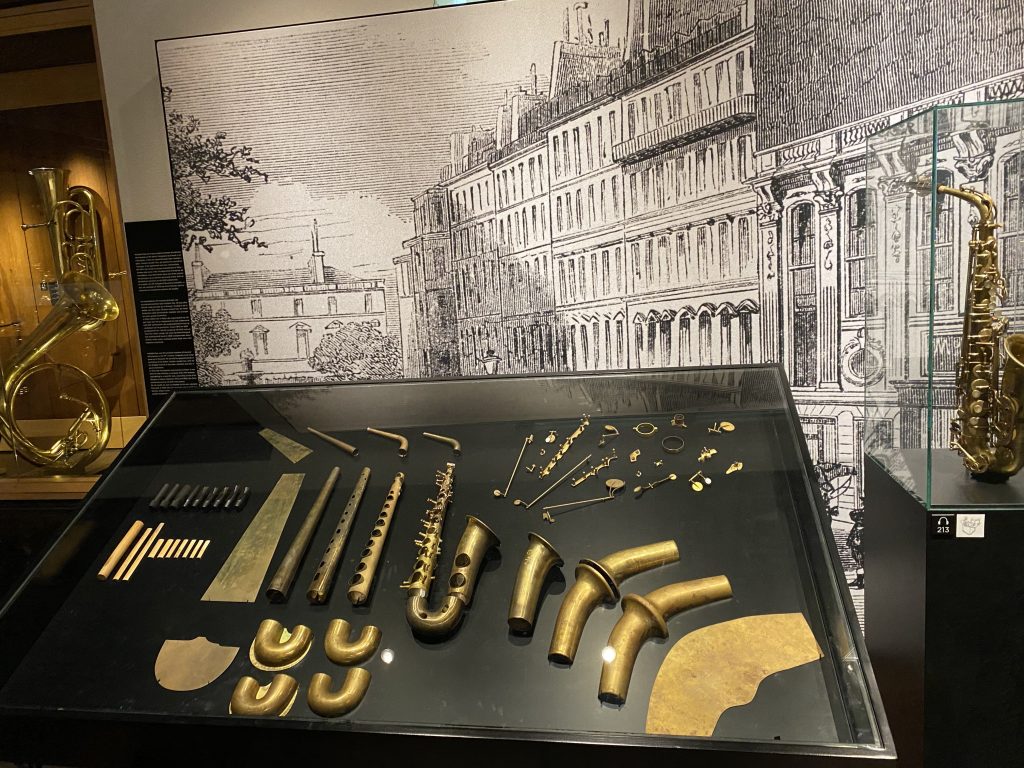
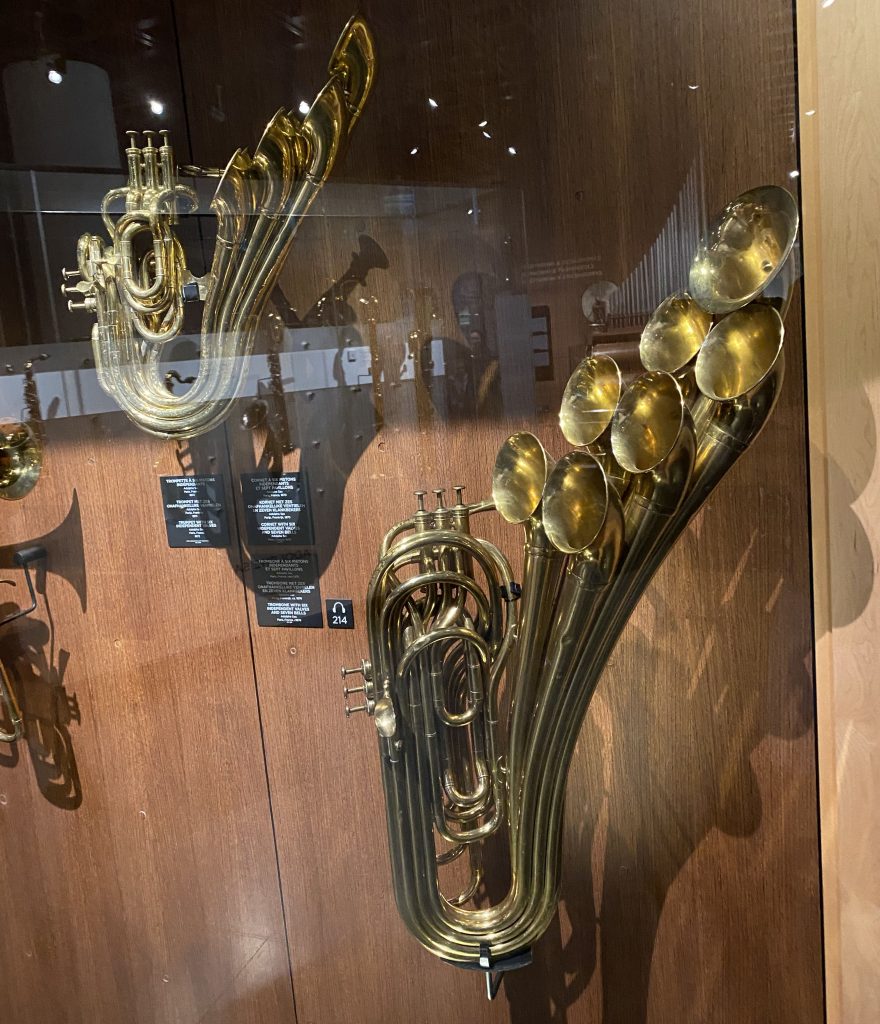
Adolphe Sax is celebrated for his celebrated design of musical instruments in what it known and played as the Sax family of musical instruments. Most museums around the world have an example of an early Sax instrument in their collections. Beyond the many fascinating musical delights and emotions produced with the instrument, there is a century-old debate around the issue of the patent attributed to the various designs claimed by Adolphe Sax for the Saxophone among others. The patent attribution was hugely different across Europe in the 19th century (largely inexistant in other parts of the world at the time). The reason for this were differing laws guiding intellectual property rights. “In France no preliminary examination was necessary before a patent could be granted; in Germany examination was obligatory; and … British patent laws, which allowed makers to register designs or apply for patents for developments that had been copied from abroad (imported inventions), as long as they had not been published in Britain.” (Mitroulia and Myers, 2008 p.93). There is a well-documented controversy about the “Berlin valves” and the contested patent in France of it. Design of instruments, particularly popular ones, guarantee sizable earnings for producers of instruments. After 20 years of the 1846 patent in France 1866 the patent expired and the copies could become even cheaper. Some ugly disputes in the middle of Europe were fought around this issue. Remember that military music was still accompanying troops for better or worse. “Visionary or plagiarist? The authors are unable to give a simple verdict. … The fact that Sax claimed originality for some borrowed ideas seems in retrospect less important than the true vision shown.” (Mitroulia and Myers, 2008 p.135). We might not agree with this statement. The visit to the MIM in Brussels gives a good overview of the evolution of musical instruments over thousands of years and across continents, which pushes us to rethink the link of society and technology through the lens of music and technology. Welcome to techno music beyond patent laws. Pushing the boundaries of copyrights on sound sequences to new limits.
(Sources: MIM Brussels, Rice A. R. (2009). Making and improving the nineteenth-century saxophone. Journal of the American Musical Instrument Society. 35:81-122. Mitroulia, E., A. Myers. (2008). Adolphe Sax: Visionary or plagiarist? Historic Brass Society journal, 20, 93-141).