100 years after the Olympic games were held in Paris, they will take place there again. Each time for the Olympic games new locations (Colombe) were built. For the 1924 games for example the first 50m swimming pool was built (Stade nautique des Tourelles, Porte des Lilas, Paris 20th), but a new one will host the 2024 competitions. However, the old pool will still serve in 2024 for the preparation of the competitions. The successors of Johnny Weissmuller (5 gold medals in swimming 1924) and star in many Hollywood films, the access to the stadium has become much more secured these days. In fact, security has turned into a crucial issue to host the “peaceful games”. In 1924 Germany was still not allowed to participate in the Olympic Games in Paris as the security of participants could not be guaranteed. Some competitions at the time turned rather violent as the example of the rugby competition, in which the converted American football team as rugby players had beaten the Fench rugby team.
The idea of alternative games has also been around for decades. There were already in the 1920s international competitions of worker associations (for example Frankfurt 1925) and the Olympic idea had to defend itself against the accusation of a Western countries’ domination. The set of disciplines in the competitions is always up for discussion and negotiations. We shall see interesting new additions in 2024, like break dance, to broaden the understanding of Olympic disciplines.
Even 100 years after Pierre de Coubertin steered the modern Olympic games, the idea is to bring more to the games than “Faster, higher, stronger”, notably to be together. To be together in a peaceful way remains the biggest challenge for humanity. The inclusive turn is, however, a challenge to host the games, particularly to host paralympic games in inner cities that have abundant barriers of access for impaired persons. Inclusiveness for many countries is another challenge that goes beyond the simple participation in the games, but consists in training facilities and equipment for many disciplines.
(Image: BNF Gallica) 
Schinkel Winkel
Was wäre Berlin ohne Schinkel. Die Berlinerin sagt sogar, „in jedem Winkel steht ein Schinkel“. Das trifft das historische Berlin schon recht gut. Am Charlottenburger Schloss mit seinem schönen rechteckigen Parkanlagen, ganz nah, steht das sogenannte „Schinkel Palais“, genauer heißt es das Neuer Pavillon. Wenn Könige reisen ließen sie schon mal ganz gerne eine Kopie einer schönen Architektur in ihrem Park anfertigen. Das Vorbild eines italienischen Palazzos war hinreichend eindrucksvoll, um Schinkel mit einem Nachbau zu beauftragen. Viele rechte Winkel ließ der Schinkel mauern. Die verhältnismäßig kleinen Innenräume sind heute mit zeitgenössischen Bildern ausstaffiert. Da darf der Caspar David Friedrich natürlich nicht fehlen. 200 Jahre nach Beginn des Bauens am Schinkel Pavillon lässt sich noch recht gut sozusagen in die Epoche eintauchen. In einem etwas abgelegenen Winkel vom großen Schloss lässt sich somit die Zeitreise architektonisch Fortsetzen und mit weiteren Kunstgegenständen verknüpfen. Es ergibt sich so eine „dichte Beschreibung“ der Berlin prägenden Epoche.

Transparent Publishing
New technology pushes transparency of publishing, journalism and science to new levels. Through the hyperlink structure of texts it is easy to link back to the sources of a text. What used to be long lists of references at the end of a text or in footnotes has become directly accessible through weblinks. Only paywalls may or may not restrict the fast and easy access to original sources. In writing online, this is a major additional feature of publishing in the last few years. Some online journals allow this for quite some time now, but there are lots of printed versions that stick to the read and be stuck approach of publishing.
In teaching I have been an advocate of “read the original sources” as the basic source of inspiration for authors. The transparency of the thought process and the evidence provided in whatever form should be traceable. In publishing this transparency allows to exclude the copying of thoughts or unreflected referencing.
However, the task to check for the validity of weblinks and the updating is an additional task. 500+ blog entries with an average number of 2 weblinks per blog entry makes this a job of its own. Testing of 1000 weblinks is something you need a software or plugin which alerts you to “broken links”. The maintenance of a webpage, therefore, increases substantially as the content increases. Reorganisations of webpages make the follow-up of links sometimes quite hard. Projects like the general archives of the web and webpages are very important to ensure the transparency of publishing in the short, medium and long run. The archives of today look more like machine rooms than the splendid archives or libraries of the past and present. 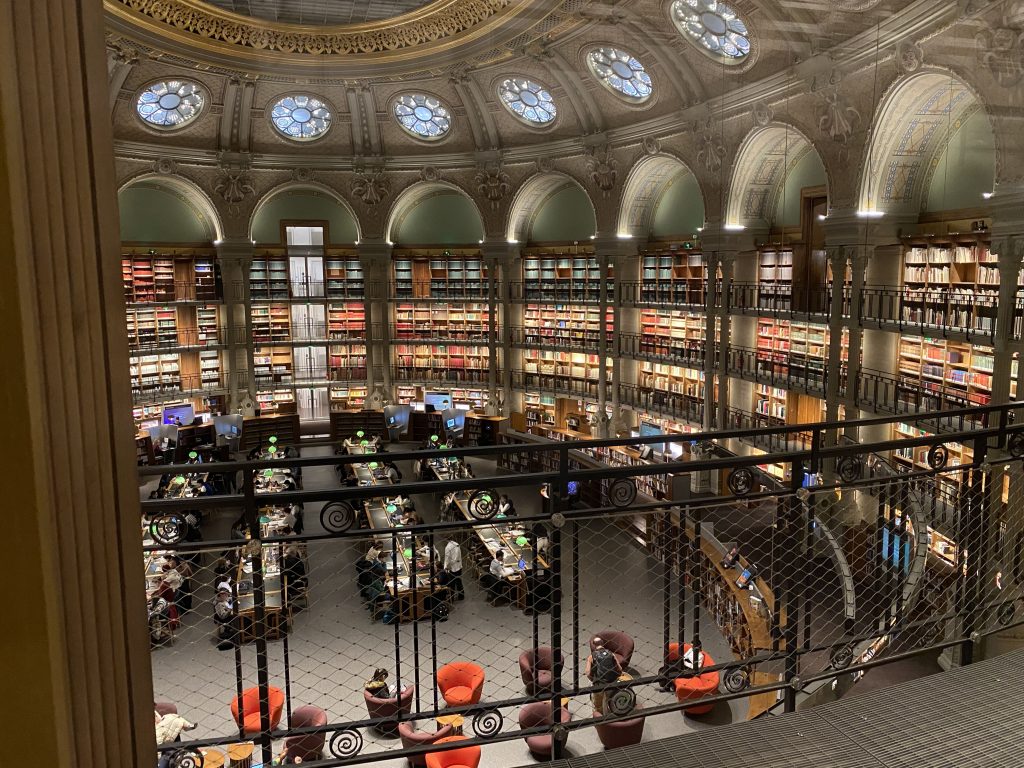
Architecture Berlin
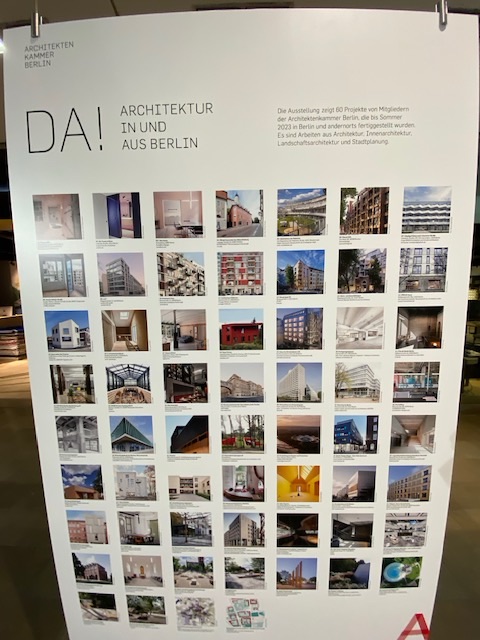
The annual exhibition of completed architecture projects in Berlin attracts people beyond the narrow circles of architects. You may take a walk through Berlin to view the actual realizations in 3D or 4D with people living, working or moving in these buildings. As social scientists we like talking or interviewing these people about their experiences. Urban planning and participation in urban development is important for city development in a democratic fashion. The combination of social, ecological, economic and technological concerns find compromises in urban renewal. The range of activities is remarkable. Living spaces have the most entries in the exhibition followed by offices and trade spaces. Education as well as public open spaces raise a lot of interest and funding currently. Climate change and adaptation to limited ecological resources ask for innovative solutions as well. Most projects in Berlin or by Berlin based architects deliver in this respect. The socio-ecological change needs a lot of actors to implement such changes and meet unprecedented challenges. The 60 projects represented for 2023 are the top of the iceberg but a lot remains to be accomplished in repairing old buildings and infrastructure as well. The DA! exhibition provides a democratic transparency of projects, which allows the public to learn about innovation and to make more informed judgments about what architecture can deliver for society.
Ideal City
Ideal City
Even beyond humans the issue of what constitutes the ideal city is a matter of historical as well as experimental significance. Science has recently uncovered a city like organization of habitats in the Amazon region (Link Science.org). The organization of the Greek city states has been the model for the development of democratic ideation. The Roman imperialism has thrived through the splendor of its cities and city lifestyle. No surprise that this continues to be a constant concern for humanity.
Rapid urbanization continues in Africa and Asia. Europe also struggles to keep pace with infrastructure development in every growing cities. Whereas the ideal city in the early Italian Renaissance was imagined without trees, we witness a renewed interest to bring back nature-like environments and architecture back into cities. Combining the best of 2 worlds seems possible. Redesigning inner cities remains a continuous challenge. It is much more than thinking about bricks and mortar. It is mostly about how we want to live, work and communicate together. Therefore, it concerns all of us. Paintings help us along in our ideation about where and how we want to live together. The linear views of the Renaissance appear hardly convenient after the experience of the 20th century.
(Image Gemäldegalerie Berlin, 2024-1, Raum XVIII, Ident Nr. 1615 “Ideal city” from ca 1490 attributed to Francesco di Giogio Martini and next to well-known ideal “Venus” painting by Sandro Botticelli 1490). 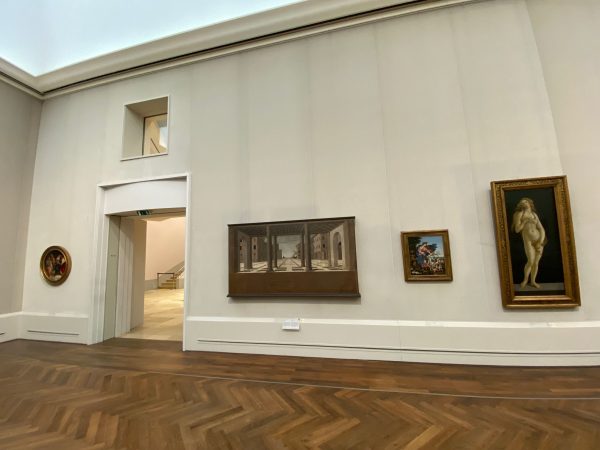
Flotow CH
Noch 20 Jahre nach seinem Tod wurde Friedrich von Flotow recht prominent aufgeführt. Im Stadt- und Aktien- Theater der Stadt St. Gallen stand seine Oper “Martha” an einem Mittwoch 26.4.1905 auf dem Programm (Anfang 8 Uhr präzis), gefolgt von Mozarts Zauberflöte 2 Tage später. Was für eine Konkurrenz. Das Plakat zur Aufführung ist in der Digitalen Bibliothek der Kunstbibliothek in Berlin anzusehen (Link).
Die Geschichte des Theaters in St. Gallen ist aus ökonomischen, gesellschaftlichen und architektonischen Gründen interessant. Das Tagblatt berichtete in 2007 über den Abriss der historischen Städte und den sehr verspäteten Neubau einer moderneren, größeren und wirtschaftlicheren Spielstätte. Damals zu Beginn des 20. Jahrhunderts schon standen populäre Werke wie die Martha und die Zauberflöte auf dem Spielplan. Die Aktionäre des Stadt- und Aktien- Theaters der Stadt St. Gallen haben wohl schon immer etwas mehr auf das Geld geschaut, auch wenn es um Kunst geht. Mehr Zuschauende und Zuhörende ist demokratisch und nebenbei gut für’s Geschäft. Der Abriss war beklagenswerter Weise im Jahr 1971. Ein Neubau an anderem Ort startete bereits 1968. Dieser Bau musste ebenfalls nach 40 Jahren Spielzeit grundsaniert oder abgerissen werden. Heute findet sich darin ein lebhaftes Programm mit Musicals als ausgezeichnetem Schwerpunkt und beispielsweise des Theaterstücks „Gott“ von Ferdinand von Schirach . Die Stadt und die Aktionäre sind wohl aus der finanziellen Verantwortung, aber das Kanton St.Gallen und der Lotteriefond sind eingesprungen. 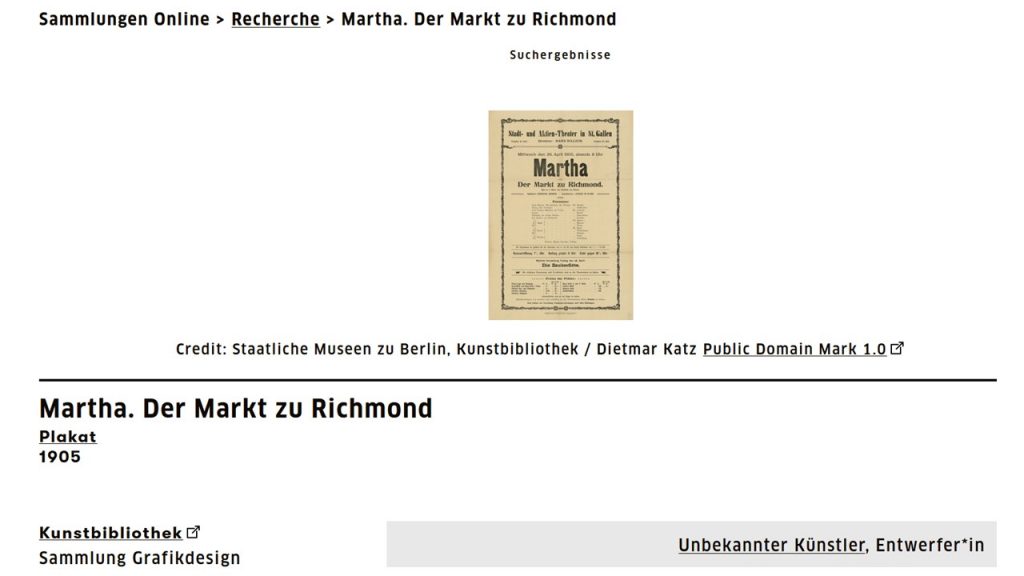 Bildquelle und Großansicht Kunstbibliothek SPK Berlin.
Infrastructure
For some societies and cities it is a continuous question of how much resources we should invest in infrastructure. Access to funding is a major concern. The calculation of the viability of the project needs careful examination and evaluation. Societies have very different kinds of preferences and, interestingly, about time horizons for their deliberations.
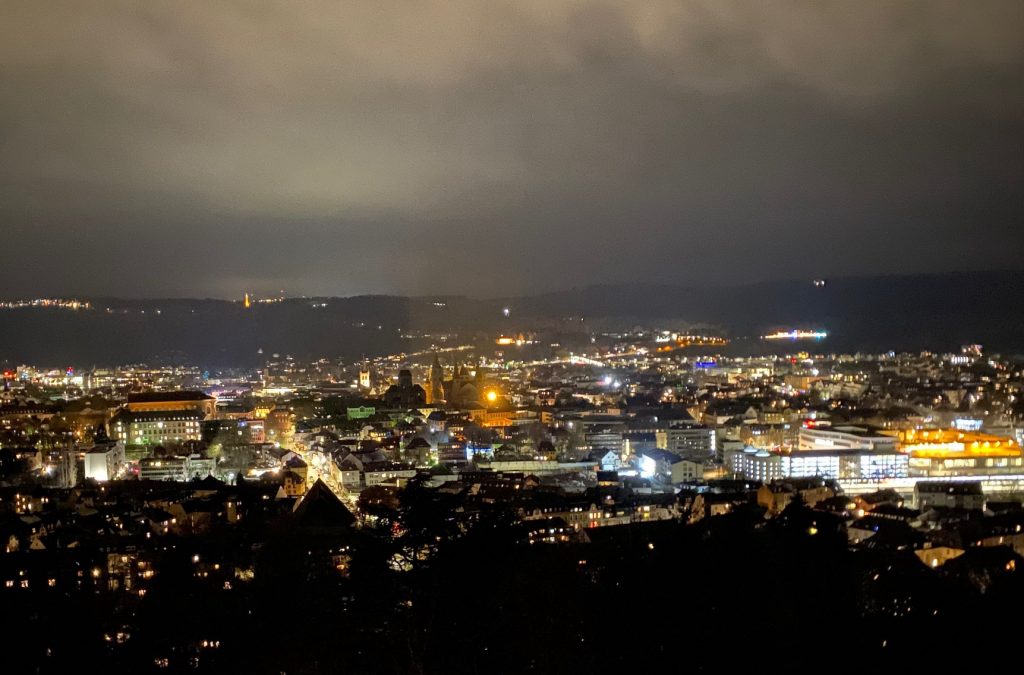
There are examples that have been built to last a century and lasted 2000 years. Other worst scenario examples are built for just one World Expo and torn down afterwards. The Eiffel tower is such an example of the latter kind, but it lasted longer than 100 years by now. We should be thinking more about time horizons as it remains an often overlooked part of investment in infrastructure. The oldest city in Germany has many buildings from the Roman occupation that still characterize the city’s architecture. This remains an important economic factor for the city of Trier as an attractive location for tourists throughout the year. Only wars or negligence may cause severe deterioration if infrastructure has been built with an emphasis on its lasting value. The narrow-minded investment in downhill skiing like in the Swiss Alps is at best expected to last 20 years. For trees to grow there again it will take 50+ years. Sustainable investment will be viable and vital in many respects. High interest rates force us to recalibrate our societal and private s again. Taking into account a longer time frame for investment we indirectly build infrastructure that should last longer. Moving beyond short-termism is necessary, particularly in the field of investment in infrastructure.
Nachhaltigkeitskonzept
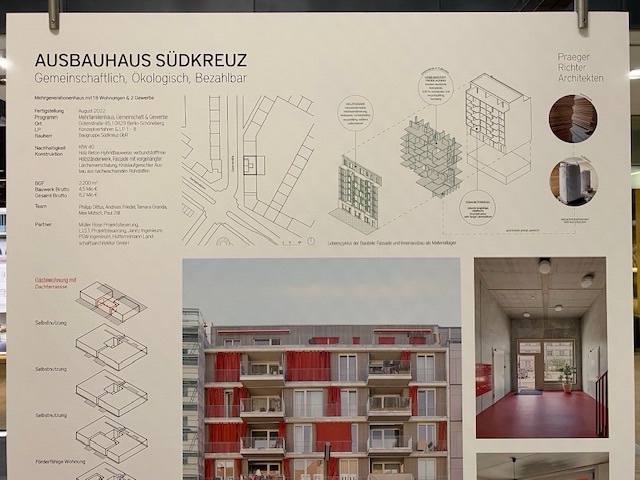
Ein Nachhaltigkeitskonzept gehört zum Bauen mittlerweile wie das Gelbe zum Ei. Die Einreichungen zum Realisierungswettbewerb eines Portals für das Deutsche Technik Museum Berlin hatten entsprechende Anforderungen zu erfüllen. Für ein Technik Museum können dazu die Anforderungen schon etwas höher sein und die oft geforderte „Technologieoffenheit“ oder die Diskussion darüber zumindest andeuten. Der Anerkennungspreis ging an ein Konsortium für die Einreichung 1110, die eine klare Übersicht ihres Nachhaltigkeitskonzepts vorstellten (siehe Auszug Image unten, Foto aus der Ausstellung 2023-12). Nachwachsende Baustoffe gehören zum Repertoire. Gleichzeitig sollte die Erhaltung oder gar Förderung der Biodiversität Teil der nachhaltigen Konzeption sein. Innerstädtisch ist die Rückumwandlung der Versiegelung der Böden eine wichtige gesundheitsfördernde Bauweise. Kühlung in den aufgeheizten Städten ist durch Grünflächen und Beschattung zu erreichen. Tolle Architekten sind das, die den Mut aufbringen den Stachel in die Wunde zu legen. Die Anwohnenden und Besuchenden würden es den Verantwortlichen jahrzehntelang danken.
Das sind längst keine abgefahrenen grünen Ideen oder Träumereien mehr. Paris hat es schon längst vor gemacht. Ganz nah beim Eiffelturm ist das „Musée du Quai Branly – Jacques Chirac“ das als Neubau mit Garten vom konservativen Präsidenten Jacques Chirac eine grüne Naturoase mitten im Herzen Paris hat bauen lassen. Es ist immer noch eine Art Geheimtipp für Pariser in den zu warmen Sommermonaten. Berlin könnte wie mit der vom Pyramiden-Architekten Pei geplanten Eingangshalle vom Deutschen Historischen Museum mal wieder mit einem Nachhaltigkeitskonzept mit Paris gleichziehen. Gemeinsam können wir auch nachhaltig. Mit der vom Menschen und seiner Technik verursachten Erderwärmung haben die nachfolgenden Generationen noch lange genug zu kämpfen. Mehr Nachhaltigkeitskonzepte braucht die Technik. Das ist die wirkliche Herausforderung des 21. Jahrhunderts. 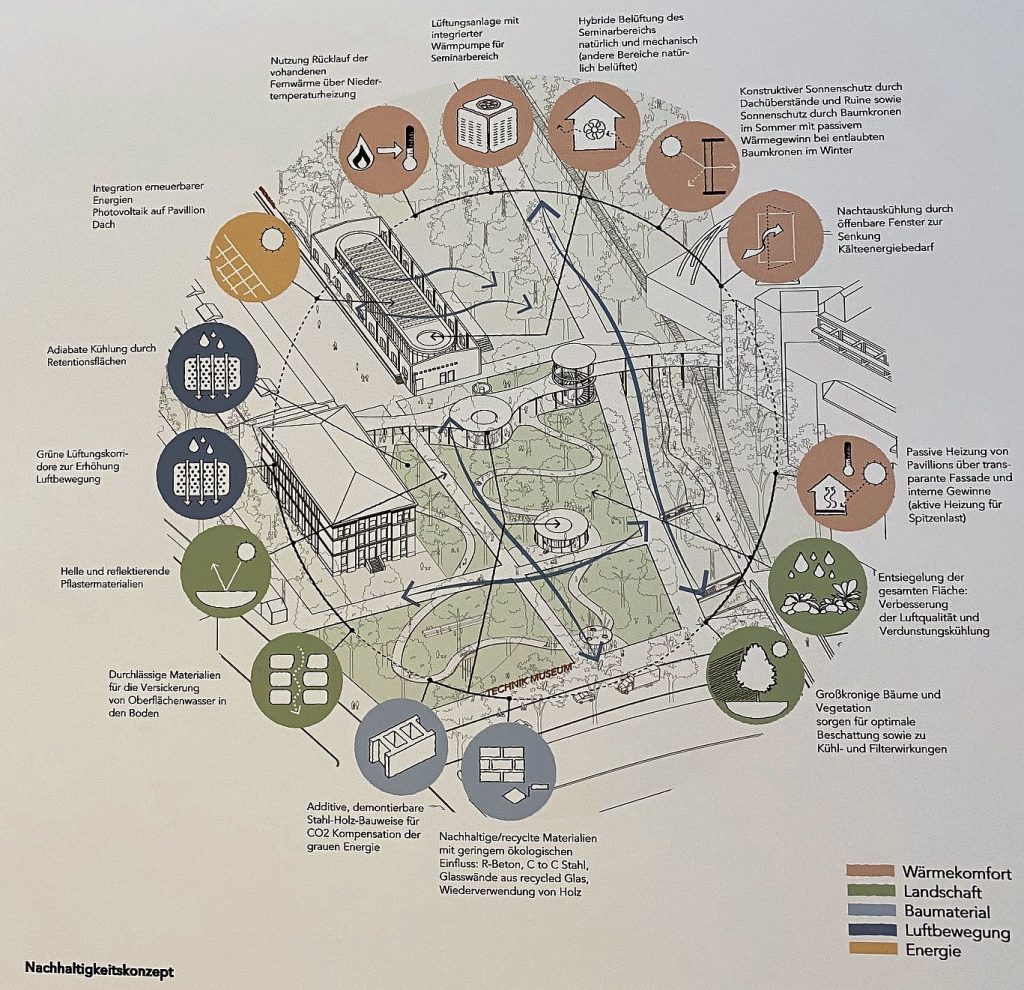
Technik Museum
Wir müssen die preisgekrönten Bauprojekte von Berlin nicht alle mögen. Die „schwangere Auster“ (Haus der Kulturen der Welt) war anfangs auch nicht beliebt, aber trotz Einsturz, haben wir sie lieben gelernt. Neben die Neue Nationalgalerie geplant von Mies van der Rohe und der Berliner Philharmonie von Hans Scharoun reiht sich bald die sogenannte „Scheune“. Ja ,eine multifunktionelle Verbindung der Museen ist im Bau. Nicht viel weiter werden wir vielleicht schon bald wieder eine kleine Erinnerung an die Berliner Mauer bestaunen können. Unweit vom Kulturforum stehen einige unverbundene Solitäre, die zusammen das Deutsche Technik Museum formen. Das ist bisher nur wenigen Touristen im Vorbeifahren auf der Ost-West-Achse in Berlin aufgefallen. Daher braucht es jetzt eine „instagram-able“, gemeinsame und verbindende Häuserfront, vielleicht so etwas wie die Pyramide (Pei-Bau) mitten im Louvre.
Die Einreichungen zum ausgeschriebene Realisierungswettbewerb (Link zu pdf-file) mit ziemlich konkreten (technischen) Vorgaben können noch in 2023-12 in einer kleinen Ausstellung eingesehen werden. Das gab es auch vorher schon anlässlich des Wettbewerbs für die Scheune. Wir hatten also keine großen Erwartungen, aber es hätte doch dieses Mal anders kommen können.
Der Blick auf die Pläne, Modelle und beschreibenden Texte hätte durchaus mit etwas Mut der Jury anders ausfallen können. So werden wir wohl mit dem 1. Preis des Realisierungsvorschlags leben lernen müssen. Mit etwas Abstand als virtueller Besucher im Modell kam mir direkt die Assoziation ich stehe vor einer Mauer. Diese ist aber im 21. Jahrhundert aus Holz und mit Solarzellen bestückt. Die „Deutschen Baumeister & Architekten“ erlauben auf ihrem Blog eine Vogelperspektive auf den prämierten Vorschlag. Die Pressemeldung der www.bim-berlin.de erläutert umfänglicher die Ausschreibung und die Begründung der Jury (Link).
Neben den 3 Preisen wurde noch 2 Anerkennungen mit Preisgeld ausgesprochen.  Die Nr. 1110 imaginierte eine naturbetonte Umsetzung, die die Technik visuell in den Hintergrund verschiebt. Sie setzt einen wichtigen Kontrapunkt zur Technikverliebtheit in den Nachbargebäuden. Worum geht es bei der Technik? Richtig, letztlich um den Menschen und seine Lebenswelten. „Bionik“ beispielsweise ist Technik, die die Natur zu Rate gezogen hat. Das ist in der Forschung und Entwicklung von Technik ein riesengroßes Thema. Aber wir können dafür doch wieder ein eigenes Museum bauen. Bisweilen können wir und alte Computer und Telefone im Technik Museum ansehen. Klar Autos gibt es auch. Die Spannung Natur und Technik wird uns sicherlich noch einige Generationen lang beschäftigen.
(Image: Auszug aus Unterlage und Würdigung des Anerkennungspreises BIM, 2023) 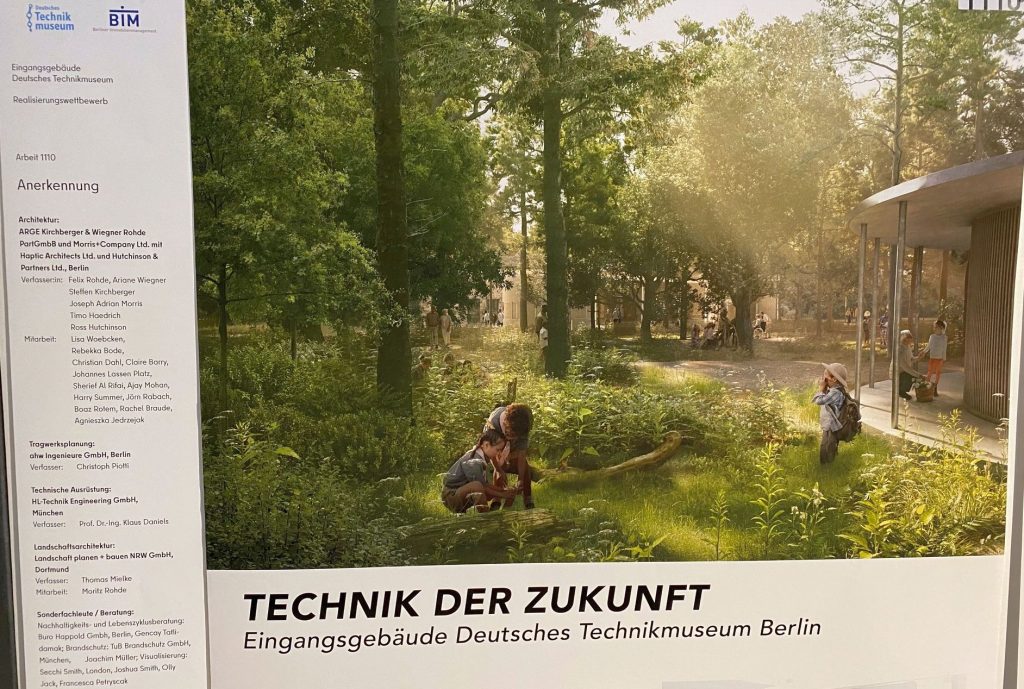
Beer Temple
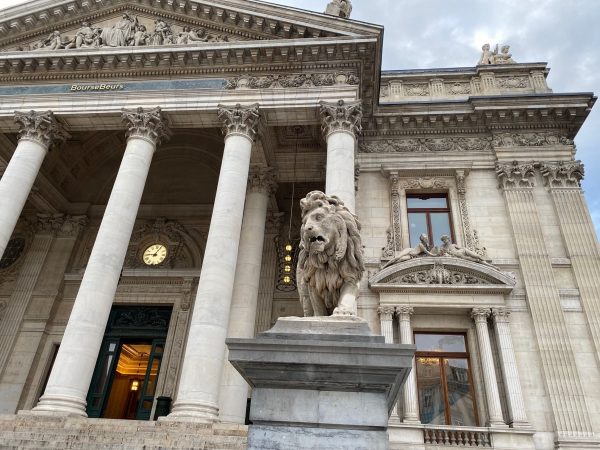
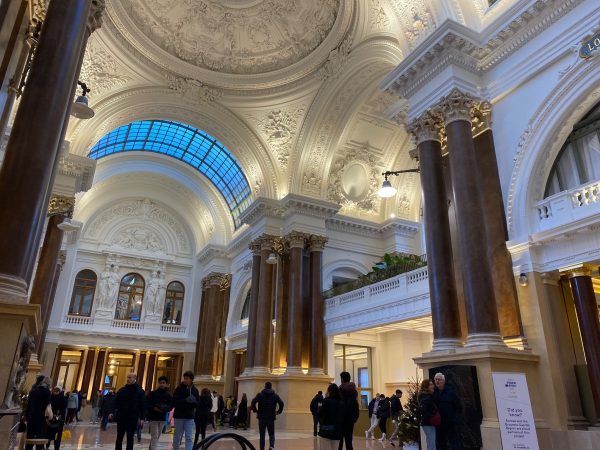
Brussels has recently opened a new attraction. A splendid temple-like building devoted to the unnamed God of beer-drinking. The renovation over several years of the centrally located “Bourse” has created a new popular attraction right in the centre of Brussels. From the outside the building reflects the classical temple architecture from Greek and Roman times. Although the building was for a long time the trading place of shares, obligation and currencies and thereby very closely linked to a country’s wealth and economic fate, it has found a new destination to represent the diverse and spirited culture of the people or peoples of Belgium through the lens of a beer glass. Of course, this is surrealism à la Magritte et al. (Museum and galleries within walking distance). The shifting fate after a financial crash to transform the “Stock Exchange” into a temple of surrealistic experiences is great idea and its realisation as popular move to transform the stock market into a temple to worship beer, beer drinking and conviviality a great idea. Without joking, the restaurant in the temple proposes good food that can be matched with a selection of 30+ kinds of Belgian beer (including 4 non-alcohol-containing beers).
Framing beer drinking culture differently from the image of beer and football hooligans is hard to achieve. Public images of beer drinking on television are all around us, anew every weekend. The Brussels stock exchange is a great place to reflect on shareholder versus stakeholder issues. Brussels has opted for a popular conversion of the building. Paris has gone for the upmarket more exclusive transformation of the previous stock exchange (Bourse commerciale) into a gallery of modern art from the private Pinault foundation.
The museum of beer in the upper ranks of the building in Brussels offers even tastings we were told. Well, beer drinking and stock trading (gambling) have both addictive potentials. Ruining yourself, the one or the other way, is equally disastrous not only for yourself but potentially others.
Know your limits is easier said than done. It is a behavioural phenomenon for individuals as well as regions or whole countries. With the apparent “Limits to Growth” for our planet or our ways to trade, even praying in the renewed beer temple is unlikely to solve the bitter-sweet issue. Perhaps discussions in the new Brussels temple will spur new coalitions and stimulate new ideas to overcome the locked-in political trading positions. Maybe the European Parliament should have a futuristic surreal session in the historic site. The only problem is, they would no longer want to return to their usual forum for debates.