Water pleasures

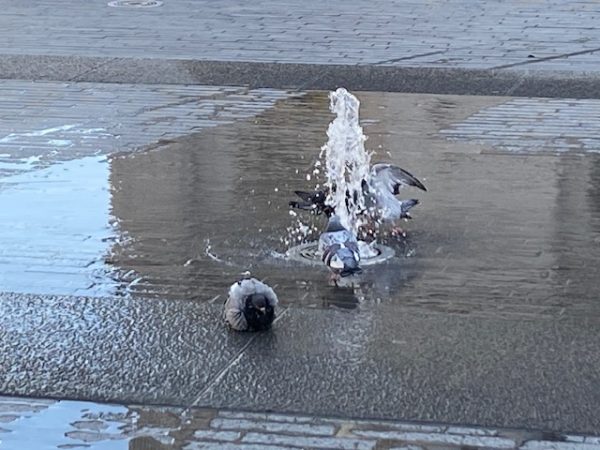
Maybe some of us associate water pleasures with the splendid fountains in the castle of Versailles (France). Our daily concerns, however, are much more about making cities more resilient and able to cope with water scarcity. According to a study by Krueger et al. (2025) the user perspective and behavioral challenges that go along with saving water by end users has been neglected for years. Water management in cities is part of the infrastructure package that has to be managed efficiently. Aging water distribution infrastructure is just as much a problem on the supply side of water as consumption has its (increasing) price on the users side. Rainwater capture, re-use and recycling are promising alternatives to simply providing more water. Pollution is, of course, another hazard that needs our attention. In the meantime we may think of water pleasures for all including the animal world.
In Through Out

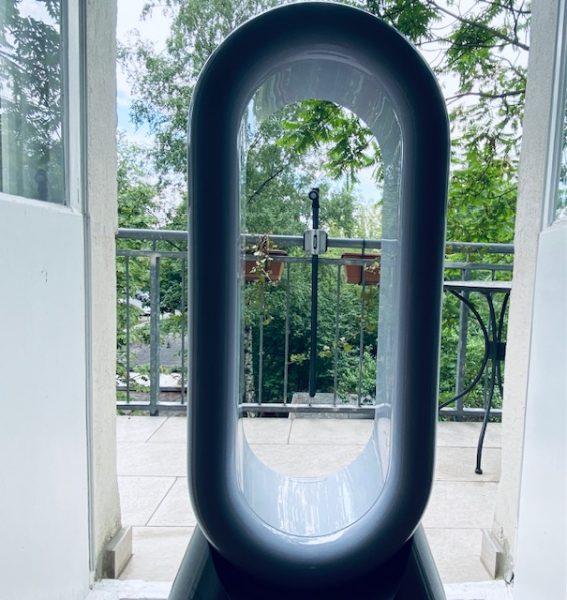
The easy logic “In Through Out” has multiple applications from nutrition, data processes and process engineering. An obvious experience for everyone is the cooling of an apartment during a meteorological heatwave. The energy loss known during winter times from a blow out of warm air through gaps in windows or doors reverses during summer to become a “blow in” of hot air from the surroundings of an apartment. The throughput, is the relevant measure to watch out for. This means the amount of air exchange during a minute of maximum or minimum airflow. It has a direct effect on temperatures and humidity levels. For cooling purposes, try to maximize the throughput at times when the temperature difference is the largest. Easy exercise, just a bit early in the morning. Mechanical, chemical or electrical devices may assist the amounts of throughput as well. Process engineering is for all of us and at all seasons.

Climateflation

Central banks have started to deal with the impact of climate change or inflation, short “climateflation”. New and additional inflationary pressures originate in climate change and global warming and they necessitate a closer scrutiny. Heat waves, like 2026-6 in Europe, or earlier ones have created an upward pressure on prices. Loss of agricultural production can be severe due to weather extremes which occur more often and with greater intensity. Such extended hot and dry climates reduce the production of crops and spikes in prices that only reluctantly return to average levels shall cause price inflation (climateflation). These are the short term impacts.
The medium run impacts alter price relations and valuations of in sectors like housing and infrastructure. Badly isolated stocks of housing, schools or hospitals depreciate valuations and the heavy investments needed for isolation of roofs, walls and widows as well as heat pumps to produce cooling shall be in very high demand, which makes price increases more likely across the construction sector. As we expect new devices to be “AI-intelligent”, “mem-flation” will be pushed up as well. These factors can give a push to some economies which are producers of the products in high demand and able to expand production rapidly as well. Just importing higher numbers of air-conditioning systems from other countries shall worsen trade balances.
The major challenge, however, remains our inaction to stop global warming to avoid additional economic and human losses related to climateflation.

École buissonnière

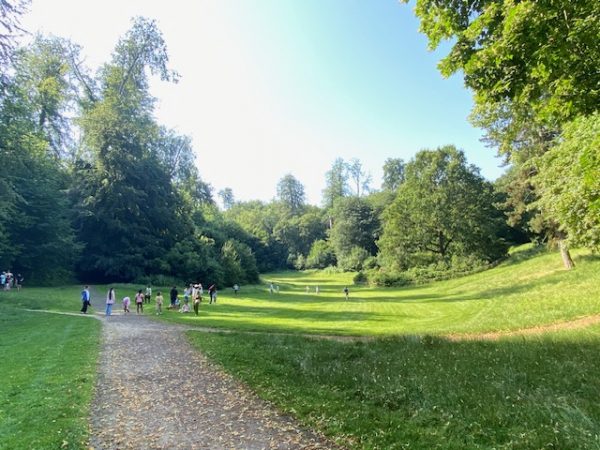
In 2026 the “École buissonnière“, the outdoor schooling has become a viable alternative to the schools that are overly hot during summer. But far beyond being an alternative out of necessity, schools as well as kindergardens adopt a form of schooling close to and in nature. It can be so much more than a simple interlude or excursion. Learning from nature is a precursor of bionics as well as compassion. After all nature offers ample examples of diversity and coping mechanisms. It is an option not only for learning purposes restricted to the young, but it is underexploited in continuous learning and lifewide experiences as well. There have been abuses also in history, most notably by Nazis in Germany for purposes of indoctrination. The learning opportunities to encourage a critical perspective of our modern, technology- and screen-dominated learning and life, are huge. They just need experienced guidance on the way of discovery, comparisons and collective experiences. Children open up and have fun, the more the pressure of classrooms is alleviated.  Learning about the importance of biodiversity from different angles is a very human value and includes our responsibility for other species.

Gardening culture

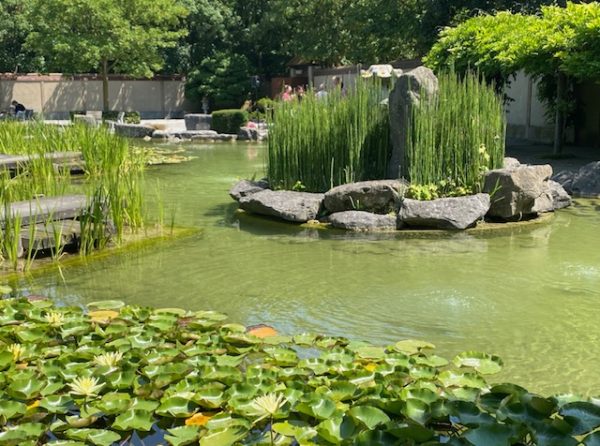
There is a specific set of skills attached to gardening culture. You do not have to travel continents to experience the pleasure of gardening from more than just your own culture. Beyond the tradition of the French garden “à la Le Nôtre”, the English garden including the short precisely trimmed lawn and blooming arrangements, the Japanese gardens have a wholistic approach, which pay attention to broader human experiences of nature. A garden is a kind of sanctuary. It resembles more an internal journey rather than a showing off to others. Walls serve to enhance privacy to be able to open-up again later to others rather than a symbol of distinction and exclusion from the less privileged. Small places suffice to give room to a Bonsai experience. The very busy seaside resorts and port of Ostend on the Belgian coast has reserved a small spot for inner peace in its Japanese garden. (Image: Japanese garden “Shin Kai Tei” in Ostend created by Takahashi Sawano) 

VOC for VCs

The research into VOCs (short for “volatile organic compounds”) is a busy research field in biology and environmental sciences. It might be of interest to VCs (short for “venture capitalists”) as well in the near future. VOCs are those organic compounds that orginate in animal manure as well as those emanating from plants have an impact on people working there or who are living nearby. Allergic reactions cause millions of days lost in working every spring or summer season. Long-term effects are yet another critical issue in this respect. Whereas the measurement techniques of VOCs have evolved a lot, the interaction effects of different VOCs are slowly producing interesting results that might eventually become of interest to VCs.
Abonde et al. (2026) show that there is a kind of communication between different plants via VOCs, which has an impact on growth and defence mechanisms of some plants. Amateur botanists have always wondered about the anecdotal evidence that some plants or flowers grow well next to each other, whereas other ones seem to deter each other. For crops, this mechanism has been documented and more experimental research of this kind will corroborate the potential of, for example, “natural fertilizers” in future. Remember to think of VOCs the next time you experience scents from animals, plants or flowers as a wonderful research topic with VC potential.

Waterfront Paris

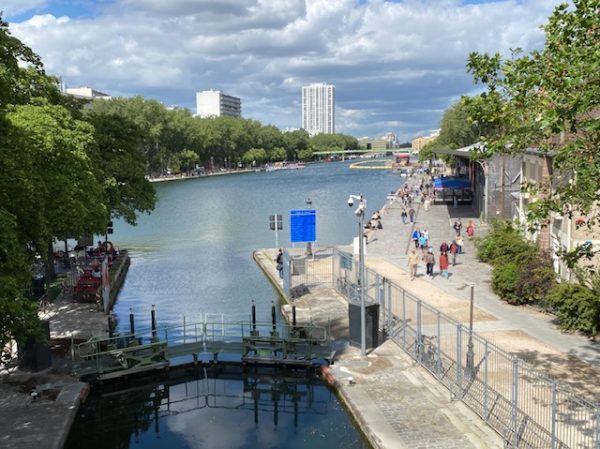
Most people enjoy the banks of the river “La Seine” in Paris. Ever since the Olympics in Paris 2024, the temptation to go swimming there or to do some other kind of water related activities, is high. Fewer people are aware of an other splendid location near the Gare de l’Est. The canal Saint Martin and the nearby end of the Canal de l’Ourcq ( image below) have much to offer for stressed people to take some time off and relax. From cinemas, cafés and bars you can choose your favorite to pass time with friends or family, alternatively just keep walking for miles to get your exercise as needed to sustain your body in good health and shape. The health impact of such cool and more humid areas has a high value to the benefit of all without forcing people to travel long distances for recreational activities or normalizing weight or heart rates. 


Gardening Evolution

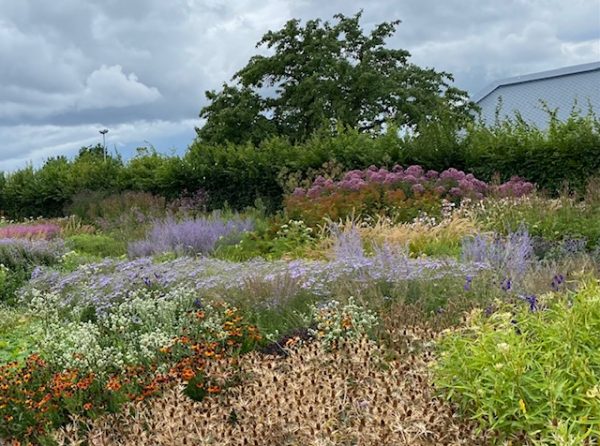
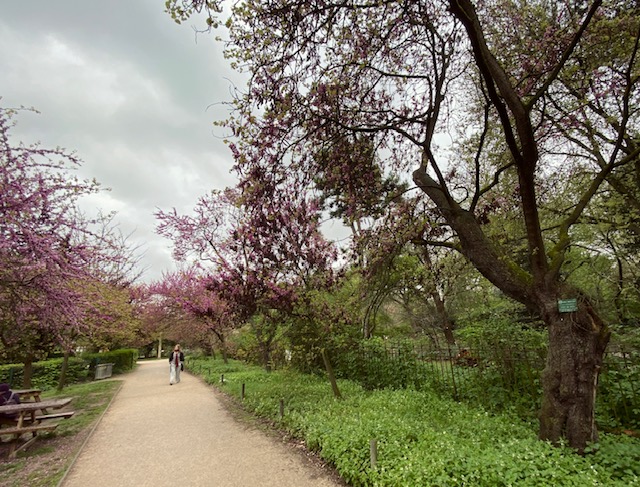
Researchers continue to study the impact of gardening on biodiversity and survival of insects. The study published by Tscharntke, Batáry and Vidal (2026) points our attention to the importance of areas in our gardens that are allowed to grow without mowing for several years. In many traditional gardening projects even in the 21st century, we observe a cut of grass-shoots in fairly regular time intervals, once a months for example. An English style lawn will be cut very short even more often than this. If we want to allow for an evolution of gardening and regaining biodiversity, we shall have to reserve substantial areas of a garden to allow grass-shoots to grow over several years (!). Such an evolution might be perceived in 2026 a bit like a revolution in gardening. Untidy spots are a response to “the need for unmown long-term refuges, protecting intact grass shoots for persistent insect populations” (Tscharntke et al. , 2026). The tree “Cercis siliquastrum” (Judas-tree) in the “Jardin des Plantes” in Paris dates back to 1785 and shows the impressive strength of nature to outlast changing gardening fashions even in a hotspot of gardening culture, history and evolution. Grass-shoots below might be allowed to last a couple of years as well.

Tree as sculpture

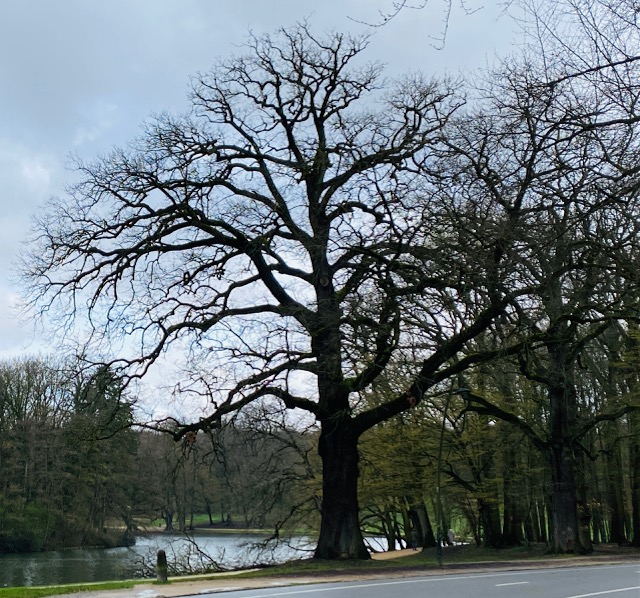
Nature has lots of treasures to offer. A tree is just a splendid sculpture if we take the time to look at them. Over years, decades, sometimes even centuries, a sophisticated sculpture arises due to the imprints of sun, wind and rain over time. There are so many trees around us if we take care of them a little bit better . The simple appreciation of nature’s beauty can be the start of a longer journey. Many people remember a specific tree (Lindenbaum) that had some importance during their childhood or adolescence. Some even choose a tree to be buried nearby. Our life course reflects the growing of a tree. In some cultures you are considered an accomplished human being only if you have planted a tree. Examples of a miniature version of a tree are bonsai trees from the Japanese tradition. The real treasures of life might be just in your neighborhood.

Medical Life Course

The analyses of the life course have taken individuals as their starting point and linked their life courses to broader societal developments like periods of educational expansion, job growths or periods of high unemployment. Medical life course research has further dis-aggregated the life course of a person into, for example, the life course of human organs.
There is already an established line of research which collects and analyses lung function trajectories. The research starts even before your first “autonomous” breath and typically ends at death, although transplants become feasible. It is helpful to think of those measures lung function trajectories as a life course of lung health, because the air we breathe is subject to many social and environmental impacts. Some we are in control of (active smoking, less so with passive smoking), some others like inner city smog or pesticides inhaled in areas of agricultural production. Work environments play an important role in the life course of the lung as well. Global warming, particularly increases in summer heat, pose additional challenges on the overall aggregate level to lung health trajectories.
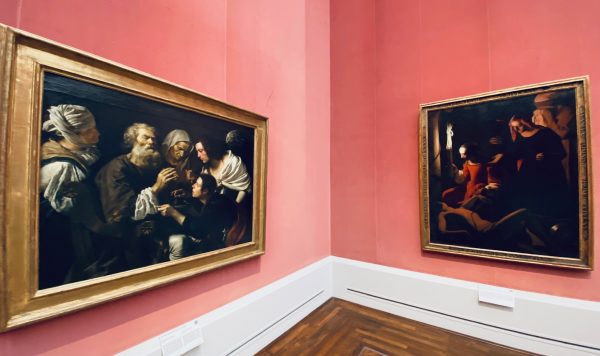
Inhale, exhale, … then force your breath out quickly, … keep breathing normally. That’s about the instruction for the “Forced Vital Capacity test”, which is a standard measure of your FVC just repeated over the life course. (Image: The healing of Tobit 1630, follower of Caravaggio and The finding of Sebastian 1649, Georges de la Tour, Gemäldegalerie Berlin)