Feuer im Wald

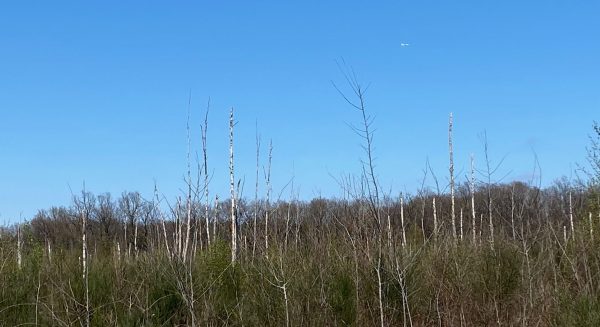
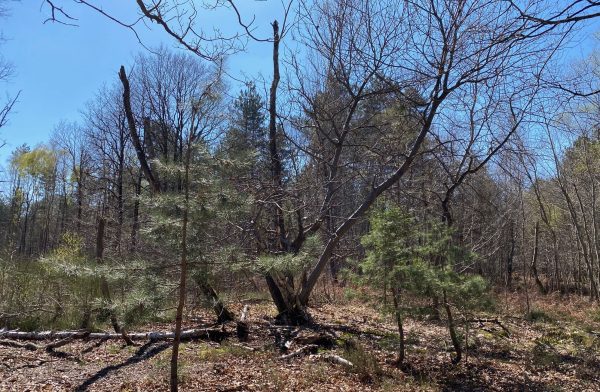
Das sogenannte grüne Lunge kann immer öfter ihre wichtige Funktion der Klimaregulation nicht mehr wahrnehmen. Waldbrände begleiten den Klimawandel. Bereits 2018 gab es ein großes Feuer im Wald bei Paris. Im “forêt de Sénart” in der Nähe der Städte Montgeron, Yerres und Brunoy (nahe Paris) hat sich der Wald seit dem Feuer im Hitzejahr 2018 noch nicht erholt. Geld für Reparatur der Schäden fehlt und so lässt die notwendige Aufforstung auf sich warten. Der Verlust der Biodiversität durch den Brand lässt sich schwer bemessen. Brandrodung, gängige Praxis im Amazonasgebiet, hinterlässt auch bei uns mehrere ungewollte Folgewirkungen. Die Bewirtschaftung des Waldes hat die Schäden abgeschrieben, aber Zukunftsinvestitionen lassen auf sich warten. So heizt sich die Region Ile de France eben weiter auf und Millionen Käufer von Klimaanlagen. Die befördern in naher Zukunft das Wirtschaftswachstum, aber beschleunigen den Klimawandel. Wir wissen, dass es so nicht weitergehen darf. Nur der Wille, wirklich etwas daran zu ändern, fehlt an vielen Orten. Weiterso, wenn es kein Weiterso geben darf, ist die Schizophrenie unseres und des letzten Jahrhunderts. Lernen im und vom Wald ist nötig. Das ist unsere Lebensgrundlage.
Schaukel

Sagt die Lehrperson zur Schulklasse: Stellen wir uns alle jetzt mal alle eine Schaukel vor. Wie sieht die Schaukel denn so aus? Was gibt da so drumherum? Könntet Ihr nun bitte versuchen, die Schaukel auf ein Blatt Papier zu malen? Jeder hat seinen Bleistift und einige Buntstifte dabei. Einfach mal versuchen, es gibt keine Noten dafür. Es soll Spaß machen und wer möchte kann sein Bild anschließend den anderen zeigen. Schön, sofort wird es ganz laut in der Klasse und alle legen los. Naja, fast alle, das stille Mädchen aus einer der hinteren Bänke stockt und wirkt unruhig. Sie ist erst seit einigen Monaten in der Klasse und spricht noch nicht wirklich wie die anderen die Ortssprache. Da liegt wohl an der langen Reise, die die nicht mehr ganz so Kleine hinter sich hat. Die meisten Jungen und Mädchen erklären zugleich recht lautstark welche Schaukel sie malen werden. Die vom Garten hinterm Haus, vom Spielplatz nebenan oder sogar die Schaukel unterm Baumhaus im angrenzenden Waldstück. Bei den meisten Kindern steht rasch die Schaukel nicht mehr im Mittelpunkt der Kurzgeschichten, sondern die Freunde oder Kinder mit denen sie gemeinsam schaukeln. Nur unser stilles Mädchen erinnert sich mehr an ihren Reiseweg, bis sie dort in dieser schönen bunten Schule angekommen war. Das waren viele Stationen, von denen sie gar nicht erzählen möchte oder gar ein Bild malen möchte. Die meisten Erinnerungen war so, dass sie diese lieber für sich behalten wollte. Zu weit weg waren sie von den aufgeregten Erzählungen und fantastischen Geschichten der anderen MitschülerInnen. Doch dann hatte sie doch ein Bild vor Augen. Ein Spielplatz in einer großen Stadt, Berlin genannt, ist ihr in Erinnerung geblieben. Als sie diese Schaukel grob, ohne Farbe nur mit Bleistift auf das Blatt skizzierte, keiferte der Banknachbar schon: So sieht doch keine Schaukel aus! Die Neue kann noch nicht mal eine Schaukel malen. Das stille Mädchen blieb weiter still, wusste sie doch genau, dass ihre Schaukel eine Überraschungsschaukel war. In der großen fremden Stadt war ihr diese Schaukel aufgefallen, denn sie war fast so schön, wie die Schaukel an dem starken Ast des Baumes, im Garten ihrer Großeltern. Dadurch verknüpften sich ihre vielschichtigen Erinnerungen zu einem Bild. 

Bundesarchiv

Bundesarchive gibt es kilometerweise. Auffinden und Zurechtfinden in Archiven ist eine Vorliebe von historisch Interessierten. Eine Soziologie des Berufs „Historian“ muss wohl noch geschrieben werden. Die Pforte, das Gelände und die Eingangshalle des Bundesarchivs in Berlin-Lichterfelde sind für einige einladend, für andere naja, belastend oder gar belastet. Architektonisch an eine Kaserne der 1930er Jahre erinnernd, ist ein gewisses historisches Umfeld eventuell eine Einstimmung auf eine bevorstehende Recherche. Das freundliche Personal hilft unterstützend über die Registrierung und die Orientierung zu den Beständen hinweg. Sofort ist, wie beim wissenschaftlichen Nachwuchs, die Eingrenzung der Forschungsfrage von Nöten. Die Findbücher, die sortierte Ausdrucke der elektronischen Datenbank „Invenio“ darstellen, lassen einen die Vielfalt der Archive erahnen. Eine einfache soziologische Fragestellung „Homogamie in der NS-Zeit“, also die Praxis von Heirat von Personen mit vergleichbarem sozialem Status, vor während und unmittelbar im Anschluss an die NS-Zeit, verlangt mehrere Datenzugänge. Konstruktion des Zugangs von Männer- oder Frauenseite. Zentraler Zugang geht zunächst über die Bestandsdatei NS 1 „Reichsschatzmeister der NSDAP“. Aus den nationalsozialistischen Frauengruppen entstand am 1.10.1931 die NS-Frauenschaft. Seit dem 29.3.1935 genoss die NS-Frauenschaft den Status einer Gliederung der Partei unter der Leitung von Gertrud Scholtz-Klink. Der Bestand umfasst 3,5 Millionen Aufnahmeanträge und ist in Berlin-Lichterfelde einsehbar. Neben den Mitgliedschaften sind auch besondere Vermerke zu den Gebäuden und Grundstücken der NS-Frauenschaft (BArch/NS 1 5.2.6.4) bspw. im Gau Berlin dokumentiert (BArch/NS 1 2504 und 724). Eine Lebensverlaufsstudie ist da schwierig zu konstruieren. Ein Geburtskohortenansatz dennoch eine interessante Möglichkeit, eventuell auf die Muster von Netzwerken hinzuweisen. Parteimitgliedschaften, Vereine, Verbünde und ihre Rituale wurden scheinbar der Propaganda untergeordnet. Eine These, die es zu beweisen gilt. Die interreligiöse Andrews Chapel auf dem Gelände (im Hintergrund) lässt dann vielleicht wieder zur Ruhe kommen.

Monitor SDGs7

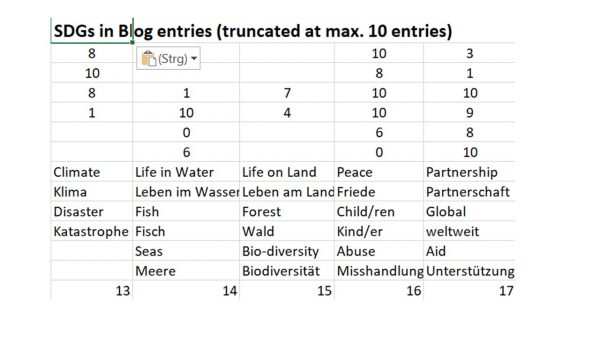
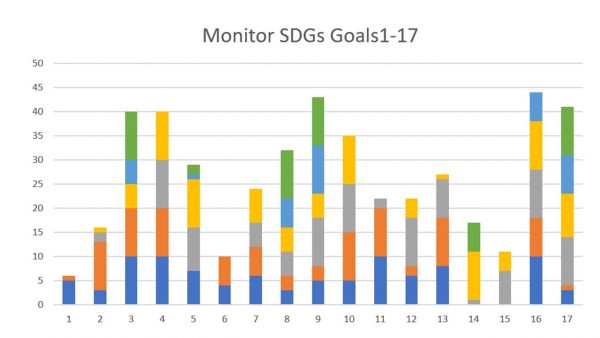
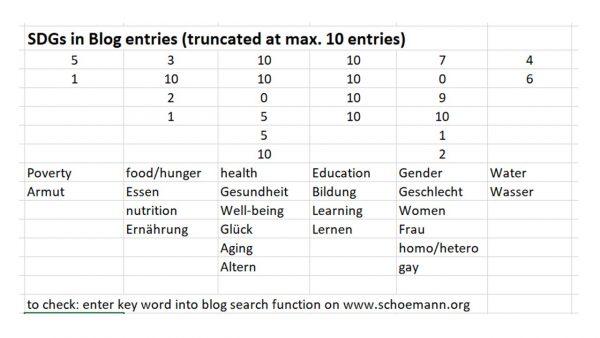
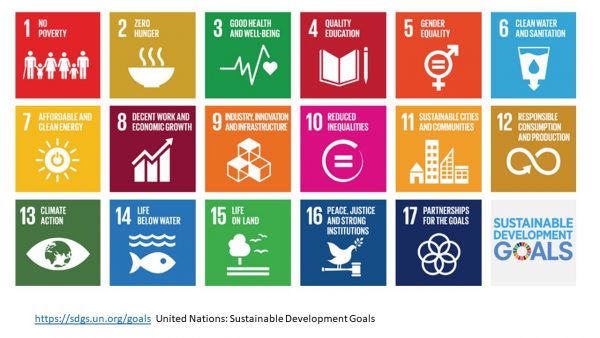
The complete monitoring of the SDGs of the UN for global development shows a surprisingly large coverage of topics. The search function is indiscriminate of some contradictions or returns the same entry twice like in sustainable industry. However, the simple check reveals frequent and less frequent entries. Entries  1 = Poverty, 6 = Water and 14 + 15 = Life on  Land and in Water received less attention. The agenda for the coming weeks is set.


Pressure

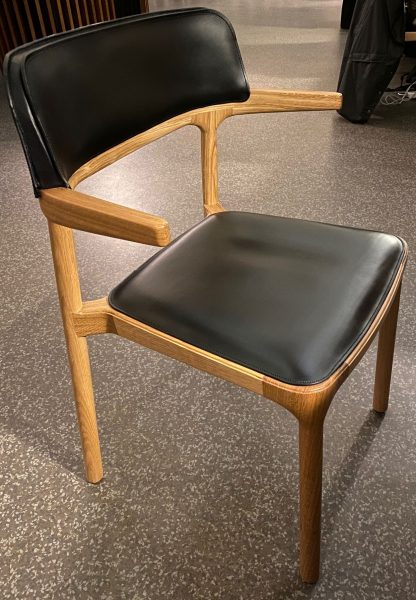
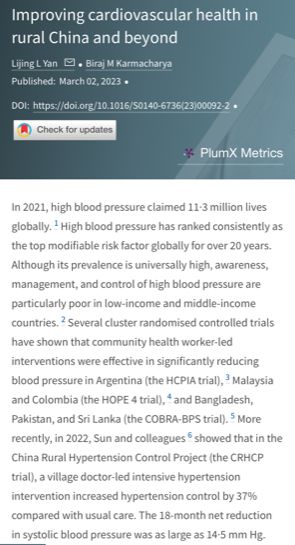
Pressure or stress, in most humans, contributes to higher blood pressure. Sources for pressure are manifold and that is the basic problem. As it is hard to identify the major sources of high blood pressure, we often use a summary term “life style” in order to avoid shaming particular substances, (tabaco, red meat, alcohol to name just a few). Among life style elements is the daily rush to work and back home or bringing children to school and home again. Work itself is a major contributor as well. Leisure activities are not free of pressure in order to perform at a person’s best. As in many health topics, the balance does the trick. This is common knowledge beyond the Asian world as in their health philosophy of Yin and Yang. The Western world is proud to have the best and highest availability of medical treatment and hospitals for their populations, accepting some inequality in access nevertheless. For countries with less means for curative practices they have no choice and have to focus on preventive strategies (Lancet Study Link). Rural China, therefore, is a good case to study access and willingness to apply western medical type treatment of high blood pressure is too expensive and just not available in sufficient numbers. The good news is, with a preventive programme based on nurses rather than medical doctors the prevention of high blood pressure works reasonably well. Community health workers are therefore a cost-effective alternative in reducing blood pressure. Sitting is the new smoking, and driving around in a car rather than walking or cycling are health risks, even if the car or the chair is a very nice one.

Menschen

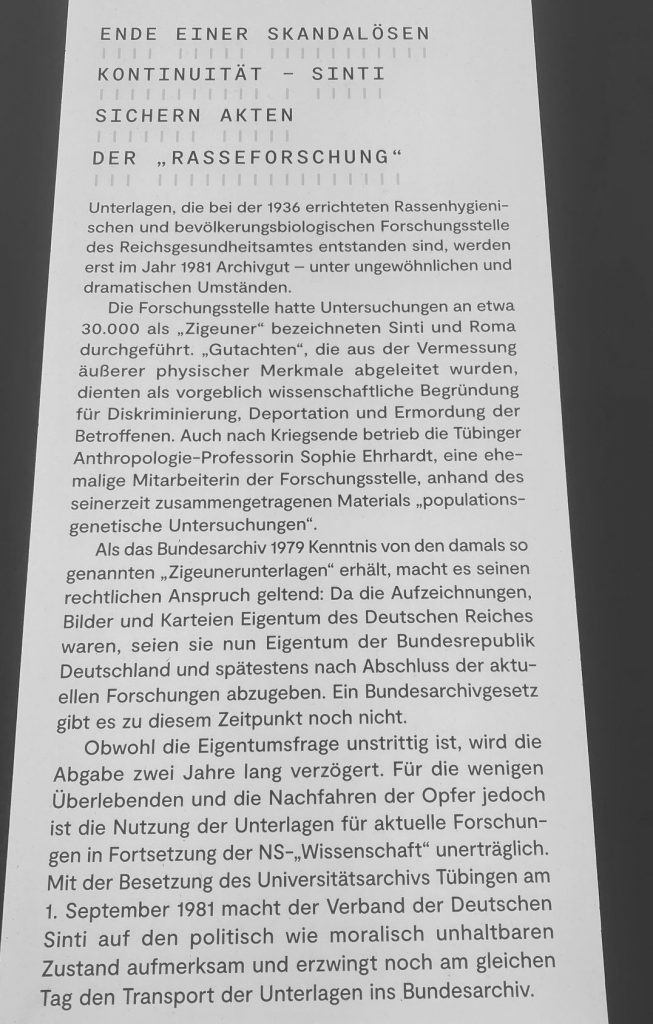
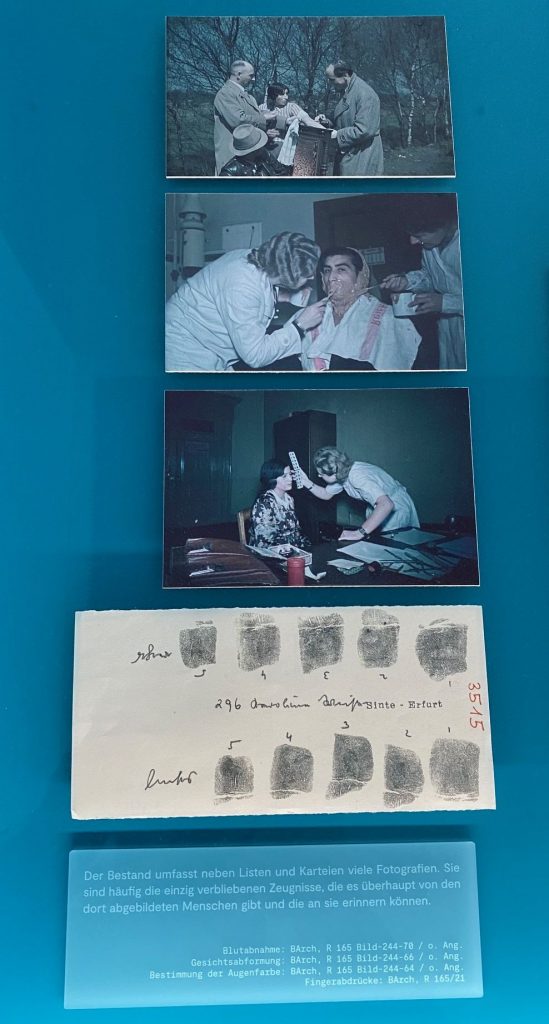
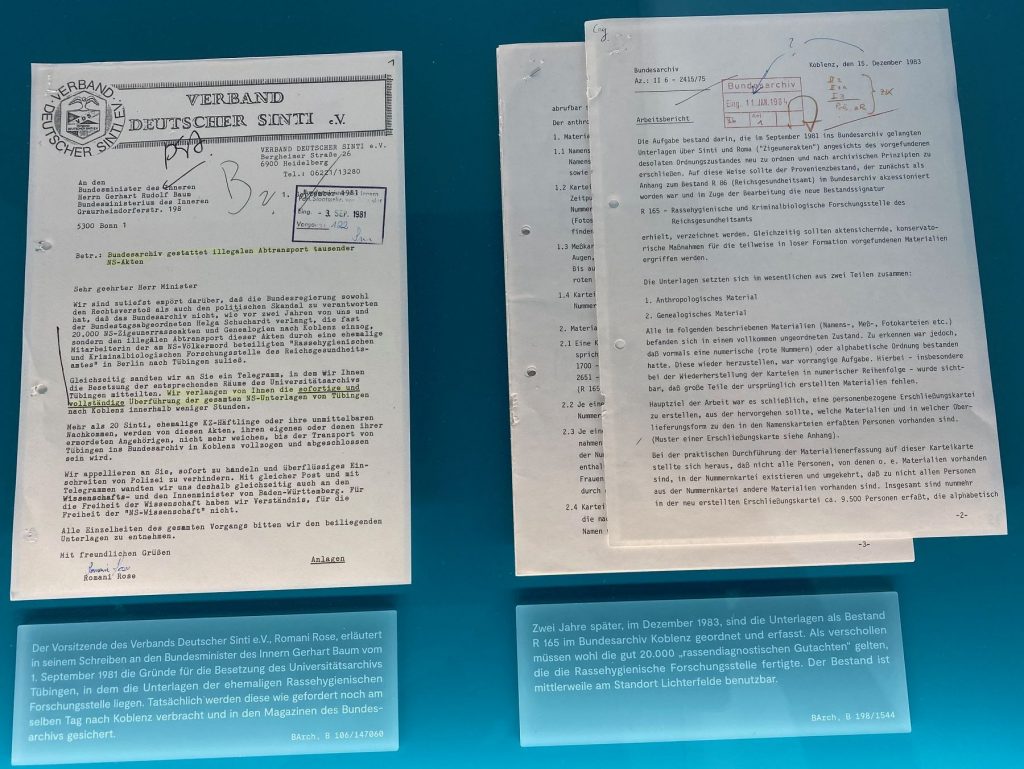
Im Bundesarchiv in Berlin sind einige Fotos zu einer Variante der Vermessung von Menschen ausgestellt. Nicht nur in den Kolonialregionen wurden Menschen zu rassenideologischen Studien vermessen. Die Kurzbeschreibung dazu und die 2 Bilder reichen, um diese scheinbar wissenschaftliche Praxis zu dokumentieren. Zurecht wird auf den Skandal mit der weiteren Verwendung dieser Daten bis 1981 hingewiesen. Es gab Kontinuitäten von Wissenschaft die heute noch erschrecken lassen. Kritischer Umgang mit jeglicher Art von Daten gehört zu dem Curriculum guter wissenschaftlicher Praxis. Diese darf nicht vor ethischen Fragen Halt machen, auch wenn das die weitere Verwendung der Information blockiert. Der Kinofilm “Der vermessene Mensch” hat dafür erneut sensibilisiert. Ethnologen und Ärzte wurden vielfach in den Dienst von Ideologien gestellt oder haben sie willentlich vorangetrieben, oftmals aus persönlichen Beweggründen. Skandale in und um Archive gehören zur Weltgeschichte, wie die geschichtliche Erkenntnis selbst. Mediale Verbreitung und Bestätigung von Klischees werden schon lange verurteilt, aber mit wenig Erfolg, wie der Deutschlandfunk Kultur selbst berichtet (Link Sendung Fazit). Die Kitas und Schulen haben ihre Hausaufgaben ebenfalls schlecht gemacht (Link). Wo ein Wille ist, ist meistens auch ein Weg, aber wenn der Wille fehlt aufgrund von Stereotypen wird sich wenig ändern.


Monitor SDGs

The advantage of the goal-setting at the U.N. is definately that the progress or regress can be monitored. To do this, a definition for each goal in words is presented, which has to be translated in all languages. Some notions are subject to conceptual issues. Poverty, for example, in an individualistic society needs to be defined at an individual level. In societies where women and dependent children or elderly persons are part of one household, the household is the unit of definition. After the conceptual clarification the measurement of a set of indicators needs to be identified. How do we measure poverty? Here the focus is either on absolute poverty (lump sum of money available) or relative poverty (relative to others in society). Stability of poverty, poverty as transitional  or access to poverty relief programmes as well as charity organisations in a country will play a role here. No simple answers and comparisons here. Timeliness of data is another issue. Data and sampling are costly in itself, therefore not every year the measurement is repeated to gauge progress or regress.
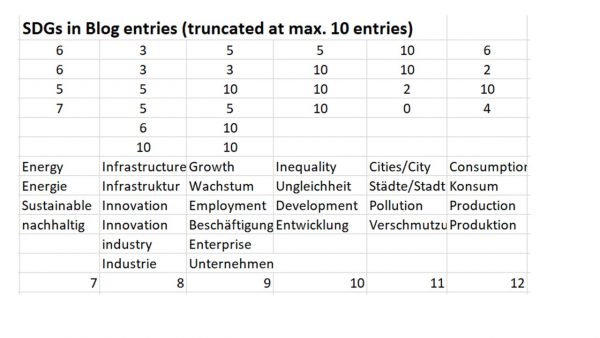
I take account of the SDGs in my own work in the form that the 17 SDGs of the U.N. are part of my work as well. In consulting practice it is a frequent task to check for example a larger enterprise on its contribution to the implementation of SDGs locally, nationally or globally. To start a reflection phase of my blog entries I just used the “search function” of the webpage and entered the first 6 SDGs in English and German to check, whether my webpage is SDG-proof. The result shown below in simple frequencies. Education and Learning come out as top scores. Other areas show fewer entries. In some goals, like gender, the keywords to check for are more diverse and return less precise results. This opens the conceptual box again. The notions summarised under a SDG goal might be numerous or singular – which leads to a bias in results. “Bildung” in German finds also “Weiterbildung” = further or continuous education at the same time, not the English term education. Subtle differences, but potentially huge effects. Overall, an interesting exercise to analyse my/your own mind and business practice. Focused attention versus broad coverage of SDGs, each has its strength and weaknesses. Goal 17 to strengthen the means of implementation and global partnership may build just on many more organisations doing their SDG-homework. Name, Measure, Improve – that is the action. SDGs in Blog1-6

Goals SDGs

The Strategic Development Goals (SDGs) date back to 2015 for their enactment. The goal setting is a routine procedure for the UN and its subsidiary international organisations. This makes a lot of sense, because if you do not name the problems, you are unlikely to address them in a systematic fashion. Quantifying the goals is then a much more difficult task and that then already part of the ensuing discussion about idealist, illusive or realist goals. Most diplomatic exchanges focus on this goal setting and scheduled monitoring as well as more comprehensive evaluations of goal achievement. The SDGs comprise another strategic twist. Rather than concentrating on national governments, non-governmental organisations and businesses were encourages to actively participate in the implementation of the goals. After more than 7 years the achievements of intended improvements should become visible. Well, goal setting and monitoring over the last seven years is likely to reveal failure on several of the 17 indicators. Covid-19, disruption of supply chains, wars causing recessions and high inflation are major factors to explain failure. However, knowing the reasons of failure is a substantial part of improving in the next coming years. Returning to cooperation rather than confrontation could do the trick. Even after wars cooperation to organise relief is the only way forward to come closer to achieving the SDGs.
Bold initiatives like the Marshall-Plan for Europe in the 20th century made it possible to rise from the ashes. Countries that have been in ruins at that time, now have important roles as financial contributors to support other regions. The goals remain the same, the challenges as well.

Repair 2

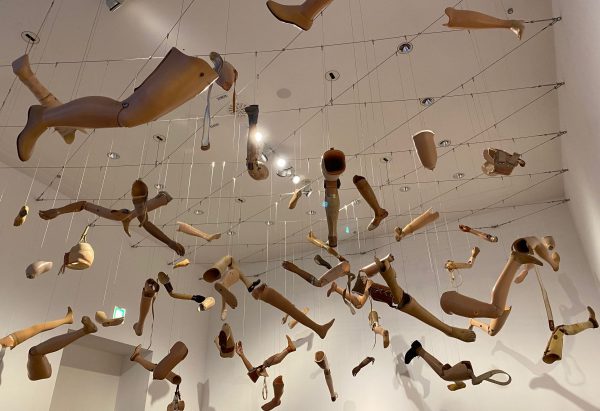
Ever since the visit to the exhibition “Care, Repair, Heal” at the Martin Gropiusbau in Berlin the image of flying protheses rests with me. Repairing the human body is feasible in many fantastic ways. The inner wounds, however, are less visible and sometimes hurting even more. In recognition of the thousands of victims again in the Russian war on Ukraine’s territory and the atrocities causes by mines to injure humans, we have to assist in caring, repairing and healing. This has not changed since the Great War or the Nazi-induced mass murder and mutilations. Humanity is unable to bann such landmines despite international conventions trying to achieve this.
The strong image produced by the protheses as clouds in the sky (Kadar Attia) remind us of the lasting effects of war. Images we had associated with the mutilated soldiers and civilians of the 2nd world war, many still around us in the 60s or 70s, are coming back to Europe. Writing about the 20th century, Aurélien Bellanger described in words a similar traumatising vision of flying protheses in his story of the lonely poet and philosopher. We cannot repair history, but we can work towards reducing useless additional suffering. It is part of the absurdities of our world that technology has created masterpieces to assist us and reduce suffering, but at the same time technology is applied to create the worst suffering as well. Rather than thinking of this relationship as 2 sides of the same coin, I prefer to hope for dialectic evolution towards a better synthesis solution using enforceable international law. Yes, I still have a dream! …

On Noise

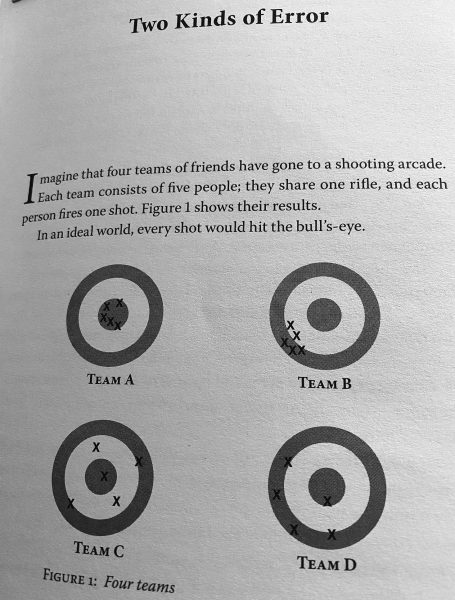
The 3 authors Daniel Kahneman, Olivier Sibony, Cass R. Sunstein have published in 2021 the impressive attempt to sell statistics to non-statisticians. The grip on the topic: “Noise. A Flaw in Human Judgment” is a bit misleading. Even the German translation (“Was unsere Entscheidungen verzerrt”), in my opinion, is grossly misleading. The work deals with judgment, or arriving at a sensible judgment. Decision-making is only the next step with a lot of other intervening processes. The German philosophical term since the enlightenment period has been “Urteilskraft“. We are all more or less familiar with the notion “bias” in judgment. Me, originating from the Moselle, will always be biased in favor of a Riesling compared to other vines. In addition to this naive bias I may apply a more professional judgment on wine. Testing several wines even from the same small area from the Moselle valley and then repeating the tasting I might make a noisy judgment.  “When wine experts at a major US wine competition tasted the same wines twice, they scored only 18% of the wines identically (usually, the very worst ones).” (p. 80). In addition to the previously defined form of “level noise, pattern noise and system noise” (p.77), we have occasion noise, when judgments vary from an overall statistical perspective.
Having received a second dose of a vaccination yesterday and having spent an unpleasant night my judgment for this review might be biased, because of impatience. So in order to reduce bias and variants of noise I shall repeat the review at a later stage. Let’s see what this returns. But for today, the Epilogue “A less noisy world” (p.377) appears rather odd to me. It is probably an illusion to believe that we can create a less noisy world, even with the best of wishes. The authors abstract from any strategic use of noise to influence judgments. The political form of choosing judges for Constitutional Courts in the U.S. needs to be dealt with. Noise in judgments is an important element, but strategic use of bias might be more influential to impact outcomes. Noise, when faced with a judge who has a reputation to be very tough in sentences might be overturned in an appeal court decision. There are plenty of procedural ways to overcome noise in judgments. I agree with the authors that you better know about the noise in judgments than ignore it. Awareness of random errors and noise involved in grading exams and recruitment decisions have determined many excellent “failures” to leave historic contributions to our world. In music, maths or literature some splendid talents probably have been impeeded at earlier stages of their life to make average or normal careers. Some of them left us with fantastic pieces thanks to the noise in judgment of others.
There seems to be an age bias in the tolerance of noise in the acoustic sense. Noise in the statistical sense has left a strong mark on me when I learned about white noise as error or stochastic process.
Image Kahneman, Sibony, Sunstein 2021. p3.