Mobilität geht heute schon anders als für meine Generation oder vorherige Generationen. Selbst wenn Autos noch für viele in den Vorstädten und auf dem Land schwer verzichtbar sind, ist der Stadtverkehr im Wandel. Erst die Teslas, die einen scheinbar unaufhaltsamen Aufstieg als relativ saubere Alternative zu den Verbrennern darstellen und jetzt der Quantum aus Bolivien, wie der Wall Street Journal am 27.4.2023 berichtet. Sehr klein, noch ohne Heizung, gemütliche Stadtgeschwindigkeit als Maximum und knapp 100 km Reichweite für 3 mittlere Personen plus Chihuahua oder Dackel für gerade mal 7.500$. Das kosten 2 gute, flotte E-Bikes auch, nur werden die noch schneller geklaut als damit gefahren wird.
Für viele Städter sollte der elektrische Einkaufswagen genügen, dieser steht ja sowieso die meiste Zeit. Kleine Ausflüge ins Umland unternimmt der Städter eher selten, vielleicht noch zum Sport in jüngeren Jahren. Fernreisen werden meistens anders bestritten. Bus und Bahn bieten wieder wachsende Reichweiten, wenn es sein muss nachts. Hier kann weniger groß (auf 4 Rädern) wieder zu mehr Beweglichkeit führen, egal ob als Eigentum oder besser noch als Sharing-Variante. Von den großen Reichweiten mit Fußwegen in deutschen Städten sind wir noch weit entfernt. Das wird sich hoffentlich bald ändern. Bis dahin drehen wir Runden in kleinen Parks und verkehrsberuhigten Ecken. Wem es draußen mit dem Fahrrad zu gefährlich, kalt oder nass ist muss auf den Heimtrainer umsteigen. Mal sehen wie lange es noch dauert bis sich kollektive Vernunft durchsetzt. Verhaltensänderungen sind bekanntlich schwer und dauern wegen Rückschlägen lange. Wir bleiben dran am Thema der nachhaltigen Mobilität, 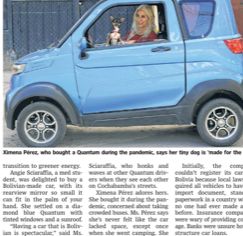 um unserer (Enkel-)Kinder willen.

Polypharmacy
Each specialist treats a person or patient in her/his field of competence to the best of current knowledge. Well, marketing of pharmaceutical products is also a field of special competence. Medical doctors and pharmacists are largely competent intermediaries between the world of medical and pharmaceutical research, commercial interests and patients. As persons age, so-called multimorbidity is creeping into the daily life of many persons. After a certain age (75+), depending on country of residence to some extent, we all become patients. Although the basic problem has been known since the phenomenal rise of the pharmaceutical industry, little research is devoted to patients receiving multiple treatments with medical prescriptions from several specialists. In addition, we know there is a rather severe issue with compliance to prescriptions, for example, taking antibiotics for the whole prescribed period, to name just one. The interactions between several prescriptions and molecules administered to patients are very difficult to monitor and scientific tests of those are expensive and no pharmaceutical company really has an interest in such studies that might further add to the already long list of potential side effects. However, the study published by Daunt et al. (2023) reiterates the warnings that treatment of multimorbidity can have unwanted side-effects we do not really know about. General practitioners will have to take on the role for medical stewardship for their patients. Monitoring a patient’s digestion of a combination of medications becomes a prime role as of the age of 75, the paper specifies. Whereas a common believe tells us, taking more, will help more, the “daunting” truth might be, less can be more. (Source: Daunt, R., Curtin, D., & O’Mahony, D. (2023). Polypharmacy stewardship: A novel approach to tackle a major public health crisis. The Lancet Healthy Longevity. https://doi.org/10.1016/S2666-7568(23)00036-3. 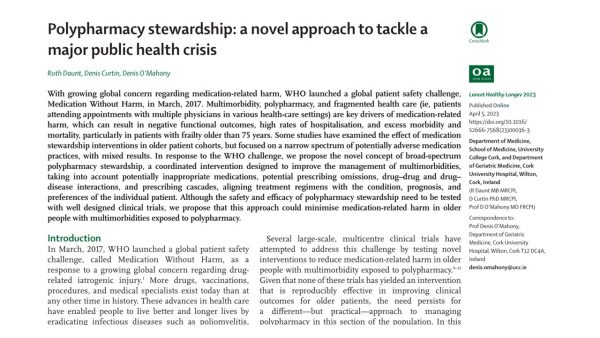
Pastiche
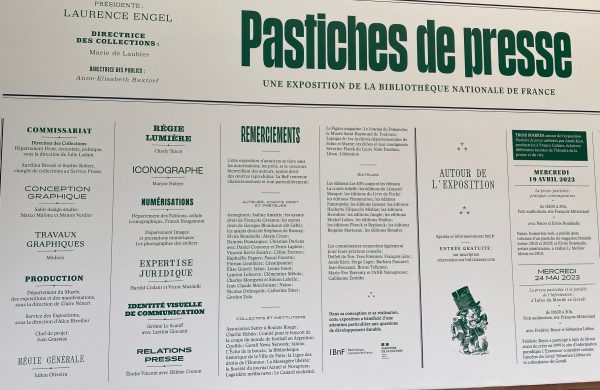
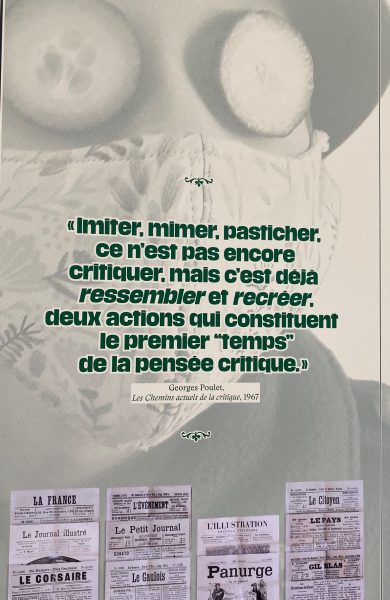
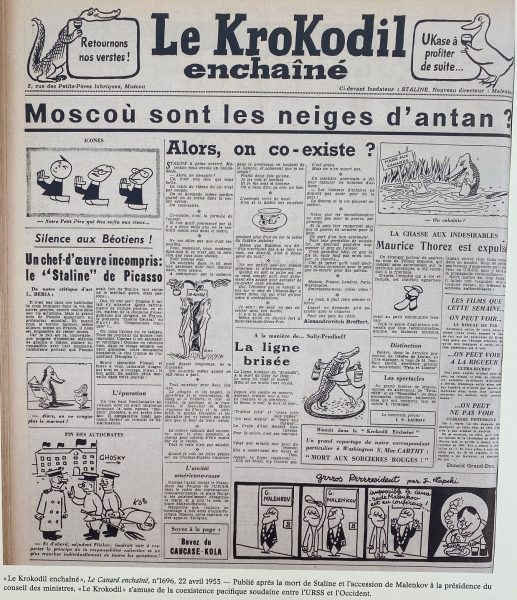
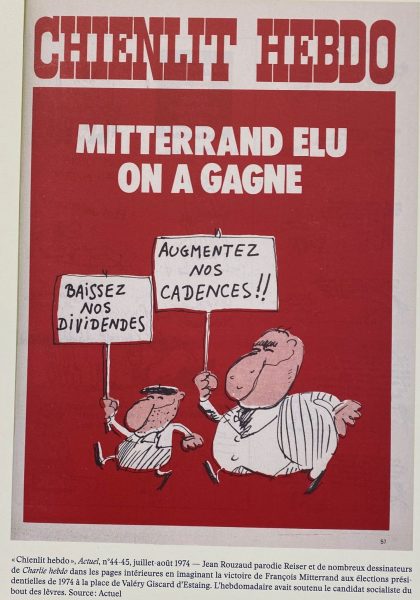
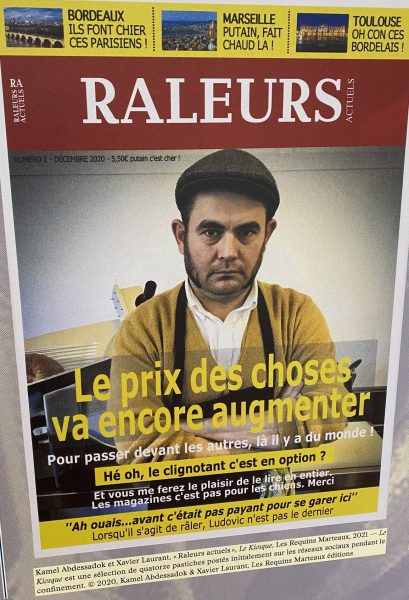
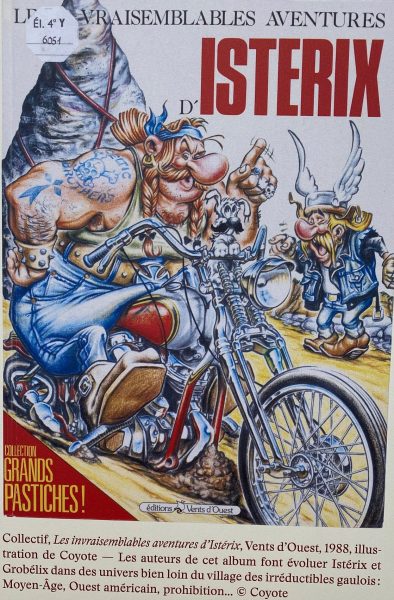
Die lange Tradition der “Pastiche“ (BnF, 2023) der französischen Presse ist nur wenig über Frankreich hinaus bekannt. Sicherlich kennen viele den wöchentlich erscheinenden „Canard enchainé“ oder die Satire-Zeitschrift „Charlie Hebdo“. Die witzigen, fälschenden Plagiate von bekannten Zeitungen und Zeitschriften, Pastiche genannt, haben einen Kreis an Liebhabenden, die sich ihren Humor nicht nehmen lassen. In Gesprächen gilt oft die humorvolle Sichtweise auf Politik, oder das tägliche Leben, als intelligent. Eine andere, unübliche oder gar verbotene Perspektive auf einen Sachverhalt kann ja bekanntlich zu einiger Erheiterung beitragen. Was sich seriöse Medien nicht erlauben, darf dann schon mal in den Pastiche vorkommen. Wie weit darf Humor gehen bis Humor verletzend oder gesetzeswidrig wird. Diese Grenzen sind je nach Kultur und politischen Gegebenheiten verschieden. In Frankreich lässt man/frau sich nicht den Augenzwinker verbieten. Übersetzen lassen sich die oft indirekten Anspielungen nur schwer. Viel Hintergrundwissen, oft nur von kleinen Gruppen von Personen, ist zum Verständnis nötig. Da wird vielfach erst auf den 2. Gedanken gelacht oder geschmunzelt. Die Bestände der BnF daraufhin zu sichten oder überhaupt die Kategorie zu führen, sogar als eine Literaturgattung, ist beachtlich. Nachrevolutionärer Karneval ist eben 365 Tage Narrenfreiheit. Das Recht und Gesetz dazu, wird wohl gut definiert sein. Majestätsbeleidigung wird es da nicht mehr im Strafbuch geben, was zu überprüfen ist.
Hannover Messe
Es war wieder einmal Hannover Messe. Das jährliche Treffen der Industrie mit samt der neuesten und manchmal auch älteren technischen Lösungen bietet eine eindrückliche Plattform zur Repräsentation von technischen Problemlösungen (offizielle Bilder LINK) . Da gibt es Lösungen für Probleme, bei denen wir noch nicht einmal wussten, dass wir sie haben oder einmal haben werden. So überrascht es nicht dort einige Firmen gelistet zu sehen, die ihre Dienste und Produkte anpreisen für die Unterstützung mit künstlicher Intelligenz, aber eben auch das Erkennen von Mogelei unter Zuhilfenahme von künstlicher Intelligenz. Also so ähnlich wie auf einer Automesse gibt es auch eine Abteilung die Rettungs- und Krankenwagen präsentiert. Technische Lösungen denken, wenn sie gute Lösungen sind, eben immer gleich ihr eigenes Versagen mit. Es bleibt letztlich nur die Frage, wie viele Versagensschleifen mitgedacht worden sind oder mitgedacht werden können. Der menschliche Faktor (als Fehlerursache) ist dabei ein sehr schwer auszuschließender Problemfall. Das musste nun auch die Hannover Messe als Ganze erfahren. Wenn die Menschen, die die Menschen hin- und wieder wegbringen vom Messegelände streiken, dann kommt das nahezu einem GAU (größtem anzunehmendem Unfall) gleich. Es gibt nicht nur menschliches Versagen bei Maschinenabläufen zu berücksichtigen, sondern auch mangelnde Kooperationsbereitschaft oder gar Böswilligkeit. Dabei sind wir nun aber schon in der Science-fiction oder James Bond 007 gelandet. Artificial Intelligence wird nicht frei von diesen allzu menschlichen Schwächen sein. Ein paar Gedanken sollten wir als Interessenten einer Fortbestehung unserer Spezies schon haben. Zwischenzeitlich lasse ich ChatGPD mal die Frage beantworten, wie Angestellte der Deutschen Bahn effektiv ihre Forderungen durchsetzen können. Kein Wunder, dass autoritäre Länder bereits mit dem Regeln von künstilicher Intelligenz begonnen haben. Ich zumindest habe viel Energie und CO2 gespart, denn der Messebesuch in Hannover fand virtuell statt. Deswegen dann auch keine eigenen neuen Bilder. Zur Produktion von Fake-Images oder recycling-Bildern früherer Messen (Photoshoppen) fehlt mir die Lust, Zeit und wohl auch die künstlerische vielleicht sogar kriminelle Energie.
Printing
Printing is a more than 5 century-old industry. The invention of the printing press is mostly attributed to Johannes Gutenberg from Mainz. However, the Asian precursor of mobile type letter printing of Cai Lun of the Jikji dates back to 1377 in Korea. These early masterpieces of the inventors of print can be inspected at the Bibliothèque nationale de France (BnF). The summary term for this technical innovation by historians is the “age of start-ups”. The procedure for Gutenberg to have 2 financing rounds with his “business angel” Johann Fust, who is later claiming even almost the full rights of the printed volumes, resembles the start-up spirit of today as much as that of the 15th century. Not belonging to the Patrician families, it was very difficult to defend your rights in courts of the gilds. The printers also became a very powerful intermediary themselves. They either sold pre-ordered books or had to take the risk of assessing the market for their product. The editors of today do much the same in the trading world of books and rights of authors and translators. Merchandising products of the church and later churches (protestants Luther Bible) had a particular value to both the clergy and its devotees, not to mention the shop keepers in-between as well. Pilgrimage business was another start-up industry still going strong in the 20th and 21st century and popular in all religions. The early prints and typographs applied are fascinating in themselves, but there is a lot to be learned about the foundation of a new industries that still employs millions of people and is at the origin of learning revolution similar to the one we are living with the digital technologies today. The European languages with respect to printing had a certain competitive advantage, based on 26 letters of the alphabet, far fewer types were needed to print books than the more than a thousand different signs for printing a Korean text. In terms of printing this is cost-reducing and probably you do not need to be able to read yourself to be a printer or it makes proof reading more accessible favouring benefit margins. After all, the age of industrialisation probably had a precursor in the printing industry. The potential of the printing industry was only exploited much later to the full extent. Comparable to “peak oil” we hope to have reached “peak paper” at last as well for the sake of our planet and our own survival. 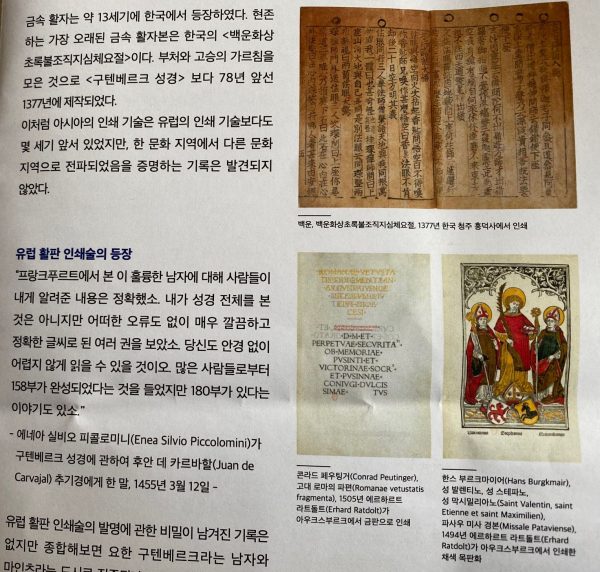
Photo Album
There have been many attempts to write a history of photography. Susan Sonntag’s account of photography and photographers remains the most successful one in my opinion. It includes a critical view on the medium just as much as capturing the power-related element of images and particularly photos. “Ouvrir l’album du monde” traces the history of photography from 1842-1911 starting with the invention by Louis Jacques Mandé Daguerre of the “daguerréotype” (Great press dossier Link to pdf-file). The attempt to “de-center” the history from the dominating western perspective is interesting as it reflects the spread and acquisition of the new technology by various “ruling groups” across the planet. Images like photos served and still serve often as proof (so easy to produce fakes and fake news nowadays). Proof of variety of existence of species, mankind, land acquisition and landscapes. Images of religious ideation, frequently forbidden, have been captured on photos. Many photos use up-front and profile perspectives on the same face, like police registry or the ethnographic documentations. This puts the visitor in an awkward position of “complice” to the process, judgement or documentation effort of a ruling more powerful class or colonial occupier. Historical embedding is necessary to balance the voyeurism of the camera. The film “Der vermessene Mensch”, reviewed in The New York Times recently, is a timely warning, how science and photography have served to create hierarchies of people, despite the fact, that “all men are created equal”. 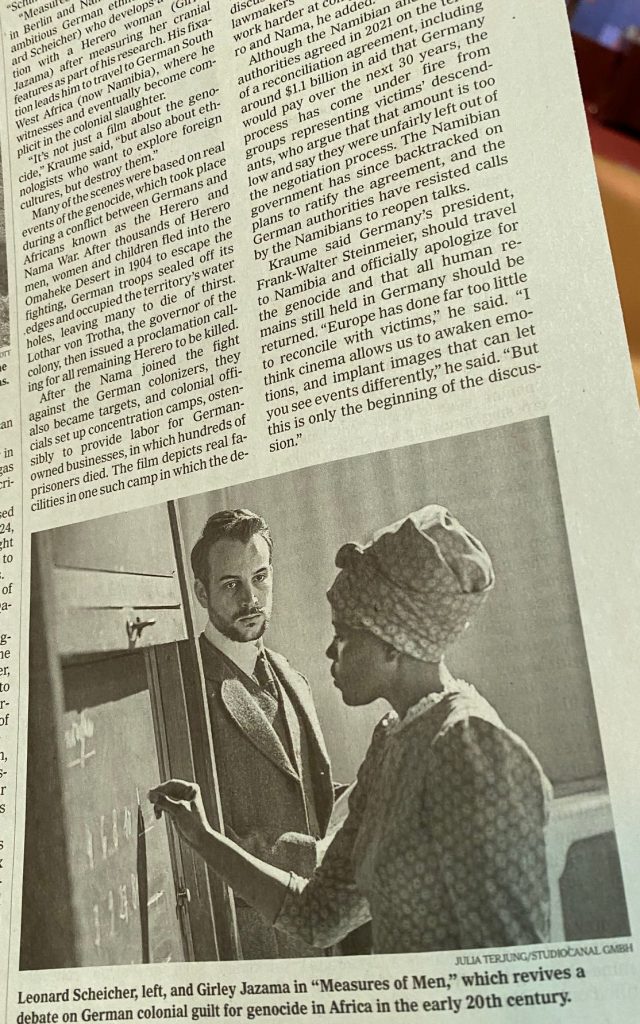
Kimono
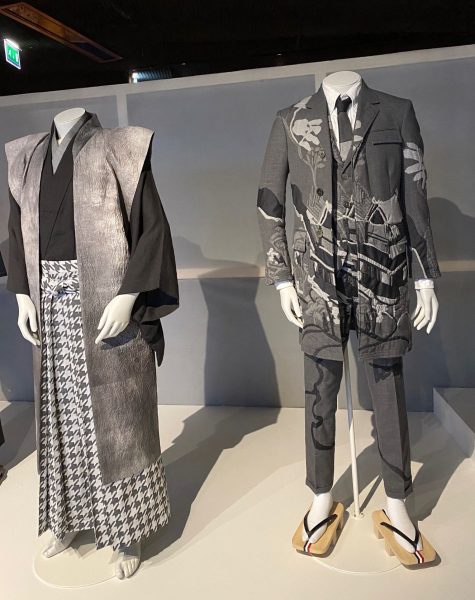
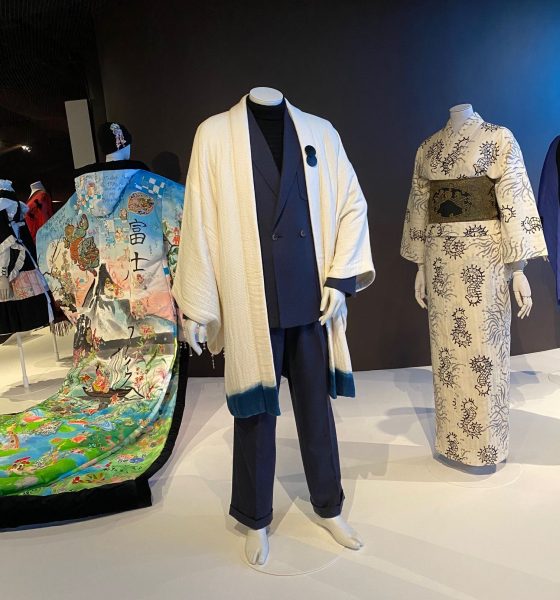
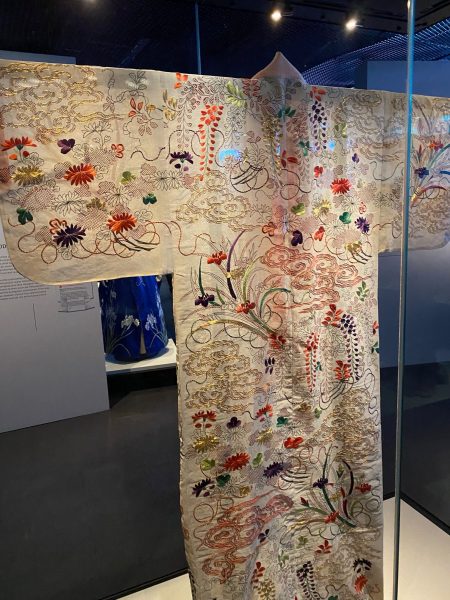
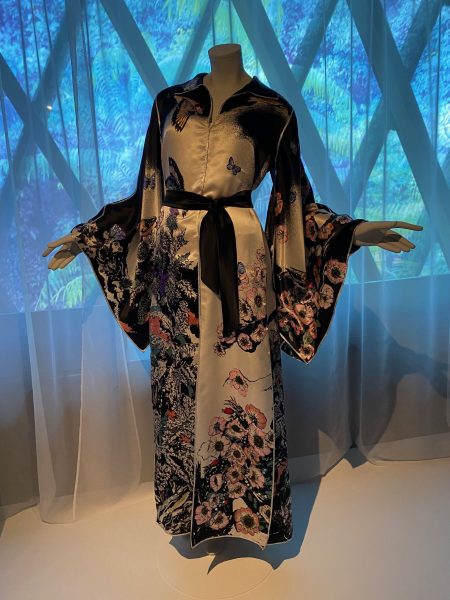
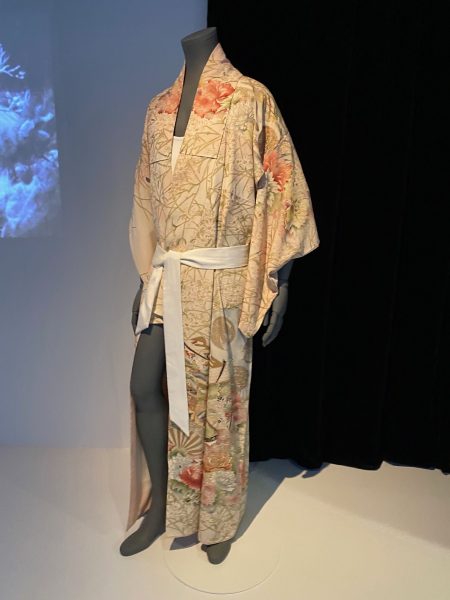
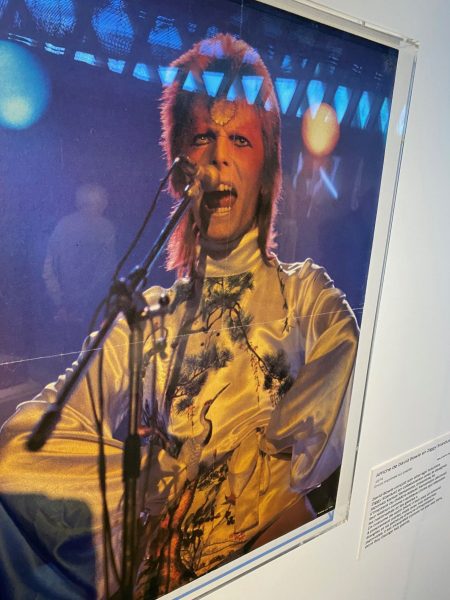
Die Ausstellung zur Geschichte, Kultur und Vielfalt des japanischen Kimonos ist beeindruckend. Natürlich kennen wir alle den Kimono aus Kinofilmen oder Fernsehen. Eine kleine, feine Sammlung wird noch bis Ende Mai im “Musée du quai Branly“ gezeigt. Die Betonung liegt dabei auf der Adaptationsfähigkeit des klassischen Kostüms. Selbstverständlich war der Kimono immer schon ein Gewand der sozialen Distinktion. Kleider machten und machen Leute, nicht wahr? Für das deutschsprachige Publikum ist der Rat der Designerin Shibasaki Rumi, die ihre eigene Marke Rumi Rock in Japan hat, interessant. Der Kimono könnte auch problemlos mit Birkenstock Sandalen kombiniert werden, für alle, die keine „japanischen Geta Sandalen“ und passende Socken im Schrank haben. „Cross-cultural fertilisation“, der Kimono ist wandlungsfähig und bringt nach wie vor exotischen Touch mit sich. Damit lässt sich vortrefflich überraschen. Das wusste schon Pop-Ikone David Bowie in den 1970-ger Jahren für sich zu nutzen.
Musée quai Branly
“Musée du quai Branly – Jacques Chirac” receives relatively few visitors compared to the much more popular art museums in Paris. The proximity to the Eiffel tower, however, allows easy access within walking reach from the most visited tourist attractions in Paris. A cheeky impression of the design of the building and surrounding gardens of the Museum resemble to me a shadow of the Eiffel tower in the afternoon sun in Paris. Some might even say with a westerly wind the tower would fall exactly on the museum. No, of course the tower is not tumbling. In the shadow of the tower there is superb place to meditate in the gardens or enjoy the many exhibitions of cultures from across the world.  In remembrance of former President Jacques Chirac, Asian cultures have had a strong impact on the collections and the organisation of the garden. Very different from the French park “à la Le Notre” at Versailles or Fontainebleau, the garden of the museum du quai Branly follows a completely different design focusing on bio-diversity. The architect “Jean Nouvel”, is quoted having said, that the garden is not a complement to the museum, but the garden is the museum. Hence, it is possible to have very unexpected views not only from the museum buildings, but also of the Eiffel tower nearby. It is possible to view the Eiffel tower through different continental perspectives on it. To the extent that you might not even recognize the massive tower in the neighbourhood being immersed into wild life. Then try one of the special expositions or the permanent exhibition, if visiting for the 1st time. We travelled continents without devastating CO2 effects. Additionally, Paris is easy to reach by train. You may complement the intercontinental experience by visiting the headquarters of UNESCO, at least the book shop, in Paris also nearby.

Bauhaus Haus
Zu den Ursprüngen des “Bauhaus” in Weimar gehört das Haus, welches die Feder von Georg Muche entworfen hat. Auch wenn das Bauhaus überwiegend mit Walter Gropius assoziiert wird, ist die Parallele von Georg Muche zu dem französischen Maler und Architekten Le Corbusier frappierend. Beide waren geprägt durch die eigene Malerei und Zeichenkunst. Die Entwürfe für Häuser oder Villen folgten Zeichnungen, die wiederum einer “cognitive map” mit Prinzipen der Konzeption und der Konstruktion folgten. Treu den Ansätzen des Bauhauses verwirklichte Muche bereits in 1923 sein Musterhaus. Modulare Bauweise, preisgünstige Erstellung, aktuelle Technologie, perspektivische Blickwinkel und Lichtspiel. Eine gewisse Parallelität zu der Villa La Roche und Jeanneret von Le Corbusier besteht nicht nur in der zeitlichen Dimension, sondern auch in dem Einfluß von kubistischem Spiel mit Perspektiven in Haus und auf das Haus. Die von der Malerei herkommenden Architekten entwerfen ihre Räume mit “The painter’s eye“. Vielleicht kommt nicht zuletzt daher der Traum vom Eigenheim, der so prägend bleibt in ganz Europa und der westlichen Welt. Geprägt von den 1910er und frühen 1920er Jahren war kostengünstiges Bauen eine wichtige Rahmenbedingung. Relativ kleine Grundrisse, modular erweiterungsfähig, preiswerte Baustoffe sorgten trotz Schwierigkeiten für rasche Realisierungsmöglichkeiten. Eine gewisse deutsch-französische Parallelität drängt sich auf. LeMonde vom 6.4.2023 beschreibt ausführlich das Dilemma des 21. Jahrhunderts. Der Traum vom eigenen Haus wird für die nächsten Generationen schwieriger zu realisieren sein. Rohstoffpreise, Grundstückspreise, Arbeitslöhne, Kreditzinsen schnellen in die Höhe. Der Traum vom Eigenheim bleibt ein Traum älterer Generationen oder der glücklichen Erben solcher Häuser, fast unerreichbar für Durchschnittsverdienende. “Gemeinsam statt Einsam” ist die noch gültige Schlussfolgerung, die bereits Henning Scherf formuliert hat. Die neue Herausforderung für den Bau war, ist und bleibt die soziale Frage, der wachsenden Ungleichheit entgegen zu wirken. 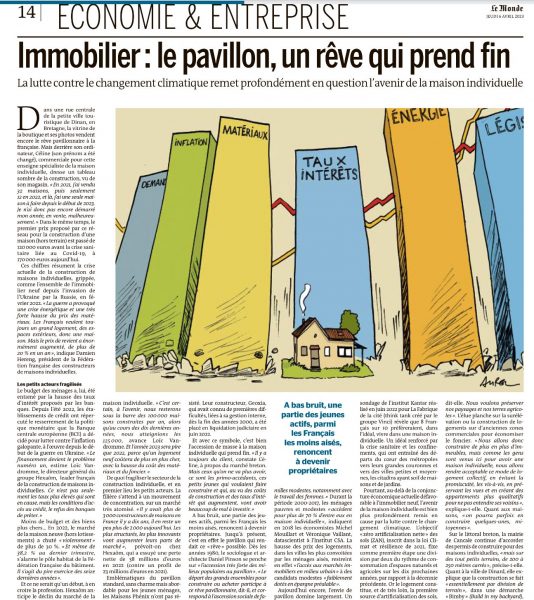
Corbusier
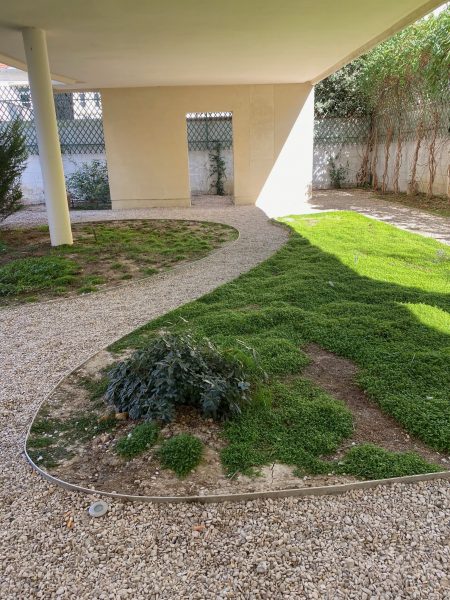
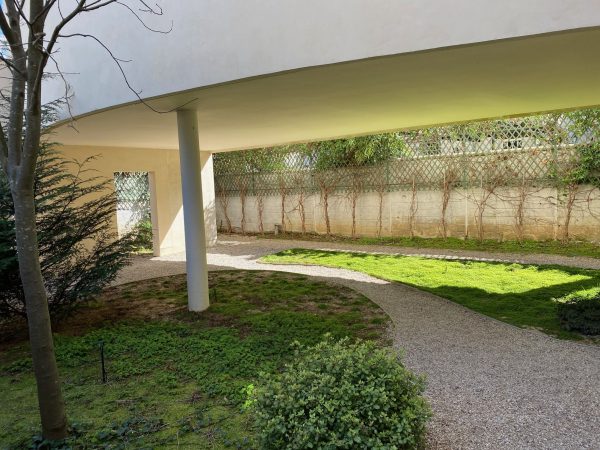
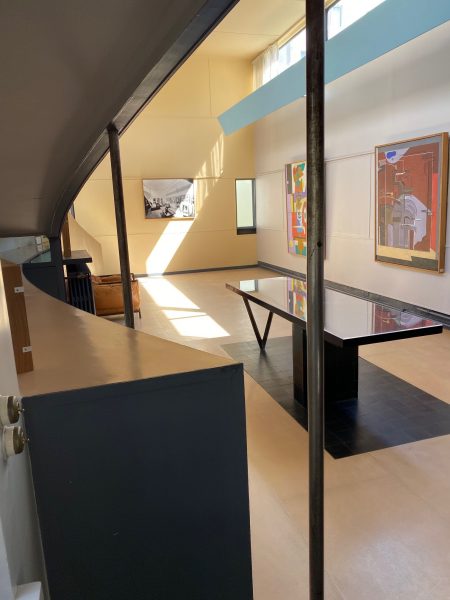
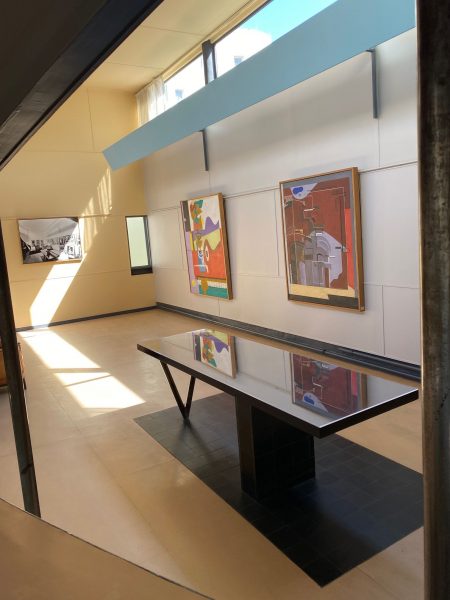
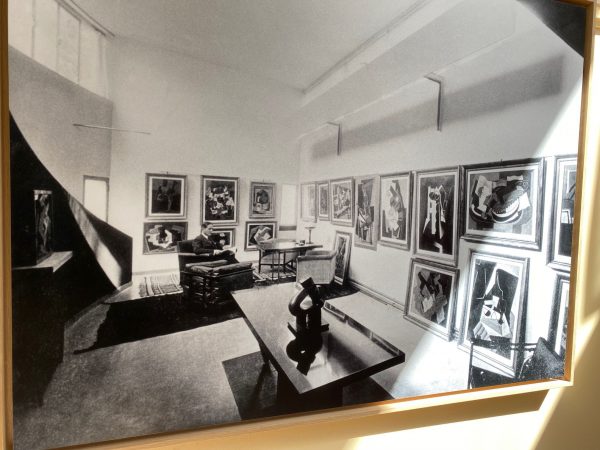
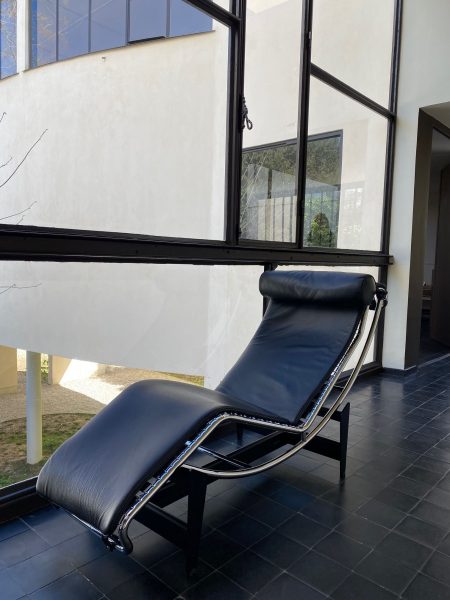
Le Corbusier (1887-1965) chose his artist’s name instead of his lengthy original name of Charles-Édouard Jeanneret at the age of 33 (in 1920) after having moved from Switzerland to Paris in 1917. He established a theory of modern architecture often summarised in his 5 major principles of modern architecture: 1. Pilotis as grid of pillars, 2. freeing ground floor design, 3. more open facades, 4. windows stretch horizontally, 5. garden, terrace on the roof. All these principles allow a more healthy living environment due to more light, less humidity in buildings and ease of circulation. The house Le Corbusier designed features surprising effects of light and lightness of living. “Les maisons La Roche et Jeanneret” date from 1923 and was completed in 1925. These purists Villas breathe thanks to the impression of abundant empty spaces despite relatively small surfaces. One Villa is designed for a small family, the second for a single person (Raoul La Roche) with a collection of paintings to be exposed in a small gallery. The focus on essentials of living, health, light, water, air and art combine to a relaxing and inspiring atmosphere. Despite many of his convictions to build affordable housing for many people, which received mixed success, his “maisons bourgeoises” in Paris and elsewhere remain masterpieces beyond the 1920s and the 20th century. Le Corbusier was concerned about tuberculosis. Today the corona-crisis has reached comparable health concerns. Architecture might react to the latter crisis in re-considering the lessons from the former. Relaxing in a Le Corbusier Chaise longue and meditating in front of a Picasso, Braque or Léger painting is indeed more than a little bit elitist. But copies of such images or your very own slide show or museum VR-clip in this surrounding make this experience more affordable and compatible with living arrangements for millions of people of the middle class as well.