The essays written by Montaigne in the 16th century have re-established a way of writing on philosophy in short digestable small essays. These short essays became very popular at the time and the new technology of the 16th century invented by Gutenberg, the printing press, facilitated the wider spread of literature. Even Montaigne himself re-wrote on printed versions of his own work. The early adoption of the printing technology helped to spread literature in your own mother tongue rather than only in Greek or Latin for the clergy. Montaigne’s format of rather short notes, without a huge masterplan or encyclopedic approach, took readers along on the journey of scepticism, think on your own. Enabling the reader, how to doubt received wisdom, became an important milestone in the history of ideas and philosophy. Referring back to Seneca for example is also interesting as this Greek philosopher dealt with the topic of wisdom in his later life combining knowledge from different different scientific disciplines. Free independent judgment and the ability to argue and take different perspectives became later known as the foundation of relativism. It is still an important way to enable people to take and defend their own perspectives, just like the critical version of colonialism in the exhibition “Indigo waves“. Lichtenberg’s Aphorisms are another example of the independent mind writing down his ad hoc impressions as pieces of larger picture or puzzle. The literary puzzle needs several attempts to assemble the thoughts. Common to these writers is the freedom of thought and expression, still not a given in many parts of the world today. I would probably imagine the doubt as the origin independent thinking. “I doubt, therefore I am” would do much good not only in totalitarian countries. Rediscovering the usefulness of doubting as foundation to take new perspectives and to find new solutions is worth it. 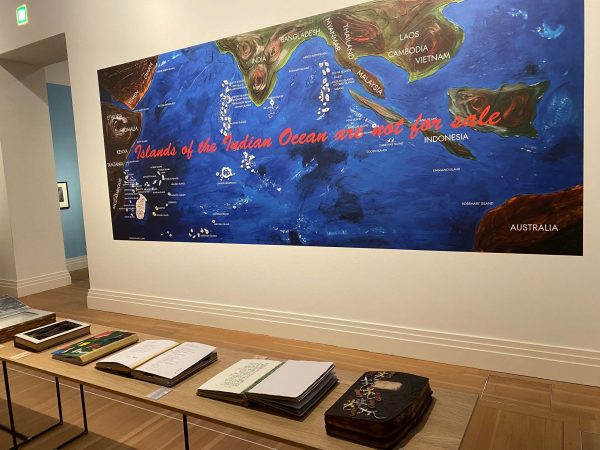
Design Start-up
Es war wieder Designmesse. Klein, aber fein, in Berlin in den KantGaragen. Die Location weckt schon Hoffnung auf Experimentelles, Garagenhaftes, Handwerkliches. Das bringt Abwechslung in die sonstige, glitzernde Shoppingwelt. Das renovierte und entgiftete Parkhaus erlaubt einen Rundgang über mehrere Etagen, vorbei an Galerien und Ständen von DesignerInnen. Es macht sich eine anregende Brise von erfrischenden Ideen breit. Von Design im Raum mit Leuchten und Möbeln über Design von Mode und Schmuck lässt sich viel Schickes finden. Blickfang, samt Blickfang Akademie haben es geschafft, die Mini-messe in den KantGaragen zu etablieren. Es kann sogar Eintritt verlangt werden. Eine weitere Begleitung der Neuen auf dem Markt wird oft nötig sein, denn selbst gute Innovationen sind meistens keine Selbstläufer. Konkurrenz belebt nicht nur das Geschäft, es bleibt meist auch ein Verdrängungsprozess.
Die großen, vielfach schließenden Kaufhäuser in den Innenstädten spüren besonders die Konkurrenz der individualisierenden DesignerInnen mit ihren einzigartig anmutenden Realisationen. Singuläre Kauferlebnisse auf solchen Messen, in stilvollem Ambiente, selbst in einem alten Parkhaus sind, allem Anschein nach, ein Erfolgsrezept. Start-up statt Close-down schafft viele erfüllende Arbeitsplätze. Gute Arbeit wird nicht aussterben, sondern durchstarten. 
Put People First
Put people first is a natural claim of human beings. We tend to abstract from the fact that we implicitly rely on a sufficient biodiversity for our survival. Therefore, the natural claim to put people first has many preconditions itself and severe implications. The most obvious implication is related to our world of production and consumption. We need to build an economy that serves its people rather than one that uses up human resources and discards people to an inferior rank of importance. Externalising health and safety at work to save money in the process of production will only cost society much more later on. This needs to be part of the balance sheet of companies not only “national accounts” or relegated to some health statistics hardly known to the public.
Put people first in consumption, has come to our attention recently. With energy prices rising due to Russia’s war on Ukraine territory we have learned that energy prices may be grossly distorted. Firms’ versus consumers’ energy consumption became a thorny issue. Even legislation, like in Germany, that put people’s energy consumption before companies’ consumption of energy became subject for debate.
Same issue with artificial intelligence. Let’s put people first here as well. Discriminating use of language or biased conclusions due to wrong data input to train AI is not acceptable as excuse. AI may serve humans in their work or leisure, improve production lines through error detection or early onset of disease, but it cannot replace the human verification of a just or otherwise justified human intervention. Humans are not perfect, never will be either. This is a tough rule to teach the algorithms that guide AI. Put people first has a strong interpersonal or solidarity element enshrined in it. This is what matters, now, in the medium term as well as the long run. 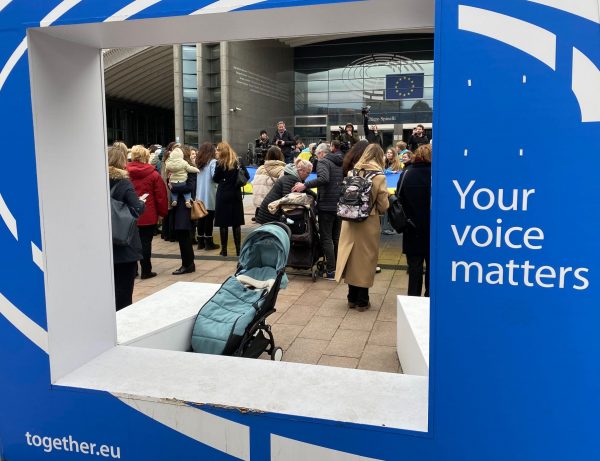
Beyond growth
We have reached the bio-physical limits to economic growth much earlier than most people and experts expected. The “Beyond growth conference” at the European Parliament 15.-17.5.2023 is quite unanimous in this verdict of collective failure. Some advocate “degrowth” in various forms. Maybe the framing of how to address the vital topic of how to set objectives for a post-growth economy needs an even broader perspective. It is a global issue, but the industrial growth societies around the globe will have to work together to find and implement solutions. The worldwide conference COP-XY are hardly delivering on the issue. At best they satisfy the ego of political leaders to address important issues providing nice images from nice places in the world (Paris agreement) to advance their own political campaigns.
From an economist’s view rather than solving a very complex issue with uncertain outcome, it is more instructive to, for example, start to produce the same economic and social well-being by using much less natural resources above all climate-toxic elements (Carbon-dioxide CO2, Chlorofluorocarbons CFC, or methane). These are simple first steps with a rather immediate effect. After the recent crises we have learned to safe resources (heating) and reduce mobility, just continuing on this trajectory is feasible. Vastly excessive forms of consumption need to be capped through targeted taxes that allow redistribution or investment in reduction of pollution. It isn’t hard to do, or “It’s easy, if you try“, we might sing. 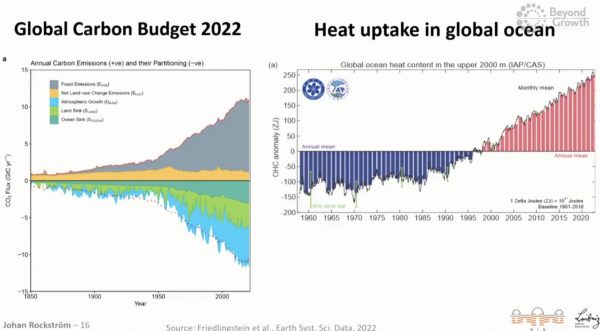
Macht Raum Gewalt
So heißt der Titel der umfangreichen Ausstellung im Haus der Akademie der Künste, direkt neben dem Brandenburger Tor. Nur 3 Monate bis 16.7.2023 lässt sich durch die Architektur, Planung und Umsetzung zur Zeit des faschistischen Regimes in Deutschland taumeln. Angesichts der monströsen Verbrechen und der unterliegenden ideologischen Doktrin wird die Frage „macht Raum Gewalt?“ auf 2-fache Weise beantwortet. (1) Raum macht Gewalt und (2) Gewalt macht Raum. Das gestalterische Element von Architektur schafft Räume, die individualisieren, personalisieren oder entpersonalisieren können. Die Uniformität im Faschismus kreiert eine visuelle Sprache, die durch ihre Art Räume und Räumlichkeiten zu gestalten gezielt entpersonalisiert. Gewalt- und Machtausübung fällt darin leichter. Räume und Gebäude wurden der Menschlichkeit enthoben, gebaut, den Menschen zu überleben.
So fällt es in entpersonalisierten, bewusst überdimensionierten Raumkonzepten, leichter Gewalt gegen Menschen vorzubereiten und durchzuführen. Die 1. These „Raum macht Gewalt“ lässt sich sozusagen empirisch in der Ausstellung durchwandern. Die 2. These „Gewalt macht Raum“ wird ebenso eindringlich durch die Dokumentation der Zwangsarbeit, Konzentrationslager und massenhaft ausgeübten physischen und psychischen Gewalt durch die herrschenden Faschisten verdeutlicht. Wenn Wörter und Stimmen von Augenzeugen zu fehlen beginnen, werden die Texte, Zeichen, Bilder und Stummfilme zu Dokumenten, wie mit Gewalt Raum gemacht wird. Der expansionistische, imperialistische Drang der Faschisten machte vor keinen Grenzen halt. Juristische Grenzen, menschenrechtliche, moralische oder Landesgrenzen spielten keine Rolle mehr. Rechtsbeugung und Missbrauch war an der Tagesordnung, um Raum, Macht und Gewalt menschenverachtend durchzusetzen.
Die architektonischen Nazi-Hinterlassenschaften, weiterhin sichtbar in Berlin, München und Nürnberg werden nur in den markantesten Bauwerken dokumentiert. Das reicht schon, den historisch bewussten Blick zu schulen. Selbstverständliches Hinnehmen von diesen Anblicken verbietet sich. Das Übertünchen des Adlerkopfes mit weißer Farbe, Symbol für den amerikanischen Adler, sollte in uns die Dankbarkeit für die Befreiung von der Nazi-Diktatur festigen und dazu beitragen, den Tag des Sieges 8.5.1945 der „Alliierten Streitkräfte“ als Tag der Befreiung zu feiern. 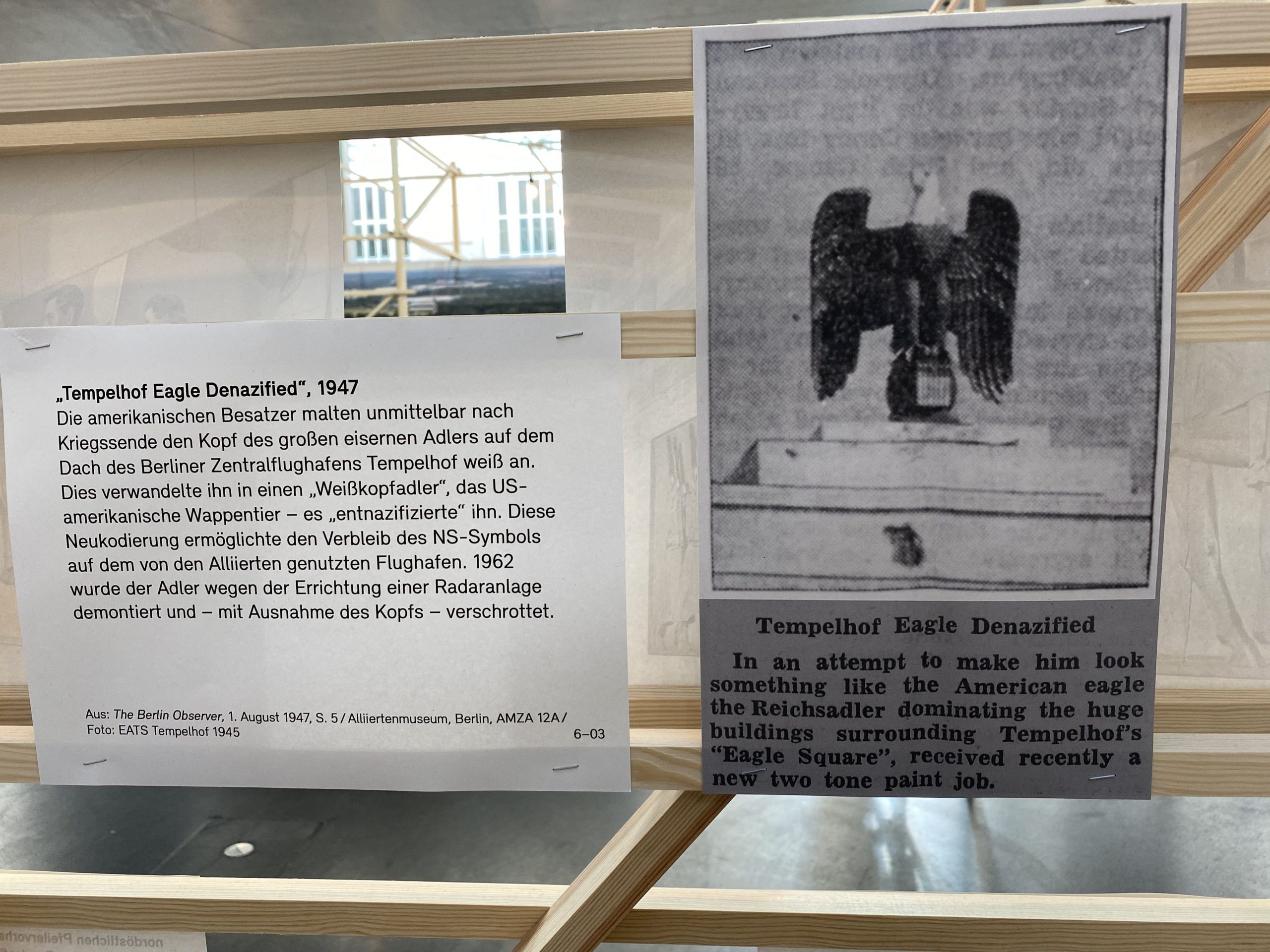
De-risking
Risks are all around us. Risk is the spice of life. True, but this might be an elitist concept of life or business. Survival of the fittest or the best equipped to take risks might be the consequence. After the 3 crises, financial, covid, energy, we have a new impetus to thrive for de-risking. Certainly, concerning our health, we are aware that prevention is key to fight a pandemic. In order to stem an energy crisis, most countries start to rethink their energy mix and achieving more energy autonomy is a major step to shield against risks of delayed delivery or commerce with belligerent states like Russia. De-risking is key in supply chains for industries (automotive production, microprocessors) as well as service providers (cloud services, care givers) just as well. Mariana Mazzucato (UC London) urges us to develop a new narrative to accompany the transformation of our production and service provision models. Mazzucato advocates to learn from lessons from the ground of how to proceed in the best way. Copenhagen is a good starting point to observe how a metropolitan city manages the greening and decarbonisation of a city. It is important to not only target single policies but the coherence of several policies and approaches. In my view de-risking means for Germany and the EU to shield energy systems from foreign, malignant interference. Only local production of energy and nearby consumption of it will ensure the de-risking of energy provision and consumption. Let us start with massive investments in rooftop solar or small wind turbines. Nobody complained about millions of ugly television antenna all around us. Solar cells on balconies contribute to a basic local electricity supply, difficult to target millions of solar cells instead of a single huge and horrifically dangerous nuclear power plant. At the same time ,we reduce dependency on monopoly or oligopoly structures that develop their own agenda (Too big to fail, remember those?). I prefer the reverse statement. Because they are so big, they are doomed to fail and, therefore, fail us sooner or later. The Forum New Economy offered an open and accessible platform for exchange of ideas. That’s a good starting point to address de-risking. Reducing Risk is in the subtitle of Rebecca Henderson’s Chapter 3 on “Reimagining Capitalism” (short Review), but I would like to add the business case for household production of energy for de-risking supply failure and exploitation of consumers through excessive profit margins as a prosumer business case. 
Crises
Crises, yes crises, we have seen a few in recent years. After the first financial crisis, 2009, the COVID-19 crisis and now the energy crisis, , they all have cost us respectively 1.6%, 2.5% and lately a whopping 7.8% of GDP loss according to Tom Krebs (Uni Mannheim and FNE) in his assessment of lessons from these crises. Also Philip Lane (ECB) showed the lower GDP growth rates due to the crises.
We lost out on the wealth of our nations and face mounting difficulties for the distribution of this wealth. As firms cashed in on profit margins lately, workers risk even more to fall behind significantly. At the same time, it is high time to prepare for the next winter season now, to ensure the same risks as the dependency on energy resources from outside Europe, especially Russia, can be maintained. The conference of the Forum New Economy from the 8th of May 2023 discussed several ways forward to learn our lessons from these crises. Strategic independence needs to be properly defined for Europe as a whole, not just in each individual state. Implementation has to be rapid as well. Geopolitical challenges will not wait for us to finish discussions. Germany and minister Robert Habeck has received some acclaim from the economists for a fast and rather successful reaction to safe us from an energy crisis last winter. Massive increases in renewables (+20% solar energy) has helped a lot to ensure sufficent energy supply when France suffered heavy reductions from its nuclear energy power plants. “Let the sun shine … in”, I would sing. However, we have to think even further ahead build our resilience based on improved energy efficiency and may rethink the risks and vulnerabilities of our economic model of production and consumption. Diversifying imports from Russia with imports from other countries and other (green) forms energy is part of the solution. A heavy reliance on China as buyer of our products is good for trade balance, but some sectors (automotive) are nowadays critically dependent on selling in China. Some of our partners are very anxious about this new dependency on Asia for our economic growth model (see figure below from conference). Market based economies suffer more openly from huge economic swings than more secret-based autocratic economies. Our state agencies have to keep that in mind and state intervention seems to become more likely options in future as we have already witnessed in the past crises. We had to rely on running higher state deficits to cover the losses incurred from the crises. The EU, the larger Europe in combination with the transatlantic and pacific alliances has a lot of resources to address these strategic interdependencies. Being prepared, in strategic thinking and potential implementation procedures is a major part of building capacities that ensure resilience and strategic independence. As in a game of chess, you have to think ahead a couple of steps to frighten off some potentially dangerous moves of other players.
In terms of a planetary concern we still have to address the major climate crisis and the last 3 crises have largely contributed to reduce the resources we have available to address climate change. Smart crisis management succeded to ask for emission reductions in return for subsidies from firms and private households. This might be the “best practice examples” worthy to learn from. There are still huge evaluation tasks for analysts of these crises. 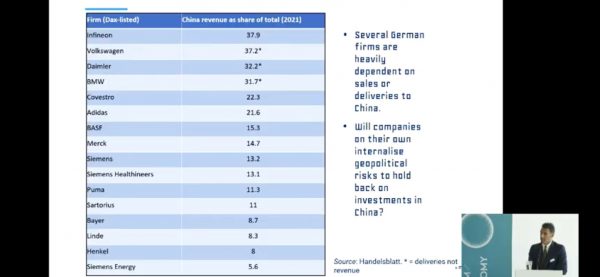
Flaneur
Der bürgerliche Flaneur wird kritisch hinterfragt und erweitert erörtert im Festival DRiFT in Berlin. Das passt doch gut zu dem nötigen WALK und WALKING, welches uns schon alleine aus gesundheitlichen Aspekten von Nöten ist. Die subversive Form als kollektives Wandern, gefährlicher historisch waren die Märsche auf Rom von Mussolini, friedlicher Gandhi, aber beeindruckend erfolgreich. Ostermärche kennen wir noch als Beispiel dieser kollektiven Form des gemeinsamen Gehens und Erkundens, oder doch Beeinflussung oder gar Eroberung.
Die Idee ist alt, die Ansätze in unserer Zeit bleiben eine Herausforderung. Protestmärsche kennen viele Organisationen gerade aus den nicht-regierungs Organisationen (NGOs) und den Gewerkschaften. Präsenz zeigen und seine Meinung äußern, wenn sie nicht genügend Gehör oder Widerhall findet, gehört zum demokratischen Kanon. Eine entsprechende Wiederbelebung und Stadtteilerkundung als “Psycho-geografie” hat historische Wurzeln in Paris und Frankreich. Räumliches Vorstellungsvermögen und Orientierung ist eine Qualifikation, die messbar ist. Eine Stadt erlaufen bildet eine kognitive Landkarte der Straßen und Umgebung. Mal schwer, mal einfach, aber fast immer irgendwie anders. 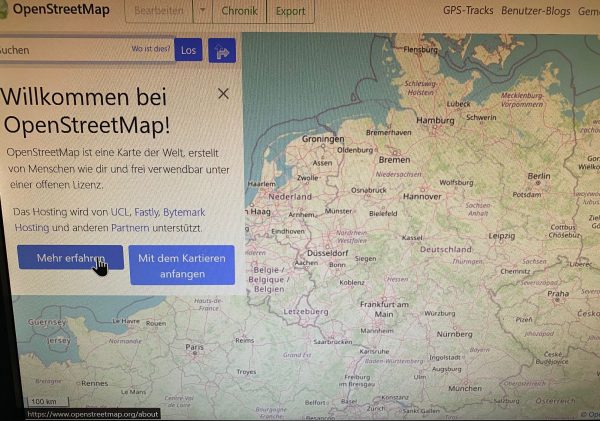
Ekman + Eyal
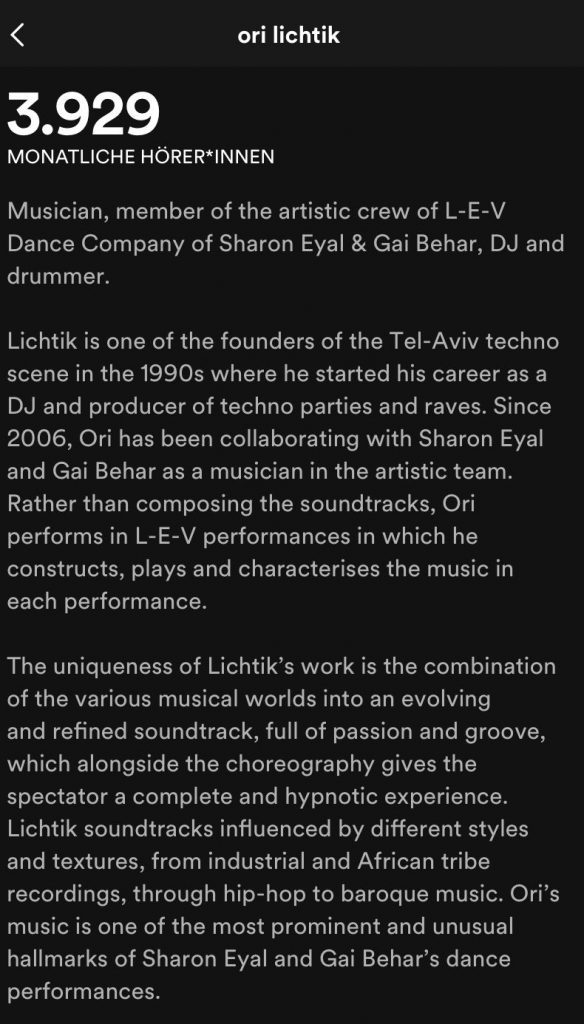
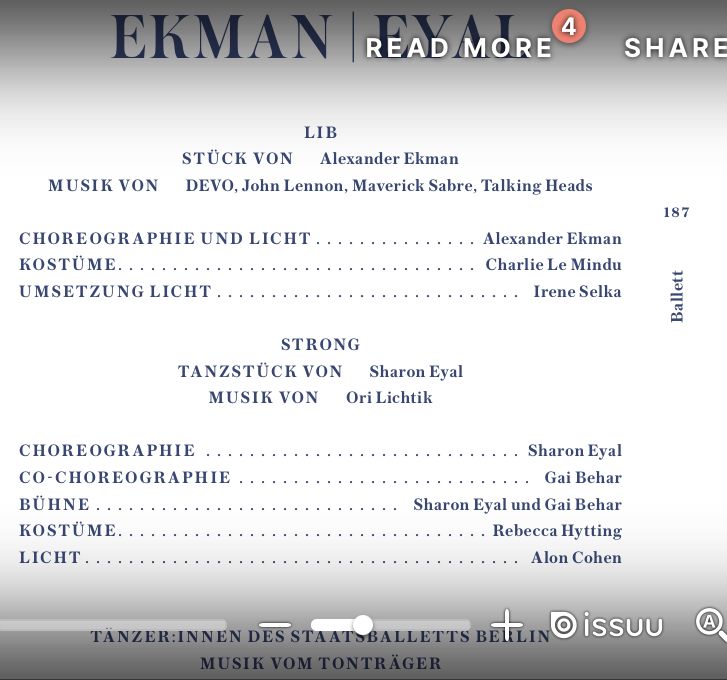
Die Ankündigung im Programm der Staatsoper in Berlin zur Aufführung von 2 Tanzstücken (1) Alexander Ekman und (2) Sharon Eyal im Programm spricht dementsprechend von Tänzer:innen des Staatsballetts Berlin mit Musik vom Tonträger. Das hohe Haus hat es mit den beiden Stücken geschafft, das reformierte Ballett in das 21. Jahrhundert zu retten. Dazu gehört neben neuen Bewegungsformen, die freieren Umgang mit dem Standardrepertoire des Balletts erlauben, auch die Musik der jungen Generation in die Staatsoper reinzulassen. Ja genau, dazu gehört Technomusik in der Staatsoper. Das Publikum hat sich deutlich verjüngt und so manchem älteren Herrn oder Dame fliegt da schon mal das Blech weg. Die Clubszene in Berlin hat ihre balletttänzerische Erweiterung gefunden mit ihrer Musik als Kunstform. Das gelingt besonders durch die Musik von Ori Lichtik „Strong“. Die provokanten Kostüme, die gekonnt mit Genderrollen spielen, ergänzen auf eindrückliche Weise die kraftvollen Ausdrücke der Tanzenden. Anspielungen an Maurice Béjart’s Bolero oder „Le sacre du printemps“ erfreuen Tanzbegeisterte. Gruppendynamik, Solo und Pas de Deux bauen dennoch auf dem klassischen Figuren- und Konstellationsrepertoire auf. Auch oder gerade in der Clubszene der Realität gibt es die Feuervögel, Flamingos und schwarzen Schwäne. Zur Vorbereitung auf den Tanzabend empfiehlt sich der Besuch in einem der Berliner Clubs. Gerne auch einmal wieder in den Berliner Zoo gehen und die Haarpracht der Orang-Utans in der Bewegung bewundern. Die uns genetisch sehr Verwandten haben uns in puncto Haarpracht, besonders auch im Alter, einiges voraus. Mehr Bewegungsfülle und Begeisterung für Bewegung wecken beide Stücke auf nachhaltige Weise. „Nobody leaves the room unmoved“. Ein bewegender, tänzerischer Abend Unter den Linden.

Visual
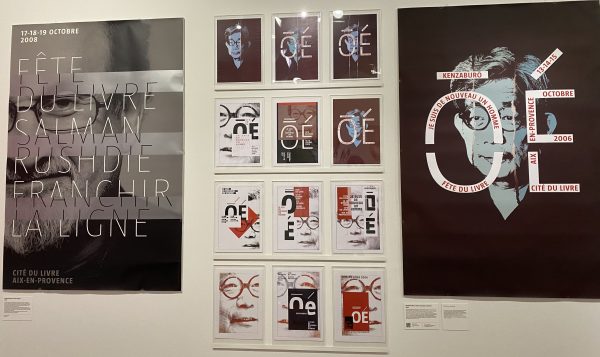
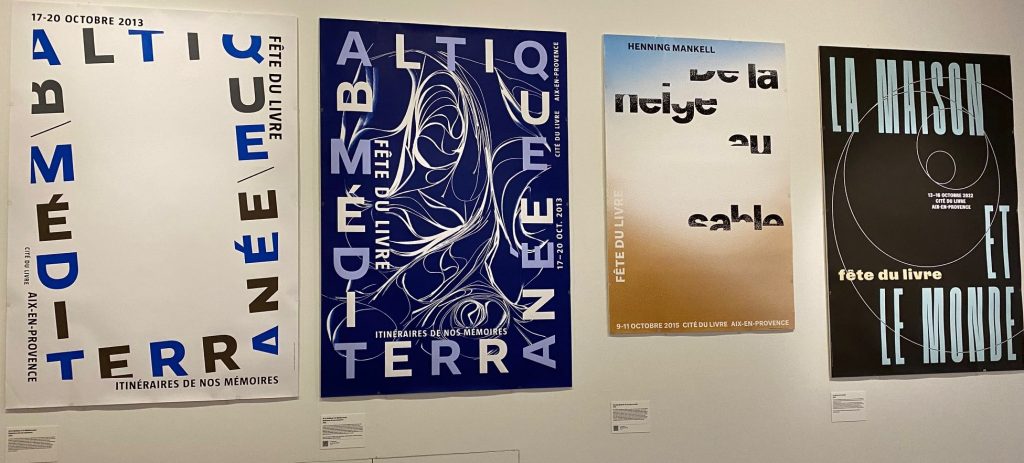
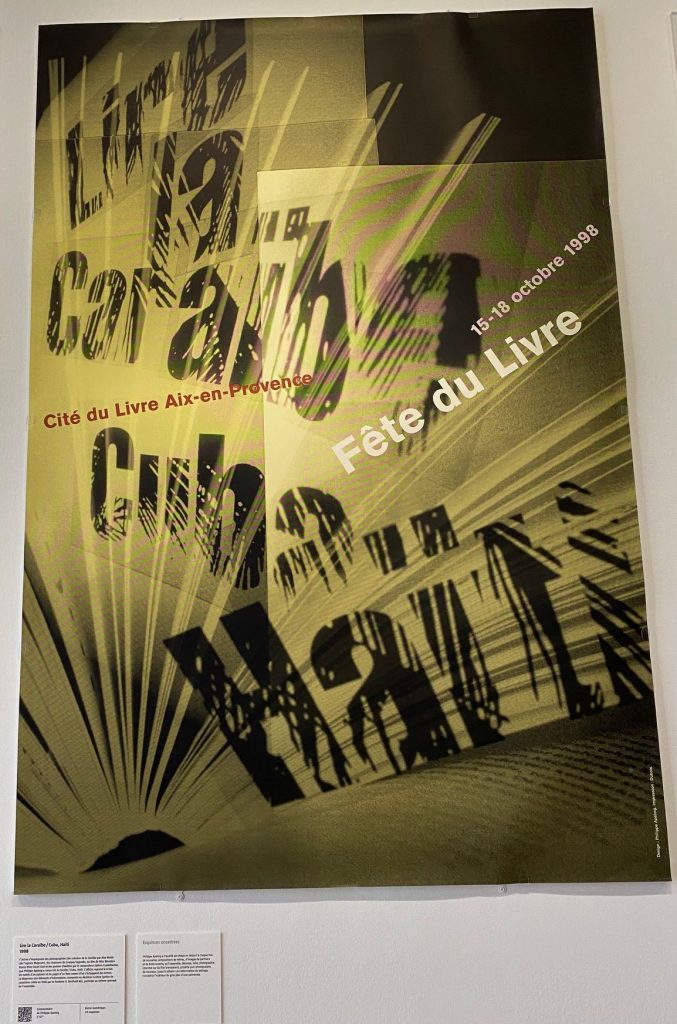
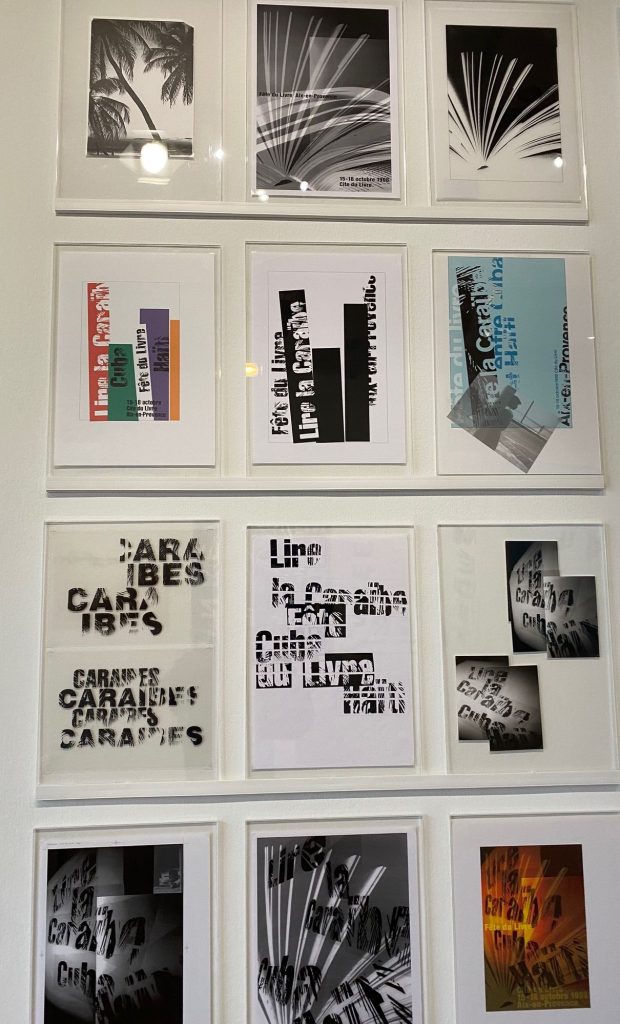
Key visuals have the potential to appeal to us like an own language. From a communication point of view the message is simple. You send a message from your visual appearance even if you do not intend to do so. Hence, better think about it briefly before you go public. The receiver might interpret your visual statement differently from you or other peers, but you offer a coherent version of your activity or appearance. Be it politicians (Merkel) or others, frequently memory allows only for key visuals to make lasting impressions or for something or someone to enter into collective memory of a decade or even a century. Repetition, also from different sources, plays a major part in this. It is surprisingly still uncommon to hire persons in charge of key visuals for a person, an organisation or a festival. Haphazard treatment of key visuals as part of marketing is probably an underestimation of the lasting impact of a coherent visual message. Stability and repetition are key here, rather than the wide-spread ad-hoc approaches to marketing. Only on the margin of the exposition devoted to Philippe Apeloig “Des esquisses à l’affiche” (BnF) this lesson can be learned. The merit of the exposition is the opening-up of the process of creation. Posters, graphics and typescripts all contribute to the overall visual message. Achieving coherence in the thousands of choices demands an aesthetic point of view. This may blend aesthetic languages of a decade and reflections on the subject. Catching an audience at the time of affluence of images, movies and accelerated rhythms of daily life remains a challenge. For the “Fête du Livre” Apeloig has achieved this in a memorable way, well worth a tiny exposition of donations from a master in visual communication.