So-called deep learning algorithms can assist us in lots of routine tasks. Their applications seem to be spreading more rapidly than we commonly believe. The recent paper published in “Lancet Digit Health 2023; 5: e257–64” shows the relevance for medical screening again. Beyond skin or breast cancer, digital images have for years or decades been subject to studies using deep learning algorithms to early detection of cancer and other diseases. Now Google has published an additional potential application of algorithmic learning that assists in diagnosing blood sugar levels among others. For diabetes scanning photographs of the external eye with professional equipment (Zeiss Cirrus Photo 600) was used in the study, but the outlook hints already at the potential for most recent smartphone cameras to also be able to capture images of even better resolutions.
Just like measuring our weight and muscles as a weekly routine on scales, we shall have a more scientific look at our selfies soon. Spotting early onsets of several diseases will become a normal feature.
Early adopters of the new technology and screening potential of the smartphones might live even longer. Reminders to adopt or keep a healthy life style will be all around us. In some cultures, it is deeply offensive to look straight into the eyes of another person. We always knew that our eyes might tell a lot about us. Beyond mental health, they tell a lot about physical health, too.
Artists have always told us fascinating stories about eyes or how and what they see with their eyes. Scientists confirm that there is a lot of information in the eyes. (Image extract from MAD Paris, Picasso, Schiaparelli). 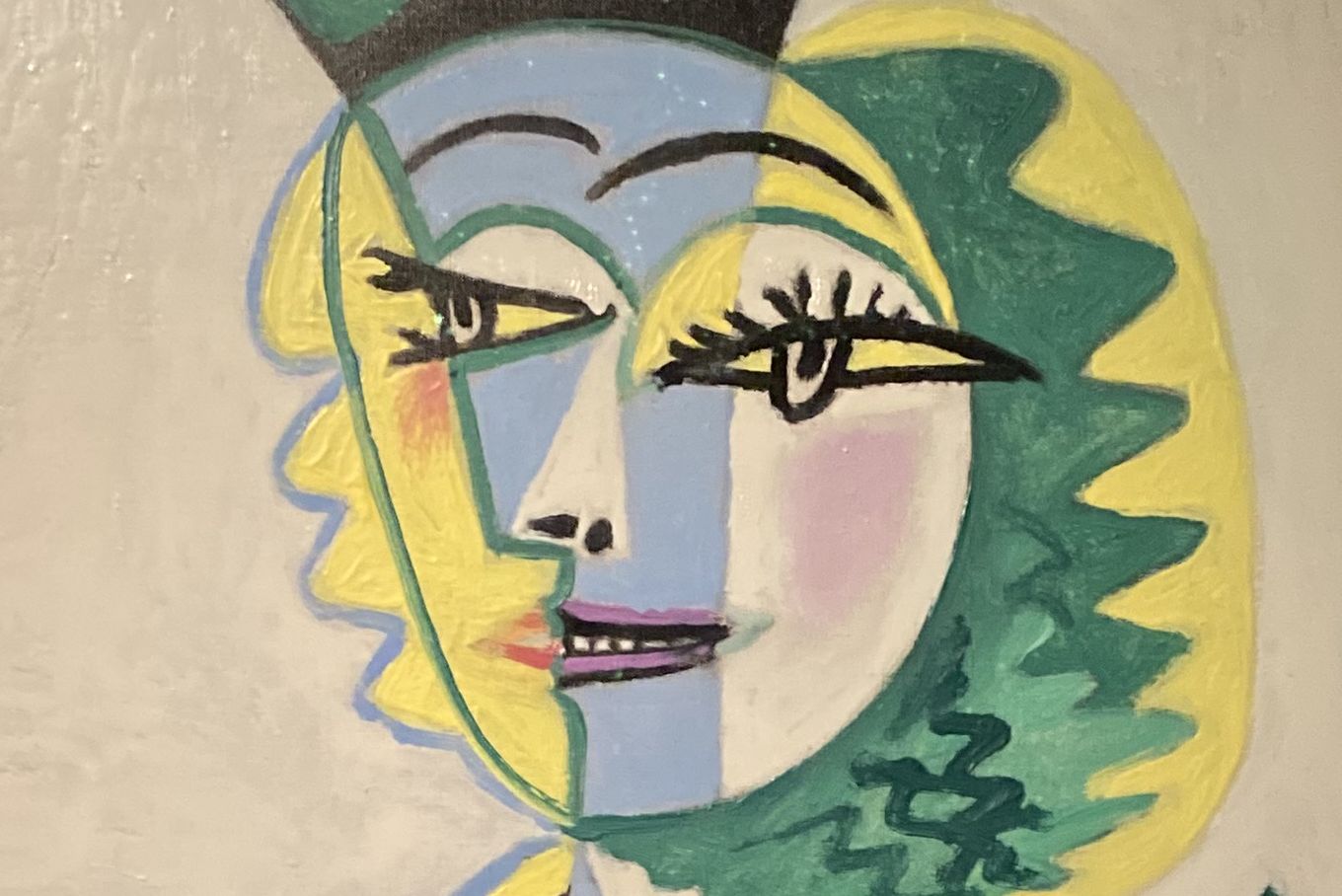
Black White
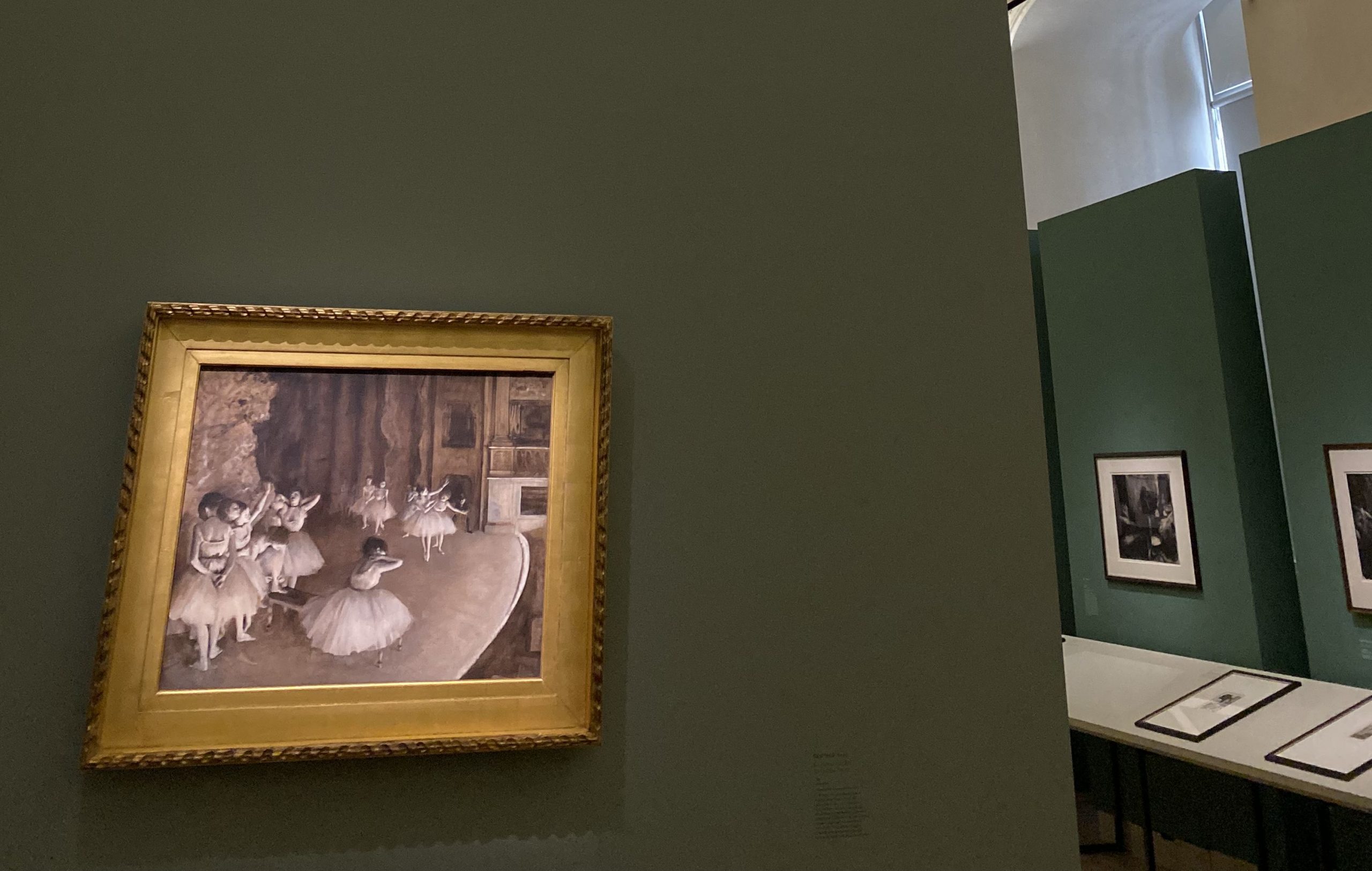
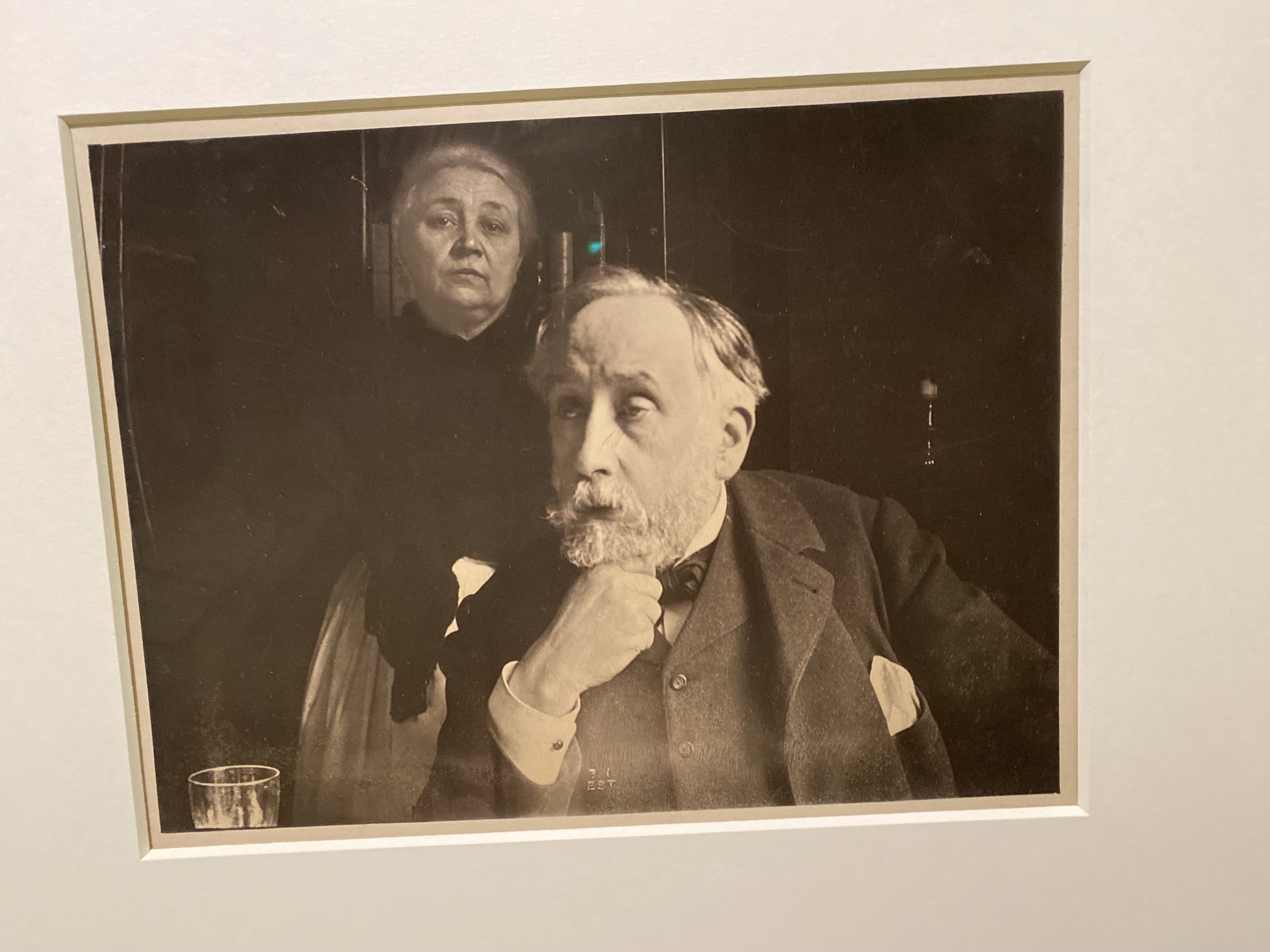
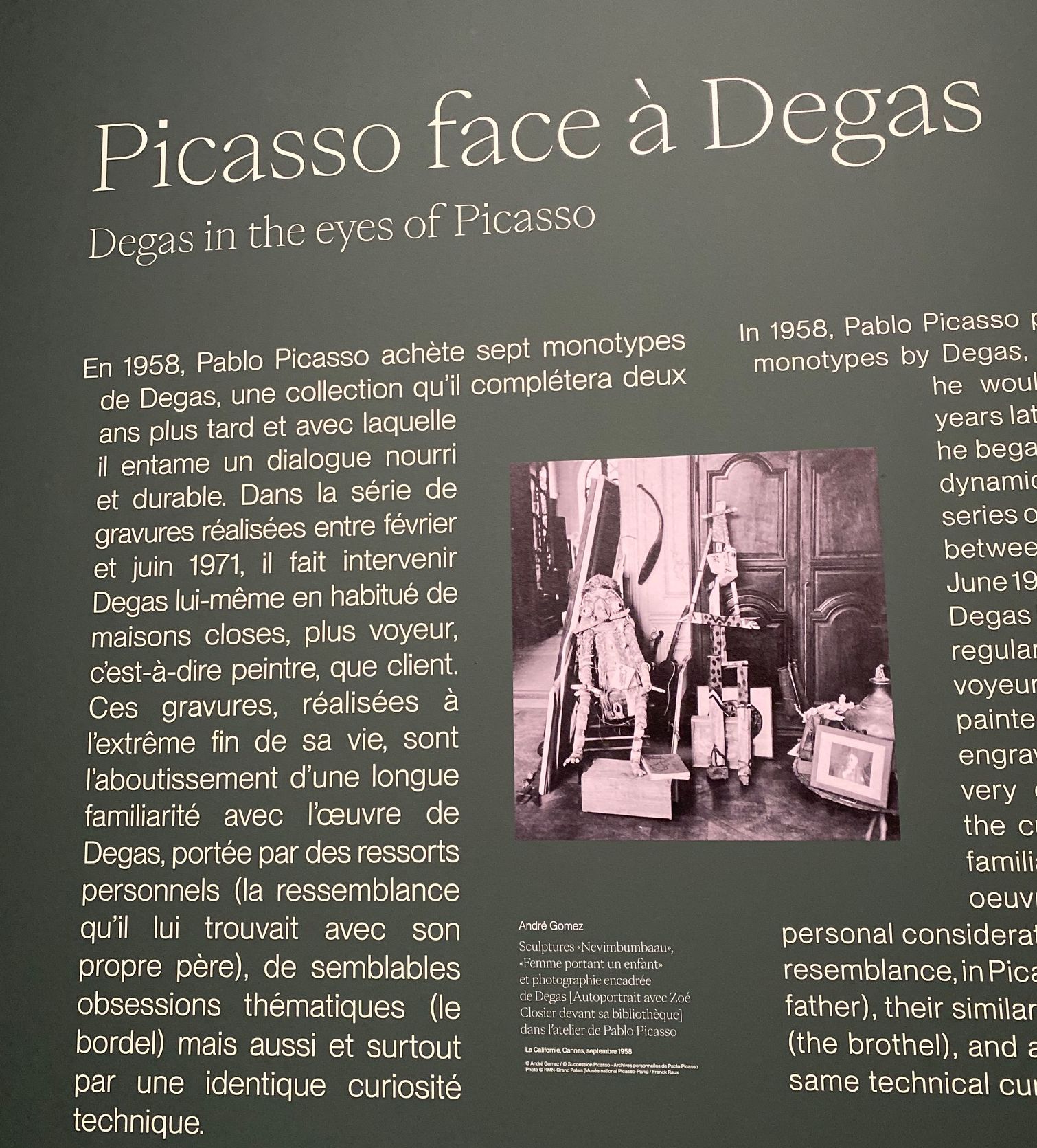
Working at the Bibliothèque nationale de France (BnF.fr), just like visiting, allows you to benefit from the many temporary exhibitions based primarily on their own collections and donations to the BnF. For those who like “dessins, estampes, photographies”, there is a small exhibition as of June 2023 which features on these three techniques in the work of a single artist Edgar Degas from the impressionist movement. Walking through the exhibition or slowly scrolling the press documentation allows you to follow the artistic life course of Edgar Degas. He started with the pencil dessin and evolved to the printing of a single or sequences of “estampes” (up to 20) to impress us beyond black and white with multiples of 50 shades of grey. Degas seems like continuously searching for the uniqueness of the moment to present strong emotions or to summarise interpersonal relationships immersed in a specific spatial setting. Having demonstrated the richness of dessins and estampes as artistic, but a bit laborious technique, he devotes his last few years to a more intensive work taking photographs and proceeding to their development or tirage as printed versions. No matter which technique he applies, he has a special artistic view that allows to capture emotions and immortalise them. The painter’s eye, as well as later on in his artistic career the photographer’s eye, keep scrutinising himself in various forms of “auto-portraits”. Beyond youth, the pervasive obsession with selfies nowadays had its artistic precursor Edgar Degas for example. Whereas most photographers would classify a double exposure as a “raté”, Degas experimented with this almost like a cubist, Picasso-like techniques in photography. Actually, the last few images in the exhibition show the artistic reference Picasso made in his work to images, impressions and techniques that inspired him throughout his artistic work. There are amazing links in and across the history of art or arts. (BnF expo Edgar Degas 2023). 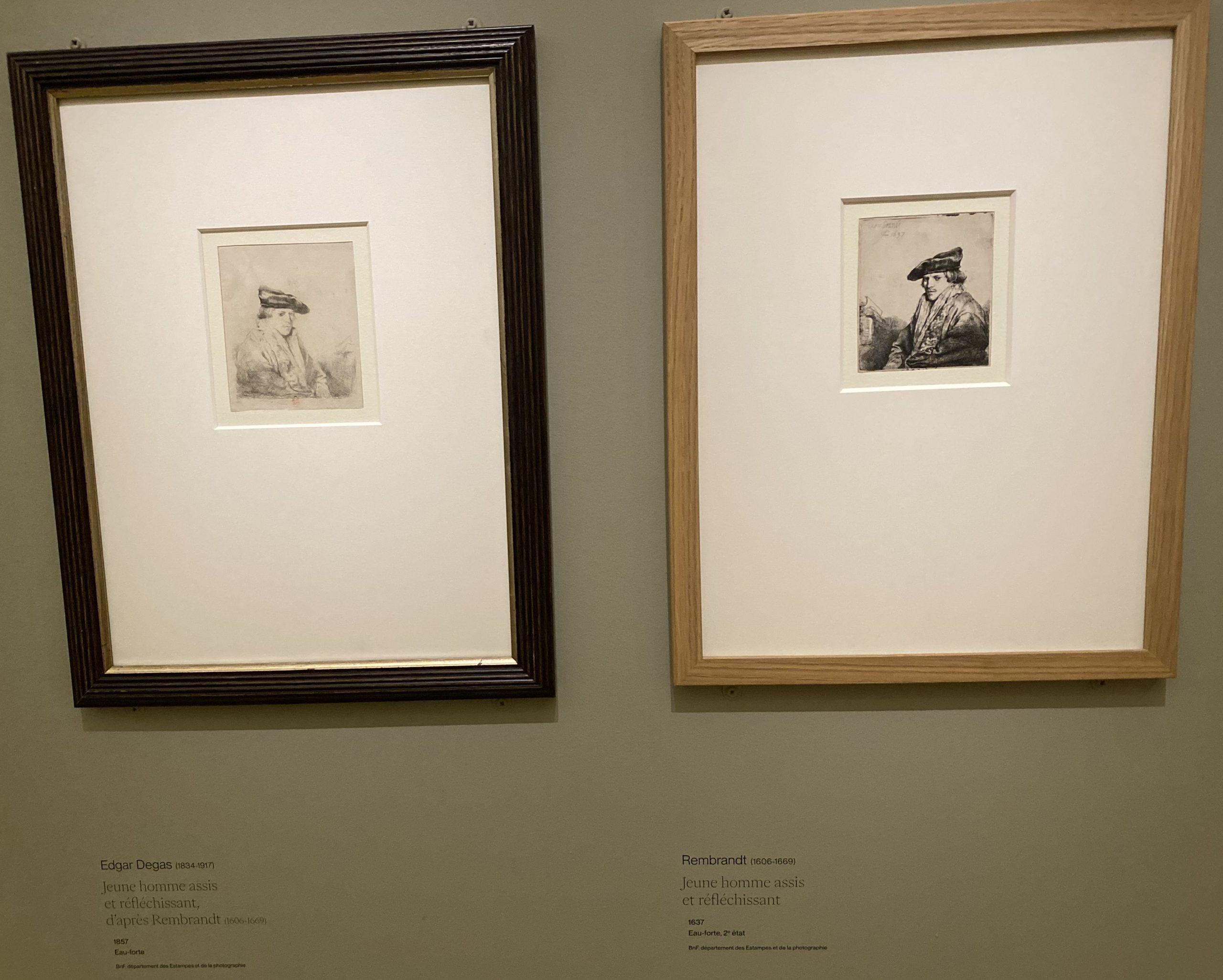
Jury
The are many forms of a jury. In many judicial processes a jury accompanies judges or the president of a jury in the preparing and voting on the verdict. In sports competitions or arts contests it is also common practice to have a jury of several persons to assist in the decision-making process. In academia we are also used to sit on juries to award Ph.Ds or academic positions or fundings. From famous film festivals (Cannes or Berlin) we know the tricky part to select jury members and supervise the proceedings of the jury to follow the official rules of how to accord prices according to a set of predefined rules. The basic proceedings are very similar irrespective of field of application, academia, film, music. Decision-making of the jury is usually based on some voting procedures, attribution of scores and summarising across jury members (to avoid or minimize the effect of corruption for example). Of course, there is a scientific literature on fallacies to avoid for juries themselves or in the selection of jury members.
The Concours Reine Elisabeth in Brussels 2023 has large jury. This year the enlarged diversity of the jury included the amazing lyric soprano Sumi Jo. The slightly more diverse jury (compared to 2018 song competition) might have contributed to the impressive participation of Asian singers in 2023. In competitions the quality of the jury has already a role in the number of international submissions you are likely to receive. Signalling diversity in the jury, therefore, is an important element of diversity of participants and probably intensifies competition through a broader reach. The winner of 2023 Baryton singer Taehan Kim performs a repertoire of Lieder and Arias in at least double the required 2 (European) languages. The impressive performances in the Demi-final with piano accompaniment and then the Final with the full Orchestra were cheered by the jury (in points) and the audiences as well. The repertoire of Taehan Kim ranges from Beethoven, Donizetti, Poulenc, Schubert, Verdi, Tschaikovsky to Schoenberg in the semi-final and from Wagner, Mahler, Korngold to Verdi in the final performance. Born in 2020, he certainly has a steep career in front of him, in addition to a potentially genetical predisposition as researchers just published in Science Advances 2023.
Praise goes to the accompanying pianist, the orchestra and the jury as well, which has encouraged diversity in applications and throughout the competition. An important training in cross-cultural competence for all performers involved. Rather than having a contest behind a curtain, for performers and/or the jury, the whole competition is an excellent piece of daring far reaching transparency of a jury’s work. Everybody online can still listen to the competition performances and judge (or train judgement) for themselves, because “the jury is still out”. 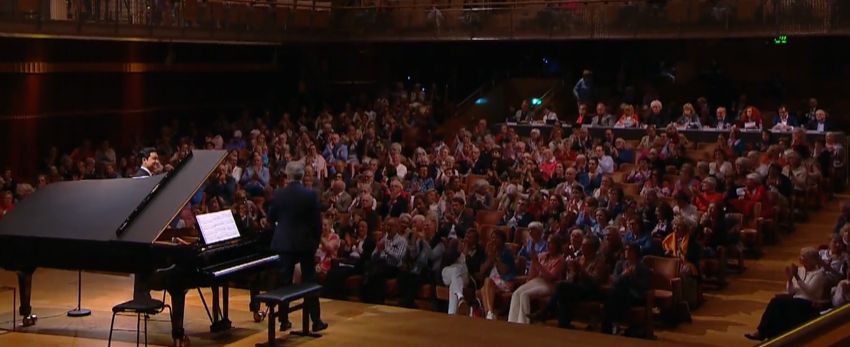
Fröhlich
Fröhliche Wissenschaft. Das geht. Nach gut 6 Monaten mit einem Blogeintrag pro Tag hat sich eine Textsammlung ergeben, die recht umfassend ausgefallen ist. Nach eigenem Monitoring der Themen, wie die Bearbeitung der UN-Themen zu strategischen Entwicklungszielen, oder der alphabetischen Auflistung von Schlüsselwörtern der Sozialwissenschaften sind nahezu täglich Kommentare entstanden. Neu war für mich die Bildredaktion, als Kommentar, Erläuterung, Selbstkritik oder wissenschaftliche Referenz. Eine interessante Variante, Erkenntnisse mit Key-Visuals zu unterstützen. Die bildliche Erinnerung an Beiträge ist ein eigenes Inhaltsverzeichnis. Klar, Hund- und Katzenbilder werden das Ranking der am meisten aufgerufenen Beiträge gewinnen. Egal, wir machen fröhliche Wissenschaft, immer weiter, immer heiter, so bleibt es lebenslanges, lebensweites Lernen. 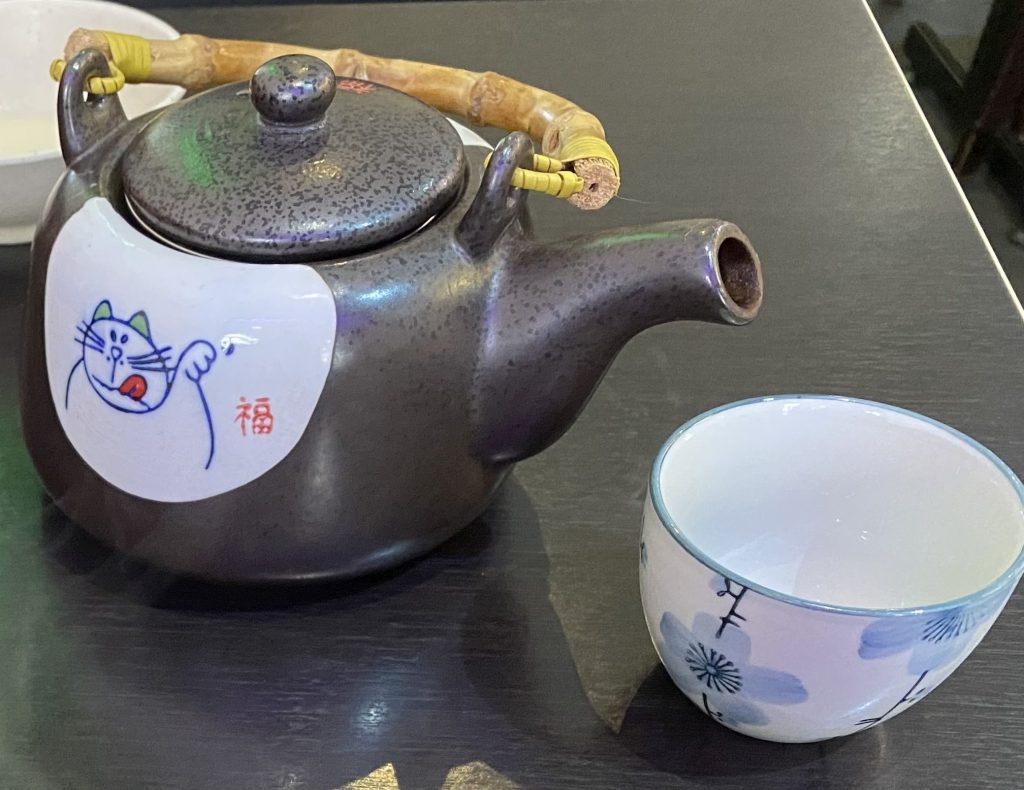
2P2R
2 Pinot 2 Riesling. That could be the long version of 2P2R. However, this far from (politically) correct. The not-joking scientific medical journal “The Lancet” (Vol.401 Nr 10391) has next to the article on “Laughter is the best medicine” coping with trauma, the serious matter of how best to deal with pandemics. Remember 2P2R as the important lesson from the pandemic. Prevention, preparedness, response, and recovery (2P2R) are key. And don’t forget about primary health care or essential (medical and other) workers. This is, in short, the message from Arush Lal and Nina Schwalbe (Paper Link). Lots of social topics involved in this correspondence from the authors. Prevention is a big issue and, as in the health system, fighting continuously for sufficient resources. Prevention is in most cases less costly than curing a disease. Preparedness has direct costs. Masks and ventilators need to be produced, stored and monitored in their functionalities. Response has to be immediate, masks in China a important but do not allow us to respond fast to local emergencies. Recovery can be long and costly as well, just as we learn from Long-COVID patients.
Now we need to define properly what is included in primary health care. Medical doctors, nurses and technicians of hospitals have to reach patients and hospitals in pandemics or need child care, food etc. and, maybe, also laughter to avoid trauma. Remember 2P2R, but best in company with your loved ones, but not on your own. 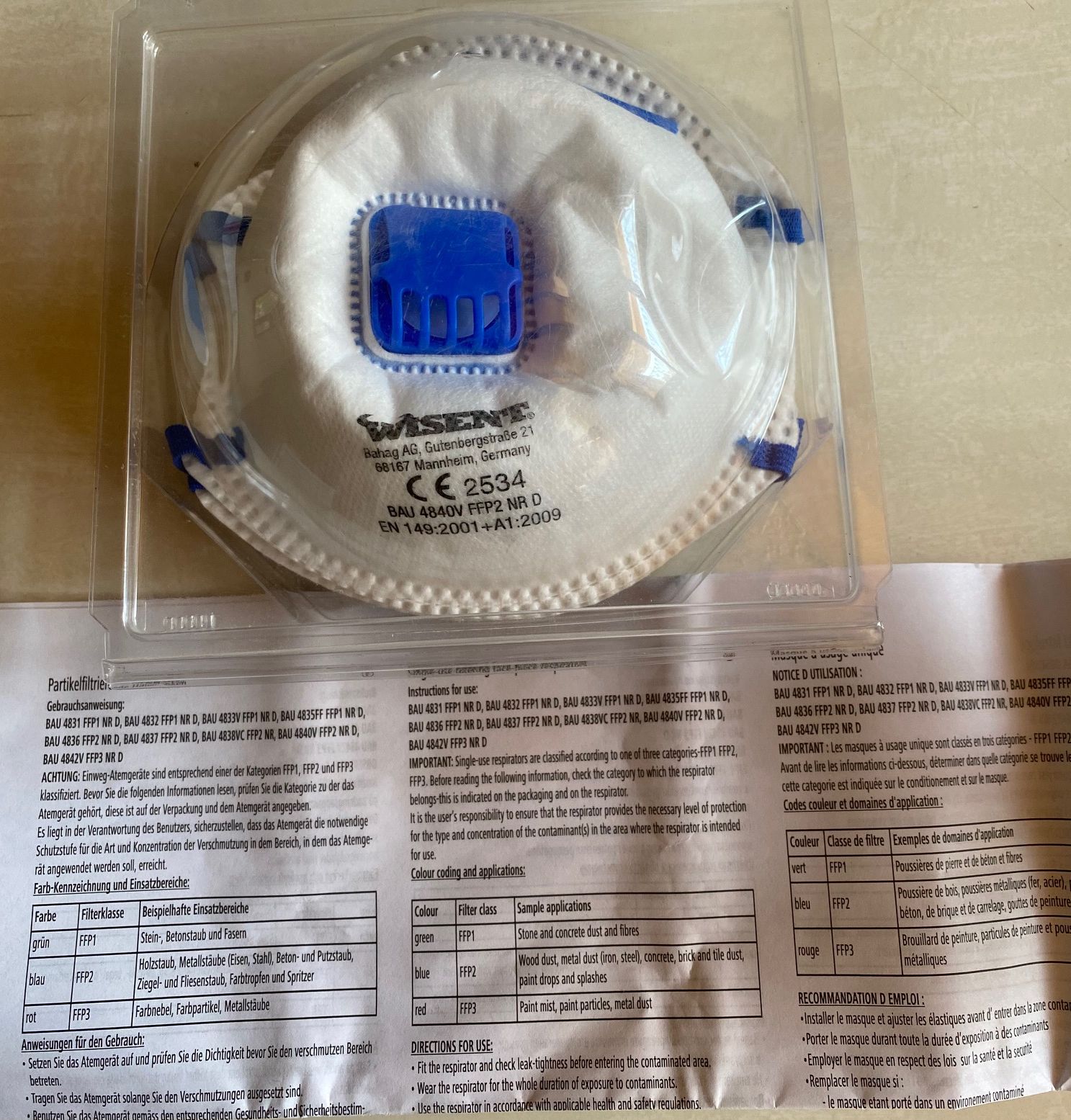
Sei ganz ruhig
Sei ganz ruhig. So heißt das kurze Gedicht von Angela Krauß und auch die erste Zeile. Es hat mich seit einiger Zeit schon begleitet.
Gerade der Eintrag zum Himalaya und den Besteigenden des Mount Everest hat mir die Zeilen erneut in Erinnerung gebracht. Für einige wenige besteht das Leben immer noch aus Sensationen. Immer höher, immer weiter, immer schneller. Dabei wissen wir, unser Planet hält das nicht aus.
Unsere Einkaufsmeilen suggerieren uns ein Übermaß an verpassten Gelegenheiten, wenn wir jetzt nicht zugreifen. FOMO (fear of missing out) ist allgegenwärtig und ein viel zu erfolgreiches Marketingkonzept, dem sich kaum eine Person entziehen kann. Die Selbsteinschätzung der Zeit, die uns verbleibt bis zum Tod (perceived time till death) oder unseres spezifischen Sterblichkeitsrisikos bezüglich Vermeidbarkeit oder allgemeinem Risiko, beeinflusst „unbewusst“ unser Verhalten. In Vergangenheit verhaftet sein, ist keine Lösung. Das Leben wird vorwärts gelebt, und rückblickend verstanden.
Bei einem gelegentlichen Rückblick wird vielen bewusst, es hat sich viel angesammelt (nicht nur im Keller). Aber mehr, muss es nicht werden, anders schon, besser vielleicht. Als Hommage an Angela Krauß mal ein 7-Zeiler, beeinflusst von der Konferenz im Europäischen Parlament „Beyond Growth“ im Mai 2023. Ruhig werden und ruhig bleiben, sollten wir beständig versuchen. Klein- statt Großschreibung, flache Hierarchien, Gleichstellung bei Wörtern und Sätzen. Warum noch Satzzeichen? Denk dir deine Welt, wiedewiede wie sie dir gefällt.
bleib ruhig
bleib einfach ruhig
la vie est belle tel quel
hab keine angst was zu verpassen
es bleiben jahre zu verweilen
schau mal umher
da ist viel
Himalaya
In May 2023 we commemorate the 70th anniversary of the first claiming of the Mount Everest in the Himalaya region of Nepal. Since then, the tourism to reach the highest mountain and have your photo taken there, has become a kind of over-tourism. Spectacular memories and images lead to persons taking unprecedented risks for a bit of fame. 30 persons have died on such expeditions. It is a bit more exclusive than running a marathon of 42,125 km, but even there occasional deaths are part of the race.
Nepal needs the foreign currency to build and rebuild the country. After resources have created the wealth of nations, it is tourist attractions that favour accumulation of wealth. Beware of over-exploiting nature in this respect. The consequences and costs are non-negligable. Climate change does not stop in front of tourist attractions. Some routes in mountains are already more dangerous due to melting of what we named wrongly permanently frozen areas (permafrost). Using virtual reality should allow us rapidly to experience the splendour of the highland Himalaya peaks and climbing. In the meantime enjoy some momo (Himalaya dish) rather than making preparations or training for the next top mountain. It is the images of the area that count, not us in front of the mountains or seemingly endless space. Images and photos taken can help us over the urge to visit this spectacular area ourselves. The planet will need us being satisfied this way, just like watching photos or movies rather than demanding to live in a splendid surrounding or building (castle). My home is my castle and my imagination is my travel book. 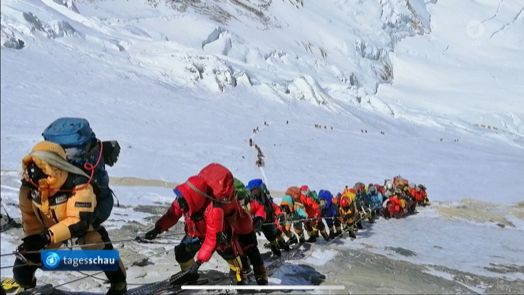
Gaslager
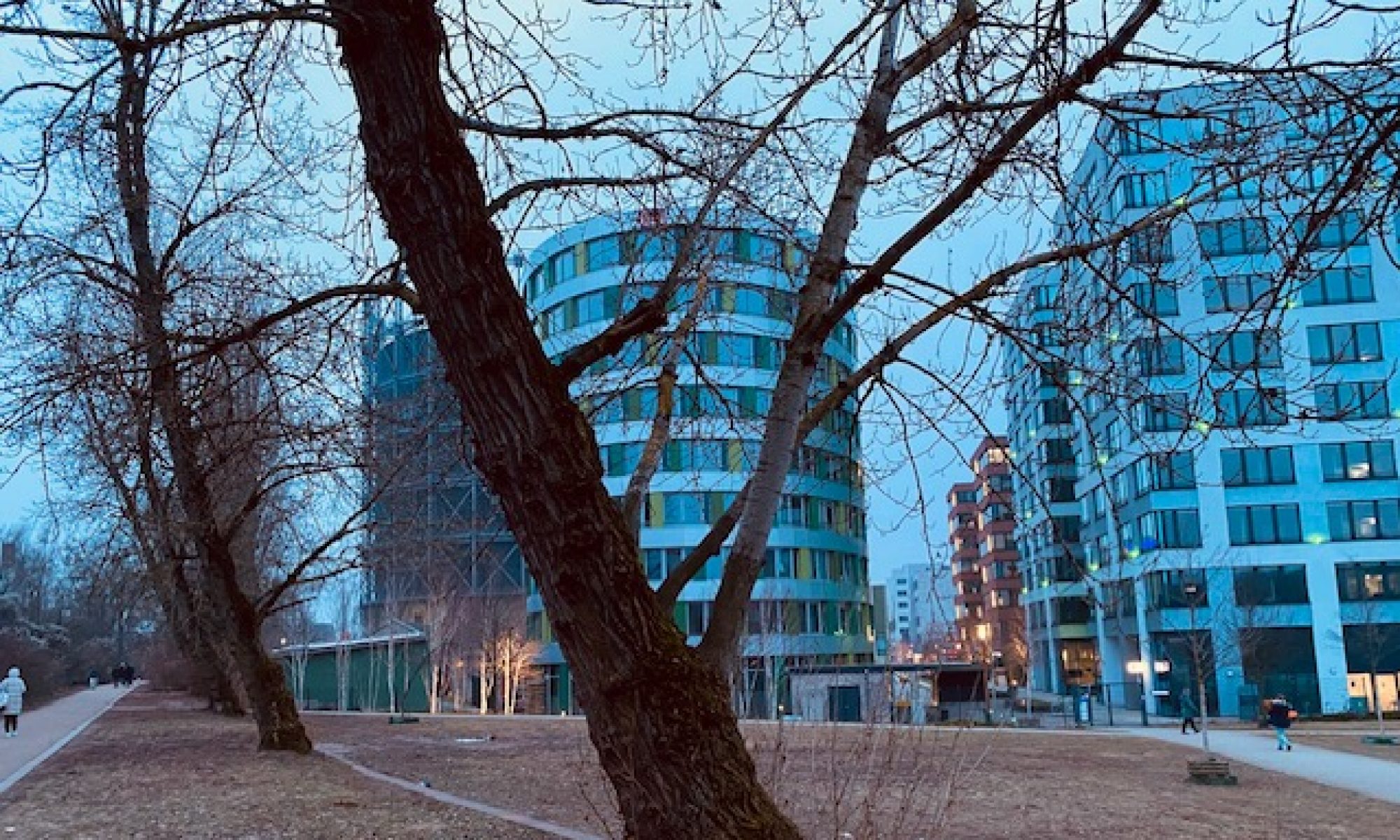
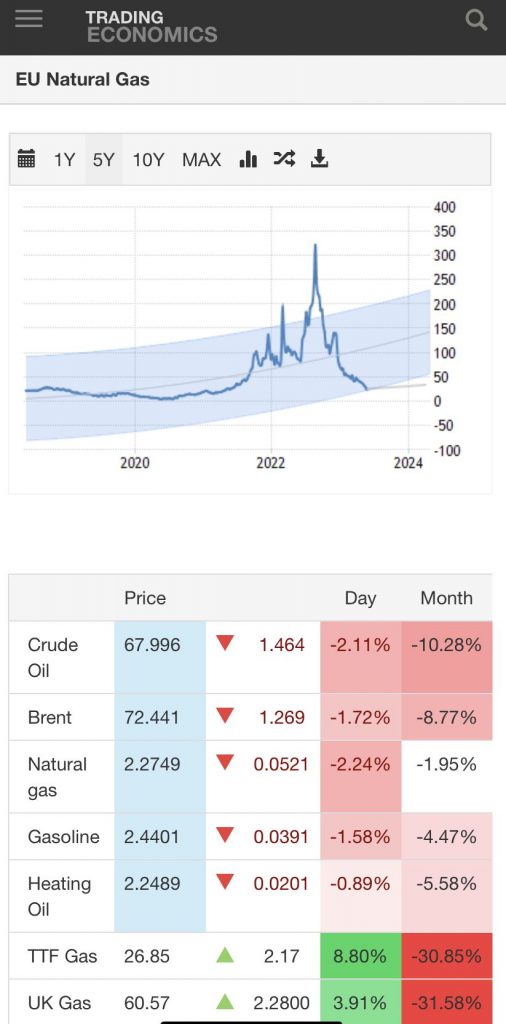
Der Gaspreis (TTF in Amsterdam) ist zum Ende Mai 2023 auf ein Tiefstwert von 23,50 € pro Megawattstunde zur Auslieferung einen Monat später gefallen. Der Unterschied zum Höchstpreis von ca 300 € übersteigt die Erwartungen der meisten Kunden. Das sind die Spekulanten und Zwischenhändler. Der Preis für die Endverbraucher bewegt sich weniger. Kartellbehörden in Europa müssen wachsam bleiben damit die Endverbraucher nicht zusätzlich zur Kasse gebeten werden. Gaslager für zivile und militärische Zwecke wurden vom Bund billig vor Jahrzehnten verkauft (Privatisiert) und sind jetzt wieder zu einer unverzichtbaren Infrastruktur geworden. Der Kapitalismus fällt immer wieder in seine eigenen Fallen durch exzessive Volatilität. Öffentliche Infrastruktur braucht langen Atem und sollte dazu dienen, die übertriebene Spekulation mit der zeit Grundversorgung der Bevölkerung zu vermeiden. Gaslager, Öllager, Wasserspeicher und Stromspeicher bei zentraler Stromerzeugung gehören dazu. Dezentrale Lösungen verstärken die Resilienz und Souveränität weiter. Europäische Solidarität hilft enorm, diese Herausforderungen zu meistern. Wichtig ist nicht nur der Einkaufpreis, sondern der Preis vor und nach Steuern sowie Unterschiede zwischen Industrie und Haushalten (Beispieldaten OECD 2014 für Jahr 2012, IEA Gas Market Report various years). Die ökologischen Sauereien rund um die Shale-gas Förderung in den USA haben uns wohl geholfen, besser durch die künstliche Verknappung von Gas für Europa durchzukommen durch die Erhöhung der gesamten Fördermenge. Ein weiteres “worst case szenario” zur Bekämpfung von Preisschocks. (Paper Link) 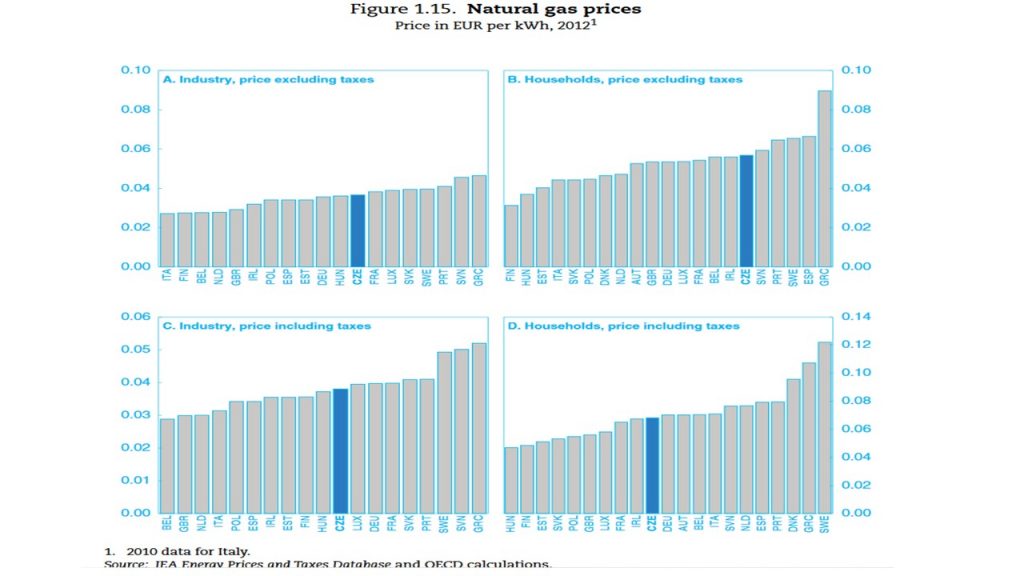
Birds
The study published in PNAS in May 2023 is demonstrating the loss in bio-diversity with respect to birds over last few decades. Our economic growth has caused considerable costs. Some of these costs we shall never be able to make up again. Species gone for ever, we should care. Measuring the loss is a first step in calculating the negative impact our economic growth models have already caused. Time to stop, repair and reverse as much as we still can. It is not fair to next generations to destroy a large amount of bio-diversity now and leave the exploited planet to “no-future generations”. A good documentation of the losses (radio-france-LINK) allows us to pin down who is most responsible for the losses. Agro-industry with the heavy use of pesticides is well known for the huge negative impact it has on bird populations and us as well. It is not only a European issue, but rather a world-wide issue. However, starting at home is a huge step to practice agriculture differently. Most of this is known for some time. It is the implementation of the necessary policies where powerful lobbying is successful to carry on as usual. Thinking “Beyond growth” delivers many useful perspectives and solutions to these problems. 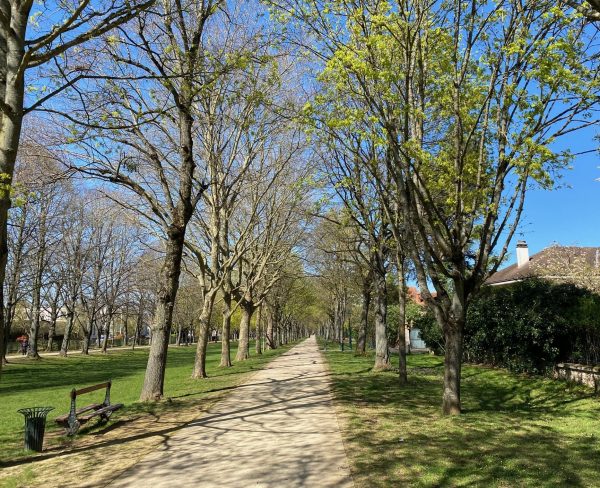
Repair 3
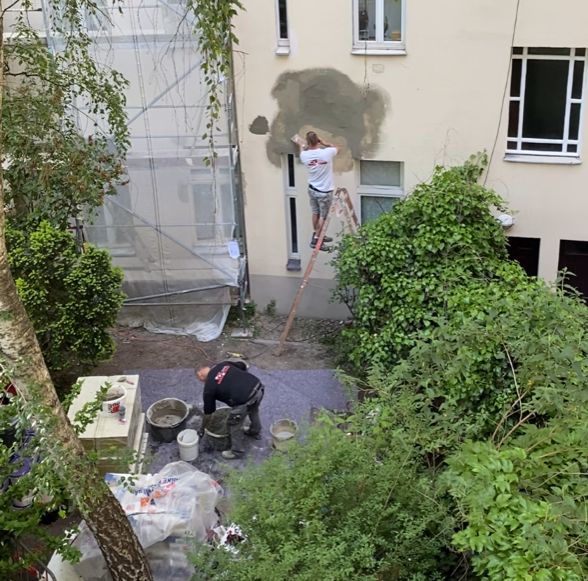
Repair is our new mantra. Think of repairing in all domains as of now. Nature is showing us the way how to repair in many ways. Culture is also embracing the shift towards repairing as caring. If we really care about our planet, and there is no planet B, we shall have to repair in many more domains. We are used to repair bicycles, cars, roofs, windows etc. Repairing is never boring. You can improve the performance of a device or building by repairing it, even with relatively small budgets. Isolation of buildings is a good example of investing in upgrades through repairing. Rather than throwing away a functioning heating system repairing it with an energy saving device is enhancing its performance and produces fewer emissions in the short run. Heat pumps are the way forward for new installations. Shifting a sector, heating with gaz, to ensure longer lasting repair and improve options would save a lot of raw materials and CO2 as well. The construction sector has repair work almosts in its DNA, the energy sector will have to make that shift as well. Dare to repair.