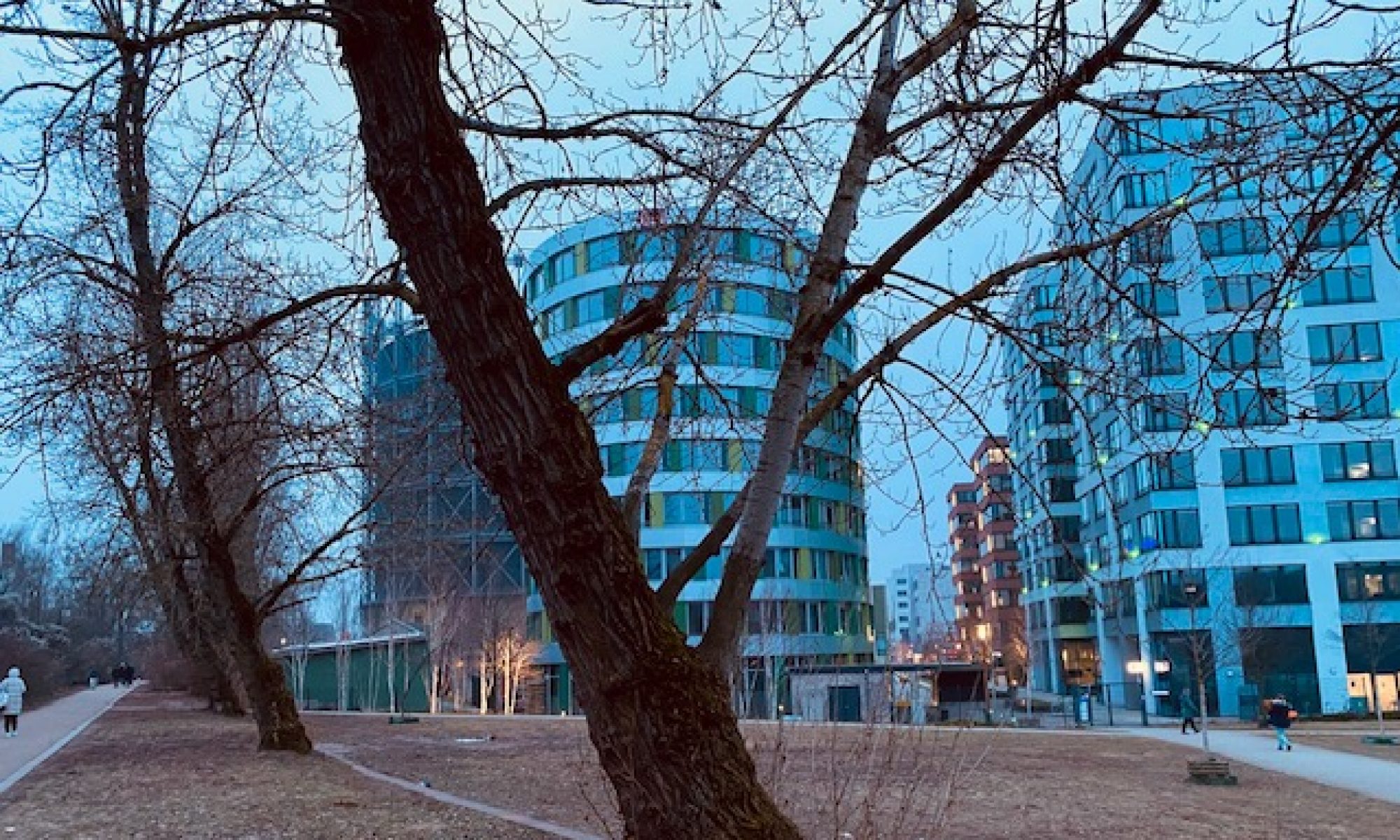

AI is crucially dependent on the input it is built on. This has been already the foundation principle of the powerful search engines like Google that have become to dominate the commercial part of the internet. The crawling of pages on the world wide web and classifying/ranking them with a number of criteria has been the successful business model. The content production was and is done by billions of people across the globe. Open access facilitates the amount of data available.
The business case for AI is not much different. At the 30th anniversary of the “Robots Exclusion Standard” we have to build on these original ideas to rethink our input strategies for AI as well. If there are parts of our input we do not AI to use in its algorithms we have to put up red flags in form of unlisting parts of the information we allow for public access. This is standard routine we might believe, but everything on the cloud might have made it much easier for owners of the cloud space to “crawl” your information, pictures or media files. Some owners of big data collections have decided to sell the access and use to their treasures. AI can then learn from these data.
Restrictions become also clear. More up-to-date information might not be available for AI-treatment. AI might lack the most recent information, if it a kind of breaking news. The strength of AI lies in the size of data input it can handle and treat or recombine. The deficiency of AI is not to know whether the information it uses (is in the data base) is valid or trustworthy. Wrong or outdated input due to a legal change or just-in-time change will be beyond its scope. Therefore, the algorithms have a latent risk involved, i.e. a bias towards the status quo. But the learning algorithms can deal with this and come up with a continued learning or improvement of routines. In such a process it is crucial to have ample feedback on the valid or invalid outcome of the algorithm. Controlling and evaluating outcomes becomes the complementary task for humans as well as AI. Checks and balances like in democratic political systems become more and more important. 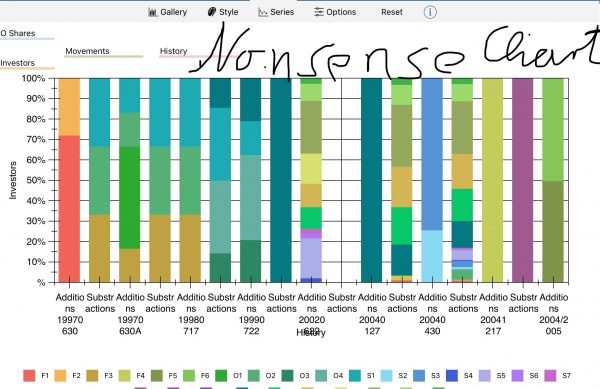
Sepsis
Sepsis is a major cause of mortality. Therefore, early detection of sepsis is of high importance. Antibiotics constitute a powerful antidote. However, the application of antibiotics without need, i.e. for purely risk reduction in general, has side effects in antibiotics losing their effectiveness later on.
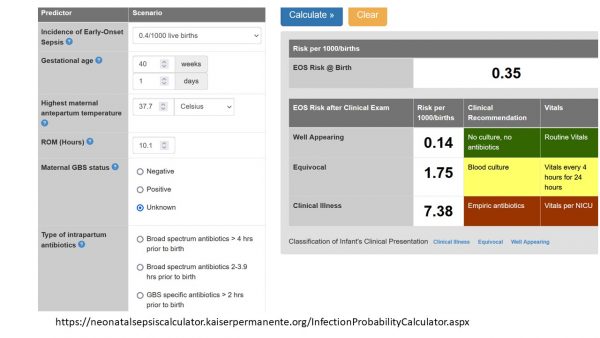
The paper published in The Lancet Digital Health by van der Weijden et al. (2024) reports on the effort to provide an open source access to a calculator of early onset of sepsis (Link). The Neonatal early-onset sepsis calculator developed by Kaiser Permanente builds on the use on the risk carried by mothers like time since membrane rupture, regional infection risks of mothers per 1000 population and the infants presentation at birth. It is important to point out the combination of risks put into the calculator. New systems of artificial intelligence might equally make predictions or recommendations about the application of antibiotics implicitly making use of such a calculator without disclosure.
From a sociological point of view it is interesting to scrutinize the indicators used in the calculation. The approximation of mothers carrying a sepsis risk relies on national, regional or better local indicators. This information is rarely accessible to the public. The choice of a hospital, speed of access to it in case of membrane rupture as well as staffing come into the calculation of an overall risk of sepsis.
It is great to follow the progress of digital health and the increased transparency of critical health decisions at the earliest stages of the life course. Inflammation as a precursor of sepsis should be taken serious at all stages of the life course. (Image calculation based on Kaiser Permanente digital tool Link)
Opportunity Costs
Skiing in winter is a pleasure that has become more elitist. The downhill skiing has always been an expensive sport, but affordable school holidays gave the sport a more accessible touch. The cheaper version of long distance skiing or skating on larger trails involves much more endurance. The report of the French Cour des Comptes in 2024 questions the sense of the huge investment that is still devoted to save the pleasure of the few. I
nstead of investment to the benefit of relatively few persons, these funds could put the money into a more sustainable, socially and ecological productive purpose. Installations could be used all year round rather than in the few weeks at best months with snow. It is remarkable that the court has highlighted this kind of opportunity costs of such installations. Instead of investing in soon to be obsolete infrastructure at lower altitudes like water reservoirs and water canons, this money could already start the eventually necessary transition process. Each € spent is not only lost for the transition, but might create additional environmental liabilities and damage.
From economists it is to be expected that they mention competition in their arguments. Not all stations of skiing will survive. Put more dramatically, in the process of closing skiing at lower and middle level altitude, competition intensifies between stations and of who can survive. Public funds should not be misused in this endeavour. Lobbying is strong and political incumbents tend to favour the merit and legacy of digging for the white gold. Changes of mind sets, investment narratives and decisions are tough. From much downhill skiing we might soon remember only the downward slope before the healthy aspects of climbing a slope takes the upper hand.

Cancer Inequality
Inequality is a hugely important topic for societies. Inequality has many different dimensions and differential longitudinal patterns. New data in this field of social research are helpful to inform on possible ways to prevent increasing inequality. At the same time, it is important to reflect on factors that may reduce inequality in and between societies. Inequality in health is both an outcome of inequality experienced during previous stages of the life course as well as a factor in causing inequality in the evolution of the life course later on. Disentangling the factors is a difficult research issue.
A first descriptive pattern across Europe allows to get a snapshot impression of the status quo as a first indication of what health inequality looks like. Cancer is a major cause of mortality across Europe and by 2045 it is estimated to be the leading cause of mortality.
Without precisely analyzing the causal factors the overview across European countries allows to give a first impression on fields that need more policy attention and more in depth studies. The European Cancer Inequalities Registry and the ECIR Data Tool is based on data from 2019 (Link). The overview matrix by employment status reveals the highest prevalence of smoking among the unemployed (followed by the employed, not shown in figure) and the frequency of alcohol consumption is highest among the employed. Low physical activity is mostly prevalent among the retired. This has consequences for cancer and gives hints to how an intensified prevention may work.
The OECD report (Link) based on these data and additional country case studies and policy data base reiterates the known prevention recommendations: Reduce smoking, alcohol consumption, air pollution as well as more physical activity. The dimensions of inequality are gender, age, employment status and most of years spent in education. The curing of cancer also suffers from inequities as to the amount of and access to screening of cancer. Cost coverage and shortages in medical personnel add to multiple sources of inequality in treatment of cancer within countries by regions and between nation states. The Lancet Public Health editorial contributes to the spread of the awareness among scientists and the medical profession.
(Image: ECIR data tool download 2024-2-22) 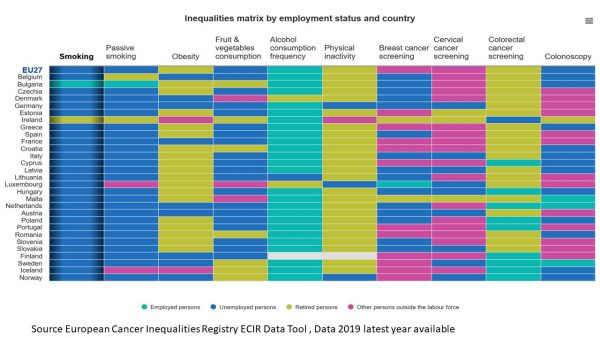
Satellites
Every now and again satellites make headlines. In international politics the “Sputnik moment” of 1957 was such a key defining moment. Russia sending a satellite into space set off a massive investment programme in the United States to counter a potential threat from Russia coming from space. In 2024 we discuss again the next ratcheting up of in a race of armament threatening the earth from space. Russia is believed to enable satellites to carry a nuclear bomb that would orbit around the earth and could lead to mass destruction of satellites that nowadays enable navigation, communication and monitoring what is happening on earth.
As beyond the state-owned satellite networks there has been a private satellite network that assisted Ukraine to defend itself against the Russian aggression, we probably are about to witness the extension of warfare on earth into space. In addition to the so-called cyberwar, which threatens computer-based systems with viruses, ransomware or break-downs, we may face new kinds of threats. We shall have to consider this as part of modern warfare.
Since the late 1960s there exists an international agreement not to use space for nuclear arms. However, Russia does no longer seem to respect its commitment to this. A further escalation of the war of Russia in Ukraine with “conventional” weapons carries the risk to set off another arms race including the earths orbit. This is no science-fiction or whistle blowing, but based on a high-level report and press coverage by the New York Times on 2024-2-17 (Link).
The outrageous implication of such a massive explosion in space is that its implications of the globe on parts of the world and people not being a party in the war will suffer most likely as much as the opposed nations. The food shortages due to Russia’s aggression caused people in Africa to suffer or even die of hunger. Satellite outages of a massive scale will have severe consequences as well.
Information and communication systems have proven to be determining the outcome of a war. This has been one lesson of more than two hundred years of studying military strategies since Clausewitz. Space and satellites have apparently not contributed to improve the understanding of each other, but only the communication within the respective communication bubbles. Maybe artists can help us to overcome the danger of escalation. (Image: “Afrogalactica” by Kapwani Kiwanga 2011: calogue of exhibition “The length of the horizon” Wolfsburg and Copenhagen 2023). 
Paper and Pastel
Sometimes the art is in the material. At least this could be a rapid conclusion of the exhibition presented in London at the Royal Academy of Art in 2024-1. From the informative Catalogue the importance of material is demonstrated. The ease of taking your equipment with you, like a sketchbook and out into nature have been an important feature of the impressionists’ movement. With artists challenging traditional techniques of painting and paintings as such even the apparently less noble material as paper had become a statement of being different from the established art academies making use of more noble materials. The impressionists made a convincing point with their additional use of materials accessible to all. Capture the moment and capture your very own impression of it. This is one way to immortalize the emotion and essence of the scene. In the catalogue of the exhibition I spotted “The Swimmer” drawn by Caillebotte with pastel on paper. Freezing the moment, freezing the motion and emotion is evident here, too. Testing different materials is part of the journey to find your artistic impression, expression or materialization of imagination. The ways and means are manifold.

Gas Reduction
Gas consumption in the EU has been reduced by about 20% since the beginning of Russia’s war on Ukraine. This is a considerable accomplishment and has been sustained for 2 years now. The major element in this has been the reduction of gas consumption in industry, but also households have successfully managed to reduce heating of rooms and water with gas.
Diversification of provision with sizable increases in the provision by the U.S.A is another element in the beginning of a trajectory of gas reduction in Europe. Germany as a major consumer of this type of energy supply is also making strides in shifting consumption. This is my short summary of the report by IEEFA.org in 2024-1. All electric devices like heat pumps could speed up the gas reduction further according to the policy recommendation by IEEFA in 2024-2 reducing costs of living and CO2 emissions further.
Data from Eurostat allow to compare monthly data across Member States. The overall trend is a market decrease with differential patterns of refilling supply capacities. Big countries in the EU made and continue to make a real difference compared to previous years (see table below). 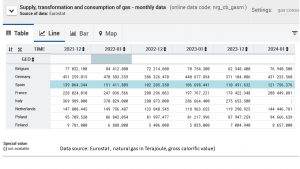 The comparison of December and January figures across years reflect the months with high sensitivity of the public for heat and cold. Further reductions of gas consumption is feasible due to the mild winter months of 23/24 which allow to reduce heating costs for many households and offices. Good news for the planet and hopefully a move in the right direction to shift away from heating with gas.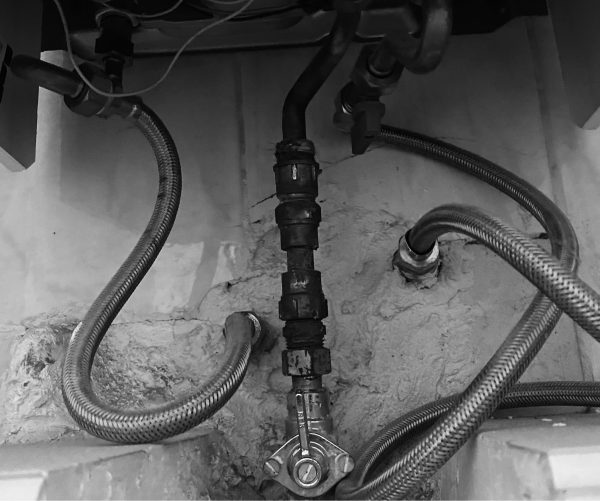
Processed food
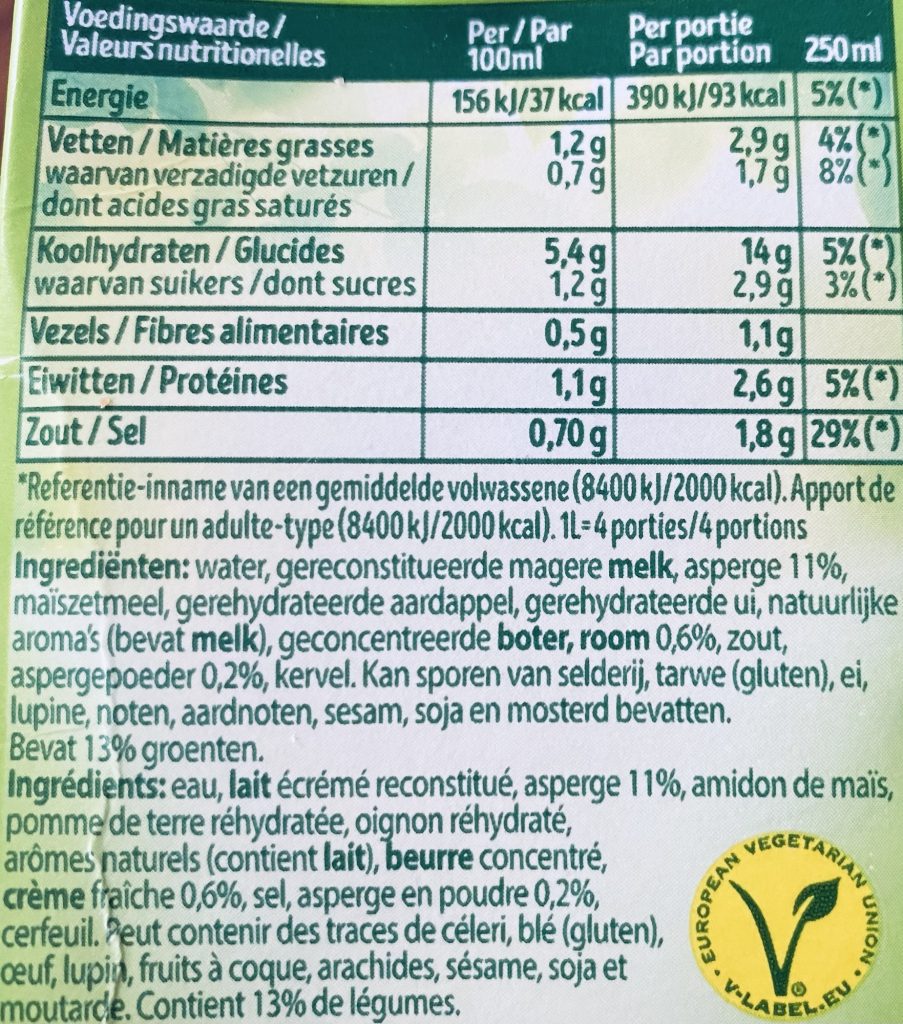
We eat a lot of pre-processed food. Our busy work schedules allow us to take only short breaks for meals in order to get more work done while in office or at work in general. The intensification of work has reached the next level and we move from pre-processed food to ultra-processed foods (UPFs). In medical journals and nutrition recommendations the warnings to not eat too much ultra-processed foods are abundant. The signs of obesity in societies reach higher levels from year to year. Especially younger people seem to be at higher risks to consume a lot of ultra-processed foods. Freisling et al. highlight the “risk of multimorbidity of cancer and cardiometabolic diseases” due to UPFs. The discussion between scientists is a lot on which UPFs are most harmful (beyond animal origin or and artificially sweetened beverages) and/or whether it is the combination of UPFs that additionally increases the danger of UPFs. Preventing the “too much of each” is probably the safest recommendation. Being able to read the nutrition information on the labels is already a difficult task. Just making the information abundant and very small print discourages most efforts to compare across products. Learning about basic human needs like food has never been more difficult. Combined with “shrinkflation” we have a hard time to make informed choices of what to buy and eat. There are many hurdles to overcome for a healthy meal.
Wage indexation
Currently inflation increases rapidly in many countries. Yes, Argentine. The Euro-zone and EEA have mastered the peak of inflation due to shifting away from Russian dependency and cheap prices for energy and dealt with carry-on effects related to high energy inputs. The annual rate of inflation calculated for January 2024 has returned in the Euro-area to 2.8 % close to the European Central Bank target of 2% (compare figure below). Inflation puts wages under pressure, because household with little savings have a very hard time to cope with sudden price increases. For society as a whole, inflation raises many questions of differential impact of inflation on different parts of society. Savings become devalued, but debt might become easier to be repaid in so-called real terms.
Wage earners suffer in terms of lower purchasing power unless in subsequent wage negotiations pay rises can be achieved. This then depends of negotiation power of groups or sectors of the economy. Trade unions have to enter into tough negotiations and conflicts to even regain the same status quo previously achieved in wage negotiations. A series of conflicts and economic readjustments by more or less powerful sectors or representation comes into play.
All this is happening in a year of a series of national and regional elections as well as the European Parliament election in June. Political turbulance and the rise of extremists might be a result of a lack of taking into account the needs of lower wage groups who are likely to feel the full blast of the high inflation previously still today. Wage indexation as in Belgium, which fixes wages to the rise in inflation previously takes out most of the explosive power of a sudden rise in inflation at the risk of an upward wage-price spiral. The recent inflation figures for Belgium, however, show that this is not the case. An overshooting has been followed by an undershooting of the Euro-zone inflation. The political disturbance and risk of redistribution to more powerful groups in society can be limited through general wage indexation or indexation of for example just minimum wages.
The Russian caused spike in inflation has been successfully mastered in the EU. The political economy of redistribution through inflation will remain an important element unless wage indexation is used in more countries to escape populists’ and extremists’ voices.  (Image Eurostat data and ESTATEC app)
Election Re-election
Politics is a lot about decision making, coalition building and communication strategies. Therefore, there have been well established election and re-election cycles in all democracies, even the so-called illiberal pseudo-democracies. The time span between elections is itself a constituent part of democratic practice. 4 years of office for an elected parliamentarian seems to be common sense across many countries. More intensive participation and election schedules have advantages in tighter checks and balances, but may have disadvantages with respect to democratic fatigue, i.e. the time and effort needed to stay informed and cast votes. “Liquid democracy” is a concept of decision making which requires highly engaged persons willing to get involved beyond average commitments. Delegation to politicians within parties and parliaments remains an effective version of democratic practice. Checks against corruption and illegal practices is a necessary condition of each system of delegation. Rapidly changing governments are similarly perceived as a risk to democracies as the repeated call to the ballot box might be unsettling more than calming the spirits.
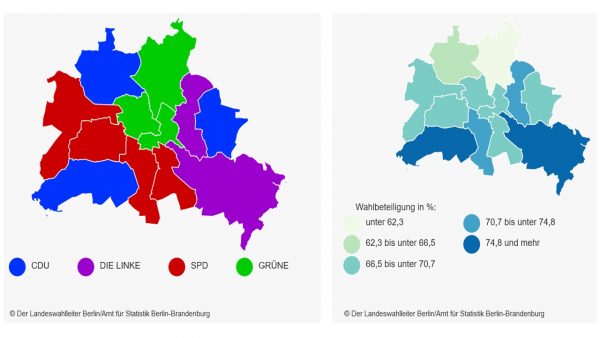
Berlin in 2024 (like 2023) provides another lesson on the sense of elections and re-elections. The repetition of parts of the federal election in parts of Berlin was required by the constitutional court. Due to failures in correct provision of access to voting and voting material results might have been biased. According to an online reporting by the local radio station (rbb24) based on the official electoral statistics, the participation in the re-election decreased from 75% to 51% in the 455 out of 2.256 districts that repeated the election. There seems to be a high level of democratic fatigue in these districts where the re-election in general accounts of participation in elections marks a low point in achievement. It appears worthwhile to question the judicial decision to repeat the election to the drastic reduction of representativity of the re-election. In statistical terms we trade one form of bias against another form of bias with an unclear overall outcome.
Organising elections is a professional task and requires specific competences. As this is at the heart of democracies, we need to improve our organisation and surveillance of this fundamental democratic process. Repetition seems to be worse than other second or third best solutions. Investing in democracy starts also at the ballot box. Electronic voting is not a panacea, but might be part of the solution. (Image source: Landeswahlleiter Berlin, left: Erststimmenmehrheit, right Wahlbeteiligung, combined election + re-election)