The Strategic Development Goals (SDGs) date back to 2015 for their enactment. The goal setting is a routine procedure for the UN and its subsidiary international organisations. This makes a lot of sense, because if you do not name the problems, you are unlikely to address them in a systematic fashion. Quantifying the goals is then a much more difficult task and that then already part of the ensuing discussion about idealist, illusive or realist goals. Most diplomatic exchanges focus on this goal setting and scheduled monitoring as well as more comprehensive evaluations of goal achievement. The SDGs comprise another strategic twist. Rather than concentrating on national governments, non-governmental organisations and businesses were encourages to actively participate in the implementation of the goals. After more than 7 years the achievements of intended improvements should become visible. Well, goal setting and monitoring over the last seven years is likely to reveal failure on several of the 17 indicators. Covid-19, disruption of supply chains, wars causing recessions and high inflation are major factors to explain failure. However, knowing the reasons of failure is a substantial part of improving in the next coming years. Returning to cooperation rather than confrontation could do the trick. Even after wars cooperation to organise relief is the only way forward to come closer to achieving the SDGs.
Bold initiatives like the Marshall-Plan for Europe in the 20th century made it possible to rise from the ashes. Countries that have been in ruins at that time, now have important roles as financial contributors to support other regions. The goals remain the same, the challenges as well. 
Caillebotte
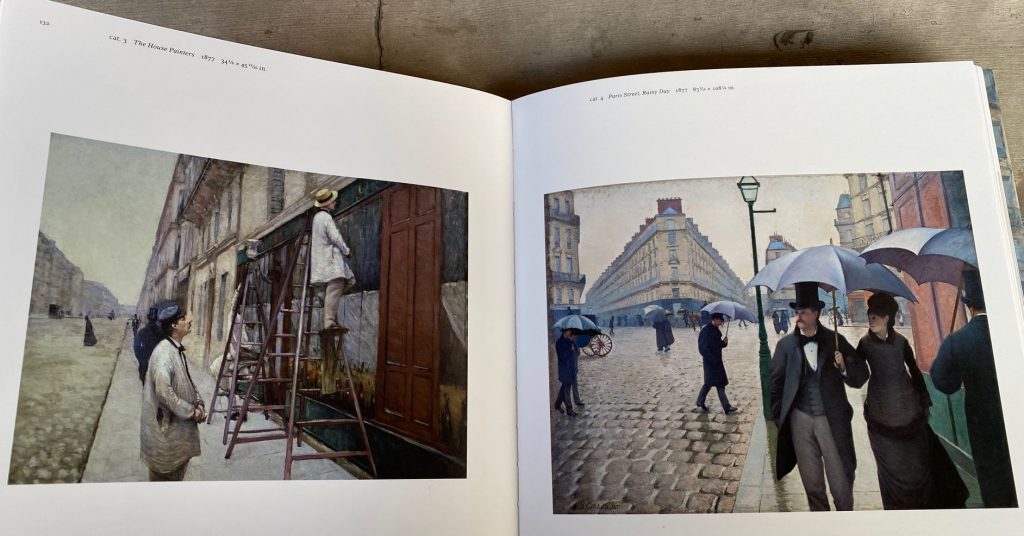
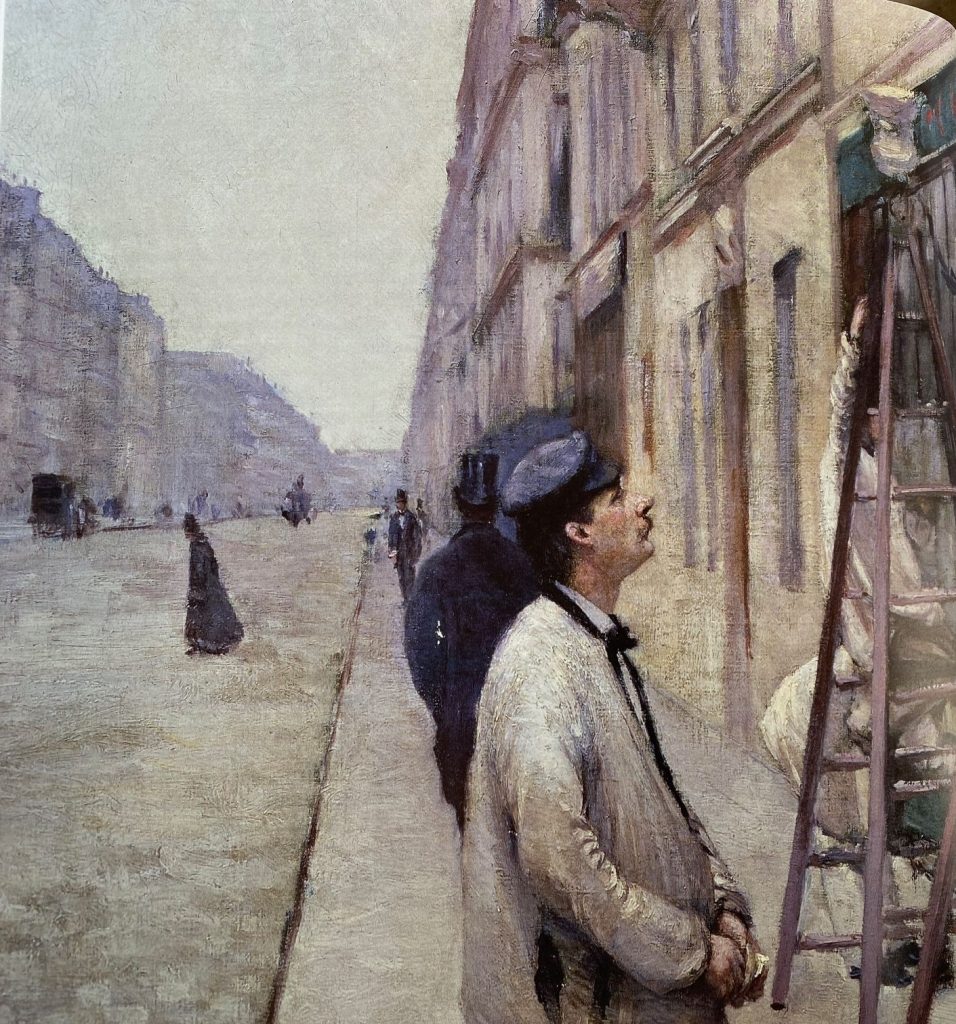
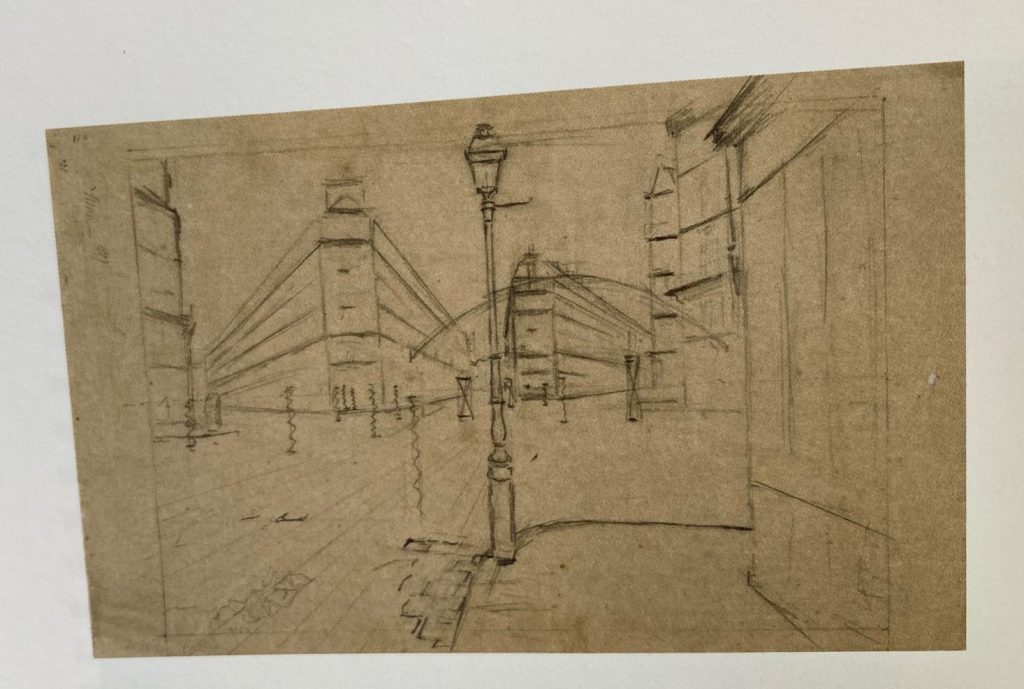
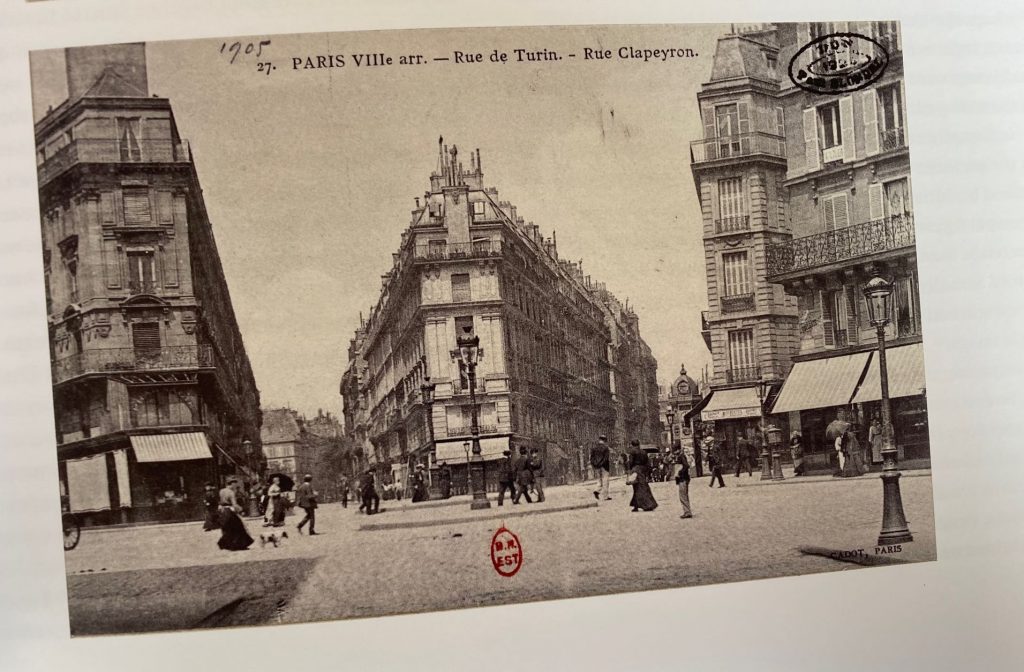
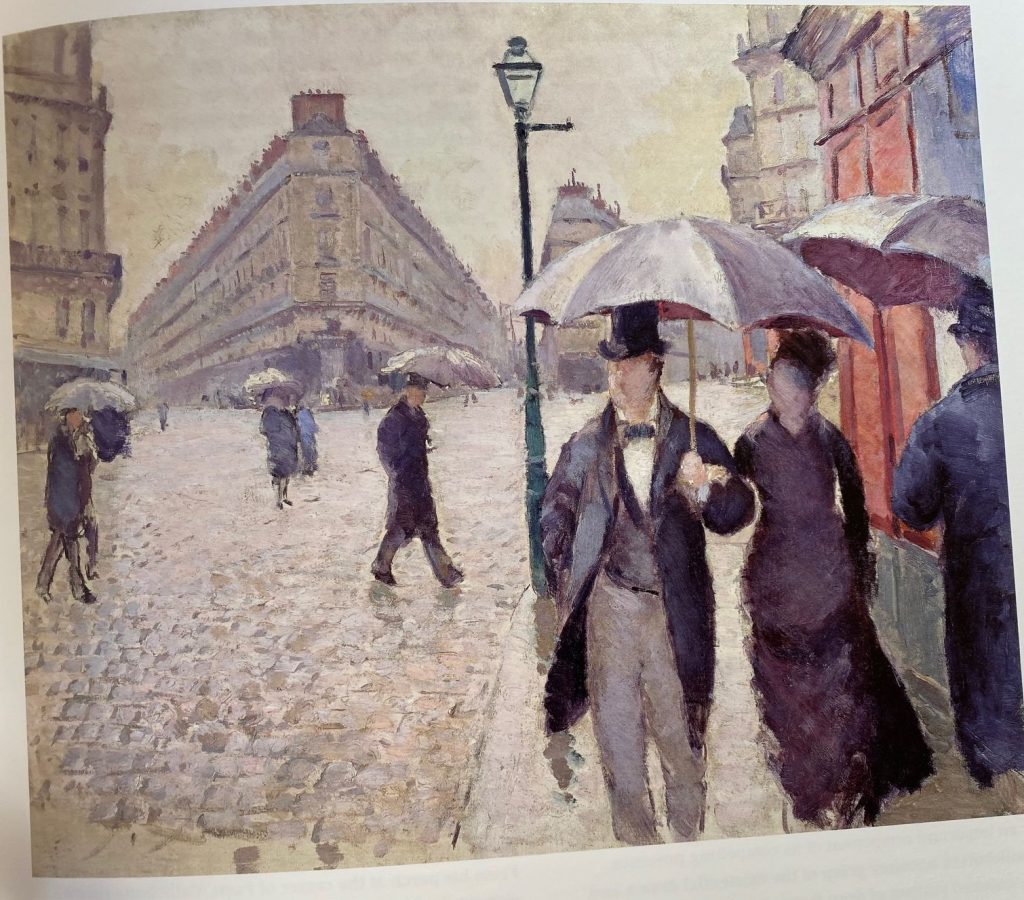
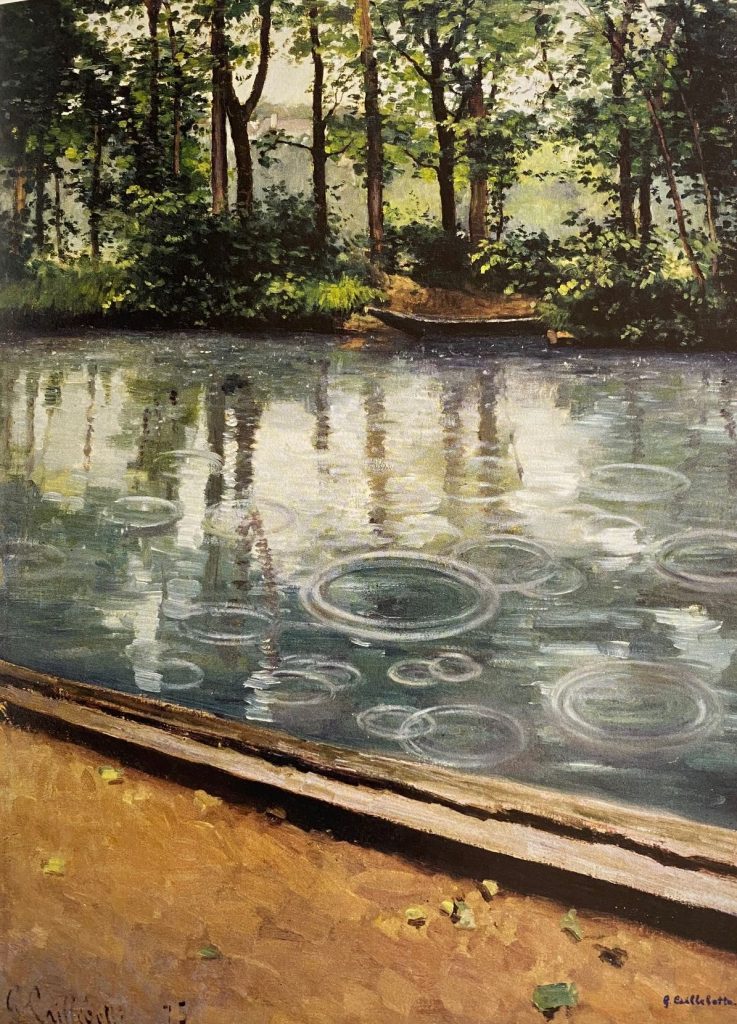
Gustave Caillebotte has done it again. Son of a great beneficiary of war efforts himself. He started with support from his father’s fortune on a painting career. Soon after his father’s death, he joined the group of “alternative artists”, later called the impressionists in France. On the 1.2.2023 the Musée d’Orsay acquired a key painting of Caillebotte for 43 Million € with the help of a donation by LVMH. Where does the hype come from? A catalogue of the exhibition of the painter “Gustave Caillebotte, The painter’s eye” from the National Gallery of Art in Washington from 2015 established Caillebotte again as a key person of the impressionist movement. Rich in diversity of motifs, the painter and supporter of the impressionists (Philantropist) has foreseen the challenge photography could bring to painting. The painter’s eye is well explained by Michael Marrinan (pp.22) in the catalogue. In fact, the spatial depth of the views of the streets of Paris is a precursor to many photographers and movies of several decades later. Caillebotte’s images of Paris depict well the mixed feelings about a daunting city size and the isolation of people captured in their own little inner circles with little communication despite or because of the noisy surroundings. Misty atmospheres allow to focus on impressions. Almost meditative walking in the city is his modern topic. Reflecting on painting as profession versus painting as artist is somehow an impressionist’s sociology of professions. Gustave Caillebotte did not have to paint for money and he was aware of social class differences as son of a factory owner. It did not spoil his artistic view with social facts, but rather tried to reveal the intrinsic beauty not only of landscapes, but ordinary working people. Other impressionists painted beautiful ballerinas, Caillebotte painted workers and sometimes more challenging parts of Paris in his early years. With climate change near Caillebotte’s home in full swing, we shall “adore” the rainy days in Paris even more. And in the countryside, too. The painter’s eye reveals a visionary view of the modern and post-modern world. 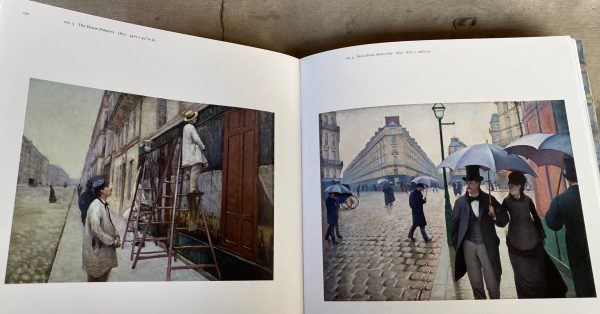
Flotow Stradella
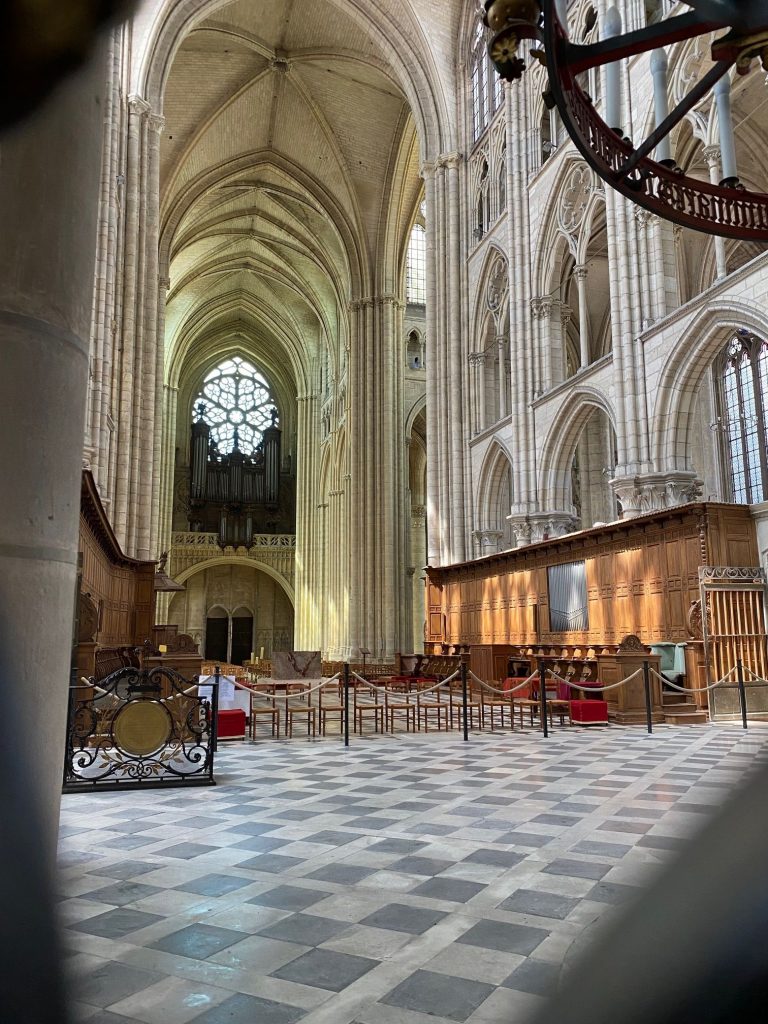
Die Oper Stradella von Flotow wurde in 2006 eingehend besprochen. Sarah Hibbert hat ein immer wieder aktuelles Thema: Wie sollten vorherige Stilepochen in der Aufführungspraxis und der Komposition behandelt werden? Die Legende über den Sänger Stradella, der einem Fürsten die Braut ausgespannt hat und deswegen ermordet werden sollte, bietet einen interessanten (sex and crime) Plot. Wegen der Gesangskunst des Verführers, wollten die bestellten .Auftragsmörder den bezaubernden Sänger nicht töten. Tatort ist der Auftritt der Sängers in einer Kathedrale. Fritz von Flotow und Louis Niedermeyer haben beide fast zeitgleich eine Version des Librettos vertont. Es stellt sich nun die Frage, wie denn am besten der historische Stoff aus dem 17-ten Jahrhundert darzubieten ist. Beide Komponisten komponierten im Stil der romantischen Oper des 19-ten Jahrhunderts. Flotow wählt eine stärker historisierende Variante der mittelalterlichen Musik der Stradella-themen in seiner Oper. Die Klangfarben der mittelalterlichen Kirchenmusik passen aber nur schwerlich zu den Erwartungen des zeitgenössischen (1830er) Opernpublikums. Daraus resultiert,en eine spannende kompositorische Aufgabe und entsprechende Herausforderung für die Aufführung des Werks. Darüber hinaus müssen noch Unterschiede zwischen der ersten mehr populären Form der Oper für Paris (Vaudeville) und der später in Hamburg uraufgeführten Version der Flotowschen Stradella Fassung beachtet werden. Historisierung mit Anlehnungen an Gesänge von Palestrina sind nicht der Geschmack eines jeden im Publikum und der Kritiker. Grund genug, in die Opern mal wieder reinzuhören. Den Tenor, die Arie “Jungfrau Maria” singend, hätte ich wahrscheinlich auch nicht als Auftragsmörder töten können. Rolando Villazón ist darin recht überzeugend.
Quelle: Hibbert, S. 2006. Murder in the Cathedral. Stradella, Musical Power and Performing the Past in 1830s Paris. Music & Letters Vol 87 Nr. 4. doi:10.1093/ml/gcl081 (Photos, KS Kathedrale in Meaux, F).





30s
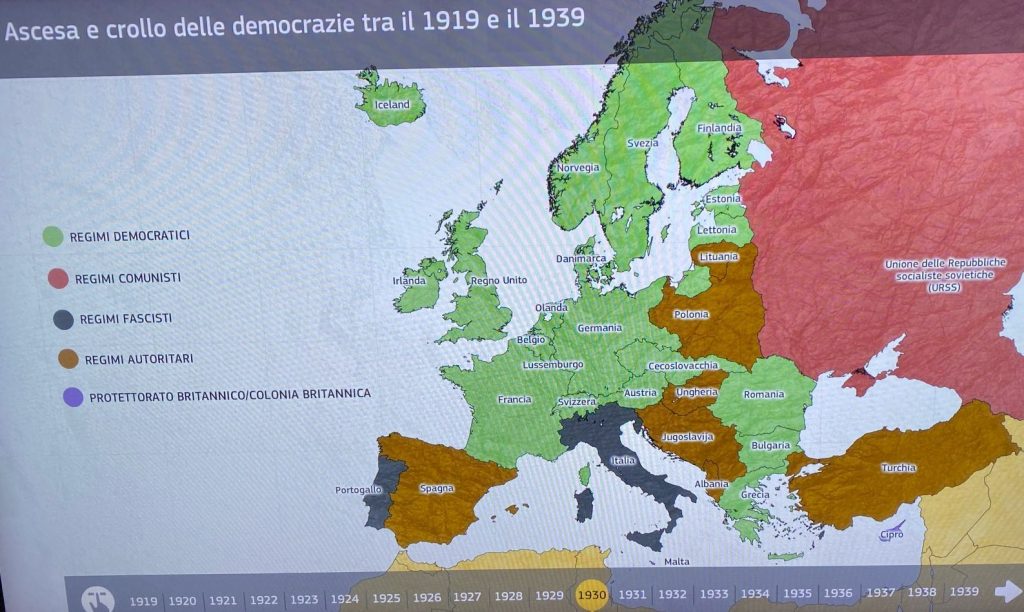
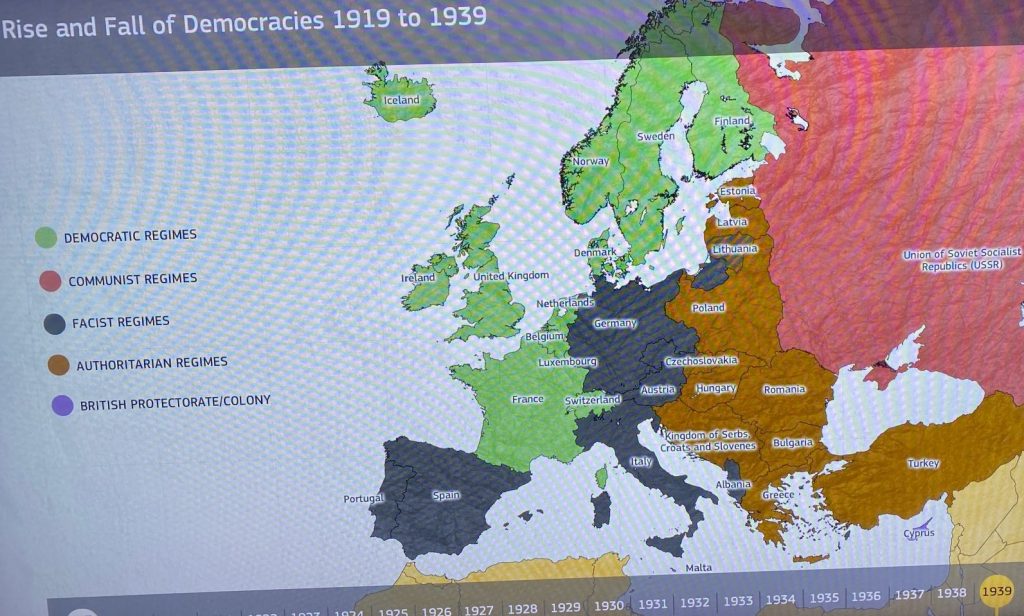
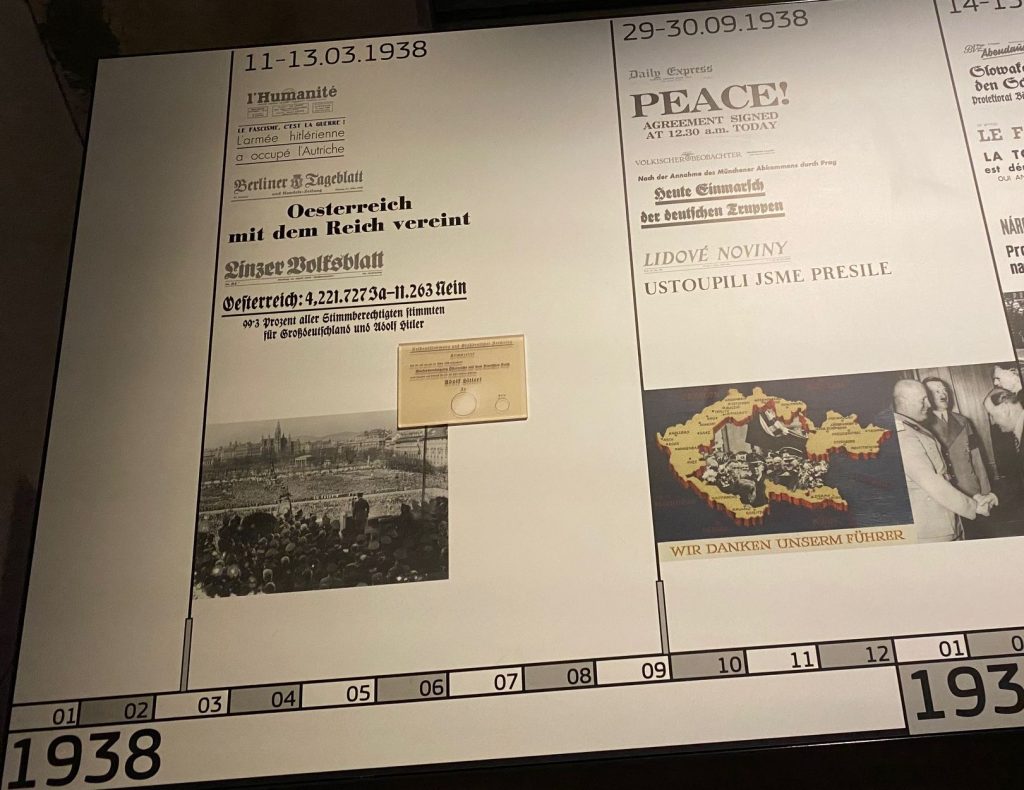
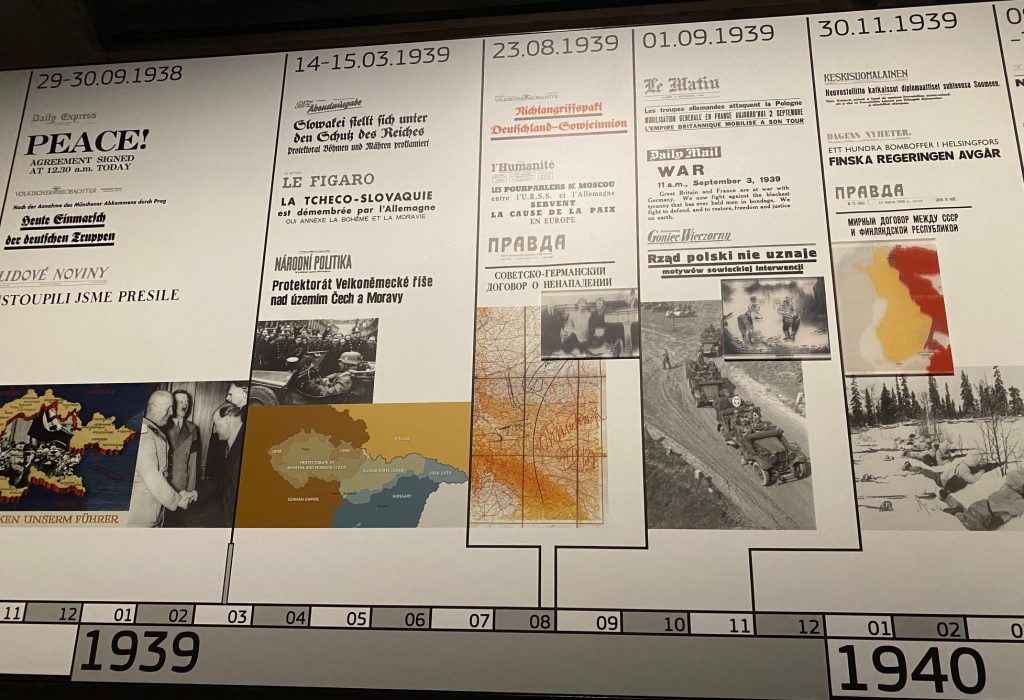
In retrospect the 1930s would deserve well the label of the disastrous 30s. In terms of human tragedy the 40s were worse, but the foundations for the millions of deaths through the Shoah and the second world war were enacted throughout the 1930s. My reading of the decade is dominated by the rising tide of hate throughout the 30s. The fascist movements in Italy and Germany were growing rapidly. From the entry number 185.729 (later committed war crimes in Ukraine) at the 1st of January 1930 the German NSDAP membership grew to 7.352.197 (Reichsakademie für Leibesübungen) on the 1.1.1940. This is still about 3 million persons less than at around the peak in 1944/45 of for example entry number 10.123.636 (later Foreign Secretary of Germany). The House of European History of the European Parliament in Brussels provides a good depiction of the spread of Fascism and dictatorships in Europe in the 1930s. Whereas Italy had turned Fascist already before 1930. Hungary was also under dictatorship already at the beginning of 1930. The rise of the German Nazi political party NSDAP turned out to be the most disastrous and devastating fascist movement and dictatorship throughout the 30s. The maps with timelines represented in the permanent exhibition in the House of European History reflect the spreading disaster for millions of persons. Many writers and social scientist had the correct apprehension and “apocalyptic imagination” (Pearce, 1971) to seek refuge early. But this turned out to be a not generalisable exit option for most persons concerned. Only few countries managed through early decisive action against the spread of fascism to escape from, better shield themselves, or fight against the rising tide. In the late 60s and the 70s youth at the time started to question the role of their parents in the rise of nationalist movements in Europe. An interesting reference for Canada is the teaching reform that materialised in the “box of the 30s” (Weinland and Roberts, 1972). The 1930s Multi Media Kit for teaching history contained photos (Guernica), radio clips, extracts from novels, but also recipes or recorded interviews. Make history speak and start with a “personal touch” to it. Avoiding the economic failures of the 1930s and the rising tide of fascists throughout the 30s are high on the political agenda 90 years later in the 2020s again.
Alkoholismus
Alkohol ist eine Droge, da Alkohol abhängig machen kann. Die Bewusstseinsveränderungen können beachtliche bis extreme Ausmaße erreichen. Das wissen wir alle und zwar seit Jahrhunderten. Mäßigung bei Rauschmitteln ist nötig, aber schwer erlernbar. Etwas Genuss ist gesellschaftlich nicht nur toleriert, sondern gewollt zur Förderung der Geselligkeit. Zu viel Genuss beeinträchtigt meistens andere und wird dann zu einer schwierigen Problematik. Ärztinnen, Psychologinnen und andere Heilberufe stehen oft hilflos, wie auch das nahe familiäre Umfeld, vor dieser Situation. Selbst neuere Studien weisen darauf hin, dass die Versorgung dieser Patienten (UK), bestenfalls in der Hälfte der Fälle als gut einzustufen ist. Die Studie zu Großbritannien beschreibt gleichfalls die Krankheitsgeschichte und -versorgung als „eskalierende Tragödie“. Für die meisten anderen Länder liegen keine wirklich guten Daten vor, die weder einen Handlungsbedarf noch auf einen gesellschaftlichen Gestaltungswillen hindeuten würden.
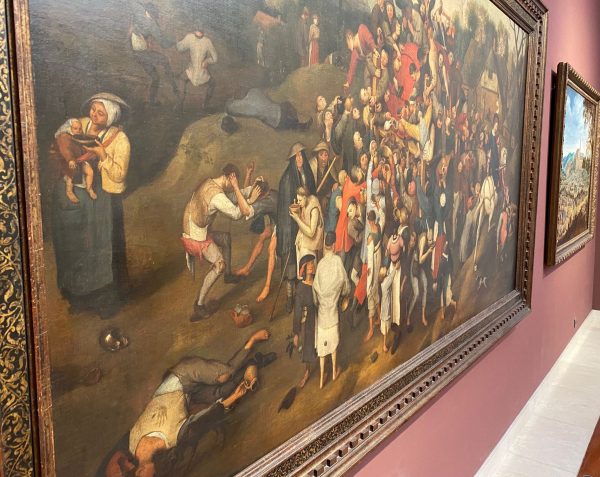
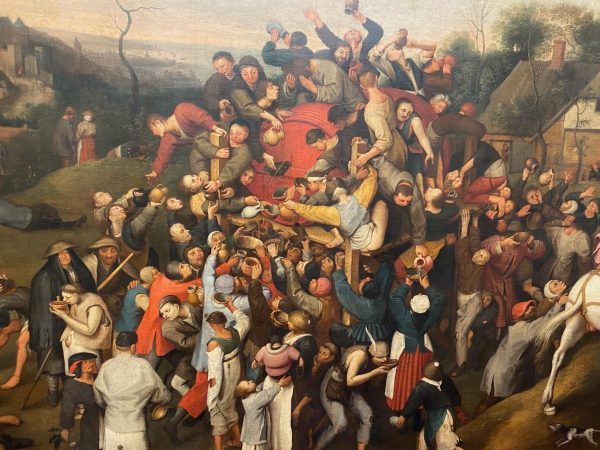
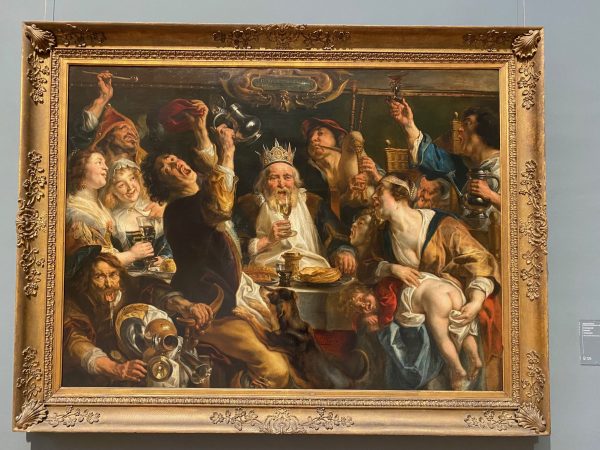
Die Radiosendung zum Thema „Umgang mit Alkoholkranken“ und die Initiative von Sänger Max Mutzke, „Kindern suchtkranker Eltern eine Stimme geben“ beschreibt eindrücklich die generationsübergreifende Bedeutung von Alkoholkrankheit. Alkohol ist eben nicht nur das Problem der betroffenen Person. Ein ganzes Umfeld ist betroffen. Das Problem wächst sich meistens aus zu einer Problematik für das weitere familiäre Umfeld, Freundeskreise und ArbeitskollegInnen. Es ist erstaunlich, dass wir seit Jahrhunderten keinen anderen Umgang mit alkoholbasierten Rauschmitteln gefunden haben, als alles erlaubt oder alles verboten, außer der Altersbegrenzung für Kinder und beim Autofahren. Der Maler Bruegel sah das wohl ähnlich. Den St. Martinswein kann sich heute jeder im Laden um die Ecke selbst kaufen. Mäßigung im Umgang mit Drogen ist nach wie vor ein schwieriger Lernprozess, für Einzelne (Jordaens – Der König drinkt!), wie für die Gesellschaft. ( fast betrunkenes Video Alko VLC Bruegel MRBA Bruxelles.jpg zur Bildexploration).

Aphorismen L2
“Man soll öfters dasjenige untersuchen, was von den Menschen meist vergessen wird, wo sie nicht hinsehen und was so sehr als bekannt angenommen wird, dass es keiner Untersuchung mehr wert geachtet wird.“ (Lichtenberg S. 50). Eine eindrückliche Warnung sich nicht nur den großen Wellen und Wogen der Öffentlichkeit oder der Wissenschaften hinzugeben. Wo viele nicht hinschauen oder bewusst wegsehen, da gibt es meist einiges zu ergründen. Die Soziologie der kleinen Dinge, der Alltagsgegenstände bringt faszinierende Erkenntnisse hervor. Nehmen wir nur einmal die Bekleidung beim Kochen. Von der Kittelschürze zum gestylten Outfit für die Kochshow zum Gesellschafts-cooking“ haben sich Kleidungsstücke und Berufe in ihrer Funktionalität gewandelt. Dem Anlass entsprechend wird sich gekleidet. Kochen ist von den Hinterzimmern mancherorts ins Zentrum der Gesellschaft mutiert. Wertschätzung von Handwerk und delikate Zubereitung sollten Rekrutierung erleichtern. Bleibt nur noch die Arbeit drumherum. Einkaufen, Einräumen, Einweichen, Abtrocknen, Aufräumen. Die Arbeit geht uns nicht aus, sie verändert sich nur. Wertschätzung der kleinen Aktivitäten, desjenigen, „was von den Menschen meist vergessen wird, wo sie nicht hinsehen“ kann so aufschlussreich sein. Hinschauen und Verstehen lernen bleibt angesagt. Lichtenberg weiter: „Man frage sich selbst, ob man sich die kleinsten Sachen erklären kann; dieses ist das einzige Mittel, sich ein rechtes System zu formieren, seine Kräfte zu erforschen und seine Lektüre sich nützlich zu machen.“ Aphorismen können ein ganzes Forschungsprogramm auf den Punkt bringen und so die kleinsten Beiträge noch als nützlich erweisen. (Foto: Schreibatelier von George Sand in Nohant). 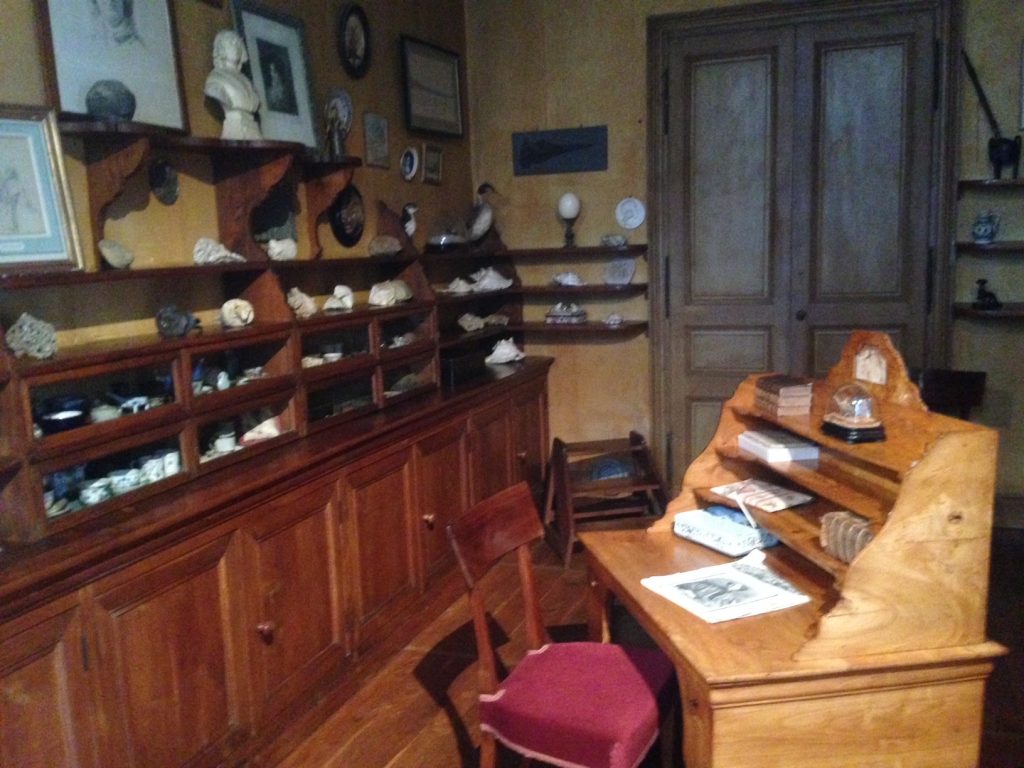
Economic Narratives
Joseph Stiglitz (2003) provided a detailed description and interpretation of the economic history of the 1990s in his book on the roaring nineties. As a member of the Clinton Administration serving as a Chairman of the Council of economic advisers, he had first hand access to the information, debates about interpretations and conclusions drawn during the period. In the preface (2003, p.XII) he provides some of the lessons this work has provided him. “Today, the challenge is to get the balance right, between the state and the market, between collective action at the local, national, and global levels, and between government and non-governmental action. As economic circumstances change, the balance has to be redrawn. Government needs to take on new activities, and shed old ones. We have entered into an era of globalization in which the countries and peoples of the world are more closely integrated than ever before. But globalization itself means that we have to change that balance: we need more collective action at the international level, and we cannot escape issues of democracy and social justice in the global arena.” The surprising approach by Stiglitz, as a winner of the Sveriges Riksbank Prize, to present no data in tables or figures demonstrates the need for telling convincing stories beyond throwing images and shuffled data at your audience. However, this is probably only feasible once you won a quasi-Nobel prize to not lose credibility among economists. Nevertheless, the issue is larger. Stiglitz manages to address the much larger audience of non-economists who construct or constructed their own “collective memory” of the legacy of the nineties as the “global 90s”.
The narrative of the 1990s grossly neglected the value of the biosphere. Asymmetric information (his shared prize winning issue) was and is still used in the market of natural resources to keep polluting the planet and push ahead with careless deforestation. The Exxon case is just one piece in the puzzle of asymmetric information and misinformation. Misguiding economic narratives play a powerful role. Maybe we need to write more about the “roaring failures” of economics and public policies across several decades in the 20th century. (red dots = forests lost on our planet A early 2000s, and there is no planet B) 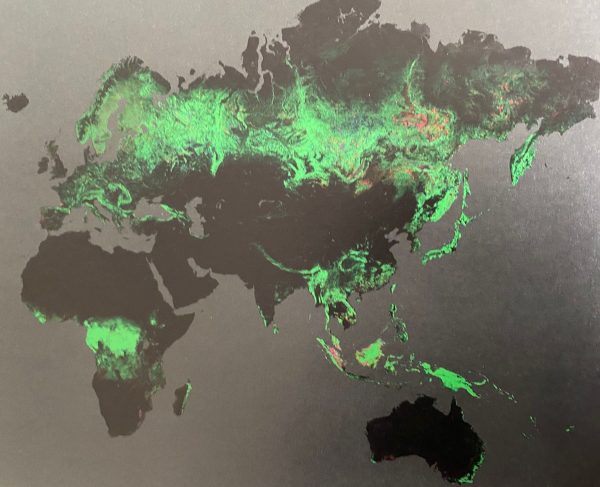
Time5
The social sciences deal with time either as part of social theory and as part of social measurement in the broadest sense. The entry of time in “The encyclopedia of social theory” (Ritzer, 2006, p.837-41) reminds us that since the age of Augustinus, believing that time is a God-given concept, we have evolved with Kant’s notion of the “Ding an sich” that time exists within our experience, but also beyond our experience of it. It is Durkheim who sees time as a social institution and raises the issue of a social construction of the concept(s) of time. In the process of civilisation, Nobert Elias leads us to think of time as an evolving social process which allows us to reach higher levels of civilisations. Despite wars and other backlashes, the basic premise remains an eventual improvement on previous situations (Time 3). The phenomenological method applied by Husserl points at the “inner time consciousness” of persons, which finds its literary expression for example in Proust’s writings.
In addition to time as the object of social theories, we find frequent implicit use of concepts of time as a component of social theories. Life courses, social change, social mobility, social integration, learning, all these concepts are conceived with “time stamps” attached to the them. Their temporality, i.e. location in time and space, durations, sequential orders and interlinkages form huge fields of research. Whole societies have attempted to define when is the “normal”, “right” or “best” time to do something for the individual or the society as a whole. Social desirability is linked to time and space and varies accordingly. The 1960s probably were a decade where the questioning of social desirability was most obvious.
Social measurement of time and the location of social phenomena in time leads us to the empirical field of studying time or the treatment of time as a basic dimension in and of social processes. “The encyclopedia of social measurement” (Kempf-Leonard, 2005) list the sampling of time as a basic entry to the topic. Frequency of sampling, (yearly, quarterly), level of sampling (person, household, region, country), repeated surveys (prospective, retrospective) of same person or rotating samples of persons have their specific strengths and weaknesses. Analytical methods rely on the concepts of the measurement of time. It seems to be a fair observation that (Clarke and Granato, 2005, p.836) the future of time series analysis lies in the linkages to theory. After all, the 2 worlds of theory and empirical measurement are linked through the concept of time, despite the tendency to abstract from it or assuming a large overlap in the concept of time (and space) referred to. Clocks seems to be ticking differently in different places.
Image: Dali Paris. R. & N. Descharnes Salvador Dali Sculptures & Objects. Eccart. Ref. 615, page 238. 
Time4
»Tempus fugit» (Latin proverb) time is flying, or time is escaping us. This is a classical quote. Students of Latin come across it in language acquisition. “Carpe diem” make the most of the day, others responded. Some even raise it to a dogma of their existence. Whereas in classical times, time was more likely to be perceived as a linear concept (v = s x t), modern concepts discuss time as “acceleration” a nonlinear concept (a = v x t = s x t²) or higher order non-linearities even (time³). Social time is embedded in such concepts of time. At some moments we perceive time as running very slowly, at other instances as running fast or accelerating. The synchronisation of time for friends, a couple, a family, lives, within a society or between societies is the big challenge. We tend to use calendars to synchronize our time acknowledging that time might be running at different speed for different persons. We have invented rituals of synchronisation like celebrating birthdays, departures at work, retirements or relative to seasons, with corresponding seasonal greetings. In between these events time fluctuates with different speed for different persons. Commonly in a kind of superficial objectivity, time is running in the same second-, minute-, hour-, day-like fashion, but considering activities or experiences, the same time span is widely different across persons. A lot of intergenerational conflicts have their origins in this non-synchronicity of time across generations. Bernard Guy (2018) reminds us of the link of time and space, as in the equations above, common in classical physics, where we could replace s with the change of coordinates of 2 GPS-signals. This space – time relationship complicates our simple reference to time. We have become used to think in time zones across the planet or within continents, however, our imagination is a bit stretched by imagining others sleeping while we are terribly busy on the other side of the globe. Global production and logistic processes have integrated the time and space framework for just-in-time delivery and optimisation of processes. As mankind we are still having a hard time to think about time and spend years “à la recherche du temps perdu” (Proust manuscript image below, BnF Paris2023).
Guy, B. (2018). Parler d’accélération, c’est aussi dire comment nous comprenons le temps. Dans : Nicole Aubert éd., @ la recherche du temps: Individus hyperconnectés, société accélérée : tensions et transformations (pp. 111-123). Toulouse: Érès. 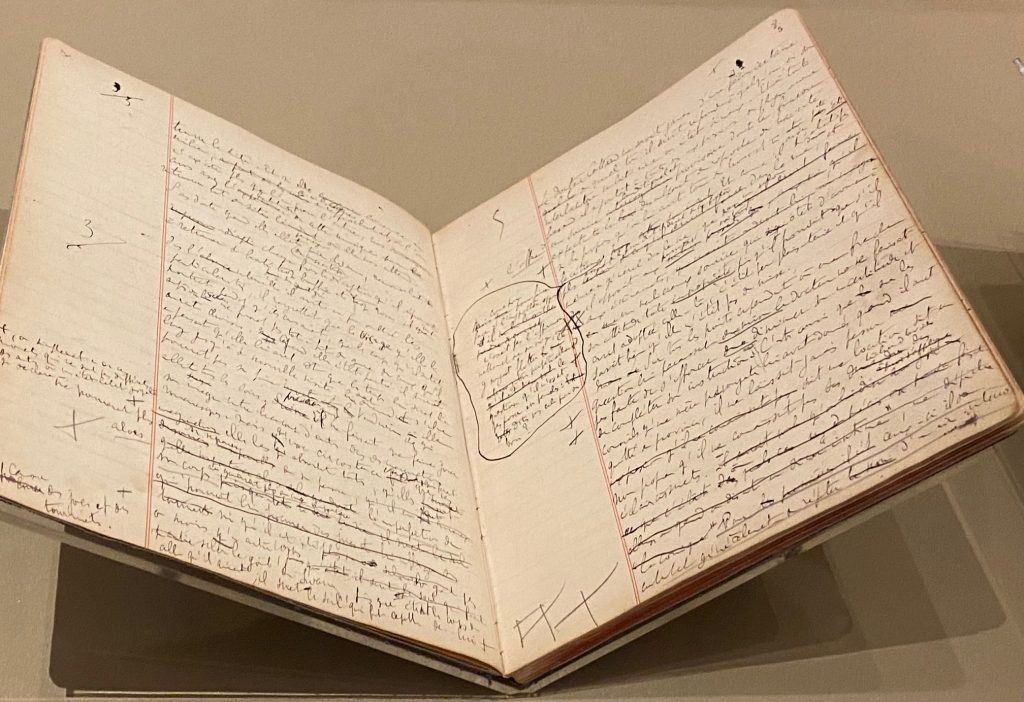
Sax and the Sax
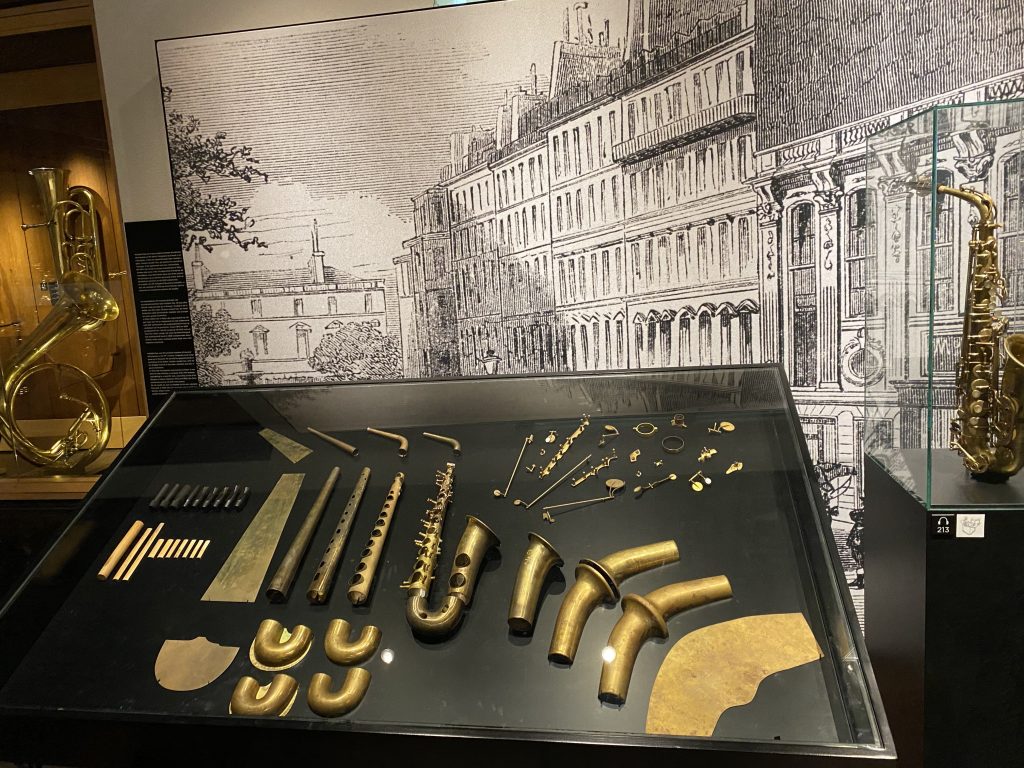
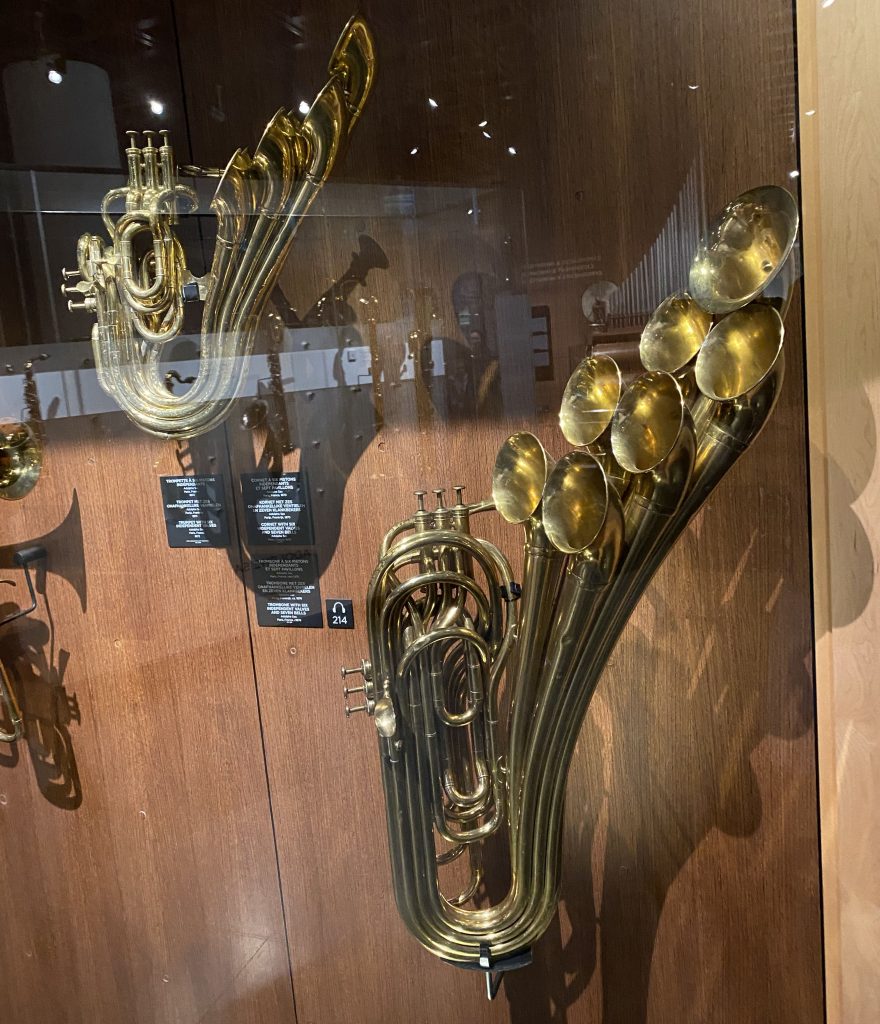
Adolphe Sax is celebrated for his celebrated design of musical instruments in what it known and played as the Sax family of musical instruments. Most museums around the world have an example of an early Sax instrument in their collections. Beyond the many fascinating musical delights and emotions produced with the instrument, there is a century-old debate around the issue of the patent attributed to the various designs claimed by Adolphe Sax for the Saxophone among others. The patent attribution was hugely different across Europe in the 19th century (largely inexistant in other parts of the world at the time). The reason for this were differing laws guiding intellectual property rights. “In France no preliminary examination was necessary before a patent could be granted; in Germany examination was obligatory; and … British patent laws, which allowed makers to register designs or apply for patents for developments that had been copied from abroad (imported inventions), as long as they had not been published in Britain.” (Mitroulia and Myers, 2008 p.93). There is a well-documented controversy about the “Berlin valves” and the contested patent in France of it. Design of instruments, particularly popular ones, guarantee sizable earnings for producers of instruments. After 20 years of the 1846 patent in France 1866 the patent expired and the copies could become even cheaper. Some ugly disputes in the middle of Europe were fought around this issue. Remember that military music was still accompanying troops for better or worse. “Visionary or plagiarist? The authors are unable to give a simple verdict. … The fact that Sax claimed originality for some borrowed ideas seems in retrospect less important than the true vision shown.” (Mitroulia and Myers, 2008 p.135). We might not agree with this statement. The visit to the MIM in Brussels gives a good overview of the evolution of musical instruments over thousands of years and across continents, which pushes us to rethink the link of society and technology through the lens of music and technology. Welcome to techno music beyond patent laws. Pushing the boundaries of copyrights on sound sequences to new limits.
(Sources: MIM Brussels, Rice A. R. (2009). Making and improving the nineteenth-century saxophone. Journal of the American Musical Instrument Society. 35:81-122. Mitroulia, E., A. Myers. (2008). Adolphe Sax: Visionary or plagiarist? Historic Brass Society journal, 20, 93-141).