
Erstmals in der Zeitschrift „Opérette“ (2012, No.164, S.53-57) erschienen, hat Dominique Ghesquière eine verschränkte Biografie von Flotow und Offenbach veröffentlicht. Die deutsche Übersetzung ist von Peter Hawig in den Emser Heften Nr.353 (ISSN 1436-459X) erschienen. In interessanter Weise wird das diplomatische Geschick, sich von kleinen Aufführungen in größere Häuser hoch zu arbeiten, von Flotow erfolgreich praktiziert zum Asset für beide Komponisten. So war der damalige Weg zum professionellen Musiker insbesondere auch zum erfolgreichen Komponisten. Flotows erste komische Oper „Pierre et Cathérine“ wurde bereits 1832 im Hôtel Castellane (Rue du Faubourg Saint-Honoré 112) aufgeführt. Ein Vaudeville mit Gesangseinlagen „Le Comte de Charolais“ wurde im Théâtre du Palais-Royal 1836 zur Aufführung gebracht. In seinen Erinnerungen schreibt Flotow kurz nach dem Tod von Offenbach, dass er Jacob (erst nach Konvertierung Jacques) schon 1838 als Cellist kennenlernte. „die Runde durch die Salons war die Kunst, akzeptiert zu werden. Es war in erster Linie die Nagelprobe des echten Talents und der Virtuosität, gleichzeitig aber auch die des Dienermachens, der geschickt genutzten Gelegenheiten und schließlich des Erfolges. Jacob nahm also sehr gerne an, als sein Freund ihm vorschlug, ihn dort einzuführen, wo er selbst gern gesehen war.“ (S.7,9). Für diese Soirées schrieben beide Neukompositionen, die in 2 Serien erschienen sind. „Les chants du soir“ und „réveries“. Für Flotow war eine weitere Bekanntschaft mit Friedrich Wilhelm Riese (pseudonym W. Friedrich) in Paris bedeutend. Letzterer schrieb das deutschsprachige Libretto zu Stradella, der Flotow Oper, die dann erfolgreich 1844 in Hamburg uraufgeführt wurde. Wechselseitige Beeinflussung der beiden Komponisten wurden vielfach besprochen, jedoch sind keine wirklich belegt. Lediglich in den „Bouffes-Parisiens La Romance de la rose“ hat Offenbach eine direktes Zitat aus Flotows irischer Melodie von Thomas Moore „Die letzte Rose“ verwertet und parodiert. Solche Anlehnungen, wie Flotows an die irische Melodie waren und sind auch heute noch gängige Praxis in der Komposition, durchaus mit Rechtsstreitigkeiten heutzutage. Während Flotow bereits 1848 recht solide etabliert war, musste sich Offenbach noch weitere Erfolge erarbeiten. Das hat sich in den Jahren um 1870 bereits ausgeglichen. Flotow’s Oper „L’ombre“ (Der Schatten) hatte die Premiere in der Opéra-Comique kurz vor Kriegsausbruch, wurde dann 1871 im Salle Favart erneut gespielt (S.24). Beide Komponisten haben sich gegenseitig inspiriert und in gewisser Weise voneinander profitiert. Klassik populär machen, ist beiden gelungen und die wechselvollen deutsch-französischen Biografien eine beispielgebende, positive wechselseitige Befruchtung. 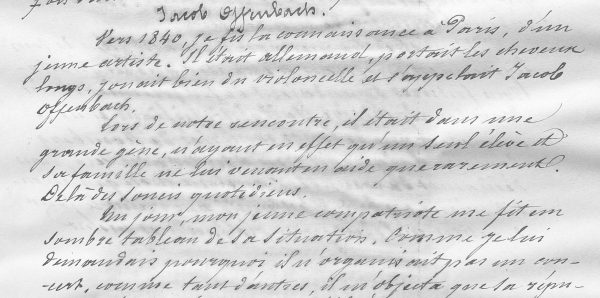
Forschen
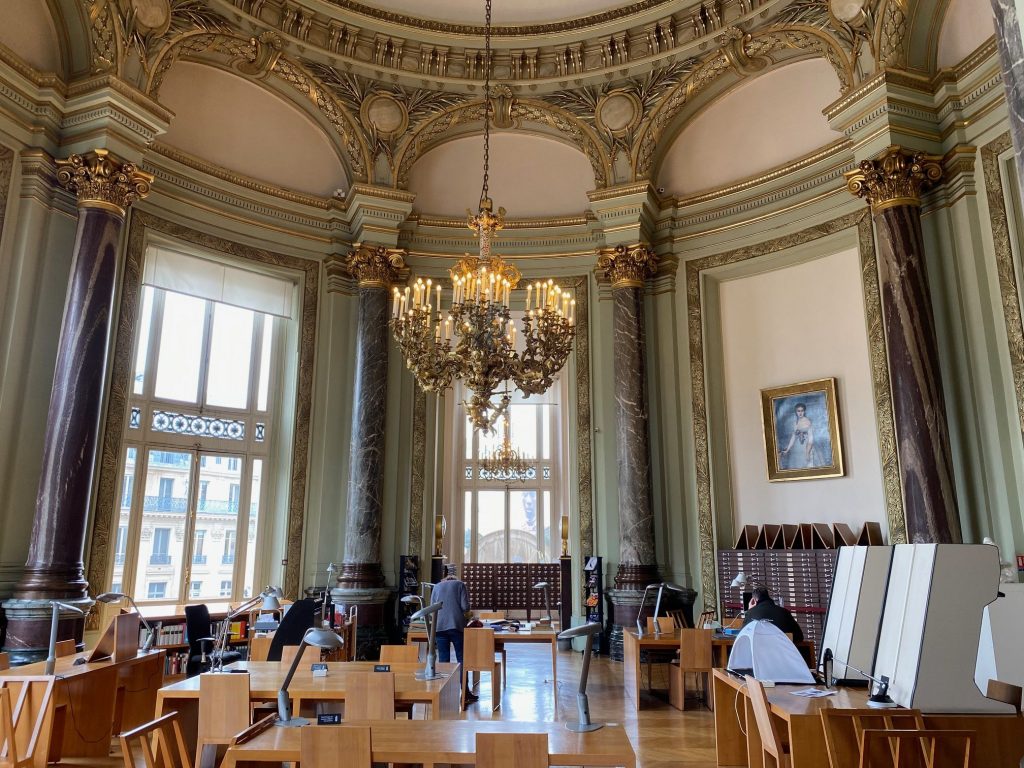
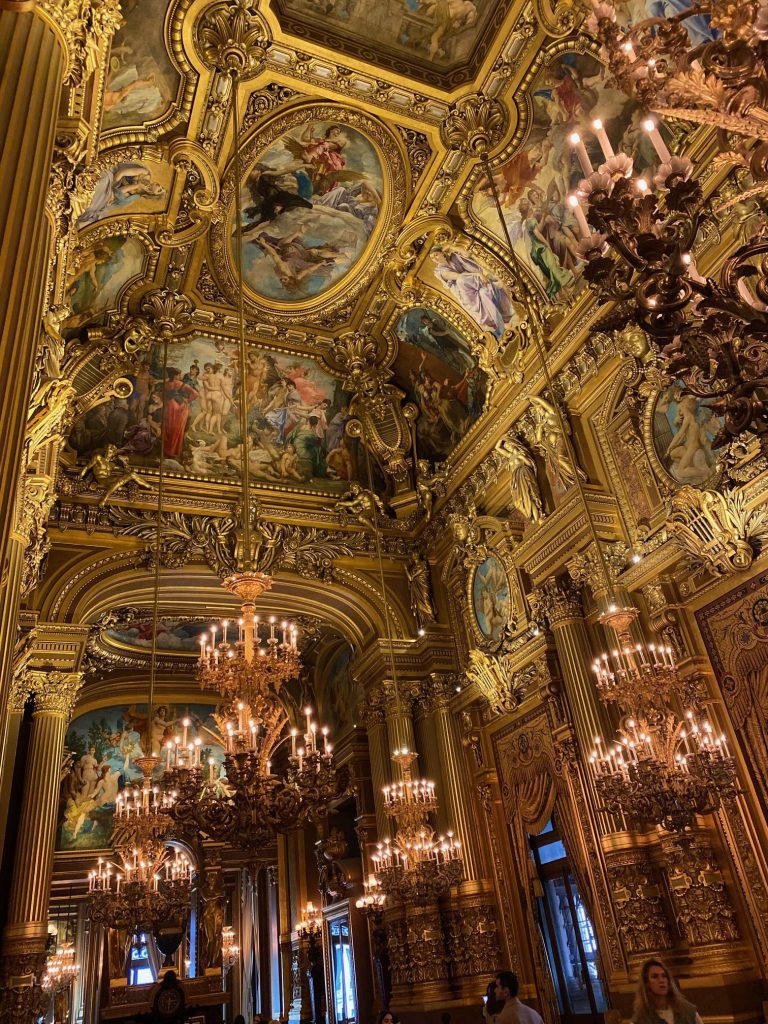
Forschung betreiben ist meistens das Bohren dicker Bretter. Verständlich, dass das nicht jedermanns oder jederfraus Sache ist. Wer sitzt schon gerne alleine in einer kleinen Zelle und schreibt seine Forschungsergebnisse auf oder liest endlos lange und viel vorherige Forschung? Da ist ein Besuch in Archiven, Laboren oder anderen Datenarchiven schon etwas unterhaltsamer. Forschung ist überwiegend theoriegeleitet. Von Einzelfällen abstrahierende Theorien lassen die Forschenden entweder an diesen Theorien weiterarbeiten oder vielfach irgendeine Form von Daten sammeln mittels derer sie dann die Theorie(n) testen können. Eine Herausforderung an diese Arbeitsweise stellt die rein datengetriebene Induktion dar. Sozusagen der „deus ex machina“ erwächst aus einer hinreichend großen, am besten sich ständig erweiternden, Datenbasis. Wetterdaten, Verkehrsdaten, Krankheitsdaten, Börsendaten und Arbeitsmarktdaten bieten für sowohl für deduktive als auch induktive Verfahren hervorragende Beispiele. Datensammeln in Archiven, beispielsweise Rekonstruktion oder Interpretation eines Lebensverlaufs aus Korrespondenz ist ein klassisches Verfahren von meistens LiteraturwissenschaftlerInnen. Manche Archive belohnen die Forschenden mit Glanz und andere mit Gloria, selten mit beidem. Glänzende Aussichten bietet die biographische Forschung zu Komponisten und MusikerInnen in Paris. In der kleinen, aber sehr feinen Bibliothek der „Opera Garnier“ bin ich zu dem Komponisten Flotow fündig geworden. Es befinden sich dort in der Komponistenakte Zeitungsausschnitte, die 150 Jahre alt sind und ein Büchlein aus frühen DDR-Zeiten, die den Aristokratenkomponist durchaus kritisch durchleuchten. Die Ablenkung auf dem Weg in die Bibliothek und dem Archiv der Oper ist allerdings atemberaubend, also nur für ganz überzeugte Forschende zu empfehlen. Die meisten werden von der Opulenz des Bauwerks so beeindruckt, dass jegliche Forschungsfrage und Theorie „backstage“ verwiesen werden. Selbst backstage kann es ziemlich schön sein.

Printing
Printing is a more than 5 century-old industry. The invention of the printing press is mostly attributed to Johannes Gutenberg from Mainz. However, the Asian precursor of mobile type letter printing of Cai Lun of the Jikji dates back to 1377 in Korea. These early masterpieces of the inventors of print can be inspected at the Bibliothèque nationale de France (BnF). The summary term for this technical innovation by historians is the “age of start-ups”. The procedure for Gutenberg to have 2 financing rounds with his “business angel” Johann Fust, who is later claiming even almost the full rights of the printed volumes, resembles the start-up spirit of today as much as that of the 15th century. Not belonging to the Patrician families, it was very difficult to defend your rights in courts of the gilds. The printers also became a very powerful intermediary themselves. They either sold pre-ordered books or had to take the risk of assessing the market for their product. The editors of today do much the same in the trading world of books and rights of authors and translators. Merchandising products of the church and later churches (protestants Luther Bible) had a particular value to both the clergy and its devotees, not to mention the shop keepers in-between as well. Pilgrimage business was another start-up industry still going strong in the 20th and 21st century and popular in all religions. The early prints and typographs applied are fascinating in themselves, but there is a lot to be learned about the foundation of a new industries that still employs millions of people and is at the origin of learning revolution similar to the one we are living with the digital technologies today. The European languages with respect to printing had a certain competitive advantage, based on 26 letters of the alphabet, far fewer types were needed to print books than the more than a thousand different signs for printing a Korean text. In terms of printing this is cost-reducing and probably you do not need to be able to read yourself to be a printer or it makes proof reading more accessible favouring benefit margins. After all, the age of industrialisation probably had a precursor in the printing industry. The potential of the printing industry was only exploited much later to the full extent. Comparable to “peak oil” we hope to have reached “peak paper” at last as well for the sake of our planet and our own survival. 
Wasser im Wald
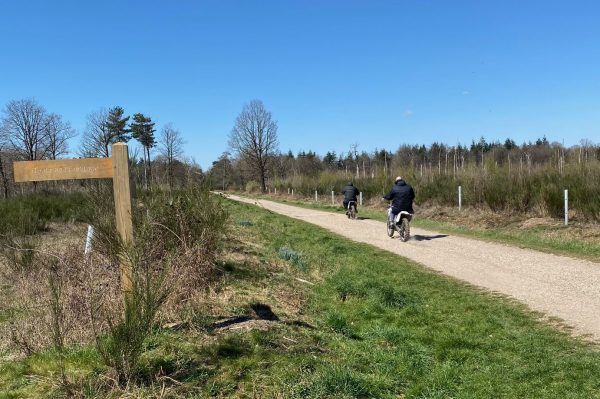
Wasser im Wald hat viele Funktionen. Historisch erleichterten Wasserstellen an denen sich Wildtiere genüsslich im Morgengrauen laben, die Jagd des erschöpften Monarchen. Einfache Ziele, die jeder Jagende sich zu nutzen machen kann. Kleine Seen dienen aber auch als Wasservorrat beim Löschen von Waldbränden und nicht nur den Badenden im Sommer. Viele kleine Seen in Frankreich leiden an erheblicher Wasserknappheit. Wasserstände, die sonst im Spätsommer erreicht wurden, nach Trockenheit und Verdunstung, sind im Frühjahr 2023 berreits erreicht. Ein Waldbrand könnte kaum mit vor Ort vorhandenen Wasserreserven gelöscht werden. So hängen Feuer und Wasser im Wald recht eng zusammen. Austrocknende Seen vernichten zusätzlich die Biodiversität im Wasser, denn weniger Lebensraum im Wasser hat Konsequenzen. Das heizen mit den Motorrädern im Wald, hab ich selbst gemacht vor vielen Jahren, ist heute eh schon verboten. Aber Verbote und Jugend sind ein eigenes Thema. Wir haben der Jugend die Freiräume geraubt, die wir noch hatten und jetzt beschweren wir uns über die stubenhockenden Jugendlichen mit ihren Computerspielen und Social-Media-Aktivitäten!?! Ein völliges Überdenken des Wassermanagements ist von Nöten. Das sind wir den nachfolgenden Generationen schuldig. Welche Arroganz besitzen wir, dass die Jugendlichen von Heute viel klüger und noch schneller erwachsen sein sollen als wir selbst in diesem Alter. Aus Fehlern lernen wir, aber wir scheinen das Lernen, den späteren Generationen überlassen zu wollen. Leider funktioniert das so nicht, wir müssen schon an unser Verhalten ran und von uns verursachte Schäden selbst reparieren. Das Fegefeuer brennt schon, ob wir es noch rechtzeitig löschen können? 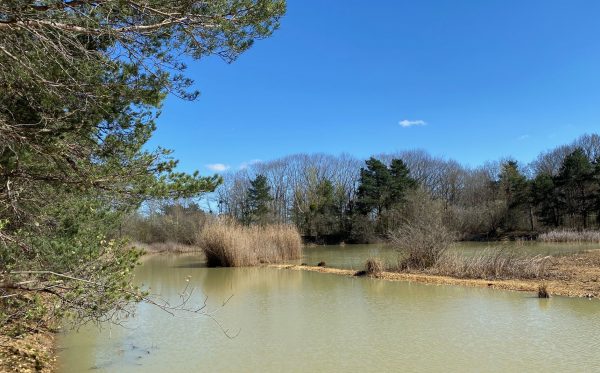
Feuer im Wald
Das sogenannte grüne Lunge kann immer öfter ihre wichtige Funktion der Klimaregulation nicht mehr wahrnehmen. Waldbrände begleiten den Klimawandel. Bereits 2018 gab es ein großes Feuer im Wald bei Paris. Im “forêt de Sénart” in der Nähe der Städte Montgeron, Yerres und Brunoy (nahe Paris) hat sich der Wald seit dem Feuer im Hitzejahr 2018 noch nicht erholt. Geld für Reparatur der Schäden fehlt und so lässt die notwendige Aufforstung auf sich warten. Der Verlust der Biodiversität durch den Brand lässt sich schwer bemessen. Brandrodung, gängige Praxis im Amazonasgebiet, hinterlässt auch bei uns mehrere ungewollte Folgewirkungen. Die Bewirtschaftung des Waldes hat die Schäden abgeschrieben, aber Zukunftsinvestitionen lassen auf sich warten. So heizt sich die Region Ile de France eben weiter auf und Millionen Käufer von Klimaanlagen. Die befördern in naher Zukunft das Wirtschaftswachstum, aber beschleunigen den Klimawandel. Wir wissen, dass es so nicht weitergehen darf. Nur der Wille, wirklich etwas daran zu ändern, fehlt an vielen Orten. Weiterso, wenn es kein Weiterso geben darf, ist die Schizophrenie unseres und des letzten Jahrhunderts. Lernen im und vom Wald ist nötig. Das ist unsere Lebensgrundlage. 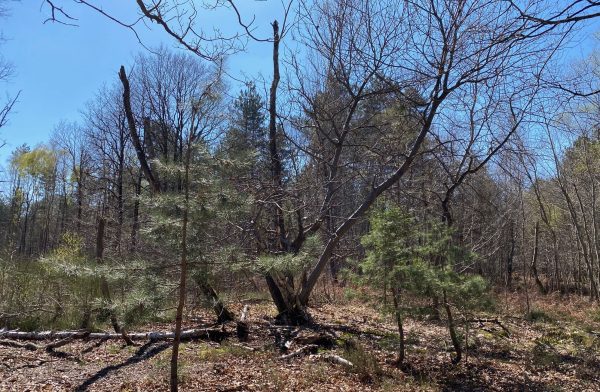
Monitor SDGs7
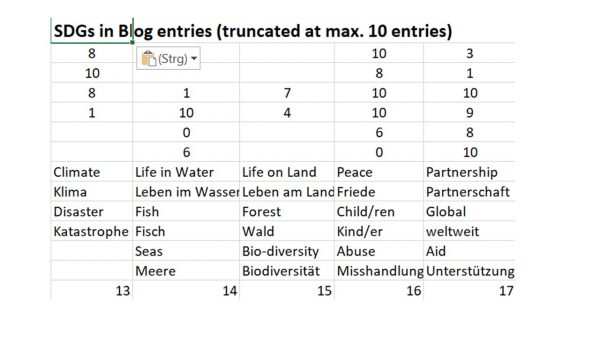
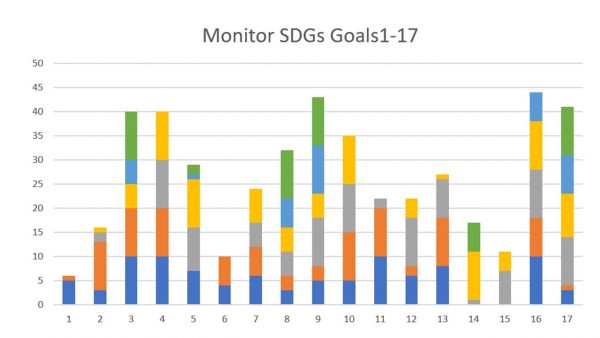
The complete monitoring of the SDGs of the UN for global development shows a surprisingly large coverage of topics. The search function is indiscriminate of some contradictions or returns the same entry twice like in sustainable industry. However, the simple check reveals frequent and less frequent entries. Entries 1 = Poverty, 6 = Water and 14 + 15 = Life on Land and in Water received less attention. The agenda for the coming weeks is set. 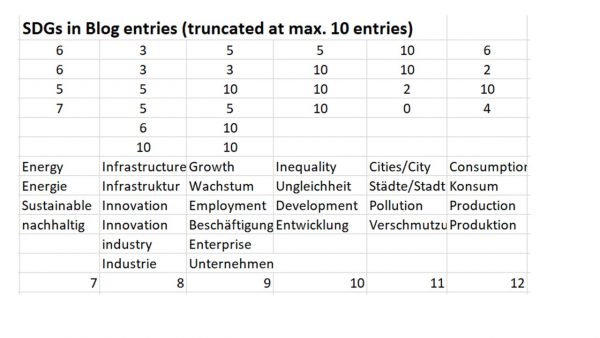
Goals SDGs
The Strategic Development Goals (SDGs) date back to 2015 for their enactment. The goal setting is a routine procedure for the UN and its subsidiary international organisations. This makes a lot of sense, because if you do not name the problems, you are unlikely to address them in a systematic fashion. Quantifying the goals is then a much more difficult task and that then already part of the ensuing discussion about idealist, illusive or realist goals. Most diplomatic exchanges focus on this goal setting and scheduled monitoring as well as more comprehensive evaluations of goal achievement. The SDGs comprise another strategic twist. Rather than concentrating on national governments, non-governmental organisations and businesses were encourages to actively participate in the implementation of the goals. After more than 7 years the achievements of intended improvements should become visible. Well, goal setting and monitoring over the last seven years is likely to reveal failure on several of the 17 indicators. Covid-19, disruption of supply chains, wars causing recessions and high inflation are major factors to explain failure. However, knowing the reasons of failure is a substantial part of improving in the next coming years. Returning to cooperation rather than confrontation could do the trick. Even after wars cooperation to organise relief is the only way forward to come closer to achieving the SDGs.
Bold initiatives like the Marshall-Plan for Europe in the 20th century made it possible to rise from the ashes. Countries that have been in ruins at that time, now have important roles as financial contributors to support other regions. The goals remain the same, the challenges as well. 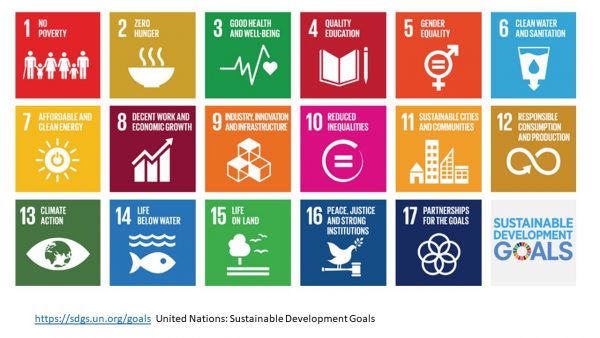
Technology
Over the 20th century technology has pushed forward in many fields. As there were huge investments needed the public campaigns to support new technology without much further reflection of potential consequences have pulled many western societies into risky technologies. Except the Club of Rome there were very few to question the naïve beliefs that technological change will make societies rich and potentially even more equal. The recent report “Climate Inequality Report 2023: Unequal Contributions to Climate Change” has debunked both of these claims. More flying across the planet, particularly short city hopping, has allowed few persons to reap the benefits of the jet-set world, but contributed to climate change in excessive quantities. This is a fact when we compare major world regions among each other as well as within each country. It has to be the wealthy countries that have to shoulder the biggest share of the costs. It has to be the wealthy that pay higher contributions for their pollution. Society has to reign in technology more than ever before. Moreover, we still have to get the income and pollution distribution organised in a better way. It is not only an implementation challenge, but the major question of the 21st century to repair the damage largely caused throughout the 20th century. 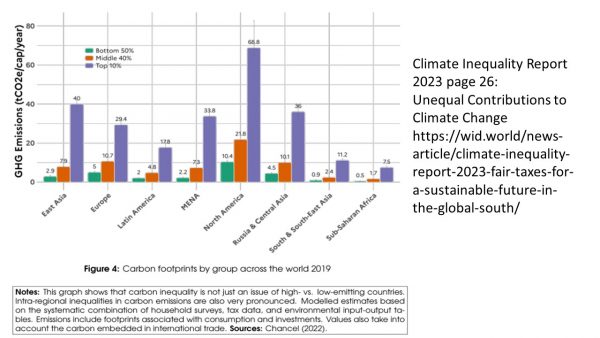
Construction
Construction as an industrial sector was growing strongly in the last decade. Corona crises, supply chain disruptions have slowed growth in the last two years, but the sector was still growing in terms of employment. The topic of skill and employee shortages hardened from year to year. In March 2023 the sector has more time to reflect on the somehow rapid, if not sometimes chaotic growth of the previous decade. The macro-economic scenario has changed now. Following on supply chain disruptions, we saw the high inflation rates of raw materials. The war of Russia against Ukraine caused energy prices to soar and eventually come down again. Latest worry is the increase in interest rates to finance construction projects of public, private and the business sector.
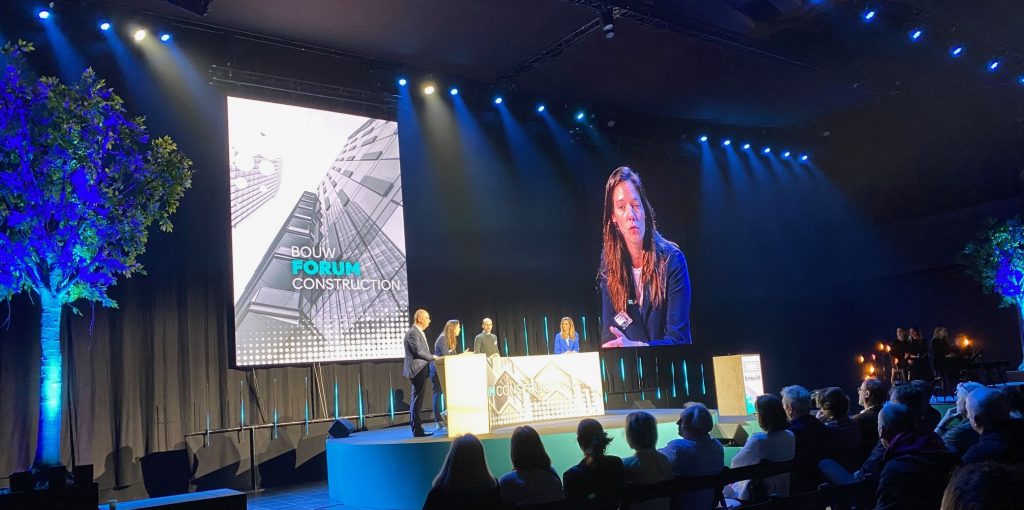
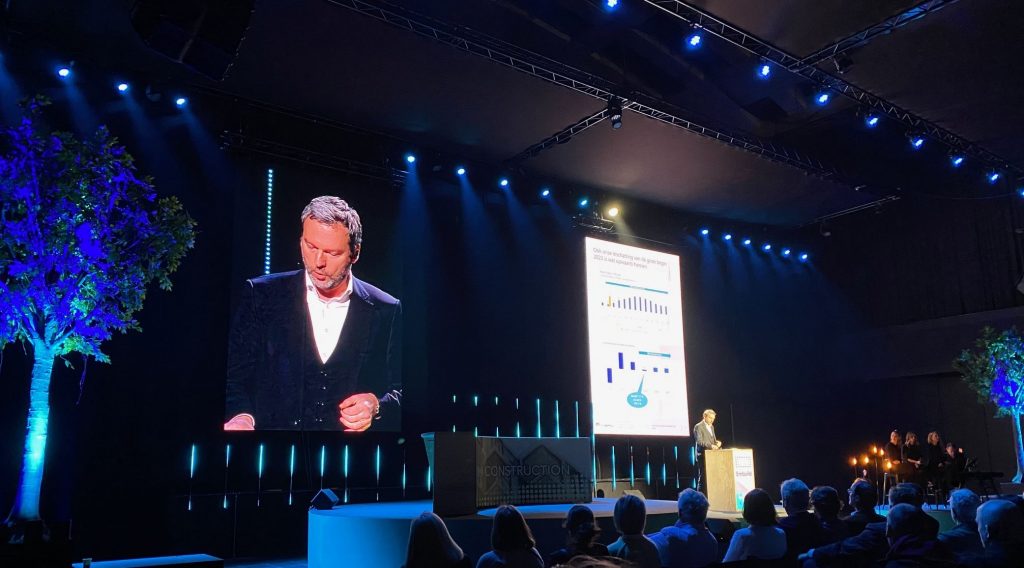
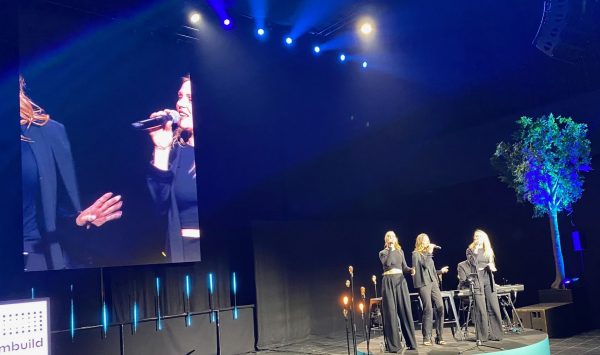
The whole sector is known for its economic role of forerunner of economic cycles, up or down. So, what are the prospects? Not so rosy, as the experts explain for example on the expert forum of the Belgian construction forum. The official from the Belgian National Bank announced a rather bleak outlook for the sector. New construction is stalling, but the renovation of buildings, especially for the purpose of reducing energy consumption is still strong and growing. Long-term reduction of emissions keeps the sector busy, thanks to the EU green deal in my opinion. The public, private and business investments in buildings all keep growth from turning negative. 2 big worries remain: (1) skill shortages and the lack of employees signalled in job openings in the sector is high and still rising; (2) the scarcity of women employed in the sector is still trailing most other sectors. Most companies have seen earnings grow over the last decade, sufficient time to build up reserves for the tougher quarters to come. Skill shortages and gender biases are harder to overcome. The Construction Forum in Brussels addressed both topics and tries to convince employers and the younger generation. Construction companies have to work on their male-dominated image was one of the take home messages Hélène de Troostemberg, the Director of Build Up pronounced.
It is not certainly not enough to have a woman as moderator of a panel and an all-female singers group accompanying the presentations. Women as architects, technicians and builders will make the sector even more attractive for the next generation of men as well. Aging of employees in the sector is another tough issue waiting for innovative solutions. Digitalisation of every step in the value chain is an additional necessary step. The leadership and trade unions in the sector are well aware of these facts. Maybe next year women engineers will pilot the robotics demonstration rather than being in charge of building a nice atmosphere with their songs. I must admit I liked the intro song to the Forum: “We build this city on rock ‘n role”, but I am less sure whether rock ‘n role will solve the gender and recruiting issue of the sector. However, naming and framing the problem(s) is already part of the solution.
History
Approaching history with a personal touch is a powerful way of attracting persons into learning about others and themselves. The use of some personal belongings as part of a “history box” can be the beginning of an historical journey into the 30s, 40s, 50s or any other decade. It is an empowering tool for learners of all ages. Digging deeper into personal histories, societal constellations and societal change becomes alive through tiny little things. Communicating about these artefacts blends old and new narratives, just as much as the life courses of the “common woman or man” with the celebrities of the time. “Getting personal” is the hype in the time when social media want to define our life though endless nudging. Reflecting on origins is not what we tend to do, PhotoAPPs create retrospects for us, take it, or leave it. History is catching up on us. The fashion world reinvents history on a seasonal basis. After all, a bag is a bag is a bag. Or is it different from the one a person took to Auschwitz.