
Waldbrände sind leider jenseits vom Süden Europas auch im Zentrum von Europa ein Bestandteil der täglichen Gefahren geworden. Vor 50 Jahren waren die seltenen heißen Sommer die große Gefahr. Seit einiger Zeit bemerken wir öfter heiße Sommerwochen, die die Wälder austrocknen und leicht entzündlich machen. Jetzt haben wir die noch frühere Sommersaison nicht nur im Süden, sondern auch im mittleren Europa. Neben den Bränden in der Lausitz in Deutschland, kämpfen Feuerwehrleute öfter in den französischen nördlicheren Waldregionen mit Bränden. Eine Nachricht, wie die zum Brand Anfang Juni im „Forêt Fontainebleau“, sollte uns klar machen, da brennt unserer europäisches ökologisches und kulturelles Erbe. Jeder hat die brennende Kathedrale „Notre Dame de Paris“ noch in Erinnerung. Da war Klimawandel nicht die Ursache. Bei den Waldbränden sieht das anders aus. Das Ergebnis ist das gleiche. Die Vernichtung unseres kulturellen Erbes schreitet voran ohne Prävention. Das ist eine zentrale Aufgabe. Nicht erst in der Zukunft. Prävention verlangt Handeln, Planen und Implementieren schon heute. Das ist ein riesiges Qualifizierungsprogramm nötig. Es umfasst die Sensibilisierung für die allgegenwärtigen Gefahren genauso, wie das Schulen allfälliger Einsätze von professionellen und freiwilligen Helfenden. Gefahr erkannt, heißt leider nicht schon Gefahr gebannt. Da gibt es viele Zwischenschritte, die geprobt sein wollen, damit ein effektiver Einsatz gelingen kann. Es bleibt viel zu tun, packen wir’s endlich an. (Artikel in La Marne 7.6.2023 S.6) 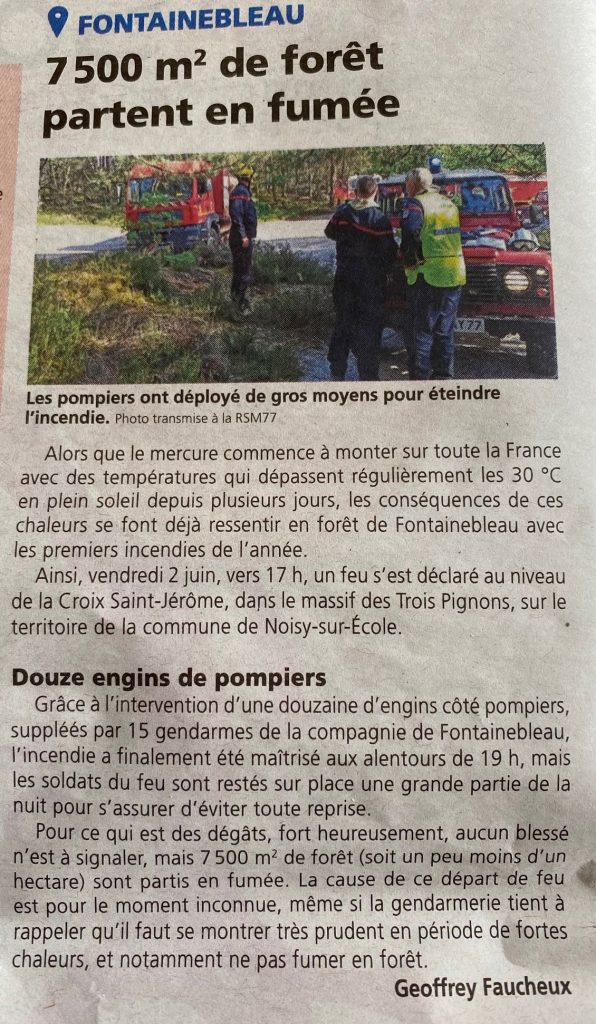
Corruption EP
Corruption is a severe crime. Not only in administrations, organisations and enterprises, but primarily in democracies it is discrediting political systems. Autocracies rely on corruption as a major tool to be able to persist over time. They are used to such practices. Democracies rely on meritocratic systems, where ideas, effort and winning elections should be the major ingredient of achieving higher positions in organisations, enterprises, political parties and democracies. This is not easy to ensure. The European parliament has a tough time to get rid of an enemy of the democratic Europe. Rather than stepping aside for the time of the legal procedure, Eva Kaili, accused, but not yet convicted of corruption is willing to destroy the European project as much as she can. If money can buy political decisions, the European project will no longer find wide-spread support. Big interests will always have a strategic advantage, however, the ethical principles on which democracies are found have to guard against corrupt misbehaviour. The same applies to the business world. Even low corruption countries like Sweden still face a risk of adverse effects of corruption like the negative impact on entrepreneurship on the local level. It is another context, but the same conclusion.
Additionally, it is part of the strategy of corrupt persons to portray themselves as victims of other persons’ wrong-doing. The major function of this strategy is to remind other persons in the corrupt network that the network has still some clout on its members as well as outside the inner circle. Hey, we are still alive and in powerful positions, they proclaim.
Therefore, the fight against corruption is a long and persistent one. Reducing the guards against early onsets usually is very lengthy to fight later on. Always a painful lesson for believers in democracy and the European project. (image Jacques Jordaens before 1678 “The King Drinks! Musées royaux des beaux arts, Brussels). 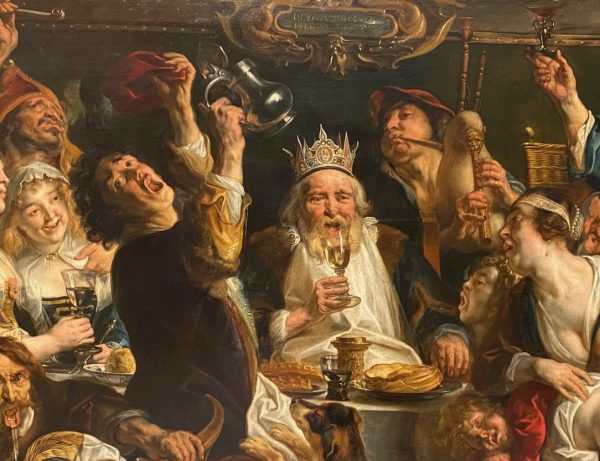
Eyes
So-called deep learning algorithms can assist us in lots of routine tasks. Their applications seem to be spreading more rapidly than we commonly believe. The recent paper published in “Lancet Digit Health 2023; 5: e257–64” shows the relevance for medical screening again. Beyond skin or breast cancer, digital images have for years or decades been subject to studies using deep learning algorithms to early detection of cancer and other diseases. Now Google has published an additional potential application of algorithmic learning that assists in diagnosing blood sugar levels among others. For diabetes scanning photographs of the external eye with professional equipment (Zeiss Cirrus Photo 600) was used in the study, but the outlook hints already at the potential for most recent smartphone cameras to also be able to capture images of even better resolutions.
Just like measuring our weight and muscles as a weekly routine on scales, we shall have a more scientific look at our selfies soon. Spotting early onsets of several diseases will become a normal feature.
Early adopters of the new technology and screening potential of the smartphones might live even longer. Reminders to adopt or keep a healthy life style will be all around us. In some cultures, it is deeply offensive to look straight into the eyes of another person. We always knew that our eyes might tell a lot about us. Beyond mental health, they tell a lot about physical health, too.
Artists have always told us fascinating stories about eyes or how and what they see with their eyes. Scientists confirm that there is a lot of information in the eyes. (Image extract from MAD Paris, Picasso, Schiaparelli). 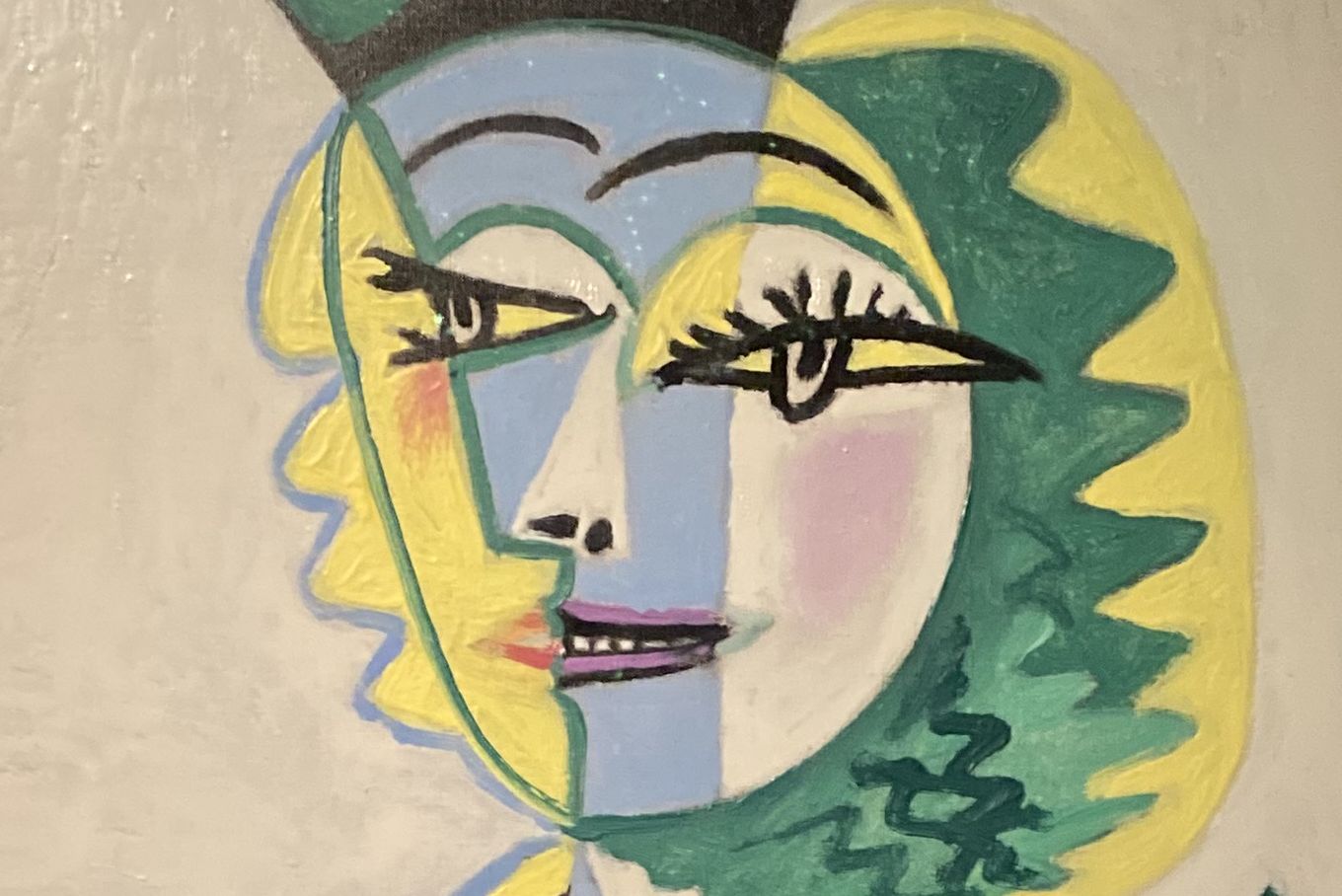
Fröhlich
Fröhliche Wissenschaft. Das geht. Nach gut 6 Monaten mit einem Blogeintrag pro Tag hat sich eine Textsammlung ergeben, die recht umfassend ausgefallen ist. Nach eigenem Monitoring der Themen, wie die Bearbeitung der UN-Themen zu strategischen Entwicklungszielen, oder der alphabetischen Auflistung von Schlüsselwörtern der Sozialwissenschaften sind nahezu täglich Kommentare entstanden. Neu war für mich die Bildredaktion, als Kommentar, Erläuterung, Selbstkritik oder wissenschaftliche Referenz. Eine interessante Variante, Erkenntnisse mit Key-Visuals zu unterstützen. Die bildliche Erinnerung an Beiträge ist ein eigenes Inhaltsverzeichnis. Klar, Hund- und Katzenbilder werden das Ranking der am meisten aufgerufenen Beiträge gewinnen. Egal, wir machen fröhliche Wissenschaft, immer weiter, immer heiter, so bleibt es lebenslanges, lebensweites Lernen. 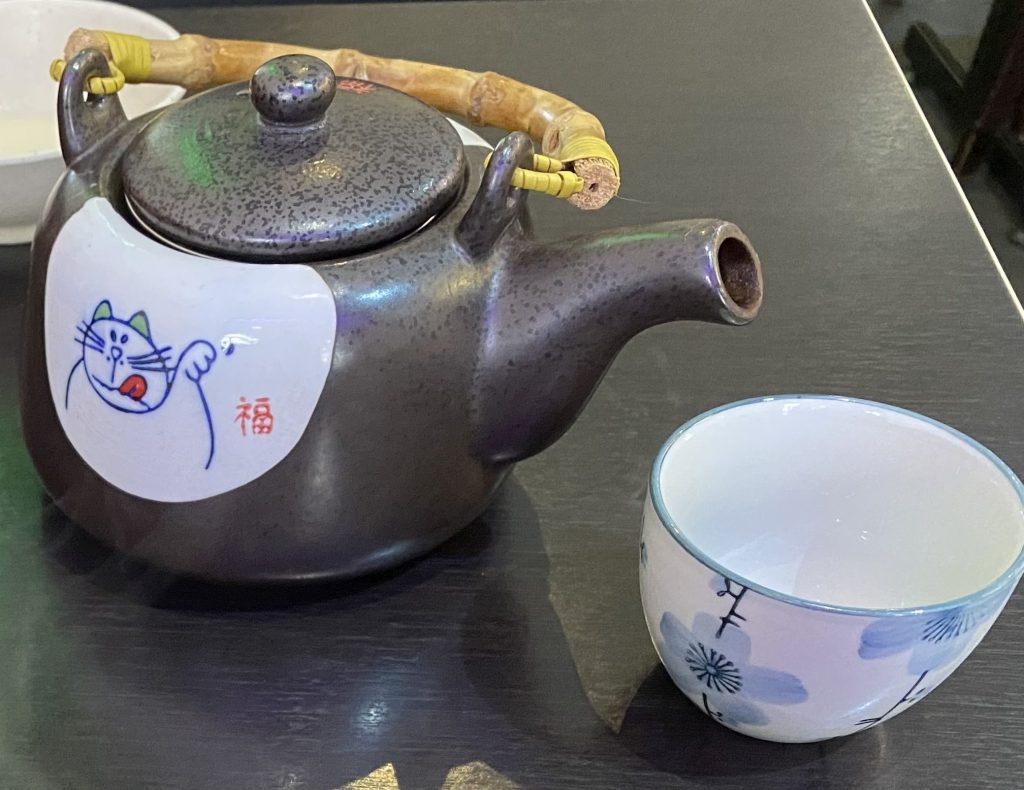
Gentrification
We teach about the process of gentrification and segregation in sociology in most of our courses. Consulting is also busy with telling policy makers, urban planners and architects about this fundamental social process. A mathematical description of the process has been provided by Schelling as well. A recent striking depiction of the process evolving over years in Brussels is produced by Karim Douieb (dataViz and Jetpack, image below! and more, THANKS). The data is from the Brussels institute of statistics and analysis. Policy-makers have a hard time to work against the well-known tendency: birds of the same feather, gather together. Humans do not seem to be much different, at least when it comes to large metropolitan cities. Only a small China town is missing in Brussels.
What is masked in the grouping by nationalities of residents, is the underlying mechanisms that drive this gentrification. Even previously mixed parts of the city might suffer a slow process of erosion due to educational, job, wealth, poverty and housing differentiation between people and Brussels communities. Falling behind in educational achievement, then higher unemployment leads to lower credit worthiness and residence in less comfortable housing. The Belgian and EU15 residents are much more likely to follow virtuous upward mobility. Hence the process of gentrification trickles down through subsequent generations. Start with learning and socialising of kids and adult learning to overcome the discriminatory process. Ethnic communities will also have to open up to interact with locals. Social progress is hard work for all. 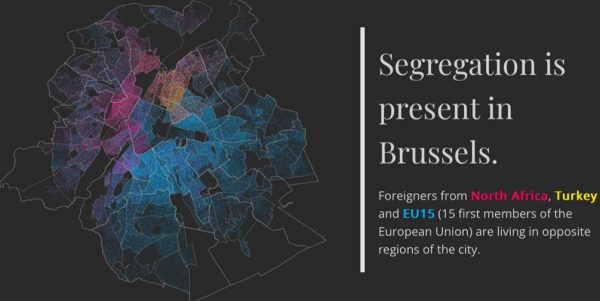
Archer
The Archer is a recurrent topic in art. We find lots of examples around in Berlin just as in front of the National Gallery. Historical references are manifold, too. The exhibition in the Martin-Gropius-Bau with works by Daniel Boyd adds temporarily 3 paintings. But wait, beyond this shared anthropological phenomenon across continents, this exhibition challenges our western, imperialist perspective on human existence.
Please take of your shoes, at first entry into the museum entry hall. Unsettling for most of us, we are continuously confronted with our narrow perspectives on perceptions. Poetics, philosophies, perceptions and cultures are all to easily classified and devalued.
This exhibition achieves to surpass our traditional western concept and empathy for land, room, light, air and water. Eurocentric narratives still dominate the world of art and art history. Daniel Boyd manages to unsettle this through his relentless effort to differentiate from this narrow perspective. Aiming for a difficult to accomplish solidarity across resistance movements, he highlights the common injustice “First Nation People” had to go through. These original inhabitants of continents claim their right to own languages, customs and spiritual or spatial perception. It remains a challenge to start to like the notion of opacity (Éduard Glissant) rather than our western aim for transparency, associated with the enlightenment philosophical tradition. The archers in Boyd’s work aim into the, maybe opaque water, maybe clouds, maybe into the twilight. It sometimes seems more like a ritual than a weapon. Family histories find their way into his works based on photographs of grandparents. The images are different from our conventional depictions of First Nation people, just to highlight the limitations of our western photographer’s eye and mind. 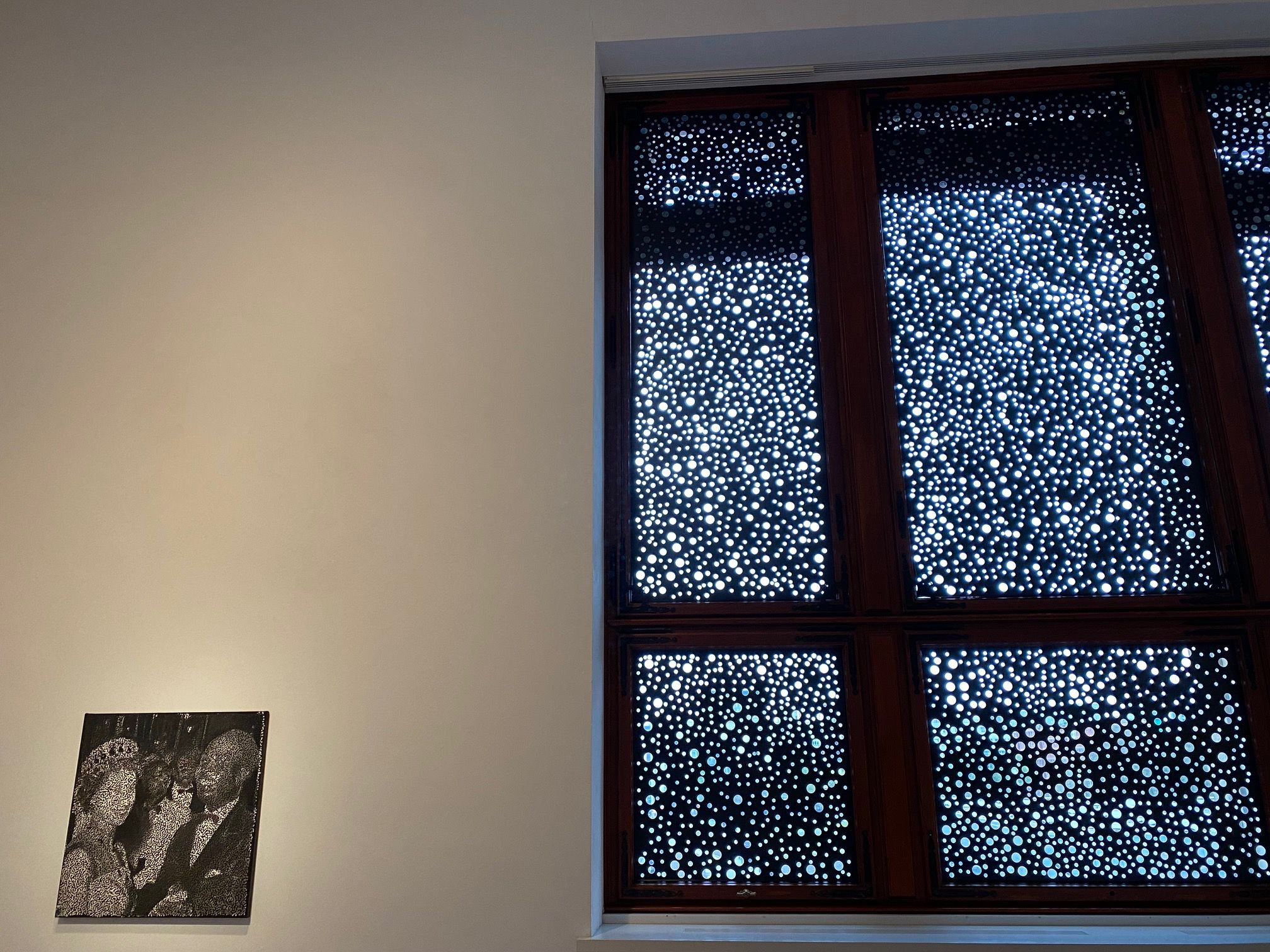
Aufarbeiten
Ganz anders als das Verb „reparieren“ lässt sich „aufarbeiten“ verstehen. Beide Verben beschreiben Prozesse, die schon mal einige Zeit dauern können. Manche dieser Prozesse haben eine scheinbar nicht enden wollende Persistenz. Anders als Autos und Maschinen allgemein, können wir Geschichte nicht reparieren, bestenfalls Versuche einer Entschädigung machen. Aufarbeiten von geschichtlichen Ereignissen, Kriegen, Menschenrechtsverletzungen und Unrecht kann viel schwieriger sein. Rechtsausübung von Unrecht, das in historisch gültige Gesetze gefasst ist, gilt als rechtspolitisch wenig angreifbar. Moralische Bedenken späterer Generationen, beispielsweise, sind wie der historische Gegenstand selbst, zu kontextualisieren.
Diese geschichtswissenschaftliche Herangehensweise an historisches Material hat seit einiger Zeit eine zusätzliche verlegerische Heimat gefunden. Der Kugelberg Verlag, Verlag für historische Sozialforschung verbindet einen biografischen Ansatz der Aufarbeitung von Geschichte mit einer organisationssoziologischen Perspektive der mittleren Führungsebene als Funktionselite. Zusammengenommen ergibt sich aus dieser Verbindung von Mikro- und Meso-ebene des Nationalsozialismus eine wichtige Ergänzung der Aufarbeitung der Schrecken und Verbrechen der Nationalsozialisten. Das Büchlein von Dr. Wolfgang Proske „Kleine Herrgötter! Die Kreisleiter der Nazis in Bayern“ ist bereits in der 5. Auflage im Kugelbergverlag erschienen. Die sorgfältig recherchierten Beiträge bauen auf den Arbeiten zu den umfangreicheren 20! Bänden „Täter, Helfer, Trittbrettfahrer – NS-Belastete“ in Bayern und Baden-Württemberg auf. Die bereits mehr als 250 AutorInnen, versammelt in diesen Bänden zu den biografischen Recherchen, vereint ein einmaliges, zu Recht mehrfach prämiertes Aufarbeitungsprojekt von lokalen Geschichtsinteressierten und -werkstätten.
Die Multiplikatoreneffekte solcher „Citizen Science“-Projekte unterstreicht die Bedeutung von „bottom-up“ Vorgehensweisen. Erst die Zusammenarbeit von diesen vielen AutorInnen ermöglicht die Zusammenschau und genügend tiefe Einblicke in den Aufbau und die Funktionsweise der menschenverachtenden NS-Maschinerie. Geschicktes Infiltrieren von allen möglichen Machtpositionen in früher Zeit schnürte das Netz des Terrors immer dichter. Daraus ergibt sich eine immens wichtige Lektion für das Überleben von Demokratien: Wehret den Anfängen! Keine Freiheit und Machtpositionen den Feinden der Freiheit! 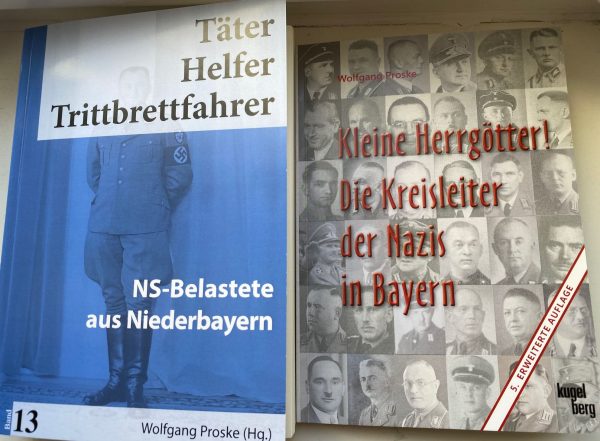
Crises
Crises, yes crises, we have seen a few in recent years. After the first financial crisis, 2009, the COVID-19 crisis and now the energy crisis, , they all have cost us respectively 1.6%, 2.5% and lately a whopping 7.8% of GDP loss according to Tom Krebs (Uni Mannheim and FNE) in his assessment of lessons from these crises. Also Philip Lane (ECB) showed the lower GDP growth rates due to the crises.
We lost out on the wealth of our nations and face mounting difficulties for the distribution of this wealth. As firms cashed in on profit margins lately, workers risk even more to fall behind significantly. At the same time, it is high time to prepare for the next winter season now, to ensure the same risks as the dependency on energy resources from outside Europe, especially Russia, can be maintained. The conference of the Forum New Economy from the 8th of May 2023 discussed several ways forward to learn our lessons from these crises. Strategic independence needs to be properly defined for Europe as a whole, not just in each individual state. Implementation has to be rapid as well. Geopolitical challenges will not wait for us to finish discussions. Germany and minister Robert Habeck has received some acclaim from the economists for a fast and rather successful reaction to safe us from an energy crisis last winter. Massive increases in renewables (+20% solar energy) has helped a lot to ensure sufficent energy supply when France suffered heavy reductions from its nuclear energy power plants. “Let the sun shine … in”, I would sing. However, we have to think even further ahead build our resilience based on improved energy efficiency and may rethink the risks and vulnerabilities of our economic model of production and consumption. Diversifying imports from Russia with imports from other countries and other (green) forms energy is part of the solution. A heavy reliance on China as buyer of our products is good for trade balance, but some sectors (automotive) are nowadays critically dependent on selling in China. Some of our partners are very anxious about this new dependency on Asia for our economic growth model (see figure below from conference). Market based economies suffer more openly from huge economic swings than more secret-based autocratic economies. Our state agencies have to keep that in mind and state intervention seems to become more likely options in future as we have already witnessed in the past crises. We had to rely on running higher state deficits to cover the losses incurred from the crises. The EU, the larger Europe in combination with the transatlantic and pacific alliances has a lot of resources to address these strategic interdependencies. Being prepared, in strategic thinking and potential implementation procedures is a major part of building capacities that ensure resilience and strategic independence. As in a game of chess, you have to think ahead a couple of steps to frighten off some potentially dangerous moves of other players.
In terms of a planetary concern we still have to address the major climate crisis and the last 3 crises have largely contributed to reduce the resources we have available to address climate change. Smart crisis management succeded to ask for emission reductions in return for subsidies from firms and private households. This might be the “best practice examples” worthy to learn from. There are still huge evaluation tasks for analysts of these crises. 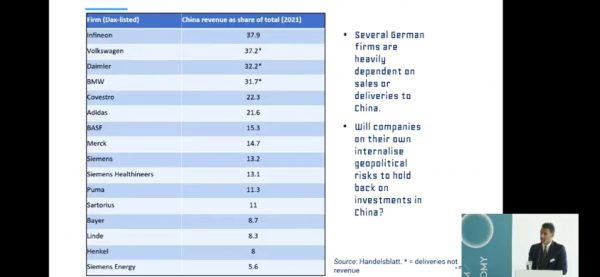
Flaneur
Der bürgerliche Flaneur wird kritisch hinterfragt und erweitert erörtert im Festival DRiFT in Berlin. Das passt doch gut zu dem nötigen WALK und WALKING, welches uns schon alleine aus gesundheitlichen Aspekten von Nöten ist. Die subversive Form als kollektives Wandern, gefährlicher historisch waren die Märsche auf Rom von Mussolini, friedlicher Gandhi, aber beeindruckend erfolgreich. Ostermärche kennen wir noch als Beispiel dieser kollektiven Form des gemeinsamen Gehens und Erkundens, oder doch Beeinflussung oder gar Eroberung.
Die Idee ist alt, die Ansätze in unserer Zeit bleiben eine Herausforderung. Protestmärsche kennen viele Organisationen gerade aus den nicht-regierungs Organisationen (NGOs) und den Gewerkschaften. Präsenz zeigen und seine Meinung äußern, wenn sie nicht genügend Gehör oder Widerhall findet, gehört zum demokratischen Kanon. Eine entsprechende Wiederbelebung und Stadtteilerkundung als “Psycho-geografie” hat historische Wurzeln in Paris und Frankreich. Räumliches Vorstellungsvermögen und Orientierung ist eine Qualifikation, die messbar ist. Eine Stadt erlaufen bildet eine kognitive Landkarte der Straßen und Umgebung. Mal schwer, mal einfach, aber fast immer irgendwie anders. 
Priming
Nicht nur PsychologInnen müssen über den „Priming Effekt“ Bescheid wissen. Ein vorhergehendes Wort, Bild oder eine kurze Geschichte oder eben ein Blog-eintrag können in der Erinnerung Assoziationen hervorrufen, die das Verständnis oder die Einordnung der neu hinzukommenden Information (Wort oder Bild etc. ) wesentlich beeinflussen.
Bei dem Blog-eintrag zu „Barbie“ kann das relativ einfach nachvollzogen werden. Mit einem Bezug auf die Zeit des Nationalsozialismus, über Täter und Opfer sowie Strafverfolgung und Gerichtsbarkeit als Vorgeschichte oder Vorlektüre wird bei dem Wort „Barbie“ schnell die Assoziation Klaus Barbie in Erinnerung gerufen.
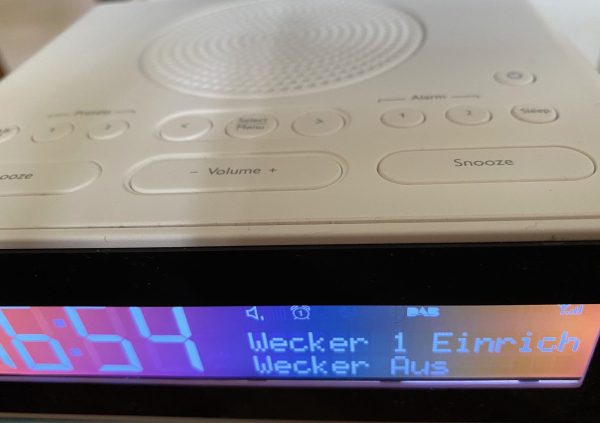
Ein anderes Priming im Kontext von Geschichten zu Geschlechterrollen, Kinderspielzeug, Kleider anziehen, Schönheitsideale sowie Mode erzeugen mit dem nachfolgenden Wort „Barbie“ unmittelbar Assoziationen mit dem Konsumartikel der Barbie als weiblicher Spielfigur bei den meisten Personen. Unser Gedächtnis oder vorherige Informationen lassen uns nicht mehr unabhängig oder unvorbereitet neue Information aufnehmen. Dieser psychologische Effekt auf unsere Meinungs- und Informationsfreiheit kann rhetorisch oder strategisch zum Beispiel in Zeitungen genutzt werden. Wird Ökologie im Politikteil, Wirtschaftsteil oder dem Wissenschaftsteil einer Zeitung aufgeführt, wird bereits eine vorher bestimmte Erwartungshaltung der Lesenden erzeugt, der dann einfach entsprochen wird. Die transdisziplinäre Natur des Begriffs geht dabei schon weitestgehend verloren. Priming ist überall, das fängt wohl schon mit dem Wecker morgens an. Wie gut, dass die Snooze-Taste schon erfunden wurde. Zumindest kurz können wir uns der Illusion hingeben, noch für eine kurze Weile, dem allgegenwärtigen, alltäglichen Priming zu entkommen.