
“Was für Aussichten würden wir bekommen, wenn wir unser Kapital von Wahrheiten einmal von demjenigen entblößen könnten, was ihnen nicht sowohl wesentlich ist, als vielmehr aus der öfteren Wiederholung zuwächst.“ (Lichtenberg S. 50). Die Wiederholung ist eine starke Lernmethode. Sie wird seit Jahrtausenden erfolgreich eingesetzt. Alle Religionen bedienen sich am liebsten täglich dieser Methode, um sich der Treue der Anbetenden zu vergewissern. Der Glaube im Glauben ist: Oft genug wiederholt ist gut verinnerlicht. Dabei bleibt ein Glaube ein Glaube, selbst bei ständiger Wiederholung. Lediglich so manchem Mensch erscheint durch regelmäßiges Wiederholen die Botschaft als verinnerlichte Selbstverständlichkeit. Wahrscheinlich ist es beruhigender, sich nicht täglich zu fragen, ob das 1x,2x,3x mal tägliche Einmassieren von Chemikalien auf Zähne und Zahnfleisch wirklich nachhaltig gesundheitsfördernd ist. Alleine dem Markt wollen wir das Thema nun auch nicht überantworten. Warten wir weiterhin auf die nächste entblößende, hoffentlich wirklich unabhängige, wissenschaftliche Studie dazu. Mit den Pestiziden in der Ernährung hat das bekanntlich nur sehr bedingt funktioniert. Wie schön, dass alle Jahre wieder Frühling kommt und die finsteren Tage hinter uns lässt. Wiederholungen lassen Routinen entstehen, die uns das ständige Hinterfragen ersparen. Rasch gehen wir über Fragen von Kindern hinweg: Muss ich heute in die Schule gehen? Dabei ist Hinterfragen von Wiederholungen ein wichtiges Lernen, dem Mitläufertum entgegen zu wirken. 
Aphorismen L2
“Man soll öfters dasjenige untersuchen, was von den Menschen meist vergessen wird, wo sie nicht hinsehen und was so sehr als bekannt angenommen wird, dass es keiner Untersuchung mehr wert geachtet wird.“ (Lichtenberg S. 50). Eine eindrückliche Warnung sich nicht nur den großen Wellen und Wogen der Öffentlichkeit oder der Wissenschaften hinzugeben. Wo viele nicht hinschauen oder bewusst wegsehen, da gibt es meist einiges zu ergründen. Die Soziologie der kleinen Dinge, der Alltagsgegenstände bringt faszinierende Erkenntnisse hervor. Nehmen wir nur einmal die Bekleidung beim Kochen. Von der Kittelschürze zum gestylten Outfit für die Kochshow zum Gesellschafts-cooking“ haben sich Kleidungsstücke und Berufe in ihrer Funktionalität gewandelt. Dem Anlass entsprechend wird sich gekleidet. Kochen ist von den Hinterzimmern mancherorts ins Zentrum der Gesellschaft mutiert. Wertschätzung von Handwerk und delikate Zubereitung sollten Rekrutierung erleichtern. Bleibt nur noch die Arbeit drumherum. Einkaufen, Einräumen, Einweichen, Abtrocknen, Aufräumen. Die Arbeit geht uns nicht aus, sie verändert sich nur. Wertschätzung der kleinen Aktivitäten, desjenigen, „was von den Menschen meist vergessen wird, wo sie nicht hinsehen“ kann so aufschlussreich sein. Hinschauen und Verstehen lernen bleibt angesagt. Lichtenberg weiter: „Man frage sich selbst, ob man sich die kleinsten Sachen erklären kann; dieses ist das einzige Mittel, sich ein rechtes System zu formieren, seine Kräfte zu erforschen und seine Lektüre sich nützlich zu machen.“ Aphorismen können ein ganzes Forschungsprogramm auf den Punkt bringen und so die kleinsten Beiträge noch als nützlich erweisen. (Foto: Schreibatelier von George Sand in Nohant). 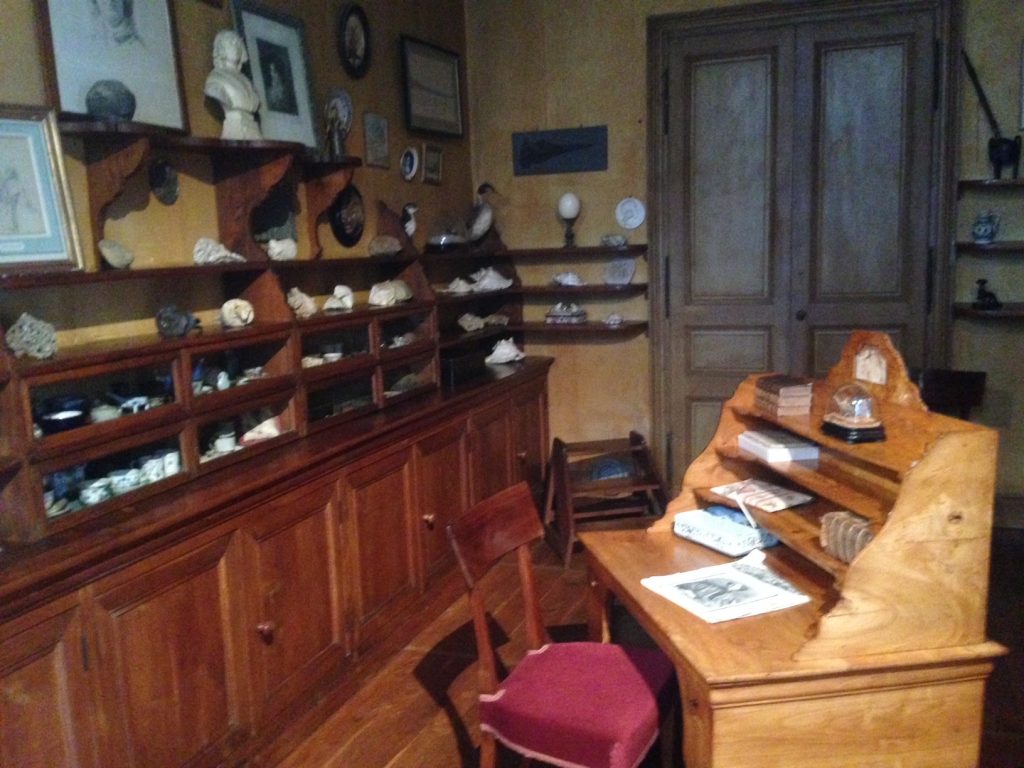
Narrative economics
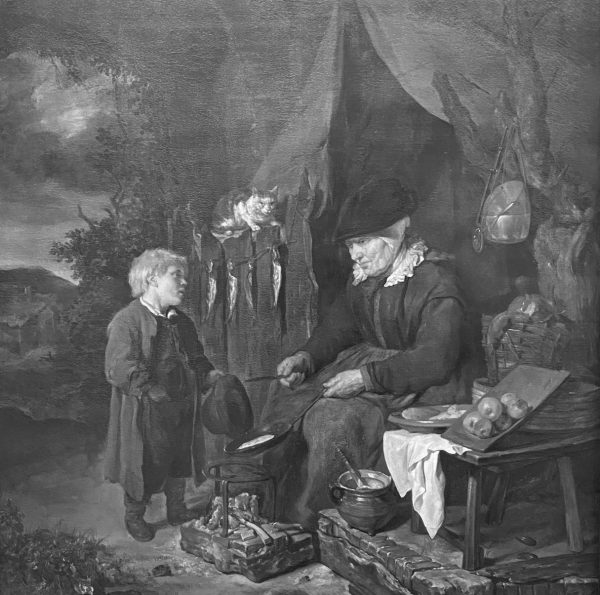
Narratives have been with us as long as mankind exists. They just take different forms and content nowadays. Whereby narratives have first spread orally, then much later through written words, images and movies, they are forceful ways of communicating. Robert Shiller wrote a good story about narratives related to the field of economics. Referring to the writing of the polymath David Hume (1742), main proponent with Adam Smith of the Scottish enlightenment, contagion like in pandemics is mentioned for the first time to explain that “the multitude will certainly be seized by the common affection and be governed by it in all their actions”. (Shiller 2019, p. 58). In order to understand narratives going viral Shiller mentions the importance for narratives to be embedded in “narrative constellations”. Holding truth against spreading false narratives might not be enough in itself. Strong, catching narratives seem to bypass or override even truthful information. Additionally, narratives never die, but rather offer opportunities for repetition. On content of economic narratives Shiller exemplifies stock market panic, consumerism, financial stability, automation and AI fears, speculation bubbles, evil business and labour unions. Topics like lazy unemployed persons, too early entry into retirement, too late entry into the labour market for youth, women or migrants, all have endured stigmatising narratives across time and/or across countries. With emotional and powerful economic narratives all around us, trust and authenticity become a very important meta-currency. The instantly printing camera now serves as proof. Beware of the scenery, actors and action chosen. Medieval painter Gabriel Metsu (1629-1667 Leiden-Amsterdam) had chosen the economic narrative of the “women baking pan cakes and the child as beggar”. Ending up in a museum instead of the White House is probably the opposite of going viral. The same Photo in black and white might have more of a trustworthy documentary character than the suggestive colours. 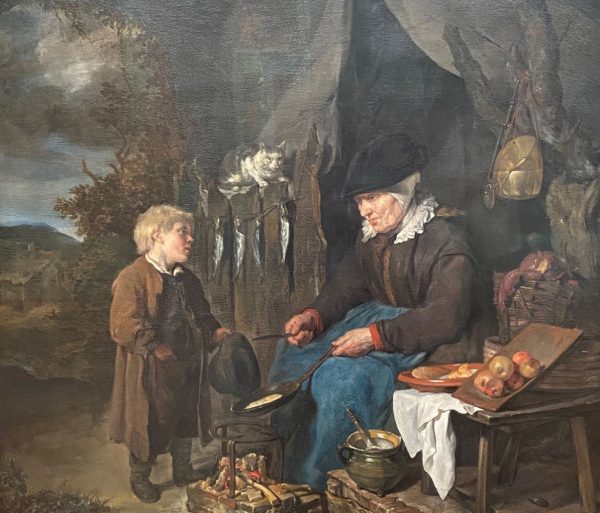
Economic Narratives
Joseph Stiglitz (2003) provided a detailed description and interpretation of the economic history of the 1990s in his book on the roaring nineties. As a member of the Clinton Administration serving as a Chairman of the Council of economic advisers, he had first hand access to the information, debates about interpretations and conclusions drawn during the period. In the preface (2003, p.XII) he provides some of the lessons this work has provided him. “Today, the challenge is to get the balance right, between the state and the market, between collective action at the local, national, and global levels, and between government and non-governmental action. As economic circumstances change, the balance has to be redrawn. Government needs to take on new activities, and shed old ones. We have entered into an era of globalization in which the countries and peoples of the world are more closely integrated than ever before. But globalization itself means that we have to change that balance: we need more collective action at the international level, and we cannot escape issues of democracy and social justice in the global arena.” The surprising approach by Stiglitz, as a winner of the Sveriges Riksbank Prize, to present no data in tables or figures demonstrates the need for telling convincing stories beyond throwing images and shuffled data at your audience. However, this is probably only feasible once you won a quasi-Nobel prize to not lose credibility among economists. Nevertheless, the issue is larger. Stiglitz manages to address the much larger audience of non-economists who construct or constructed their own “collective memory” of the legacy of the nineties as the “global 90s”.
The narrative of the 1990s grossly neglected the value of the biosphere. Asymmetric information (his shared prize winning issue) was and is still used in the market of natural resources to keep polluting the planet and push ahead with careless deforestation. The Exxon case is just one piece in the puzzle of asymmetric information and misinformation. Misguiding economic narratives play a powerful role. Maybe we need to write more about the “roaring failures” of economics and public policies across several decades in the 20th century. (red dots = forests lost on our planet A early 2000s, and there is no planet B) 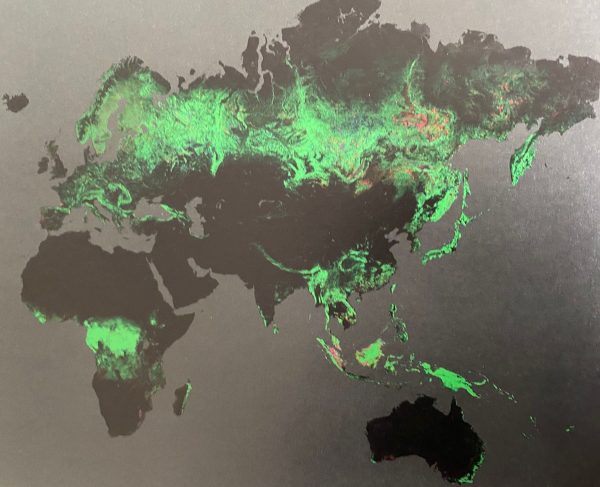
Sax and the Sax
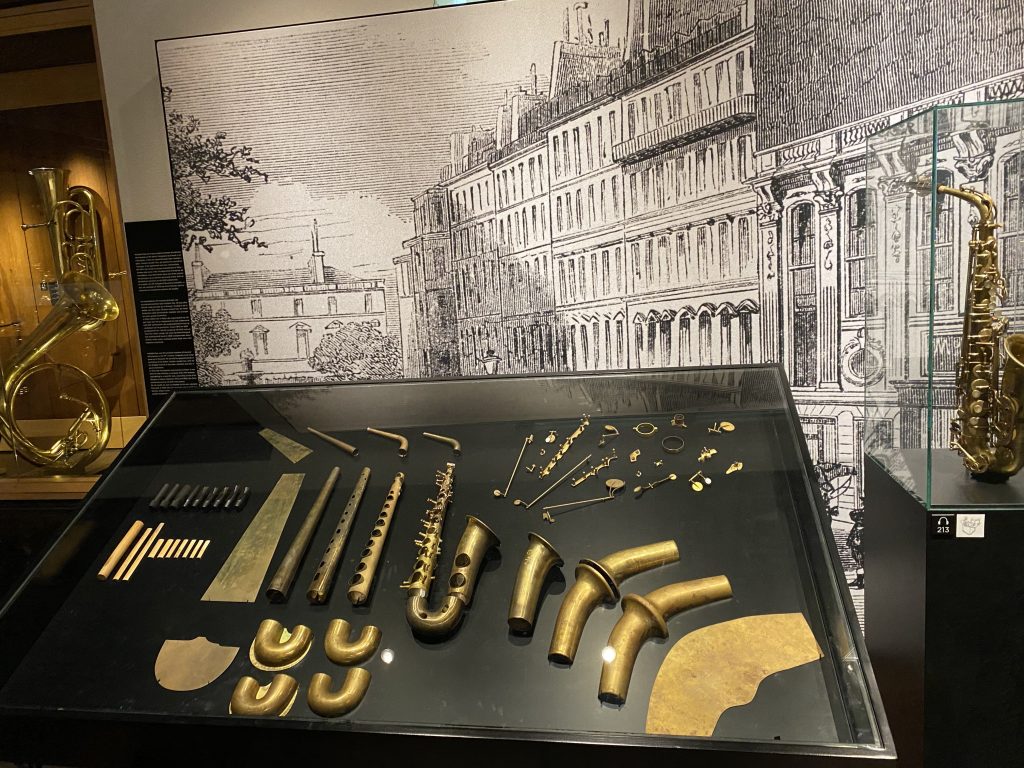
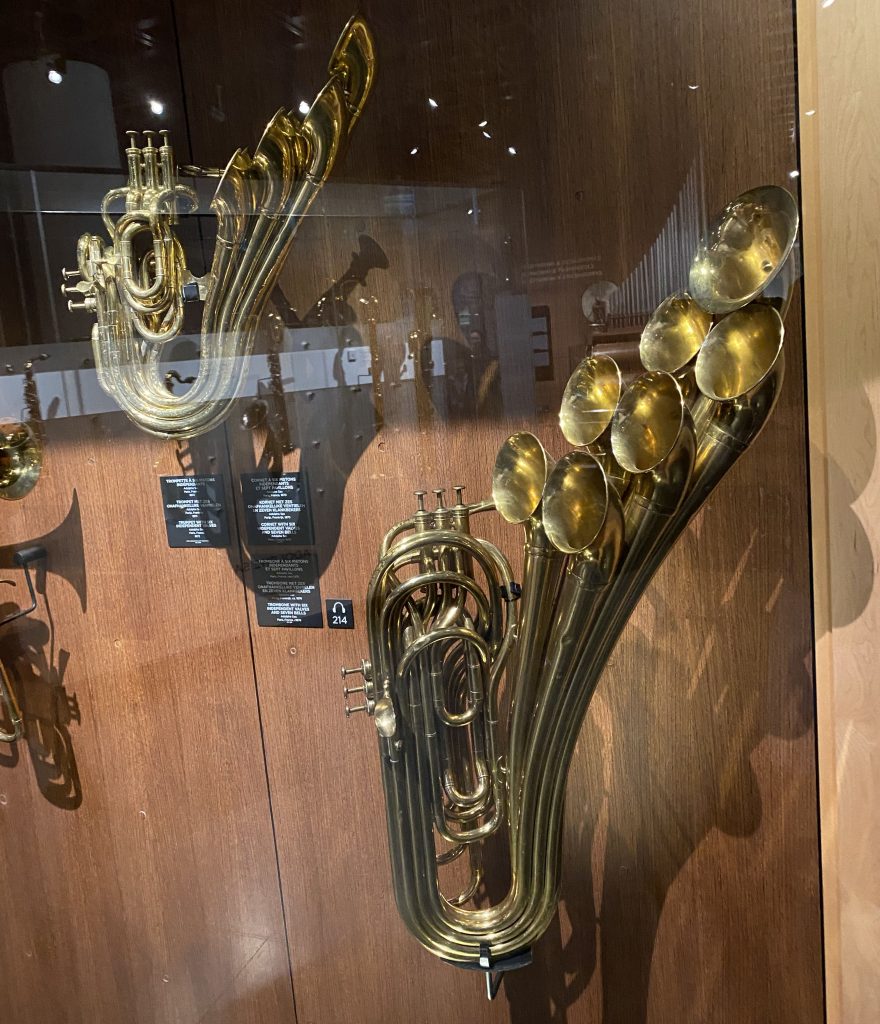
Adolphe Sax is celebrated for his celebrated design of musical instruments in what it known and played as the Sax family of musical instruments. Most museums around the world have an example of an early Sax instrument in their collections. Beyond the many fascinating musical delights and emotions produced with the instrument, there is a century-old debate around the issue of the patent attributed to the various designs claimed by Adolphe Sax for the Saxophone among others. The patent attribution was hugely different across Europe in the 19th century (largely inexistant in other parts of the world at the time). The reason for this were differing laws guiding intellectual property rights. “In France no preliminary examination was necessary before a patent could be granted; in Germany examination was obligatory; and … British patent laws, which allowed makers to register designs or apply for patents for developments that had been copied from abroad (imported inventions), as long as they had not been published in Britain.” (Mitroulia and Myers, 2008 p.93). There is a well-documented controversy about the “Berlin valves” and the contested patent in France of it. Design of instruments, particularly popular ones, guarantee sizable earnings for producers of instruments. After 20 years of the 1846 patent in France 1866 the patent expired and the copies could become even cheaper. Some ugly disputes in the middle of Europe were fought around this issue. Remember that military music was still accompanying troops for better or worse. “Visionary or plagiarist? The authors are unable to give a simple verdict. … The fact that Sax claimed originality for some borrowed ideas seems in retrospect less important than the true vision shown.” (Mitroulia and Myers, 2008 p.135). We might not agree with this statement. The visit to the MIM in Brussels gives a good overview of the evolution of musical instruments over thousands of years and across continents, which pushes us to rethink the link of society and technology through the lens of music and technology. Welcome to techno music beyond patent laws. Pushing the boundaries of copyrights on sound sequences to new limits.
(Sources: MIM Brussels, Rice A. R. (2009). Making and improving the nineteenth-century saxophone. Journal of the American Musical Instrument Society. 35:81-122. Mitroulia, E., A. Myers. (2008). Adolphe Sax: Visionary or plagiarist? Historic Brass Society journal, 20, 93-141).
Flotow Singelée
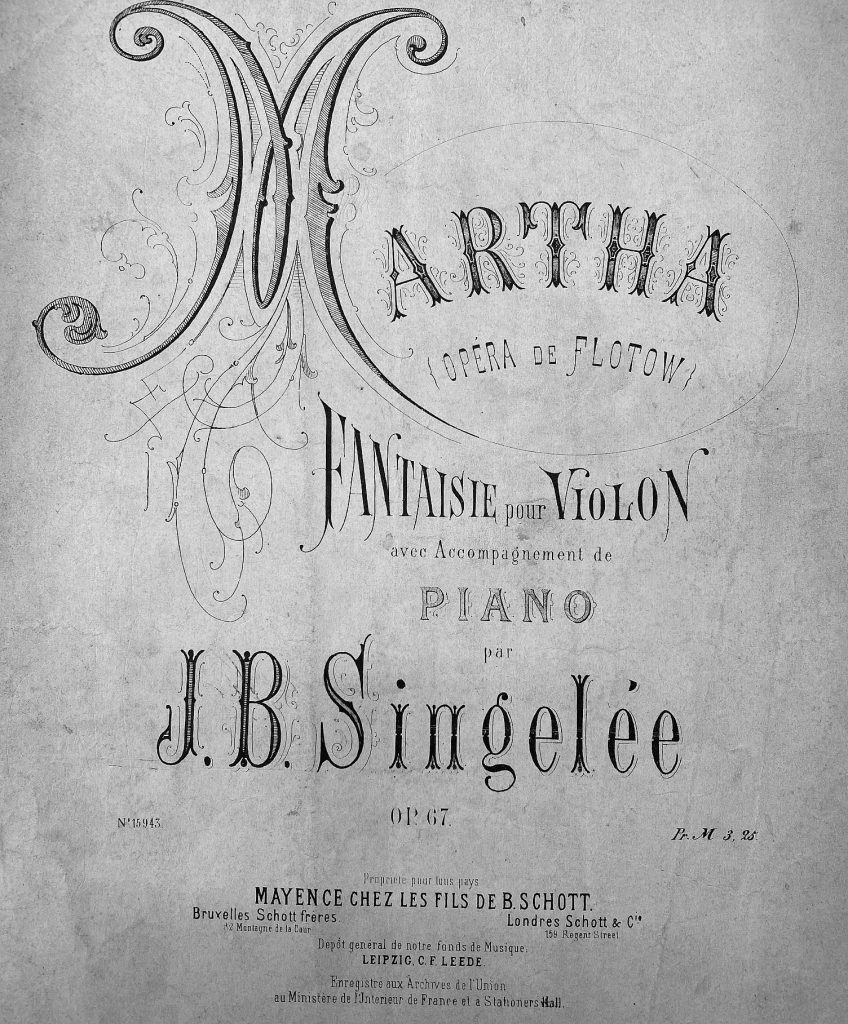
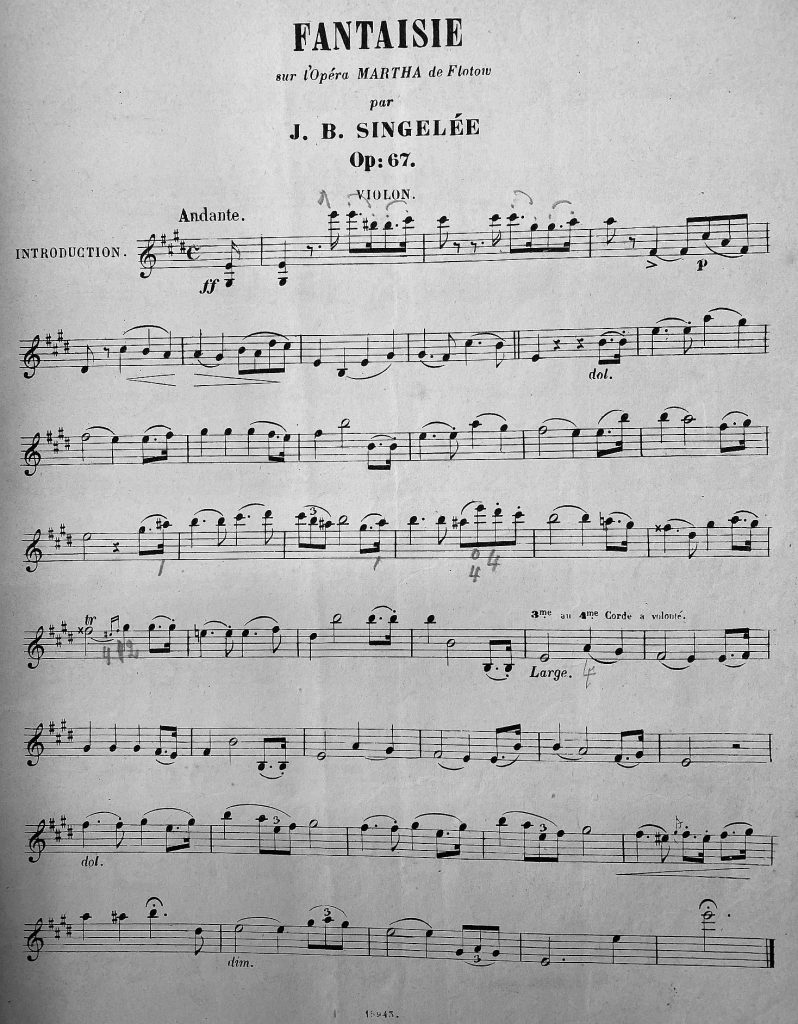
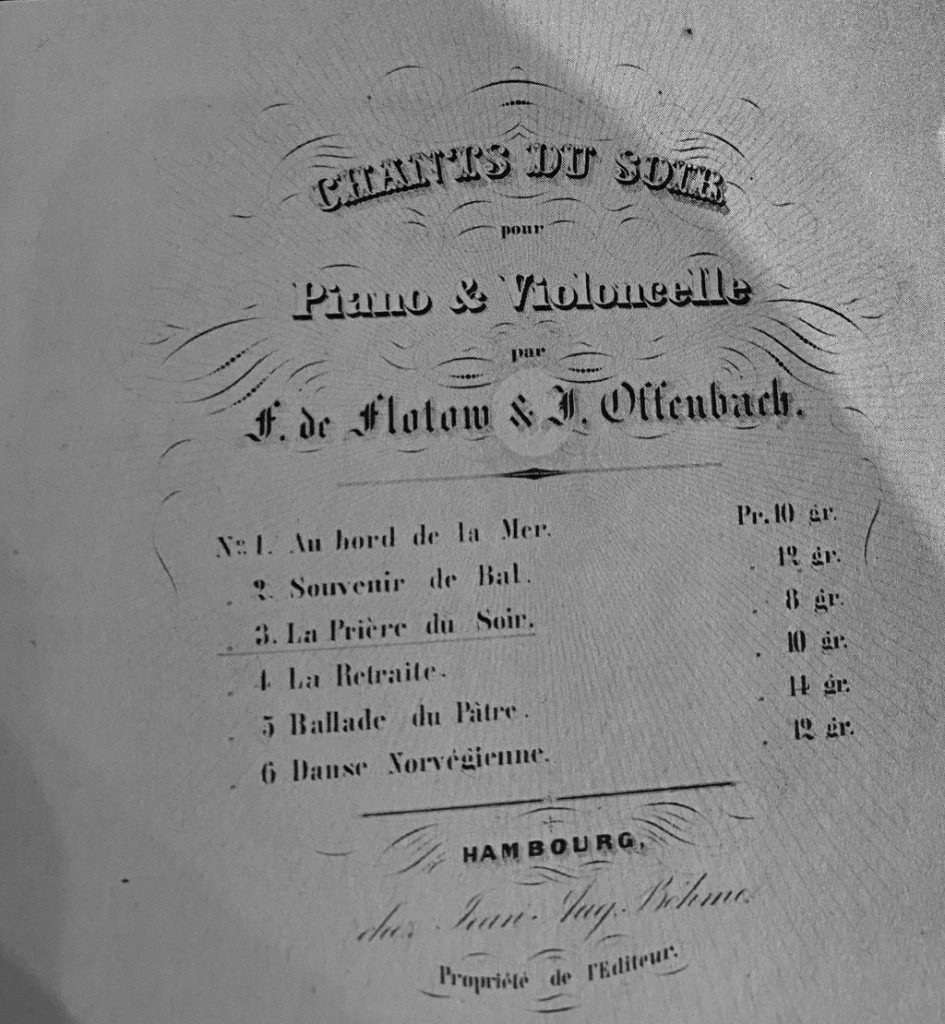
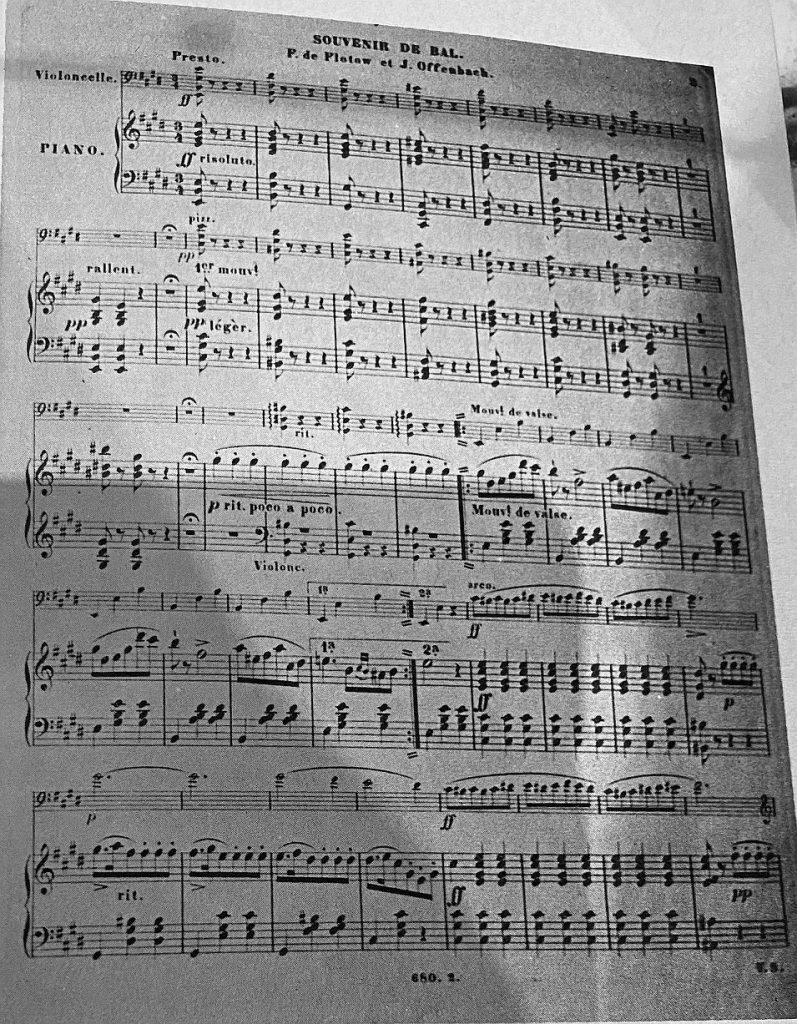
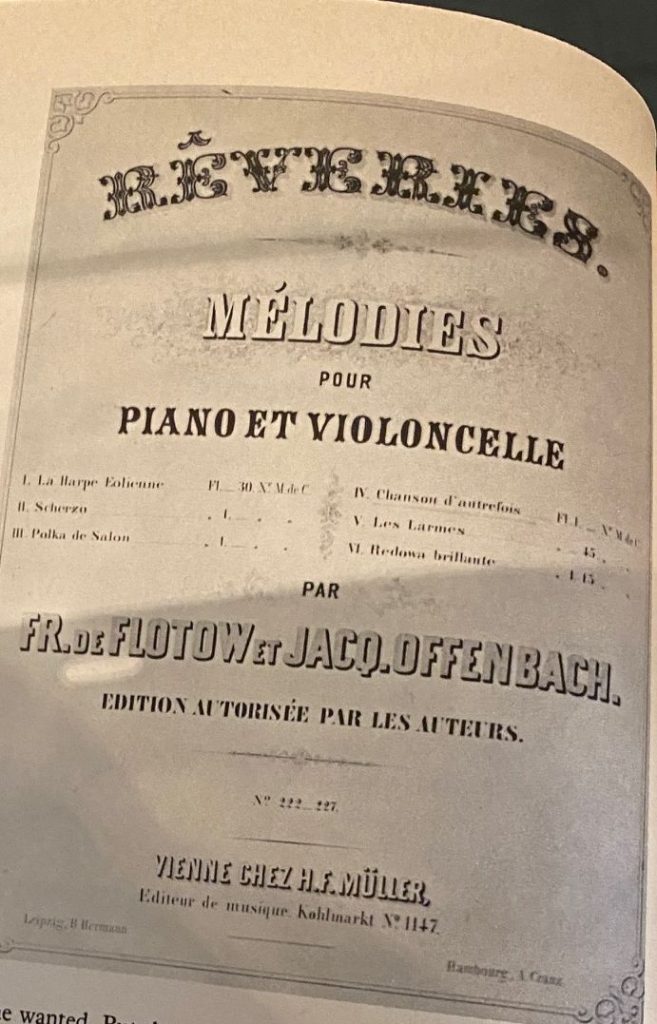
Frédéric de Flotow hatte sicherlich in Jean-Baptiste Singelée einen Fan. 2 seiner frühen Opern, Stradella und Martha, wurden mit Fantasien für Violine und Klavier von Singelée neu arrangiert. Der Geiger, Dirigent und Komponist Jean-Baptiste Singelée, geboren 1812 in Brüssel (damals noch zugehörig zu Frankreich) ist in Ostende 1875 verstorben. Eine spätere Würdigung im Kursaal in Ostende mit einem Konzert verdeutlicht die Wertschätzung über sein Wirken als Konzertmeister und Dirigent hinaus u.a. in Brüssel. Sein kompositorisches Werk ist beachtlich, auch wenn seine einzige Oper vielleicht nicht so viel Nachhaltigkeit erreicht hat, trotz des einprägsamen Titels: „Les dentelles de Bruxelles“. Uns interessieren hier seine Fantasien basierend auf Themen von Flotow, die als Drucke erhalten geblieben sind und in der „public domain“ einsehbar sind. Interessant ist auch die gemeinsame Zeit am „Conservatoire Royale de Musique à Bruxelles“ mit Alphonse Sax, der später die Patente auf die Instrumentenfamilie der Saxophone erlangte. Klassische Musik populär machen, war schon ein frühes Bestreben vieler Komponierenden und Musikschaffenden. Ganz nach dem Motto: „Ich mag keine Klassik, aber das gefällt mir“ werden so Personen erreicht, die sich ansonsten für ganz andere Musik und Rhythmen interessieren. Da hat der Fritz oder Frédéric de Flotow vielleicht noch mehr Chancen in der Unterhaltungsmusik. Mit Jacques Offenbach verband ihn eine Freundschaft, die “Co-creation” hervorgebracht hat. Beide verdienten sich wohl etwas Geld für den Lebensunterhalt in Paris in jungen Jahren.
Double bind
Knowledge and knowhow are a pair of notions that have strong links between each other. It is a challenge to see 2 knowledge systems, knowledges, to co-exist sometimes for a very long time. Medicine is a good example. The traditional Chinese medicine continues to exist in parallel to the western style science based medicine. It remains a challenge to analyse the effectiveness, efficiency and equality each system can provide. In terms of public health the border between knowledge and knowhow becomes more blurred. The knowledge about diseases needs to be transferred into knowhow of how to prevent the disease to the population at large. This is a steep challenge as the persistence of alcohol abuse, smoking habits and other drugs abuses show on a global scale. Knowledge alone on the negative consequences is far from enough to prevent abuse. The thin and blurred line between use and abuse of pharmaceutical products equally challenges our traditional views on knowledge and knowhow. In a knowledge graph knowledge would figure, for example, in the core and knowhow as a satellite on the periphery. However, despite the strong link between these 2 notions, knowhow has a lot of additional links to topics like health or yin and yang. Knowhow has a basic link also to notions like memory (techniques) or even war (equipment). The more abstract notion of knowledge, “le savoir”, has been seen for a long time superior to the less abstract notion of knowhow, “savoir faire”. Polymaths have been identified for touching on several fields of knowledge with little concern for the practical side of things, despite the fact that Leonardo da Vinci combined many fields of science of his time to improve technology of his time including visions for the future. The double bind link exists in the recursive element of a link between 2 notions. Rather than denying its existence we have a lot to do to incorporate the more complicated links into our scientific knowledge and the more practical knowhow. 
Flotow Potpourri
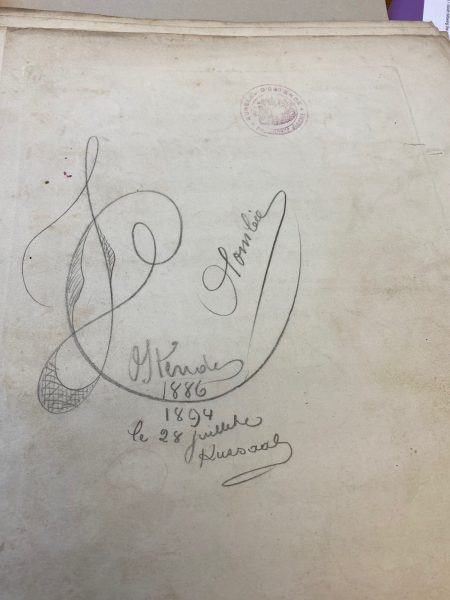
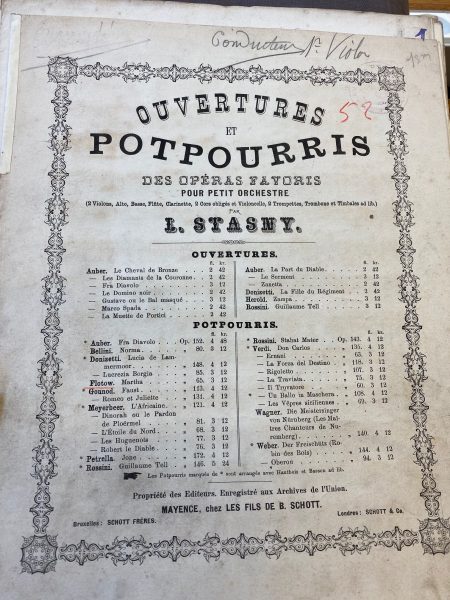
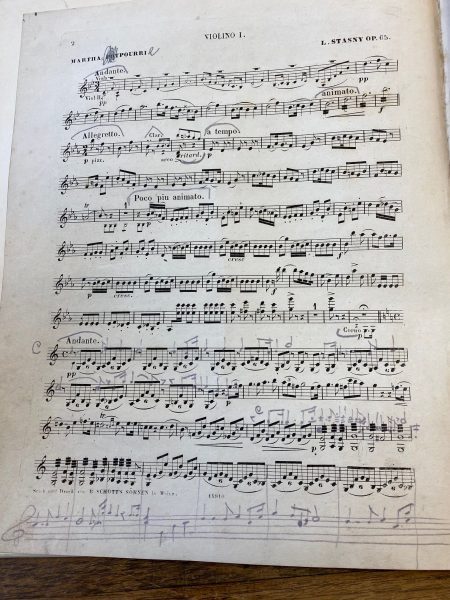
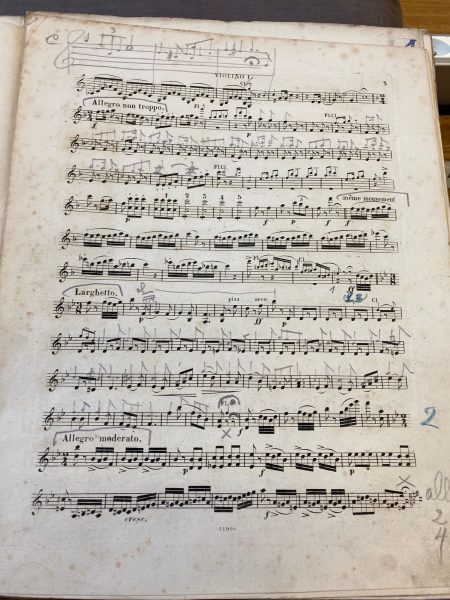
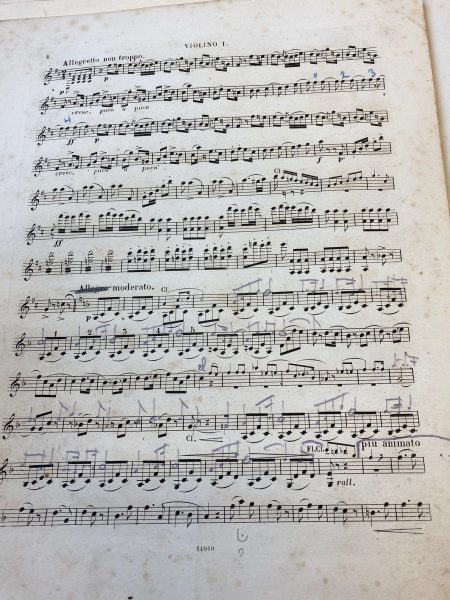
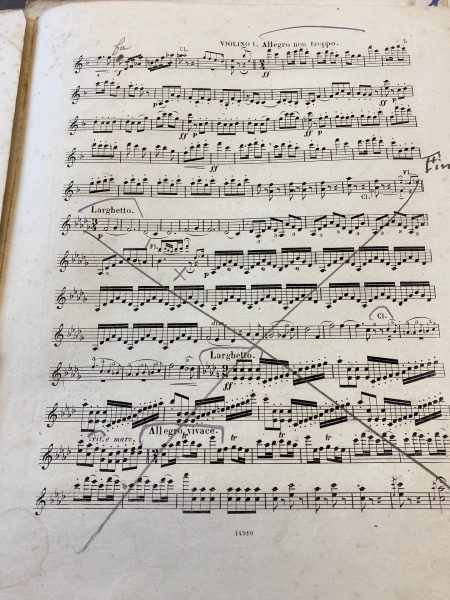
Über das musikalische Thema der Flotow Oper „Martha“ gibt es der heutigen Popmusik vergleichbar spätere verkürzte Versionen. Zu einiger Beliebtheit ist das Potpourri zu den Motiven von Martha gekommen. Kleineres Orchester und ein melodisches vereinfachtes Arrangement konnten für kurze Konzertabende verwandt werden. Der Komponist und Arrangeur Spasny Op. 65 hat Flotows Melodien aus „Martha“ publiziert (desgleichen von Wagner und Verdi). Die Kopie in der KBR Bruxelles ist ein kompletter Orchestersatz datiert von 1886 und 28.7.1894. Aufgeführt wurde das Potpourri im Kursaal von Ostende, wahrscheinlich für die Sommergäste in der Hafenstadt mit naheliegenden Erholungsgebieten und Küstenorten. Neben einigen schönen handschriftlichen Kopien für Violine (5 Seiten) oder Pauken (1 Seite, viele Pausentakte) ist die Partitur für die 1. Violino als „Conducteur“ (assisté?) ausgewiesen und sehr abgegriffen. Interessant sind die Anmerkungen und Einfügungen, wahrscheinlich zu wichtigen Parallelstimmen. Die komplette Streichung ab dem Larghetto am Ende der Partitur, anfänglich in Des-Dur, war vielleicht zu anspruchsvoll, für das zu erwartende Publikum. Ein F-Dur Abschlussakkord vorher klingt erholsamer, zumal im Urlaub nicht wahr. Der an einem Gag interessierte Musikfreund amüsiert sich an der Kritzelei am Anfang. Aus MARTHA; POTPOURRI ist Martha, Potpourrie geworden, was so viel heißt, wie „Martha verdorben“. Der Dirigent (Assistent? Es gibt noch ein sauberes Conducteurexemplar in der Mappe) hatte wohl einen schwierigen befristeten Sommerjob angenommen. Alternativ könnten wir das aber auch interpretieren als Kommentar zu der vereinfachten, aber verdorbenen Version der Flotowschen Martha als Originalstück. Genauer wollen wir das gar nicht wissen, oder?
Aphorismen
Eine Sammlung von Aphorismen, wie sie Georg Christoph Lichtenberg hinterlassen hatte, regten viele Denkende an, sich mit seinem Gedankengebäude zu befassen. Die prägnante Form der Zusammenfassungen, Hypothesen oder Vermutungen zu jeweils einem großen Thema hat ihn unsterblich werden lassen. In Form von Gedankenblitzen, Neudeutsch Tweets, vor mehr als 222 Jahren, gestorben ist er im Jahr 1799, zeugen von großem Weitblick, Tiefe und Breite seines Wissens (Polymath). Jede Person, die sich heute in der Schule mit der Infinitesimalrechnung befasst, der mathematischen Annäherung an einen GrenzwertS (Mathe Vorlesungsnotizen pdf), findet bei Lichtenberg zum Beispiel die Anwendung dieser Methode auf soziale Phänomene. Einer Wahrheit werden wir uns auch nur annähern können, selbst wenn wir sie auf unsere Weise, zumindest temporär, als solche definieren. Vor mehr als 250 Jahren hat Lichtenberg bereits in seinem ersten „Sudelbuch“ interessante Gedanken niedergeschrieben, die uns heute noch Nachdenken lassen. „Unser Leben hängt so genau in der Mitte zwischen Vergnügen und Schmerz, dass uns schon zuweilen Dinge schädlich werden können, die uns zu unserm Unterhalt dienen, wie ganz natürlich veränderte Luft, da wir doch in die Luft geschaffen sind.“
Dem modernen Menschen ist das Bewusstsein, in die Luft geschaffen zu sein, fast vollständig abhandengekommen. Unsere Eingriffe, wider besseren Wissens, lassen weltweit jährlich Millionen Menschen vorzeitig sterben am Smog der Moderne. Innovation ist enervierend, wenn sie nicht vornehmlich den Menschen im Blick hat. Es sollte noch einige Jahre nach Lichtenberg brauchen bis Goethe Faust den Satz sagen ließ: Die Geister, die ich rief, ich werd’ sie nicht mehr los. Lichtenberg setzte das obige Zitat so fort: „Allein wer weiß, ob nicht vieles von unserem Vergnügen von diesem Balancement abhängt; diese Empfindlichkeit ist vielleicht ein wichtiges Stück von dem, was unsern Vorzug vor den Tieren ausmacht.“ Aus dem Akt der Balance den jede/r Einzelne zwischen Schmerz und Vergnügen im Lebensverlauf beschreibt ist längst ein gesellschaftlicher und politischer Balanceakt geworden, zwischen gesellschaftlichen Gruppen sowie zwischen Generationen. Die Abweichungen von einem Grenzwert oder von einem ausbalancierten Zustand sind ebenfalls größer geworden, so dass der ganze Akt ins Wanken gerät. Mit dem beschriebenen, unserem Vorzug vor den Tieren, könnte jedoch ebenfalls ein Teil des Problems sein, denn die Vernichtung der Biodiversität ist nun mal noch die Lebensgrundlage des homo sapiens. Seien es Schwankungen um einen Mittelwert oder immer kleinere Annäherungen an einen Grenzwert, wir wanken auf Pfaden, die Lichtenberg angerissen hat. Blogposts sind wohl vergleichbar den Einträgen in Sudelbüchern. Aus vielen Puzzleteilen kann ein Gesamtbild entstehen, muss aber nicht. Die Begriffe „Random Walk“ oder „Brownsche Bewegung“ sind erst lange nach Lichtenberg entwickelt worden. Heute sind wir von dem „Random Walker Algorithmus“ begeistert oder erschreckt, wenn letzterer für „fake news“ statt Wahrheitsfindung missbraucht wird. 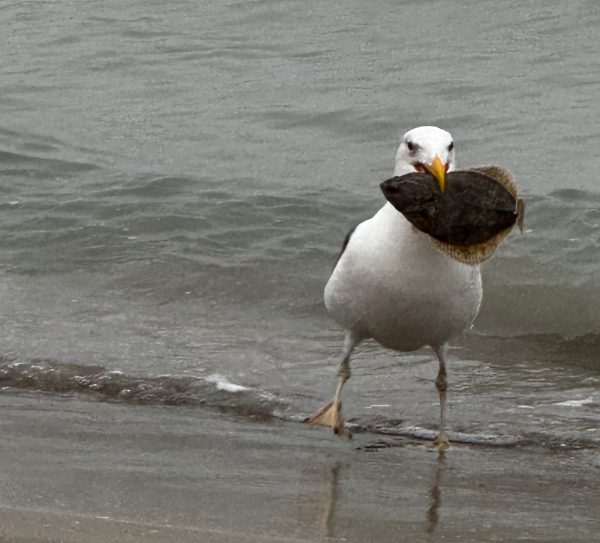
Photo K
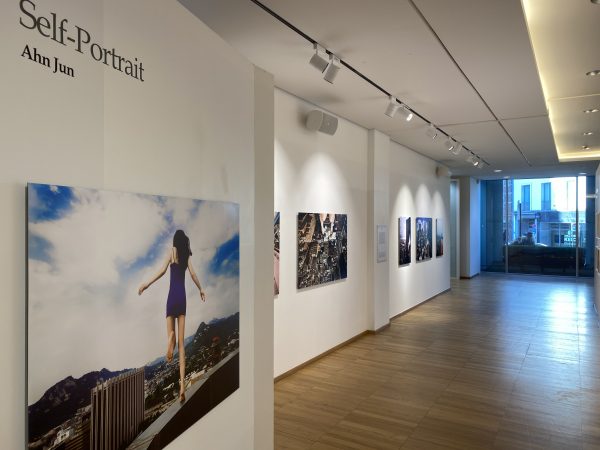
The self portrait is a timely topic for an exhibition of photography. As part of the European month of photography (EMOP), the PhotoBrusselsFestival offers a good overview of what photography deals with in the 21 century. The Korean cultural centre (KCC) in Brussels has a long tradition to serve as an exposition in the centre of Brussels (Sablon) and is joining this year’s photo festival. The 2023 photography festival has the “Self-Portrait” as a guiding theme. Rather than entering the debate about “portrait chosen or portrait endured” (Photographica 5,2022) the self-portrait has more degrees of freedom in it. Even if it is apparently a choice to portrait oneself, there are ample examples, where the urge to produce a self-portrait is part of a wider concern for fundamental issues.
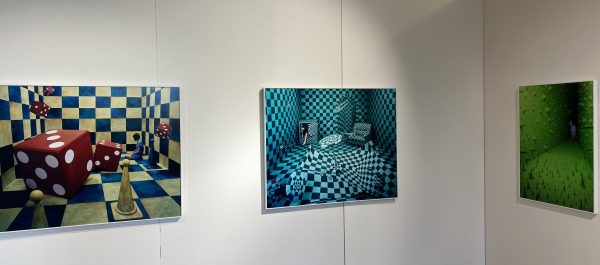
The exhibition of 5 artists from Korea at the KCC invites us to reflect on the pervasive self-portrait practice all around us. The self-portrait is not only a tool of self-reflection, which has a long tradition in art (just think of a famous drawing by Albrecht Dürer of himself), but self-portraits are also pervasive on media and social media today. Additionally, the self-portrait is a powerful tool of thinking and imagining yourself at various stages of the life-course. For centuries it had been a social or political privilege to have your portrait taken. It still is to some extent, but only if the person taking the photograph, has a special reputation. In a market difference to the selfie, the exhibition of artists in the KCC highlights the process of self-reflection that is part of creating the portrait as well as the ensuing reflection by the spectator. In looking at the self-portrait of the photographer, we might involuntarily deal first with our own perception of the image. Danger, dreams, fantasy, sorrow, pain, self-assertion and reconstruction of the self, all these themes come to mind when confronted with the self-portraits of the 5 artists (Bae Chan-hyo, Jeong Yun-soon, Lee Jee-young, Ahn Jun, Choi Young-kwi).
KCC director Kim Jae-hwan names this collection, curated by Seok Jae-hyun, “An odyssey of images leading to self-re-flection”. In referring back to the protagonists in novels from Hermann Hesse, he points our attention to the “unique journey through images as they find themselves”. To embark on the journey visit KCC in Brussels, ask for a copy of the catalogue or start by reading the title of the exposition: “Who Am I” – it is apparently no longer a question after the journey. Is it for you? More reflection on images and photos here.