A political theory in the area political economy is prone to be labelled as classical, neo-classical, Keynesian, Neo- or Post-Keynesian or heterodox economics. This is a university level course in the history of economic ideas, if you like this. Let’s try something creative here. We have unprecedented levels of inflation currently in Europe and many other parts of the world. Reasons for this are higher prices for energy, transportation and food. Anything else you need for life? You must be an artist or a priest, a bit off the normal, it seems to many economists. Add to this that, we want to foster strategic autonomy in Europe rather than anything from China that is cheaper and more polluting. In 2023 we have inflation stay with us for some years. Central banks give out warnings in this direction now as well, having negated the problem for far too long (their own statistics ECB on long-term forecasts of inflation).
Besides the ample economic advice (IMF), depending on which theory of money and the economy you adhere to, political theory allows a refreshing perspective on these economic facts and trajectories. (1) From an international strategic perspective, countries that have to renegotiate a lot of their debt or take new credits to finance imported food, energy or transport will run into insolvency rather quickly. Self-sufficiency becomes an economic asset not only a geo-strategic one. Turn around globalisation is a side-effect.
(2) Countries eager to build new public infrastructure, irrespective of concerns for bio-diversity, might reschedule or abandon huge projects, thereby reducing their CO2 footprint. This reduces the official counting of GDP, but has beneficial effects to save the planet in the medium term.
(3) Individuals and households will have to reconsider their consumption patterns: more expenditure for food, less for energy and/or transport. Behavioural changes might be induced by inflation. Less of some form of consumption, guided by inflation, will induce reductions in CO2 most likely as well.
So far this is only applied economic theory as in any textbook. A more challenging political economy question is to ask: can we come to like inflation? Can we change our preference set (ECB growth dogma) for economic variables? Southern countries in Europe seem to like inflation more than the North. Does this depend on historical experiences or is it cultural or personality trait? There is again a huge money transfer due to inflation within the Eurozone. The less indebted countries pay with loss of their purchasing power of their savings and indirectly pay for the highly indebted countries mainly in the South. European and international solidarity will be put to a tough test.
As governments fear of being voted out of power they tend to soften the price signals from markets. Again, it is cultural more than economic to what extent people are willing to accept state interference in economic affairs even of households need for food. From an ecological point of view inflation could be our friend due to the potential to induce behavioural changes. However, more expensive bio-products seem to get crowded out due to further price rises and many even middle-income households seem to return to cheaper non-bio food in many countries. The distributive effects of inflation are a major issue here. Same rationale seems to apply to transport. If you can no longer afford CO2 saving transport by train, since it has become overly expensive more people are likely to take a heavily polluting low-cost flight to your holiday location.
Hence, from a political economy perspective liking inflation might well turn out to be a rich, white man’s perspective on the economy as the global South is likely to suffer most having no resources left to invest in energy and CO2 -saving in general. Price signals may induce behavioural changes for the better of us all. However, the story it is not only about allocation of resources, but also about distribution. There we should embrace a renewal of trade union strength to correct imbalances in the distribution of earnings as the basis for consumption and investment of households as well. (Image: Tapta, at Wiels Gallery in Brussels, 2023-6, mostly untitled work, one with title: on the edge of time). 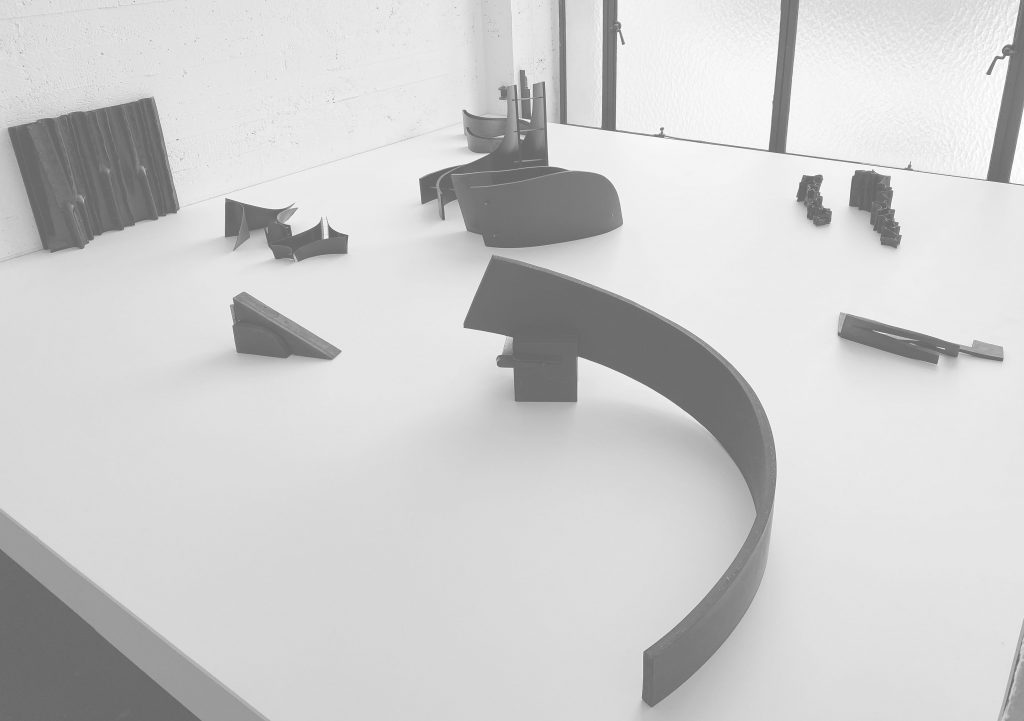
Political theory 2
Chris Brown (2004, pp. 289) comments on the tension between the notions of political theory and international relations in the Handbook of political theory. Whereas the former notion has a foundation in the “cause and effect” rationale, the latter notion has predominantly developed into an approach of “Realpolitik”. Realpolitik that starts from observed facts, normative or historical approaches rather than scientific methodologies applied in “natural” sciences. The link of this approach to the theory of democracy is obvious, but it is also under a lot of discussion within the disciplines concerned.
One of the corner stones of political theory in international relations is the concept of the “balance of power”. Derived from a rational choice perspective this approach holds that states can only be controlled by other states and, taking this for granted, international relations are built on power relations. Therefore, moving away from a bi-polar balance of power to a multi-polar balance of power will entail some frictions. These frictions might be wars of independence where states attempt to relocate themselves within the new multi-polar world and space. Even “Brexit” becomes a strategic move to remain an independent power in the upcoming new multipolar world. Russia is testing this multi-polar world order right now. The big countries like Brazil, Russia, India, Nigeria and China, (which I abbreviate BRINC) have huge populations, country size and economic potential. From the Arab States certainly Saudi Arabia has the potential and is eagerly beginning to play a more important role in the world arena. Beyond capability it is a question of willingness to get involved in costly matters of world affairs.
In the 1940s, post-World War 2, the entry ticket into the Security Council of the UN required the possession of a nuclear weapon of mass destruction. As this technology and the ban of these weapons is no longer really working internationally, we shall have to rethink the requirement of an entry ticket. A radical solution would be to ban all countries who own nuclear weapons from the international assembly of the people of a peaceful world. In theory this sets an incentive to dismantle the deadly threats of nuclear weapons. As a side-effect, nuclear power plants used to enrich uranium for use in weapons would no longer be necessary as well.
Political theory allows us to rethink the bi-polar world, which is no longer bi-polar for some time now (perhaps only in the psychiatric sense of the word). The multi-polar world has to be prepared. It is a question of political design. The toughest issue is not only the design, but the implementation of the transition to distributed power systems with multiple rising and failing states or actors. It might get ugly before peace will reign. 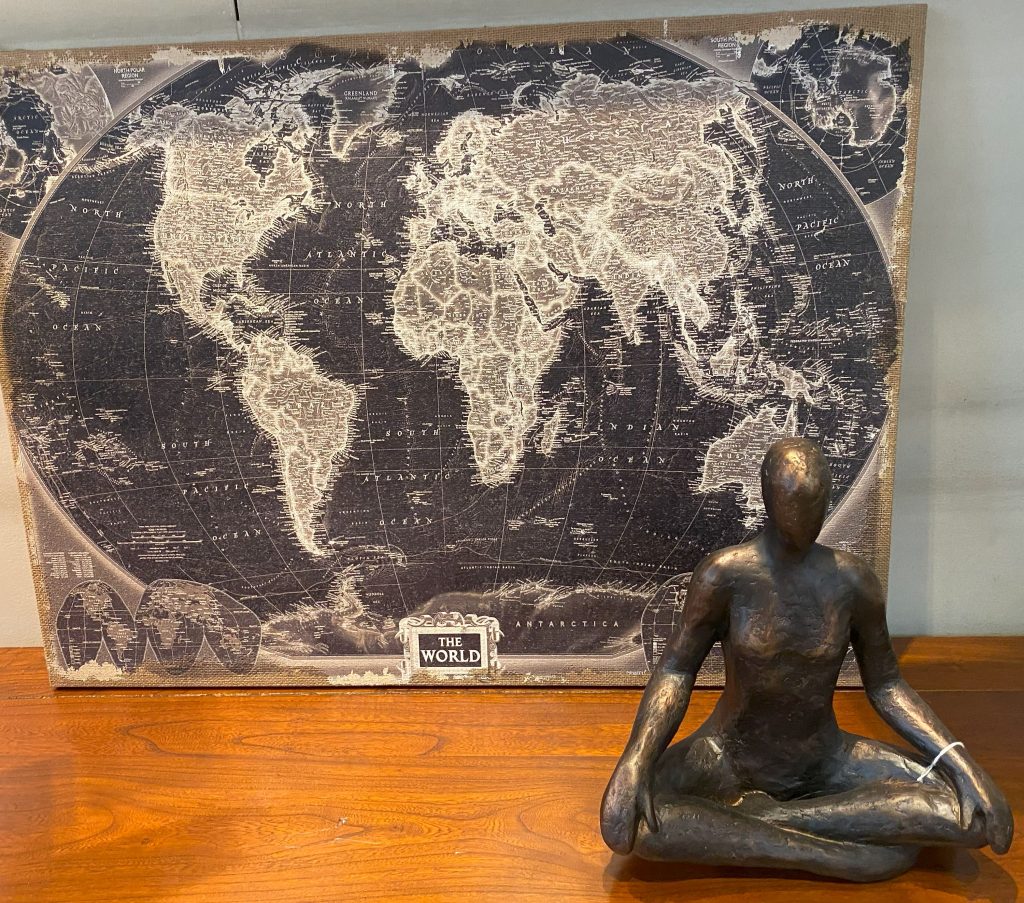
Political theory
In the Handbook of political theory, Chandran Kukathas (2004, pp.250) explains the uneasy relationship between nationalism and multiculturalism in politics and political theory. The Russian war in Ukraine can be considered as a way of suppression of multiculturalism in Russia by negating the right of Ukraine to be an independent nation. As Russia is not allowing “group rights” (Offe, 1998) for Ukrainians or other minorities like the Chechens within Russia, the secession of regions is a permanent threat to the survival of the Russian state.
“How the many can live as one remains a salient question in political theory” (Kukathas 2004, pp.261). Democracies have squared this circle with reference to federalism. Remember, the very foundation of the United States of America has been built on the Federalist papers. Organising regional diversity is at the heart of democracies’ success and failure. In most democratic political systems 2 chambers have contributed to make the voices of the regions heard at the central level. It remains an obvious question to doubt the possibility of authoritarian states to ensure unity despite diversity.
In non-explanatory theory, if we consider those still a theory, we could derive a hypothesis that authoritarian states will eventually fail to accommodate multiculturalism or allowing sufficient diversity and still survive as political unity. The history of the fall of empires is full of examples in this respect. Another more internal threat has been and still is corruption. Corruption was on the list of issues mentioned in the June 2023 uprise and defeat of the rebel military group “Wagner” in Russia. Non-explanatory political theory might still offer some clues, rationale and hypotheses to stimulate the analysis of international relations. The survival of democracies and/or authoritarian regimes estimated on the basis of huge data bases are hard to come by or lack crucial indicators or timeliness. Such reasoning makes the referral to Clausewitz as theorist of war still a common point of reference. The recent example of Russia , however, shows acting in the national interest can easily be claimed by multiple actors in international politics. (Image: House of European History, Brussels). 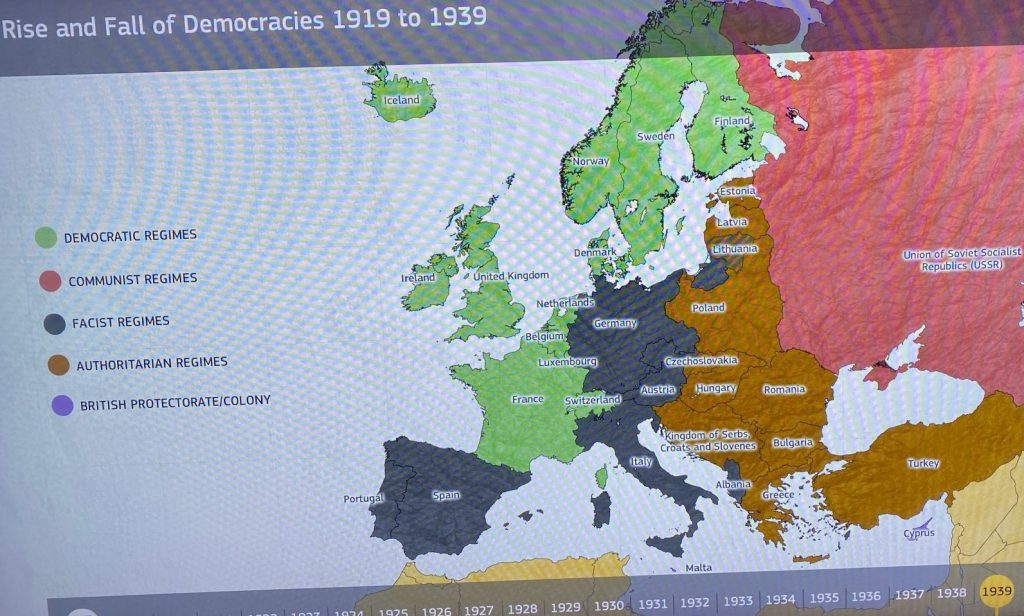
Ukraine Diary
The gallery curated by Dr. Justyna Napiórkowsak in Brussels has another ongoing exhibition with art work from Ukrainian artists. As before in the exhibitions on the war of Russia in Ukraine, they put a major emphasis on the independence and resilience of Ukrainian art despite the ongoing war. To keep a diary of atrocities, but also survival and resistance to violence by Ukrainians, is a great effort. It stems primarily from artists that struggle to find adequate material to keep working or not to succumb to the participation in active war or military defence efforts. Using soft colours, water colours, has a rather symbolic meaning, after the inundation caused by the explosion of the huge water reservoir on Ukraine’s territory. Producing art in form of a diary, like reporting daily to yourself and the outside world as well as later born persons, has an important historic function, too.
No less than the “Diaries of Anne Franck” comes to our mind when thinking about a diary during war time. Russia’s attempt to eradicate Ukrainian culture is bound to fail. We shall cherish the Ukrainian diaries from the war time now and later. Thanks for reminding us of this collector’s duty to support the artists, writers and people of Ukraine. 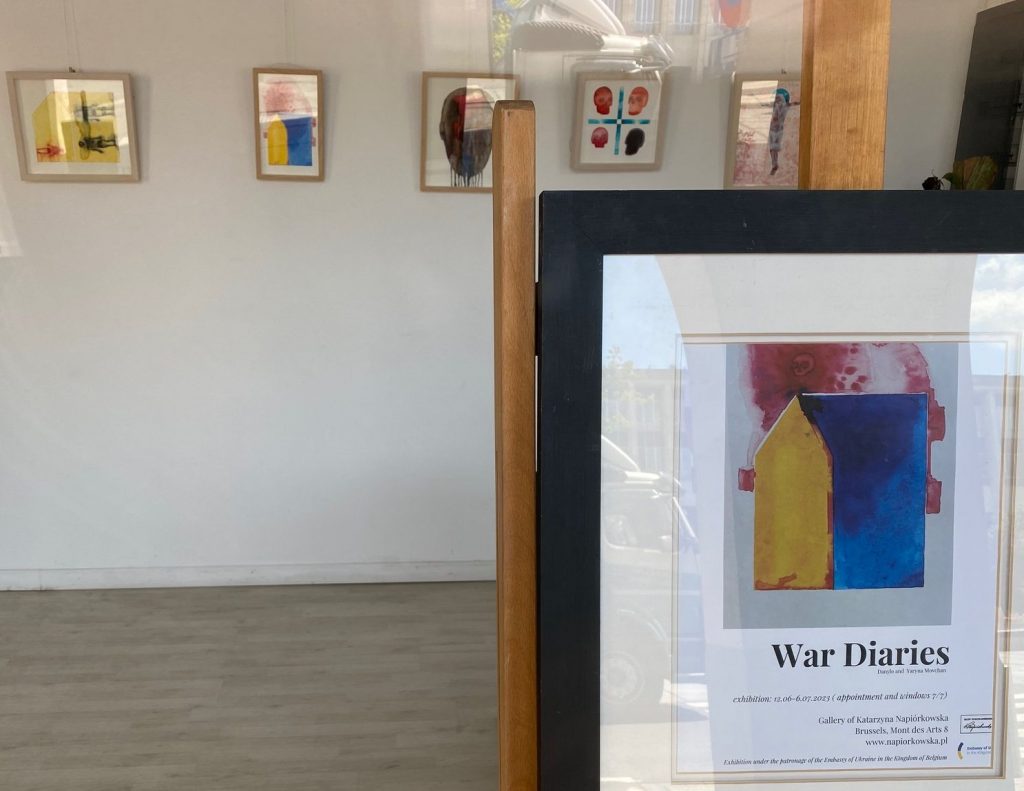
Grenzgang 2
Innerhalb vom Kern Europas ist der physische Grenzübergang kaum merkbar. Sobald es um die Regeln der sozialen Sicherung, Beschäftigung, Selbständigkeit geht oder der Unternehmensbesteuerung werden die bilateralen Regeln bereits viel komplizierter. Falls 3 und mehr Länder ins Spiel kommen wird die Lage ziemlich unübersichtlich oder zum Expertentum. Staatsbürgerin im Land A und Staatsbürger im Land B, arbeitend im Land C dürfen sich über einen Dschungel an Regeln freuen, der Kafkaeske Verhältnisse hoch 3 produziert. Irgendwo klemmt dabei immer etwas. Dabei hatte die Regulierung CE Nr. 883/2004 über die Koordinierung der nationalen Systeme der sozialen Sicherung doch weitgehende Konkretisierungen hervorgebracht und Sicherung der Bestandsrechte hervorgebracht.
Wie so oft liegen die Schwierigkeiten im Detail und darin sind die jeweilig zuständigen Verwaltungsbeamten, wenn die denn erst einmal herausgefunden wurden, eine Hürde, die es zu meistern gilt. In der jeweiligen landesüblichen Verwaltungssprache, versteht sich von selbst, inklusive regionaler Besonderheiten.
Während juristisch der Grenzübergang von Beschäftigten, Selbständigen und Unternehmen jeweils geregelt ist, ergibt sich aus einer juristischen Figur des „salary split“, also eine beschäftigte Person bei 2 Arbeitgeberinnen eine Lücke in der Zuständigkeit. Diese besteht gleichfalls in den meisten Ländern der EU. 2 Teilzeitjobs zu 50% lassen sich sozialversicherungsrechtlich nicht fair darstellen. Die zweite Lohnsteuerkarte und Besteuerungssätze, na wir ahnen schon, was das für Betroffene heißt.
Unternehmen und der Staat machen es sich einfach. Eine Konfiguration „Mulitplication des employeurs“, mehrere Arbeitgeberinnen, ist nicht wirklich adäquat vorgesehen (Crabeels, 2008 S.272). Dadurch werden viele, besonders junge Beschäftigte systemisch in ihrer beruflichen Findungsphase benachteiligt und in die Selbständigkeit oder gar die Scheinselbständigkeit gezwungen. Dabei brauchen wir dringend diese dynamischen GrenzgängerInnen in Europa mit ihren grenzenlosen Ideen, Enthusiasmus und Gestaltungswillen.
Neben diesen „high potential Grenzgängerinnen“ gibt es viele Beschäftigte, die bereits in einem Mitgliedsland der EU mehrere Beschäftigungsverhältnisse ausüben müssen, da sie von einem Job ihren Lebensunterhalt nicht bestreiten können. (EU Statistik Jugend Eurostat,2022). 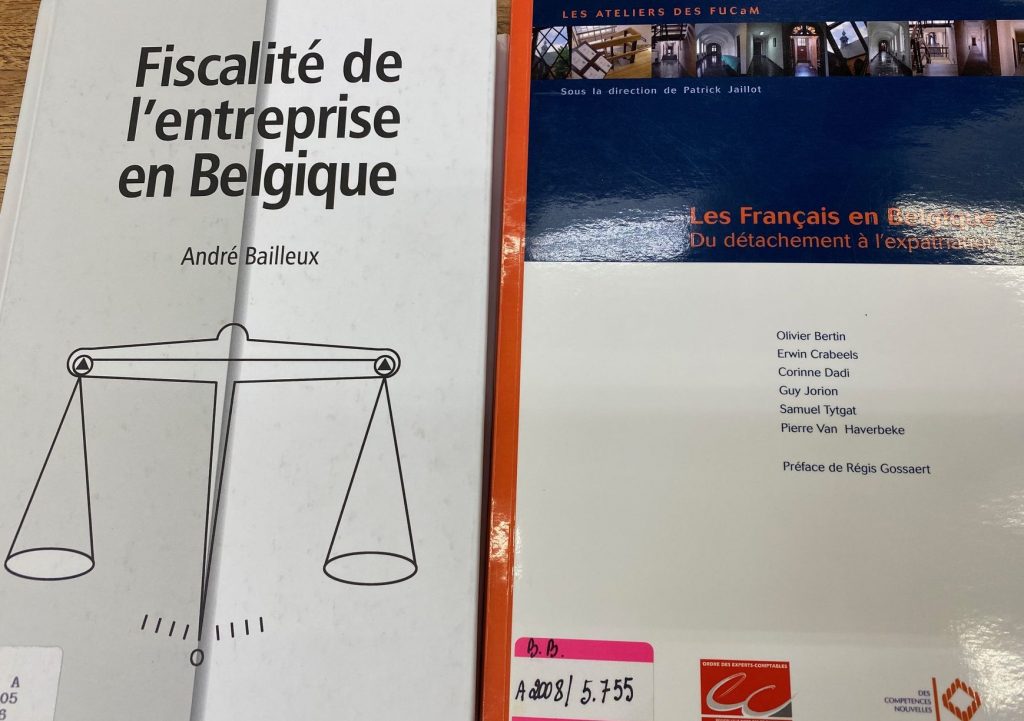
Grenzgang
Eigentlich wissen wir gar nicht mehr, was eine Grenze im Schengenraum der EU darstellt. Viele Arbeitende überqueren eine Grenze täglich, sozusagen als Arbeitsweg. Die Logik dafür ist vielfältig. Mal gibt es mehr oder besser bezahlte Arbeit im Nachbarland, mal ist es der preisgünstigere Wohnraum oder die Liebe. Diese Herzstücke Europas haben viel Selbstverständlichkeit, aber auch spezifische Belastungen mit sich gebracht. Das Europa der Grenzregionen bleibt für die meisten eine ständige Herausforderung. Regeln gelten meist noch nach Ländergesetzen. Sozialversicherungen sind ein besonderes schwieriges Thema. Das betrifft gerade die vielen Grenzüberschreitenden besonders hart. Misstrauen bei Sozialkassen ist die Regel und nicht die Ausnahme. Da wird dann schnell doppelt von Grenzgängerinnen abkassiert. Bei großen Katastrophen, bei denen die Medien überall hinsehen, stellen sich viele Politikerinnen ein. Für das Klein-klein des täglichen Lebens fehlt oft die Nachhaltigkeit der Handelnden, um wirkliche Verbesserungen zu erreichen.
Seit Jahren fahre ich beispielsweise in der schönen Grenzregion bei Aachen und Vervier mit dem Zug zwischen den beiden Ländern, doch dort scheint seit Jahrzehnten die Zeit still zu stehen. Wer mit ICE oder THALYS von Metropole zu Metropole fährt, rast mal eben vorbei. Die Bürgerinnen vor Ort dürfen sich zu Recht etwas abgehängt fühlen, bleibt für sie doch meist nur der Lärm der vorbeirasenden Züge. Zwischen Deutschland und Belgien gibt es für Grenzgängerinnen noch eine richtige Bimmelbahn. Sie wissen schon, die fährt langsam und kommt trotzdem an. Und das stündlich hin und her oder kreuz und quer. Leider wächst Europa selbst im Zentrum nur sehr gemächlich zusammen. Ob wir so viel Zeit noch haben, bevor undemokratische Kräfte die Uhren wieder zurückdrehen, bleibt eine Überlebensfrage für uns überzeugte Europäer. 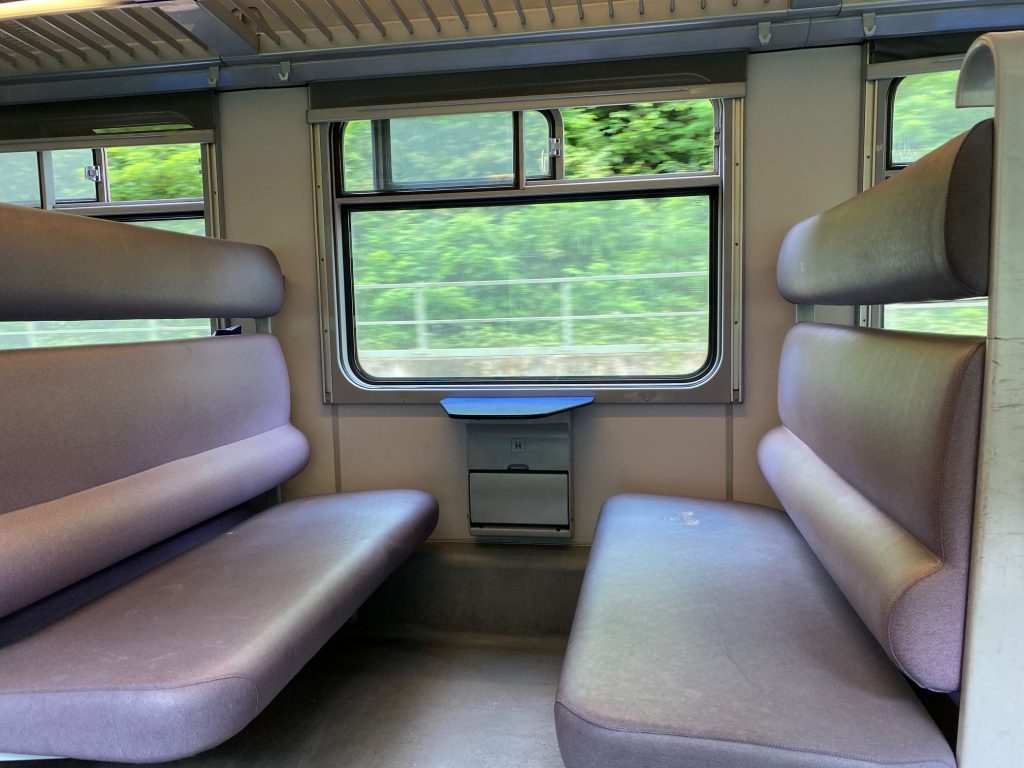
Medical Personal
Like in many other professions, medical doctors and nurses are in short supply. Labour markets in Europe have changed from high oversupply (unemployment) to shortages of mainly skilled persons. 20 years ago, such skill needs were already visible in projections. In 2023 the discussion of skill needs is spreading to more and more professions. The medical professions are no exception to this rule. Even the best paying jobs will not be filled in sufficient numbers. The German institute for the medical profession (www.zi.de) forecasts, in my opinion, a lower bound estimate of medical doctors for the year 2030. Their projection is based on an underestimation of the growth of the population (war in Ukraine), which they see as about constant until 2030. From the recent figures on the population of Germany there were 1.5 million persons moving to Germany and a loss of more deaths than births of 327.000. Migrants are on average much younger than the German population and, therefore, overall aging of the population is reduced. Tough news for those daring to do projections. Thanks to the immigration of younger persons there will be more persons contributing to health insurance and pay for the higher costs of a rapidly aging population.
Following the projections of the distribution of specialists needed, we shall need more urologists, eye specialists and substantially more psychotherapists. This originates in the aging of the population and the higher demand of younger persons (post Covid-19), as well as refugees, in need of psychotherapeutic assistance.
So-called hog-cycles tell us for the medical profession, with a “production time” of 10 years for a medical doctor, that we are already far behind schedule to address the future skill needs of the aging medical profession and population. This strengthens the need to get serious about prevention of avoidable diseases. Stop reading here, stand up and go for walk. It is the best-practice-solution taking account of the aging of the medical profession and the population as a whole. 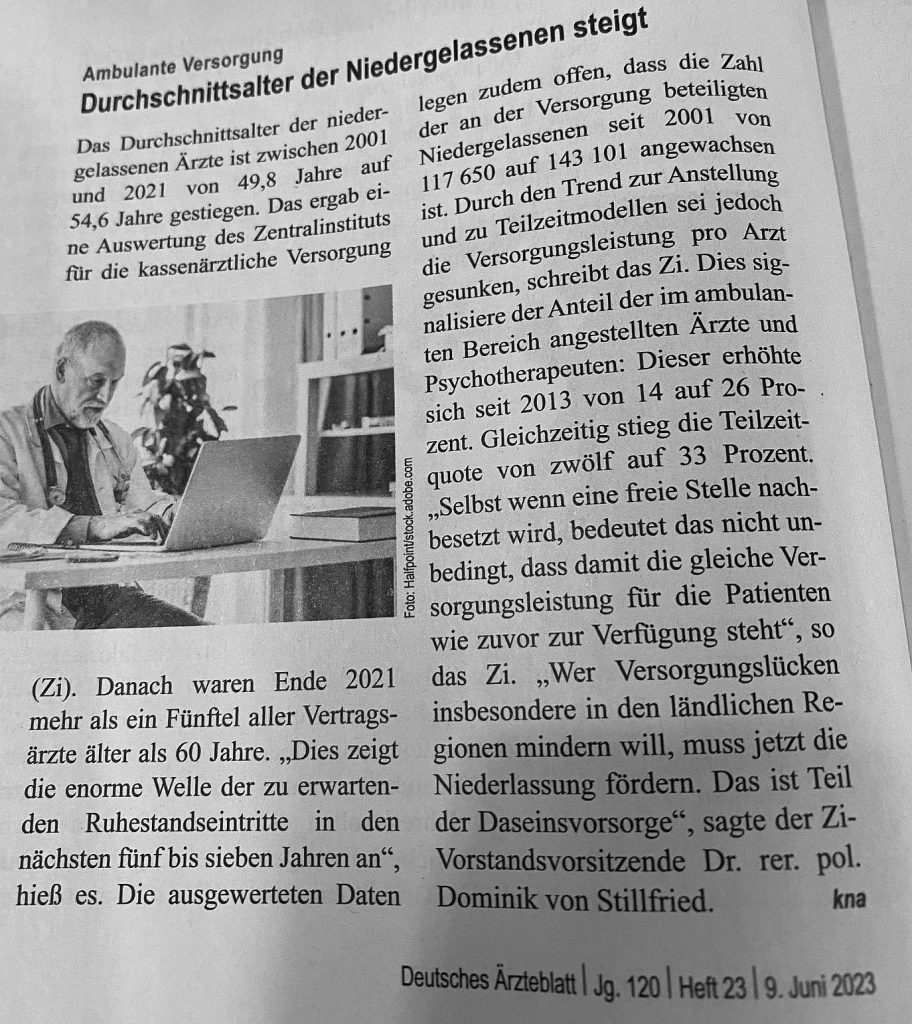
Lebenserwartung
Die Lebenserwartung ist in Deutschland trotz überdurchschnittlicher Ausgaben des Gesundheitssystems nur unterdurchschnittlich. Das ist die Schlussfolgerung der Pressemitteilung des Bundesinstituts für Bevölkerungsforschung. Der Mortalitätsforscher Pavel Grigoriev führt das auf die besonders bei Männern (50-64) erhöhten Sterblichkeit aufgrund von Herz-Kreislauf-Erkrankungen zurück. Eine gesunde Lebensweise ist dabei ursächlich für eine längere Lebenserwartung. Walking und Ernährung spielen eine große Rolle bei der gesunden Lebensweise. Also Auto stehen lassen und öfters selber Essen zubereiten. Klingt doch einfach, berufliche und schulische Voraussetzungen dazu fehlen aber weitestgehend in Deutschland. Zu viele Süßgetränke verstärken die ungesunde Lebensweise. Das wissen wir eigentlich lange. Dennoch fällt es schwer, solche Routinen in den Alltag zu integrieren.
An der Tatsache eines überteuerten Krankensystems im Vergleich zu unseren Nachbarländern werden wir ebenfalls arbeiten müssen. Prävention, statt hochtechnisierte Versorgung in häufigen Krankheitsfällen ist die einfache Lösung. Jede Autoversicherung bietet hohe Schadensfreiheitsrabatte für mehrjähriges Unfallfreies Fahren. In der Krankenversicherung könnte das stärkere Berücksichtigung finden.
Der Gesundheitsschutz am Arbeitsplatz könnte ebenfalls durch eine stärkere Beteiligung der unternehmerischen Verantwortung herangezogen werden. Arbeitnehmende im Arbeitsprozess verschleißen und dann die Gesellschaft die höheren Kosten tragen lassen, ist ein unfairer Deal. Große Baustellen warten darauf, angepackt zu werden. Anhand der Daten des Bundesinstituts für Bevölkerungsforschung und des MPI für demografische Forschung lässt sich der Fortschritt der Lebenserwartung seit 30 Jahren aufzeigen. Die 4-6 Jahre längere Lebenserwartung der Frauen gibt zu denken. Daran hat sich über die Jahrzehnte wenig geändert. Die Männer haben zumindest ein klein wenig aufgeholt oder sollten wir sagen, dazugelernt. 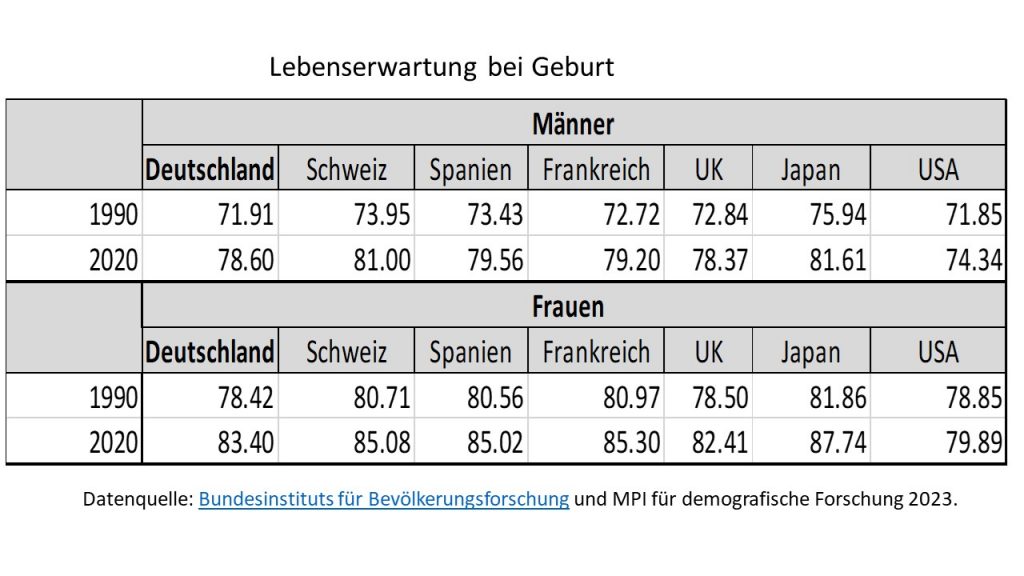
Special
We all value special skills and specialists. In Berlin is a whole week devoted to the special event of the #SOWG. These are the special Olympics world games. Berlin is booming with special people all around. Already the arrivals of the athletes to Berlin tests the public transport system as much as private infrastructure to welcome persons with special needs. Rather than the waste that is produced for normal Olympic games the same incredible amounts of money should be devoted to make cities more welcoming to special people every day. We have become as societies so used to speed up things as much as we can that we have forgotten the value of allowing people to live their lives with their own speed and rhythm. Looking at the huge numbers of private sponsors for the SOWG it becomes obvious that many people care to support these special people on their journey. I am more willing to pay taxes for such efforts than the public money wasted for football, like TV-rights or stadium buildings. The joint experience of love and joy with these extraordinary persons makes us all happy and rich. Happiness is the new “wealth of nations”. Inclusion brings happiness to more than just the normal. We wish you all a happy #SOWG. The  stars are you.
Recht auf Wohnen
Das Recht auf Wohnen ist ein Grundrecht.
Grundrechte sind nicht verhandelbar, so wie die unveräußerlichen Menschenrechte. Selbst unsere Wohlstandsgesellschaften tun sich recht schwer damit, ein einfaches Wohnrecht für alle zu verwirklichen. Ganz besonders in Städten, die eine hohe und stetig steigende Nachfrage nach Wohnungen verzeichnen. Da will viel geplant und gebaut werden. Dennoch läuft das Angebot an Wohnungen der Nachfrage ständig hinterher.
Nicht überall (nur ein kleines Dorf in Gallien). Weite Landstriche leiden am beständigen Fortzug von Jungen, die eine noch stärker alternde Einwohnerschaft auf dem Lande zurücklassen.
Das atemberaubende Großstadtleben hat viele Vorzüge. Bildung, Wissenschaft, Kultur, internationale Unternehmen und höhere Toleranzschwellen. Nach solchen Erfahrungen fällt die beengte Dorfgemeinschaft schwer, selbst wenn viel Platz, Luft,Wasser und Wohnraum preiswert zur Verfügung stehen. Gute Verkehrsanbindung des ländlichen Raumes an die Innenstädte mit ihrem vielfältigen Angebot ist ein zentraler Lösungsbaustein. Das Häusle in der Vorstadt, abends in die Oper, morgens im See nackt baden und mittags nach Smoothie im Himalaya Restaurant vegetarisch speisen. Die neue Bohème gleich in vielen Aspekten den Eliten der 20er Jahre. Schön und gut.
Die Kehrseite der Medaille (Avers – Revers) waren die großen Wohnungsbaugesellschaften der 10er und 20er Jahre, beispielsweise in Berlin, die für wachsenden und erschwinglichen Wohnraum sorgten. Die großen Firmen der Epoche haben bei den neuen Siedlungen kräftig mitgeholfen. Es gab Zeiten, da haben Arbeitervereine und Gewerkschaften gemeinsam in die Hände gespuckt und sich staatlich unterstützt, preiswerten Wohnraum selbst geschaffen. Eine Gefahr von Korruption besteht, kann aber kontrolliert werden.
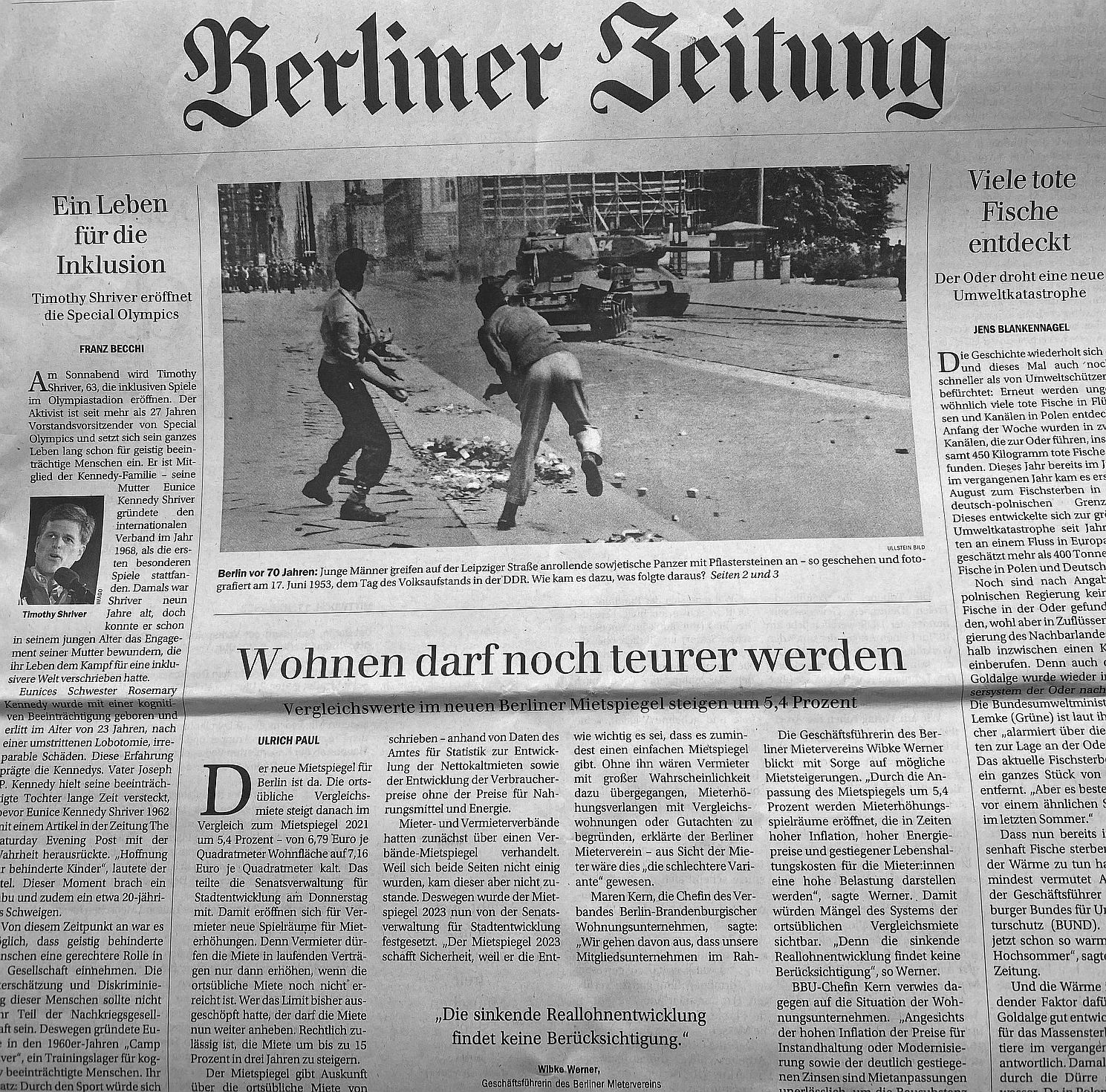
Die Herausforderung durch die hohe Inflation steht im Untertitel des Zeitungsartikels der Berliner Zeitung: „Die sinkende Reallohnentwicklung“ führt zu zusätzlichen Ängsten und realer Bedrohung für die vielen Geringverdiener, Arbeitslosen und Integrationsbedürftigen. Das braucht rasche Antworten, nicht nur von den Parteien, die „sozial“ in ihrem parteipolitischen Namen führen. Obwohl, schnell geht im Bauwesen selten etwas. Großspurige Ankündigungen werden nur selten eingehalten, besonders bei Wohnungsbauprojekten. Das Recht auf Wohnen bleibt ein Beispiel für die Notwendigkeit und für die Herausforderungen einer sozialen Marktwirtschaft.