Mammalian Aging

Mammals share a lot of similarities with respect to aging. The researchers Alexander Tyshkovskiy and Vadim N. Gladyshev et al. (2026) spearheaded multiple research to identify similarities across humans, macaques, rodents and mice. The outcome of this overarching study of mammalian aging and mortality is a set of biomarkers that can serve to predict time to death.
Why is this interesting? With the rise of the longevity interest in the 21st century, the need increases to use robust biomarkers that can assess any presumably miraculous innovation to smooth human aging or prolong the time to death. Steps towards “universal transcriptomic signatures” including CDKN1A and LGALS3 (compare across species), which proved to be important in mortality predictions based on the large UK Biodata.
It is the accumulation of damage, which drives  processes of aging . However, “inflammation, replicative senescence, metabolic inhibition and γ-irradiation” can be attenuated or occasionally even reversed. The aging of cellular components has been demonstrated using “modular-specific clocks”.
With these biological advances in the field of biomarkers, the BPS nexus (biology-psychology-society links) could receive more attention as well in order to enlarge the society-wide research into the causes of human aging.
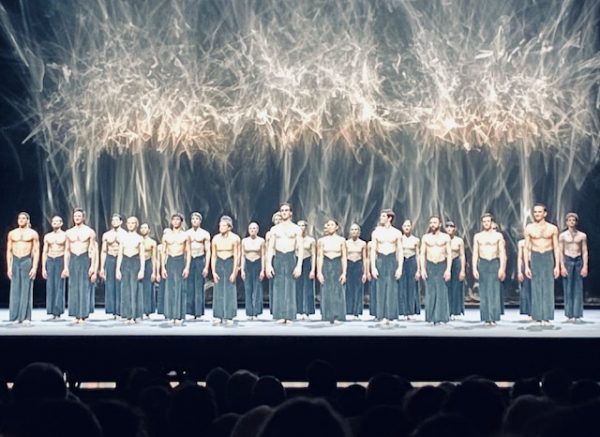
(Image: Staatsballett Berlin, Choreographie Crystal Pite, Gods and Dogs, Angels’ Atlas performed 2026-5, final applause)
Gone paddling

Similar to windsurfing, paddling has not only a physiological, but also an ecological impact. Rather than using external power the equipment requires a good sense of balance on the board and propulsion originates in your own muscles. The benefits are great for mind and body and sharing a board is the standard way of getting your regular exercise.
There are more and more stations near the sea or on lakes available in 2026-5, so that it has become a much more accessible form of exercise. Paddling is also an age-inclusive practice, since the “probability to fail“, with the pleasure of spontaneous diving, is spread relatively equal across ages. Learning curves, however, may differ substantially across generations depending on prior balancing experiences. The ecological bottleneck consists in the access to sufficiently clean water resources so that the healthy and fun exercise shall have positive long-term health effects. 

Gone walking

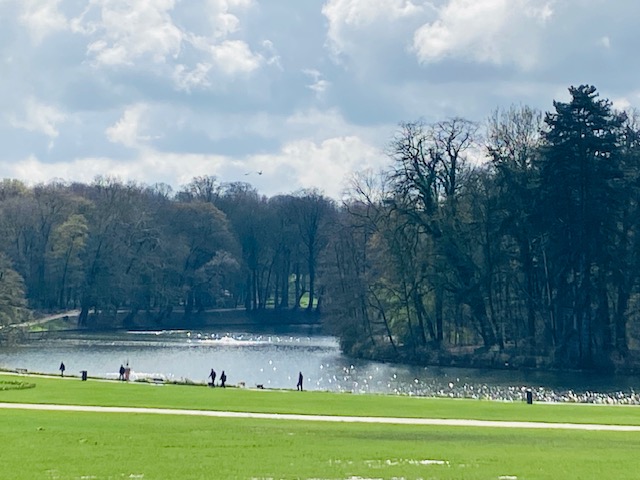
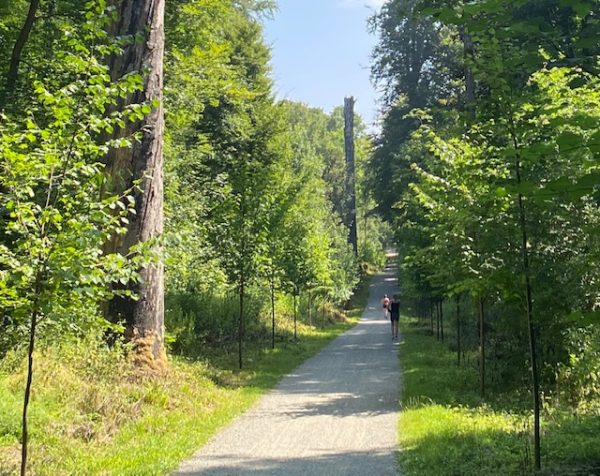
During busy weeks or travel times it can be difficult to keep your average healthy walking distance up to standards. Rather than traveling even longer distances to far away destinations, nearby areas might have to offer lots of options to get more exercise of any kind and particularly walking. The environment for walking plays an important role as well as for example walking on the beach distracts easily from the efforts involved. You don’t have to go fishing, but lots of activities will encourage you to further to explore soft forms of exercise. 

Family Archaeology

The archaeology of family bonds is an interesting branch of both archaeology and genealogy. The mixing of hunter-gather populations with settled populations seems a rather ancient fact (study link). Analytical DNA comparisons reveal that nearby groups had indeed contact and even intermarriage occurred more than 5.000 years ago (Mattila et al. 2026). The evidence is based on data from a cemetery where several persons were buried in the same grave.
The study by Blöcher et al. (2026) demonstrates that in the late phases of the Roman empire along the Roman frontier in Germany a mixing of Romans with local populations a similar process took place. Whereas genetic structures persisted until the 6th century, the Central European genome as we know it today refers back to the 7th century. The inter-generational transmission seems to be an important driver of diversity. The high infant mortality together with an earlier mortality of women than men at that time show the accomplishments of modern medicine to safe infants and mothers from the hazards surrounding family formation and survival.

Dementia Prevention

The United Nations reports on countries’ activities like dementia prevention plans. Focus is on the medical sociological analysis in which dementia is not only determined by a person’s individual life course, but it is also a society-level issue. Looking at dementia prevalence and incidence over time as well as major known risk factors, Mukadam et al. (2024) conclude that low education level, smoking, obesity, hypertension and diabetes all contribute substantially to the risk of dementia. The trick with education is simple. If you start on a dementia trajectory from a high level of education, it will take longer until you are fully dependent on other persons. For the other causes there intrinsic or genetic components, but a large share of dementia risks can be reduced through behavioral changes early in life. My all time and all ages favorite is walk whenever and as long as you can.

Time Response

Time enters in many studies of behavior as response time. It could be summerized under a mechanism defined as “action – reaction” in many instances. In the animal model this is studied not only from external stimuli and bodily reactions, but with direct brain or nerve stimulation and subsequent reactions in other parts of the body.
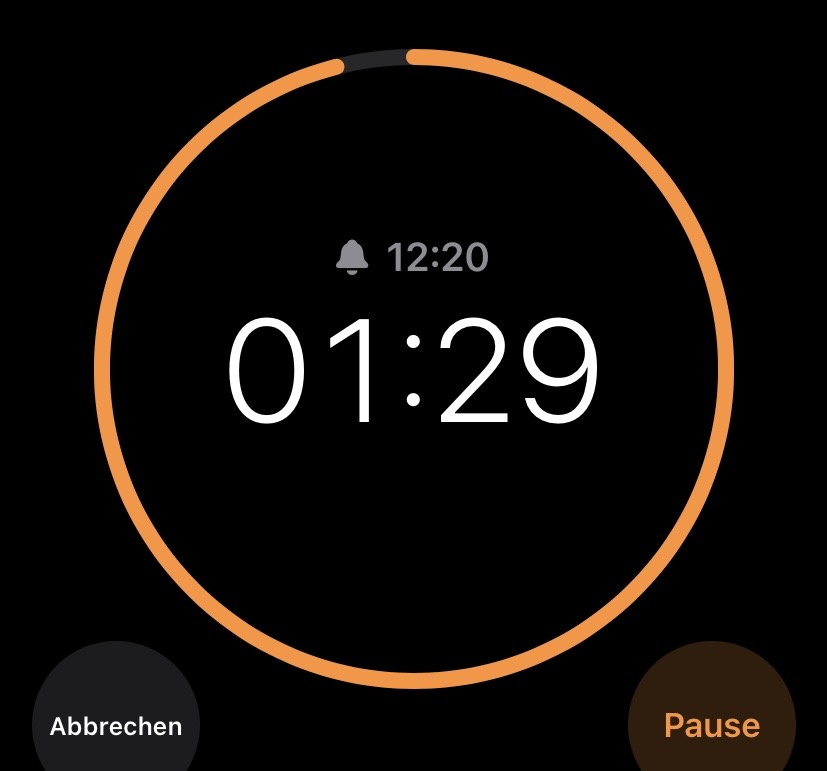
Within humans the same rationale is widely acknowledged as well (Kimura2023). In many processes it is not no longer a question, whether a response will occur, but the differences in response time play a crucial role, for example in processes of aging. In many mental processes, response time is a fairly reliable indicator of aging as response time increases and the reaction is slowed down. The focus then shifts on strategies how to keep response times within usual boundaries. Eliminating or at least reducing disturbing peripheral influences like noise or light as distractions become an issue. In jazz music, the “call – response” mechanism has entered as a successful element in composition and improvisation. Time and response or response time is a highly passionate, physiologic and emotional issue.

Screenshot

Dual Task Processing

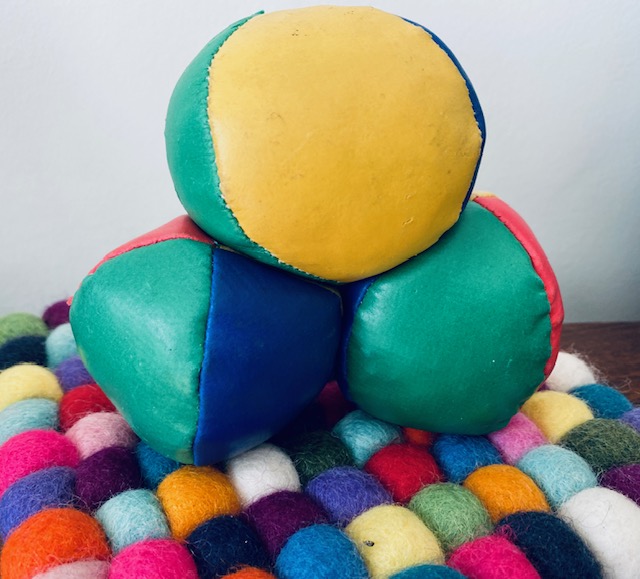
Extensive research into dual task performance shows that training of 2 tasks simultaneously can indeed enhance performance. New research by Schubert et al. (2025) indicates that there latent and persistent bottlenecks to the brain’s processing of such dual tasks, let alone multi-tasking. Out of own anecdotal exercise with “object tracking and touch” (gaming on tablet) a learning effect arises. However, it is unclear, whether this exercise translates to normal traffic situations in inner city situations for pedestrians or cyclists. The experiment of a dual task, combining a visual-manual and an auditory-verbal task, indicates also training effects, but the brain appears to return to sequential processing rather than simultaneous processing as much as it can. Such a dual task test may consist in juggling while singing a song or even leading a conversation with somebody. Quite a challenge or exhausting mental training even for those with a history of juggling objects.

Bob the AI-enhanced builder

Most kids today and GenZ youth have come across the TV-series “Bob the builder”. Baby boomer parents have been worried about the work ethos which might be the hidden agenda of the videos. In 2026 we can now draft a new episode called “Bob the AI-builder”. Many episodes could be re-written when Bob and his team have access and get training with AI toolboxes. The study published by ActivTrak (2026-3-11) reports that companies make on average use of 7+ different AI-tools, up from 2 in 2023. This constitutes a hint that complexity at work is increasing as each tool has to be managed and the boundaries of its use need to be respected. As most search engines offer an AI-short cut to search it is not surprising that now 80% of the workforce use some form of AI in 2026. The productivity increases in quantitative terms as more output can be achieved in the same time or slightly shorter work days. However, workload is moved even more to weekends now.
The upcoming challenge through AI-tools is the reduced “the AI users’ focus time”, which suffered 9% compared to non-users. For Bob the AI-enhanced builder this means “AI is being used as an additional productivity layer, not a substitute for existing work”. The overall workload is not reduced by AI. The intensity of work increased between 2023-2025.
There is still a puzzle in the data. Multitasking (+12%) and collaboration (+34%) both increased, but the duration of an average focused session and focus efficiency dropped. The challenges for employees increase. Handling simultaneous processes and keeping an open mind to collaboration are key competences for Bob the AI-enhanced builder.
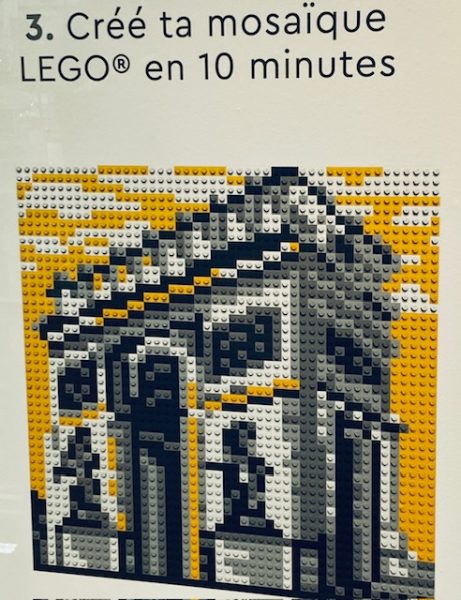
(Image: LEGO-shop in Paris 2026-2)

Holistic public health

Based on case study in Queensland Australia, Boocock et al. (2026) propose the wider application of holistic public health laws. Due to effects of global warming the local burden of disease may rise due to larger scale floods and subsequent growth of for example mosquito populations that transmit infectious diseases. It will be necessary for societies to understand the processes behind the growth of mosquito populations and what can be done to prevent and protect oneself from the consequences. This is not only an environmental issue, but also an issue of continuous learning across all strata of society. Neighborhoods tend to suffer the same impact of chemicals used or the spreading of diseases like Dengue or malaria. The case study makes a convincing argument about the intrinsic relationship between the social and environmental processes at work. 

Exercise and neurons

The neurons in the brain have an active part even in training effects of physical exercise. Morgan Kindel et al. (2026) have accomplished a rigorous test that demonstrates the involvement of brain neurons when mice were exercising repeatedly. Training effects were larger if the neurons of brain cells were involved as well. The cell’s learning ability encodes the experience of exercise and is prepared for a repetition of the exercise. This is roughly what happened in their experiments in my own words. Runners might know the effect that running on track or treadmill uses up less calories than running cross-country where the brain is more challenged to avoid missteps or loss of orientation. However, the latter are different tasks whereas the former experiments demonstrate that the brain is involved in physical exercise even if we do not notice it. Exercise might spur brain plasticity just by doing it. Hence, just do it.